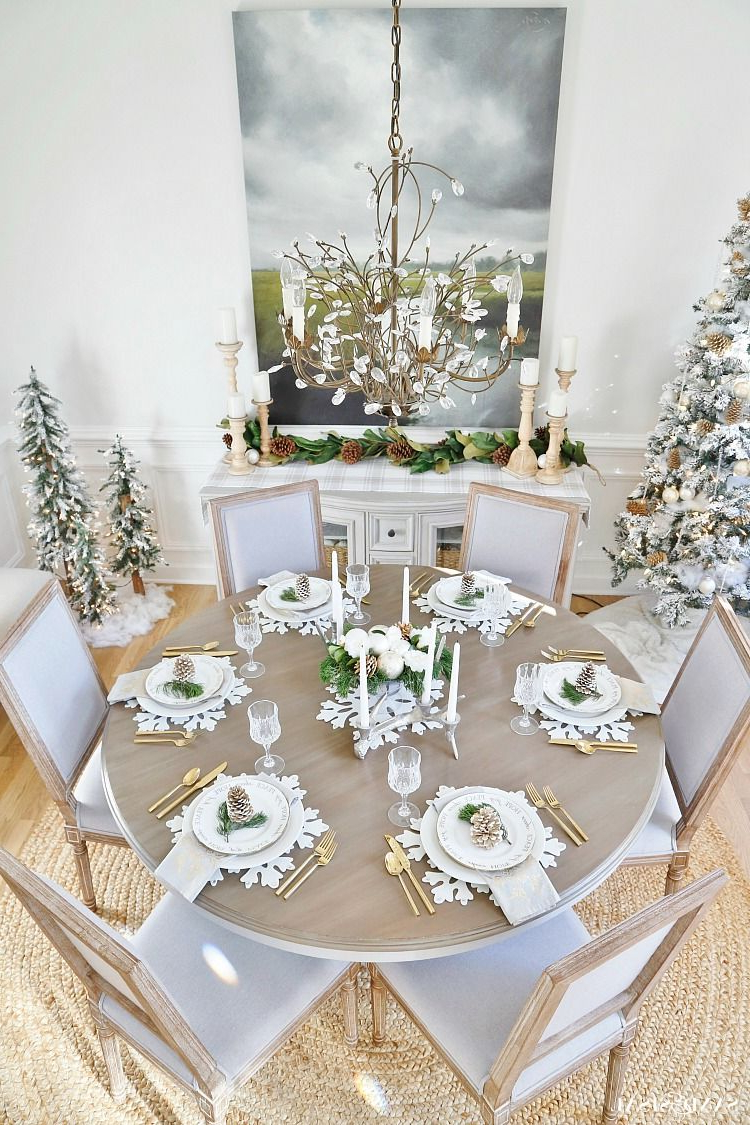
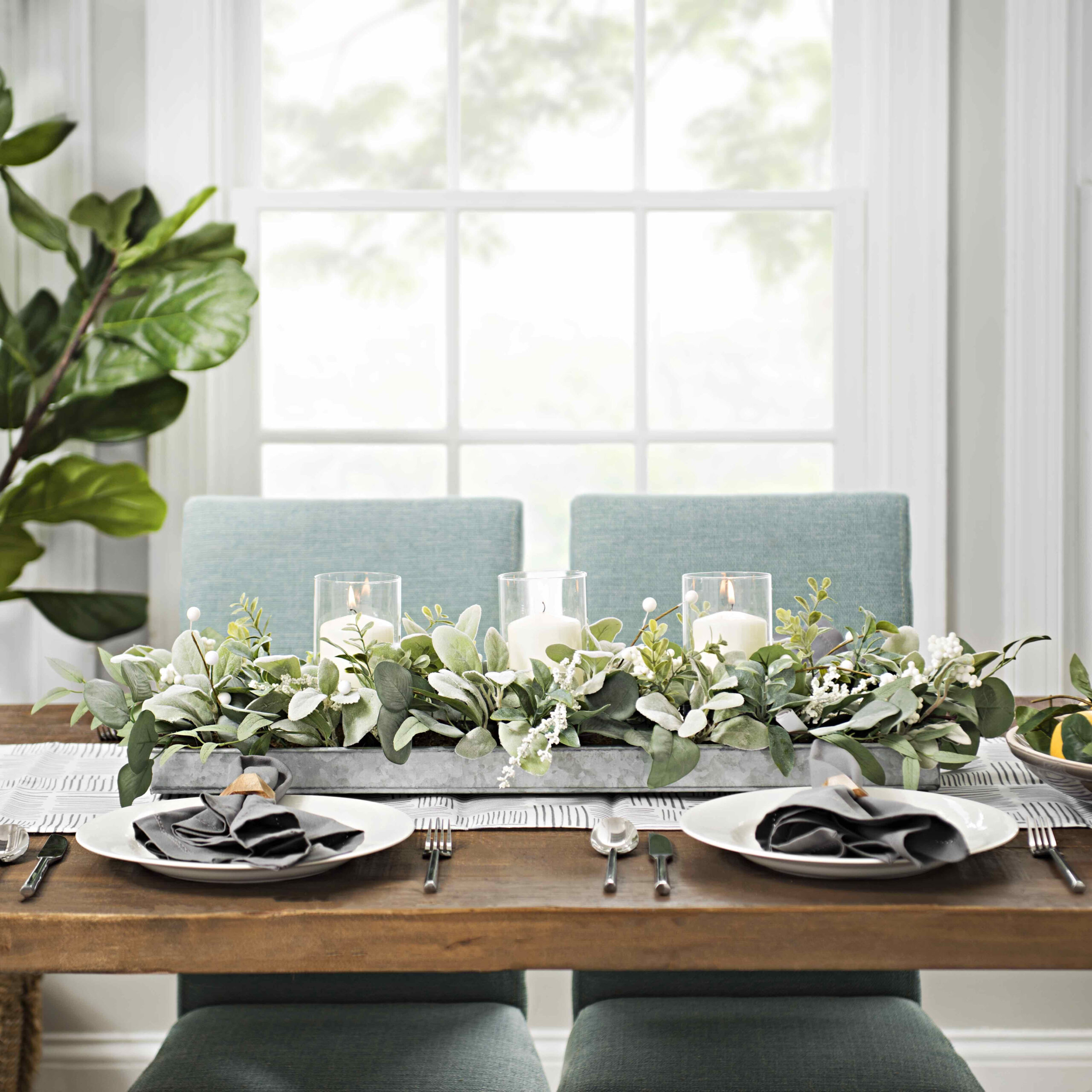
Picture this: you’re sitting at a beautifully set table, the atmosphere is warm and inviting, and every element works together to make your meal feel special. The secret often lies in how you arrange the centerpiece. It’s not just about decoration – it’s about creating an experience that lasts. When we think about dining room centerpieces, we’re really talking about crafting moments that linger in memory long after the last bite.
Long dining room experiences deserve thoughtful attention, especially when it comes to the heart of the table setup. Whether you’re hosting a holiday feast or simply enjoying a leisurely Sunday brunch, the centerpiece plays a crucial role in setting the tone. What many people overlook is that a well-designed centerpiece doesn’t just sit there – it guides conversation, creates visual interest, and makes time seem to slow down. We’ve all experienced those dinners where the table feels flat and uninviting. Then there are others where the arrangement of flowers, candles, or decorative elements transforms the entire mood. The difference isn’t magic – it’s intentionality and understanding of how design affects our dining experience.
Understanding the Psychology of Table Arrangement
The way we arrange things around us affects our emotions and behavior. Research shows that visual elements on a dining table can influence how long people stay and how much they enjoy their meal. When we place objects strategically, we’re actually shaping the environment in ways that make people feel comfortable and engaged. Think about it – when you walk into a restaurant with perfectly arranged centerpieces, you’re immediately transported to a different world. The right arrangement can make even a simple dinner feel like a celebration. A centerpiece that’s too tall might block conversation, while one that’s too low might get lost in the shuffle. Finding that sweet spot means understanding how height, placement, and balance work together.
Choosing the Right Scale and Proportion
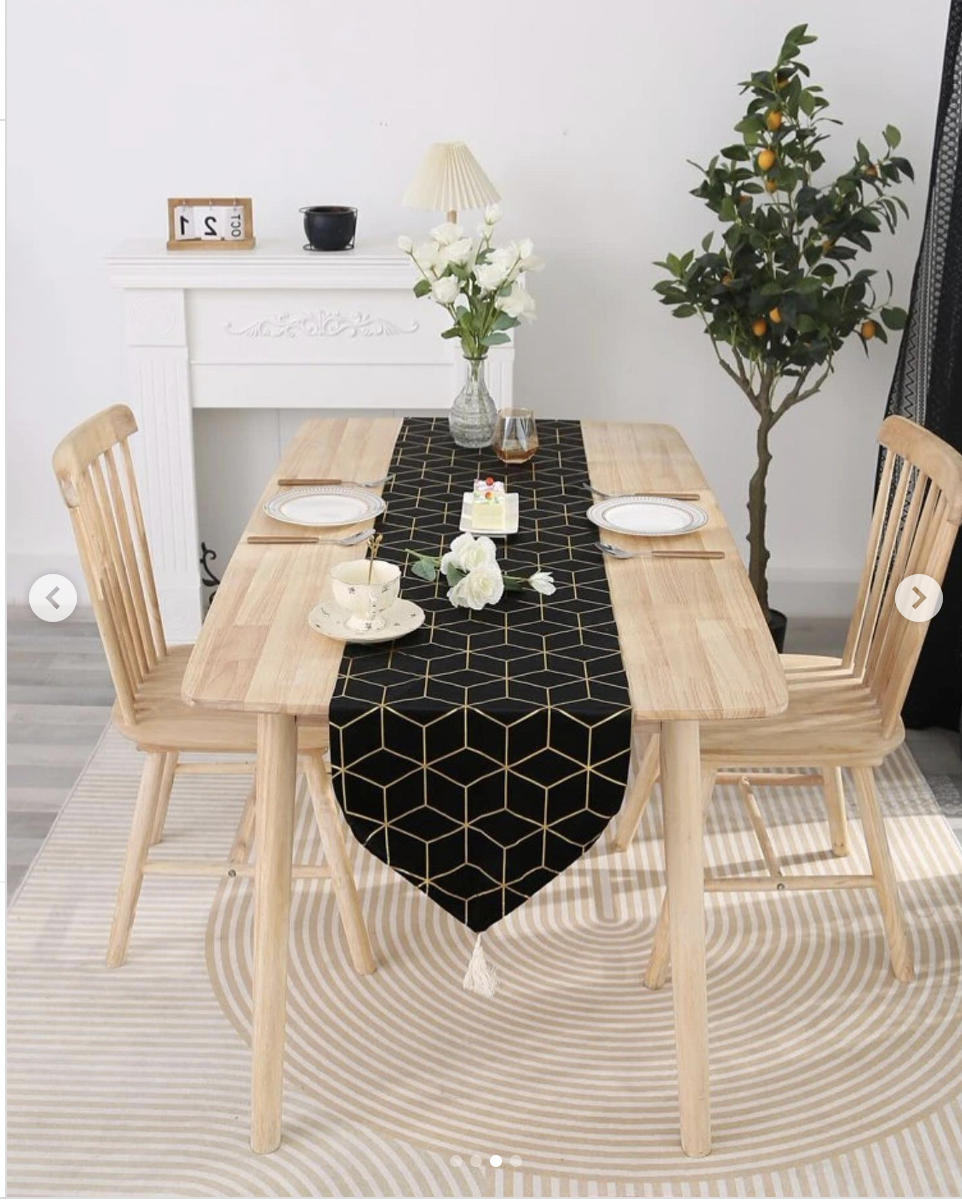
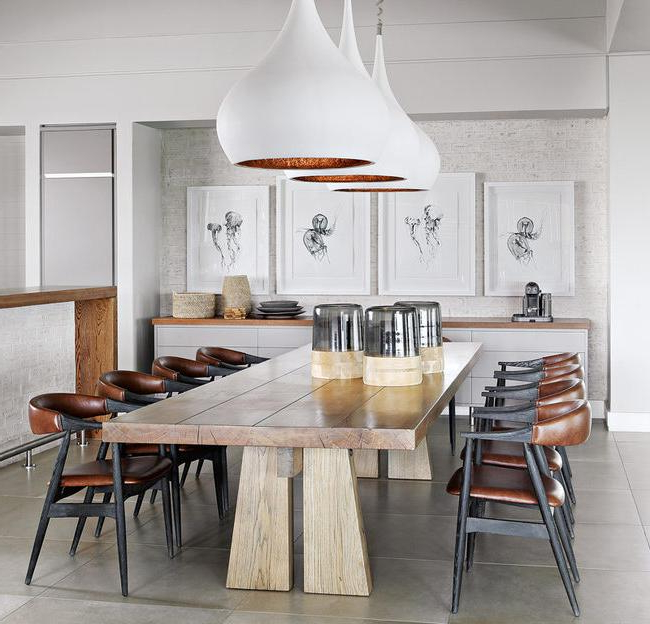
This is where most people go wrong with their centerpiece efforts. You might have the best intentions, but if your arrangement is too large for the space, it becomes overwhelming. Conversely, something too small gets ignored entirely. Consider the size of your table and the number of guests. A six-foot rectangular table needs something substantial to anchor the space, while a smaller round table can handle more delicate arrangements. Here’s a helpful rule of thumb: your centerpiece should be no taller than one-third of the table’s width. This ensures it doesn’t interfere with conversation while still making an impact. Imagine a dinner party where everyone has to lean over to see across the table – that’s not what you want. The goal is to create visual interest without disrupting the natural flow of conversation.
Color Harmony and Seasonal Appeal
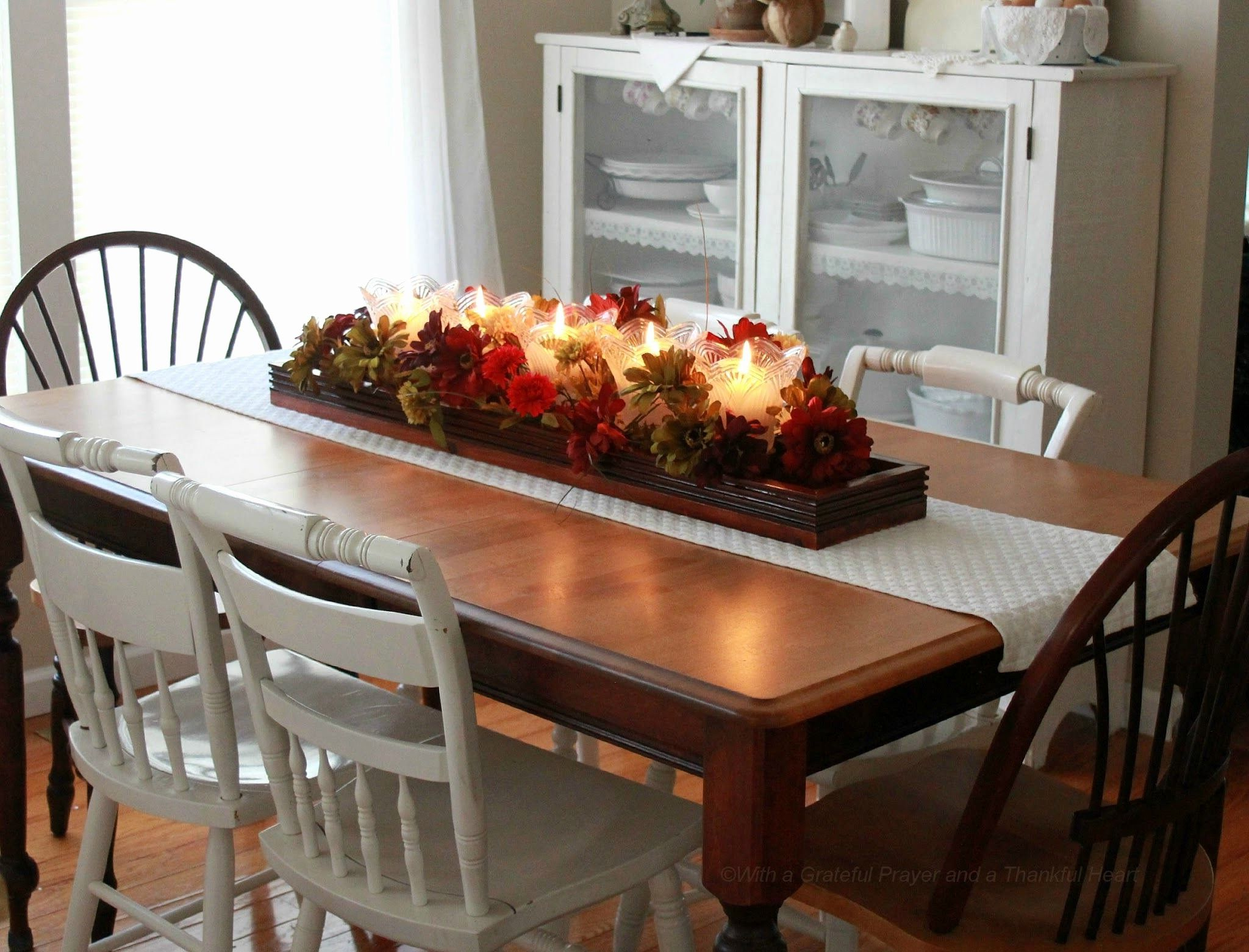
Colors speak louder than words when it comes to setting the mood. Warm tones like reds, oranges, and yellows tend to stimulate conversation and create energy, while cooler blues and greens promote calm and reflection. But color choices should also reflect the season and occasion. Spring brings fresh greens and pastels, summer celebrates bold and bright colors, autumn embraces earth tones and rich burgundies, and winter favors deep jewel tones and silver accents. The key is consistency – if you’re using multiple elements, make sure they complement each other rather than compete. For example, if you choose deep burgundy roses, add some gold accents to tie everything together. This creates a cohesive look that feels intentional rather than random.
Layering Elements for Depth and Interest
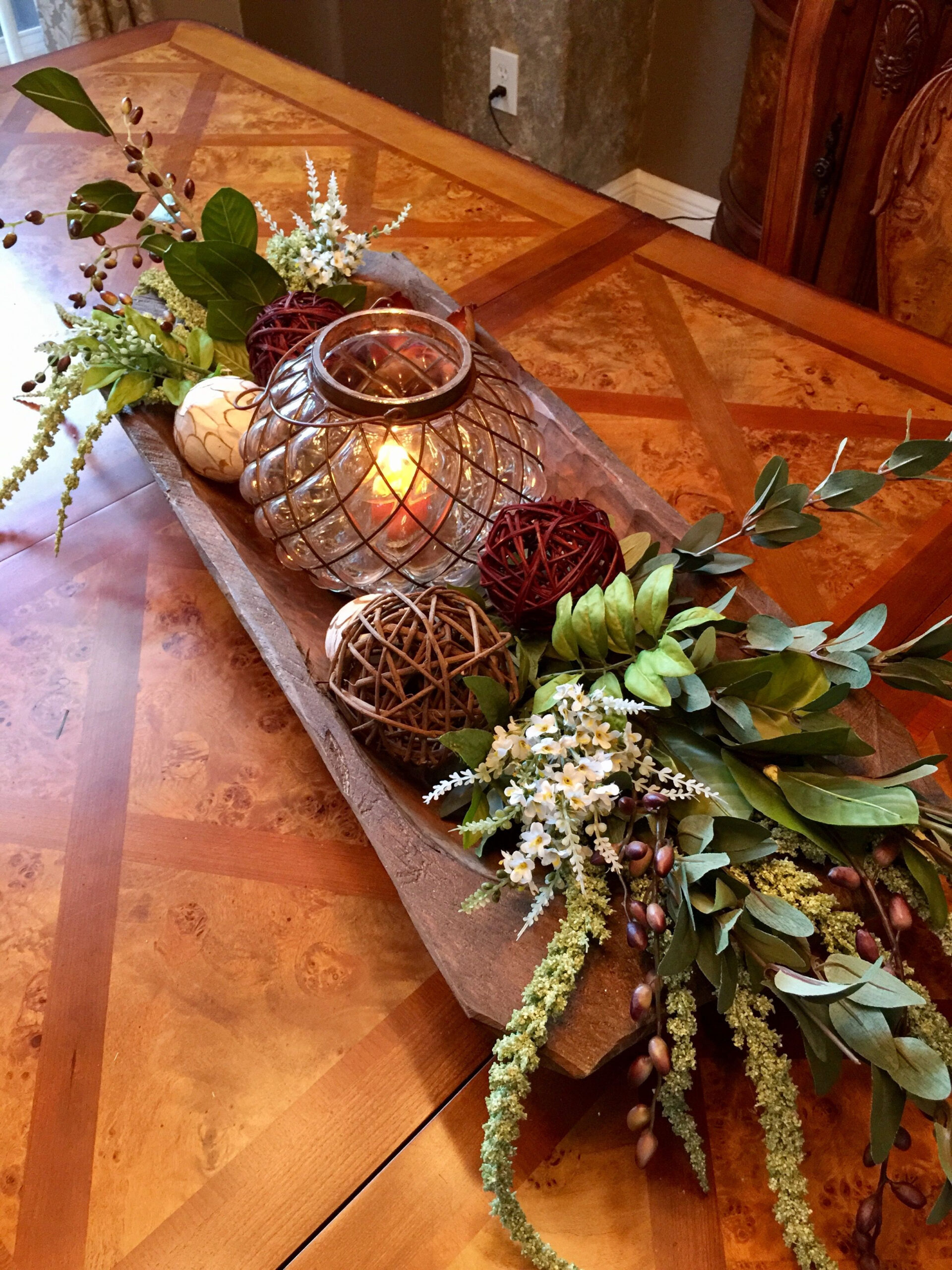
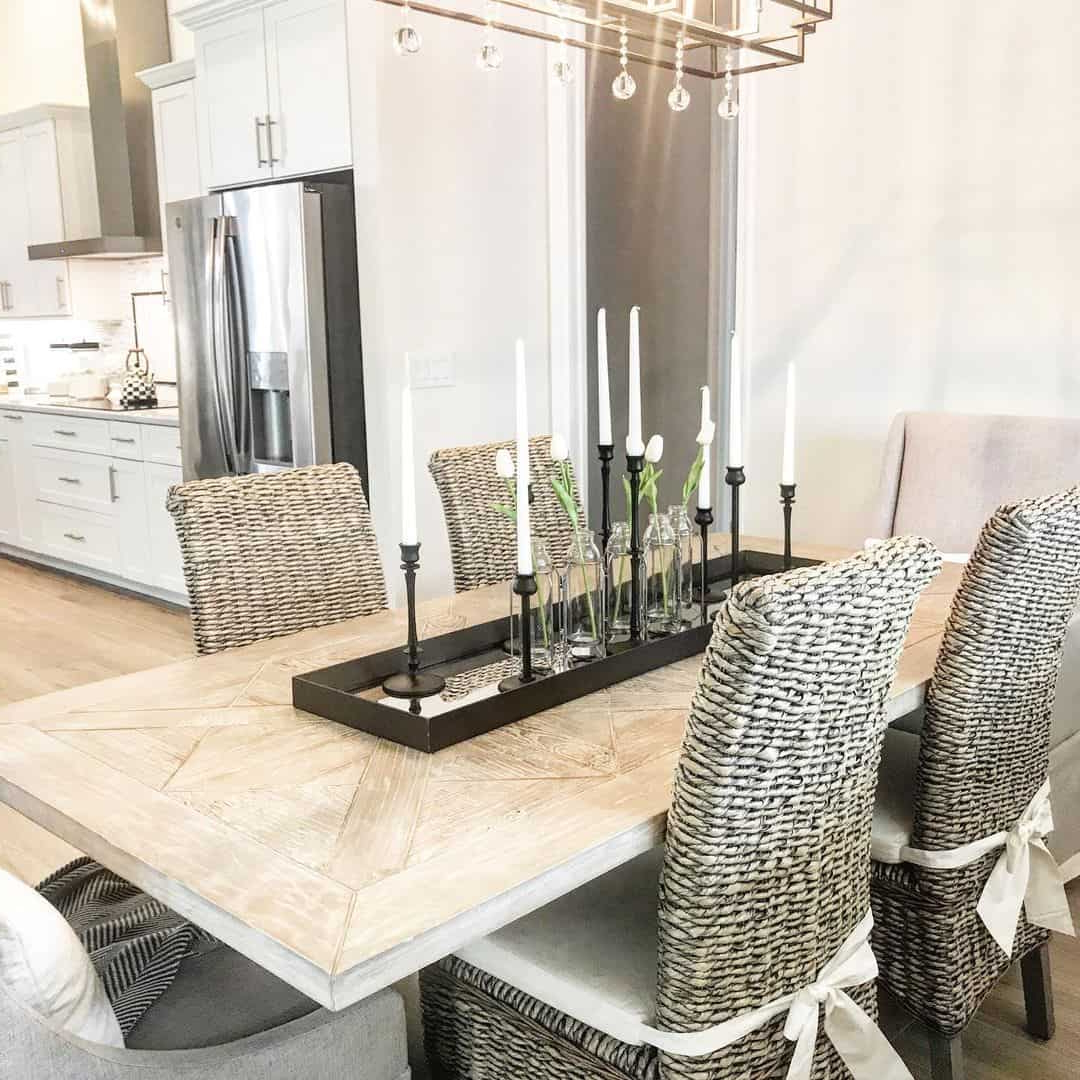
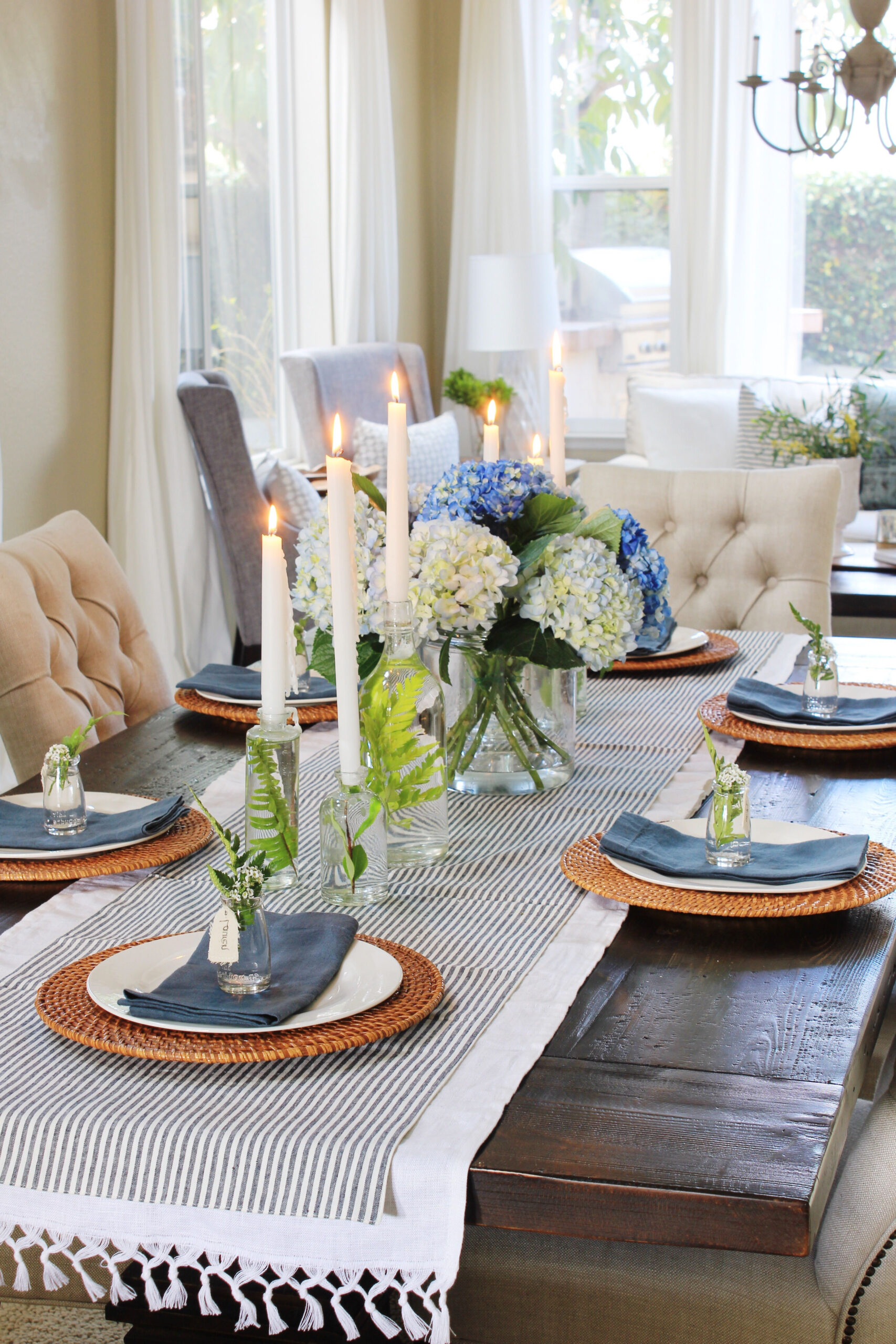
Great centerpieces aren’t flat – they have dimension and layers that draw the eye. Start with a base element like a candle or small bowl, then add height with taller items like branches or flowers. Layer different textures – smooth glass, rough wood, soft petals, and metallic accents all create visual interest. Think about how your eyes move across the arrangement. Do they naturally follow the path you intended? A good layered centerpiece should guide the viewer’s gaze from the bottom to the top, perhaps with a focal point in the middle. Consider using varying heights of candles or different sized vases. Some elements might be placed slightly off-center to create a more dynamic composition. This technique prevents the arrangement from looking static or boring.
Practical Considerations for Extended Dining
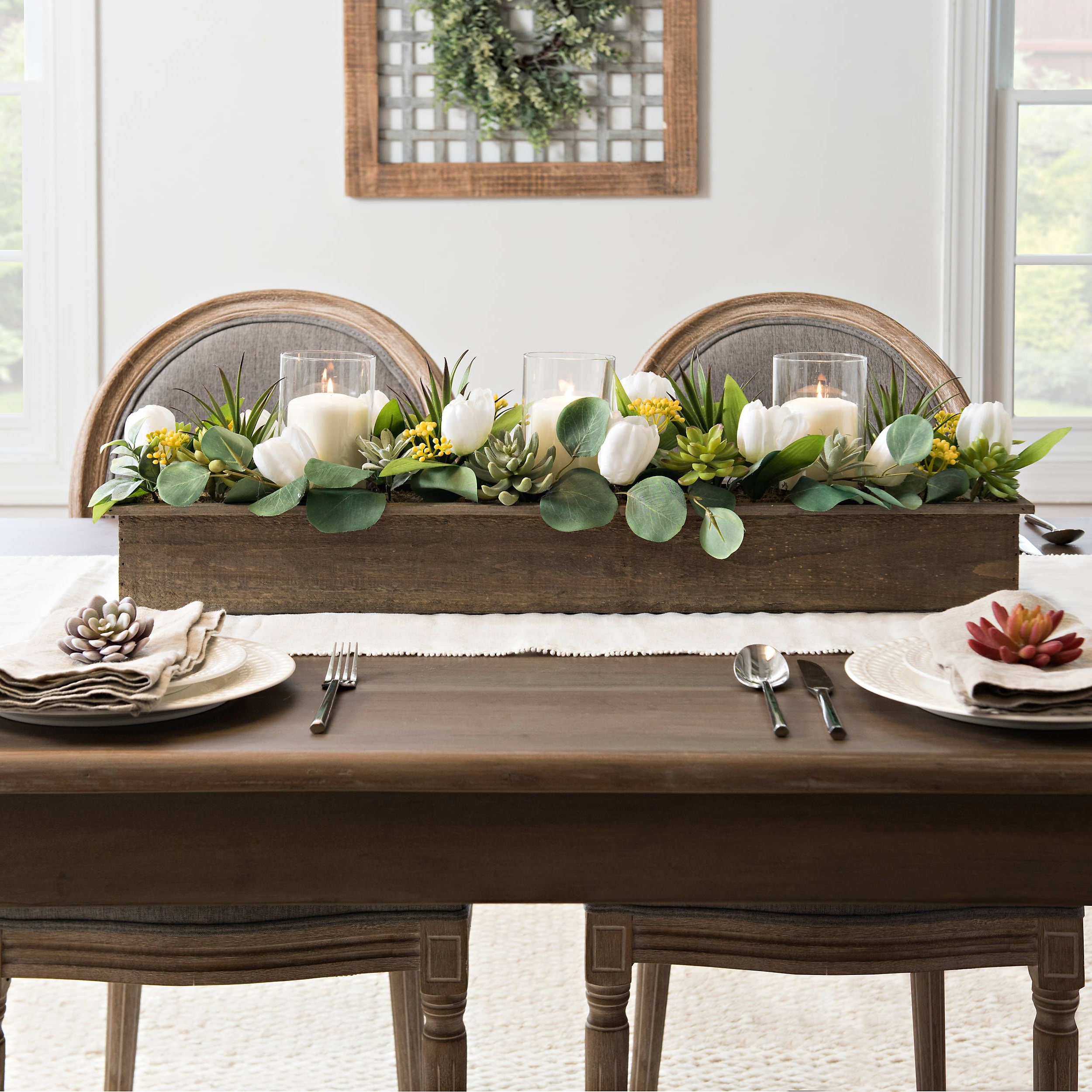
When planning for long meals, functionality becomes just as important as aesthetics. Candles can be beautiful, but they need to burn safely and not create hazards. Choose flameless options for extended dinners, or ensure proper ventilation if using real flames. Food safety matters too – avoid placing anything that could fall into dishes or create spills. If you’re using water in vases, make sure it won’t tip over easily. For guests with allergies, keep fragrances mild and avoid strong scents that might interfere with food enjoyment. The centerpiece should enhance the meal, not distract from it. Consider having backup arrangements ready for different scenarios, because sometimes things don’t go exactly as planned. Having a few alternative setups can save the day when unexpected situations arise.
More Info
Creative Materials and Unexpected Elements
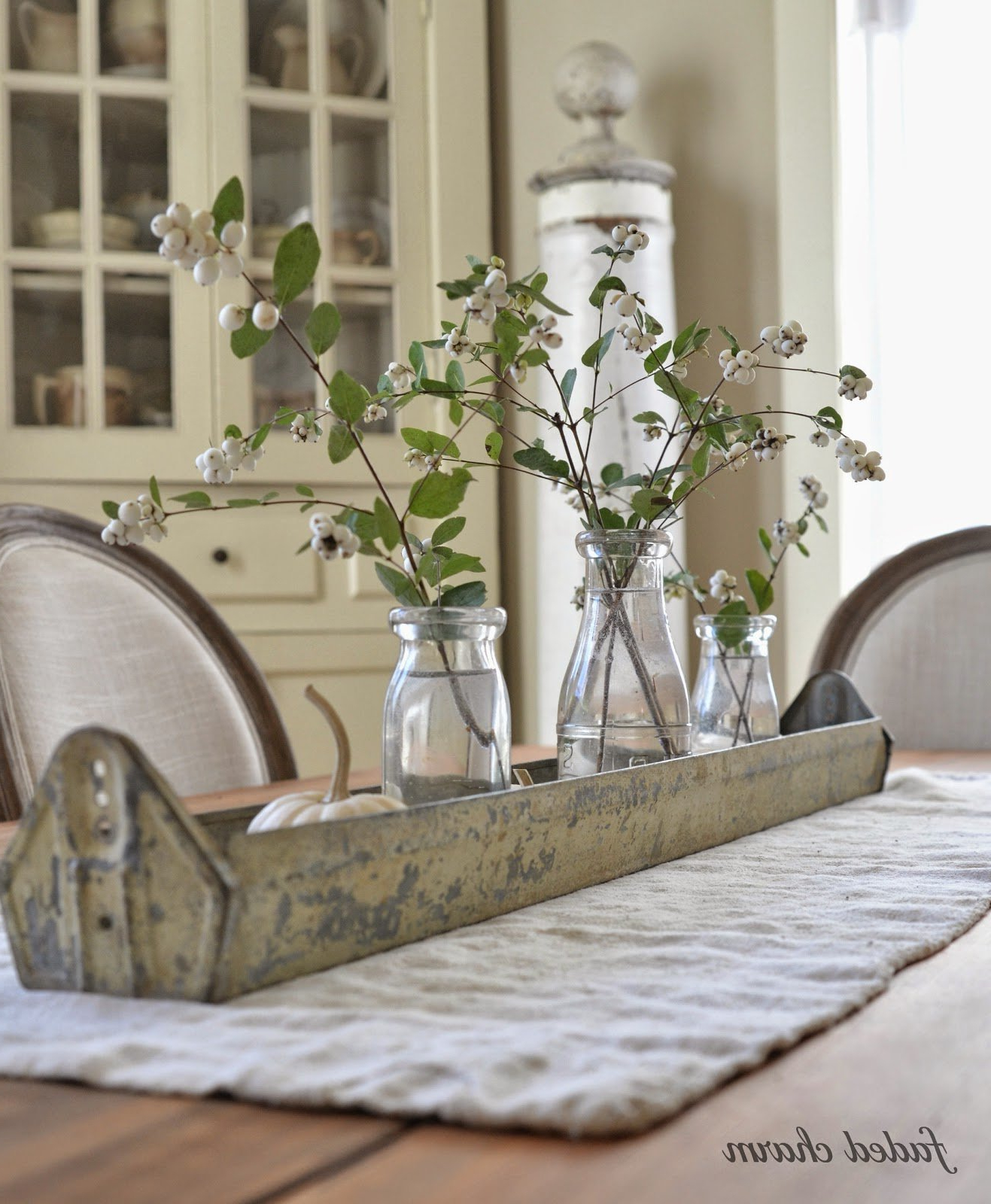
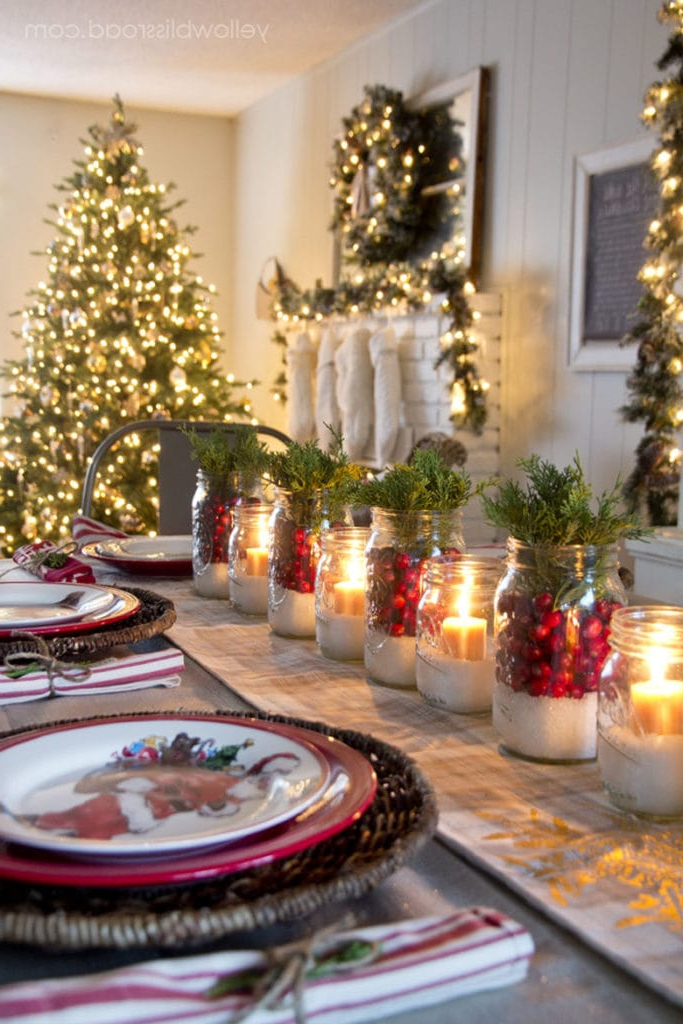
Don’t limit yourself to traditional flower arrangements. Incorporating natural elements like driftwood, stones, or pinecones adds character and uniqueness. These materials bring texture and stories to your table. Think about using items that connect to your theme or personal style. Maybe you love vintage photography, so incorporate old frames into your arrangement. Or perhaps you’re drawn to rustic elements, so consider using mason jars filled with wildflowers. Sometimes the most interesting centerpieces come from combining unexpected elements – a vintage teacup with fresh blooms, or a collection of interesting shells with small candles. The key is experimentation. Try different combinations until you find what feels right for your space and style. Remember, your centerpiece should tell a story about you and your dining philosophy.
Creating the perfect dining room centerpiece is both an art and a science. It requires balancing aesthetics with practicality, beauty with function, and personal style with guest comfort. When you take the time to thoughtfully arrange your table, you’re investing in the quality of your dining experience. The effort pays off in richer conversations, longer meals, and more memorable moments shared with loved ones. Whether you’re preparing for a special occasion or simply want to elevate your everyday dinners, these principles provide a solid foundation. Remember, great centerpieces don’t require expensive materials – they need intention, creativity, and attention to detail. The next time you set the table for a long meal, consider how each element contributes to the overall experience. Your guests will thank you, and you’ll discover that the little things often make the biggest difference in creating lasting memories.