Think about the last time you stood in your kitchen and felt completely at ease. What made that space feel right? Was it the way the light hit the countertops, or perhaps the way everything was just within reach? A kitchen that reflects your lifestyle isn’t just about pretty pictures in magazines. It’s about creating a place where you actually want to spend time, cook, gather, and live.
We all know that kitchens are more than just places where we prepare food. They’re the heart of many homes, the spot where memories are made, and where families often gather. But too often, we see kitchens designed by someone else’s vision rather than our own. What if your kitchen could speak to your daily rhythms, your cooking preferences, and even your family’s unique needs? The truth is, building a kitchen space that truly reflects your lifestyle isn’t about expensive upgrades or trendy designs. It’s about thoughtful planning, honest reflection, and understanding what makes your kitchen feel like you.
Understanding Your Daily Routines
The first step toward designing a kitchen that works for you is to look at your everyday habits. Do you cook every evening? Or do you prefer to meal prep on weekends? Maybe you’re the type who loves to entertain guests regularly, or perhaps you’re more comfortable with quick breakfasts and simple dinners. Understanding when and how you use your kitchen helps determine everything from appliance placement to storage solutions.
Consider asking yourself some questions:
• When do you typically cook?
• How much time do you spend in the kitchen each day?
• Do you cook alone or with others?
• What foods do you prepare most often?
• What kind of activities happen in your kitchen beyond cooking?
For example, if you’re always rushing to get kids ready for school, having a designated spot for keys and bags might be more important than a fancy island. On the other hand, if you love hosting dinner parties, you might prioritize a large dining area or a kitchen island that doubles as a serving station.
Matching Storage to Your Needs
Storage in a kitchen isn’t just about keeping things organized—it’s about accessibility and efficiency. If you’re someone who loves baking, you’ll want easy access to flour, sugar, and other ingredients. If you’re more of a meal-prep person, you might benefit from specialized drawers or pull-out shelves for containers and utensils.
Some key considerations for storage include:
• Vertical space utilization with tall cabinets or shelving
• Pull-out drawers instead of traditional cabinet doors
• Clear storage options for frequently used items
• Specialized zones for different types of food or supplies
• Adjustable shelving to accommodate changing needs over time
Let’s say you’re a busy parent with two young children. You probably don’t want to bend over to reach items on high shelves, nor do you want to open heavy cabinet doors while holding a toddler. In this case, lower shelves and easy-access bins become essential features.
Similarly, if you’re an avid home chef who spends hours in the kitchen, having a dedicated spice rack or a pantry with clear labeling can save precious minutes during meal preparation.
Choosing the Right Layout for Your Life
Kitchen layouts aren’t just about aesthetics—they’re about how you move through and use your space. The most beautiful kitchen in the world won’t help you if it doesn’t work with your daily movements. There are several common layouts, each suited to different lifestyles:
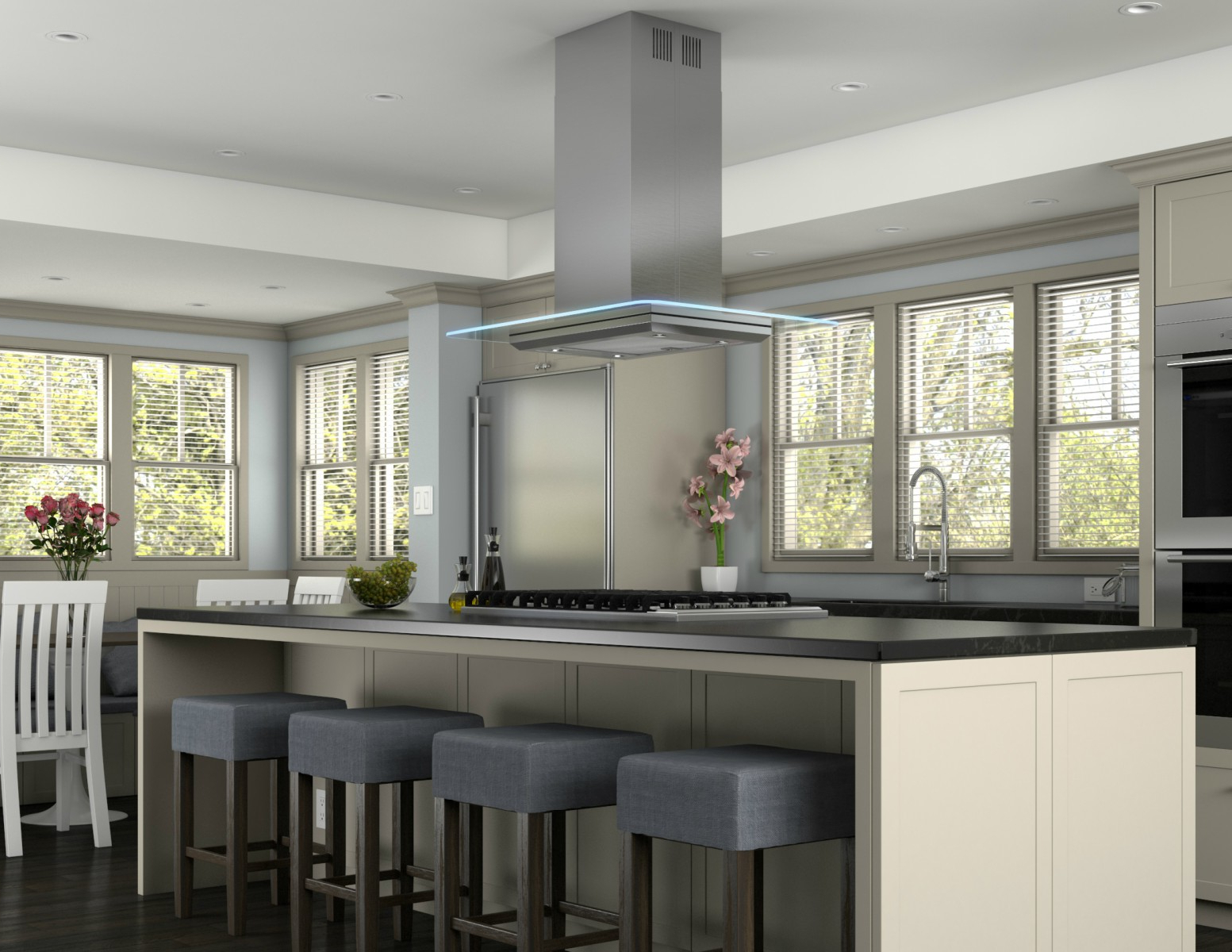
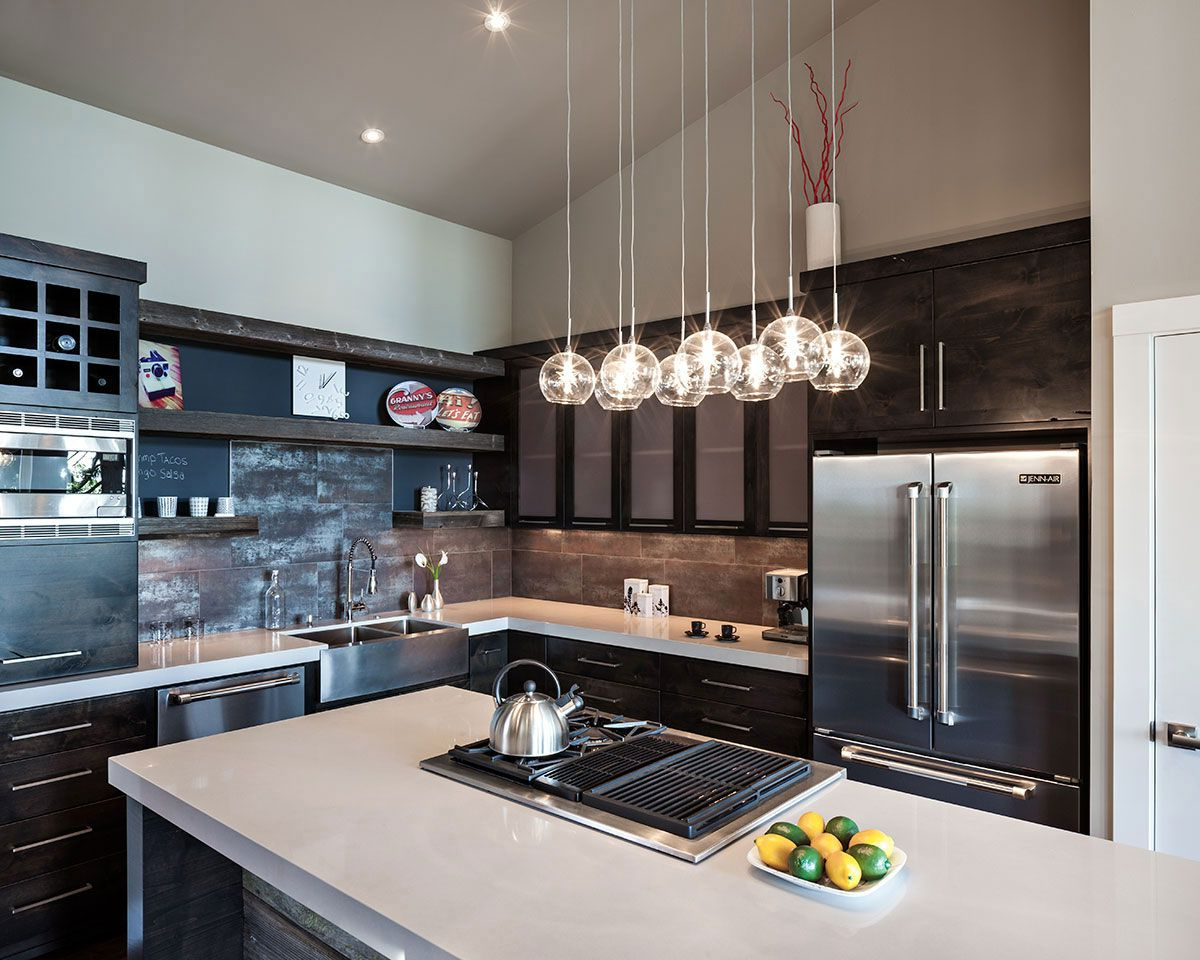
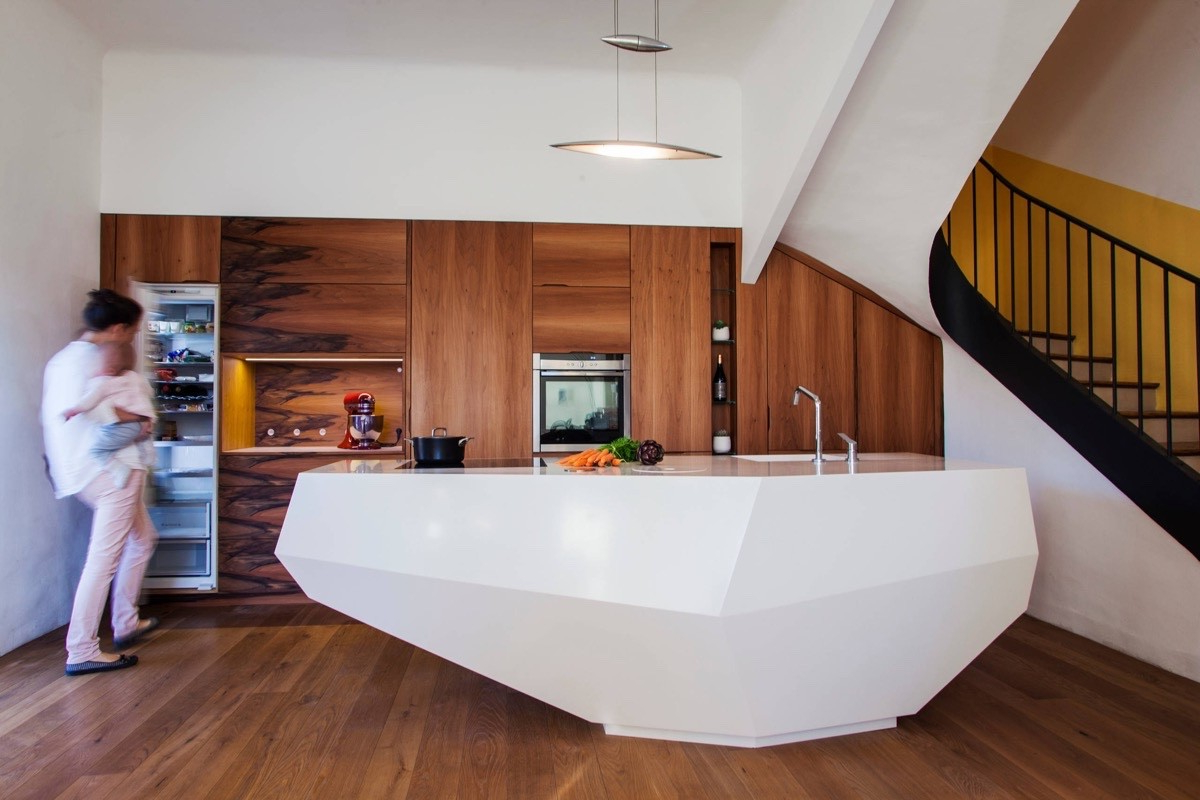
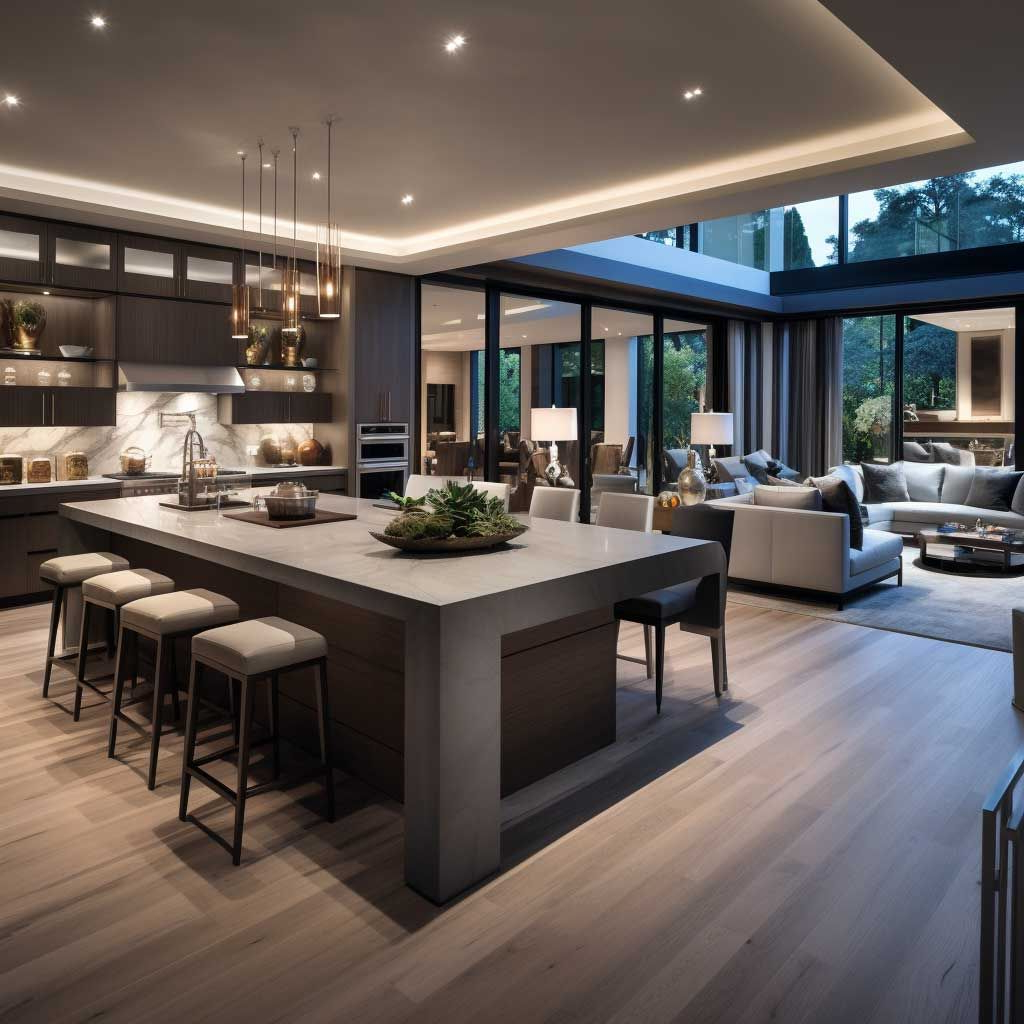
• Island kitchens offer flexibility and extra workspace, perfect for those who enjoy cooking with others or want a central gathering point.
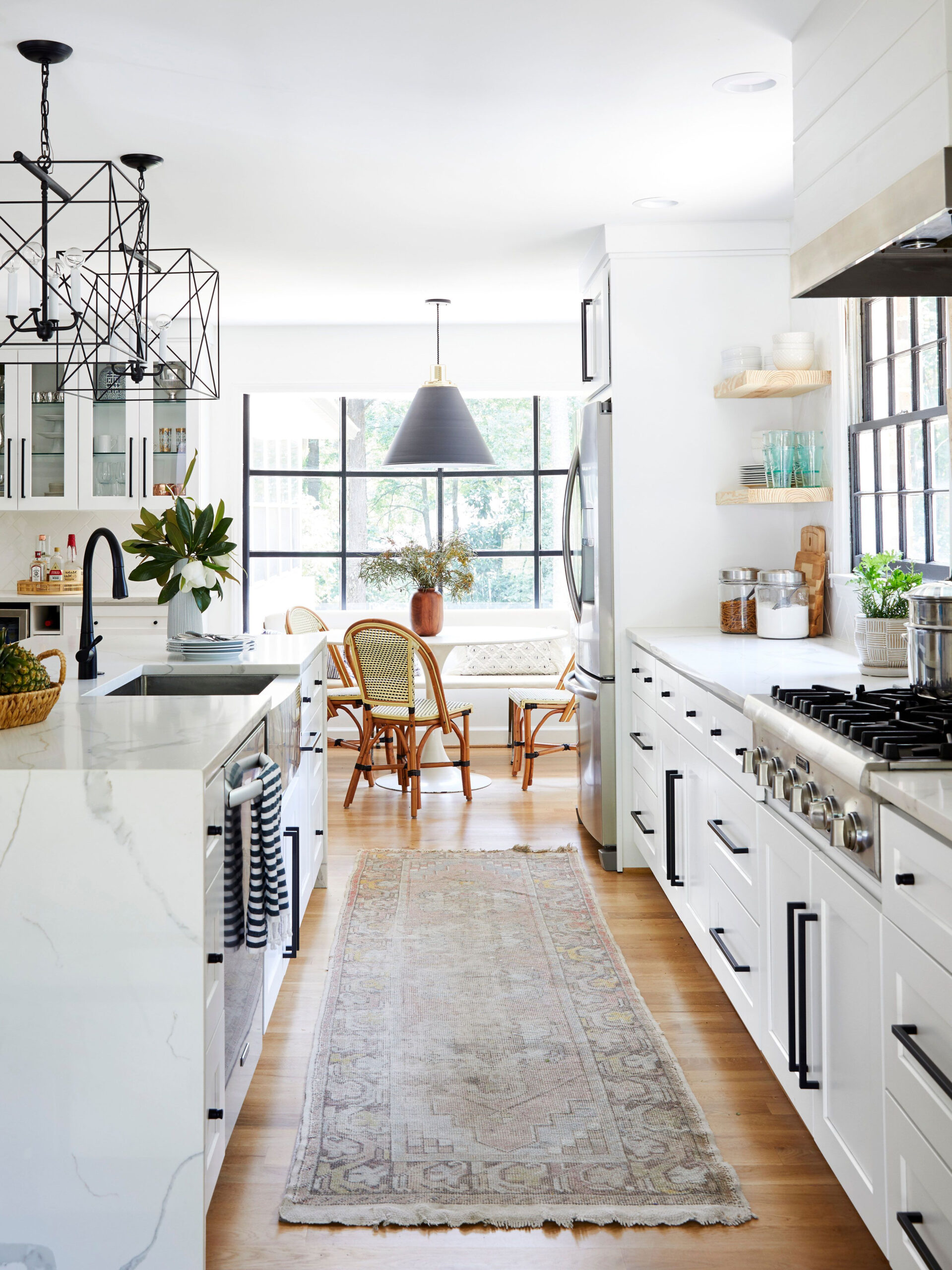
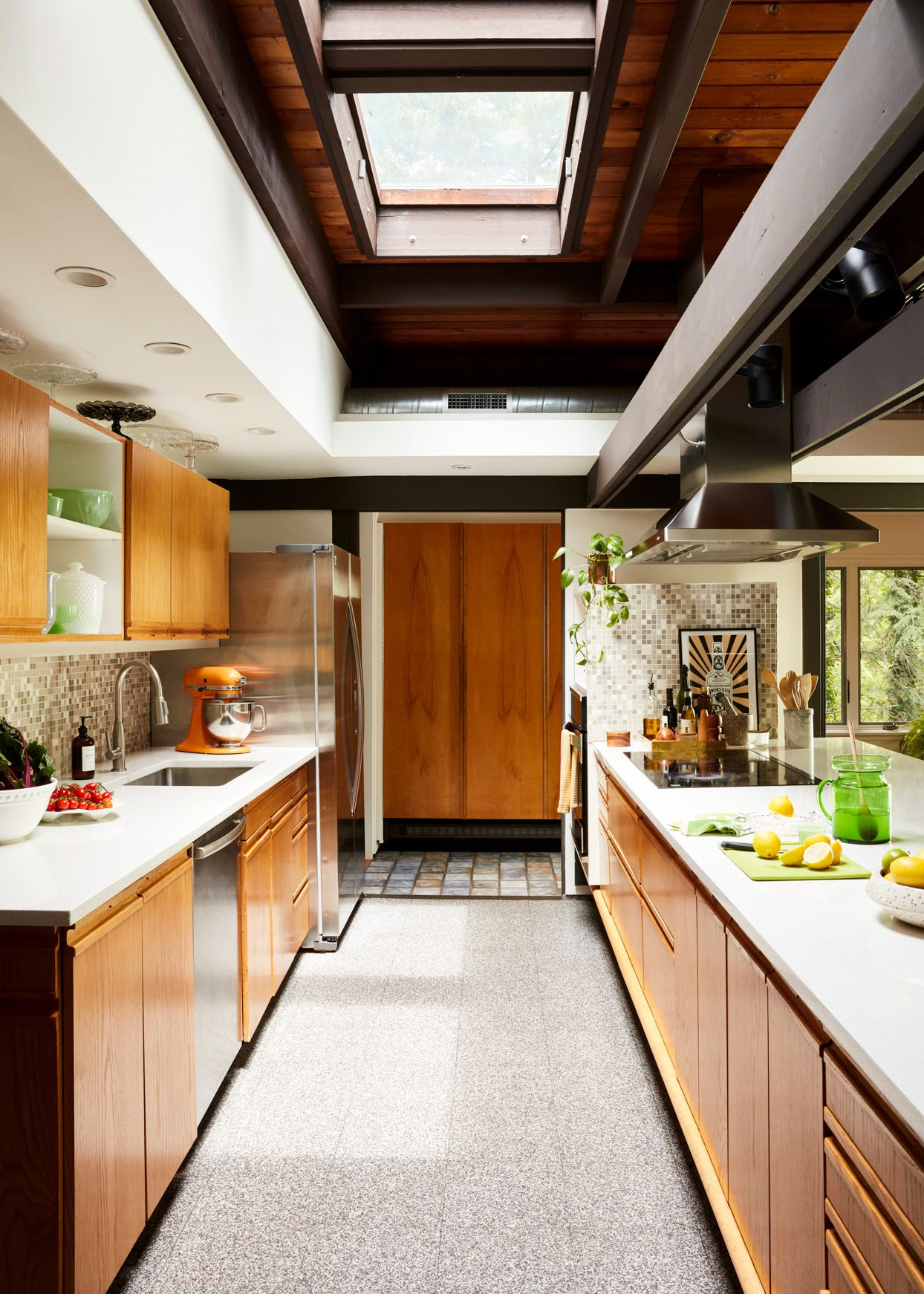
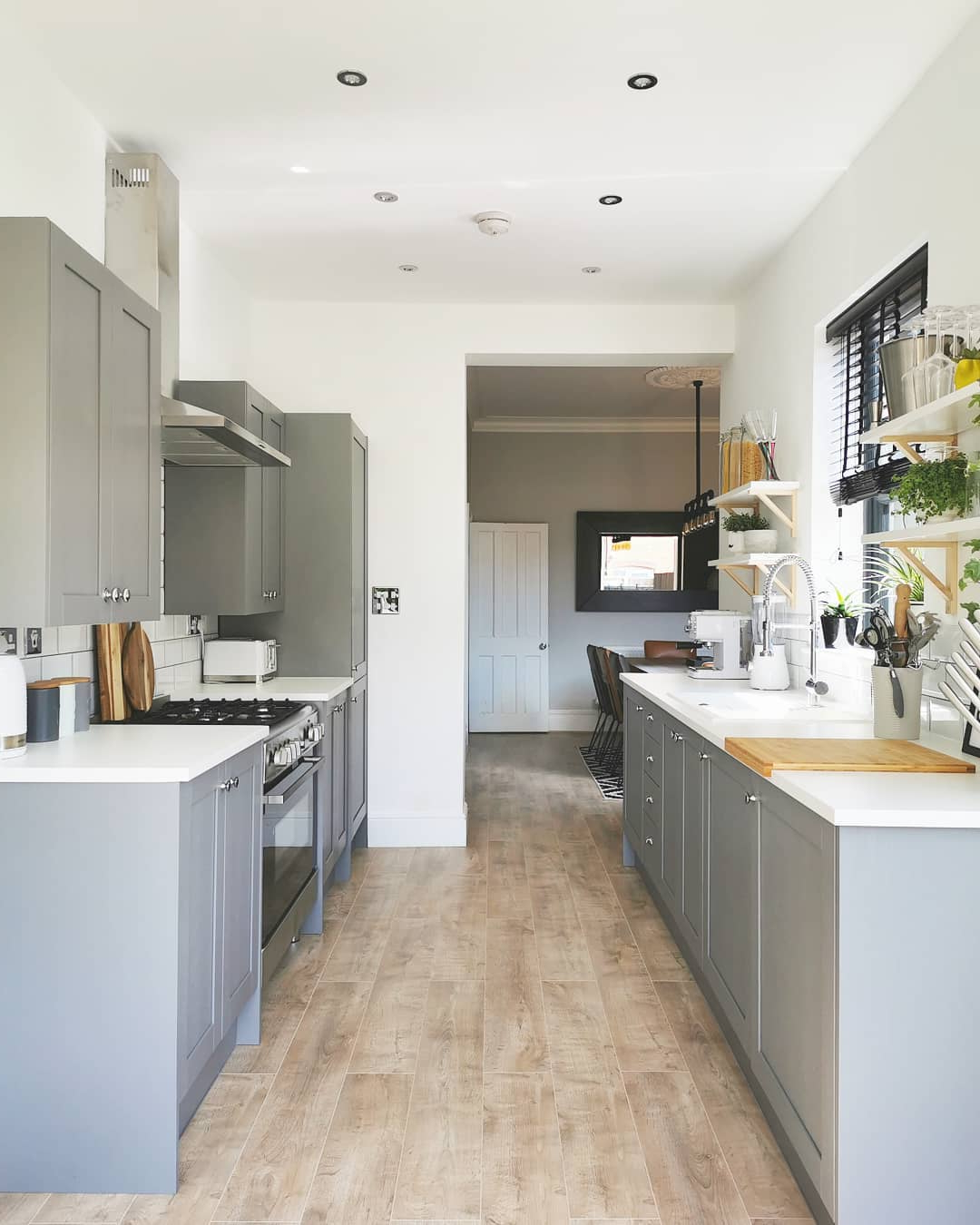
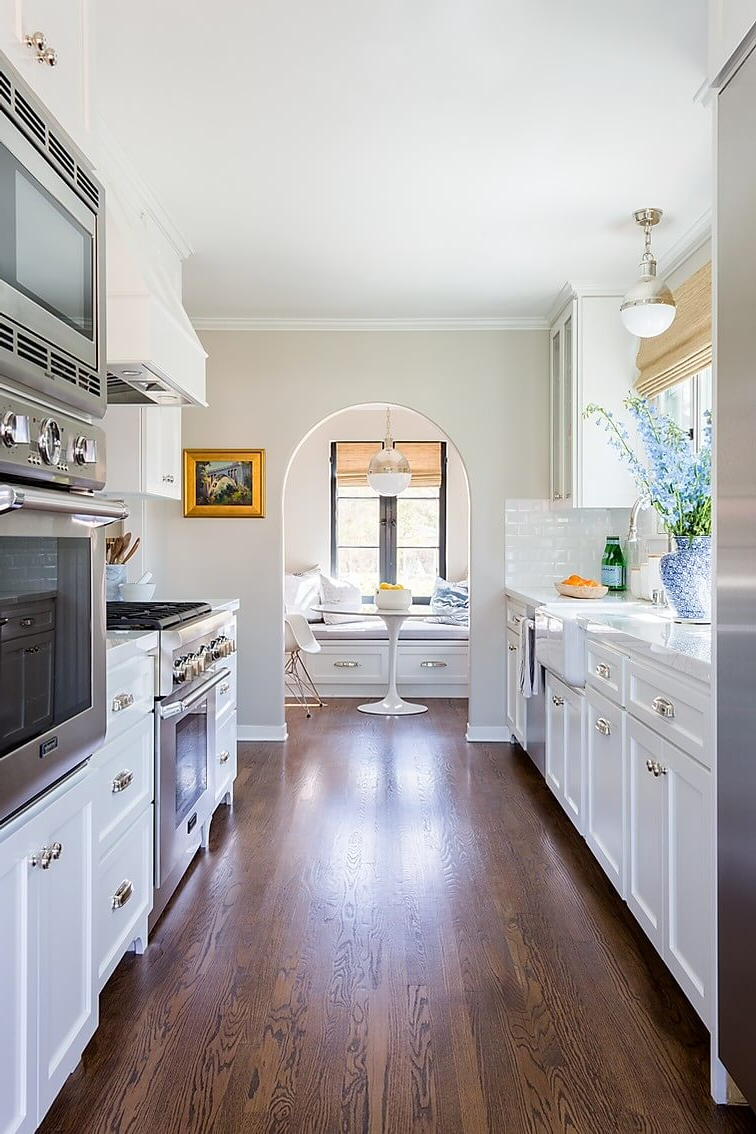
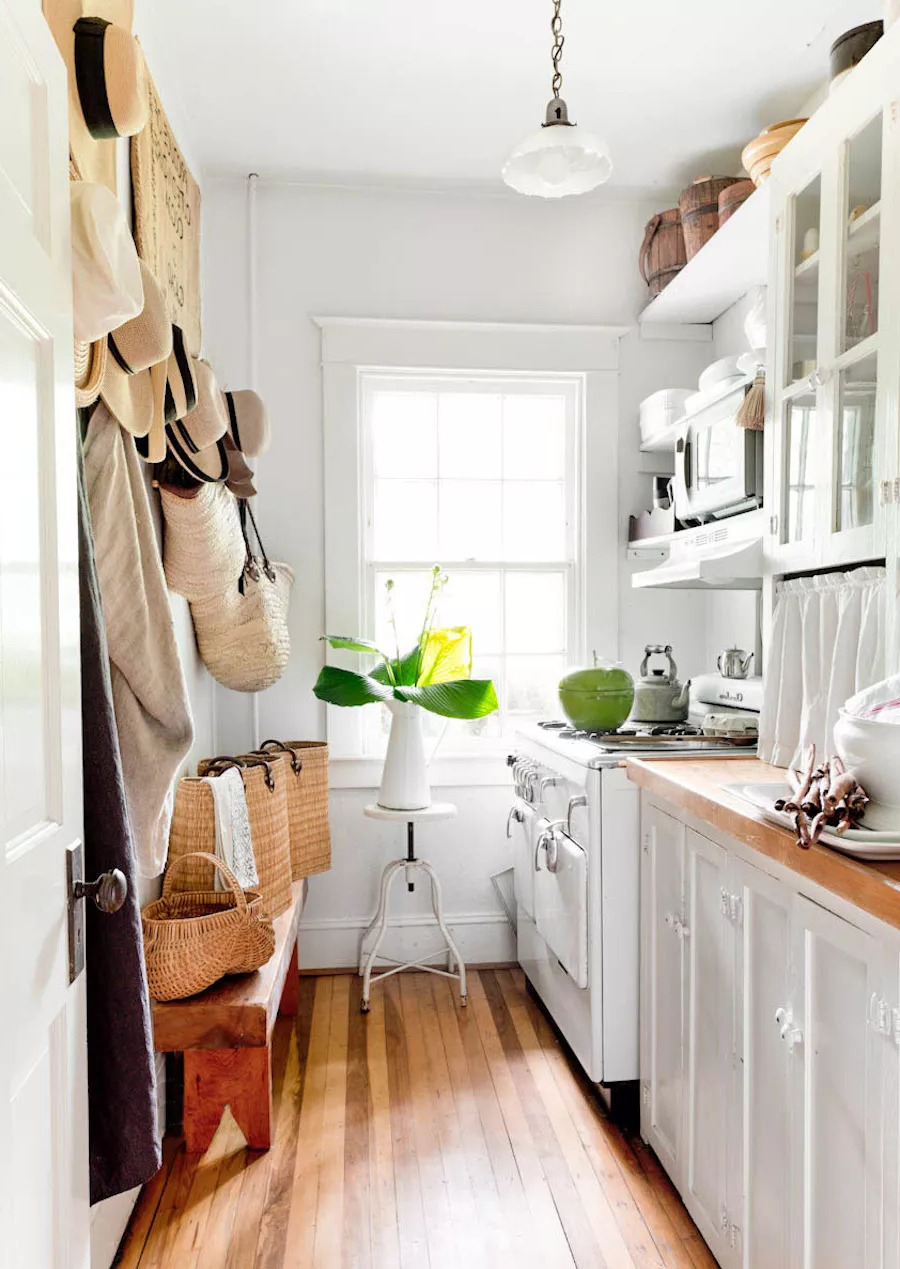
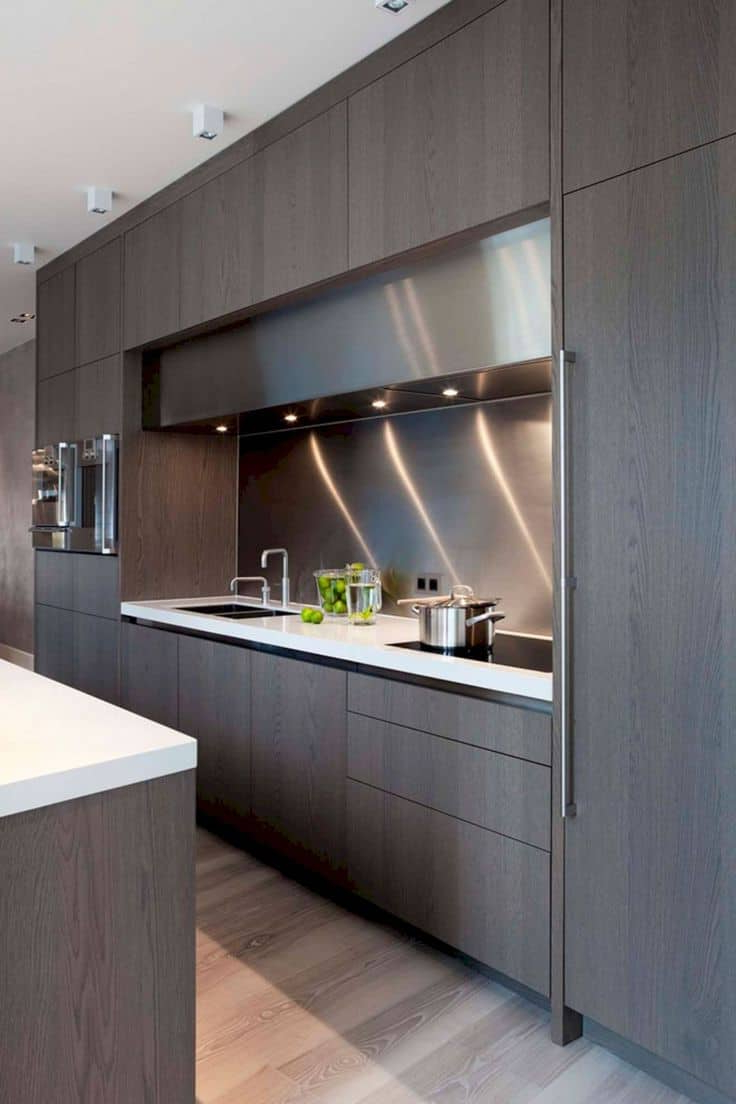
• Galley kitchens are efficient for small spaces and work well if you prefer a streamlined workflow.
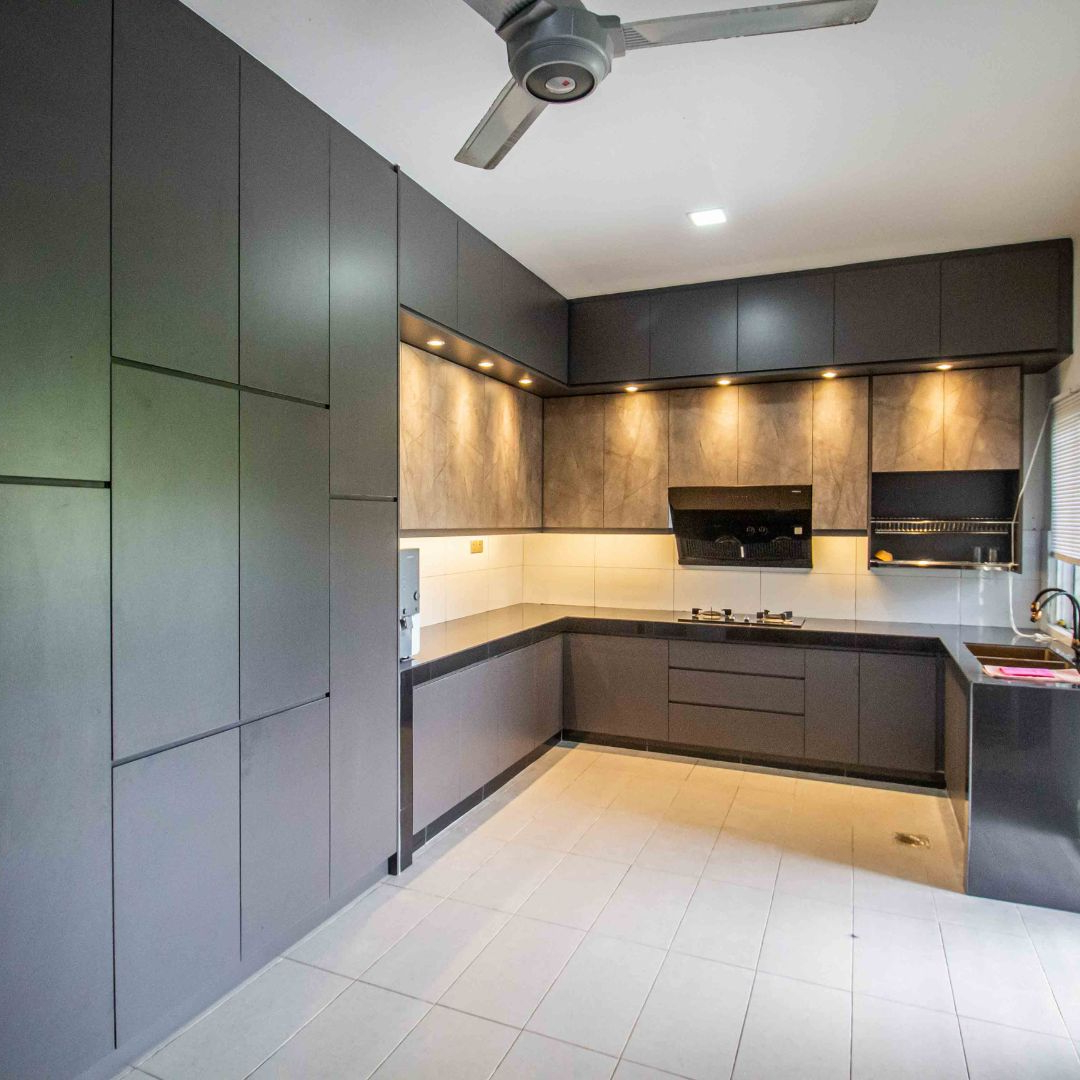
• U-shaped kitchens maximize counter space and storage, ideal for people who love to cook and have plenty of room to spread out.
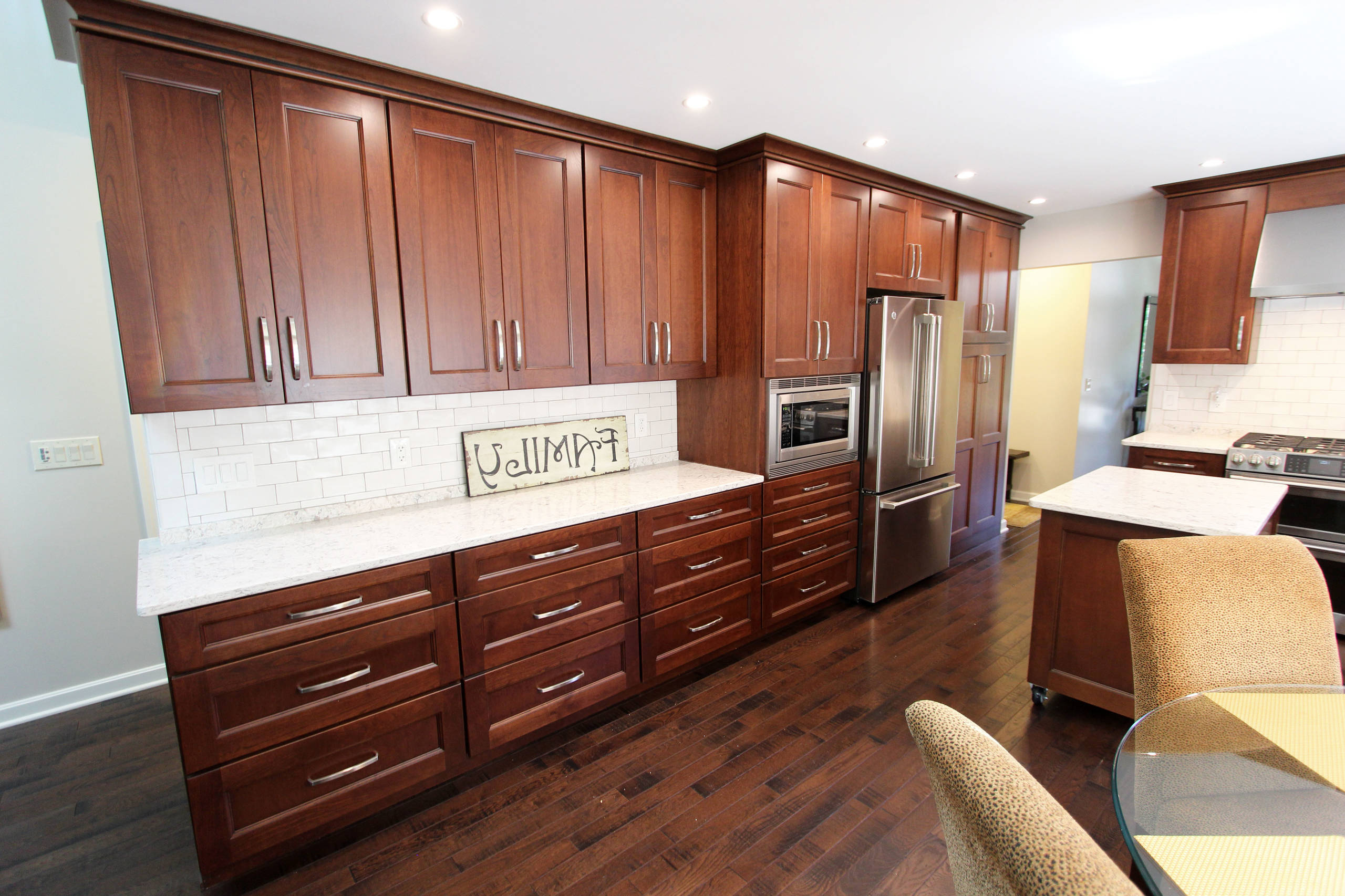
• L-shaped kitchens provide good balance between efficiency and comfort, especially if you have limited wall space.
If you’re someone who likes to cook while talking to friends, an open-plan layout with an island might be perfect. But if you’re more of a solitary cook who values quiet concentration, a U-shaped or L-shaped setup with fewer distractions might suit you better.
Take a moment to think about how you currently move around your current kitchen. Do you find yourself walking in circles trying to find something? Do you feel cramped when you’re cooking? These observations can guide your decisions about layout changes.
Lighting That Works With Your Schedule
Good lighting in a kitchen goes far beyond just turning on the overhead lights. Different tasks require different types of illumination. For instance, working over a cutting board needs bright, even light, while reading recipes or setting the table might call for softer, ambient lighting.
Here are some lighting considerations:
• Task lighting under cabinets for work areas
• Ambient lighting for general visibility
• Accent lighting for visual appeal
• Natural light sources that enhance your space
• Smart lighting systems that adjust based on time of day
Imagine being in your kitchen at 7 am, getting ready for work, and needing to quickly grab coffee and toast. Bright, adjustable task lighting ensures you can see clearly without straining your eyes. Later in the evening, when you’re cooking dinner with family, softer, warmer lighting creates a cozy atmosphere.
A common mistake people make is focusing solely on one type of lighting. Instead, consider layering different lighting elements to support various activities throughout the day. This approach gives your kitchen versatility and makes it feel more lived-in and functional.
Materials and Finishes That Last
When it comes to choosing materials for your kitchen, durability matters more than trends. You want surfaces that can handle daily wear and tear without looking worn out after months or years. Think about how often you’ll use certain areas—your countertops, flooring, and backsplash will see the most activity.
Key material considerations:
• Countertops that resist stains and scratches
• Flooring that’s easy to clean and walk on
• Backsplash materials that complement your style
• Cabinet finishes that age gracefully
• Hardware that holds up to frequent use
For example, if you have kids, you might want to avoid wood countertops that can easily scratch or stain. Instead, granite or quartz offers both beauty and resilience. Similarly, if you’re a frequent entertainer, choosing durable flooring that can handle spills and foot traffic is crucial.
Also remember that some materials change appearance over time. While this might not be a problem for everyone, it’s worth considering whether you’d prefer a classic look that remains consistent or one that evolves with your home.
Technology Integration That Enhances Your Space
Modern kitchens are increasingly incorporating technology to improve convenience and efficiency. But it’s important to choose tech that actually fits into your lifestyle—not just because it’s new or flashy.
Smart features that can enhance your kitchen experience:
• Smart refrigerators with inventory tracking and recipe suggestions
• Voice-controlled assistants for hands-free commands
• Built-in charging stations for phones and tablets
• LED strip lighting that changes color or brightness
• Automated lighting systems
However, technology should serve you, not complicate things. If you’re not comfortable with complicated apps or devices, don’t feel pressured to add them. A simple smart thermostat or a basic smart speaker can make a big difference without overwhelming your routine.
The key is to think about what problems your kitchen currently solves—or fails to solve—and then see if technology can help address those issues. For instance, if you struggle to keep track of expiration dates on food, a smart fridge might be helpful. But if you’re already organized and don’t need that extra help, it may not be worth the investment.
Creating a kitchen space that truly reflects your lifestyle is about more than just choosing the right colors or buying stylish appliances. It’s about understanding how you live, what makes you feel comfortable, and what your kitchen needs to do for you. Whether you’re planning a complete renovation or just updating a few elements, take time to consider how each choice supports your daily life.
Remember, there’s no single ‘right’ way to design a kitchen. What matters most is that it feels like a space you genuinely want to be in. By paying attention to routines, storage needs, layout choices, lighting, materials, and technology integration, you can build a kitchen that not only looks great but also serves you perfectly. The result? A space that brings joy, reduces stress, and makes cooking and gathering feel effortless. After all, your kitchen should be your favorite room in the house, not just another place to get things done.
[sps_html tag=”img” src=”https://roofdrivein.com/wp-content/uploads/2026/01/41-best-galley-kitchen-designs-ideas-for-rooms-of-all-sizes-2021-within-kitchen-ideas-galley-style.jpg” alt=”41+ Best Galley Kitchen Designs & Ideas For Rooms Of All Sizes (2021) within Kitchen Ideas Galley Style” style=”width: 100%; height: auto;”]
[sps_html tag=”img” src=”https://roofdrivein.com/wp-content/uploads/2026/01/15-small-galley-kitchen-ideas-for-maximum-style-throughout-building-kitchen-spaces-that-reflect-your-lifestyle.jpg” alt=”15 Small Galley Kitchen Ideas For Maximum Style throughout Building kitchen spaces that reflect your lifestyle” style=”width: 100%; height: auto;”]
[sps_html tag=”img” src=”https://roofdrivein.com/wp-content/uploads/2026/01/14-small-galley-kitchen-ideas-to-max-out-tight-spaces-for-kitchen-ideas-galley-style.jpg” alt=”14 Small Galley Kitchen Ideas To Max Out Tight Spaces for Kitchen Ideas Galley Style” style=”width: 100%; height: auto;”]
[sps_html tag=”img” src=”https://roofdrivein.com/wp-content/uploads/2026/01/15-galley-kitchen-ideas-that-maximize-space-and-style-regarding-building-kitchen-spaces-that-reflect-your-lifestyle-scaled.jpg” alt=”15 Galley Kitchen Ideas That Maximize Space And Style regarding Building kitchen spaces that reflect your lifestyle” style=”width: 100%; height: auto;”]
[sps_html tag=”img” src=”https://roofdrivein.com/wp-content/uploads/2026/01/46-narrow-galley-kitchen-ideas-kitchen-blog-with-building-kitchen-spaces-that-reflect-your-lifestyle.jpg” alt=”46+ Narrow Galley Kitchen Ideas - Kitchen Blog with Building kitchen spaces that reflect your lifestyle” style=”width: 100%; height: auto;”]