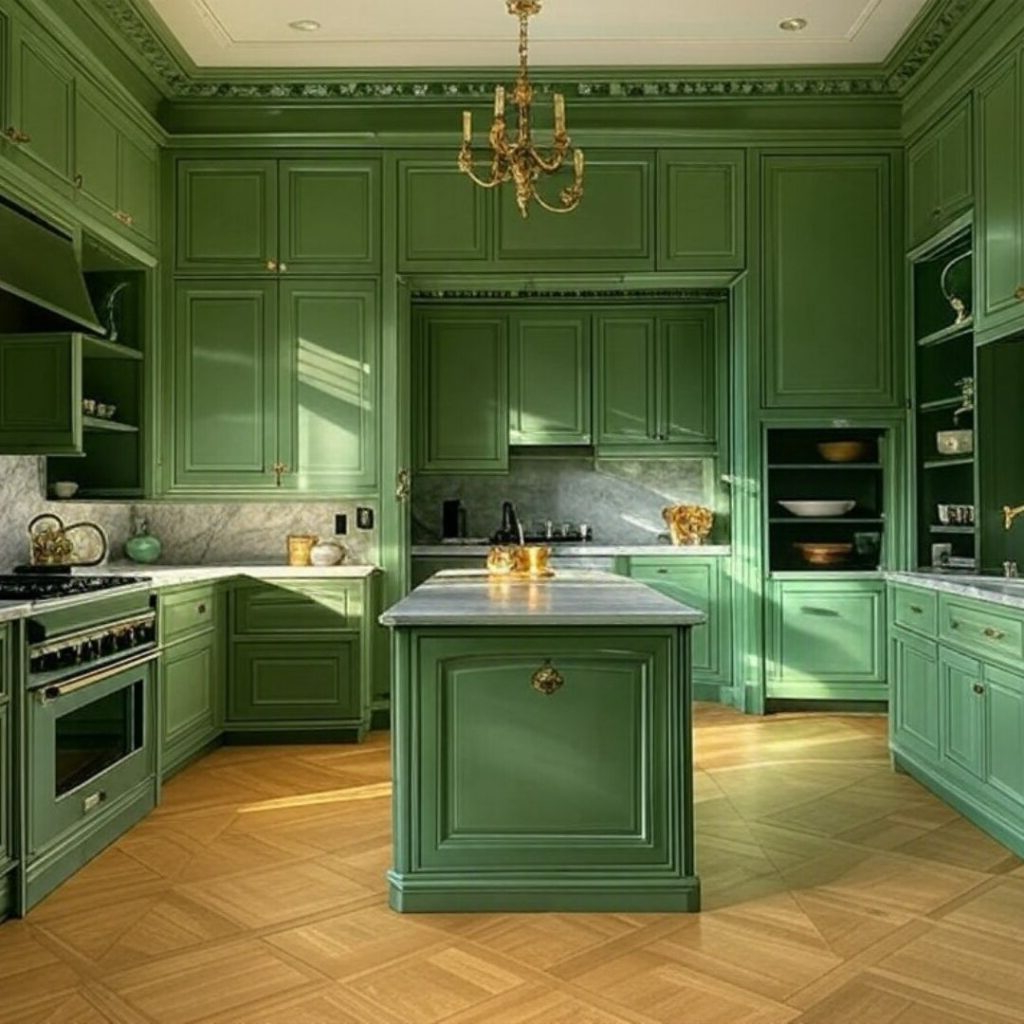
Imagine walking into a kitchen that feels fresh, functional, and eco-conscious without spending a fortune. That’s totally possible. With smart planning and a few clever tricks, you can give your space a modern look while staying true to sustainable values. It’s not just about looking good—it’s about doing good too.
Renovating a kitchen can feel overwhelming, especially when you’re trying to balance your budget and environmental values. But what if you could refresh your space in a way that’s both affordable and kind to the planet? That’s exactly what sustainable kitchen renovation is all about. You don’t have to choose between style and sustainability. In fact, the two often go hand-in-hand when you know how to approach it right. Whether you’re starting from scratch or just updating a few elements, there are plenty of ways to make your kitchen renovation both budget-conscious and eco-friendly.
Start Small with High-Impact Changes
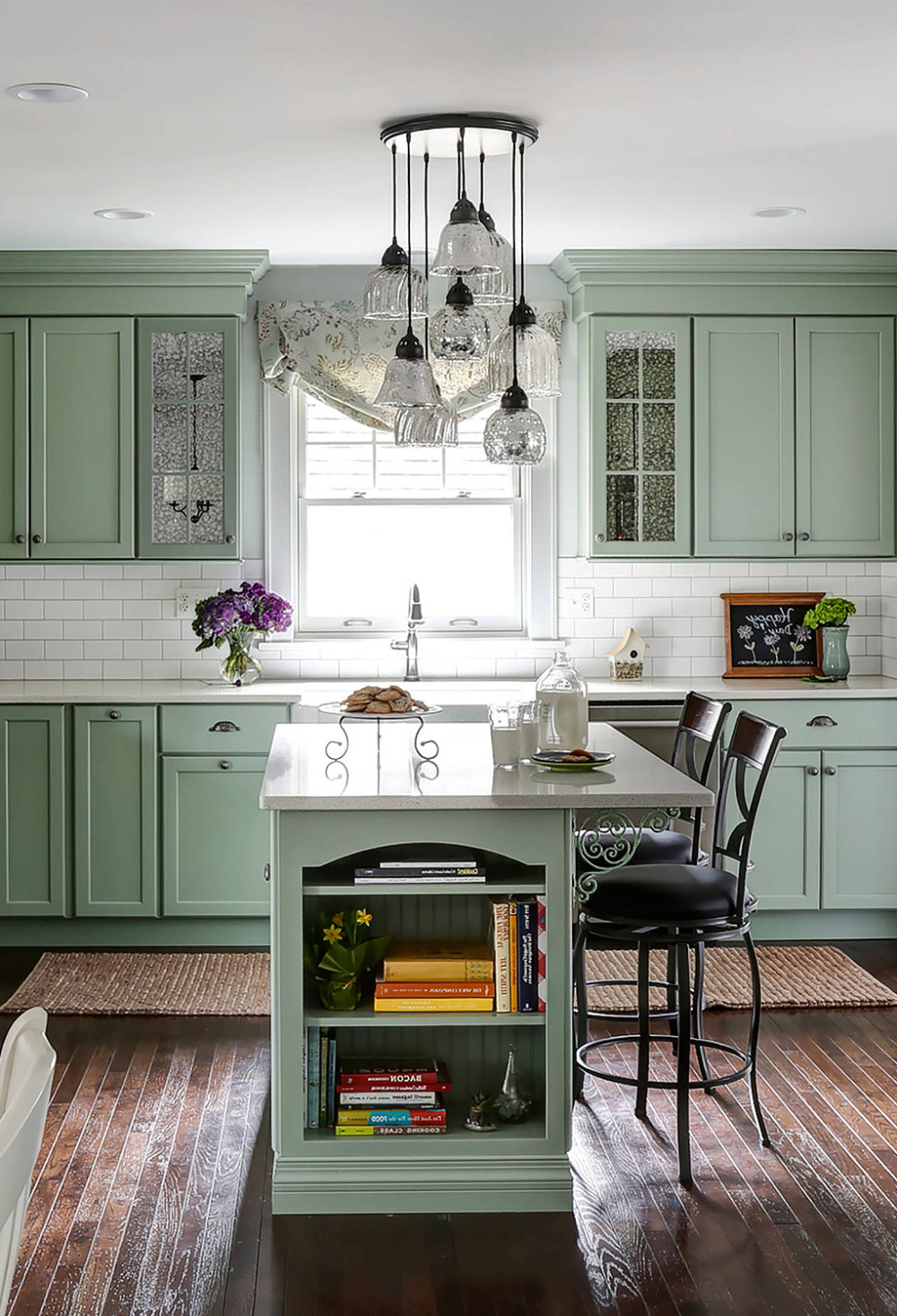
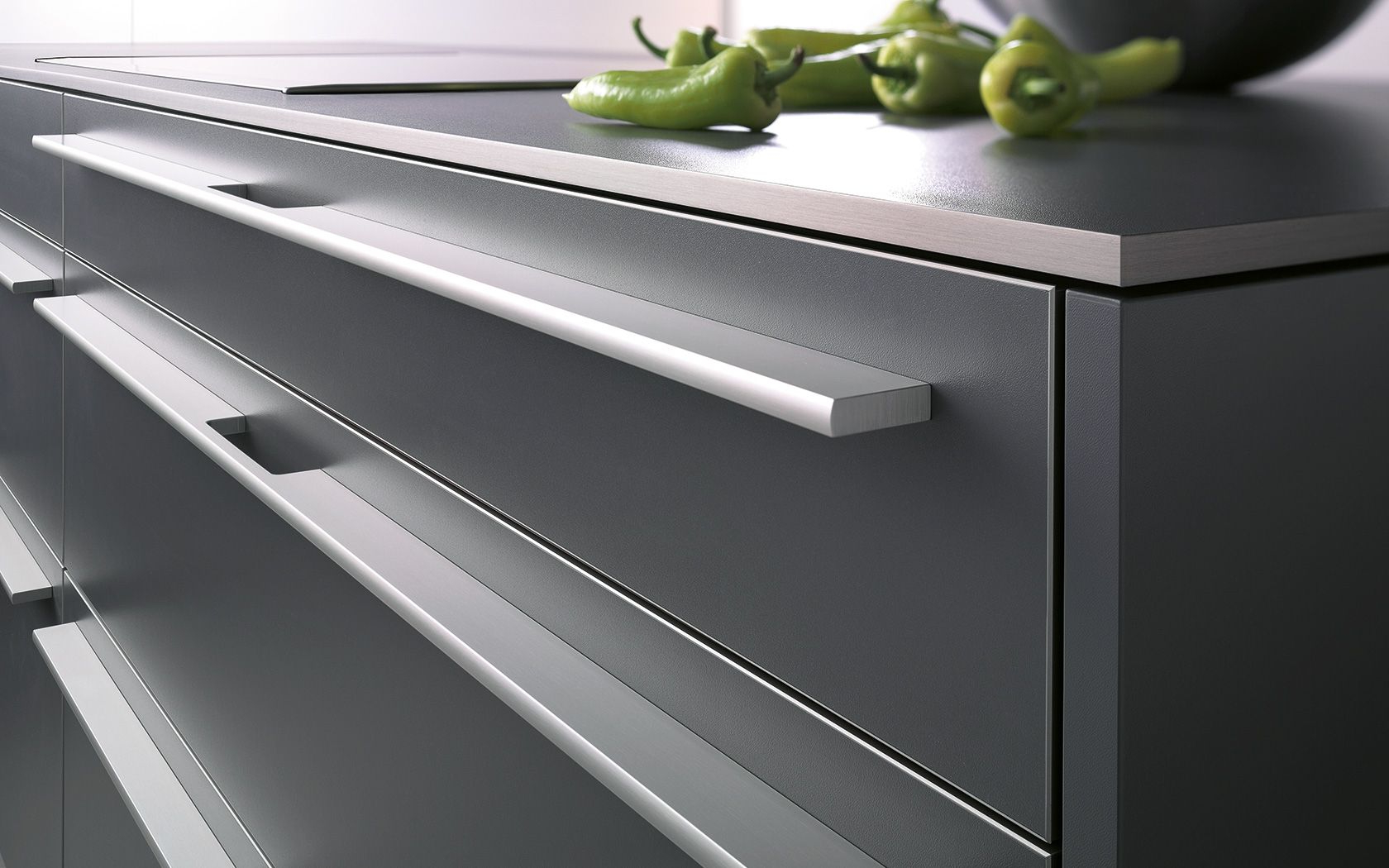
You don’t need to gut your entire kitchen to make a difference. Sometimes, small tweaks can have a huge impact. Consider swapping out cabinet hardware for something new and stylish. Old drawer pulls and handles can be replaced with sleek, recycled metal options for pennies on the dollar. Or try painting cabinets instead of replacing them entirely. A fresh coat of paint can completely change the vibe of a room and last for years. This approach saves money and reduces waste. It’s also a great way to test out new looks before committing to bigger changes.
Choose Reclaimed and Secondhand Materials
One of the best ways to stay sustainable is to seek out materials that have already served their purpose elsewhere. Look for reclaimed wood for countertops or accent walls. Many local salvage yards and online marketplaces offer beautiful reclaimed timber at a fraction of the cost of new materials. You can also find secondhand appliances and fixtures that are still in great working condition. These items often come with stories and character that new products simply cannot match. Plus, buying used means less demand for new manufacturing, which helps reduce overall environmental impact.
Focus on Energy-Efficient Appliances
When it’s time to replace appliances, consider energy-efficient models. They may cost a bit more upfront, but they save money over time through lower electricity bills. Look for appliances with the ENERGY STAR label—they meet strict efficiency guidelines set by the government. Even small changes like switching to LED light bulbs can make a noticeable difference. These bulbs use up to 80% less energy than traditional incandescent bulbs and last much longer. Think of it as investing in your future energy costs.
Maximize Natural Light and Ventilation
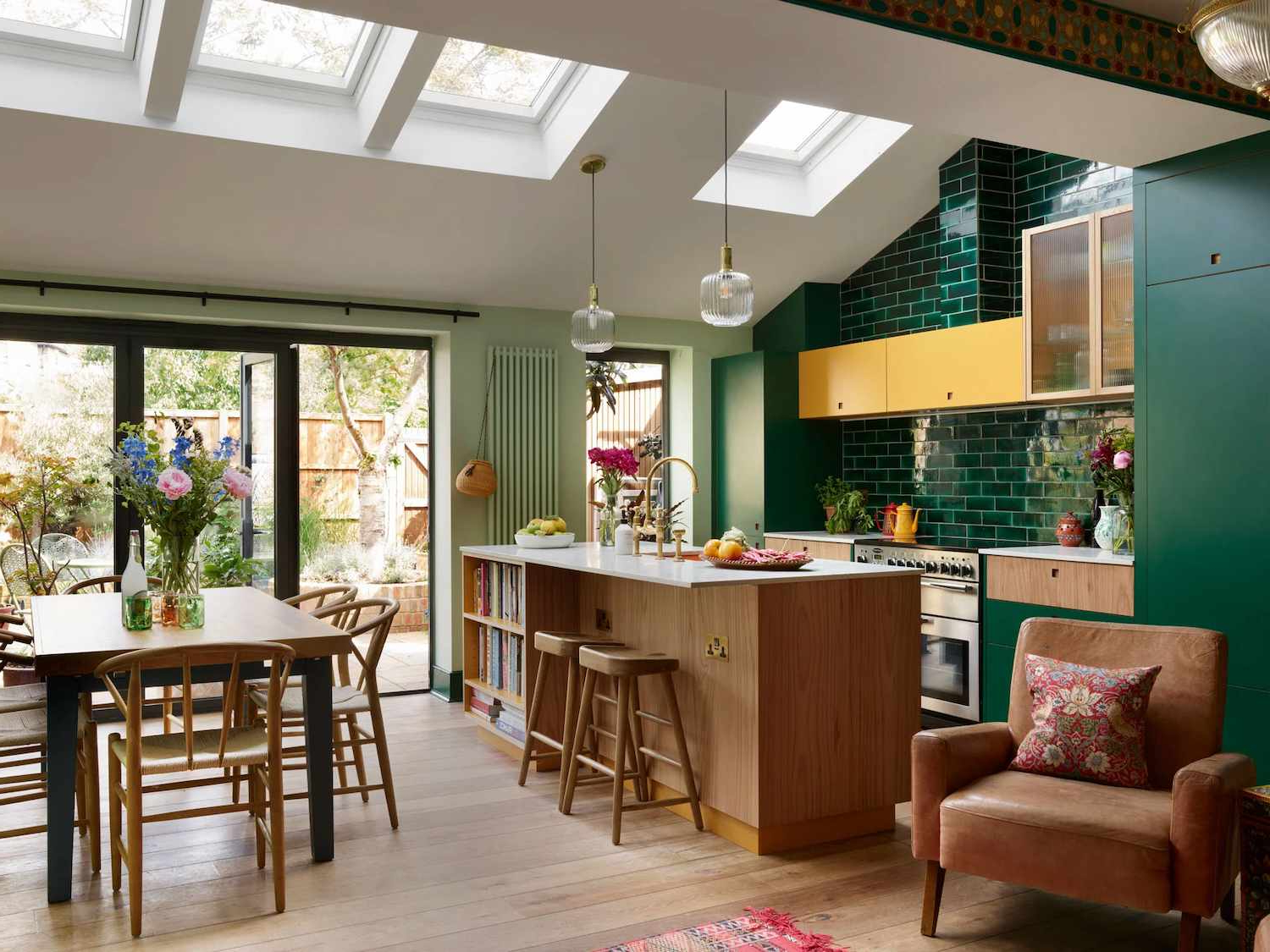
Letting in natural light not only makes your kitchen feel brighter and more welcoming, but it also reduces the need for artificial lighting during the day. If possible, open up windows or add skylights to bring in more sunlight. Good ventilation is also crucial for a healthy kitchen environment. Proper airflow helps remove cooking odors and moisture, preventing mold and mildew growth. You might consider installing a window fan or upgrading to a more efficient range hood. These improvements can be done affordably and will pay off in comfort and air quality.
Repurpose and Reuse Existing Elements
Before tossing out old items, think about whether they can be repurposed. Old wooden crates can become storage shelves, and worn-out tiles can be transformed into a backsplash. Repurposing allows you to keep items out of landfills while adding unique touches to your design. For example, you might turn an old ladder into a spice rack or use vintage jars as storage containers. These creative solutions often end up being the most interesting features of the kitchen. They tell a story and show personality.
Plan for Long-Term Sustainability
The most sustainable renovations are those that stand the test of time. Choose timeless designs rather than trendy ones. This means avoiding fads that might quickly go out of style. Instead, focus on neutral colors and classic shapes that will remain appealing for years. Think about durability when selecting materials. Solid wood is more long-lasting than particle board, even though it might cost a bit more initially. By choosing quality over quantity, you reduce the need for frequent replacements and repairs. This strategy saves both money and resources over time.
DIY Projects That Save Money and Reduce Waste
There’s something satisfying about doing things yourself, especially when it comes to home improvement. Many kitchen upgrades can be tackled with basic tools and some patience. Try your hand at refinishing cabinets, installing new hardware, or building simple shelving units. These projects not only cut labor costs but also give you a sense of accomplishment. When you do DIY, you’re also reducing waste because you’re using existing materials rather than buying new ones. Just remember to measure twice and cut once—especially when working with tools.
Select Eco-Friendly Finishes and Paints
When you’re ready to paint or refinish surfaces, opt for low-VOC (volatile organic compounds) paints and finishes. These products release fewer harmful chemicals into the air, making them safer for both you and the environment. Many brands now offer water-based paints that are just as durable as traditional options. They also dry faster and clean up easily with soap and water. If you’re unsure which products to choose, check labels carefully or ask professionals for recommendations. Your health and the planet’s wellbeing matter, and these choices support both.
Invest in Quality Over Quantity
It’s easy to fall into the trap of buying lots of cheap items that break easily. Instead, invest in fewer, better-quality pieces that will last longer. A well-made cutting board, for instance, is worth more than several flimsy alternatives. The same goes for utensils, cookware, and storage solutions. Quality items may cost more upfront, but they provide better value over time. They also reduce the frequency of replacements, which means less waste and fewer trips to the store. Think of each purchase as an investment in your daily life.
Use Local and Seasonal Resources
Supporting local businesses and sourcing materials locally can significantly reduce your carbon footprint. Visit farmers markets and local suppliers for inspiration and materials. You might find unique items that reflect the area’s culture and craftsmanship. Local artisans often create beautiful handmade pieces that are both functional and environmentally conscious. Using regional materials also cuts down on transportation emissions. Plus, you’re helping to build stronger community ties. It’s a win-win situation that brings tangible benefits to everyone involved.
Create a Sustainable Storage System
Good organization keeps clutter at bay and helps you make the most of every inch of your kitchen space. Design a storage system that works for your lifestyle and habits. Consider vertical storage solutions like tall pantry shelves or wall-mounted racks. These can maximize space without requiring major construction. Use clear containers for pantry items so you can see what you have. This prevents overbuying and food waste. A well-organized kitchen also makes cleaning easier and more enjoyable. It’s one of those small changes that can make a big difference in your daily routine.
Maintain and Repair Instead of Replace
Regular maintenance can extend the life of almost anything in your kitchen. Clean appliances regularly, oil hinges and moving parts, and address small issues before they become big problems. A squeaky door or loose handle can often be fixed with simple adjustments. Keeping items in good working order reduces the need for replacements and keeps them out of landfills. This mindset shifts your perspective from constant consumption to mindful care. It’s a powerful way to live sustainably without sacrificing convenience.
Make Smart Choices for Flooring
Flooring is a major part of any kitchen renovation, but it doesn’t have to be expensive or environmentally damaging. Consider bamboo or cork flooring, which are renewable resources. These materials grow back quickly after harvesting, unlike hardwood, which takes decades to mature. Linoleum is another excellent option—it’s made from natural materials and comes in many beautiful patterns. If you’re working with an existing floor, assess whether it can be refinished rather than replaced. Sometimes, a new sealant or coating is all that’s needed to restore a worn surface.
Incorporate Plants and Greenery
Adding plants to your kitchen brings life and freshness to the space. Not only do they improve air quality, but they also create a calming atmosphere. Choose low-maintenance options like succulents or snake plants that thrive in indoor conditions. Place them on windowsills or hang them from the ceiling to save space. Plants also serve as a reminder of nature’s beauty and importance. They encourage mindfulness and can be a conversation starter for guests. A few green touches can transform a utilitarian space into something more inviting and personal.
Think About Water Conservation
Water conservation isn’t just about turning off the tap while brushing teeth. It’s also about choosing fixtures and appliances that use less water. Install low-flow faucets and showerheads, which can reduce water usage by up to 40%. Look for dishwashers and washing machines with high-efficiency ratings. These appliances use less water and energy per cycle. You might also consider installing a rain barrel to collect water for garden use. Small steps like these contribute to larger environmental goals and can lower utility bills over time.
Plan for Future Upgrades
Smart planning ensures that your kitchen stays functional and attractive for years to come. Take note of areas that might need attention in the future. Plan for potential technology upgrades, such as smart appliances or updated electrical outlets. This forward-thinking approach prevents costly surprises later on. Consider how you want to use your kitchen in five or ten years. Will you need more counter space? More storage? Making these considerations early helps guide your decisions today. It’s better to plan ahead than to make rushed choices that might not fit your evolving needs.
Sustainable kitchen renovation isn’t about perfection or expensive materials—it’s about making thoughtful choices that benefit both you and the planet. From small swaps like new cabinet handles to larger investments in energy-efficient appliances, every decision counts. By focusing on quality, reusing existing items, and thinking long-term, you can create a kitchen that’s both beautiful and responsible. Remember, the journey toward sustainability is gradual. Start with what feels manageable and build from there. Your kitchen—and the environment—will thank you for it.
[sps_html tag=”img” src=”https://roofdrivein.com/wp-content/uploads/2026/01/18-stunning-green-kitchen-ideas-to-transform-your-eco-friendly-space-for-kitchen-ideas-green.jpg” alt=”18 Stunning Green Kitchen Ideas To Transform Your Eco-Friendly Space … for Kitchen Ideas Green” style=”width: 100%; height: auto;”]
[sps_html tag=”img” src=”https://roofdrivein.com/wp-content/uploads/2026/01/18-stunning-green-kitchen-ideas-to-transform-your-eco-friendly-space-with-regard-to-budget-friendly-sustainable-kitchen-renovation-tips.png” alt=”18 Stunning Green Kitchen Ideas To Transform Your Eco-Friendly Space … with regard to Budget-Friendly Sustainable Kitchen Renovation Tips” style=”width: 100%; height: auto;”]
[sps_html tag=”img” src=”https://roofdrivein.com/wp-content/uploads/2026/01/34-top-green-kitchen-cabinets-good-for-kitchen-get-ideas-with-regard-to-budget-friendly-sustainable-kitchen-renovation-tips.png” alt=”34+ ( Top ) Green Kitchen Cabinets - " Good For Kitchen? " Get Ideas … with regard to Budget-Friendly Sustainable Kitchen Renovation Tips” style=”width: 100%; height: auto;”]
[sps_html tag=”img” src=”https://roofdrivein.com/wp-content/uploads/2026/01/39-stylish-green-kitchen-ideas-that-bring-nature-indoors-with-regard-to-budget-friendly-sustainable-kitchen-renovation-tips.jpeg” alt=”39 Stylish Green Kitchen Ideas That Bring Nature Indoors with regard to Budget-Friendly Sustainable Kitchen Renovation Tips” style=”width: 100%; height: auto;”]
[sps_html tag=”img” src=”https://roofdrivein.com/wp-content/uploads/2026/01/green-kitchen-ideas-for-a-lively-space-with-budget-friendly-sustainable-kitchen-renovation-tips-scaled.jpg” alt=”Green Kitchen Ideas For A Lively Space with Budget-Friendly Sustainable Kitchen Renovation Tips” style=”width: 100%; height: auto;”]