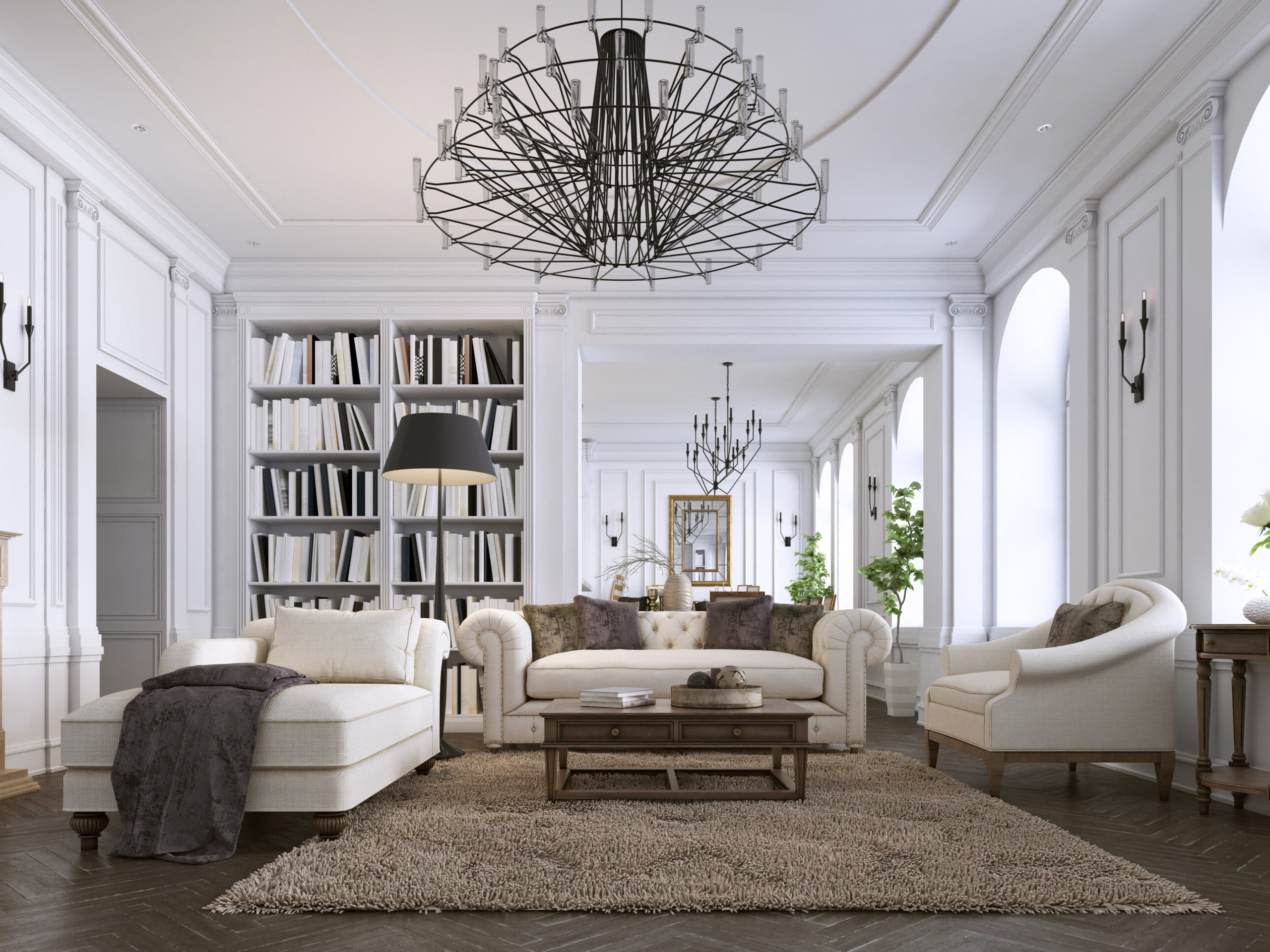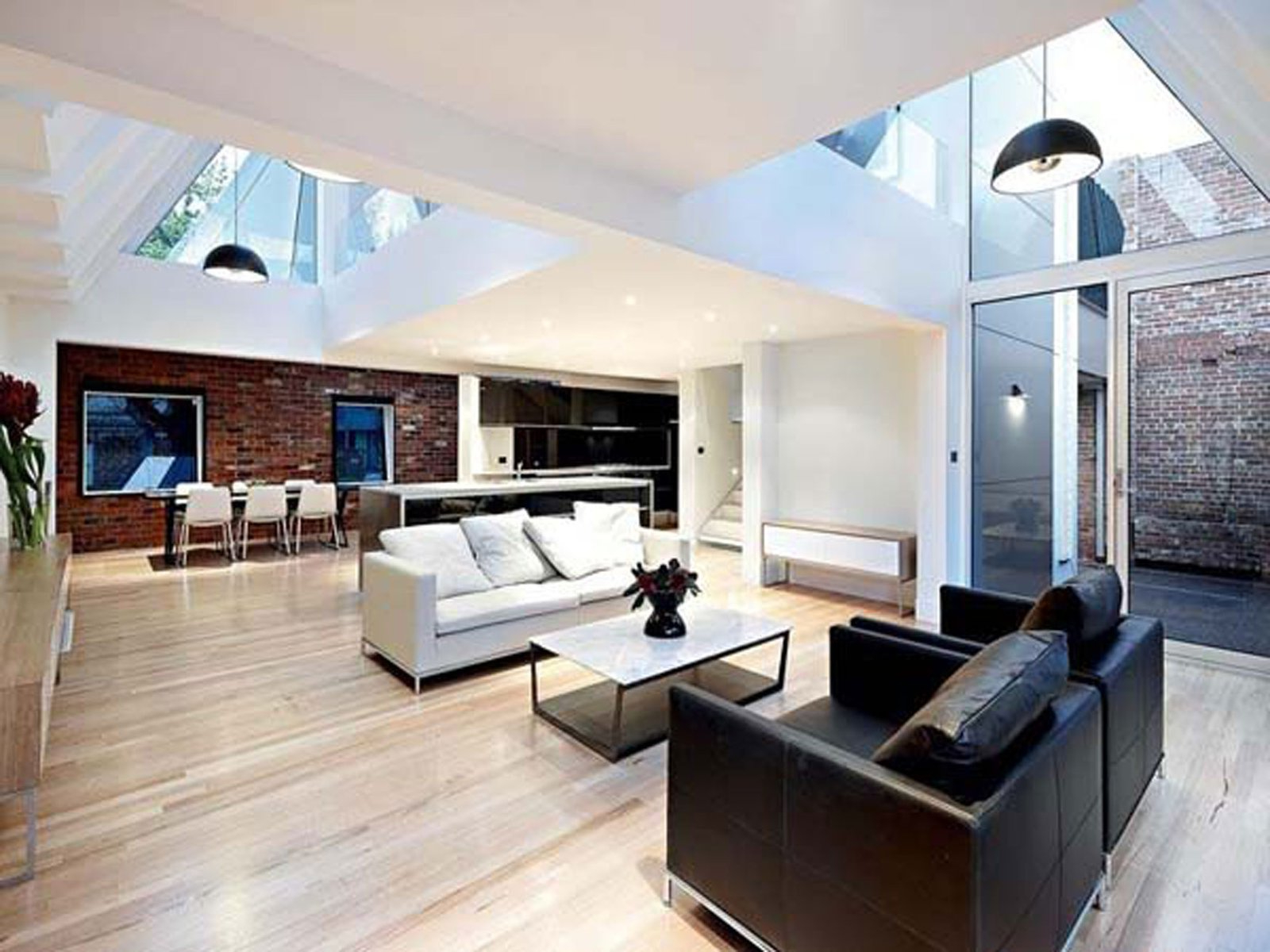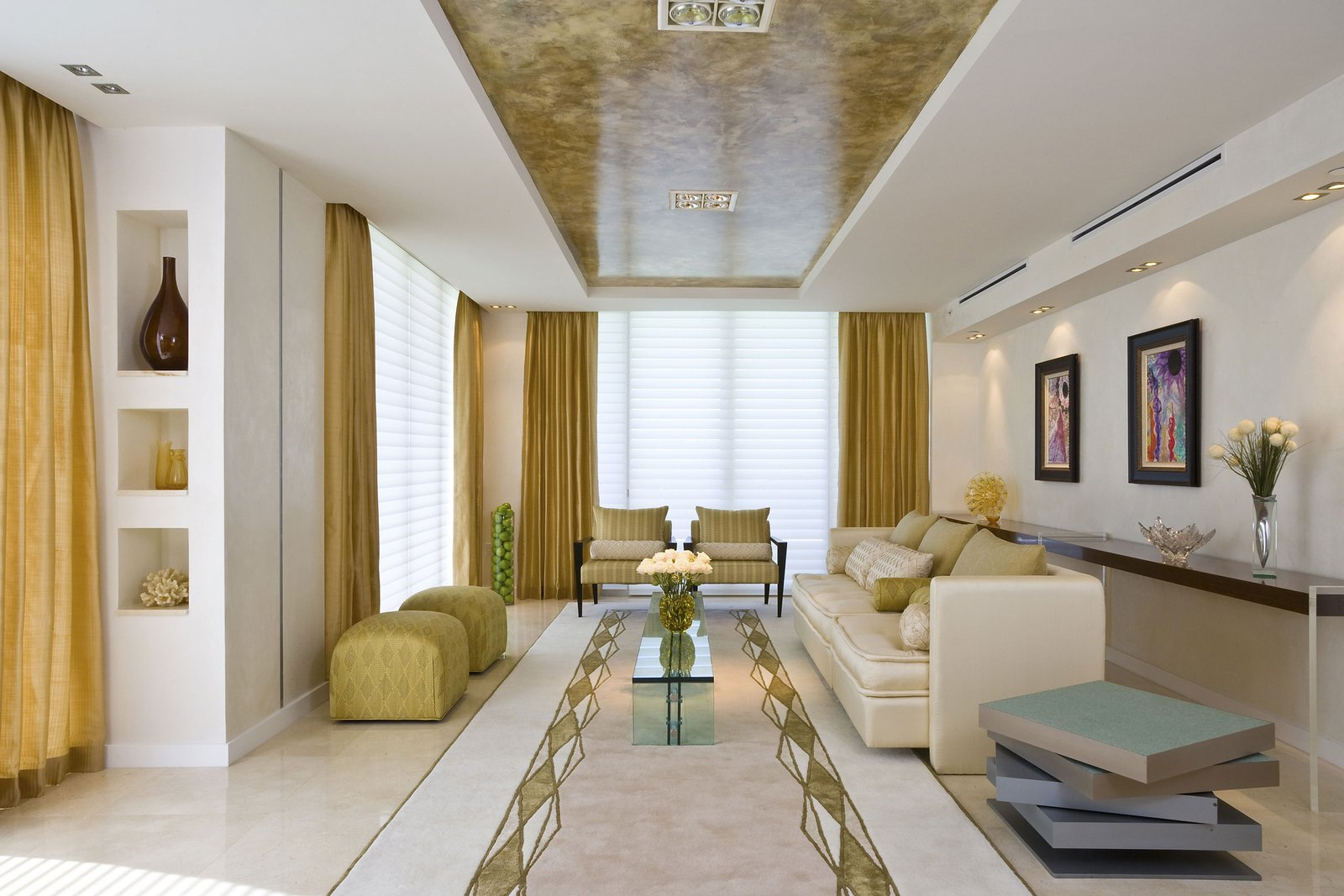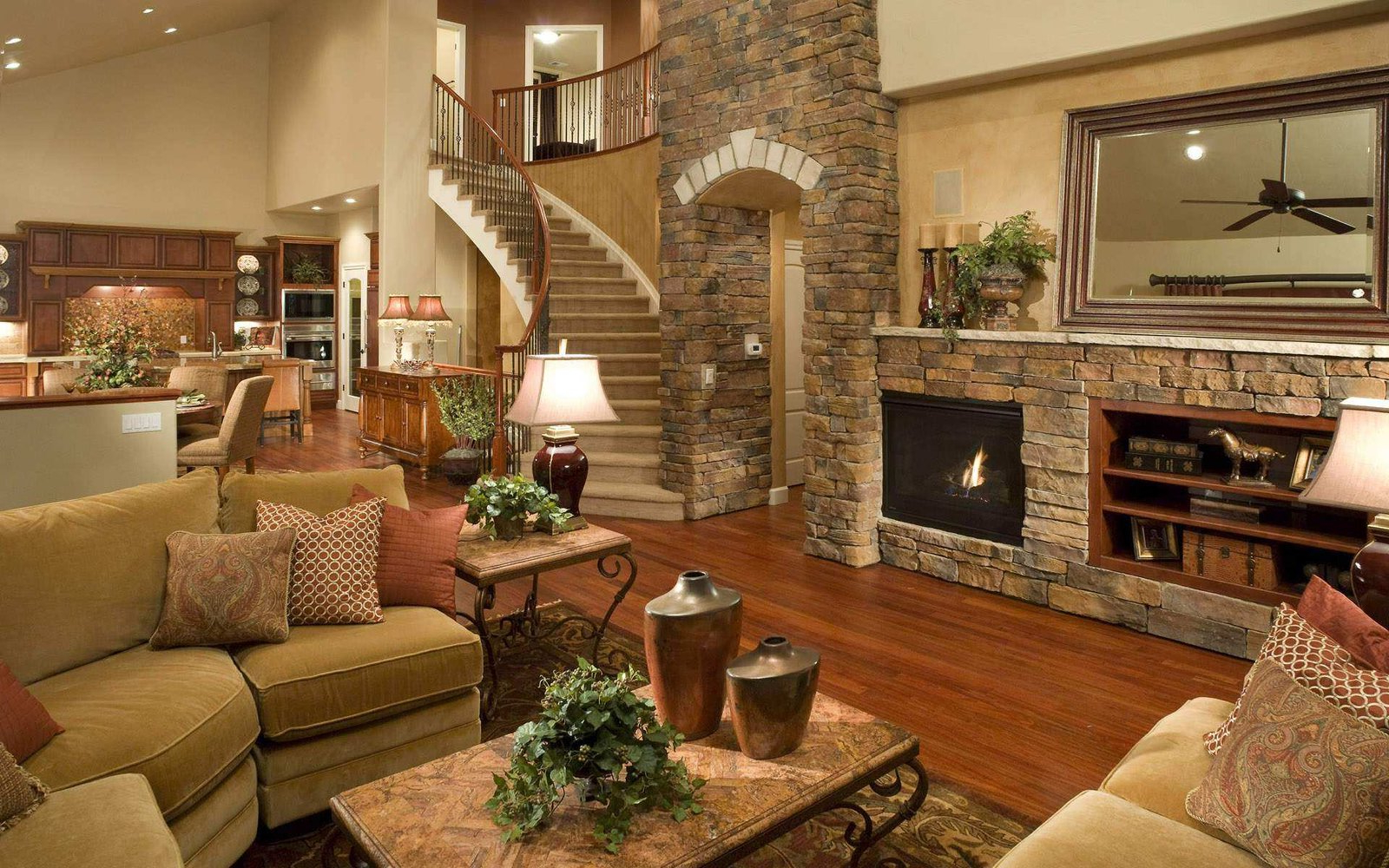
Who hasn’t dreamed of a beautifully designed space without spending a fortune? The good news is that you don’t need to be a professional designer or have a massive budget to create an impactful living environment. With some creativity, strategic thinking, and smart choices, you can completely change the feel of your rooms using simple, affordable tricks that deliver maximum visual impact.
We’ve all been there – standing in our living room, looking at the same old furniture, the same boring walls, and wondering how to make it feel fresh again. You might think that transforming your space requires expensive purchases, new fixtures, or hiring someone to redesign everything. But what if we told you that small changes can create huge transformations? That’s exactly what we’ll explore today. Whether you’re a student living in a small apartment, a family with limited funds, or someone just starting their home journey, these budget-friendly strategies will help you create spaces that feel intentional and stylish.
The Power of Color and Lighting
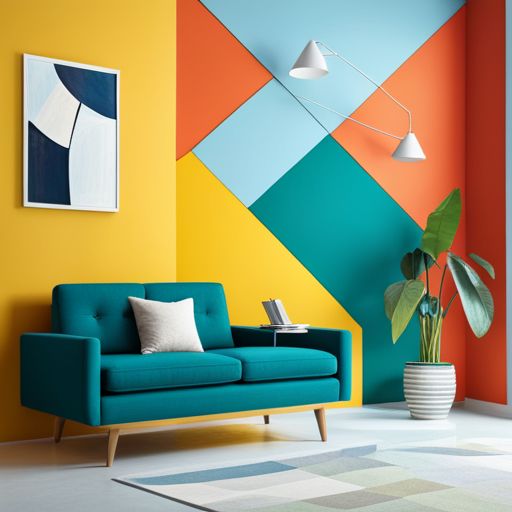
Color and lighting are often underestimated, yet they have the ability to completely redefine how a space looks, feels, and functions. Color isn’t just a decorative choice—it directly influences mood, perception, and even energy levels. Warm tones like soft yellows, terracotta, or muted oranges tend to create a sense of comfort and warmth, making rooms feel inviting and lively. Cooler shades such as blues, greens, and grays, on the other hand, promote calmness and relaxation, which is why they are popular in bedrooms and bathrooms. The beauty of color lies in its flexibility: you don’t need a full renovation to see results. A single accent wall, painted thoughtfully, can add depth and personality without overwhelming the room or the budget.
Accent walls are especially powerful because they allow you to experiment. If you’re hesitant about bold colors, an accent wall gives you the freedom to try something new while keeping the rest of the space neutral. Even subtle colors—like sage green, dusty blue, or warm beige—can dramatically change how light moves through a room. Lighter shades tend to reflect light, making small spaces feel more open, while darker tones add coziness and definition when used intentionally.
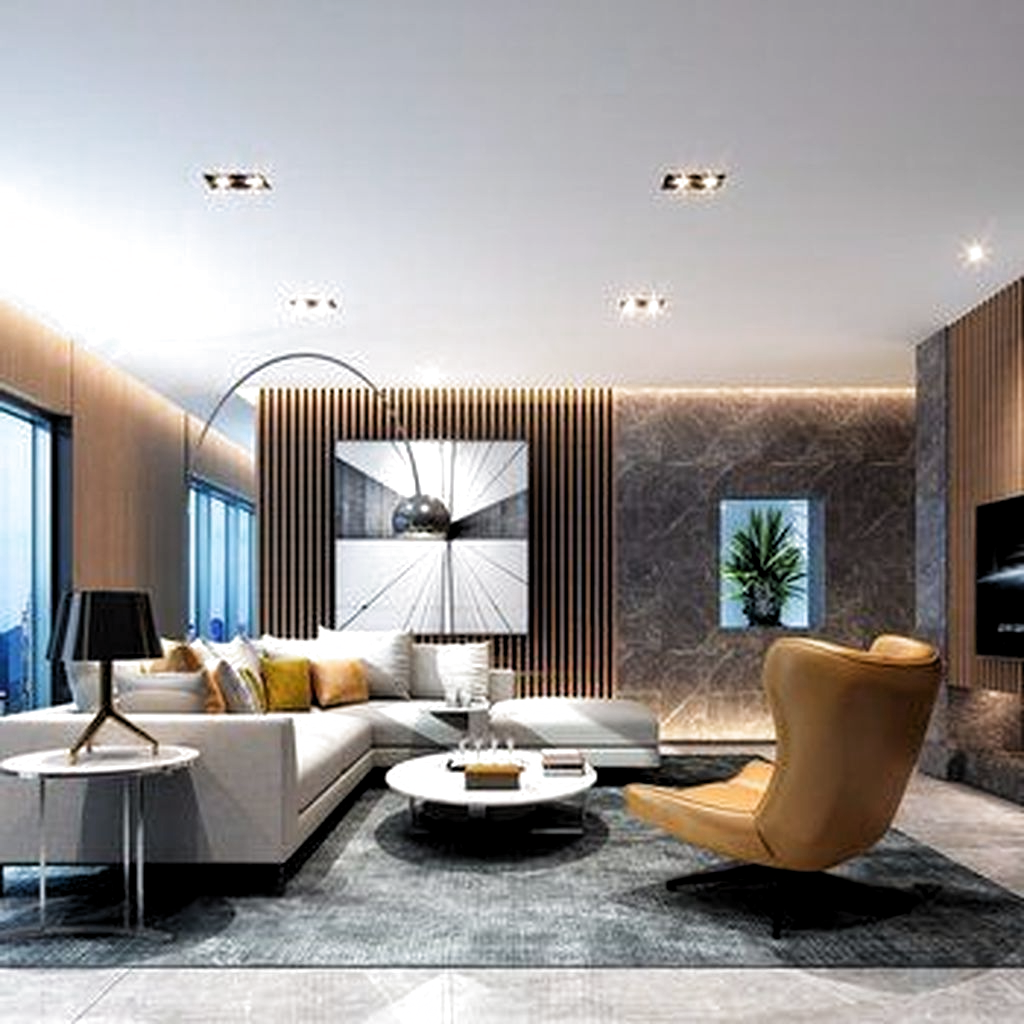
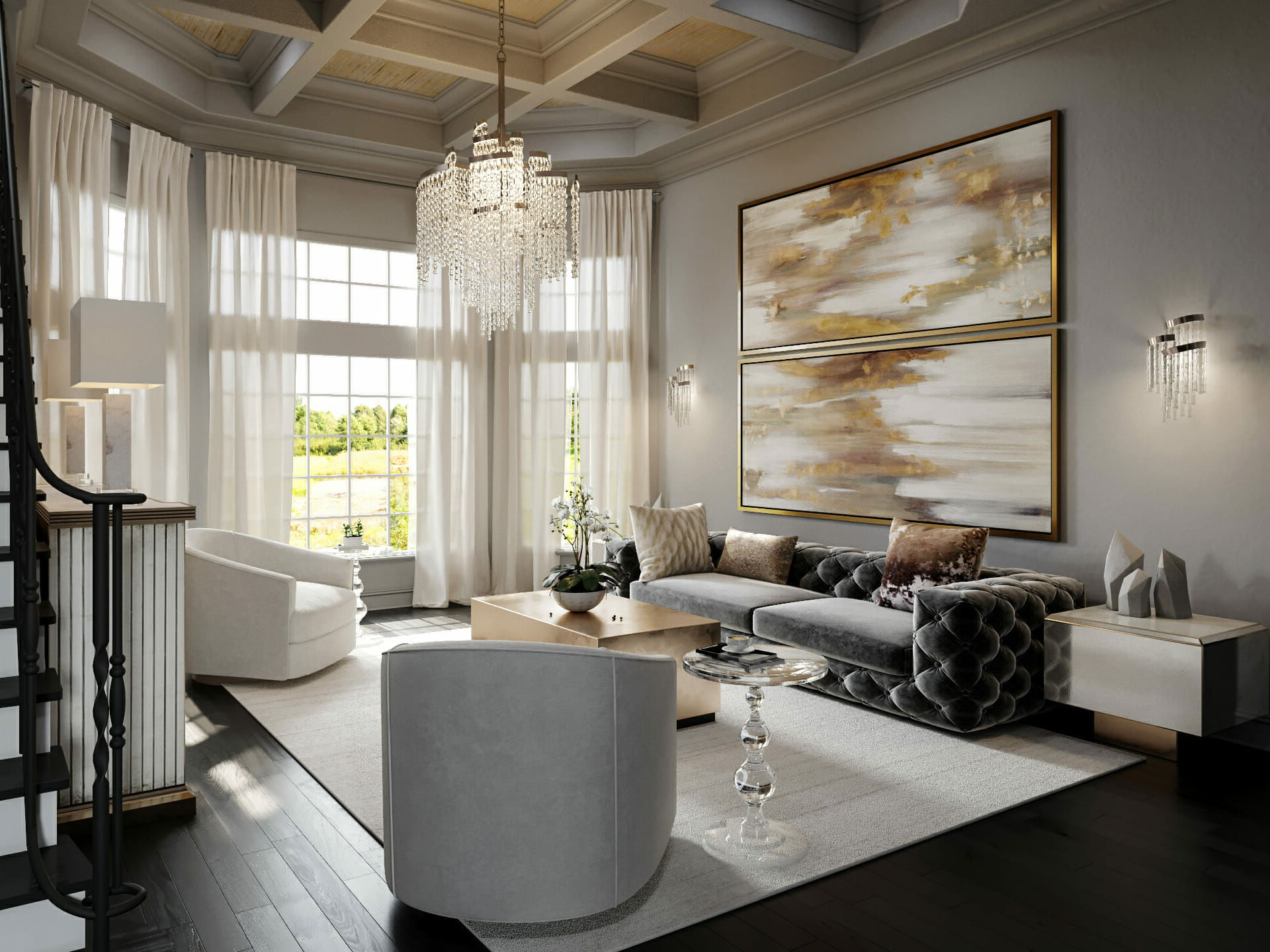
Lighting works hand in hand with color, enhancing or diminishing its impact. Natural light is always the gold standard; it brings out the truest tones of paint and makes spaces feel alive. If your room lacks large windows or direct sunlight, artificial lighting becomes essential. The key is layering. Overhead lighting provides general illumination, but relying on it alone often creates a flat, uninspiring atmosphere. Adding table lamps, floor lamps, or wall-mounted lights introduces warmth and dimension, allowing you to control the mood at different times of day.
Mirrors are another clever and cost-effective tool. Placed opposite a window or near a light source, they reflect light throughout the room, making it feel brighter and more spacious. This trick is especially useful in smaller rooms or areas with limited natural light. Even decorative mirrors can double as functional design elements, combining beauty with practicality.
Take the example of a modest 10-by-12 foot bedroom. What once felt dull and lifeless with flat gray walls can be completely transformed by painting one wall a soft sage green. That single change introduces color without overpowering the space. Add a couple of affordable floor lamps with warm bulbs, and suddenly the room feels layered and intentional. Place a mirror above the dresser to bounce light around, and the entire space feels brighter, fresher, and more welcoming—all without major expense.
Ultimately, color and lighting are about creating balance. When used thoughtfully, they can turn even the simplest room into a space that feels personal, comfortable, and visually engaging.
Smart Furniture Rearrangement
Sometimes the biggest change comes from simply moving things around. Furniture placement can dramatically alter the flow and function of a room. Try rearranging your sofa to face a different direction. Move your dining table away from the window and closer to the conversation area. This might seem basic, but it can make your space feel entirely new.
Think about how your furniture works for you. Do you really need that large coffee table that takes up too much floor space? Could a smaller console work better? Sometimes the solution is simpler than you think.
Many people find that they can reorganize their furniture for free, just by shifting items around. It’s amazing how much more spacious and functional a room can feel when everything has its proper place and purpose.
DIY Decor and Artistic Touches
Art doesn’t have to be expensive. In fact, many of the most beautiful pieces come from your own creativity or found objects. Start with simple projects like creating a gallery wall using frames you already own. Mix and match different frame styles and sizes for a relaxed look.
Painting your own artwork can be surprisingly satisfying and affordable. Even simple geometric shapes or abstract designs can make a big statement. You could even frame some of your favorite photos or prints and hang them in creative arrangements.
Another great idea is to use plants strategically. Not only do they add life to a room, but they’re also incredibly versatile. Small succulents in interesting pots can become focal points. Larger plants can soften hard edges and create a cozy atmosphere. Consider hanging plants from the ceiling or placing them on floating shelves to maximize space.
Strategic Use of Textiles and Rugs
Textiles are perhaps one of the easiest ways to add warmth and character to a room. Throw pillows, blankets, and rugs can completely change the mood of a space. You don’t need to buy everything at once. Start with one or two key pieces and build from there.
Rugs are particularly effective because they define spaces and create visual interest. A large area rug can make a small room feel more cohesive. Choose patterns that complement your existing decor rather than compete with it. A neutral rug with subtle texture works well in most situations.
Don’t overlook the power of curtains. They can soften harsh light, add privacy, and create a sense of luxury. Even simple fabric from a discount store can make a difference. Consider layering sheer and opaque fabrics for versatility.
Creative Storage Solutions
Good organization is often what separates a cluttered space from a calm one. You might be surprised how much visual impact comes from simply putting things away. Look for ways to incorporate storage that also adds style.
Use baskets or bins to hide items while keeping them accessible. They come in many colors and materials, so you can find options that match your aesthetic. Floating shelves can provide both storage and display space without taking up floor area.
Repurpose items you already have. A vintage ladder can hold books and decorative items. Old suitcases can become coffee tables or side tables. The key is seeing potential in ordinary things.
Sometimes the best storage solutions are the simplest ones. A few well-placed hooks can eliminate the need for a bulky entryway table. A stack of wooden crates can serve multiple purposes while adding rustic charm.
Focus on High-Impact Areas
Not every room needs a complete overhaul. Instead, focus on the areas that make the biggest impression. The entrance of your home, your living room, or kitchen island often have the most impact when done right.
Start with one zone and master it before moving on. This approach prevents overwhelm and ensures quality results. For instance, spend time perfecting your entryway. A stylish console table, some well-chosen accessories, and a welcoming light fixture can make visitors feel immediately welcome.
Consider the flow between rooms. If you’re working on a small budget, think about how changes in one area affect others. A fresh coat of paint in your main living area can set the tone for the whole house.
Remember that small changes can create big impacts. A new lamp, a fresh arrangement, or even a different pillow can shift the entire feeling of a room.
Designing your space on a budget isn’t about sacrificing style for affordability. It’s about being intentional and creative with what you have. The key is understanding that transformation happens in layers – one thoughtful decision at a time. Whether you’re painting a single wall, rearranging furniture, or finding a new way to organize your belongings, each action builds toward a larger vision.
You don’t need expensive materials or professional help to create a space that feels special. Sometimes the most meaningful changes happen when you stop trying to buy your way to beauty and start seeing the potential in what’s already there. The next time you look around your home, ask yourself: What small change could make the biggest difference? That’s often where the magic begins.