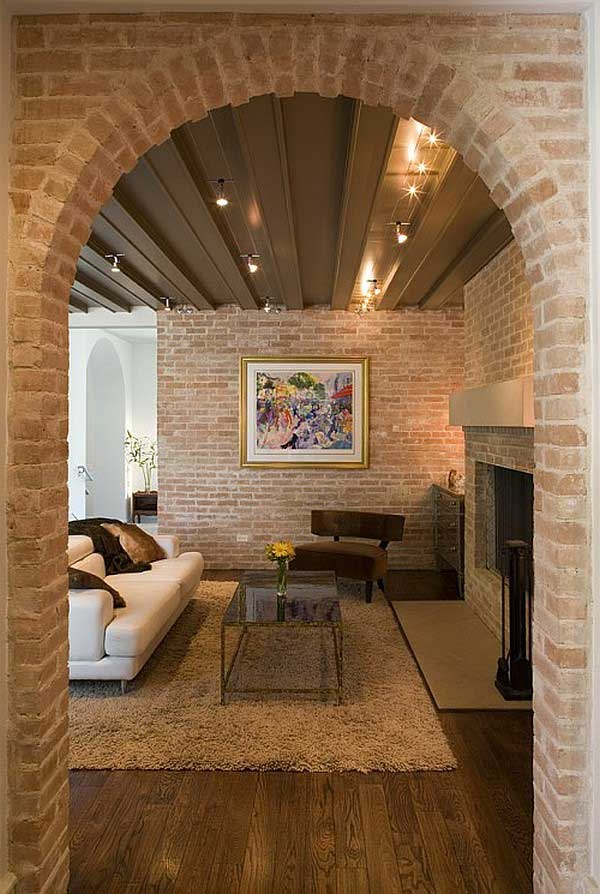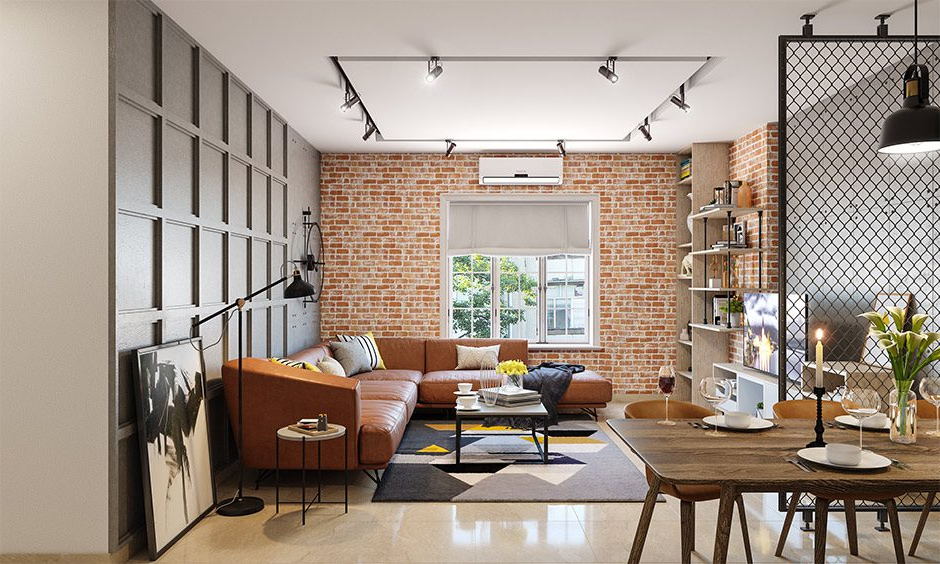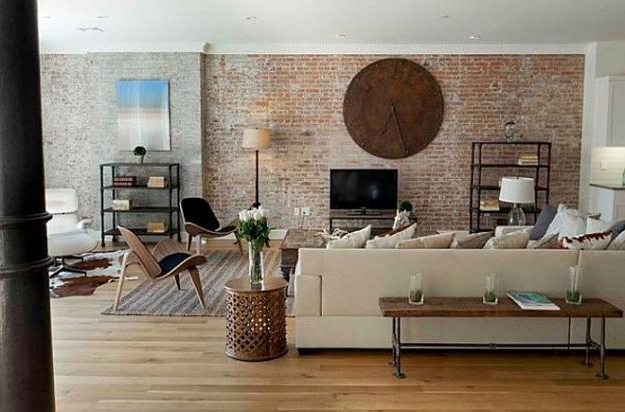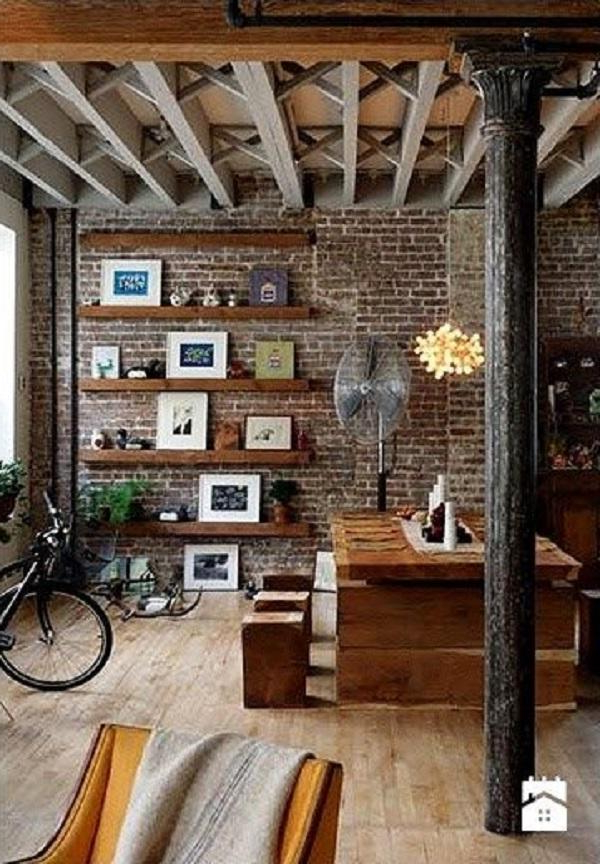
When you think about interior design, brick walls might not immediately come to mind. But these textured surfaces offer far more than visual appeal. They’re powerful tools that can completely change how a space feels, functions, and even performs. From adding warmth to creating focal points, brick walls have evolved from simple building materials to sophisticated design statements.
In the world of interior design, few elements carry as much character and versatility as brick walls. These surfaces, once relegated to industrial spaces and basements, have found their way into living rooms, kitchens, and bedrooms across the globe. What started as a practical solution for structural support has transformed into an art form that designers and homeowners alike now embrace. The magic of brick walls lies not just in their appearance but in their ability to serve multiple purposes simultaneously. Whether you’re looking to add texture, create a focal point, or simply bring a sense of authenticity to your space, brick walls offer solutions that go beyond surface-level beauty. The question isn’t whether brick walls work, but rather how effectively you can integrate them into your existing design scheme.
The Versatility of Brick Wall Applications
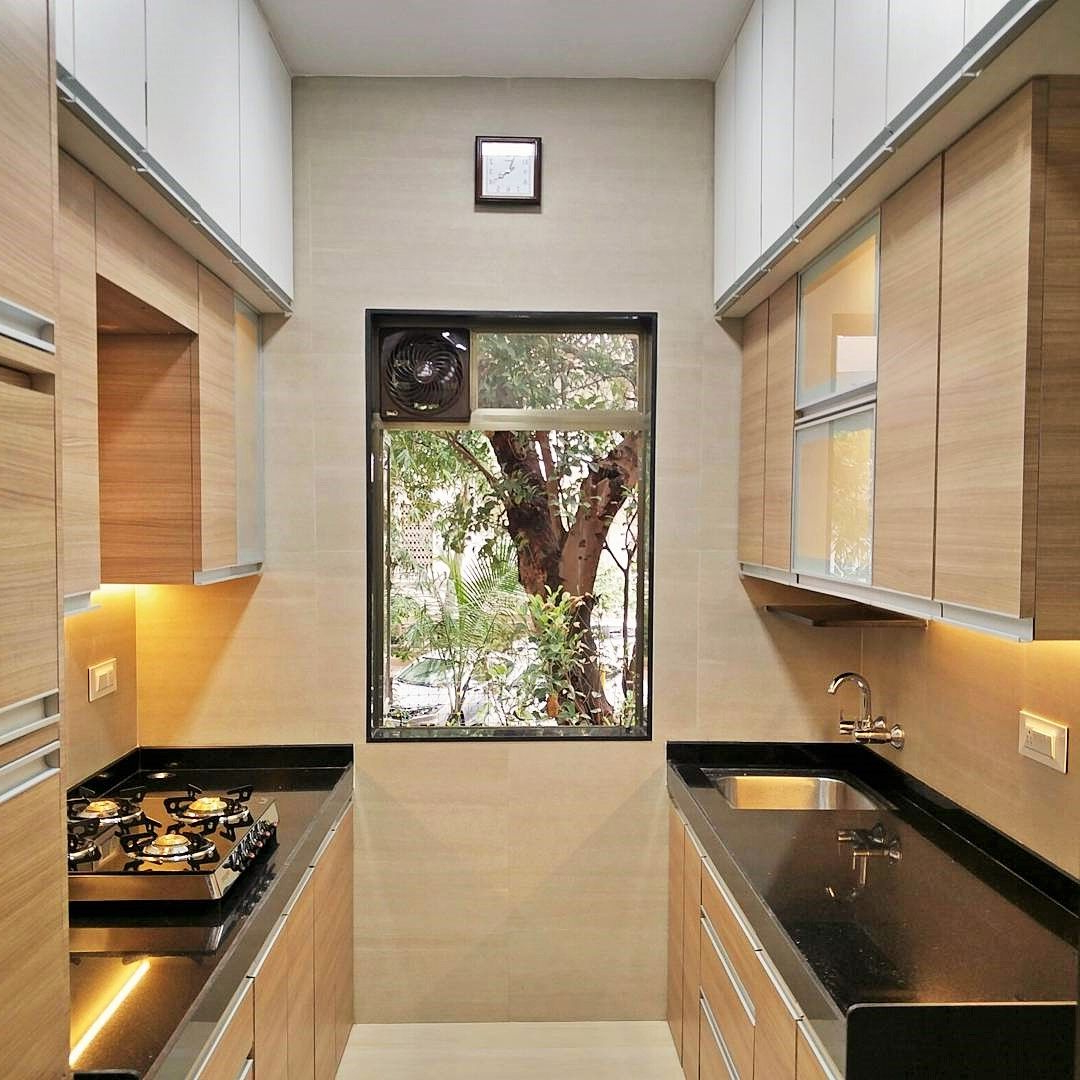
Brick walls aren’t just for dramatic statements anymore. Today’s designers are finding innovative ways to incorporate them into various room types and functions. In living spaces, they provide a cozy atmosphere that makes guests feel welcome. In kitchens, they create a rustic yet modern feel that works beautifully with contemporary appliances and fixtures. Bedrooms benefit from the calming effect that brick textures can provide, offering a retreat from the chaos of daily life. Even bathrooms are seeing creative uses of brick walls, particularly in shower areas where the material’s moisture resistance becomes a practical advantage. The key is understanding that each application requires different approaches to installation and finishing. For instance, kitchen applications often focus on clean lines and minimal maintenance, while bedroom installations might emphasize warmth and softness through color choices and texture variations. The versatility extends to both traditional and modern settings, proving that brick walls can adapt to any style preference.
Texture and Visual Interest
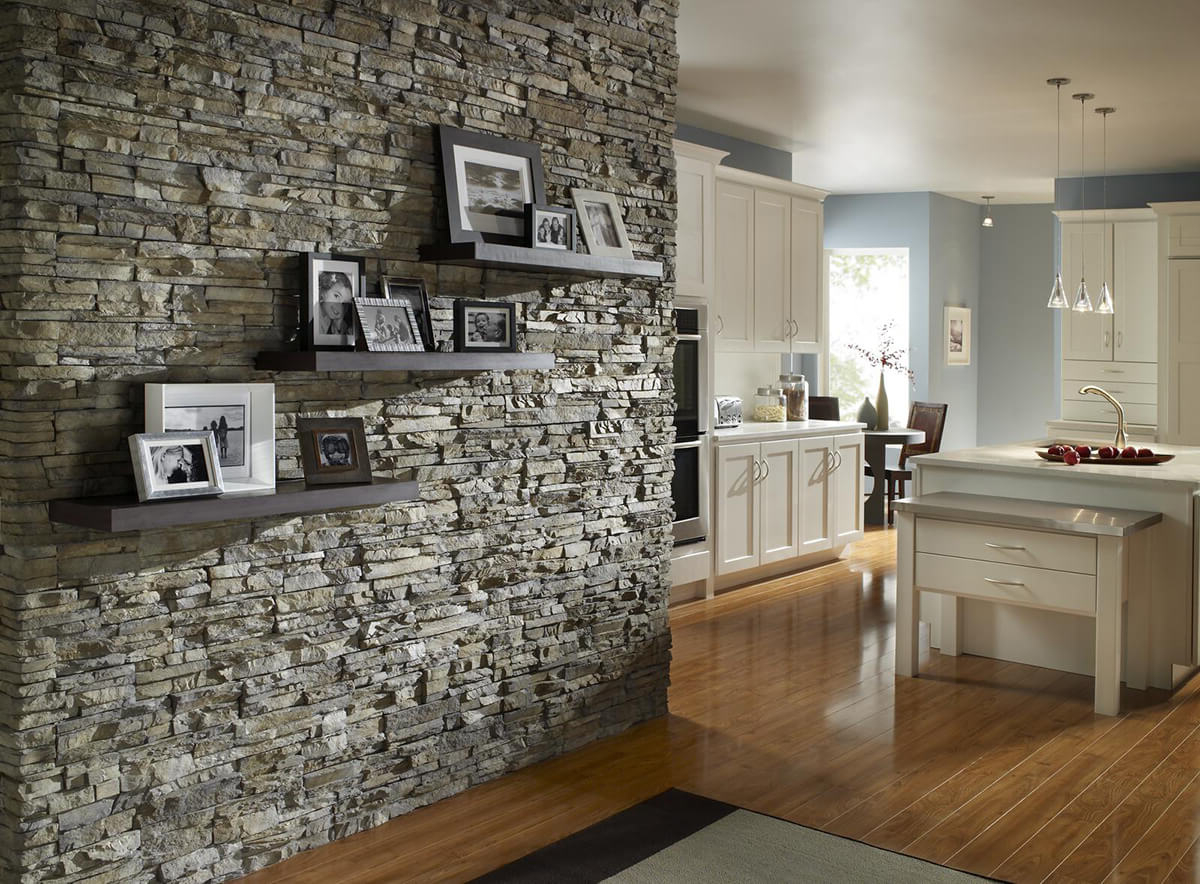
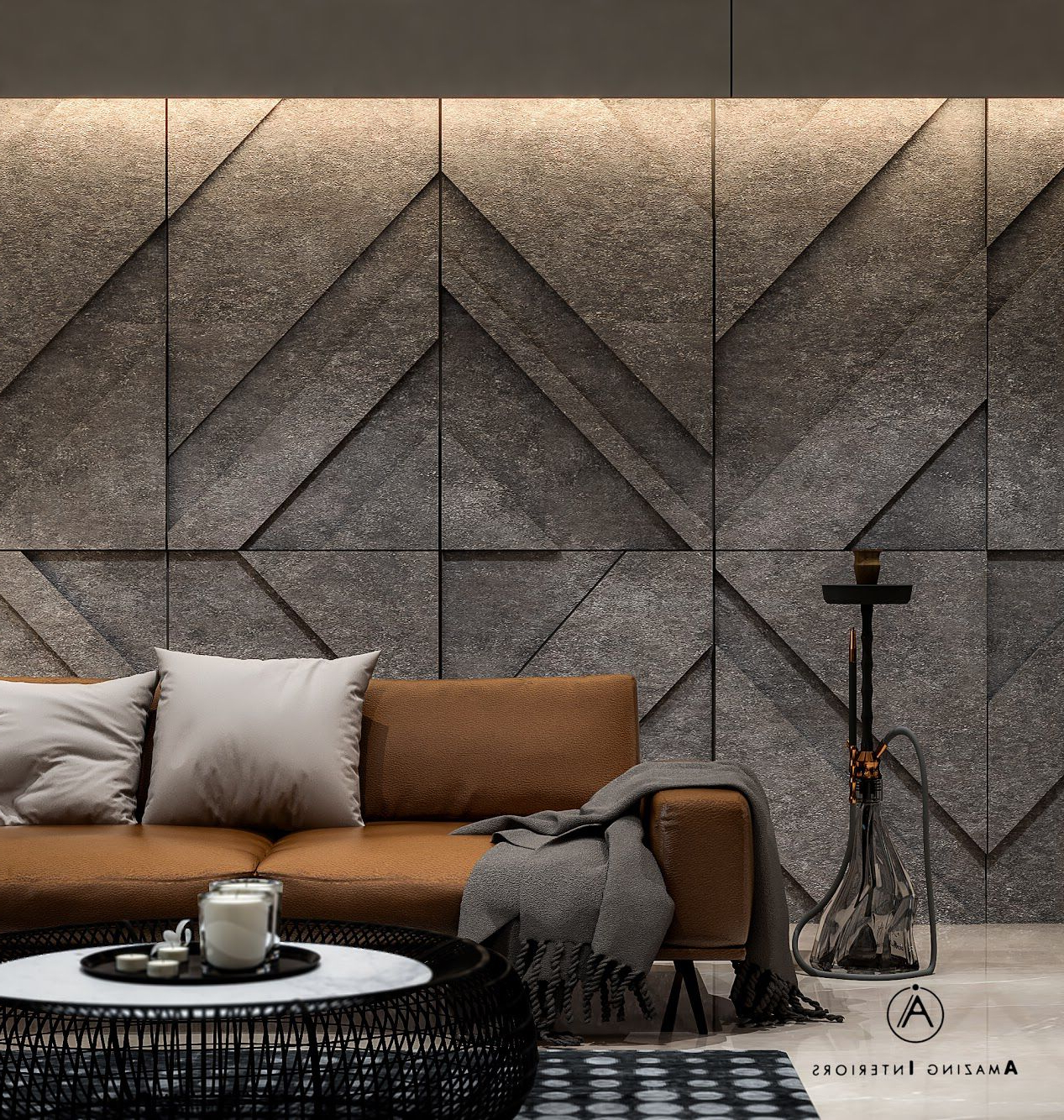
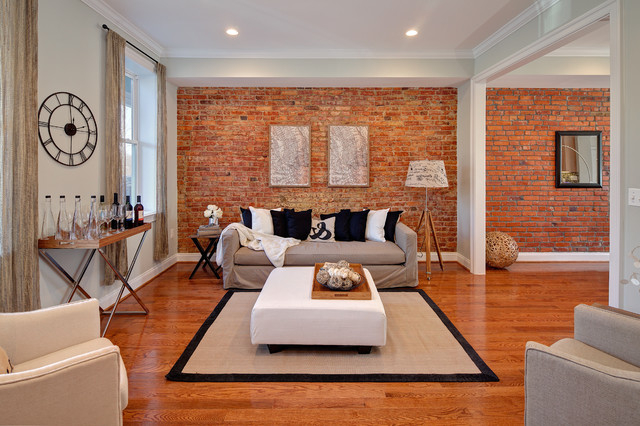
One of the most compelling aspects of brick walls is their ability to add dimension and visual complexity to otherwise flat spaces. Unlike smooth painted walls or plain wallpaper, brick creates a natural three-dimensional quality that catches light differently at every angle. This texture naturally draws the eye and creates focal points without requiring additional decoration. The irregularities in brick placement – some bricks higher than others, slight variations in color, and unique mortar patterns – all contribute to a dynamic visual experience. Consider how a single brick wall can transform an entire room’s energy. A dining room with a brick accent wall becomes a gathering place that naturally encourages conversation. A hallway with brick flooring and partial brick walls creates a sense of movement and discovery. The beauty of this approach is that it works whether you choose exposed brick or finished brick, each offering different levels of texture and visual impact. When designing with brick walls, think about how the texture interacts with other elements in the room. Light fixtures, artwork, and furniture pieces should complement rather than compete with the brick’s natural character.
Practical Benefits Beyond Aesthetics
While the visual appeal of brick walls is undeniable, their functional advantages are equally impressive. These materials offer superior durability compared to many alternatives, meaning they won’t crack, fade, or warp over time. In high-traffic areas, this longevity translates directly into cost savings and reduced maintenance needs. Brick walls also provide excellent sound absorption properties, making them ideal for home offices, entertainment spaces, and bedrooms where noise control matters. The thermal mass of brick helps regulate indoor temperatures naturally, keeping spaces cooler in summer and warmer in winter. This thermal performance is particularly valuable in climates with significant temperature fluctuations. Additionally, brick walls offer natural fire resistance, providing an added layer of safety in residential settings. The material’s breathability allows moisture to evaporate naturally, reducing the risk of mold and mildew in humid conditions. These practical benefits make brick walls more than just decorative features – they’re smart investments in long-term comfort and safety.
Installation Options and Considerations
Installing brick walls comes with several approaches, each with distinct advantages and challenges. Exposed brick offers the most authentic look but requires careful planning for structural support and electrical considerations. Finished brick, including brick veneer and manufactured brick panels, provides easier installation and more consistent appearance. The choice between these options depends largely on your existing structure and budget constraints. Cost considerations vary significantly based on factors like brick type, wall size, and installation method. Natural brick tends to be more expensive but offers superior quality and longevity. Manufactured options provide cost-effective alternatives without sacrificing too much visual appeal. Professional installation is recommended for complex projects, especially when dealing with electrical work or structural modifications. However, simpler applications can be tackled as DIY projects with proper preparation and tools. Planning ahead is crucial – measure carefully, consider lighting effects, and account for any existing features that might interact with the brick installation. The installation process itself involves several steps, from preparing the substrate to applying mortar and ensuring proper alignment.
Color and Finishing Techniques
Brick walls offer incredible flexibility in terms of color and finish options that can dramatically alter a room’s mood and character. Traditional red brick remains popular for its warm, earthy tones that work well in classic and rustic settings. However, modern alternatives include gray, white, and even black bricks that provide sleek, contemporary looks. Staining and painting brick walls allows for customization that perfectly matches existing decor schemes. The process of finishing brick walls requires attention to detail, especially when considering how different finishes affect light reflection and shadow play. Unfinished brick showcases the natural texture and color variations that make each installation unique. Painted brick can create a uniform look while still maintaining the structural benefits of the material. Stained brick offers a middle ground, preserving much of the natural texture while allowing for color modification. The choice of finish affects not just appearance but also maintenance requirements. Painted surfaces require periodic touch-ups, while stained brick may need reapplication every few years depending on exposure. Understanding how different finishes age and wear helps in making informed decisions about long-term care and upkeep.
Design Integration Strategies
Successfully incorporating brick walls into your interior design requires thoughtful integration with existing elements. The key is ensuring that brick features complement rather than clash with other design components. Start by identifying the primary function of each space and how brick walls can support those needs. In open-concept layouts, brick walls can define different areas without fully enclosing them, creating visual separation while maintaining flow. The height and placement of brick features matter significantly – a full-height wall creates drama, while partial coverage offers more subtle enhancement. Lighting plays a crucial role in showcasing brick textures effectively. Strategic placement of ambient, task, and accent lighting can highlight the natural variations in brick and create depth within the space. Furniture selection should consider how pieces will interact with brick surfaces, avoiding overly bulky items that might overwhelm the natural texture. Color coordination extends beyond just the brick itself to include surrounding elements like paint colors, flooring materials, and decorative accents. Successful integration means that the brick wall enhances rather than competes with the overall design vision.
Maintenance and Longevity
Proper maintenance ensures that brick walls continue to look great and perform well for decades. Regular cleaning with appropriate products prevents buildup of dirt and grime that can dull the appearance of brick surfaces. Most brick walls require minimal maintenance beyond occasional dusting and spot cleaning. Deep cleaning might be necessary every few years, especially in high-traffic areas or environments with significant air pollution. Addressing small issues promptly prevents bigger problems later on. Cracked mortar or damaged bricks should be repaired quickly to prevent water infiltration and structural weakening. The longevity of brick walls depends largely on initial installation quality and ongoing care. Proper sealing can protect against moisture damage and staining while maintaining the material’s natural appearance. Seasonal considerations include protecting brick from freeze-thaw cycles in cold climates and managing humidity levels in damp environments. With proper attention, brick walls can last for generations, making them one of the most enduring investment choices in interior design. The key is establishing a routine maintenance schedule that fits your lifestyle and space usage patterns.
Cost Analysis and Value Proposition
While brick walls typically cost more upfront than standard wall treatments, their long-term value often justifies the initial investment. Material costs vary widely based on brick type, quality, and supplier location. Labor costs depend heavily on installation complexity and whether professional services are required. The total project cost includes materials, labor, and any necessary structural modifications or electrical work. When comparing costs to alternative materials, consider both immediate expenses and long-term maintenance needs. Brick walls generally require less frequent replacement than other wall coverings, offering better value over time. The resale value of homes featuring well-executed brick walls often increases significantly, particularly in markets where this feature is valued. Property buyers frequently view brick walls as premium features that add both aesthetic appeal and functional benefits. Insurance considerations may also favor brick construction due to its fire-resistant properties and structural integrity. Budget-conscious homeowners can achieve impressive results with strategic choices about brick type and installation methods. The return on investment becomes apparent not just in monetary terms but in the enhanced quality of living that brick walls provide.
Modern Trends and Future Directions
Contemporary interior design continues evolving with new trends that showcase brick walls in innovative ways. Minimalist approaches focus on clean lines and simple brick installations that emphasize the material’s natural qualities. Industrial design elements combine raw brick with metal accents and exposed utilities to create urban-inspired spaces. Biophilic design principles incorporate brick walls alongside natural materials to create connections with organic elements. Smart home technology integration is beginning to influence how brick walls are used, particularly in terms of embedded lighting and automated systems. Sustainable design practices increasingly favor brick walls due to their durability and recyclability. Future developments may see new manufacturing techniques that produce brick with enhanced performance characteristics while maintaining traditional aesthetics. The growing popularity of mixed-material designs means that brick walls are being paired with unexpected elements like glass, wood, and stone. Technology advances in finishing processes allow for greater customization and easier maintenance. These trends suggest that brick walls will remain relevant and adaptable to changing design preferences for years to come.
Case Studies and Real-World Examples
Real-world examples demonstrate the diverse applications and successful outcomes of brick wall installations. A family home in Portland featured a full brick living room that became the heart of the house, combining warmth with modern amenities. An urban apartment in New York used partial brick walls to create a sophisticated contrast between old and new architectural elements. A restaurant in Chicago incorporated brick walls throughout to establish an authentic, welcoming atmosphere that customers remember. A boutique hotel in Austin used exposed brick in guest rooms to create a sense of luxury and uniqueness. These examples show how brick walls can serve different purposes in different contexts. Each case study reveals how careful planning and execution lead to successful results. The common thread among all these examples is the thoughtful integration of brick walls with other design elements and functional requirements. Success stories often involve collaboration between architects, contractors, and homeowners to ensure that every aspect aligns with the overall vision and practical needs.
Brick walls represent more than just another design trend – they’re proven tools for creating functional, beautiful, and lasting interior spaces. Their combination of aesthetic appeal and practical benefits makes them valuable additions to any home or commercial space. Whether you’re considering a dramatic accent wall or a complete renovation, understanding how to properly plan, install, and maintain brick walls ensures successful outcomes. The key is approaching brick walls with realistic expectations and careful consideration of how they’ll fit into your overall design scheme. As we’ve seen, these versatile features can transform spaces from ordinary to extraordinary, providing both immediate visual impact and long-term value. The investment in brick walls pays dividends not just in appearance but in the enhanced quality of life they provide. By learning from both traditional wisdom and modern innovations, anyone can successfully incorporate brick walls into their interior design projects. The possibilities are endless when you embrace the rich character and practical benefits that brick walls offer.