In a world where design trends come and go like seasons, there’s something deeply satisfying about creating interiors that feel both fresh and enduring. What if we could craft spaces that don’t just look good today, but will continue to inspire generations? This isn’t just about avoiding fast fashion in home decor—it’s about embracing a philosophy that values quality over quantity, intentionality over impulse.
Think about your favorite rooms. Maybe it’s the cozy reading nook that’s been part of your family’s story for decades, or perhaps it’s the kitchen where meals have been shared across multiple generations. These spaces aren’t just about aesthetics—they’re about connection, memory, and continuity. Sustainable interior design isn’t just about using eco-friendly materials or reducing waste. It’s about creating environments that speak to us on a deeper level and remain relevant through changing times. When we approach our homes with intention and care, we’re not just decorating—we’re curating experiences that last.
The Philosophy Behind Lasting Design
Lasting design isn’t about following rules—it’s about understanding what makes spaces truly endure. It’s about recognizing that great design happens when form meets function in a way that resonates with human needs and emotions. The most successful interiors often share common traits: they’re comfortable, they reflect personal stories, and they adapt to life changes rather than demanding constant updates.
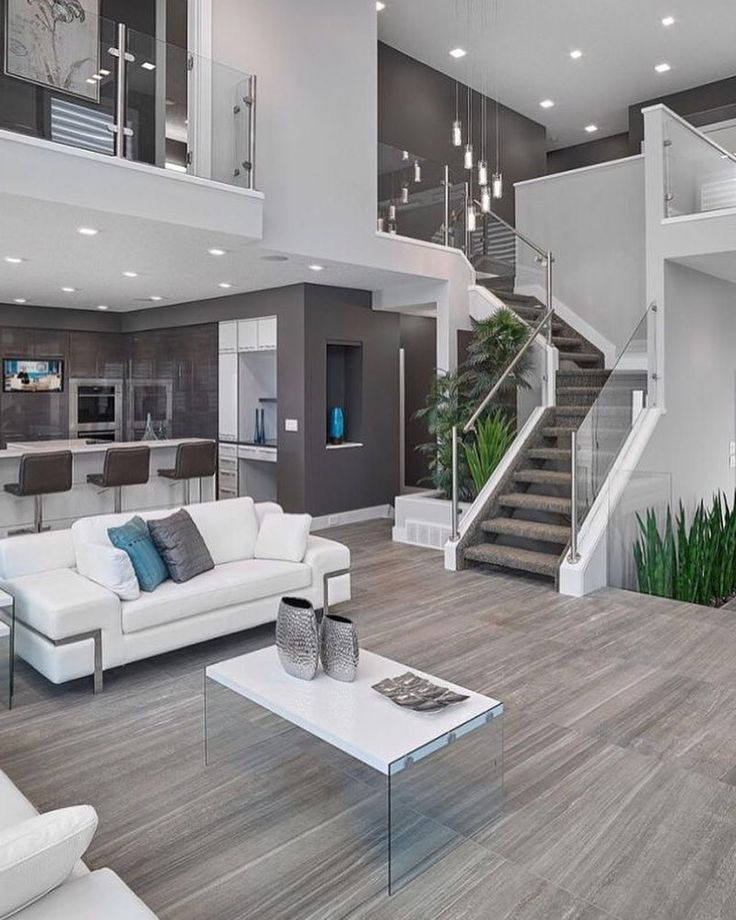
Consider how a well-designed sofa becomes a gathering place for family stories, or how a thoughtful lighting scheme creates different moods for different times of day. These elements don’t fade with trends because they serve real human purposes. When we build our spaces around these principles, we’re essentially designing for permanence rather than temporary appeal.
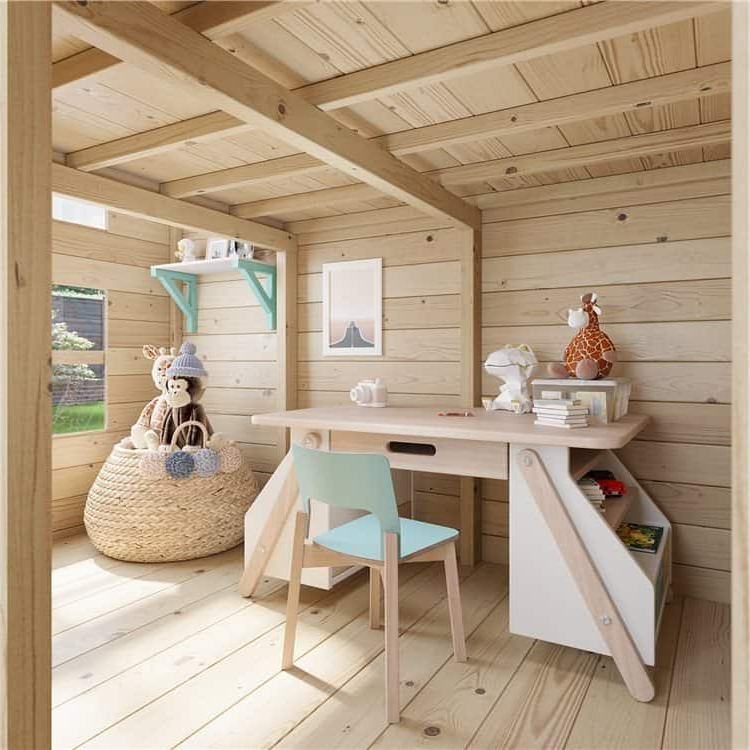
This approach means thinking beyond the surface level. It’s not just about choosing beautiful furniture, but about selecting pieces that can evolve with our lives. A dining table that seats eight now might become a workbench later, or a room that starts as a child’s play area might transform into a study. The best sustainable designs embrace this flexibility.
Choosing Timeless Materials and Textures
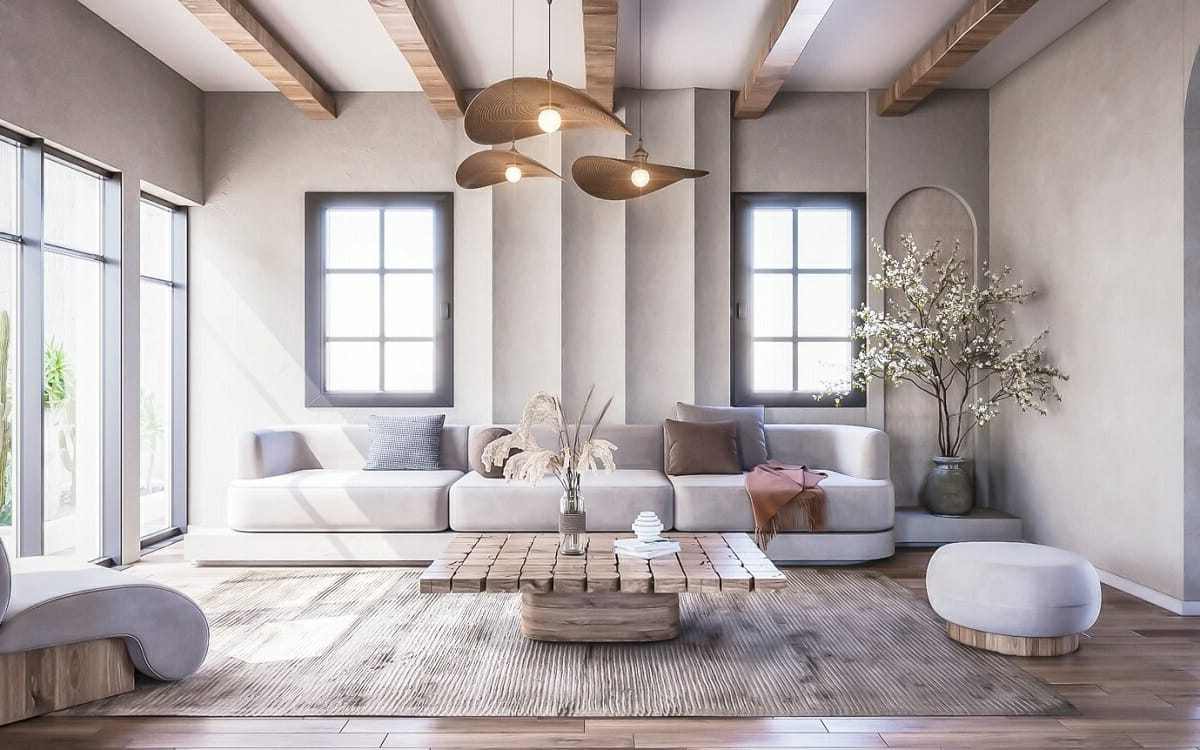
Materials tell stories. They age gracefully, develop character, and often become more beautiful with time. When selecting materials for lasting design, focus on those that age well and can be repaired rather than replaced. Natural materials like wood, stone, and wool have stood the test of time precisely because they’re durable and can be maintained.
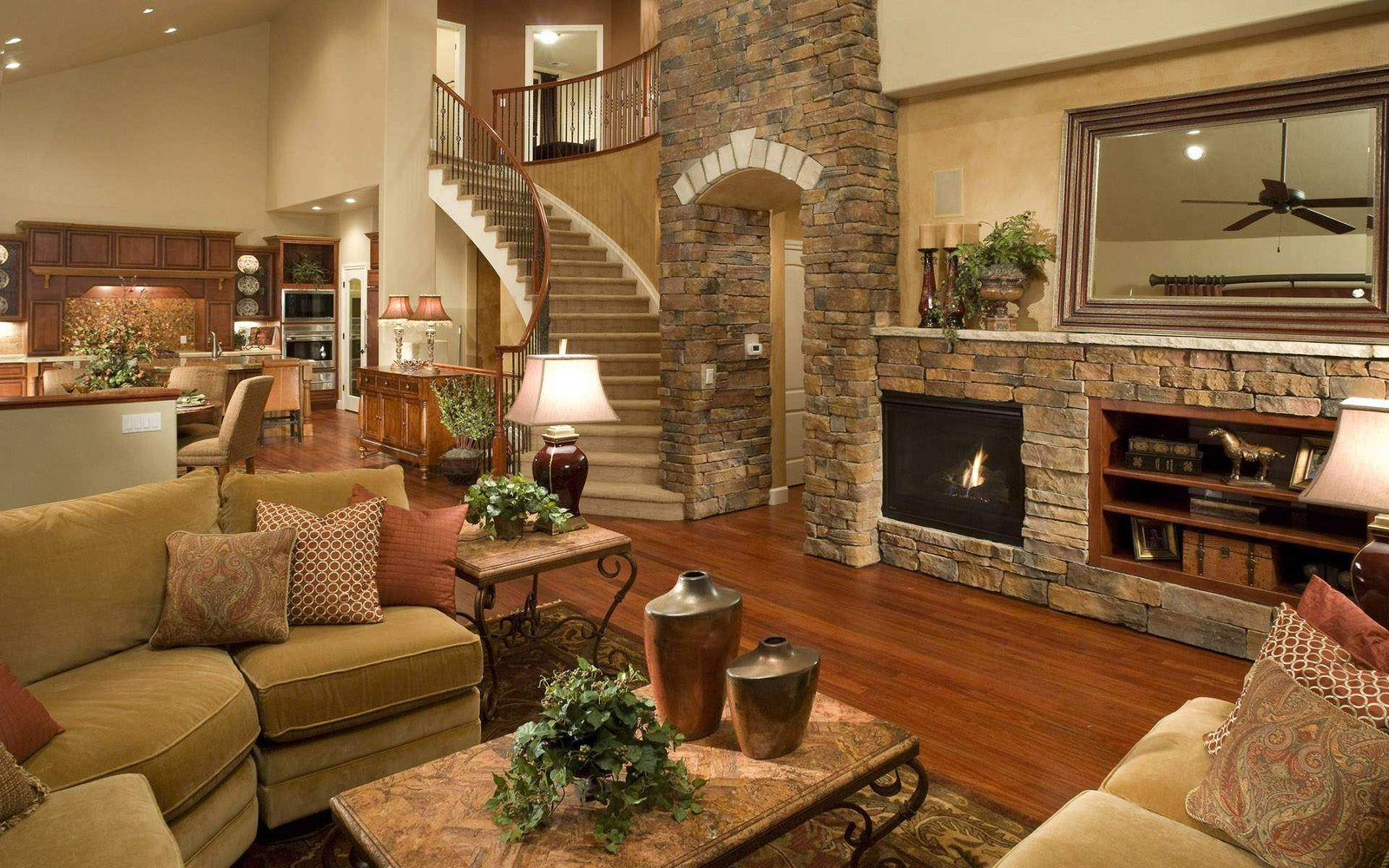
Wood deserves special mention. Whether it’s oak that’s been used for centuries, or reclaimed timber that carries its own history, wood brings warmth and stability to any space. Its grain patterns tell stories, and its patina develops naturally over years of use. Stone, too, offers permanence—granite countertops, limestone floors, or marble accents all provide durability and visual interest that never goes out of style.
Natural fibers like linen, cotton, and wool create textures that feel good against skin and look wonderful as they age. These materials don’t just look better over time; they also tend to be more comfortable and healthier for indoor air quality. Avoid synthetic materials that may look good initially but tend to break down quickly or release harmful chemicals.
Key considerations:
• Choose materials that can be repaired rather than discarded
• Opt for natural materials that age gracefully
• Select colors that won’t seem dated in five or ten years
• Consider the lifecycle of materials from production to disposal
Creating Flexible Spaces That Evolve
One of the most important aspects of sustainable design is creating spaces that can change with your life. This doesn’t mean building modular furniture that looks like it came from a catalog. It means designing with intention and flexibility in mind. Think about how your daily routine might shift over the next decade, or how your family structure might change.
A bedroom that works for a young couple might need to accommodate aging parents later. A home office might become a playroom or a guest room. The key is to design with potential transformations in mind rather than rigid, fixed solutions. Modular furniture systems, multi-purpose pieces, and adaptable layouts allow spaces to grow with their inhabitants.
Consider mobile elements like rolling storage units, portable screens, or freestanding dividers. These can reconfigure spaces without major construction. Similarly, built-in elements should be designed with future needs in mind. A kitchen island that can double as a breakfast bar, or a living room that can accommodate both intimate conversations and larger gatherings.
Flexible design also means thinking about how you want to use spaces differently over time. Will this room need to accommodate different activities? How might lighting needs change? What about privacy requirements? Planning ahead helps create spaces that remain useful and appealing long after initial excitement fades.
The Power of Quality Over Quantity
This principle might sound simple, but it’s revolutionary in our consumer-driven culture. When we focus on quality over quantity, we’re essentially investing in fewer items that will serve us better over time. This doesn’t mean spending more money—it means being smarter about where we invest our resources.
Quality pieces tend to be more durable, repairable, and versatile. A well-made chair that costs twice as much as a mass-produced alternative might actually save money over time due to its longevity. It’s also more likely to be passed down or repurposed, adding to its overall value.
The challenge lies in identifying quality when shopping. Look for craftsmanship details: solid wood construction, reinforced joints, quality hardware, and attention to finishing details. These signs often cost extra but pay dividends in the long run. Don’t be afraid to spend more on essential pieces like seating, dining tables, or beds. These items see the most use and benefit most from quality construction.
Consider the concept of ‘capsule collections’—curating a smaller number of high-quality pieces that work together harmoniously. This approach reduces clutter, makes maintenance easier, and creates more cohesive spaces. It’s also more environmentally responsible, as fewer items means less resource consumption and waste generation.
Integrating Natural Elements for Longevity
Nature provides the ultimate example of sustainable design. Forests don’t burn out or become obsolete—they continuously renew themselves while maintaining their fundamental beauty. Bringing natural elements into our homes creates spaces that feel alive and enduring.
Plants are perhaps the most accessible way to integrate nature. They purify air, reduce stress, and add visual interest that changes seasonally. Choose plants that suit your lifestyle and light conditions. Some require minimal care, while others reward attentive tending. The key is selecting varieties that will thrive in your environment rather than trying to force them into unsuitable conditions.
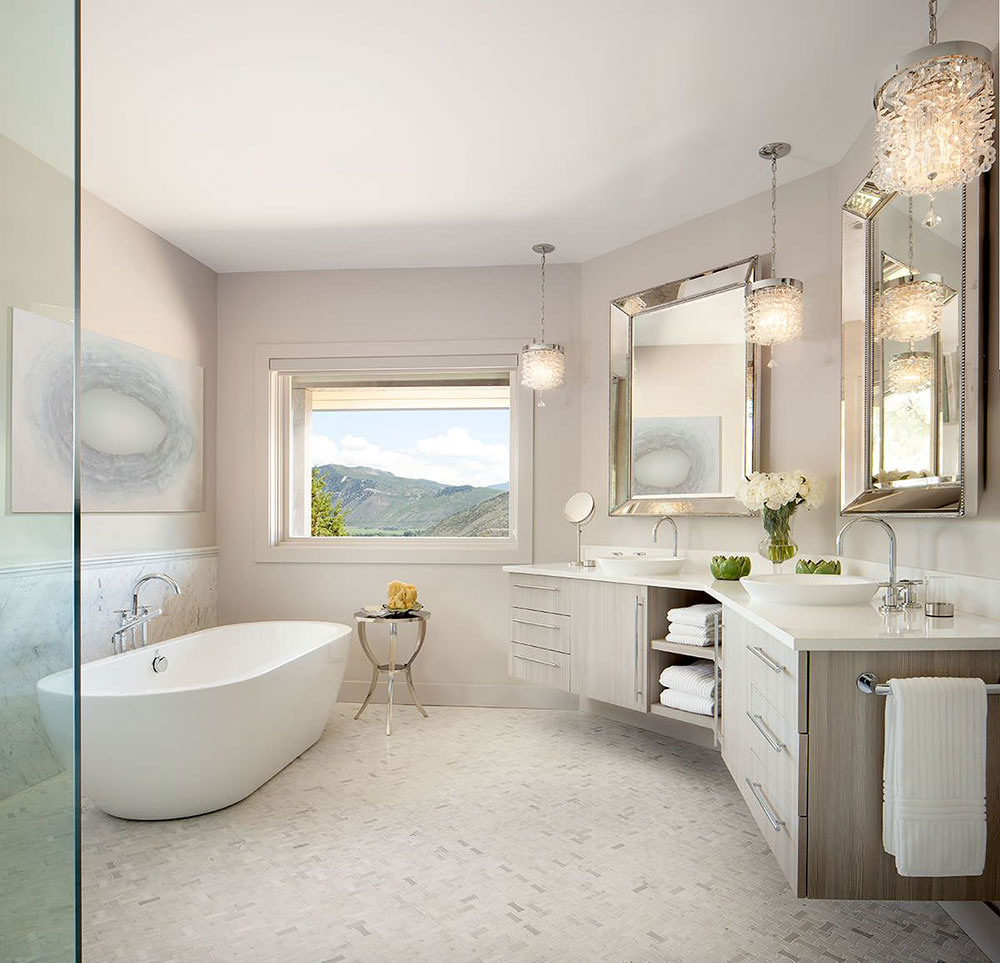
Natural light is another crucial element. Design spaces to maximize daylight and create opportunities for views of the outdoors. Large windows, skylights, and light wells can transform a space’s energy and mood. Even artificial lighting should mimic natural patterns to support circadian rhythms and reduce eye strain.
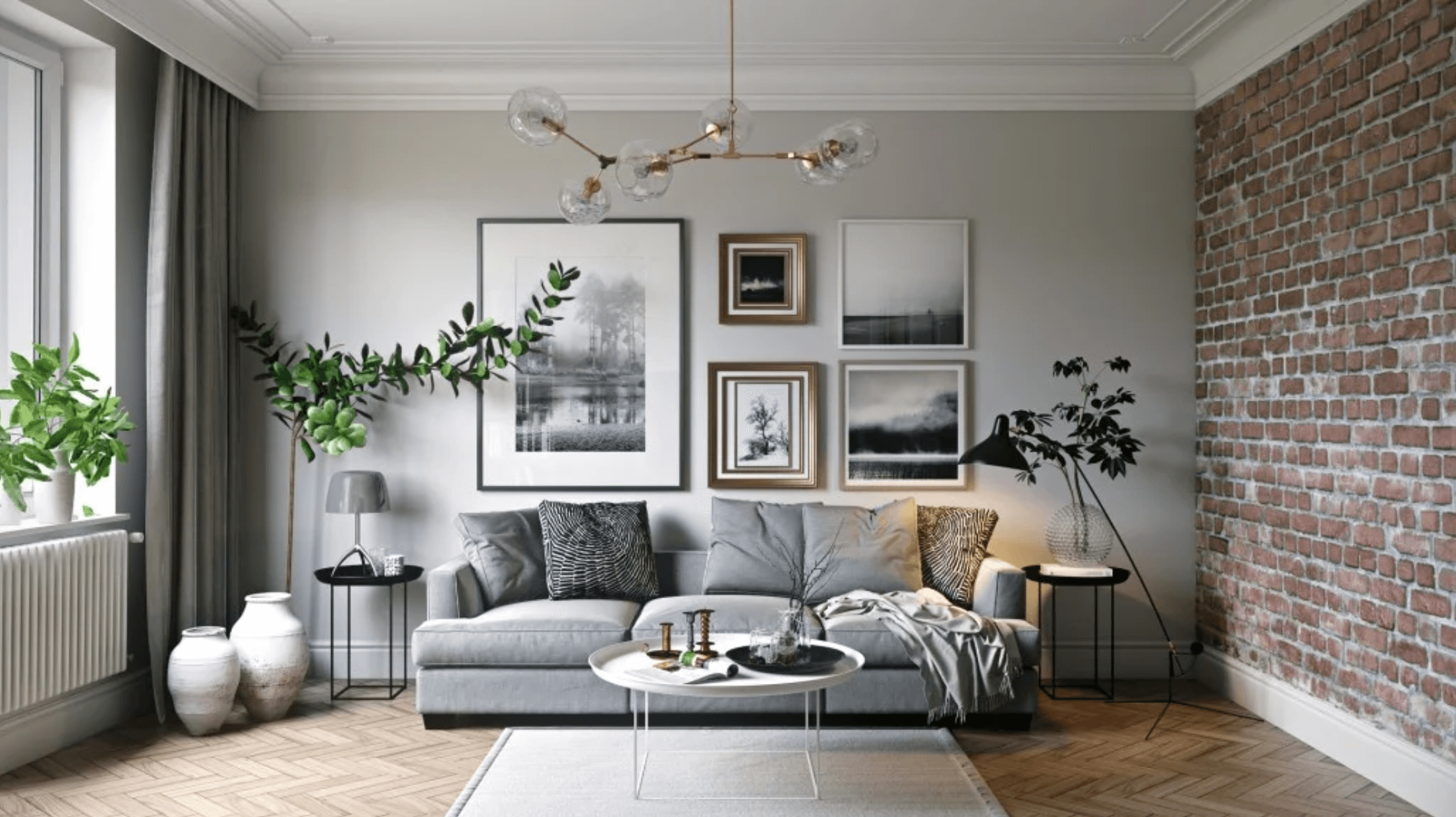
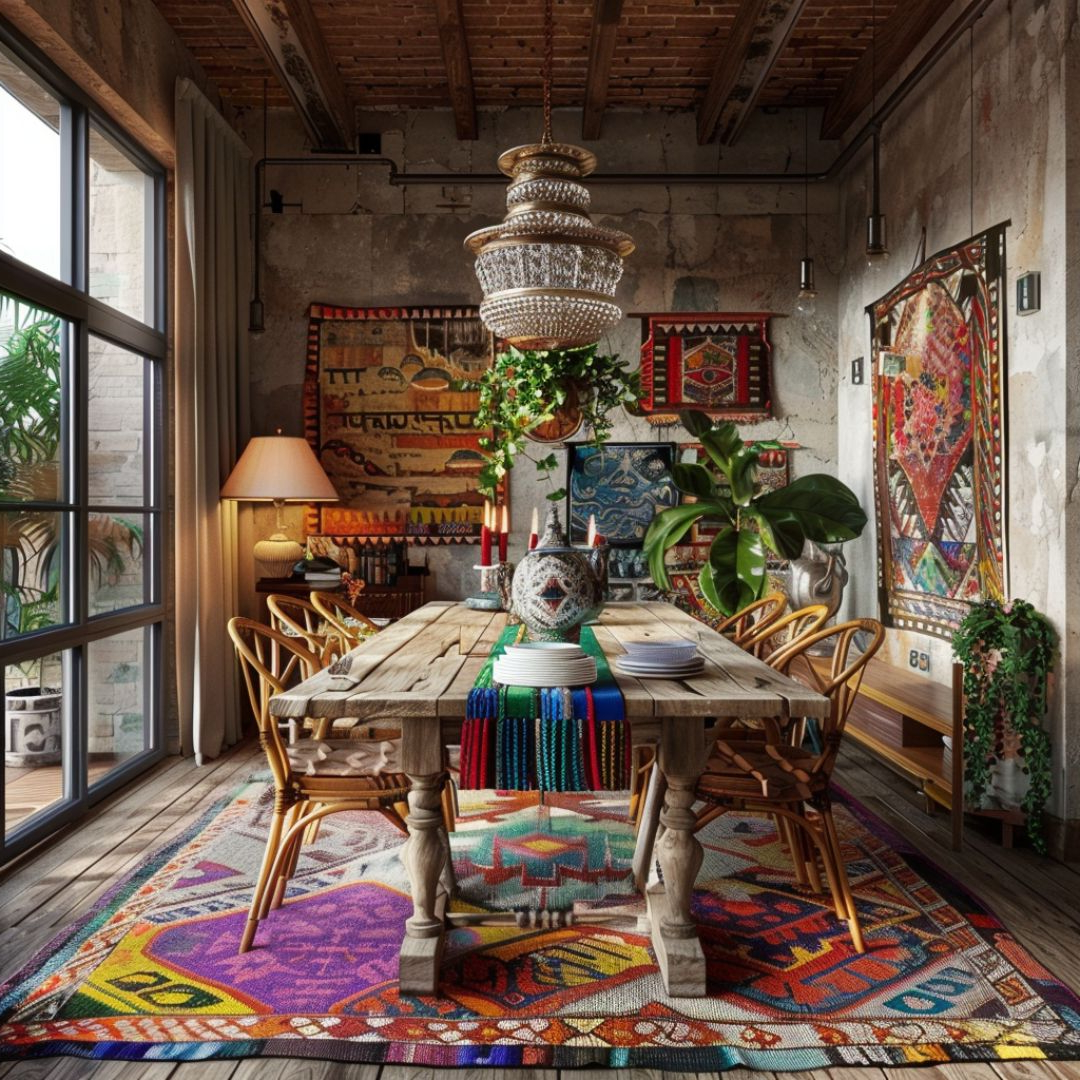
Natural textures also contribute to longevity. Stone walls, exposed brick, or wood paneling create depth and visual interest that doesn’t date easily. These materials bring authenticity to spaces and often become the focal point of rooms rather than mere decoration.
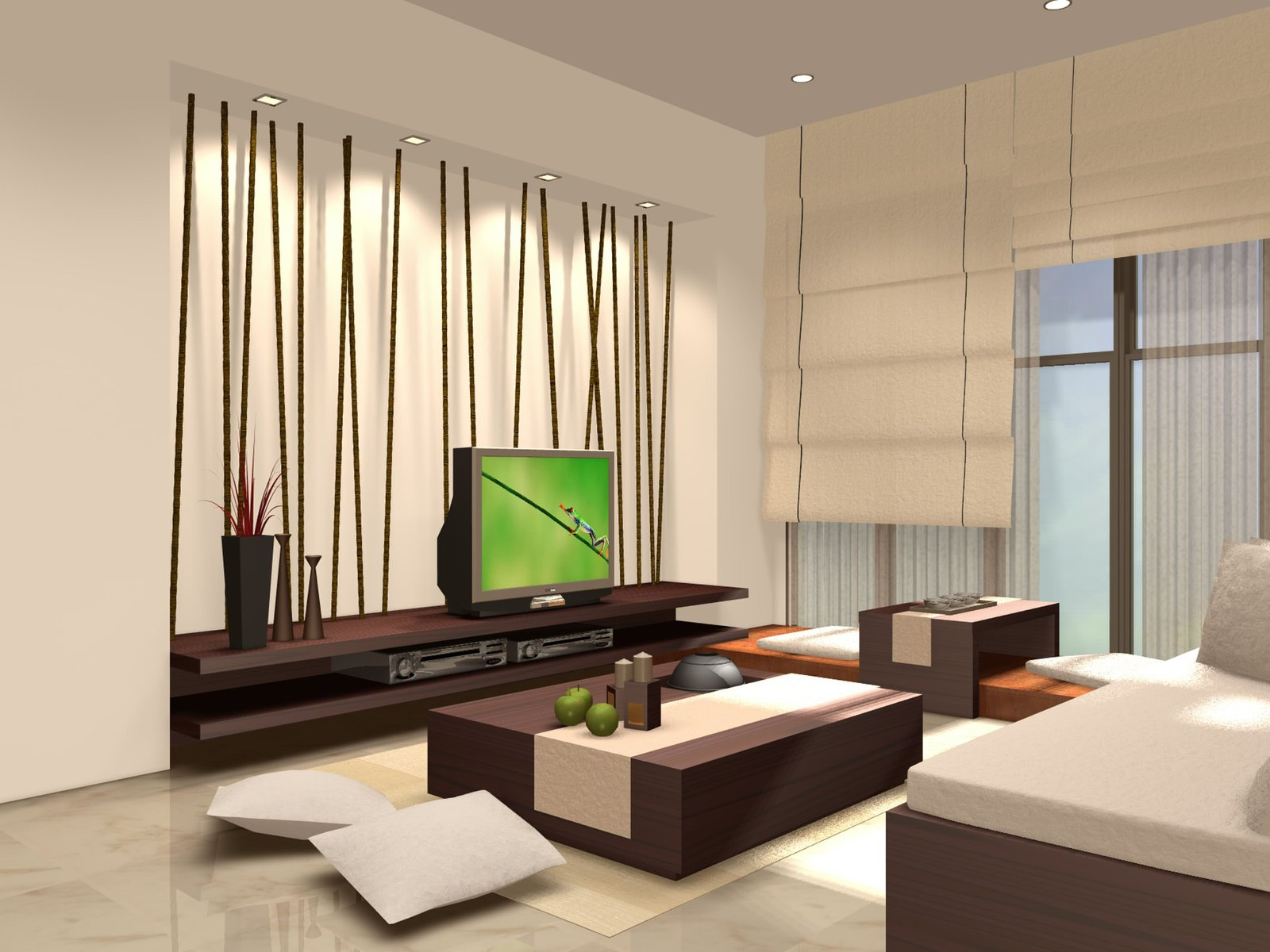
The integration of natural elements also extends to materials like clay, bamboo, or recycled glass. These choices honor both environmental responsibility and aesthetic timelessness.
Building Emotional Connections Through Design
Spaces that last aren’t just physically durable—they’re emotionally resonant. They connect with the people who inhabit them and become part of their story. This emotional connection is what makes a house feel like home rather than just a place to live.
Personal artifacts matter enormously. Family heirlooms, photographs, travel souvenirs, and handmade items all contribute to a space’s character and meaning. These pieces often have stories attached to them, making them irreplaceable and deeply meaningful. They anchor spaces in personal history rather than fleeting trends.
Consider how different elements interact with each other. Does the color palette make you feel calm or energized? Do the textures invite touch and exploration? Are there enough visual cues to create a sense of place and belonging? These questions help ensure that your space supports your well-being and daily life.
Storytelling through design is powerful. Whether it’s through a gallery wall of family photos, a collection of books that reflect your interests, or a carefully curated selection of objects that represent your values, these elements create layers of meaning that make spaces memorable. When we design with purpose and personal significance, we’re creating more than just physical spaces—we’re crafting experiences that last.
Practical Tips for Implementing Sustainable Design
Making sustainable design a reality requires practical steps that fit into everyday life. Start small and build gradually. You don’t need to redesign your entire home overnight to begin implementing these principles.
Begin by assessing your current spaces. Identify items that are worn, broken, or no longer serve you. Instead of replacing them immediately, consider whether they can be repaired or repurposed. Many damaged furniture pieces can be restored with basic tools and techniques.
When purchasing new items, ask yourself: Will I still love this in five years? Is this something I can fix if it breaks? Can this item serve multiple purposes? These questions help filter out trendy purchases that will quickly become outdated.
Consider the lifecycle of products before buying. Research manufacturers’ practices, materials used, and end-of-life options. Support companies that prioritize durability, repairability, and recyclability. Some brands offer repair services or take back old products for recycling.
Create systems for maintenance and care. Regular cleaning, polishing, and minor repairs extend product life significantly. Develop routines that keep your spaces looking fresh without requiring major interventions.
Finally, embrace the idea that imperfection adds character. Rather than striving for perfection, appreciate the patina that comes with use and age. A well-loved bookshelf shows signs of wear that make it more interesting, not less.
Sustainable interior design isn’t about sacrifice or limitation—it’s about choice. It’s about selecting thoughtfully, creating with intention, and understanding that the spaces we inhabit shape our daily experiences and memories. When we approach our homes with these principles in mind, we’re not just decorating—we’re investing in our future selves and our children’s future. The most lasting interiors are those that reflect our values, support our lifestyles, and tell our stories. They’re spaces that don’t just survive trends, but create their own timeless beauty. The journey toward sustainable design begins with a single thoughtful decision, and it grows from there into a lifestyle that benefits everyone involved. Every piece chosen with care, every material selected for durability, and every space designed with flexibility becomes a step toward creating homes that truly last generations.