When we think about contemporary kitchen design, we often focus on the obvious elements – the countertops, the cabinets, maybe the appliances. But what if we told you there’s so much more to creating a truly modern kitchen? What if we said that the magic happens not just in what you see on top, but in how everything comes together to form a cohesive, functional, and beautiful space?
Contemporary kitchens have evolved far beyond the basic notion of having sleek surfaces and minimalist designs. Today’s modern kitchen spaces are about creating an environment where form meets function seamlessly. It’s about understanding that a kitchen isn’t just a place to cook – it’s a living space, a social hub, and a reflection of personal style. When you step into a truly contemporary kitchen, you feel something different. There’s a sense of harmony, purpose, and intentionality that goes well beyond just looking good. This is where the real transformation begins – not in the countertop choices, but in the thoughtful integration of every element.
Understanding Contemporary Kitchen Design Principles
Contemporary kitchen design isn’t about following trends for the sake of it. It’s about embracing clean lines, functional beauty, and timeless appeal. Think of it like a well-composed photograph – each element contributes to the overall impact. The key lies in balancing simplicity with sophistication. Contemporary kitchens often feature neutral color palettes, natural materials, and uncluttered spaces. They’re designed to feel open and airy, yet still provide all the functionality you need. What makes a kitchen truly contemporary is its ability to adapt to modern lifestyles while maintaining its aesthetic integrity. The design philosophy focuses on creating spaces that are both visually appealing and highly practical. You might find yourself asking, ‘Why do I need to look at my kitchen every day and feel uninspired?’ Contemporary design solves that problem by making every element intentional and purposeful.
The Foundation: Layout and Flow
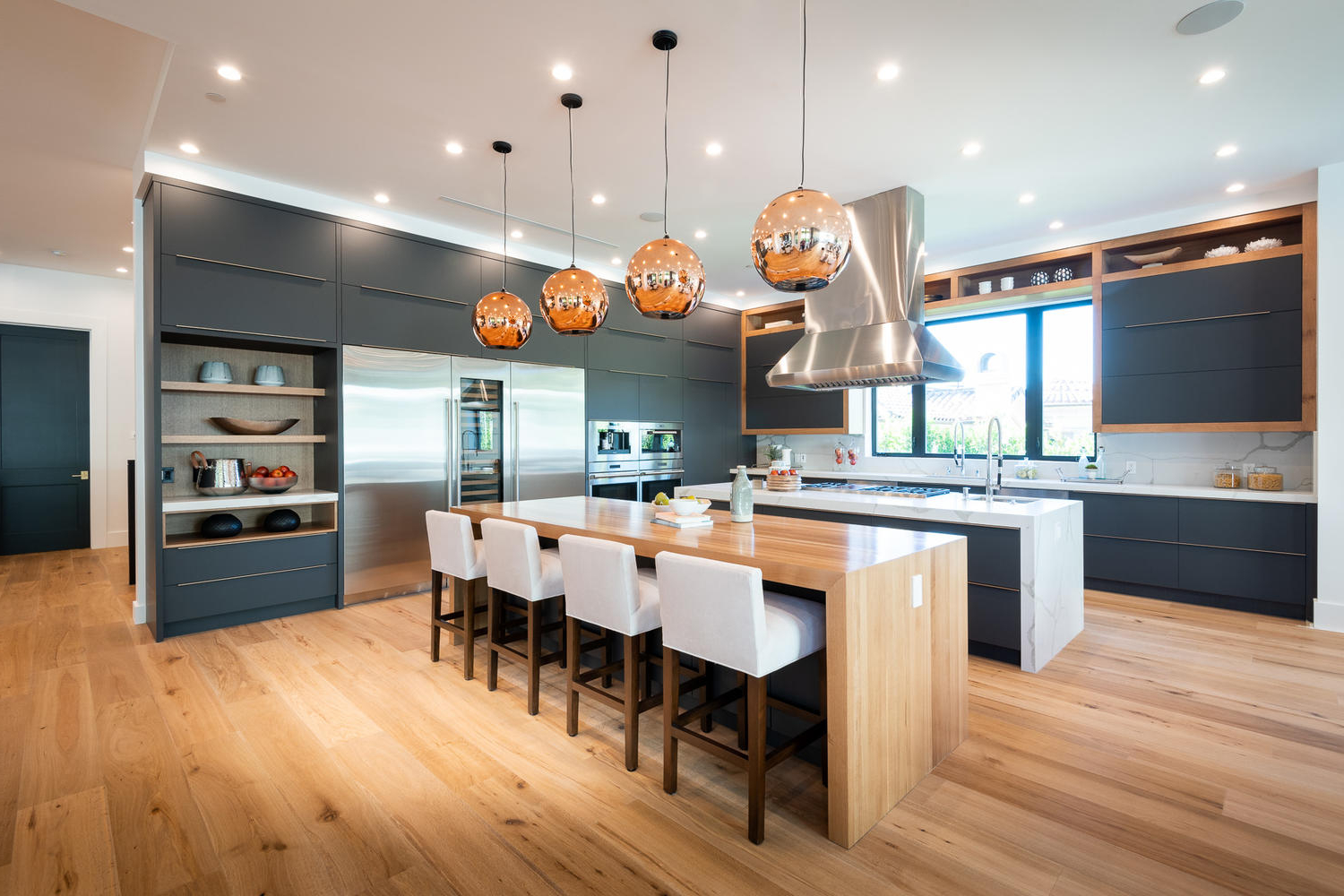
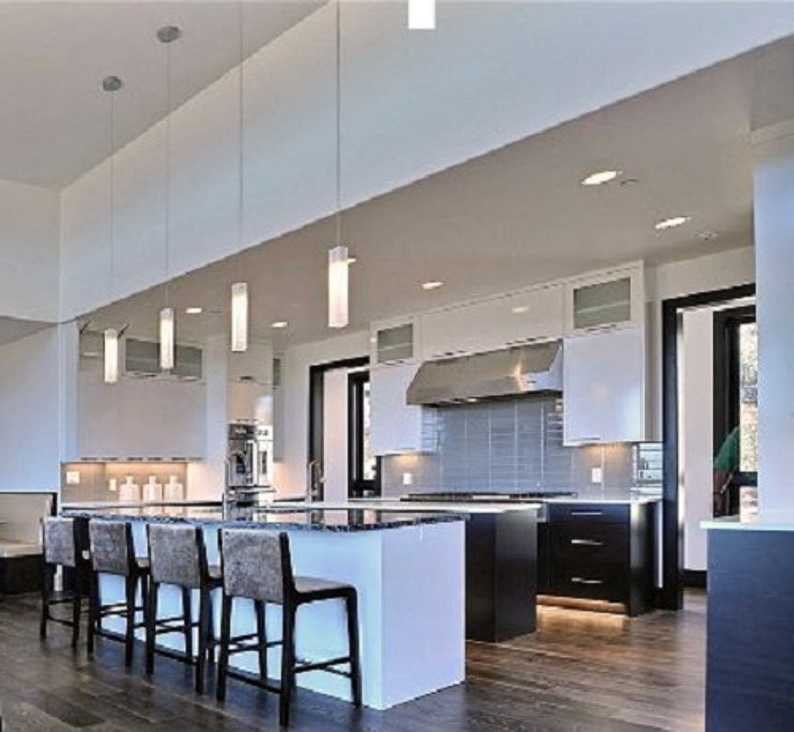
Before even thinking about countertops or appliances, consider how people move through your kitchen. The layout determines whether your space feels welcoming or cramped. A well-designed contemporary kitchen typically follows the work triangle principle – positioning the sink, stove, and refrigerator in a way that allows easy movement between them. But modern thinking goes further than just efficiency. It considers how the space will be used throughout the day. Do you entertain guests regularly? Then perhaps you’ll want a breakfast bar or island that doubles as a social gathering spot. Are you someone who cooks elaborate meals? You might need more workspace and storage solutions. The flow of traffic in a kitchen impacts everything from daily routines to social interactions. A kitchen that flows well becomes part of your lifestyle rather than a hindrance to it. Consider how the placement of your main work areas creates opportunities for collaboration or quiet solitude.
Material Selection: Beyond the Surface
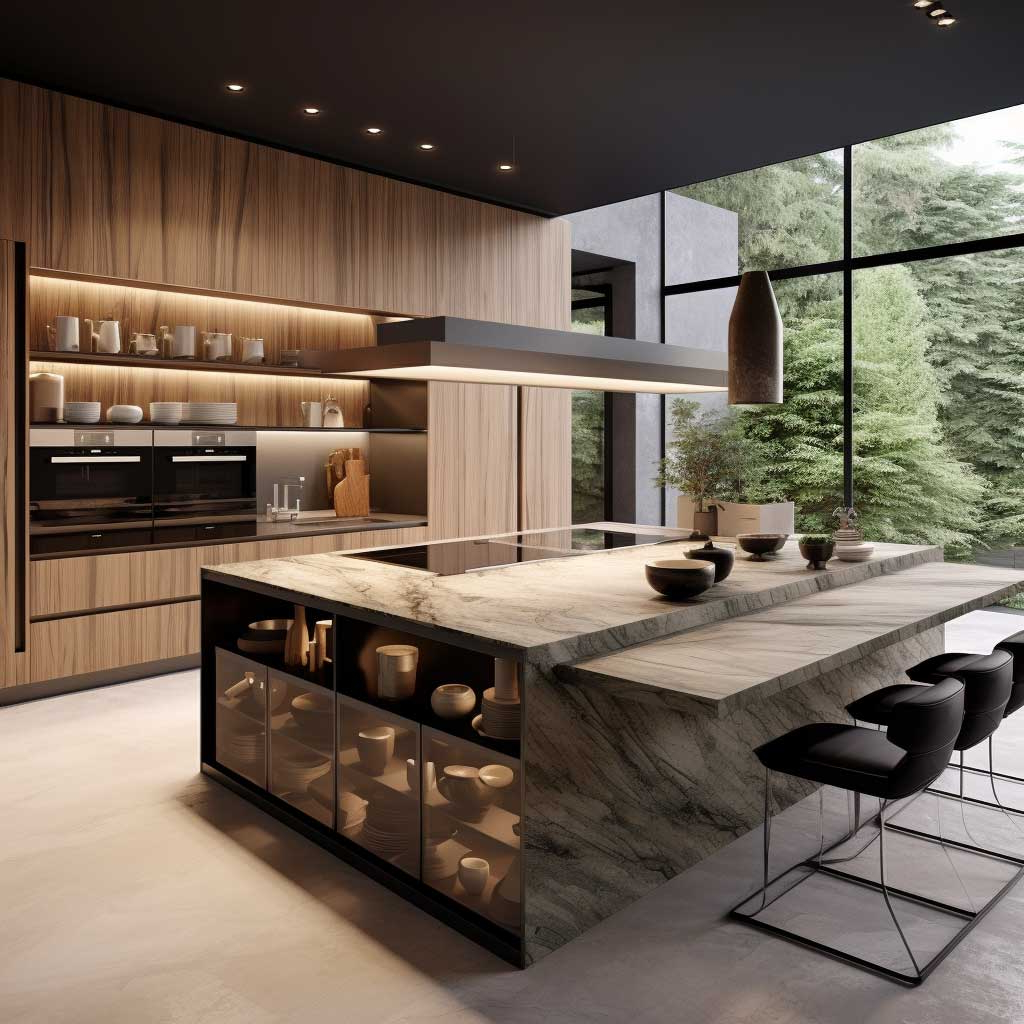
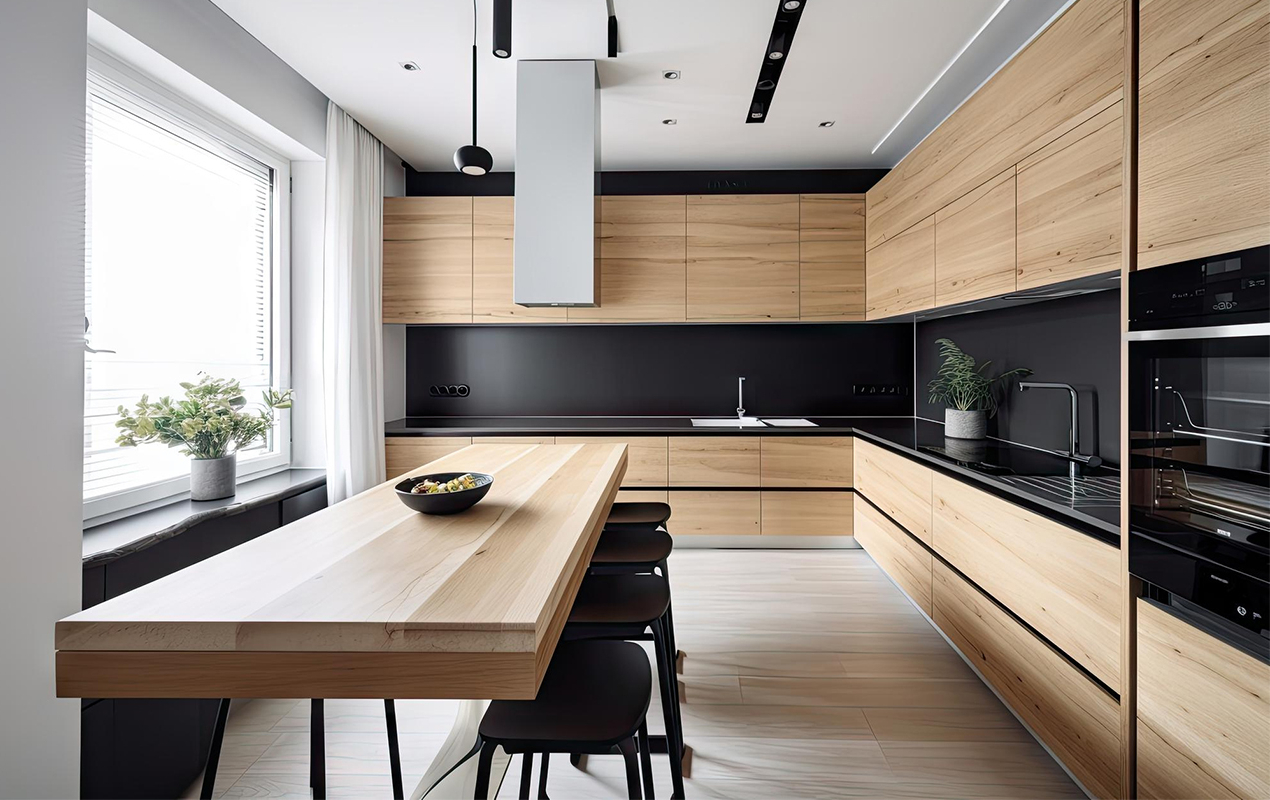
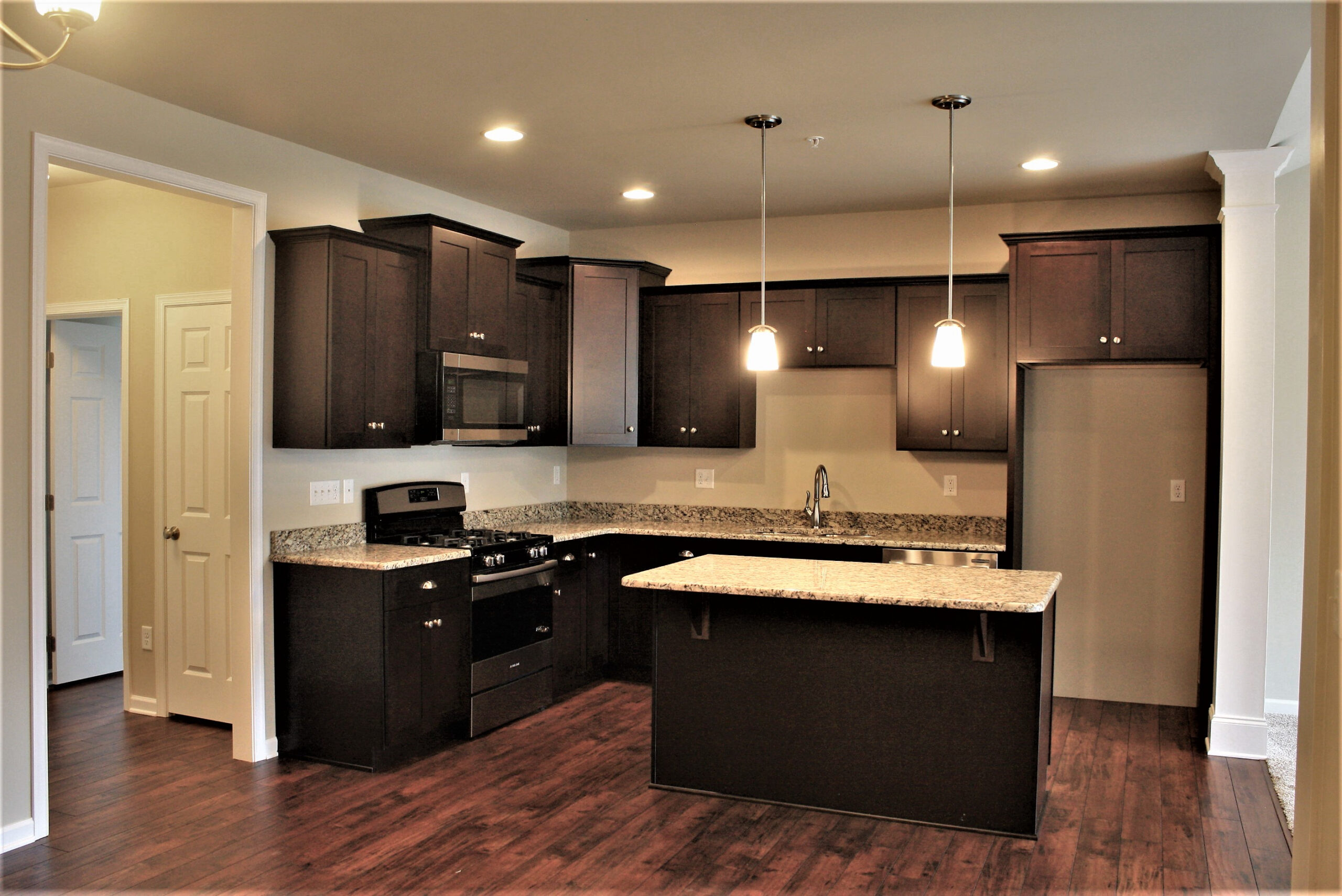
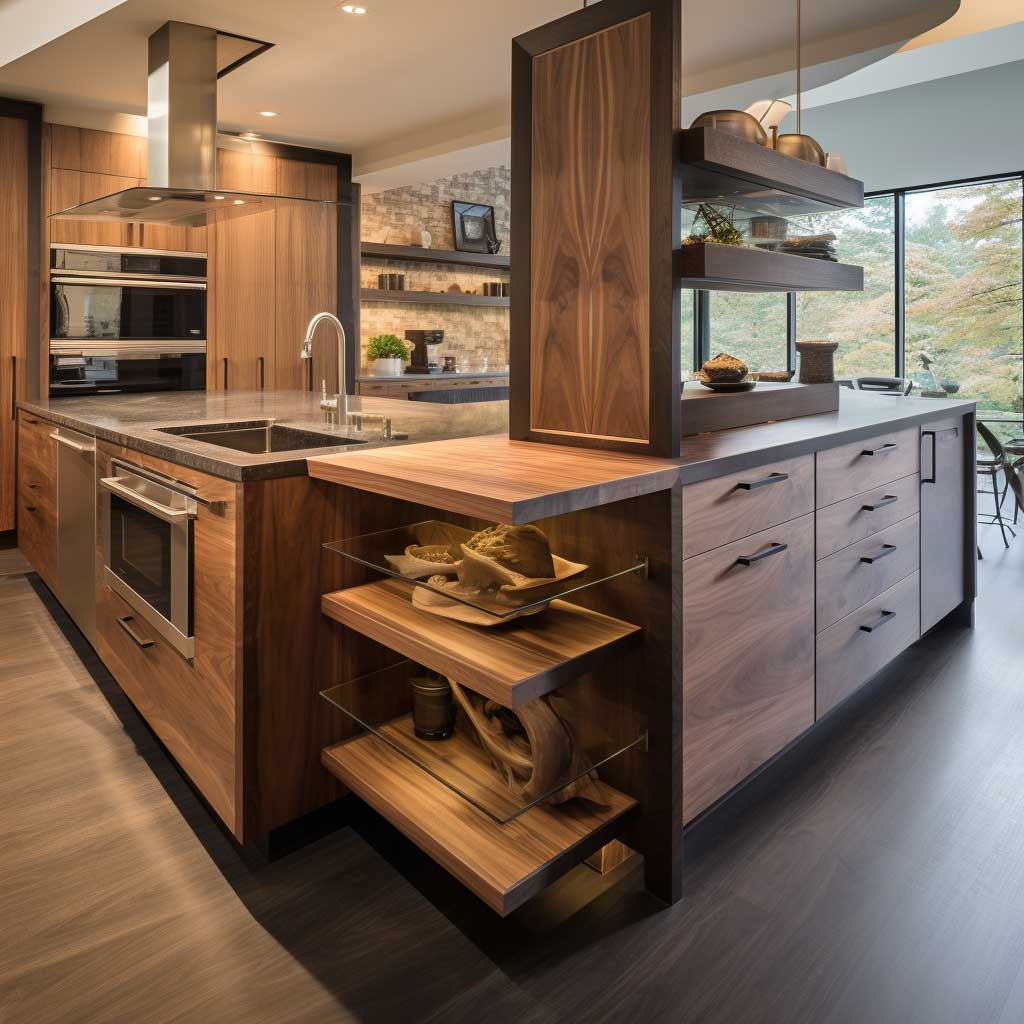
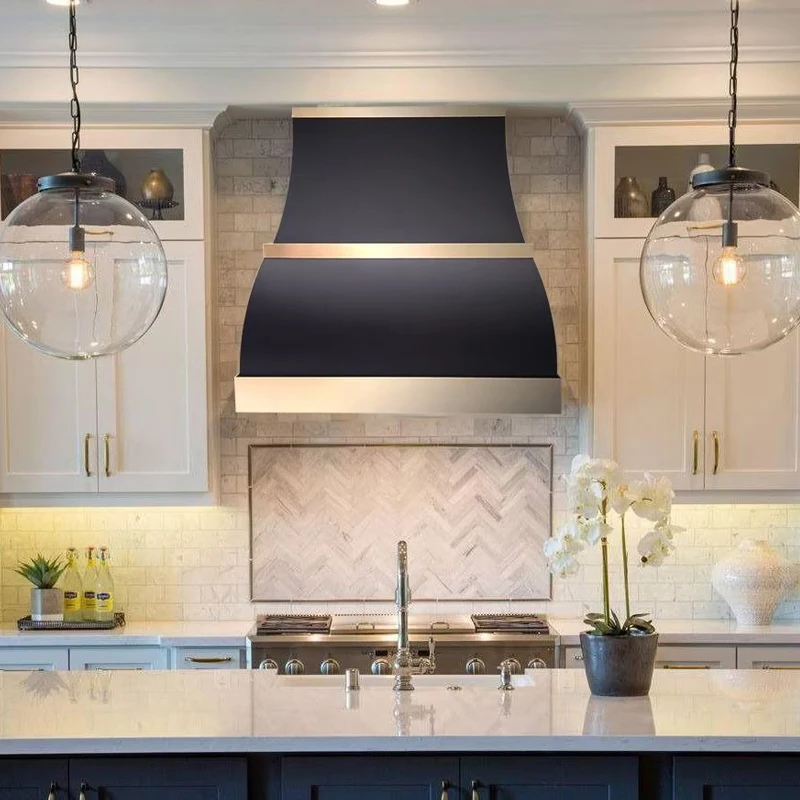
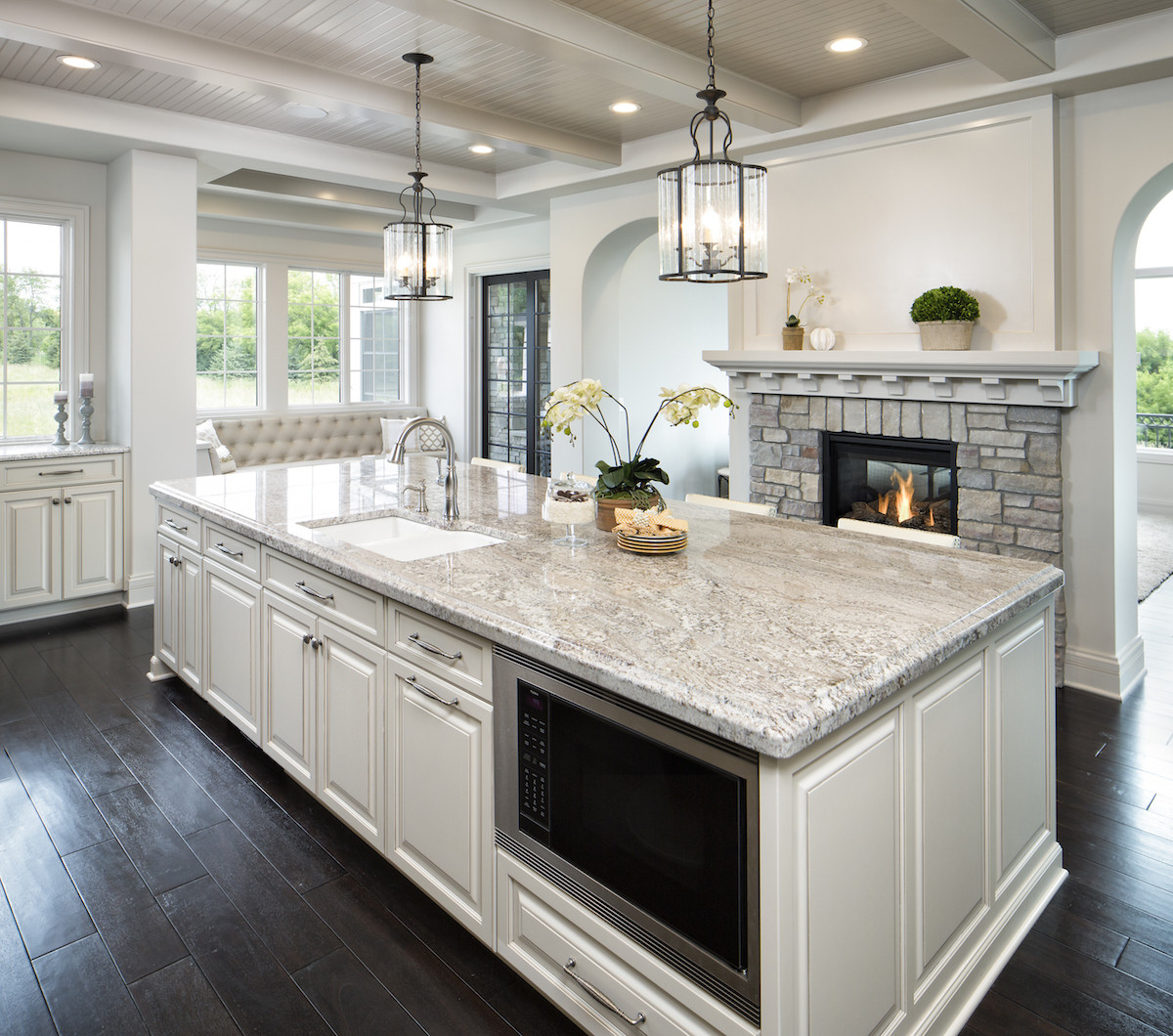
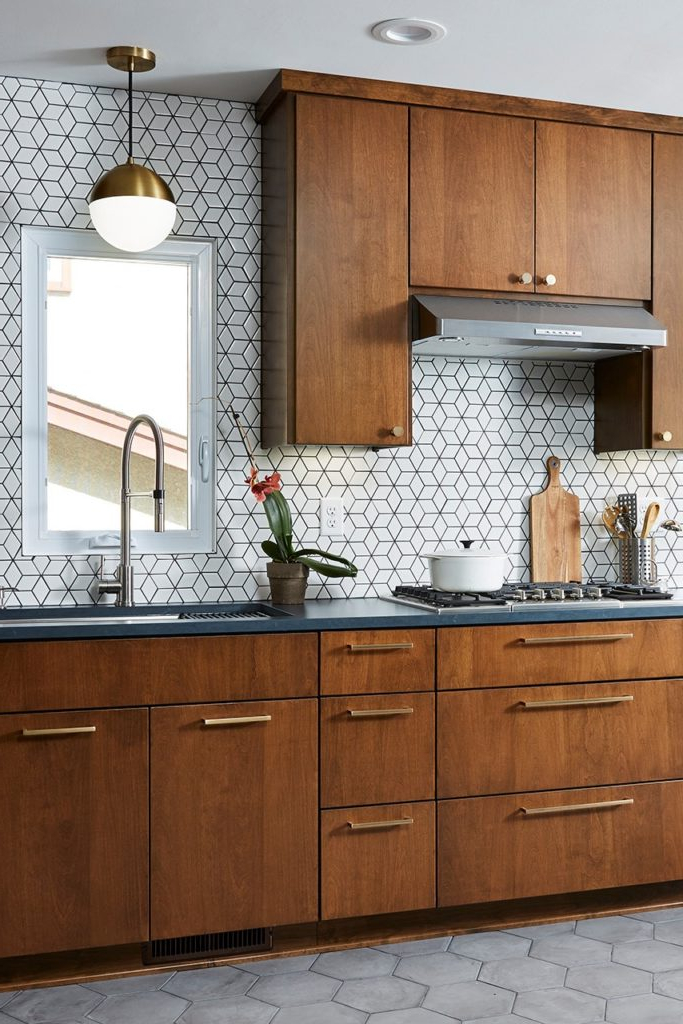
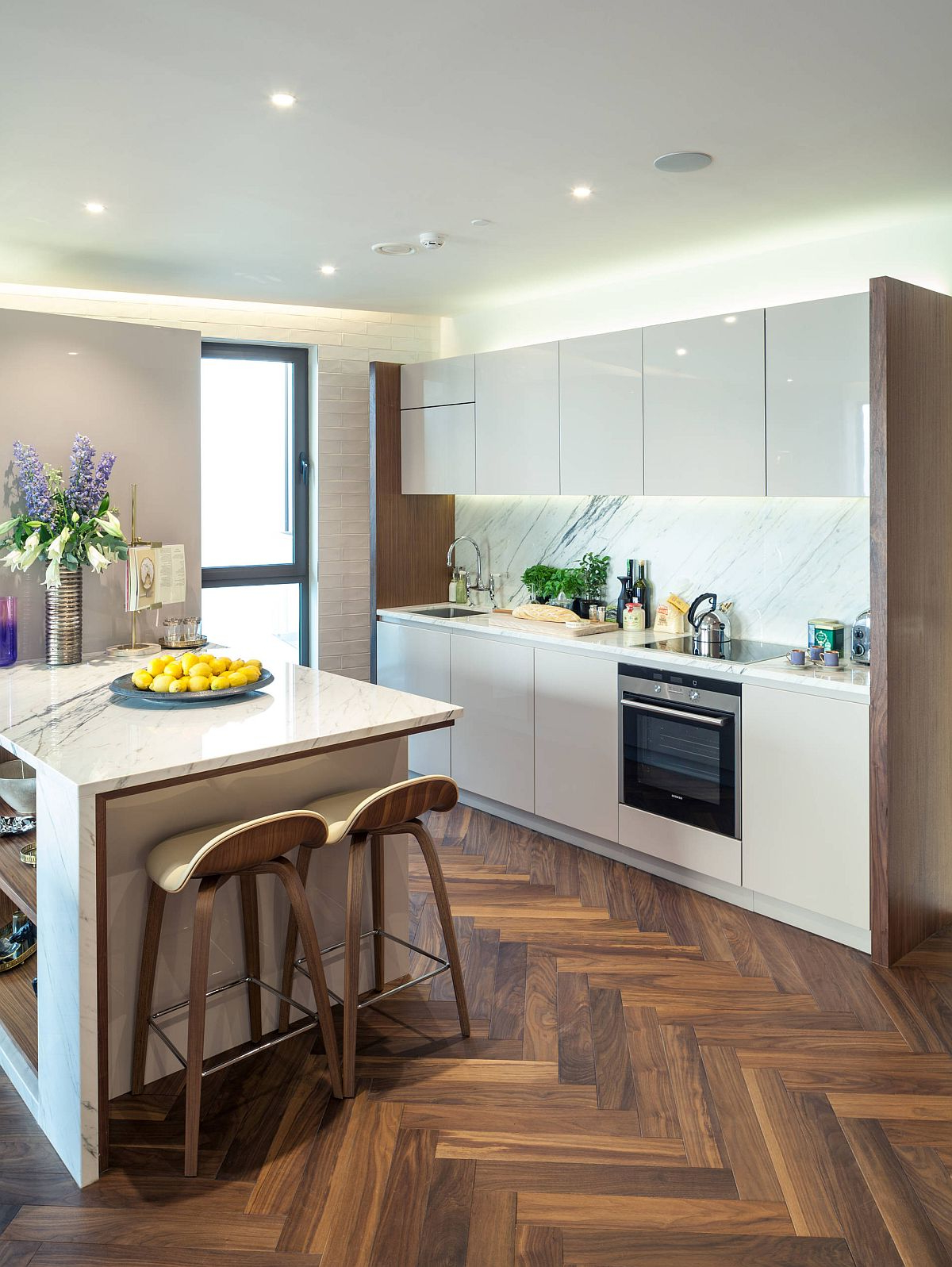
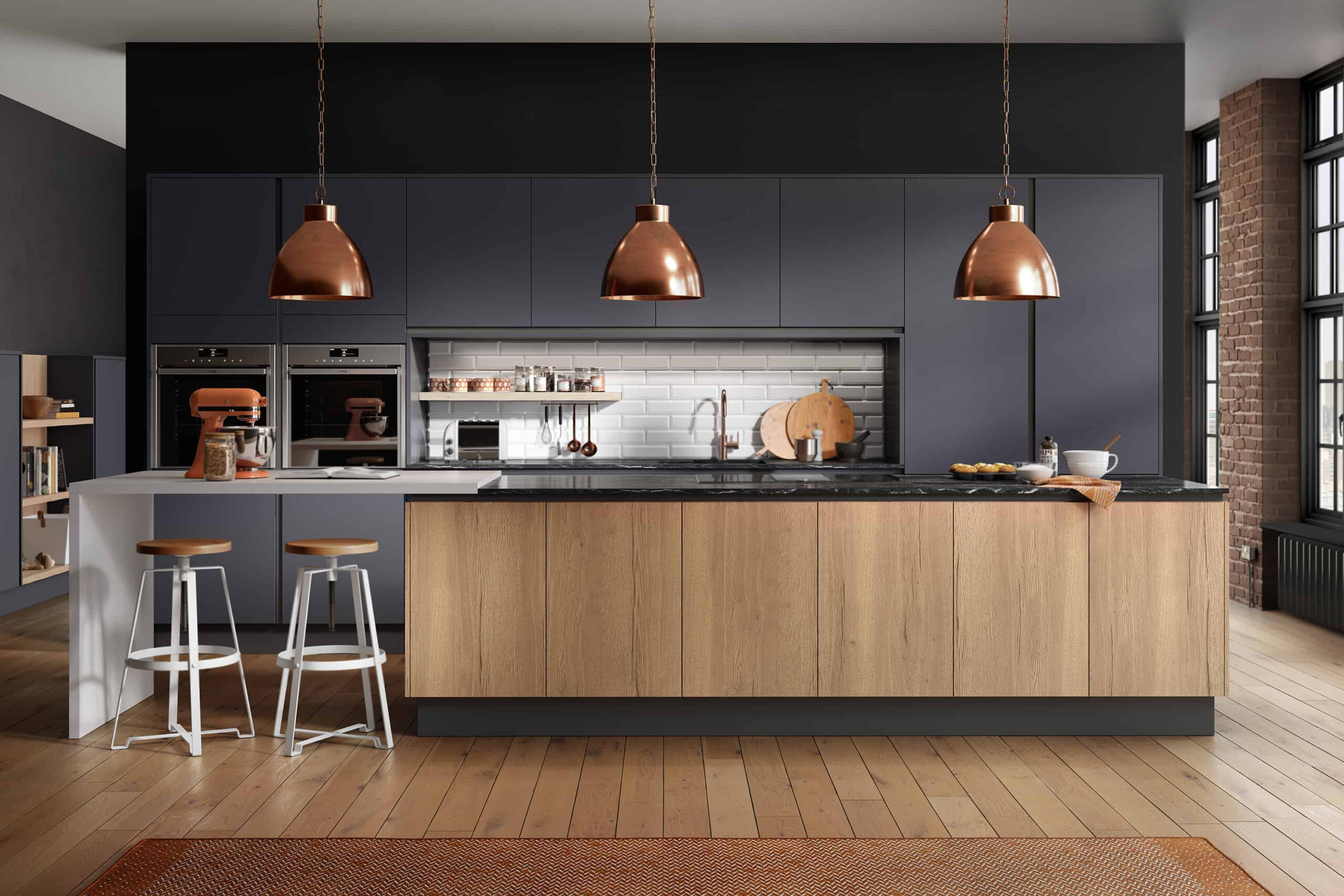
Countertops are just one piece of the puzzle when it comes to materials. Contemporary kitchens often blend different textures and finishes to create visual interest. Natural stone, like granite or marble, brings warmth and character. But you might also incorporate wood elements for a cozy touch, or metal accents for a sleek industrial feel. The key is choosing materials that complement each other rather than compete. For instance, a matte black backsplash can make a light-colored countertop pop, while a warm wood cabinet might balance a cool stone surface. Don’t overlook the importance of hardware – the right handles and pulls can completely transform a cabinet’s appearance. The material choices you make influence how the entire room feels. Think about the temperature and mood you want to create. A kitchen with cool tones might feel crisp and modern, while warmer materials can create a more inviting atmosphere.
Lighting: The Invisible Designer
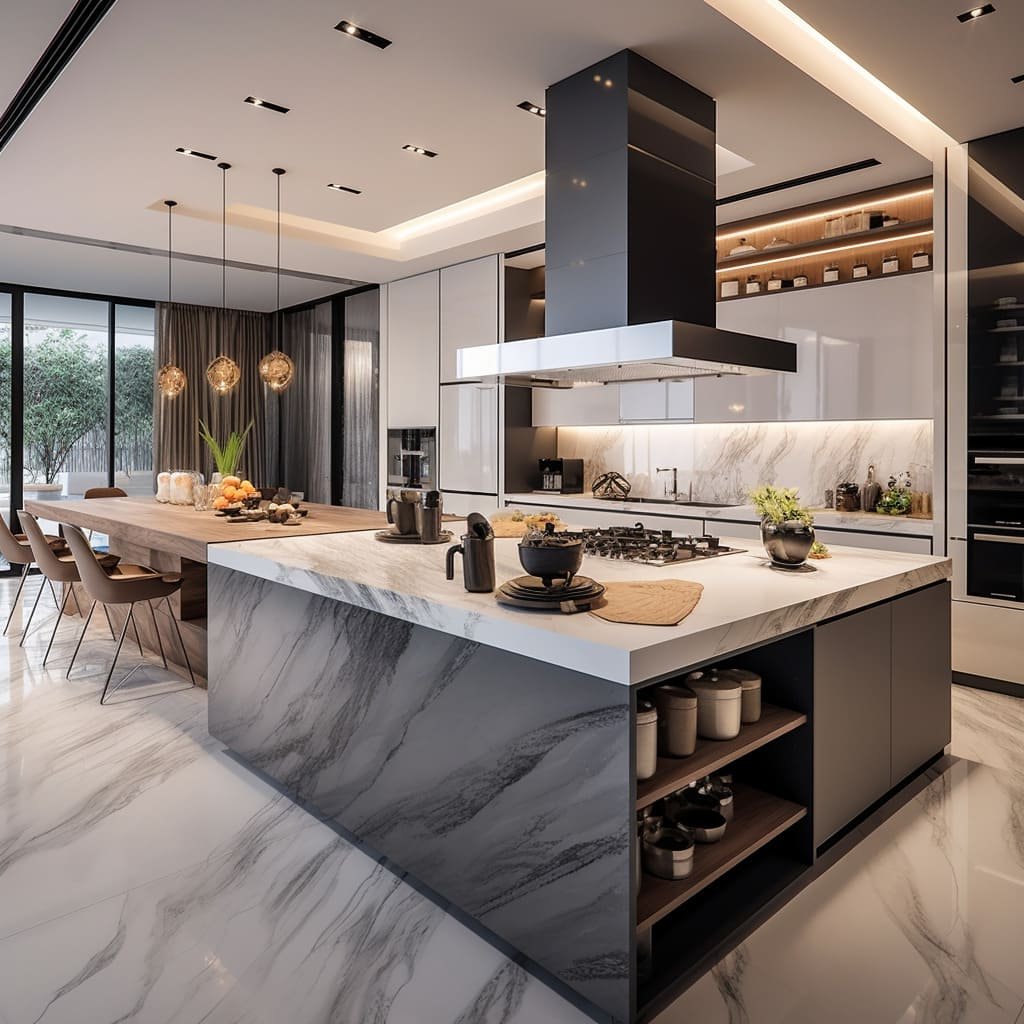
This is where many people miss the mark. Good lighting in a contemporary kitchen isn’t just about brightness – it’s about layers of illumination that serve different purposes. Task lighting over work areas ensures you can see what you’re doing. Ambient lighting provides general illumination for the whole space. Accent lighting highlights architectural features or decorative elements. Many modern kitchens incorporate smart lighting systems that allow you to adjust brightness and color temperature throughout the day. Consider how natural light changes during different times of day and how artificial lighting can enhance or complement those conditions. The interplay between different light sources creates depth and dimension in the space. A kitchen that’s properly lit feels alive and dynamic, not flat and lifeless. Sometimes, a single statement light fixture can transform an entire room’s character.
Storage Solutions That Work With You
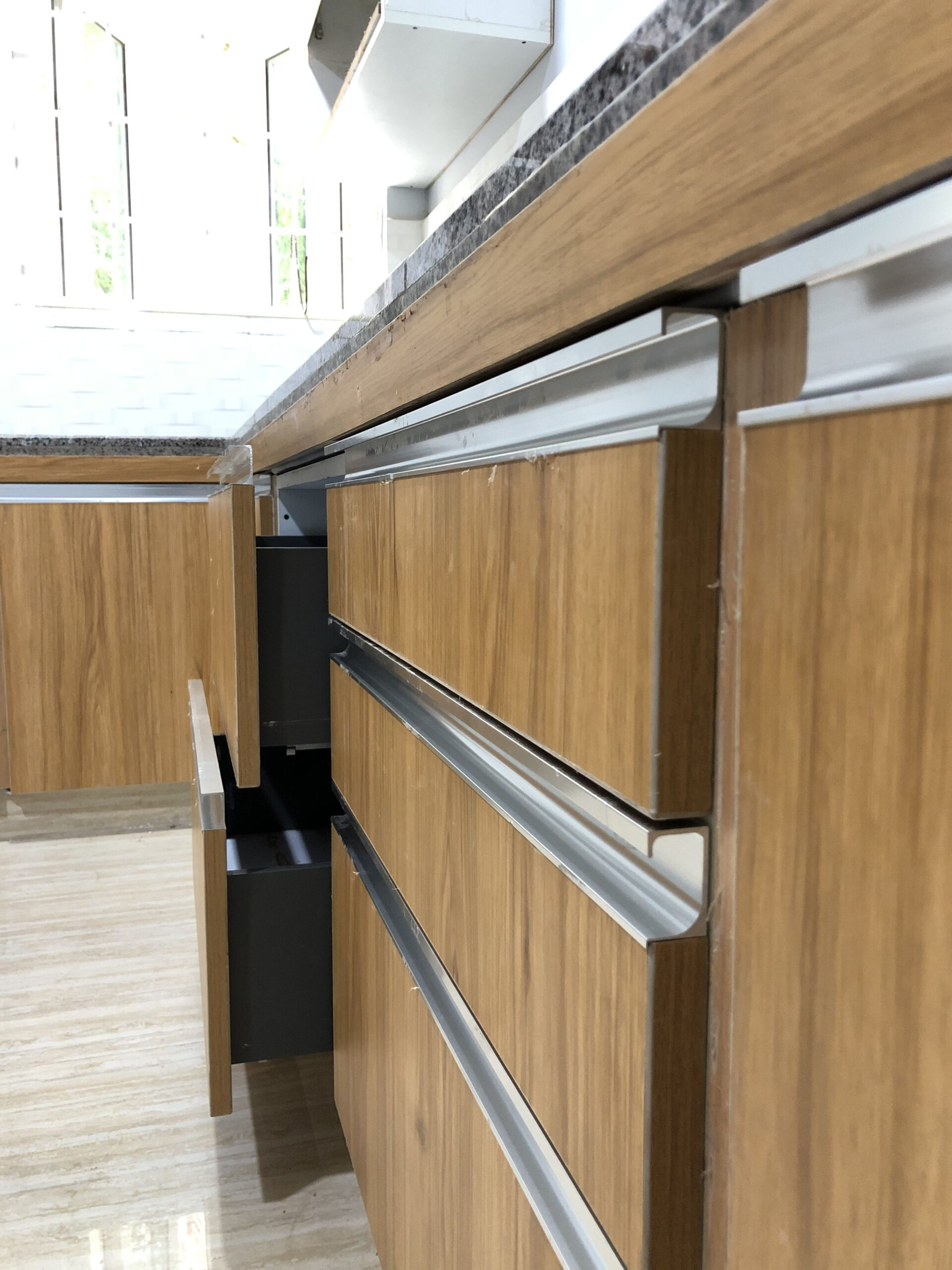
Contemporary kitchens recognize that storage isn’t just about hiding things away. It’s about organizing your life in a way that makes sense for how you actually live. Pull-out drawers, hidden compartments, and clever shelving solutions keep everything accessible without cluttering the visual space. Open shelving can showcase beautiful dishes or cookbooks, but it requires careful planning to avoid visual chaos. The best contemporary kitchens integrate storage solutions that match the user’s lifestyle. If you’re a home baker, perhaps you need specialized storage for ingredients and equipment. If you’re a frequent entertainer, maybe you’ll want easy access to serving pieces and additional dining supplies. The key is to plan storage based on actual usage patterns rather than assumptions. Consider what items you reach for most often and ensure they’re within easy reach. Storage should feel effortless, not like a chore.
Technology Integration Without Compromise
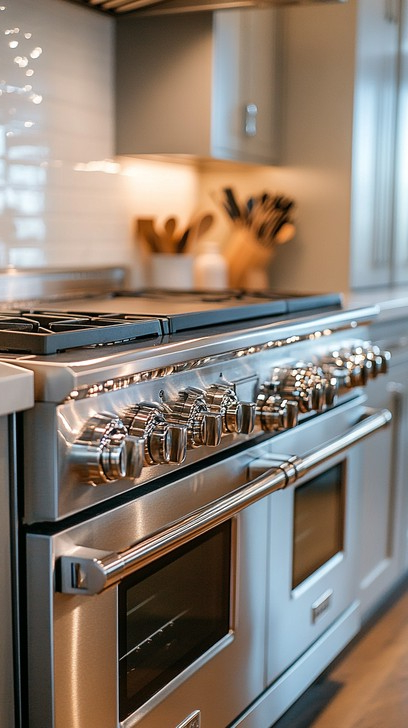
Modern kitchens embrace technology, but they don’t let it dominate the space. Smart appliances can enhance convenience without sacrificing aesthetics. Integration means that technology becomes part of the design rather than an afterthought. Think about how you want your kitchen to evolve over time – perhaps you’ll add a smart speaker system or connect your appliances to your phone. The goal is to create a space that feels current today but won’t seem dated in a few years. Some contemporary kitchens feature built-in charging stations or hidden cable management systems. Others might include smart refrigerators with touchscreens or integrated coffee makers. The challenge is finding the right balance between high-tech convenience and timeless design. You don’t want your kitchen to look like a science lab – it should feel like a comfortable, lived-in space.
Creating a truly contemporary kitchen isn’t about following a checklist of trendy elements. It’s about crafting a space that reflects your lifestyle, supports your daily activities, and continues to inspire you over time. When you approach kitchen design with this mindset, you realize that the journey is just as important as the destination. Every decision – from layout to materials to lighting – contributes to the overall experience. The most successful contemporary kitchens are those that feel both sophisticated and comfortable. They’re spaces where you want to spend time, not just pass through. Whether you’re starting from scratch or renovating an existing space, remember that the foundation of any great kitchen lies in understanding how people actually use the space. By focusing on flow, materials, lighting, and storage solutions, you’re building more than just a cooking area – you’re creating a central hub for life itself. The result? A kitchen that truly stands the test of time.
[sps_html tag=”img” src=”https://roofdrivein.com/wp-content/uploads/2026/01/11-luxury-modern-kitchen-designs-to-lift-the-vibe-of-your-home-with-regard-to-beyond-countertops-how-to-create-a-truly-contemporary-kitchen.jpg” alt=”11 Luxury Modern Kitchen Designs To Lift The Vibe Of Your Home with regard to Beyond Countertops: How to Create a Truly Contemporary Kitchen” style=”width: 100%; height: auto;”]
[sps_html tag=”img” src=”https://roofdrivein.com/wp-content/uploads/2026/01/3-trends-dominating-luxury-modern-kitchen-designs-this-year-artfasad-within-beyond-countertops-how-to-create-a-truly-contemporary-kitchen.jpg” alt=”3+ Trends Dominating Luxury Modern Kitchen Designs This Year • Artfasad within Beyond Countertops: How to Create a Truly Contemporary Kitchen” style=”width: 100%; height: auto;”]
[sps_html tag=”img” src=”https://roofdrivein.com/wp-content/uploads/2026/01/modern-home-interior-design-kitchen-cabinets-matttroy-intended-for-beyond-countertops-how-to-create-a-truly-contemporary-kitchen.jpg” alt=”Modern Home Interior Design Kitchen | Cabinets Matttroy intended for Beyond Countertops: How to Create a Truly Contemporary Kitchen” style=”width: 100%; height: auto;”]
[sps_html tag=”img” src=”https://roofdrivein.com/wp-content/uploads/2026/01/16-innovative-modern-kitchen-design-ideas-that-create-your-dream-kitchen-throughout-modern-kitchen-design-ideas.jpg” alt=”16 Innovative Modern Kitchen Design Ideas That Create Your Dream Kitchen. throughout Modern Kitchen Design Ideas” style=”width: 100%; height: auto;”]
[sps_html tag=”img” src=”https://roofdrivein.com/wp-content/uploads/2026/01/modern-contemporary-kitchen-designs-ideas-ramsbottom-kitchens-within-modern-kitchen-design-ideas-scaled.jpg” alt=”Modern & Contemporary Kitchen Designs & Ideas | Ramsbottom Kitchens within Modern Kitchen Design Ideas” style=”width: 100%; height: auto;”]