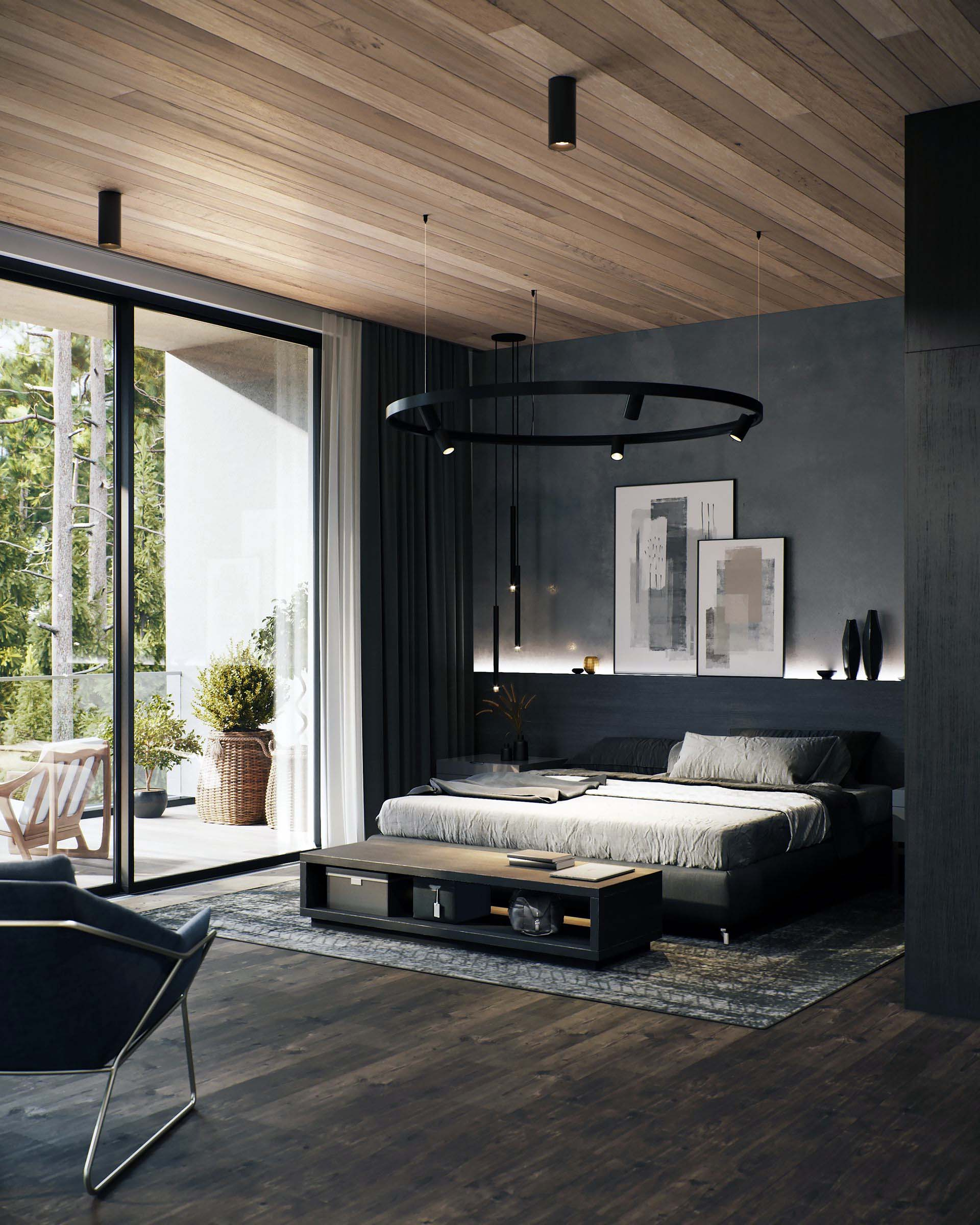
When we think about bedroom design, we often focus on the visual appeal first. But what if your master bedroom could do more than just look good? What if it could actually improve your sleep quality, reduce stress, and make your daily routine smoother? This isn’t just about pretty pictures or designer furniture. It’s about creating a space that works for you, every single day.
Modern master bedrooms have evolved far beyond simple sleeping spaces. Today’s bedrooms are sanctuaries that must serve multiple purposes while maintaining visual appeal. The challenge lies in balancing aesthetics with functionality. You want a room that feels luxurious and calming, yet also practical enough to handle everything from morning routines to evening wind-downs. It’s like trying to make a perfect sandwich – you need all the right ingredients working together. The good news is, there are proven strategies that can transform your bedroom from merely beautiful to truly effective. Think of it as designing for life, not just looks.
Understanding Modern Bedroom Functionality
The modern master bedroom is no longer just a place to sleep. It’s a multi-purpose space that needs to accommodate various activities throughout the day. Consider how you actually use your bedroom – do you check emails before bed? Do you need space for a home office corner? Are you planning to use it for meditation or relaxation? Understanding your actual usage patterns is crucial. Many people fall into the trap of designing based on what looks good rather than what works. Real-world functionality means considering traffic flow, storage solutions, lighting needs, and even acoustics. For instance, a bedroom with a large walk-in closet might seem luxurious, but if it creates a bottleneck in your entryway, it’s counterproductive. The key is to map out your typical daily activities and design around them. Think about the journey from waking up to going to sleep. Every element should support that path.
Essential Storage Solutions
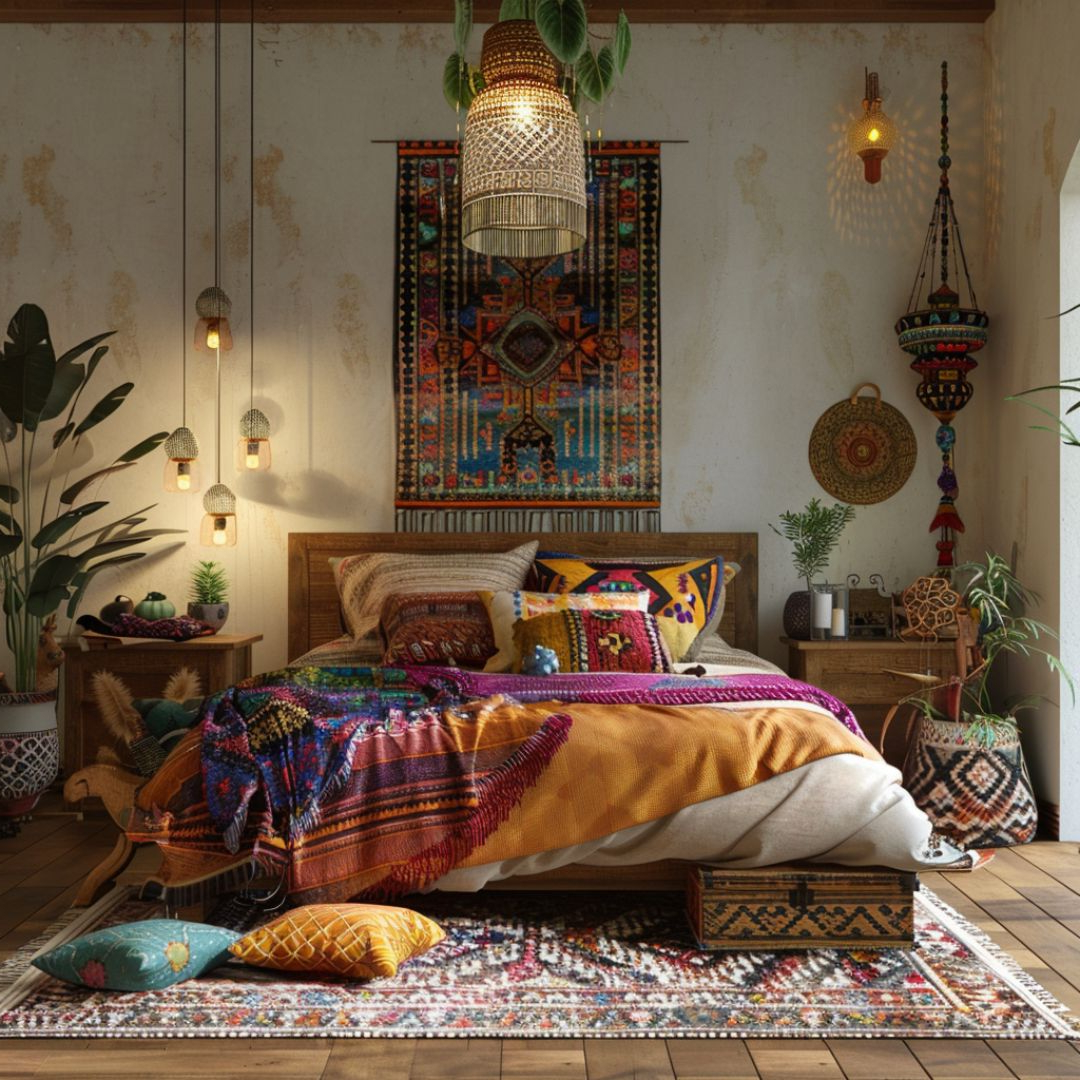
Storage is often the unsung hero of bedroom design. It’s easy to overlook, but poor storage choices can turn your beautiful bedroom into a chaotic mess. The secret is to think vertically and horizontally. Built-in wardrobes offer seamless integration but may limit flexibility. Freestanding units provide more options for rearrangement. Consider different storage types: hanging space for clothes, drawers for folded items, shelves for books and accessories, and specialized areas for seasonal clothing. A common mistake is underestimating how much stuff we accumulate. Many people think they need more storage than they actually do. Instead, focus on organizing by frequency of use. Items you wear daily go in easily accessible spots. Seasonal items can go higher or lower. Smart storage solutions like drawer organizers, shoe racks, and jewelry trays keep everything in its place. Remember, storage should be invisible when you’re not using it. The goal is to make your bedroom feel clutter-free, not empty. Think about how you organize your clothes – what makes sense for your lifestyle? What items do you reach for most?
Lighting That Works With Your Lifestyle
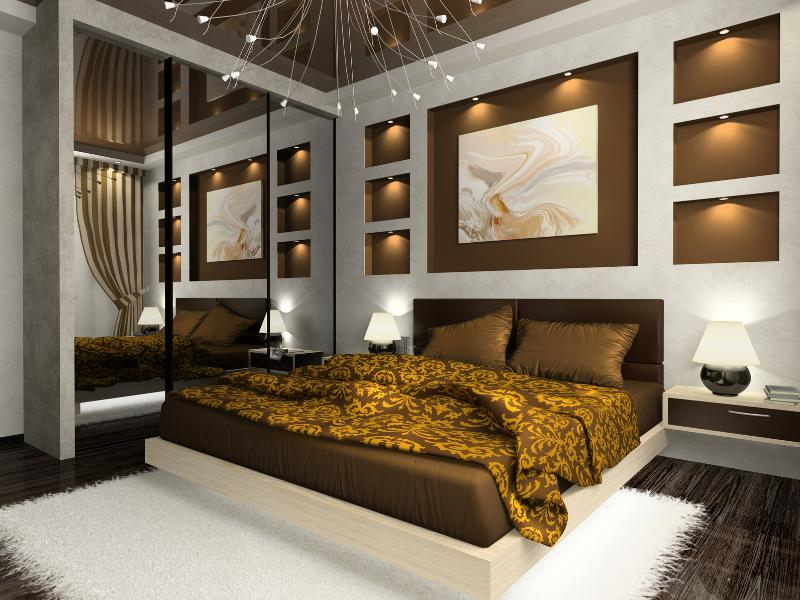
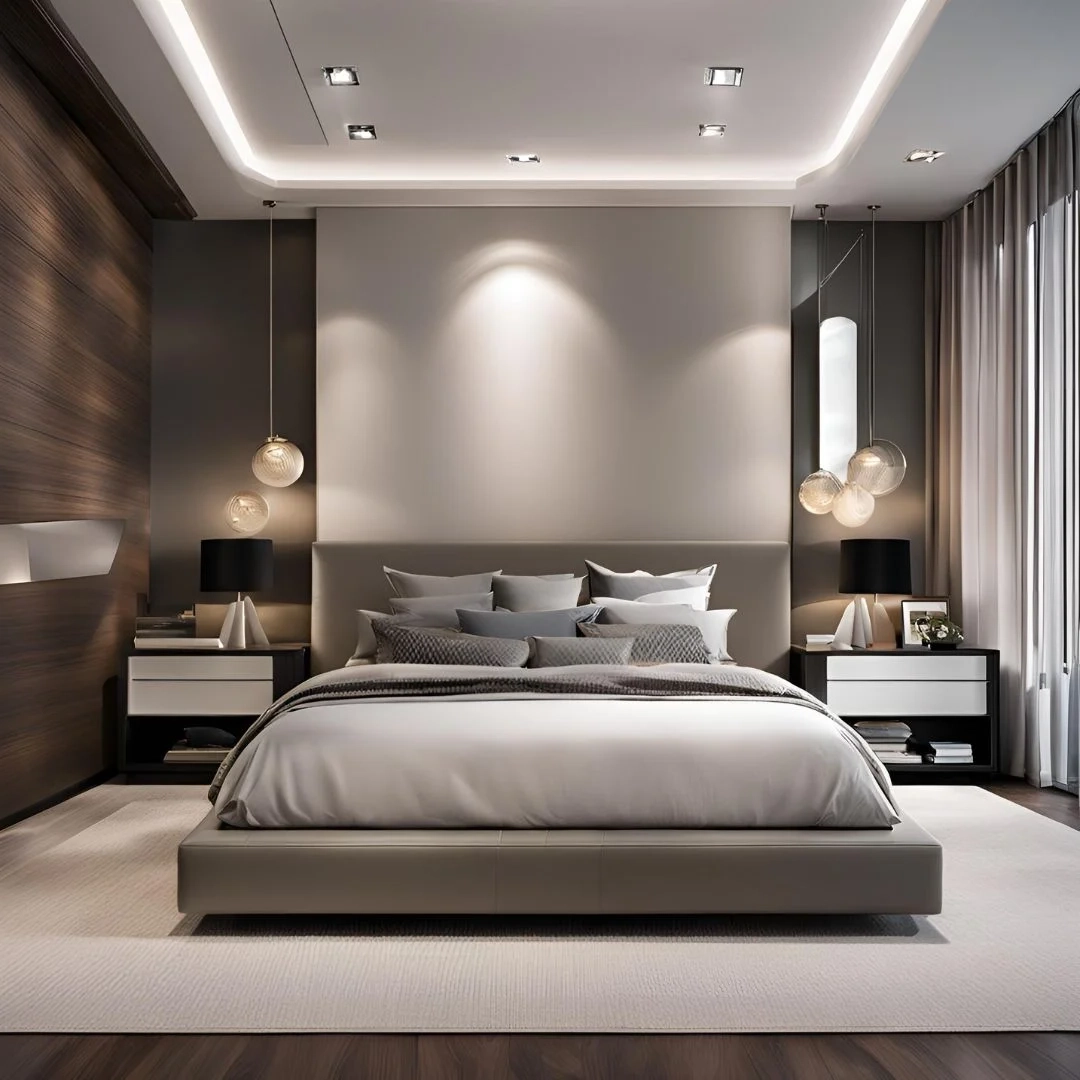
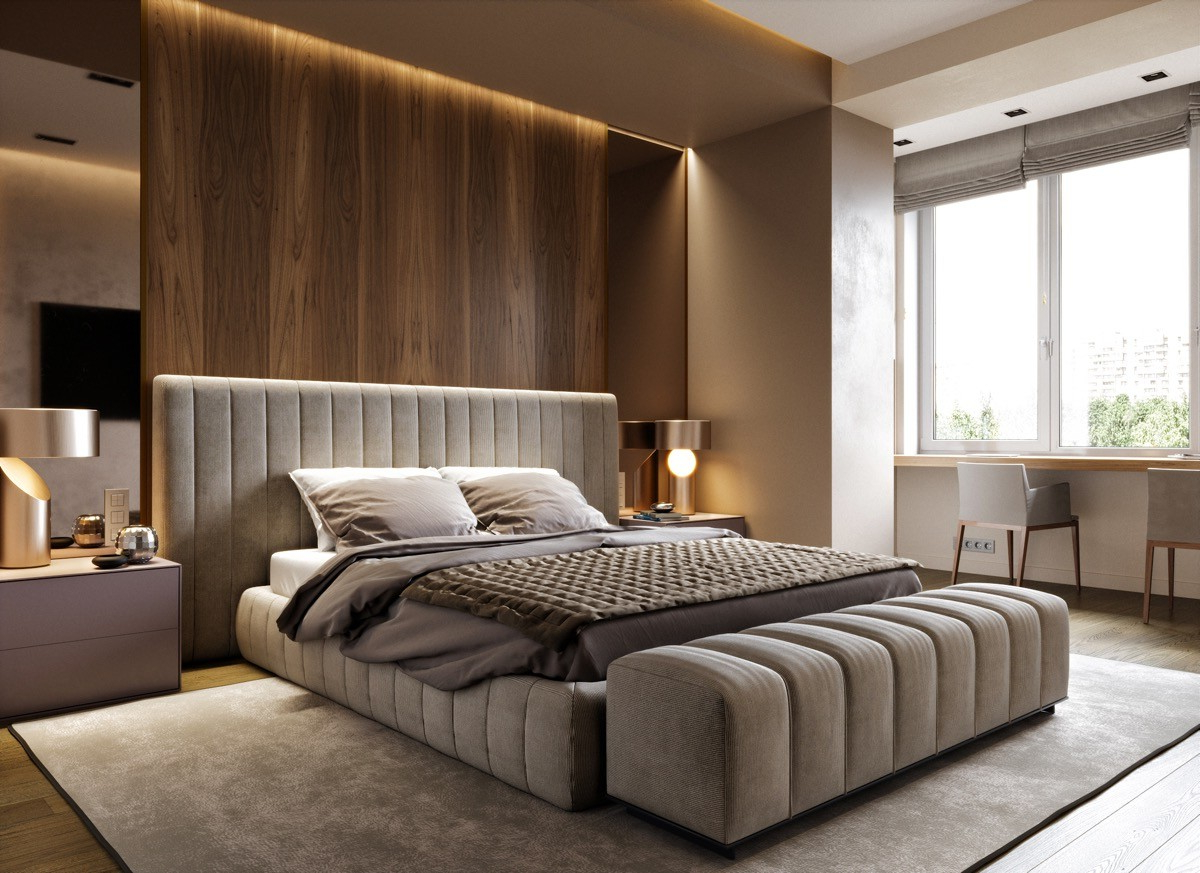
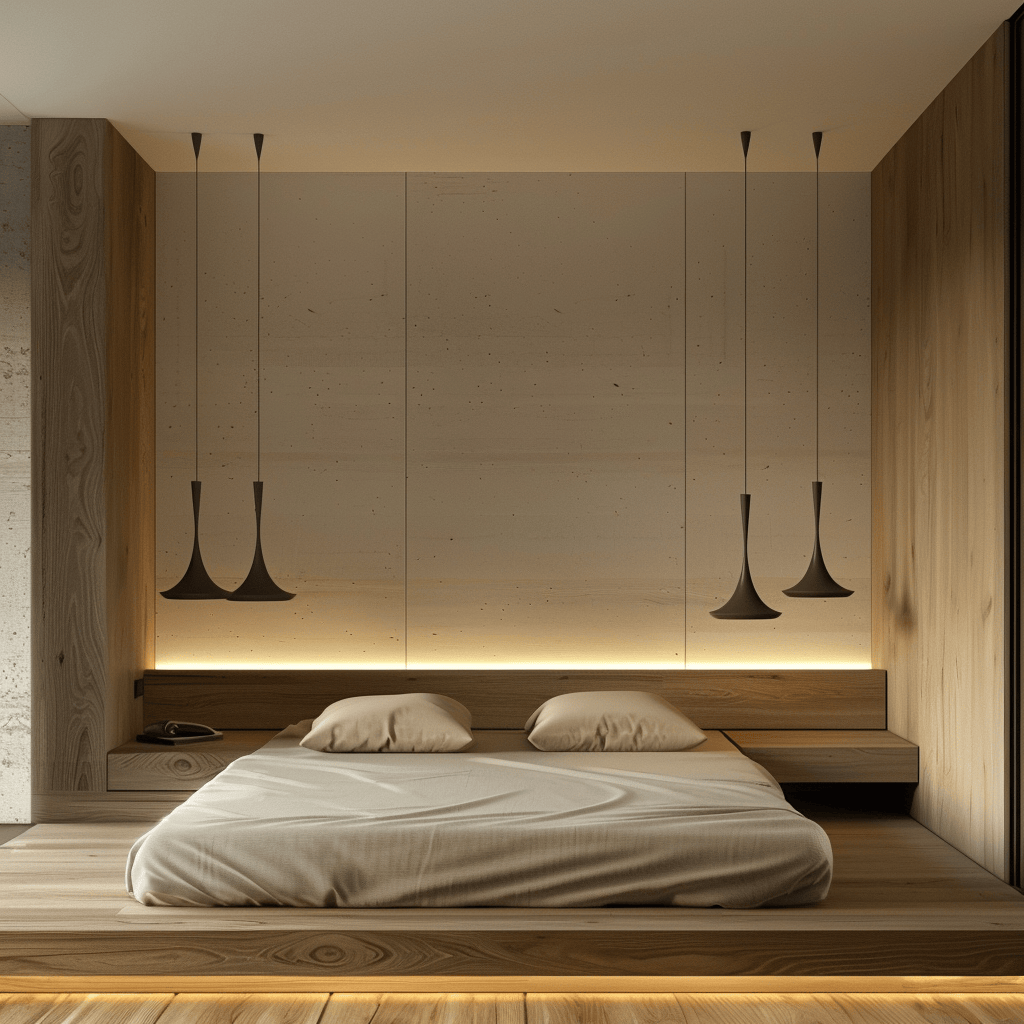
Lighting impacts mood, sleep quality, and daily routines more than most people realize. Good bedroom lighting involves layers of different types and intensities. Ambient lighting provides general illumination – think soft ceiling lights or dimmable fixtures. Task lighting helps with specific activities like reading or getting ready in the morning. Accent lighting adds visual interest and can highlight architectural features or artwork. The key is having control over different lighting scenarios. You want bright light for morning routines, softer light for reading, and very dim lighting for bedtime. Smart lighting systems allow you to program different scenes automatically. Some people prefer warm white light in the evening to promote better sleep, while others need bright daylight-like lighting in the morning to wake up properly. Don’t underestimate the impact of color temperature either. Cool blue tones can boost alertness, while warm amber tones promote relaxation. Consider installing dimmer switches, smart bulbs, or even separate switches for different areas of the room. How does your current lighting affect your mood? What would change your nighttime routine?
Comfortable and Supportive Bedding
Your bed is the centerpiece of any bedroom, so investing in quality bedding pays dividends in comfort and sleep quality. The mattress should match your body type, sleeping position, and personal preferences. Memory foam offers pressure relief, while innerspring mattresses provide bounce and airflow. Hybrid models combine the best of both worlds. Pillows matter too – they should support your neck and head properly based on your sleeping position. The right sheets make a difference in temperature regulation and skin comfort. Breathable materials like cotton or bamboo fiber work well for hot sleepers, while flannel or fleece can provide warmth. Consider the thread count – it’s not always about the highest number, but finding what works for your body. Don’t forget about comforters and blankets. Layering allows you to adjust warmth throughout the year. Many people overlook the importance of proper bedding maintenance. Regular washing, rotation, and replacement prevent allergens and ensure continued comfort. What kind of sleep experience do you want? Is it about feeling refreshed or staying warm?
Smart Technology Integration
Technology shouldn’t overwhelm your bedroom space, but it can enhance your experience when done right. Smart thermostats can maintain ideal temperatures for sleep, while smart locks add security and convenience. Voice assistants can control lighting, music, and even remind you of daily tasks. However, technology should complement rather than dominate your space. Choose devices that integrate seamlessly with your lifestyle, not complicate it. Consider how you want to interact with technology during different times of day. Do you want automated lighting based on sunrise/sunset? Should your alarm gently wake you with soft sounds instead of jarring noise? Smart home systems can be helpful, but they require thoughtful setup. Not every feature needs to be active all the time. Start simple and add complexity gradually. Some people find that too many tech features create stress rather than calm. Balance is key. The goal is to make technology work for you, not against you. What aspects of your daily routine could benefit from smart automation?
Creating Zones Within Your Space
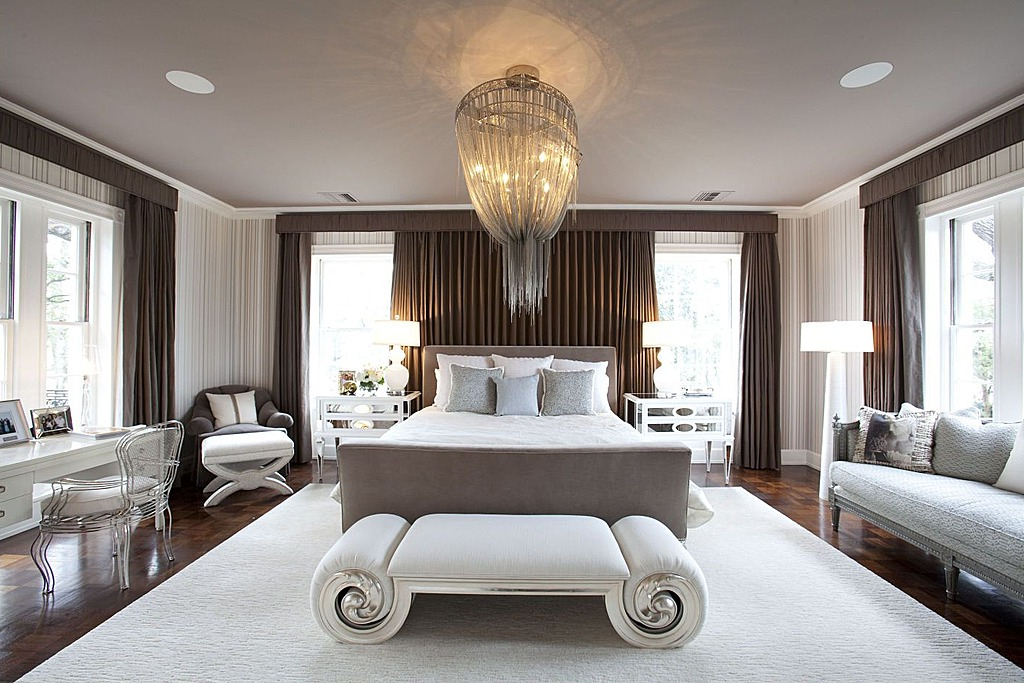
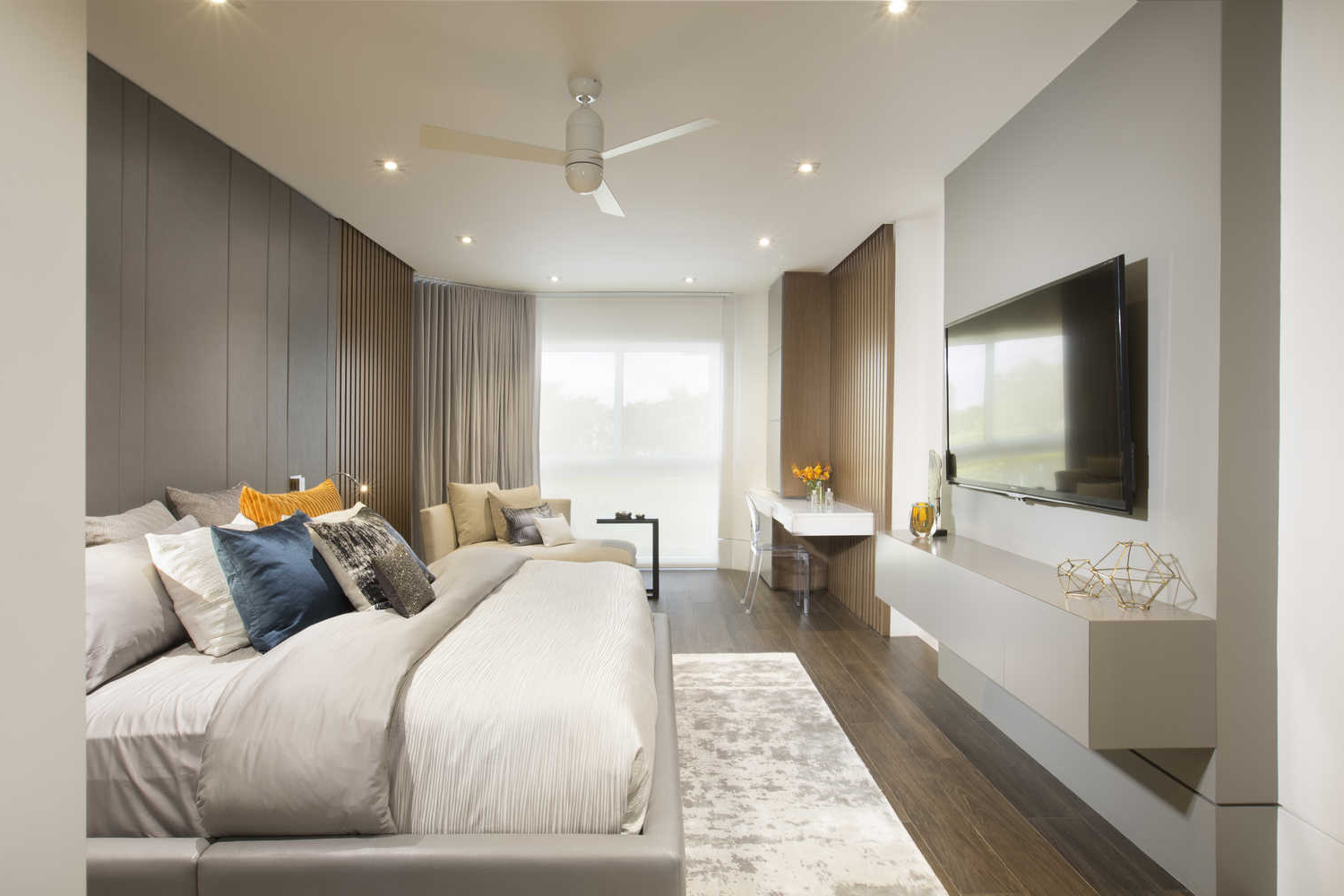
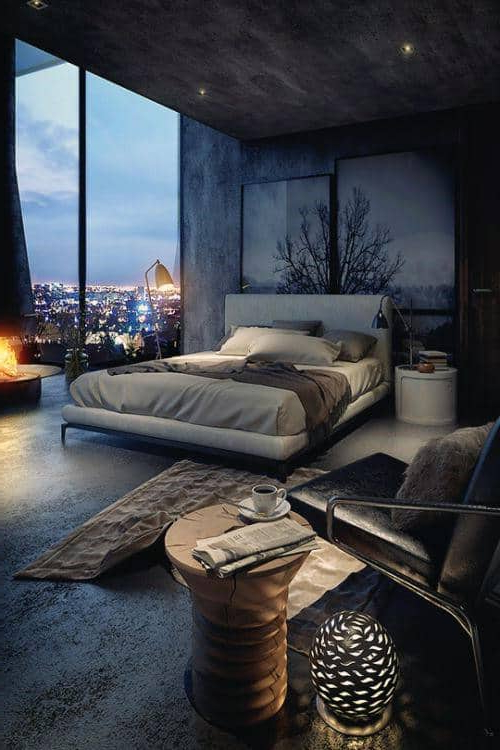
Even small master bedrooms can benefit from defining different zones for different activities. A reading nook, a dressing area, a relaxation corner, or even a small workspace can transform a single room into a multi-functional space. These zones don’t require walls – they can be defined by furniture arrangement, lighting, or visual cues. For example, placing a comfortable chair near a window creates a natural reading area. Using a screen or bookshelf to separate a dressing area from sleeping space maintains privacy and flow. Consider how you move through your bedroom – do you want to walk past your bed to get dressed? Or do you prefer a more enclosed dressing area? The goal is to create logical pathways that make your daily routine feel effortless. Sometimes a few strategic pieces of furniture can define these zones perfectly. Think about how you naturally move through your space and design accordingly. What activities do you want to make easier?
Designing a modern master bedroom that actually works requires thinking beyond surface-level aesthetics. It’s about creating a space that supports your lifestyle, enhances your well-being, and adapts to your changing needs. When you consider how you use your bedroom throughout the day and night, you begin to see opportunities for improvement everywhere. From smart storage solutions that keep things organized to lighting that supports your circadian rhythm, every element should contribute to your overall experience. The best bedroom designs aren’t necessarily the most expensive or the most decorated. They’re the ones that make your daily routine feel smoother, your sleep better, and your space more enjoyable. Remember, your bedroom should be a place where you want to spend time, not just pass through. The investment in thoughtful design pays off in countless hours of improved comfort and reduced stress. What changes could make your bedroom more functional today? Sometimes the smallest adjustments create the biggest differences.
[sps_html tag=”img” src=”https://roofdrivein.com/wp-content/uploads/2026/01/50-modern-master-bedroom-ideas-for-a-stylish-space-artofit-inside-modern-master-bedroom-design-ideas.jpg” alt=”50 Modern Master Bedroom Ideas For A Stylish Space – Artofit inside Modern Master Bedroom Design Ideas” style=”width: 100%; height: auto;”]
[sps_html tag=”img” src=”https://roofdrivein.com/wp-content/uploads/2026/01/25-contemporary-master-bedroom-design-ideas-within-beyond-aesthetics-how-to-design-a-modern-master-bedroom-that-actually-works.jpg” alt=”25 Contemporary Master Bedroom Design Ideas within Beyond Aesthetics: How to Design a Modern Master Bedroom That Actually Works” style=”width: 100%; height: auto;”]
[sps_html tag=”img” src=”https://roofdrivein.com/wp-content/uploads/2026/01/master-bedroom-design-ideas-bedroom-decorating-style-tips-regarding-modern-master-bedroom-design-ideas.jpg” alt=”Master Bedroom Design Ideas | Bedroom Decorating & Style Tips regarding Modern Master Bedroom Design Ideas” style=”width: 100%; height: auto;”]
[sps_html tag=”img” src=”https://roofdrivein.com/wp-content/uploads/2026/01/25-contemporary-master-bedroom-design-ideas-throughout-modern-master-bedroom-design-ideas.jpg” alt=”25 Contemporary Master Bedroom Design Ideas throughout Modern Master Bedroom Design Ideas” style=”width: 100%; height: auto;”]
[sps_html tag=”img” src=”https://roofdrivein.com/wp-content/uploads/2026/01/7-modern-master-bedroom-decor-ideas-for-you-homystyle-throughout-beyond-aesthetics-how-to-design-a-modern-master-bedroom-that-actually-works.jpg” alt=”7 Modern Master Bedroom Decor Ideas For You – Homystyle throughout Beyond Aesthetics: How to Design a Modern Master Bedroom That Actually Works” style=”width: 100%; height: auto;”]