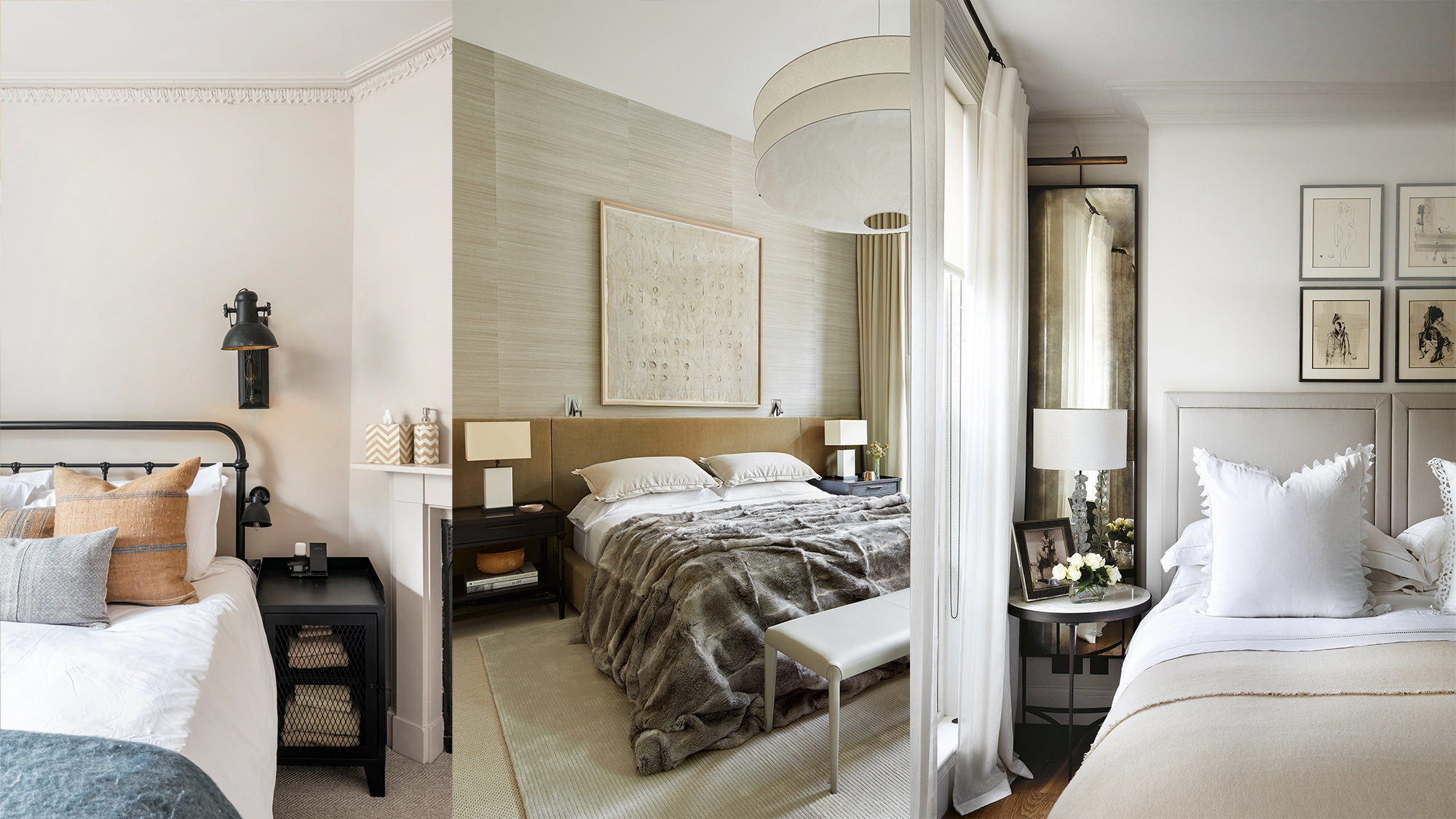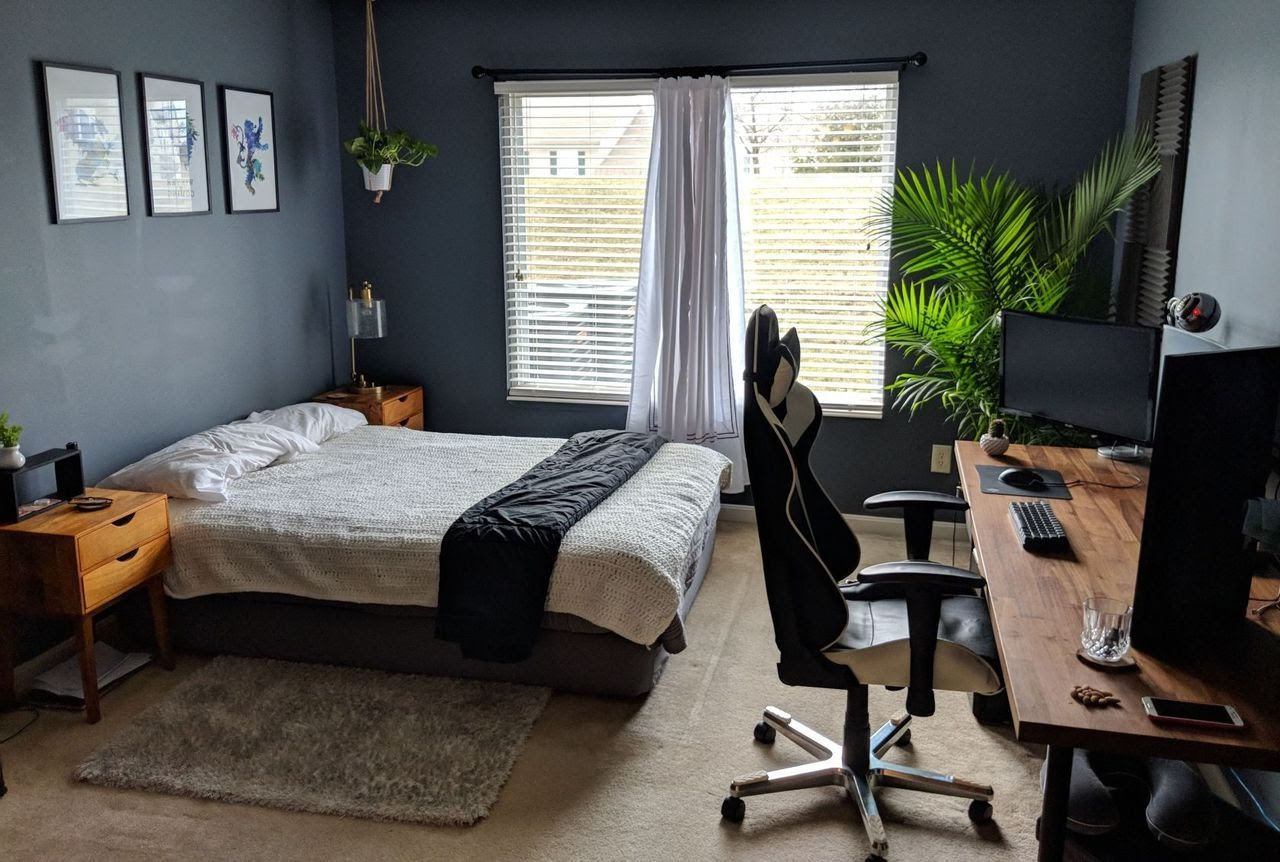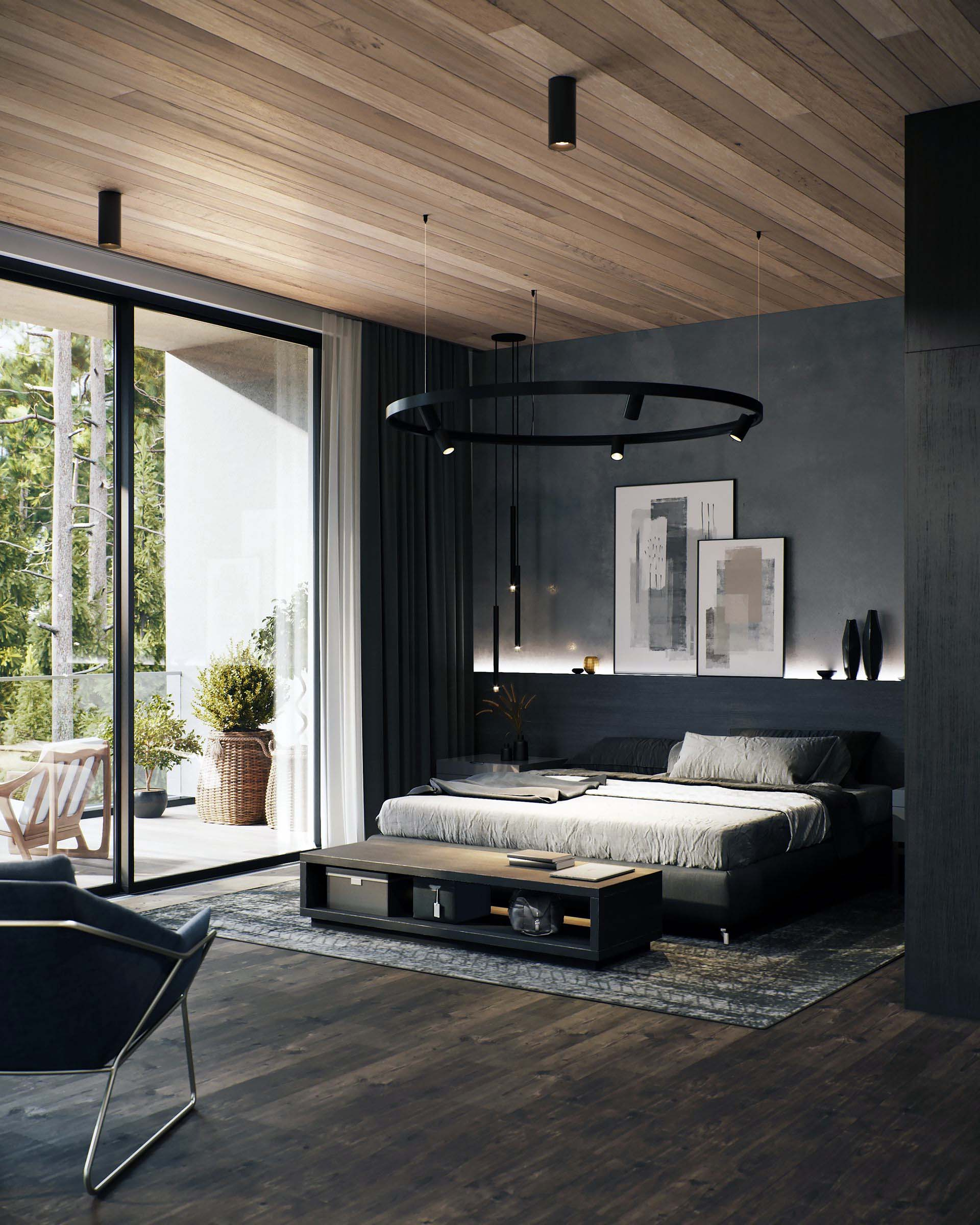
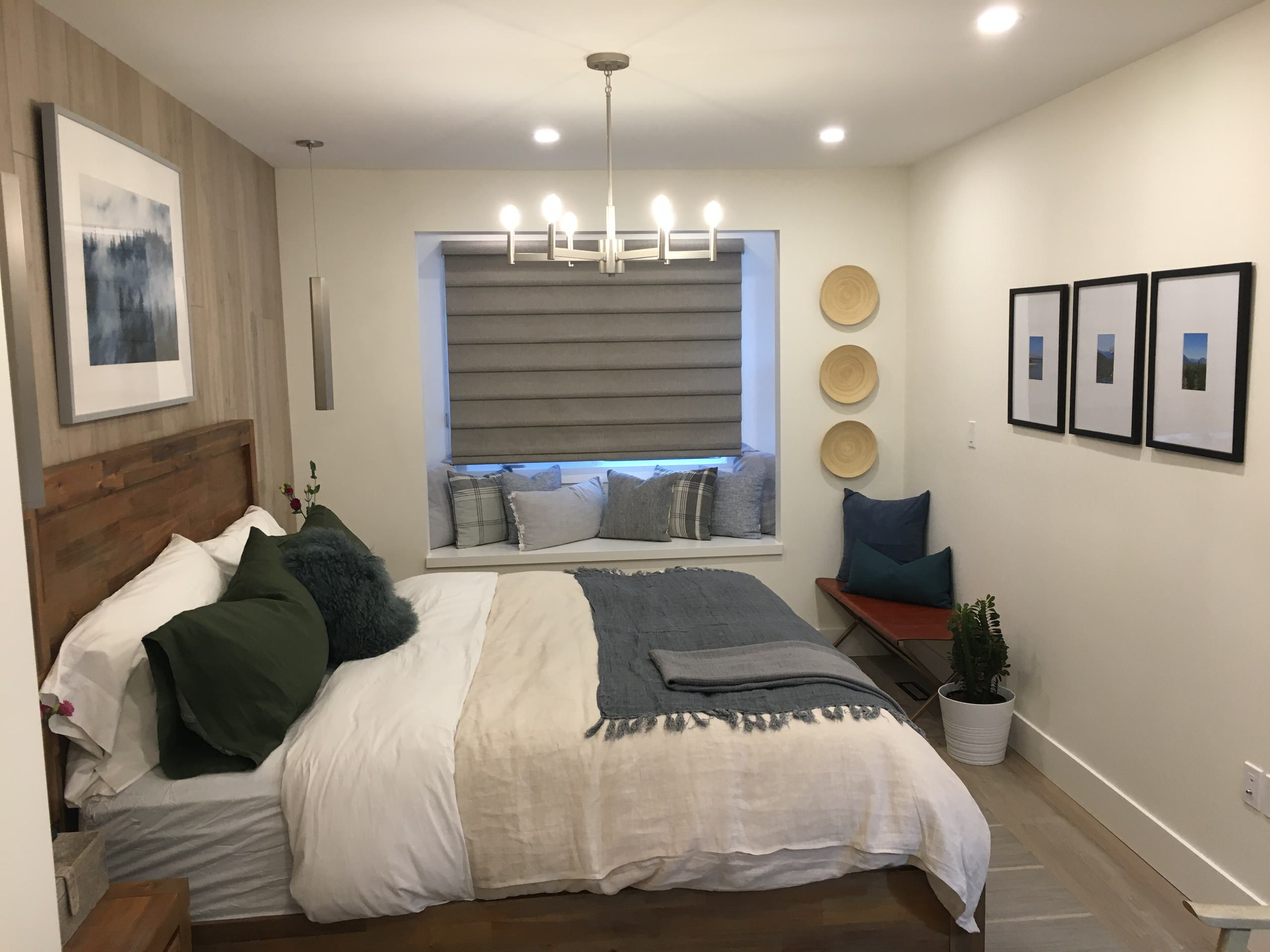
Imagine waking up every morning in a room that feels both cozy and expansive. What if your master bedroom, despite its modest size, could feel like a peaceful sanctuary? This isn’t just wishful thinking – it’s completely achievable with the right design approach. The secret lies in understanding how space works, how light behaves, and how clever choices can make all the difference between feeling cramped and feeling liberated.
Small master bedrooms present unique challenges and opportunities. They demand creativity, thoughtful planning, and a deep understanding of design principles that work against conventional wisdom. You might think smaller spaces mean fewer options, but actually, they often spark more innovative thinking. Every inch matters, which means every element needs to serve multiple purposes and contribute to the overall feeling of openness. The key isn’t just making things look bigger – it’s creating a sense of calm, functionality, and visual freedom that makes even the tiniest room feel like a haven.
Light and Reflection: Your Secret Weapons
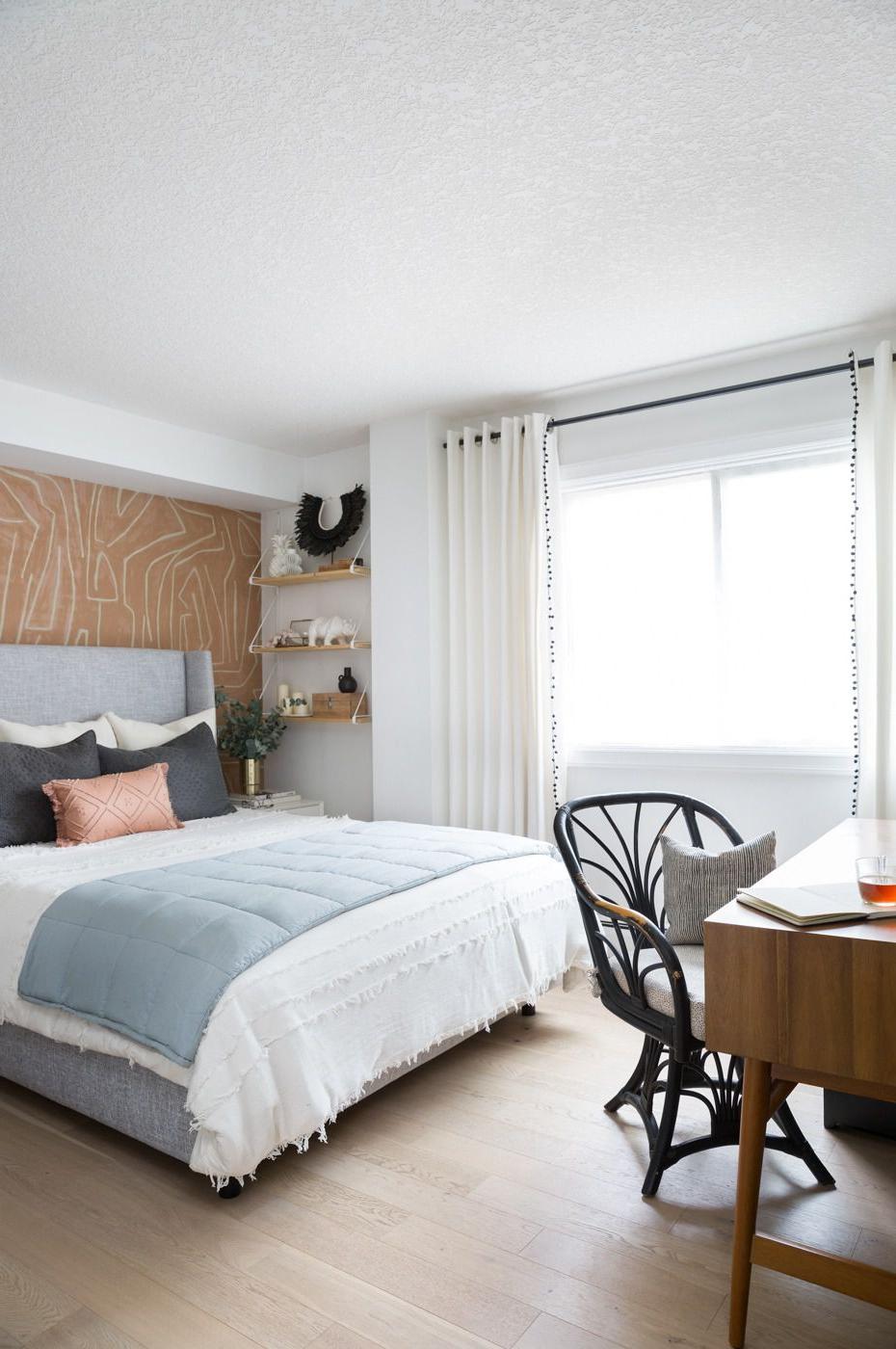
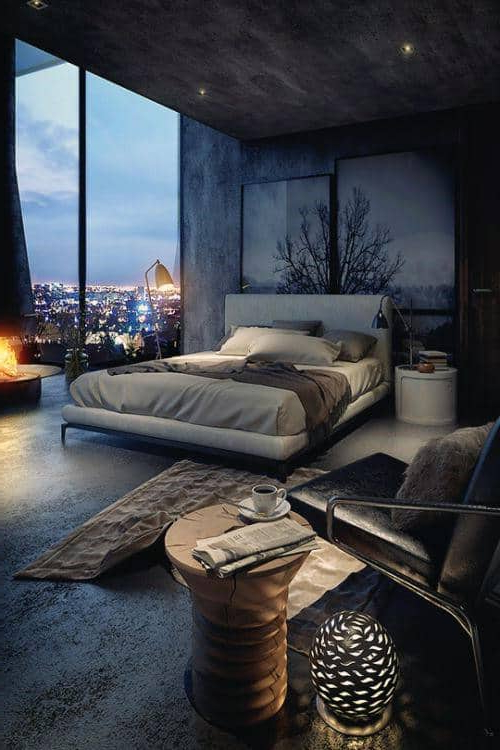
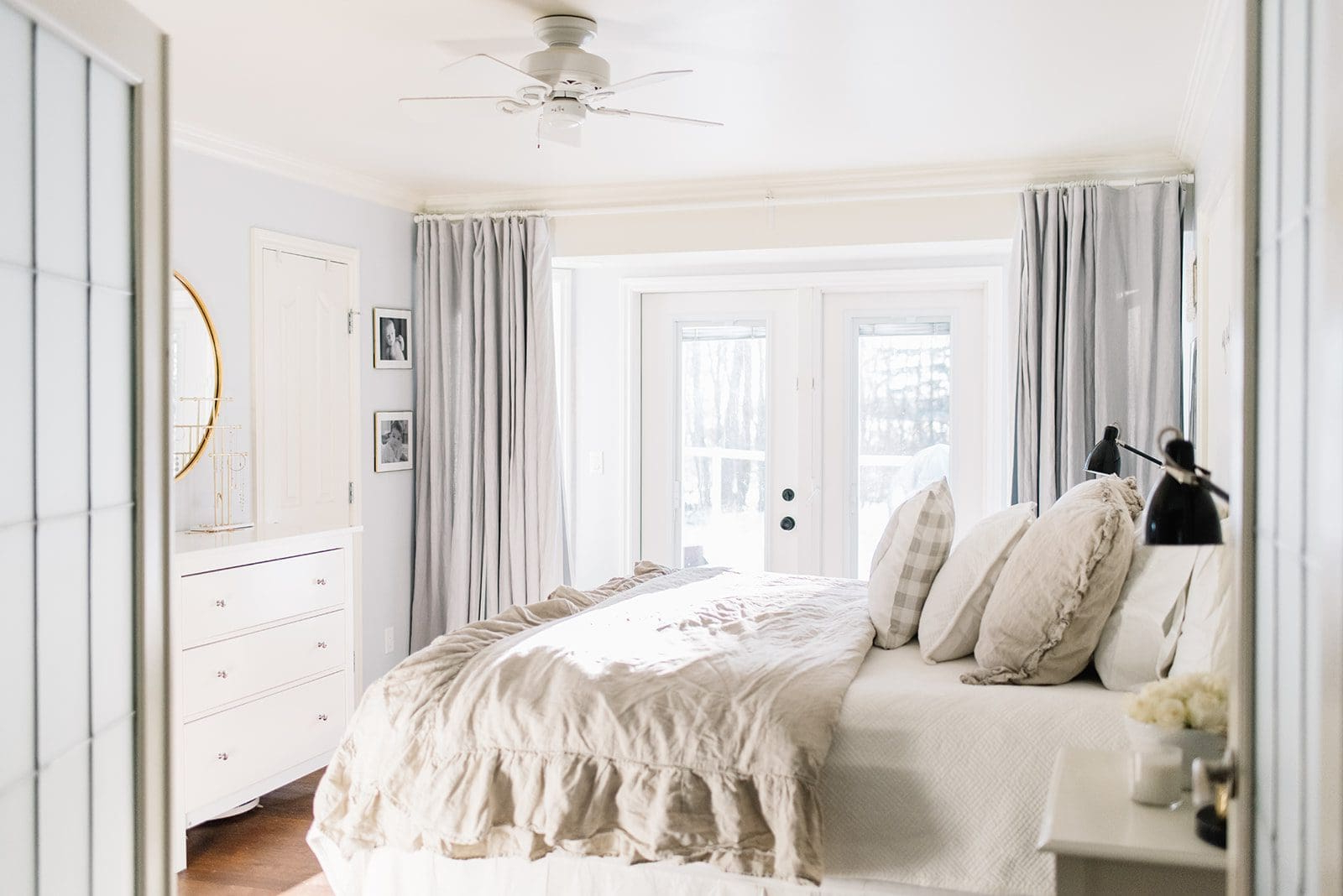
Natural light is perhaps the most powerful tool in your arsenal for making small spaces feel larger. When sunlight floods into a room, it instantly expands the perceived boundaries. Consider maximizing windows wherever possible, and avoid heavy drapes that block this precious energy. Instead, opt for sheer curtains that let light dance across walls while maintaining privacy. Mirrors become essential allies in this journey – strategically placed, they reflect light and create the illusion of depth. A large mirror above a dresser or even a mirrored closet door can make a dramatic difference. But it’s not just about reflecting existing light; it’s about creating layers of illumination. Layered lighting – ambient, task, and accent – gives the eye something to follow and keeps the space feeling dynamic rather than flat.
Smart Storage Solutions
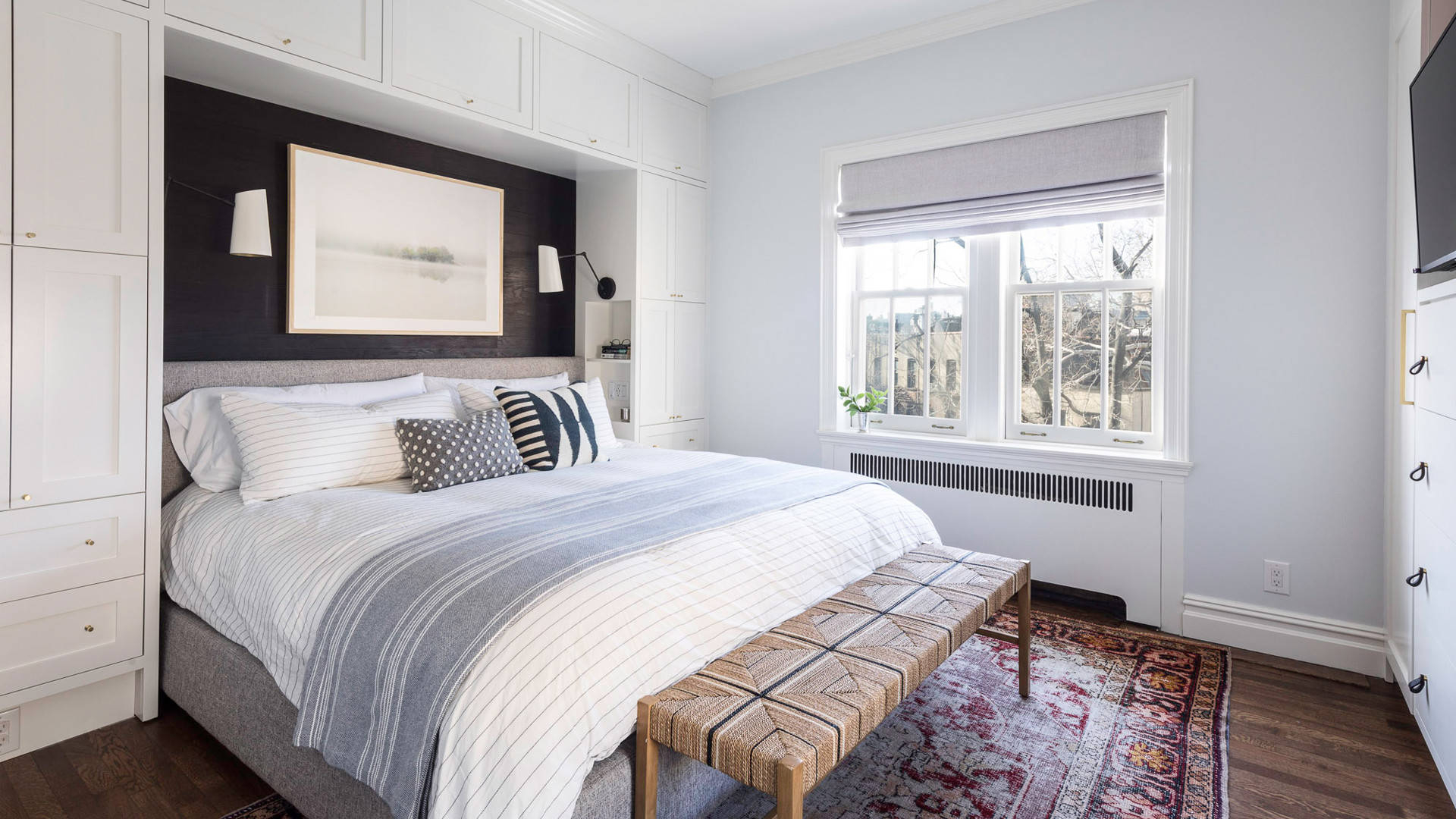
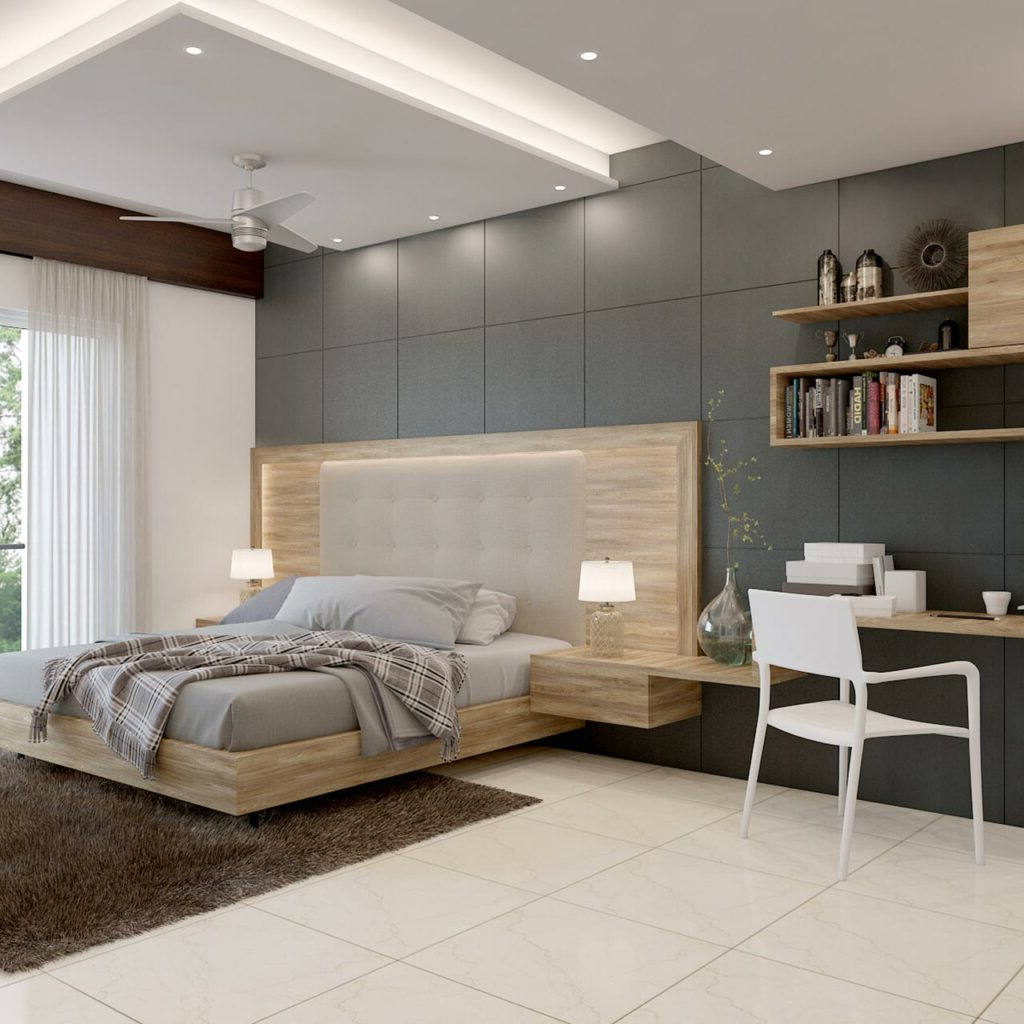
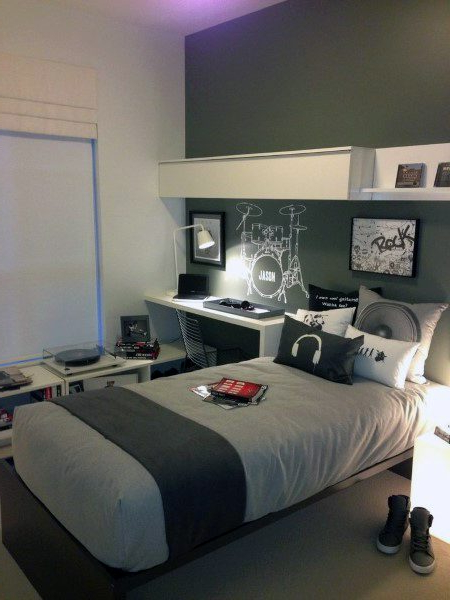
Clutter is the enemy of spacious feeling. In small rooms, everything must have a purpose and a place. The solution lies in thinking vertically and creatively about storage. Built-in shelving that reaches toward the ceiling draws the eye upward, creating the illusion of height. Hidden storage solutions, such as under-bed containers or storage ottomans, keep items out of sight while maintaining clean lines. Furniture that doubles as storage, like a bed with drawers underneath or a nightstand with hidden compartments, maximizes utility without adding visual bulk. The goal is to eliminate visible storage solutions entirely – when you can’t see what’s stored away, it disappears from your visual field. This creates that crucial breathing room that makes a space feel open.
Color Psychology and Visual Continuity
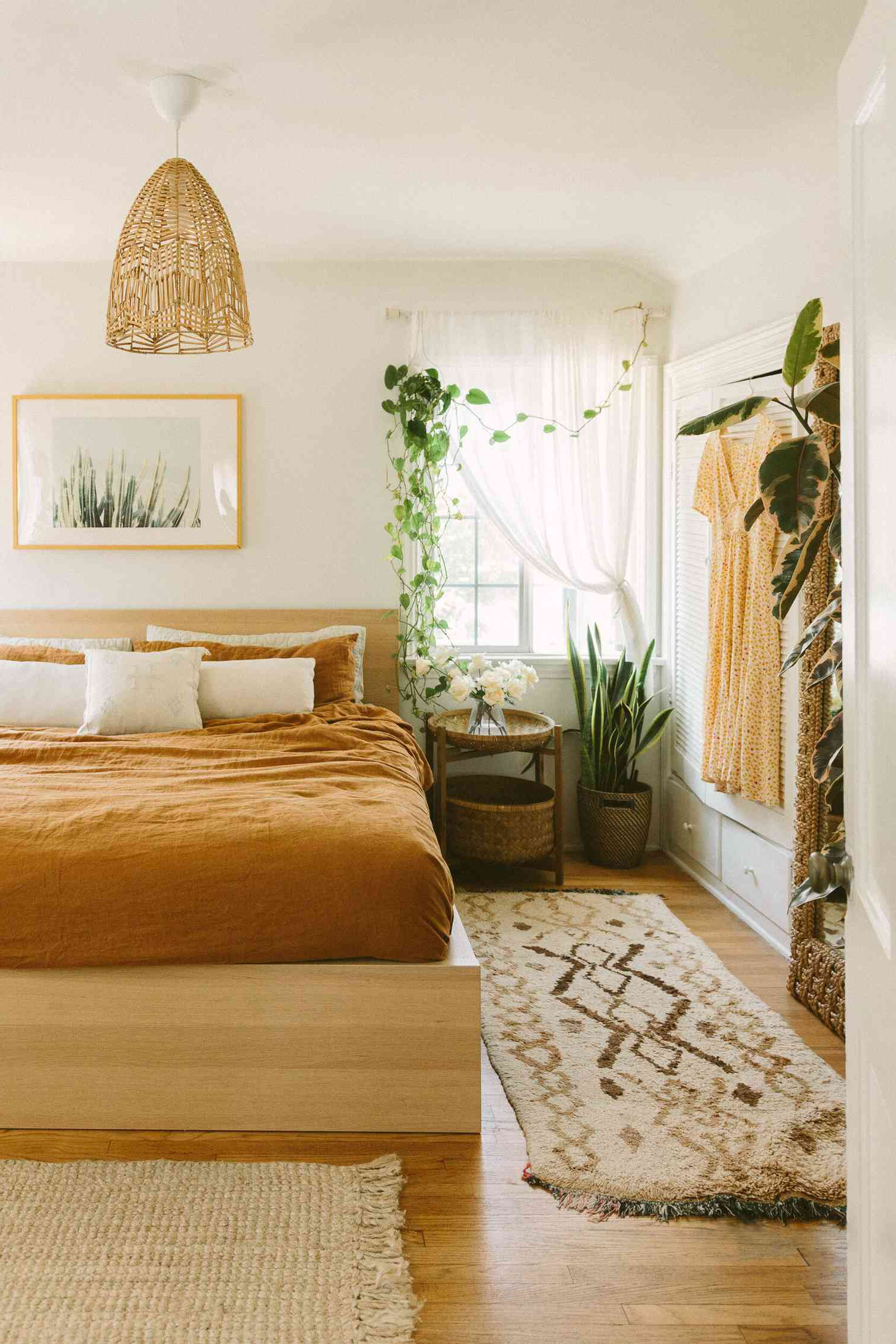
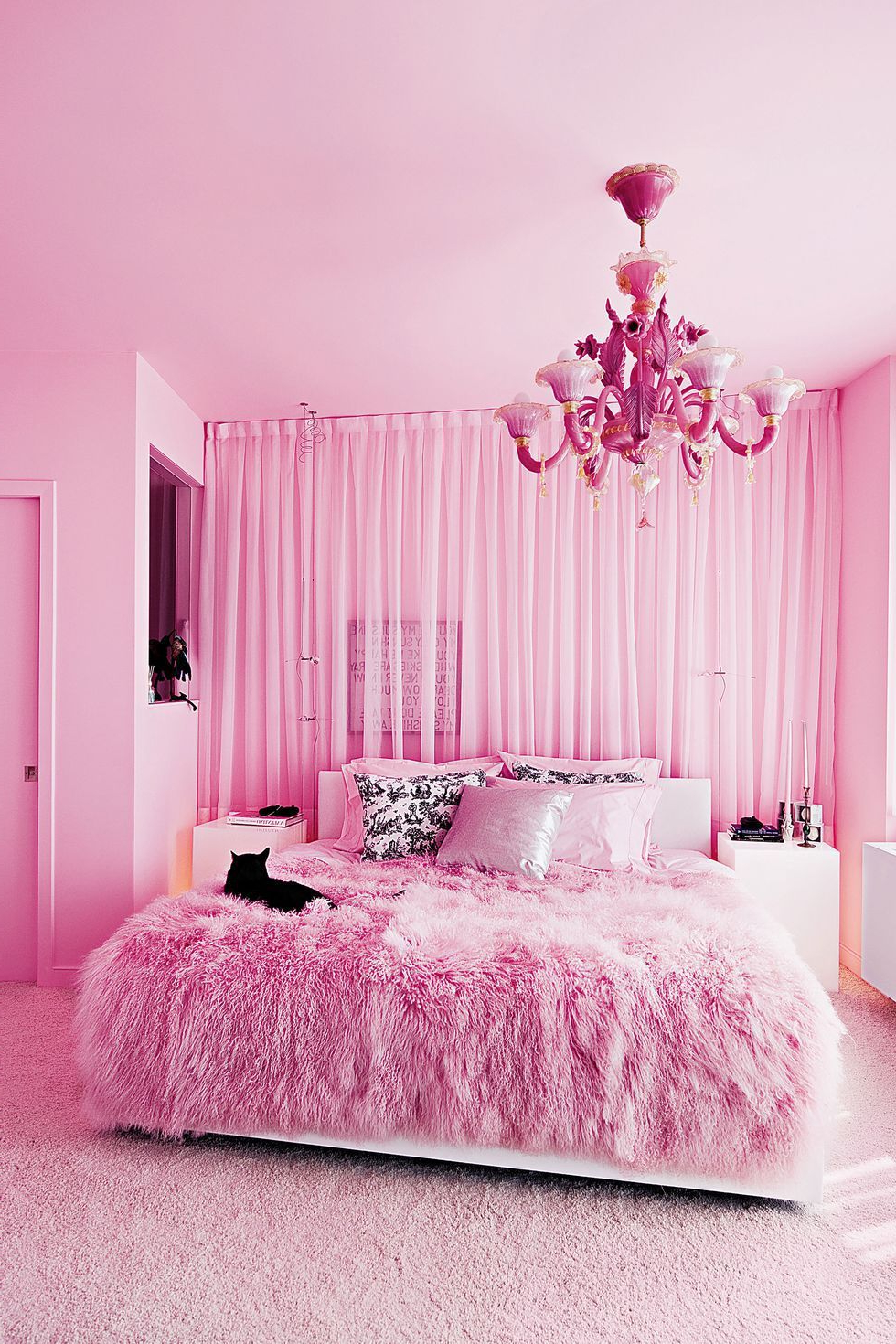
The color palette you choose has a tremendous impact on how large a room feels. Light colors – whites, creams, soft pastels – naturally make spaces appear larger because they reflect light rather than absorb it. However, don’t mistake this for a bland, boring palette. Soft blues, warm grays, and muted greens can create a sense of calm while still maintaining the feeling of expansiveness. One technique that’s particularly effective is using the same color family throughout the room – from walls to bedding to accessories. This creates visual continuity that makes the room feel unified rather than compartmentalized. For those who crave more personality, consider adding pops of color through artwork or textiles, but keep them intentional and minimal.
Strategic Furniture Selection
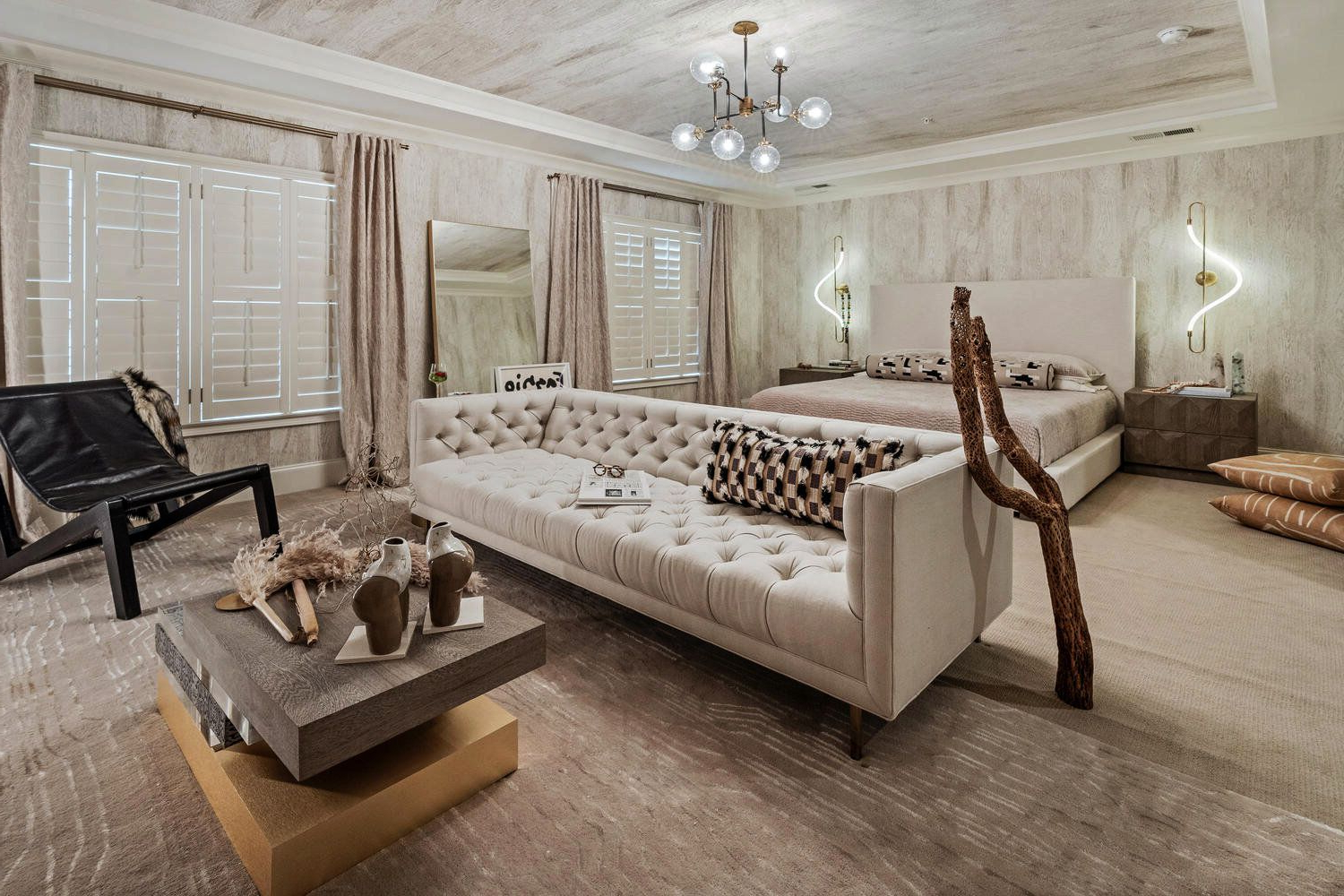
Choosing the right furniture is absolutely crucial in small master bedrooms. The old adage that bigger is better simply doesn’t apply here. Instead, focus on selecting pieces that are proportional to your space. Low-profile furniture, such as a platform bed or a sleek nightstand, can make ceilings feel higher and floors feel more open. Multi-functional furniture becomes essential – a dresser that also serves as a vanity or a bench that provides seating and storage. Avoid bulky, ornate pieces that compete with the room’s visual space. Remember, less furniture often means more room. Sometimes, a single statement piece can be more impactful than several smaller items. Consider the flow of movement through the space too – ensure there’s enough room to walk around comfortably without feeling cramped.
Vertical Lines and Height Play
Creating a sense of height is one of the most effective ways to combat the feeling of smallness. Vertical stripes on walls or bedding can draw the eye upward, making ceilings seem higher. Similarly, tall, narrow furniture pieces – like a tall bookshelf or a tall mirror – can add vertical interest without taking up floor space. The trick is to avoid horizontal elements that might make a room feel wider but shorter. Instead, focus on creating visual height through architectural details, such as wainscoting or crown molding, even if they’re subtle. Ceiling treatments, whether painted or textured, can also play a role in defining the upper boundary of the room. Remember that the ceiling itself is part of the room’s visual story – treat it with care and attention.
Textiles and Natural Elements
While it might seem counterintuitive, adding texture and natural materials can actually enhance the feeling of spaciousness in small rooms. Soft fabrics, like linen or cotton, create warmth without overwhelming the space. Natural textures – wood, stone, or woven elements – provide visual interest while maintaining an airy quality. Plants, especially larger specimens, can bring life and dimension to a room. They create focal points that draw attention upward and outward, helping to balance the visual weight of the space. Even small plants in interesting containers can make a difference. The key is choosing textures that complement rather than compete with the overall aesthetic. Think of natural elements as the finishing touches that make the room feel lived-in and welcoming rather than sterile and cold.
Designing a beautiful small master bedroom that feels spacious is less about tricks and more about thoughtful intention. It’s about creating a space that supports your lifestyle while respecting the physical limitations of your room. The beauty lies in the process of discovery – finding what works for your specific situation and personal taste. Whether you’re drawn to minimalist approaches or prefer a cozy, layered look, the fundamental principles remain the same: work with light, plan your storage carefully, choose your colors wisely, and select furniture that enhances rather than hinders your space. Remember, the ultimate goal isn’t just to make a small room look big – it’s to make it feel like exactly the right size for you. Every element should contribute to your sense of peace and well-being. When done thoughtfully, a small master bedroom can be one of the most satisfying and restorative spaces in your entire home.
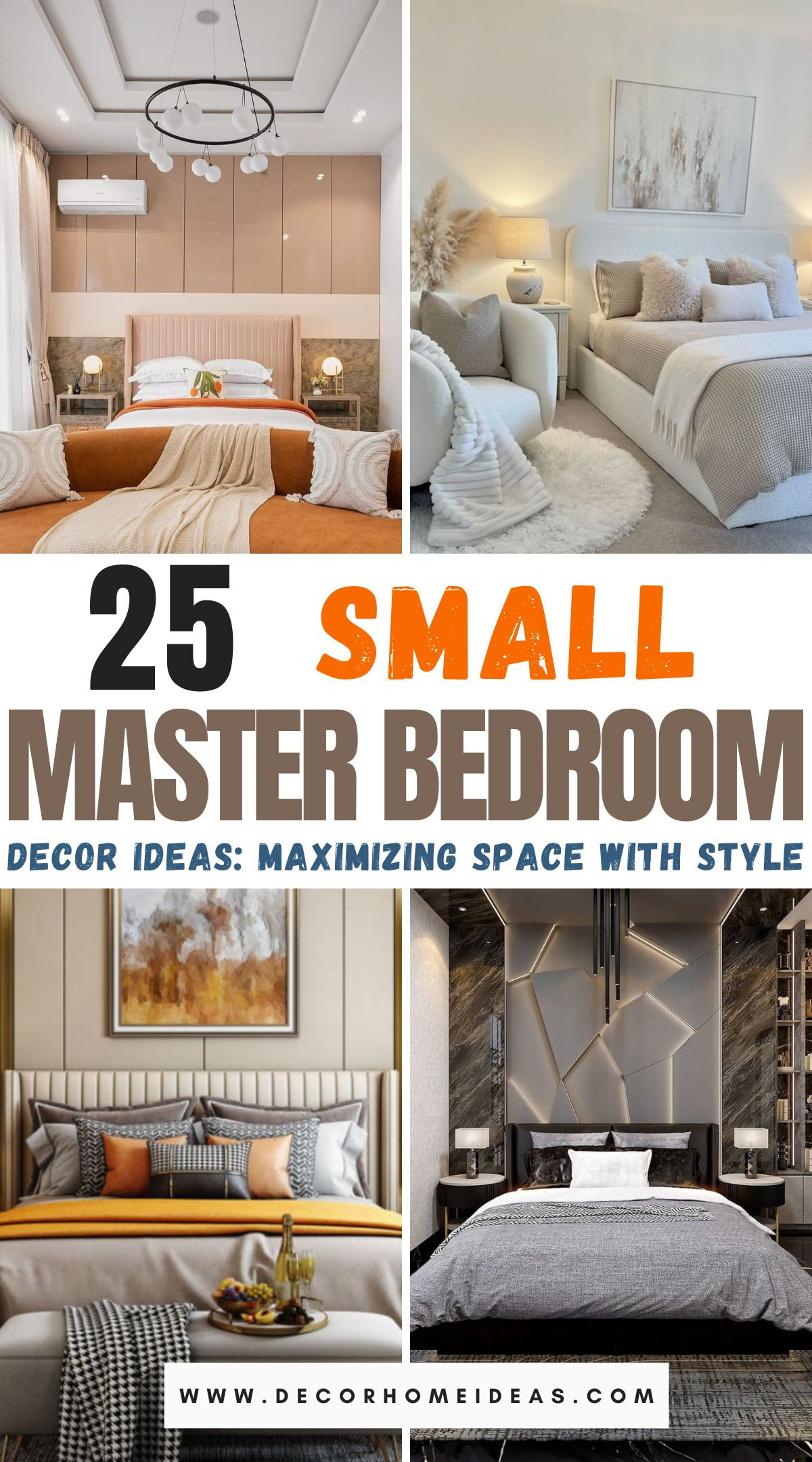
[sps_html tag=”img” src=”https://roofdrivein.com/wp-content/uploads/2026/01/25-small-master-bedrooms-decor-ideas-maximizing-space-with-style-for-small-masters-bedroom-design-ideas.jpg” alt=”25 Small Master Bedrooms Decor Ideas: Maximizing Space With Style for Small Masters Bedroom Design Ideas” style=”width: 100%; height: auto;”]
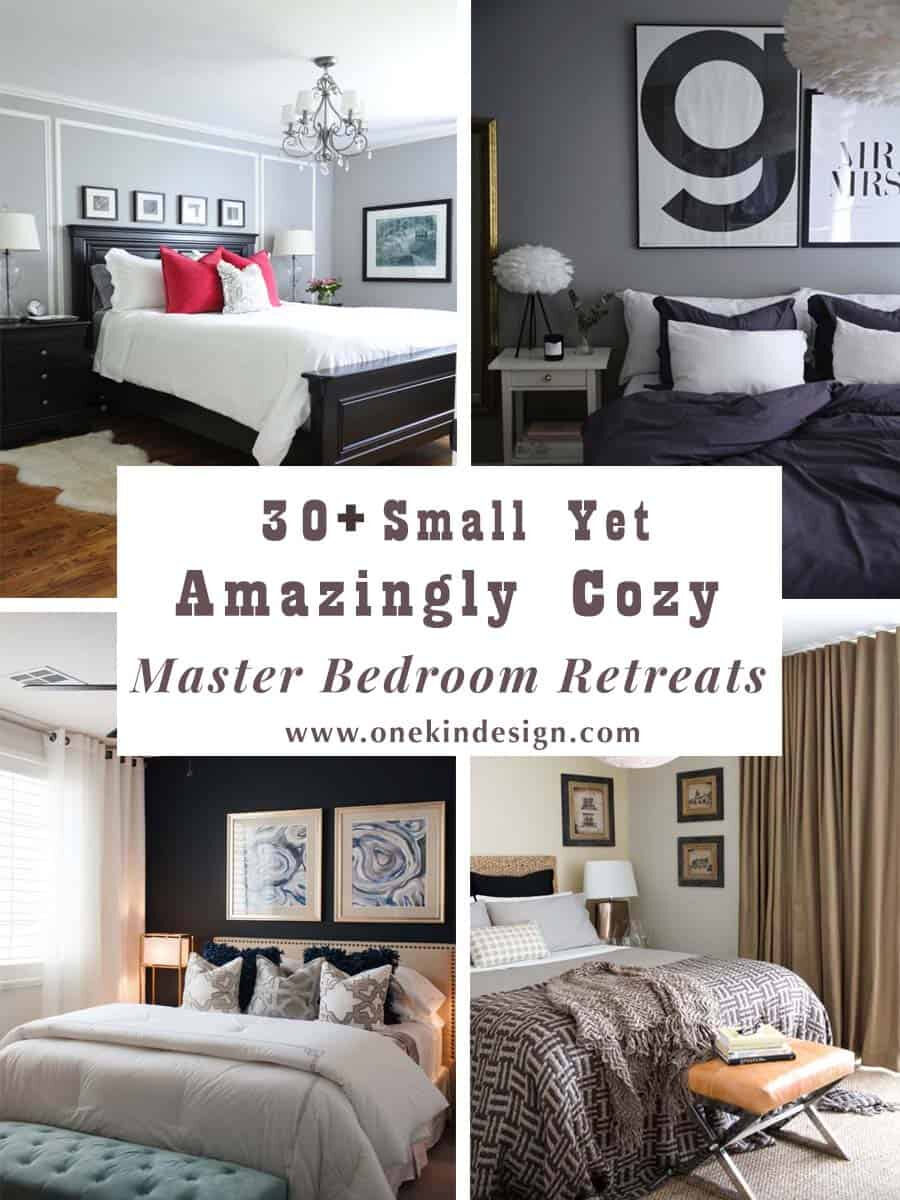
[sps_html tag=”img” src=”https://roofdrivein.com/wp-content/uploads/2026/01/30-small-yet-amazingly-cozy-master-bedroom-retreats-inside-beautiful-small-master-bedroom-design-ideas-that-feel-spacious.jpg” alt=”30+ Small Yet Amazingly Cozy Master Bedroom Retreats inside Beautiful small master bedroom design ideas that feel spacious” style=”width: 100%; height: auto;”]
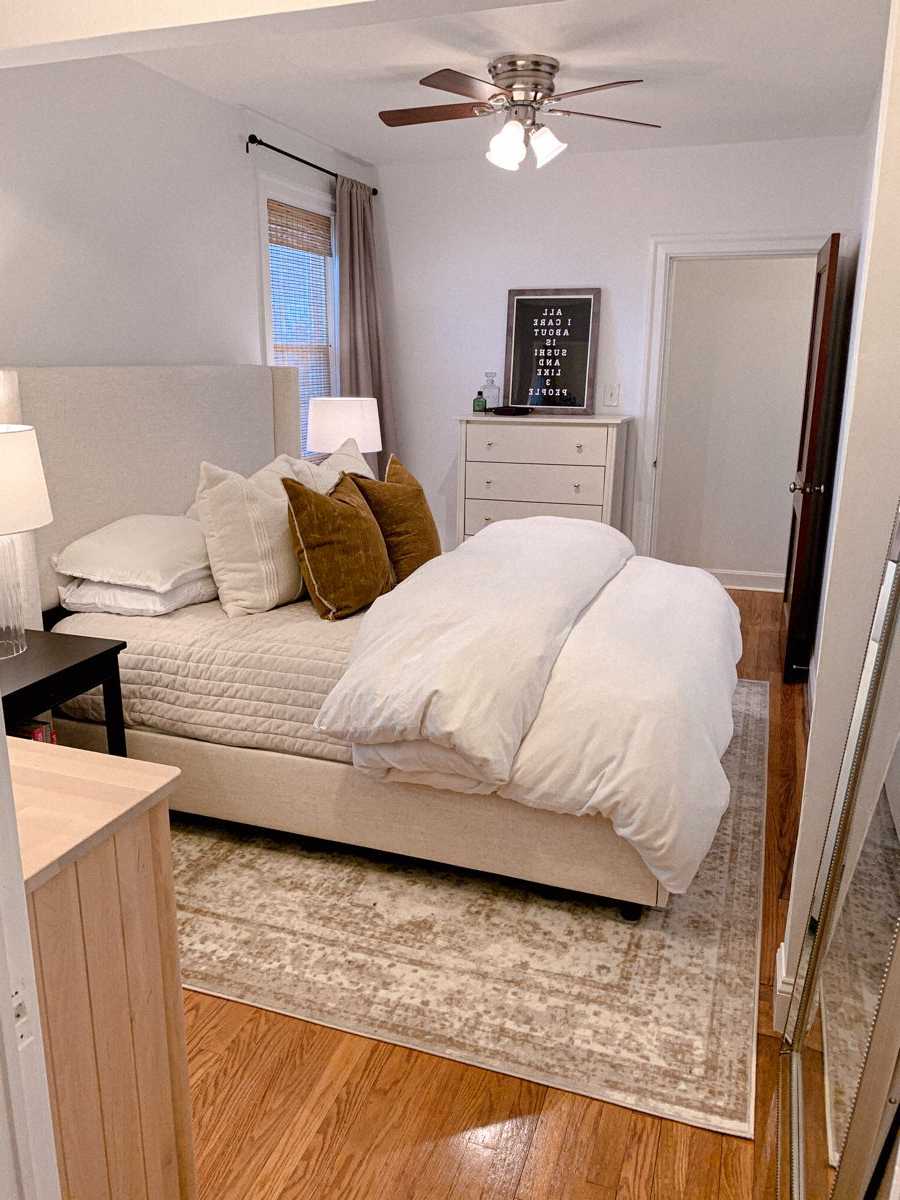
[sps_html tag=”img” src=”https://roofdrivein.com/wp-content/uploads/2026/01/small-and-simple-master-bedroom-decorating-ideas-regarding-beautiful-small-master-bedroom-design-ideas-that-feel-spacious.jpg” alt=”Small And Simple Master Bedroom Decorating Ideas regarding Beautiful small master bedroom design ideas that feel spacious” style=”width: 100%; height: auto;”]
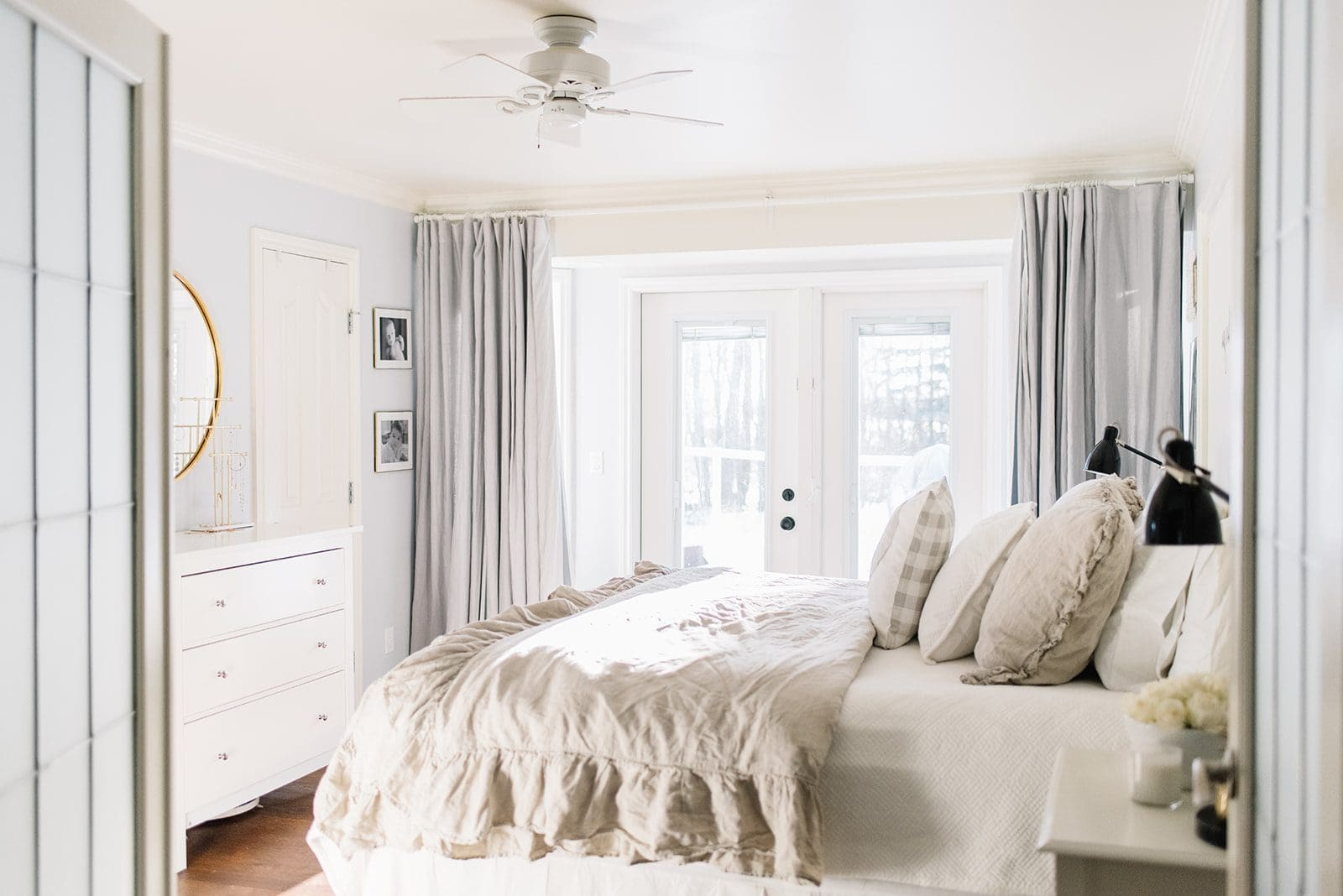
[sps_html tag=”img” src=”https://roofdrivein.com/wp-content/uploads/2026/01/7-small-master-bedroom-design-ideas-the-ginger-home-with-small-masters-bedroom-design-ideas.jpg” alt=”7 Small Master Bedroom Design Ideas - The Ginger Home with Small Masters Bedroom Design Ideas” style=”width: 100%; height: auto;”]
[sps_html tag=”img” src=”https://roofdrivein.com/wp-content/uploads/2026/01/small-master-bedroom-decorating-ideas-pictures-shelly-lighting-with-beautiful-small-master-bedroom-design-ideas-that-feel-spacious.jpg” alt=”Small Master Bedroom Decorating Ideas Pictures | Shelly Lighting with Beautiful small master bedroom design ideas that feel spacious” style=”width: 100%; height: auto;”]