Picture this: you’re standing in your kitchen, surrounded by warm wood tones that remind you of your grandmother’s home, yet somehow it feels fresh and functional. That’s the magic of balancing nostalgia and innovation in kitchen design. It’s not just about choosing between old and new—it’s about creating something that honors the past while embracing the future.
Kitchen renovations have become more than just functional upgrades. They’ve transformed into deeply personal expressions of who we are and what we value. For many homeowners, the kitchen represents the heart of their home, a place where memories are made and traditions continue. Yet, modern life demands efficiency, technology integration, and contemporary aesthetics. The challenge lies in finding the sweet spot where the warmth of nostalgia meets the brilliance of innovation. This balance isn’t just achievable—it’s becoming increasingly essential for creating truly meaningful spaces.
The Heart of Memory: Why Nostalgia Matters
Nostalgia in kitchen design isn’t about clinging to outdated trends. It’s about capturing the essence of what made our kitchens special in the first place. Think about your favorite childhood kitchen. Was it the way light filtered through old wooden shutters? The sound of your mother’s laughter echoing off worn linoleum? These sensory memories form the foundation of why nostalgia resonates so deeply in design choices.
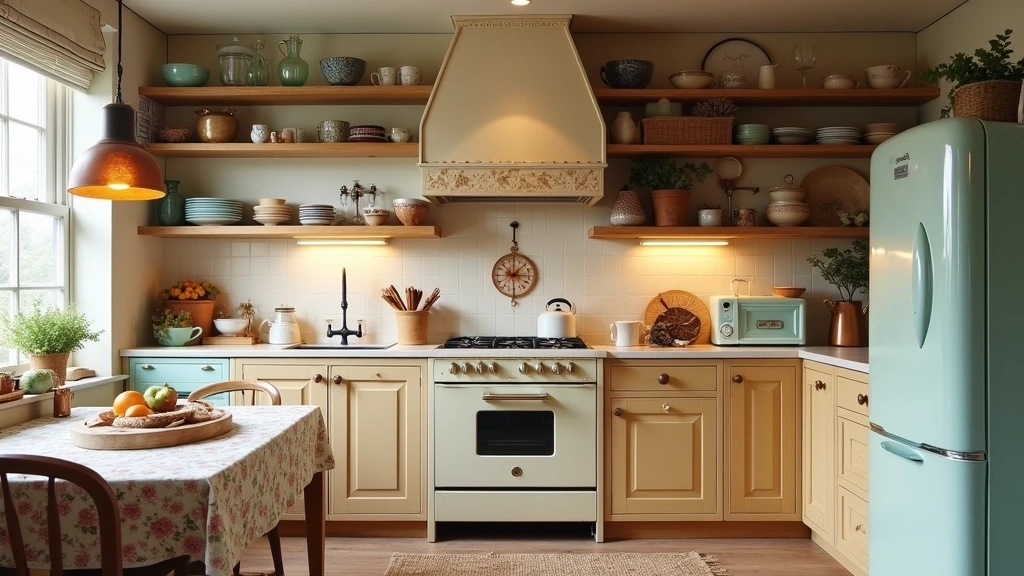
Consider materials like reclaimed wood, which brings character and history to modern spaces. Or vintage fixtures that add personality without overwhelming contemporary elements. The key is using these nostalgic touches thoughtfully, ensuring they enhance rather than distract from the overall vision.
Research shows that people feel more connected to spaces that incorporate familiar elements. A study published in the Journal of Environmental Psychology found that homes with nostalgic elements created stronger emotional bonds with their inhabitants. This emotional connection makes the space feel less like a renovation and more like a continuation of life itself.
Modern Marvels: Embracing Technological Advancements
Innovation in kitchen design has evolved far beyond simple appliances. Today’s smart kitchens integrate seamlessly with daily routines while maintaining aesthetic appeal. Smart refrigerators that track inventory and suggest recipes? Check. Touchless faucets that activate with motion sensors? Absolutely. Voice-activated lighting systems that adjust based on time of day? You bet.
But innovation isn’t just about high-tech gadgets. It’s also about clever solutions that improve daily life. Pull-out trash bins that stay hidden until needed, built-in charging stations that blend into cabinetry, or even smart lighting that mimics natural daylight patterns. These features make kitchens more functional while staying unobtrusive.
The trick lies in selecting technology that enhances rather than dominates the space. Choose devices that serve a clear purpose and complement existing design elements rather than forcing themselves into the aesthetic.
Material Marriage: Blending Old and New Materials
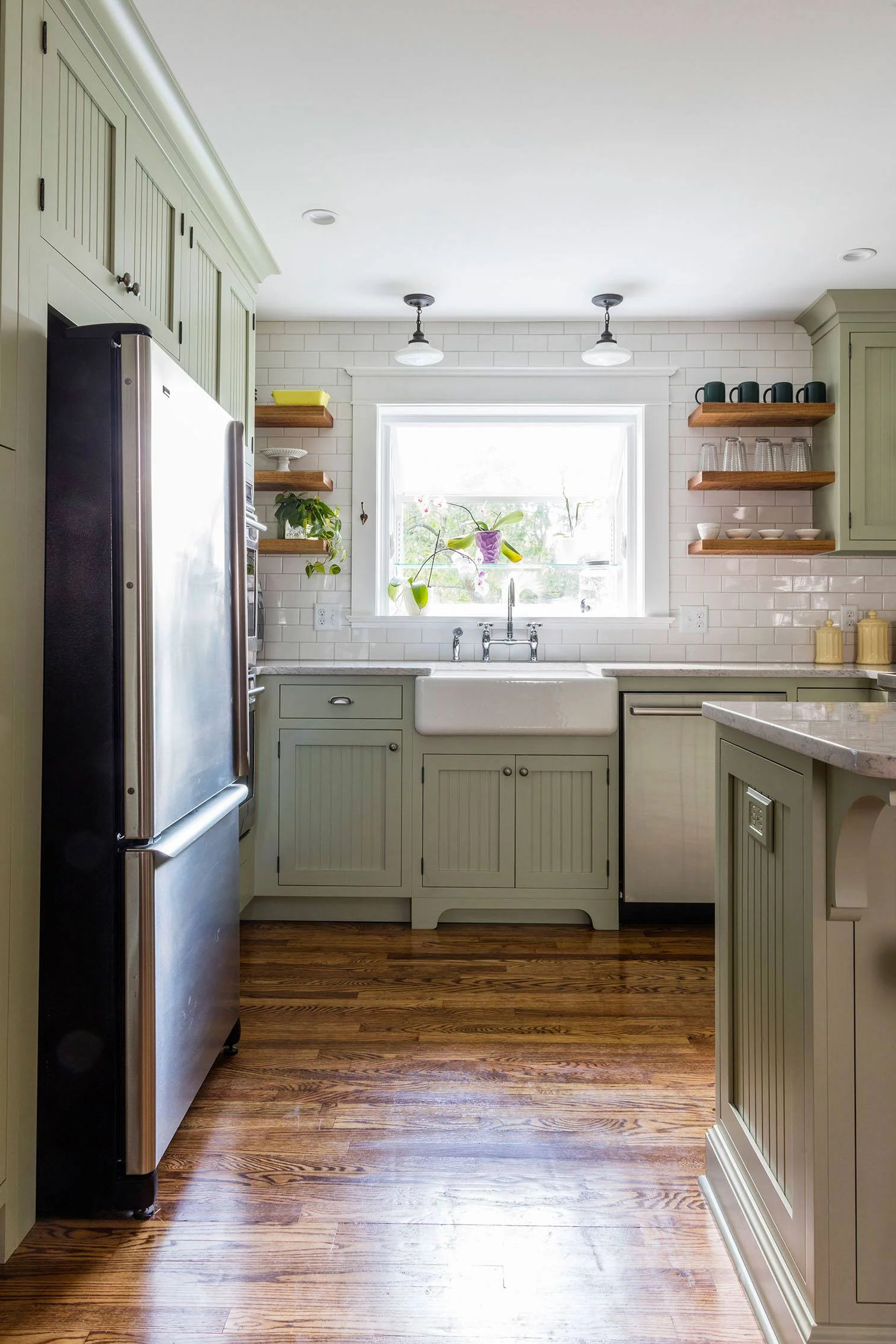
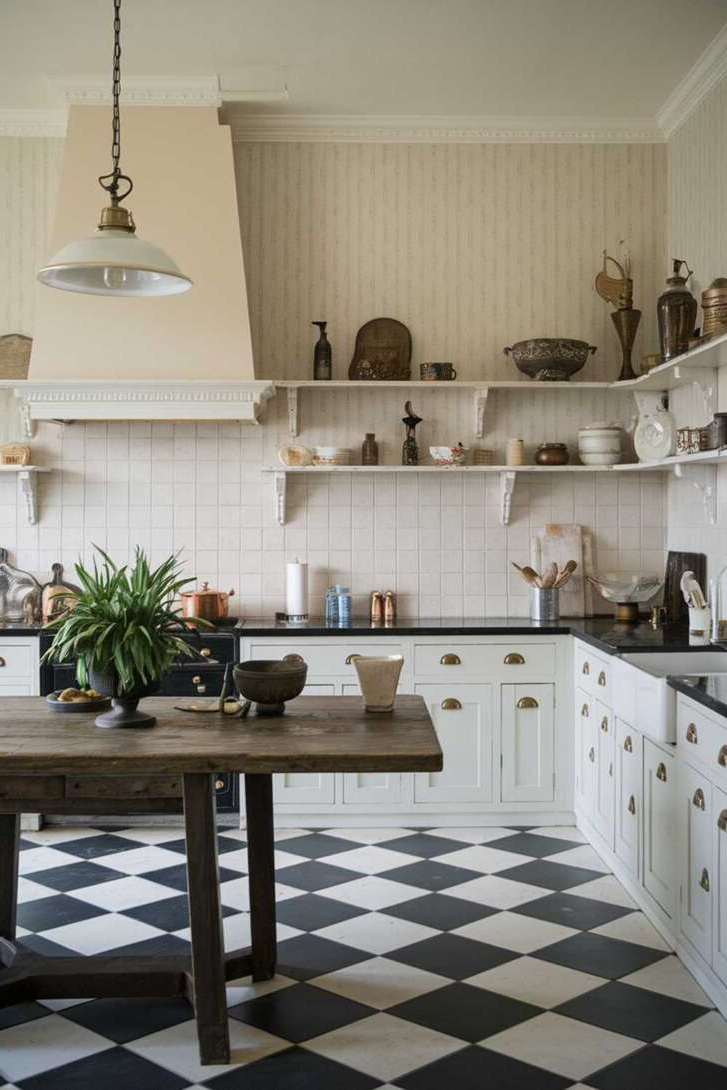
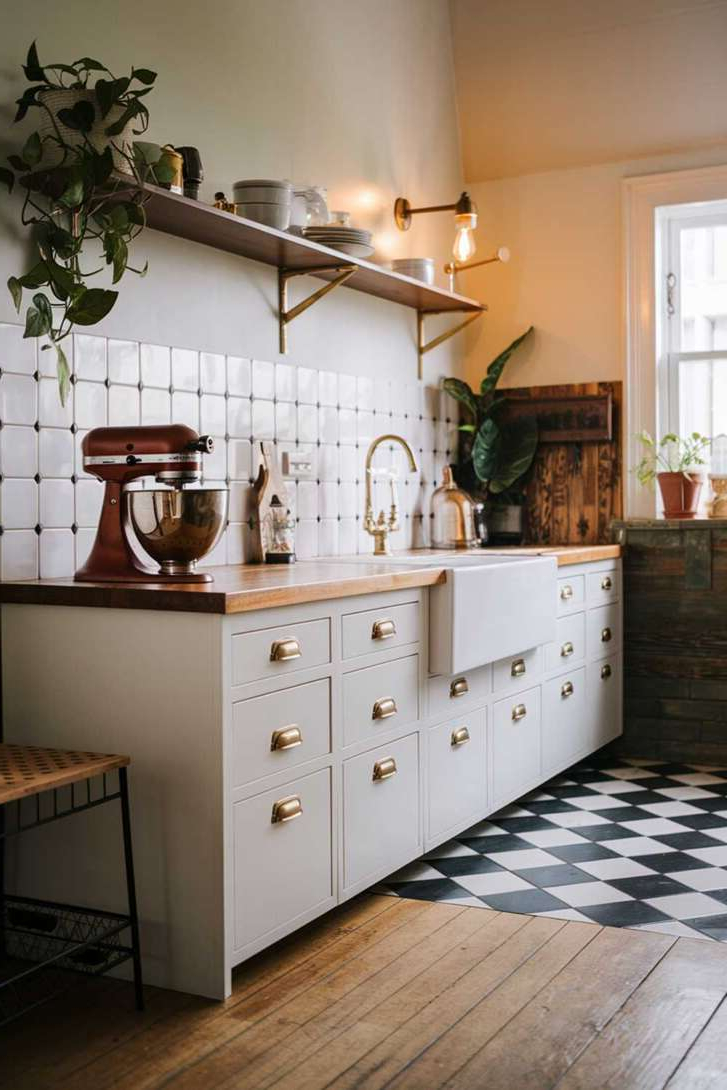
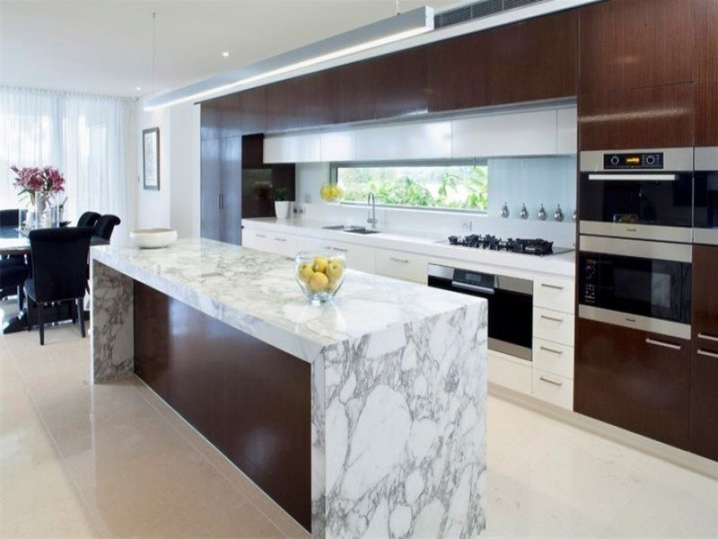
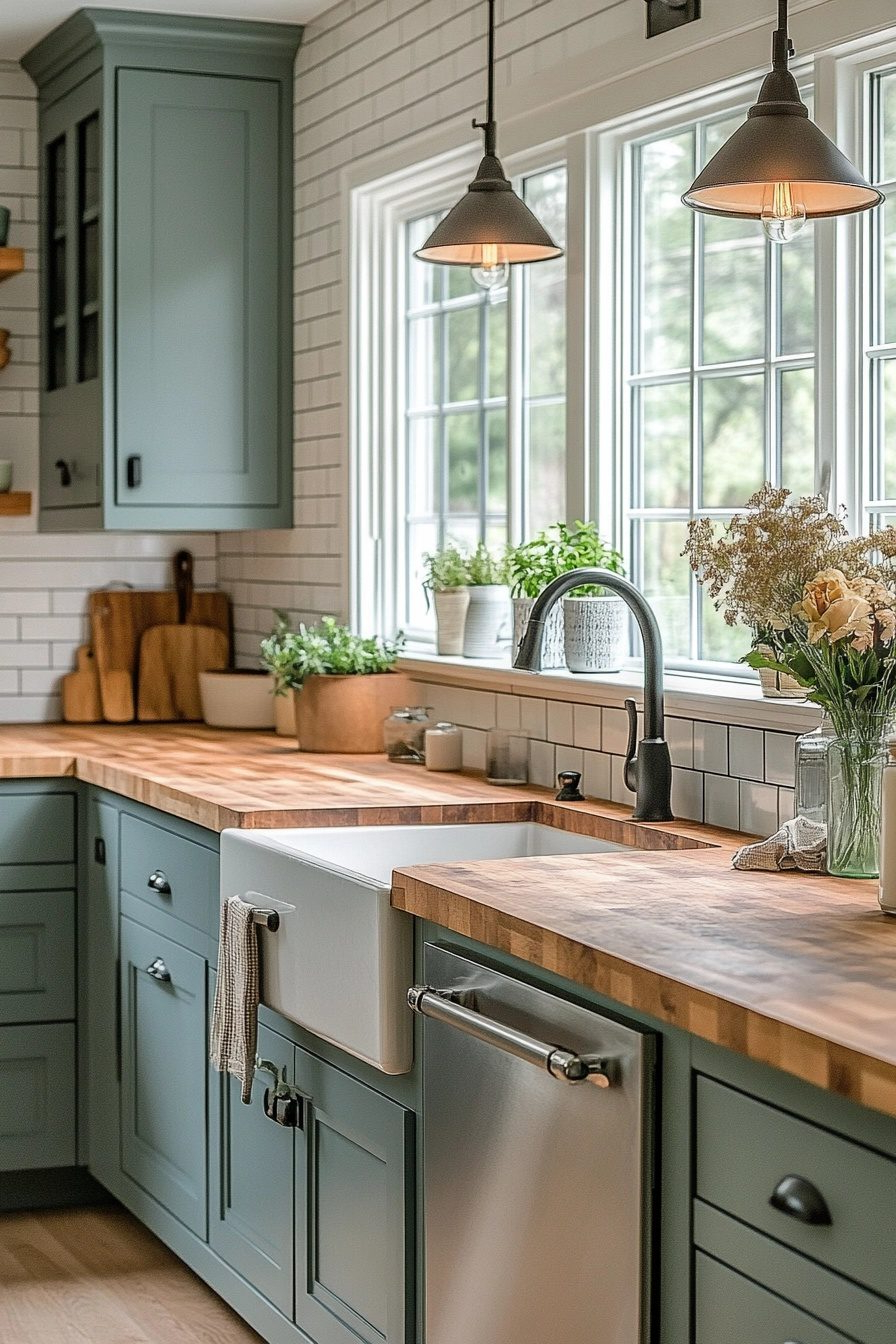
One of the most effective ways to balance nostalgia and innovation is through thoughtful material selection. Imagine a kitchen featuring classic stone countertops paired with sleek, modern hardware. Or perhaps a vintage-inspired backsplash that complements contemporary cabinetry.
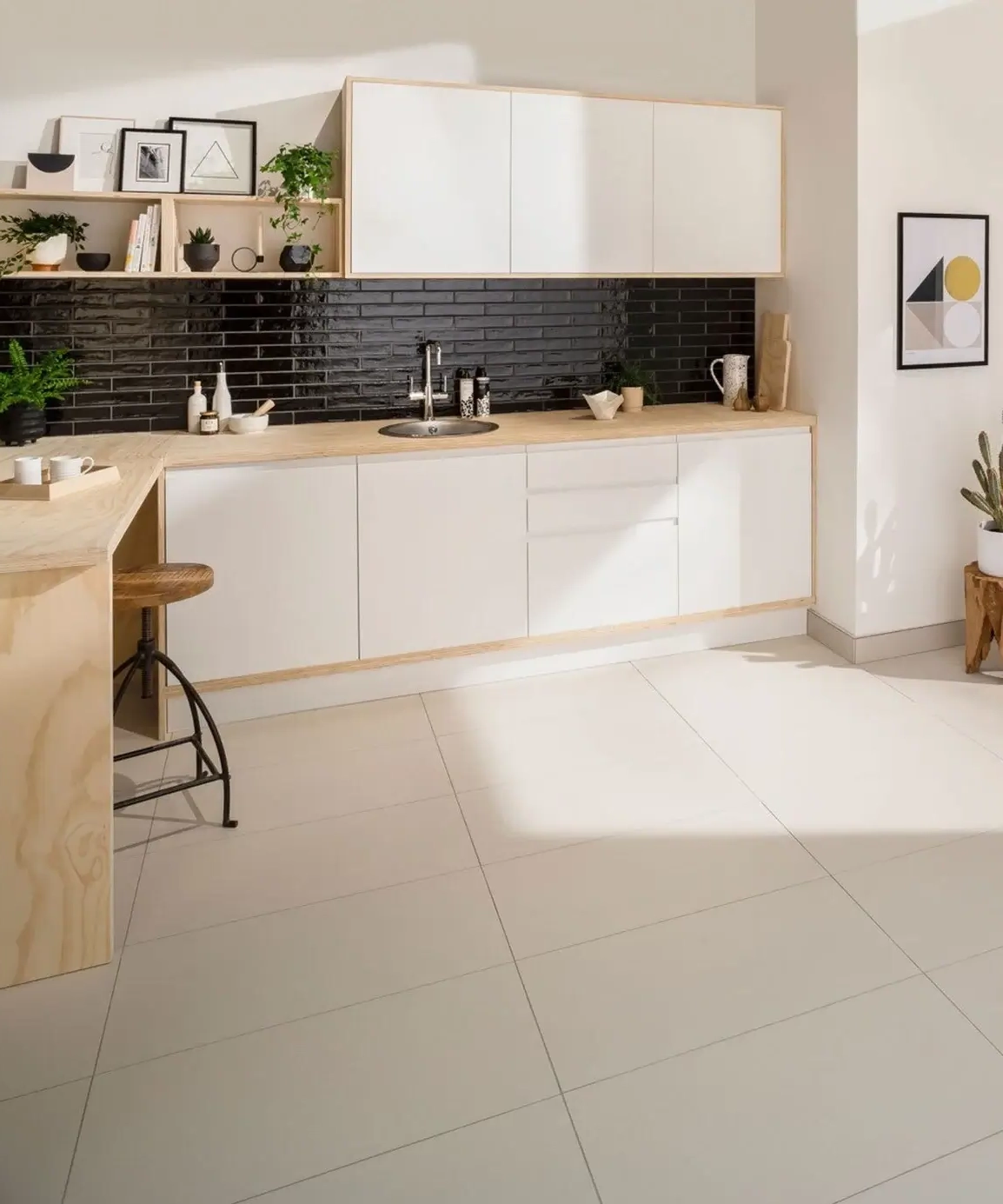
Natural materials often bridge this gap beautifully. Stone and wood, for instance, carry inherent warmth and character that can soften modern lines. Consider using reclaimed timber for accent walls or beams that add historical weight to a contemporary space. Meanwhile, materials like stainless steel or glass bring clean, modern sophistication.
The key is understanding how different textures and finishes interact. Smooth, polished surfaces can contrast nicely with rougher, more organic materials. But the contrast should feel intentional and harmonious, not jarring or mismatched.
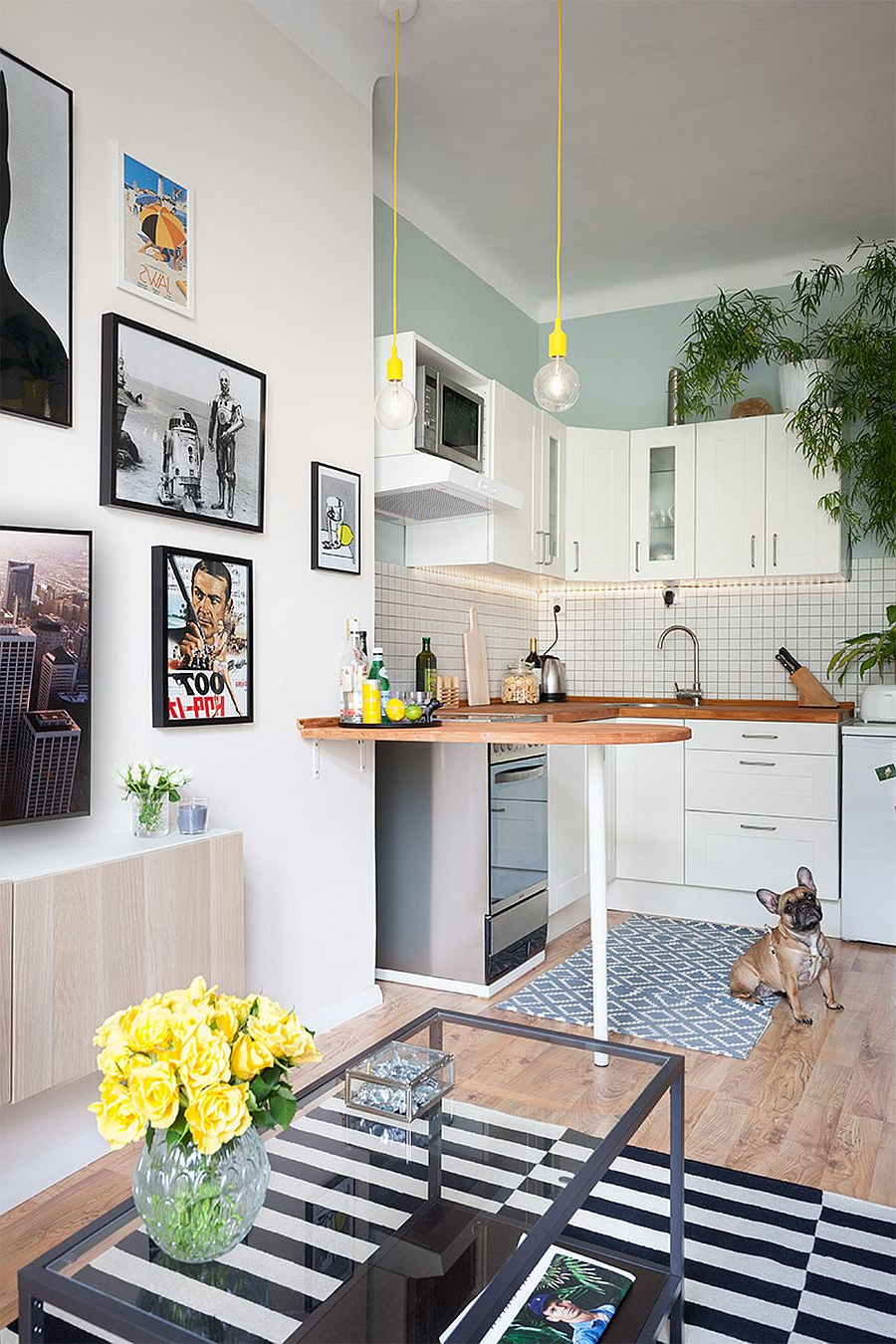
Real-world examples abound. A homeowner might choose a classic subway tile backsplash but install LED strips behind it for modern illumination. Or they might use traditional wood cabinets but incorporate modern drawer pulls and handles that reflect current trends.
Color Storytelling: Harmonizing Past and Future
Colors play a crucial role in creating that seamless blend between old and new. Neutral palettes like warm whites, soft grays, and earth tones provide a canvas that easily accommodates both nostalgic and contemporary elements. These colors help create visual continuity, making it easier to layer different design styles.
Think about how classic kitchen colors like sage green or deep navy blue can be used in small doses to create focal points. These hues carry historical significance and can anchor a space while still feeling fresh when paired with modern accents.
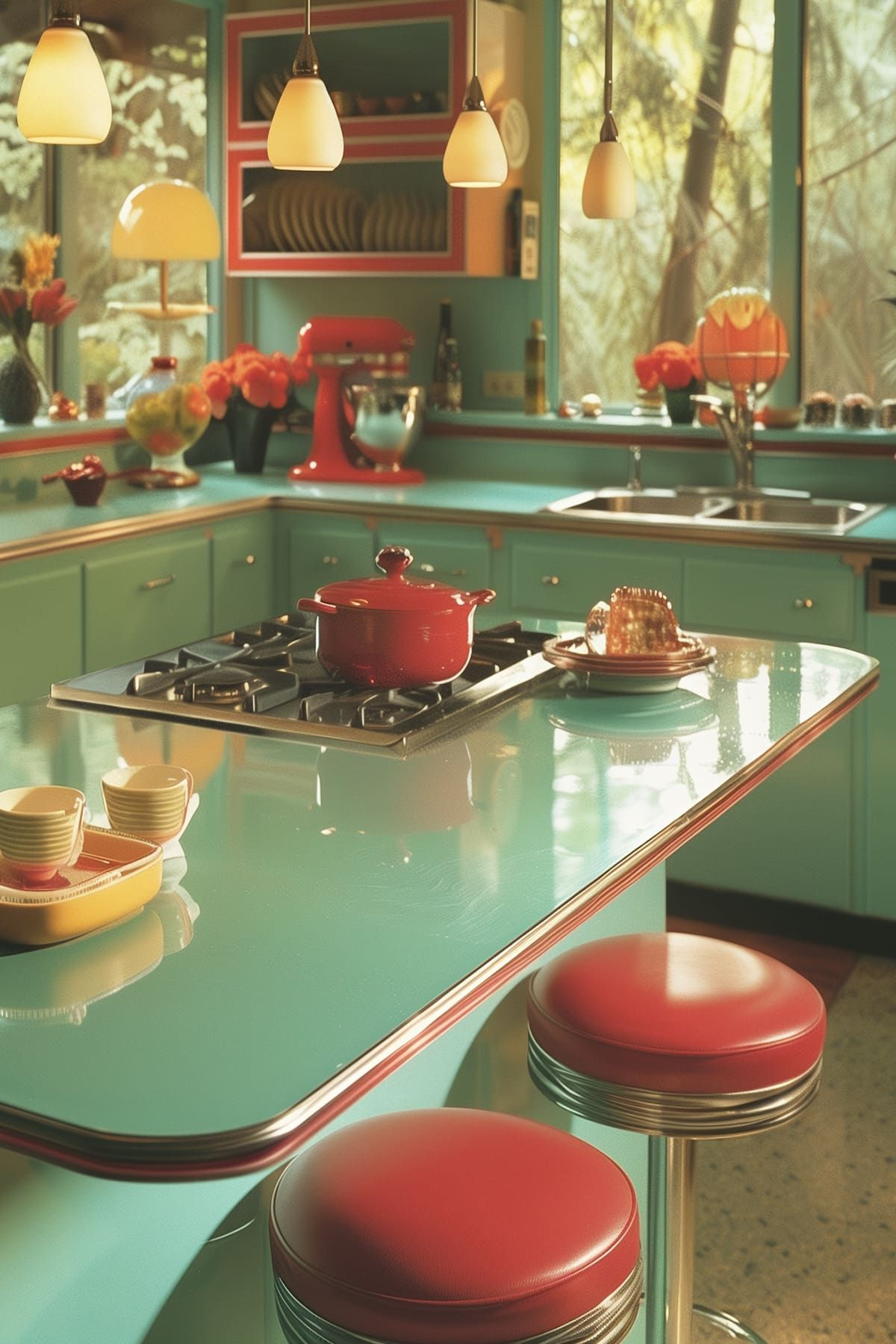
Another approach involves using color to define different zones within the kitchen. Perhaps a vintage-style island is painted in a rich, traditional color while the surrounding cabinetry remains neutral. This creates visual interest without overwhelming the senses.
Consider how lighting affects color perception. Natural light changes throughout the day, altering how colors appear. This dynamic quality can actually enhance the nostalgic feeling, as it reminds us of how light and shadow played differently in earlier eras.
Functional Fusion: Making Both Worlds Work Together
The true test of successful kitchen design lies in functionality. A space that looks great but doesn’t work well is ultimately frustrating. The best designs consider both nostalgic comfort and modern efficiency.
Storage solutions offer excellent opportunities for this fusion. Traditional cabinet styles can house modern organizational systems. Think about deep drawers with dividers that keep utensils neatly arranged, or pull-out shelves that maximize storage space while maintaining classic proportions.
Workflow patterns also benefit from this dual approach. Time-tested layouts that worked for generations can be enhanced with modern conveniences. A traditional prep area might include a cutting board that slides out for easy access, or a sink positioned for optimal efficiency while maintaining its classic shape.
Don’t overlook the importance of accessibility. Modern design principles often emphasize universal access, making kitchens usable for people of all ages and abilities. This inclusive approach naturally bridges generational gaps and ensures everyone can enjoy the space.
Practical Tips for Your Own Kitchen Journey
Ready to apply these concepts to your own space? Here are some actionable steps:
• Start with what you love about your current kitchen. What elements make it feel like home?
• Identify one nostalgic element you want to preserve or highlight
• Choose one modern feature that would genuinely improve your daily routine
• Plan how these two elements can coexist without competing for attention
• Consider hiring a designer who understands both traditional and contemporary approaches
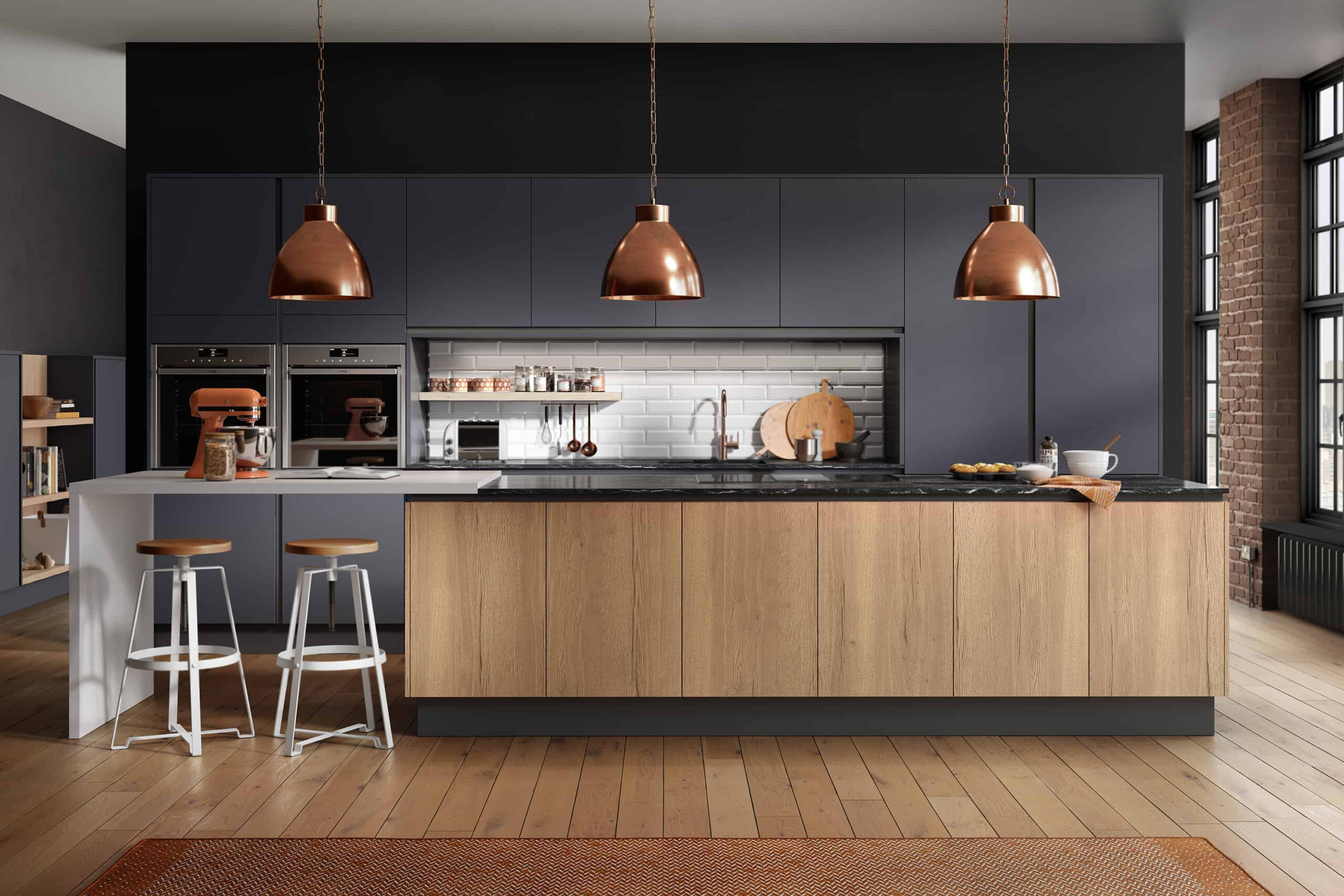
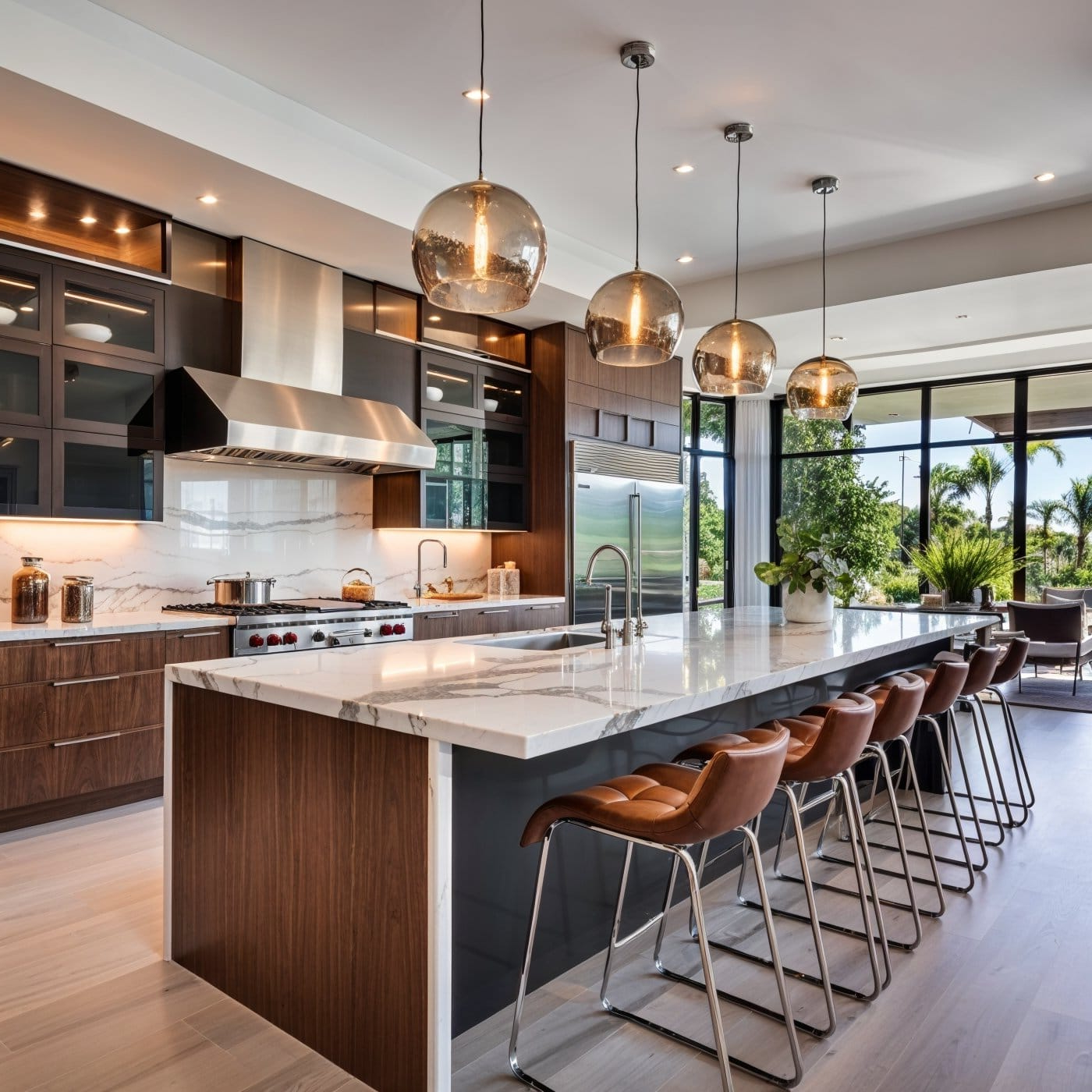
Remember that the goal isn’t perfection—it’s harmony. Small touches matter more than grand gestures. A vintage spice rack paired with modern appliances, or a classic pendant light above a contemporary island, can create beautiful tension.
Also, don’t forget to consider your lifestyle. If you’re a busy parent, prioritize functionality over aesthetics. If you entertain frequently, focus on social spaces that connect past and present. The best kitchen renovations reflect who you are, not just what you think looks good.
Balancing nostalgia and innovation in kitchen renovations isn’t about choosing sides—it’s about creating something entirely new. It’s about honoring the past while building for the future, making spaces that feel both familiar and fresh. The most successful kitchens are those that embrace this duality, where every element tells a story of evolution rather than replacement.
Whether you’re restoring a family heirloom or designing from scratch, remember that the best kitchen designs are those that feel like a continuation of life itself. They should make you smile when you walk in, inspire you to cook, and remind you of the moments that make home feel like home. The key is to let your personal story guide the design process, ensuring that every choice reflects your unique journey and values.
[sps_html tag=”img” src=”https://roofdrivein.com/wp-content/uploads/2026/01/modern-vintage-kitchen-bright-ideas-by-martinec-pertaining-to-balancing-nostalgia-and-innovation-in-today039s-kitchen-renovation-projects.jpg” alt=”Modern Vintage Kitchen — Bright Ideas By Martinec pertaining to Balancing nostalgia and innovation in today's kitchen renovation projects” style=”width: 100%; height: auto;”]
[sps_html tag=”img” src=”https://roofdrivein.com/wp-content/uploads/2026/01/22-modern-vintage-kitchen-decor-ideas-for-a-timeless-look-intended-for-balancing-nostalgia-and-innovation-in-today039s-kitchen-renovation-projects.jpg” alt=”22 Modern Vintage Kitchen Decor Ideas For A Timeless Look intended for Balancing nostalgia and innovation in today's kitchen renovation projects” style=”width: 100%; height: auto;”]
[sps_html tag=”img” src=”https://roofdrivein.com/wp-content/uploads/2026/01/29-vintage-modern-kitchen-ideas-for-a-stylish-and-timeless-space-my-intended-for-balancing-nostalgia-and-innovation-in-today039s-kitchen-renovation-projects.jpeg” alt=”29 Vintage Modern Kitchen Ideas For A Stylish And Timeless Space - My … intended for Balancing nostalgia and innovation in today's kitchen renovation projects” style=”width: 100%; height: auto;”]
[sps_html tag=”img” src=”https://roofdrivein.com/wp-content/uploads/2026/01/22-modern-vintage-kitchen-decor-ideas-for-a-timeless-look-in-balancing-nostalgia-and-innovation-in-today039s-kitchen-renovation-projects.jpg” alt=”22 Modern Vintage Kitchen Decor Ideas For A Timeless Look in Balancing nostalgia and innovation in today's kitchen renovation projects” style=”width: 100%; height: auto;”]
[sps_html tag=”img” src=”https://roofdrivein.com/wp-content/uploads/2026/01/16-dreamy-modern-vintage-kitchen-ideas-youll-fall-in-love-with-wait-regarding-modern-vintage-kitchen-ideas.webp” alt=”16 Dreamy Modern Vintage Kitchen Ideas You’ll Fall In Love With (Wait … regarding Modern Vintage Kitchen Ideas” style=”width: 100%; height: auto;”]