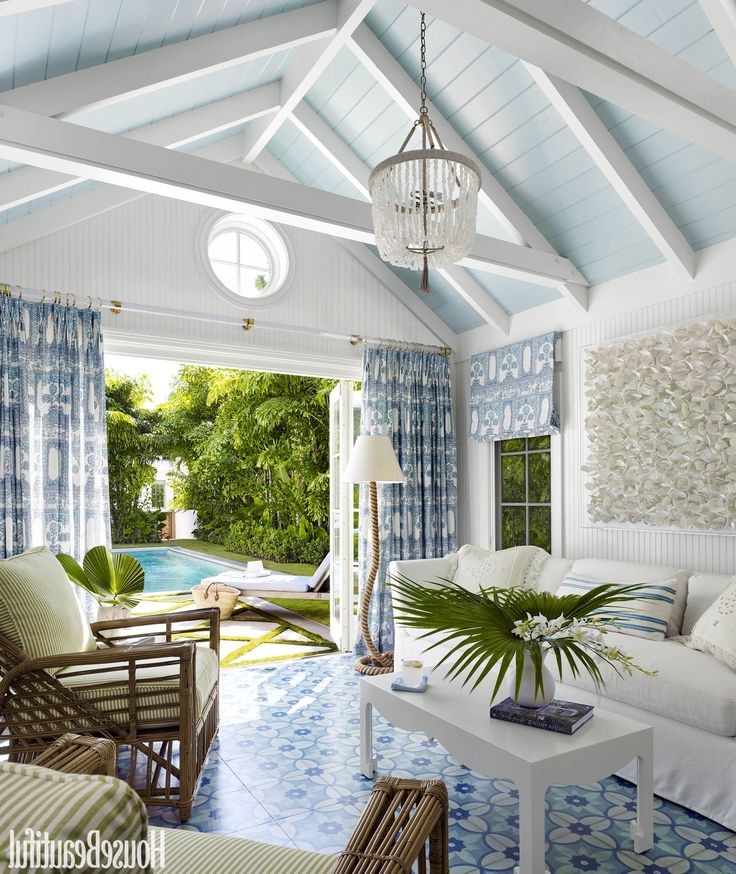
Picture this: you’re standing beside a sparkling pool, surrounded by a beautifully designed structure that serves both as a functional space and a stunning architectural feature. That’s exactly what modern pool house design aims to achieve. It’s not just about building something that looks good – though that’s important – but creating spaces that work flawlessly while pleasing the eye.
Pool houses have evolved far beyond simple storage sheds. Today’s designs represent a marriage between utility and visual appeal that can transform your outdoor living experience. Whether you’re planning a new construction or renovating an existing space, understanding how to balance functionality and aesthetics is crucial. Think about it – you want a place where guests can relax, store equipment, and enjoy privacy, all while maintaining an elegant appearance that complements your home. This delicate balance isn’t always easy to achieve, but when done right, it creates spaces that truly enhance your property’s value and lifestyle.
Understanding Modern Pool House Needs
Before diving into design elements, it’s essential to recognize what today’s pool houses actually require. These aren’t just places to stash towels anymore. They serve multiple purposes that demand thoughtful consideration.
• Storage for pool equipment, furniture, and seasonal items
• Comfortable areas for guests and family members
• Privacy from neighbors and passersby
• Climate control solutions for year-round usability
• Integration with existing home architecture
The key insight here is that successful pool houses must address both daily practical concerns and long-term aesthetic goals. A well-designed space will feel like an extension of your main residence rather than an afterthought.
Key Functional Elements to Consider
Functionality starts with understanding the core requirements of your intended use. Every element should serve a purpose while contributing to overall design harmony.
Storage Solutions:
- Built-in shelving systems that match the architectural style
- Climate-controlled areas for sensitive equipment
- Easy access to frequently used items
Comfort Features:
- Adequate lighting for evening use
- Ventilation systems that manage humidity
- Seating areas that encourage socializing
Privacy and Security:
- Strategic window placement
- Landscaping integration
- Access control mechanisms
These features might seem basic, but they form the foundation upon which all aesthetic choices are built. Without proper function, even the most beautiful design falls flat.
Aesthetic Principles That Work
Aesthetics in pool house design go beyond paint colors and decorative elements. They involve creating visual harmony that feels intentional and cohesive.
Material Selection:
- Natural wood grain finishes that complement your home’s exterior
- Weather-resistant materials that maintain their appearance over time
- Contrasting textures that add visual interest
Color Schemes:
- Neutral tones that blend with surrounding landscape
- Accent colors that tie into existing architectural elements
- Consideration of how colors change in different lighting conditions
Architectural Details:
- Proportions that mirror your main house design
- Symmetrical or asymmetrical layouts that create visual balance
- Roof styles that complement your existing architecture
The magic happens when these elements work together rather than competing with each other.
Designing for Year-Round Usability
Modern pool houses are expected to serve multiple seasons, not just summer months. This requires thoughtful planning for climate considerations and seasonal changes.
Climate Control:
- Heating systems that don’t compromise the aesthetic
- Cooling solutions that remain unobtrusive
- Insulation that maintains comfort without bulky additions
Seasonal Adaptations:
- Covered areas for rainy weather use
- Outdoor fire features for cooler evenings
- Flexible spaces that can accommodate changing needs
Lighting Considerations:
- Ambient lighting for evening gatherings
- Task lighting for practical activities
- Accent lighting that highlights architectural features
This approach ensures your investment continues to provide value throughout the entire year.
Practical Layout Planning
Effective layout planning transforms a good idea into a usable reality. The arrangement of spaces within your pool house directly impacts how well it functions.
Zoning Strategies:
- Separating high-traffic areas from quiet zones
- Creating distinct spaces for different activities
- Ensuring logical flow between rooms
Space Optimization:
- Multi-purpose furniture that adapts to various needs
- Efficient storage solutions that maximize limited space
- Flexible layouts that can evolve with changing requirements
Accessibility Considerations:
- Clear pathways for movement
- Appropriate door widths for equipment transport
- Safety features for all users
Good planning prevents costly mistakes later and makes your space feel thoughtfully designed.
Integration with Existing Architecture
The most successful pool houses don’t look like they were added on – they seem like they’ve always been part of the property. This integration requires careful attention to several factors.
Visual Continuity:
- Matching roof materials and colors
- Complementing window styles and placements
- Maintaining consistent proportions
Material Harmony:
- Using similar textures in both structures
- Choosing complementary color palettes
- Ensuring similar maintenance requirements
Functional Synergy:
- Connecting indoor and outdoor spaces smoothly
- Creating seamless transitions between areas
- Maintaining the overall architectural flow
When your pool house feels like a natural continuation of your main home, it elevates the entire property’s character and value.
Budget Considerations and Value Enhancement
Understanding how to allocate your budget effectively helps ensure maximum return on investment while meeting both functional and aesthetic goals.
Cost Prioritization:
- Essential features that cannot be compromised
- Aesthetic improvements that provide lasting satisfaction
- Maintenance costs that affect long-term value
Value-Adding Features:
- Quality materials that reduce future replacement costs
- Energy-efficient systems that lower ongoing expenses
- Design elements that increase property appeal
Long-Term Planning:
- Considering how trends may affect design choices
- Selecting versatile elements that remain appealing over time
- Building flexibility for future modifications
Smart budget allocation means investing in areas that provide both immediate satisfaction and long-term benefits.
Real-World Examples and Inspiration
Looking at actual examples provides practical insights into how these principles translate into real spaces.
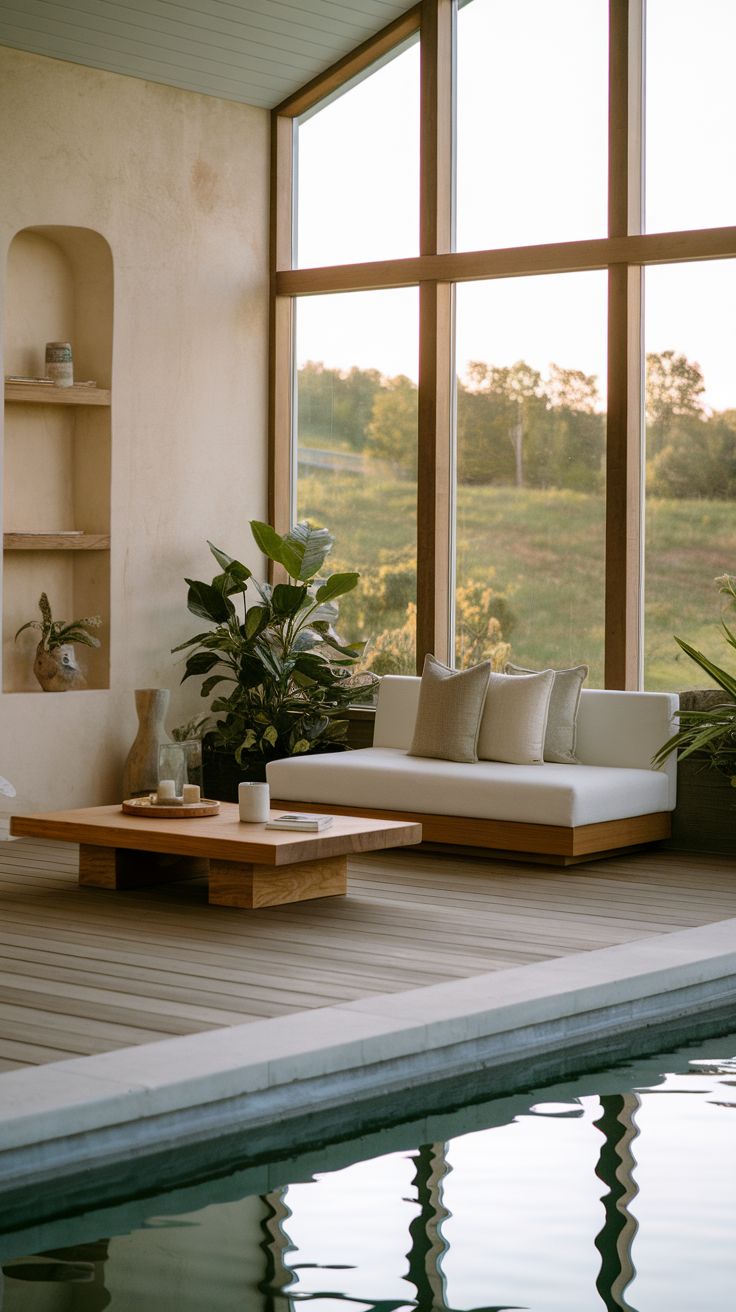
Case Study 1: Modern Minimalist Approach
- Clean lines and simple geometric shapes
- Natural wood accents against neutral backgrounds
- Strategic lighting that creates atmosphere
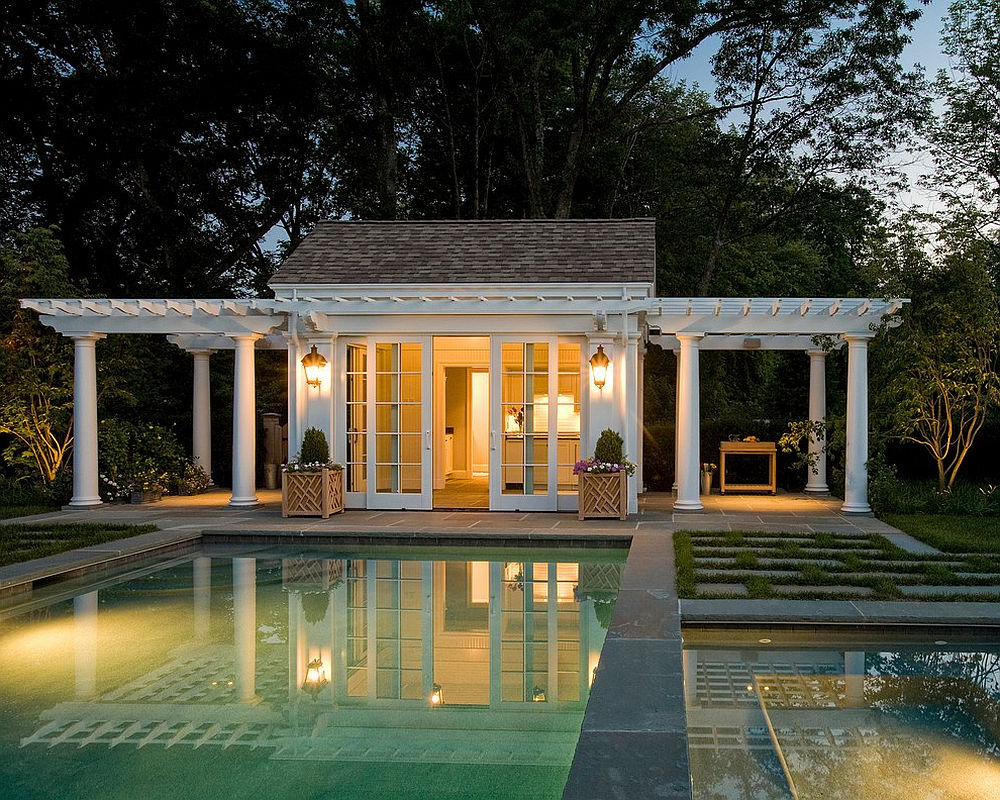
Case Study 2: Traditional Revival Style
- Classic proportions and symmetrical layouts
- Period-appropriate materials and finishes
- Integration with mature landscaping
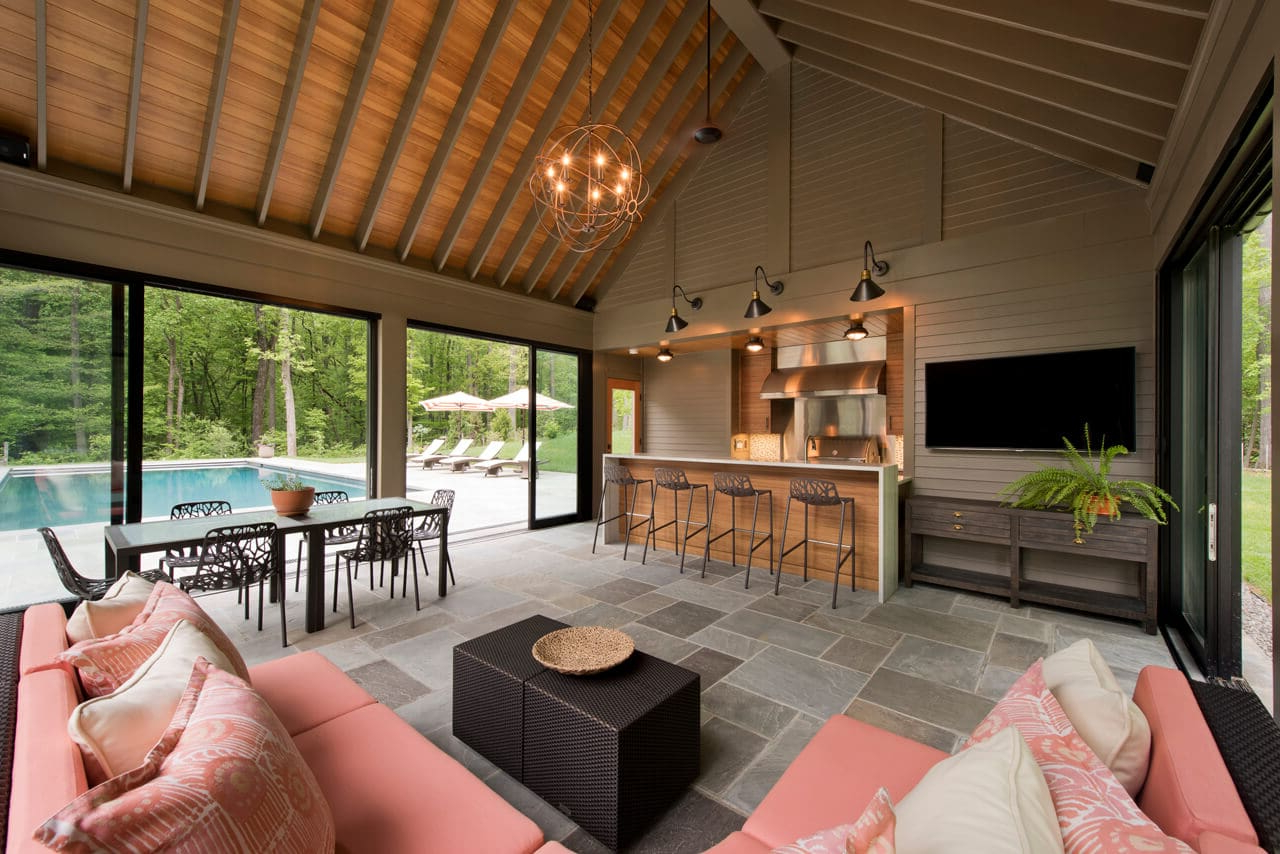
Case Study 3: Contemporary Fusion Design
- Bold architectural statements
- Mixed material combinations
- Technology integration that remains subtle
These examples show how different approaches can successfully balance function and beauty while addressing unique site conditions and personal preferences.
Common Mistakes to Avoid
Even experienced designers sometimes fall into traps that compromise either functionality or aesthetics. Awareness of these pitfalls helps ensure better outcomes.
Overlooking Practical Needs:
- Assuming guests won’t need storage space
- Ignoring accessibility requirements
- Underestimating seasonal usage needs
Aesthetic Choices That Compromise Functionality:
- Beautiful but impractical storage solutions
- Decorative elements that create safety hazards
- Design features that don’t suit local climate
Ignoring Long-Term Maintenance:
- Choosing materials that require excessive upkeep
- Designs that become difficult to clean or repair
- Architectural elements that attract pests or moisture
Avoiding these issues leads to spaces that serve their purpose well while remaining visually appealing.
Final Thoughts on Design Success
The most satisfying pool house designs result from thoughtful consideration of both what the space needs to do and how it should look. When you approach the project with this dual perspective, you create something that enhances your lifestyle and property value. The process involves balancing numerous elements – from practical storage needs to aesthetic preferences – while ensuring everything works harmoniously together.
Success comes from understanding that these aspects aren’t opposing forces but complementary elements that strengthen each other when properly integrated. The end result is a space that feels like a true extension of your home, serving its purpose beautifully while contributing to your property’s overall character and appeal.
Designing a pool house that balances functionality and aesthetics isn’t just about creating a pretty structure – it’s about crafting a space that truly enhances your life and property. The journey involves understanding your practical needs while embracing design principles that create lasting visual appeal. By considering everything from storage solutions to architectural integration, you can avoid common pitfalls and build something that serves you well for years to come.
Remember, the best pool houses don’t just exist in your backyard – they become an integral part of your outdoor living experience, offering both comfort and beauty in equal measure. With careful planning and thoughtful execution, your pool house can be more than just a building – it can be a masterpiece of modern outdoor living.