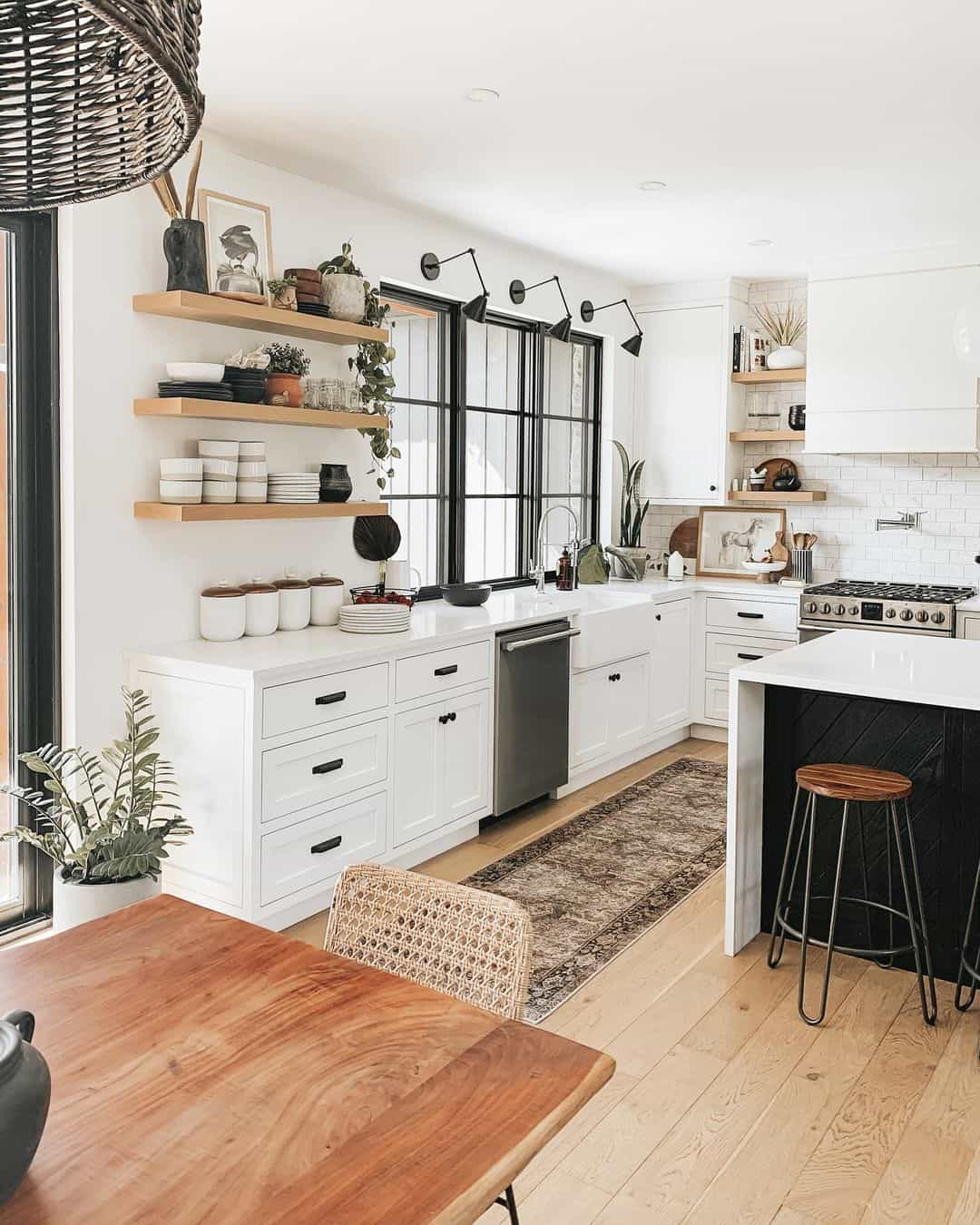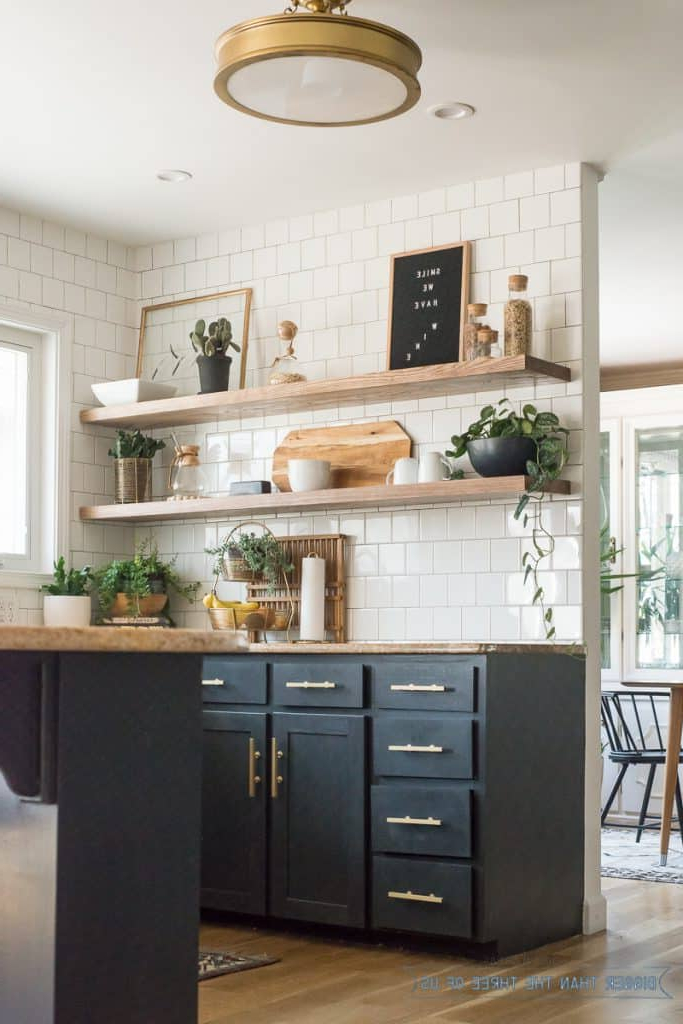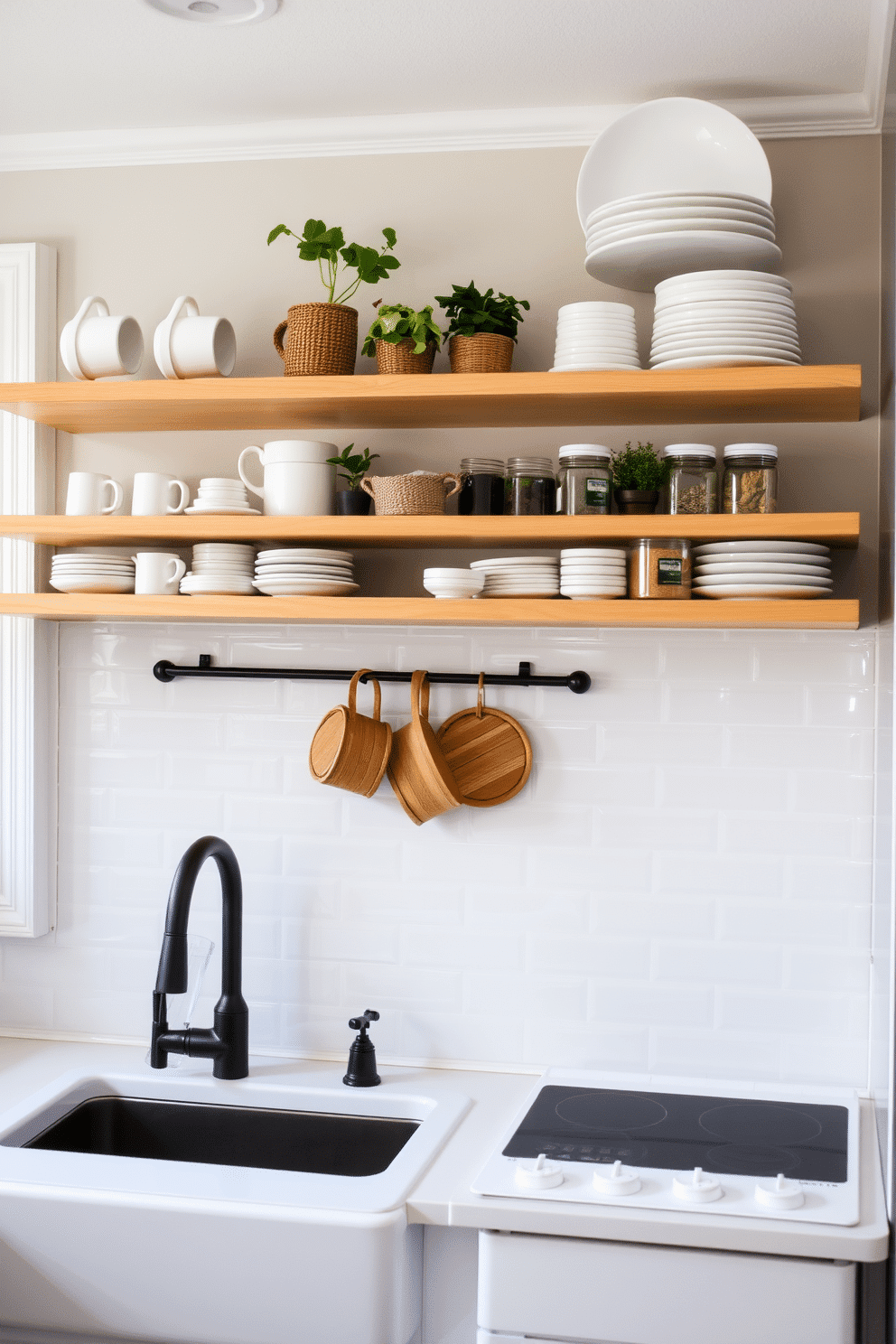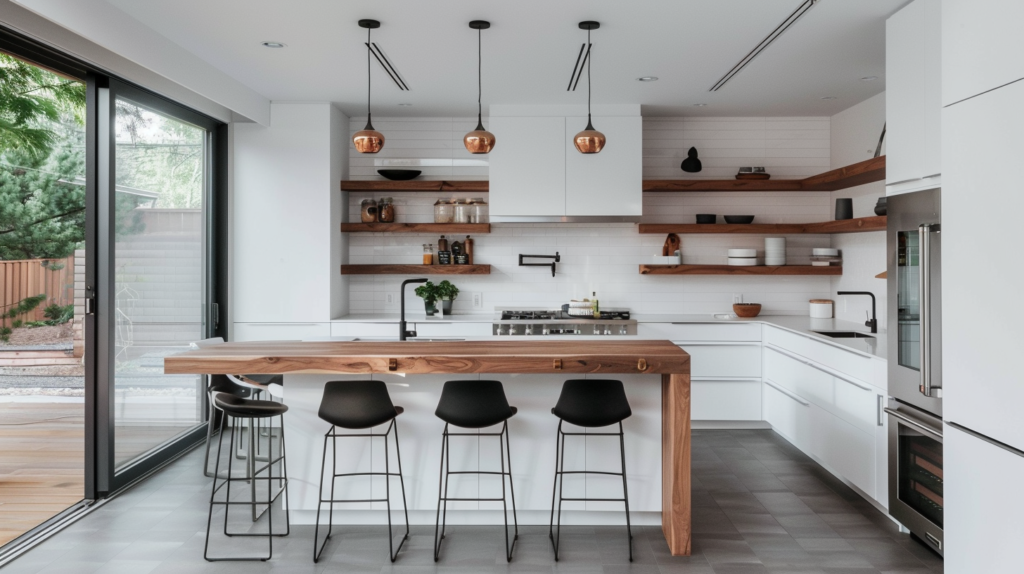
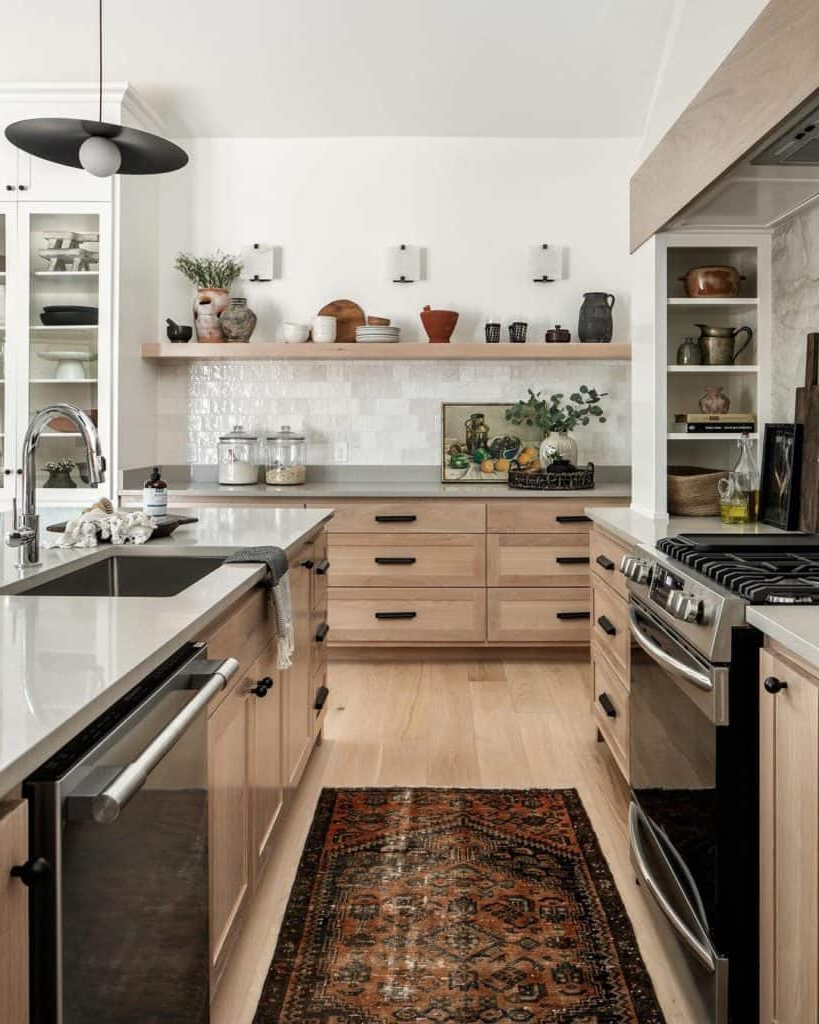
Picture this: you’re standing in your kitchen, admiring those sleek, open shelves that showcase everything from coffee mugs to spice jars. The aesthetic appeal is undeniable. But then you notice how much clutter has built up, or worse, how some items are just… hard to reach. That’s the eternal struggle with open shelving. It’s not just about looking good—it’s about making your space work for you.
Open shelving has become a major trend in modern kitchen design. It brings a sense of lightness, airiness, and personalization that closed cabinets simply can’t match. But here’s the thing—when you go open, you’re essentially putting your entire collection on display. Every dish, every jar, every knick-knack gets scrutinized. The real challenge isn’t just making it look pretty. It’s about creating a system that keeps things organized while still being visually appealing. This balance between form and function is what separates a kitchen that looks like a magazine spread from one that actually works daily.
Understanding the Core Challenge
When we talk about balancing aesthetics and practicality, we’re really talking about managing expectations. People often think open shelves mean ‘anything goes,’ but that’s rarely the case. You want your shelves to feel curated, not chaotic. The challenge lies in selecting items that serve both purposes: they need to be visually pleasing and they need to be functional. Think about it—do you really want to display a collection of mismatched bowls that are all different sizes? Probably not. You want something that looks intentional and well-thought-out. The key is understanding that open shelving is a design choice that requires careful consideration of how you live and work in your space.
Visual Harmony Through Strategic Selection
The first step to achieving that perfect balance is learning how to curate your collection. You don’t just throw stuff on shelves and hope for the best. Instead, focus on visual rhythm and consistency. Here’s how to do it:
• Choose items with similar shapes or colors to create unity
• Mix textures like glass, ceramic, and wood to add interest
• Keep heights consistent or vary them intentionally
• Use the rule of three for grouping items together
• Leave some negative space to avoid overwhelming the eye
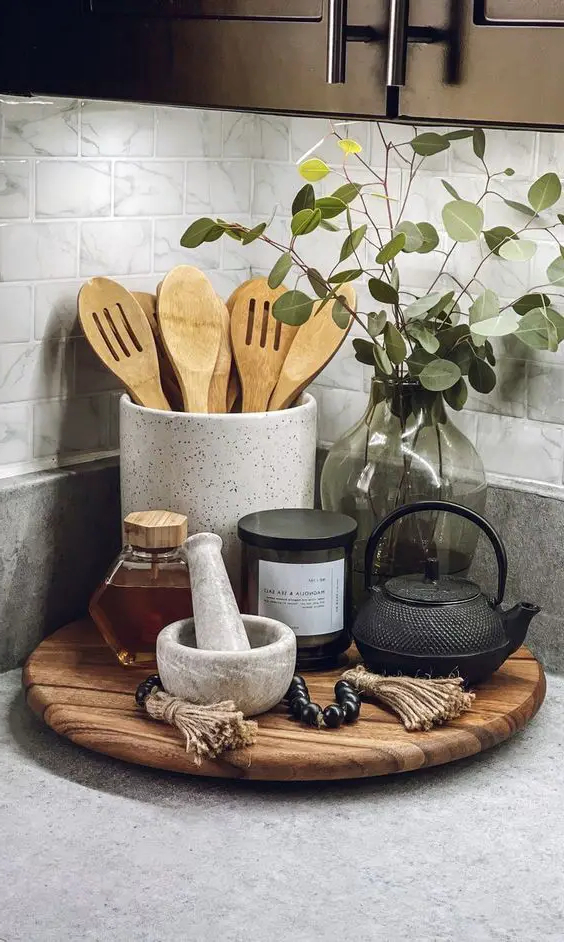
Let’s say you have a collection of mason jars filled with spices. If you arrange them in a row with varying heights and colors, it might look random. But if you group them by color or keep them all the same height, it creates a more cohesive look. The trick is finding that sweet spot where your items look intentional rather than haphazard.
Practical Considerations for Daily Life
Now, let’s get real about what happens when you actually use your kitchen. Open shelves are great for frequently used items, but they require more maintenance. Items that are constantly accessed should be easily reachable and visible. For example, your favorite coffee cups, daily spices, or commonly used cookbooks should be within arm’s reach. But here’s where many people make a mistake—they put everything on display. That’s where practicality comes in.
Consider these practical guidelines:
• Put heavy items low on shelves
• Keep frequently used items at eye level
• Store fragile items higher up
• Group related items together for easy access
• Use baskets or containers to organize smaller items
It’s also worth noting that open shelves are more prone to dust accumulation. So think about how much time you’re willing to spend cleaning them regularly. A kitchen that looks perfect but requires daily dusting might not be sustainable long-term.
The Psychology of Display
What you choose to display says a lot about your personality and lifestyle. Open shelves act as a visual diary of your daily routine and preferences. When you select items that reflect your interests, you’re creating a space that feels uniquely yours. But there’s a fine line between personal expression and visual overwhelm. Too many personal items can make a space feel cluttered and uninviting.
Think about it this way: if someone walked into your kitchen, what would they learn about you from your shelves? Do you want them to know that you’re a coffee enthusiast, that you love vintage cookware, or that you collect unusual pottery? The items you choose to display communicate something about your identity. This is why thoughtful selection matters so much. You want to tell a story that’s engaging and not confusing.
Creating Functional Zones on Your Shelves
One of the most effective ways to manage multiple items on open shelves is to create distinct zones. Think of your shelves like a mini store, with different sections for different purposes. You might have:
• Display zone for decorative items and special collections
• Access zone for everyday essentials
• Storage zone for less frequently used items
• Seasonal zone for rotating displays
This approach helps prevent chaos while maintaining visual interest. For instance, you could place your prized cookbook collection in one area, your daily coffee supplies in another, and your holiday decorations in a third. It’s like having a well-organized closet where everything has its place.
Consider using dividers or small furniture pieces to separate these zones. A simple wooden box or a tiered tray can create boundaries that make your space feel more structured without sacrificing openness.
Maintaining Long-Term Appeal
Here’s the honest truth about open shelves: they require ongoing attention. They won’t stay perfectly organized forever. This means you need to build systems that support regular maintenance. Start by choosing items that are easy to clean and maintain. Avoid delicate items that will show fingerprints or wear easily. Also, consider the durability of your materials.
Some tips for keeping your shelves looking fresh:
• Rotate seasonal items regularly
• Clean shelves monthly with appropriate products
• Reorganize every few months to refresh the look
• Keep a small supply of matching containers for storage
• Update your displays based on your changing needs
The goal isn’t perfection, but consistency. Your shelves should always feel intentional, even if they’re not spotless. Regular maintenance prevents small issues from becoming big problems. And remember, sometimes a slightly messy look can actually be more appealing than a sterile, overly organized appearance.
Balancing aesthetics and practicality in open kitchen shelving isn’t about choosing one over the other. It’s about finding creative solutions that honor both aspects of your daily life. The most successful open shelving setups are those where form follows function in a way that feels natural and effortless. Whether you’re building new or renovating existing spaces, remember that open shelves are a reflection of your lifestyle. They should make your kitchen more enjoyable to use, not more stressful. The key is starting with a clear vision of what you want to achieve and being willing to adapt as your needs change. Your shelves should feel like a celebration of your home and your habits, not a constant source of organization headaches.
[sps_html tag=”img” src=”https://roofdrivein.com/wp-content/uploads/2026/01/25-stylish-open-shelves-kitchen-design-ideas-for-a-modern-home-within-balancing-aesthetics-and-practicality-in-modern-kitchen-open-shelf-configurations.png” alt=”25+ Stylish Open Shelves Kitchen Design Ideas For A Modern Home … within Balancing aesthetics and practicality in modern kitchen open shelf configurations” style=”width: 100%; height: auto;”]
[sps_html tag=”img” src=”https://roofdrivein.com/wp-content/uploads/2026/01/27-timeless-ways-to-add-open-shelving-to-a-kitchen-within-balancing-aesthetics-and-practicality-in-modern-kitchen-open-shelf-configurations.jpg” alt=”27 Timeless Ways To Add Open Shelving To A Kitchen within Balancing aesthetics and practicality in modern kitchen open shelf configurations” style=”width: 100%; height: auto;”]
[sps_html tag=”img” src=”https://roofdrivein.com/wp-content/uploads/2026/01/modern-kitchen-with-wooden-open-shelves-soul-lane-pertaining-to-modern-kitchen-open-shelves.jpg” alt=”Modern Kitchen With Wooden Open Shelves - Soul & Lane pertaining to Modern Kitchen Open Shelves” style=”width: 100%; height: auto;”]
[sps_html tag=”img” src=”https://roofdrivein.com/wp-content/uploads/2026/01/24-modern-open-shelves-kitchen-design-ideas-tips-2024-within-balancing-aesthetics-and-practicality-in-modern-kitchen-open-shelf-configurations.png” alt=”24+ Modern Open Shelves Kitchen Design Ideas & Tips (2024) within Balancing aesthetics and practicality in modern kitchen open shelf configurations” style=”width: 100%; height: auto;”]
[sps_html tag=”img” src=”https://roofdrivein.com/wp-content/uploads/2026/01/modern-white-kitchen-with-open-wooden-shelves-soul-lane-within-balancing-aesthetics-and-practicality-in-modern-kitchen-open-shelf-configurations.jpg” alt=”Modern White Kitchen With Open Wooden Shelves - Soul & Lane within Balancing aesthetics and practicality in modern kitchen open shelf configurations” style=”width: 100%; height: auto;”]