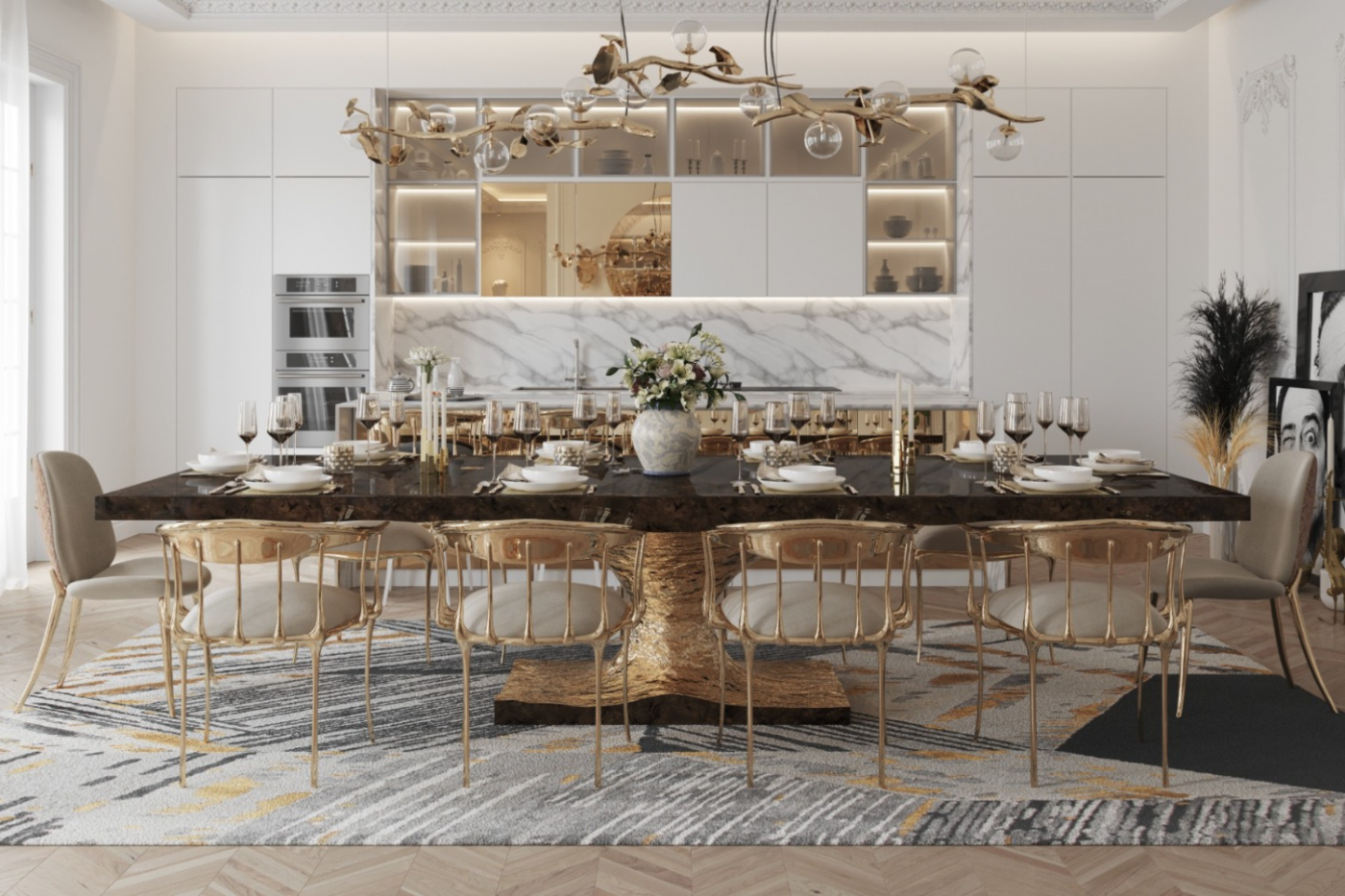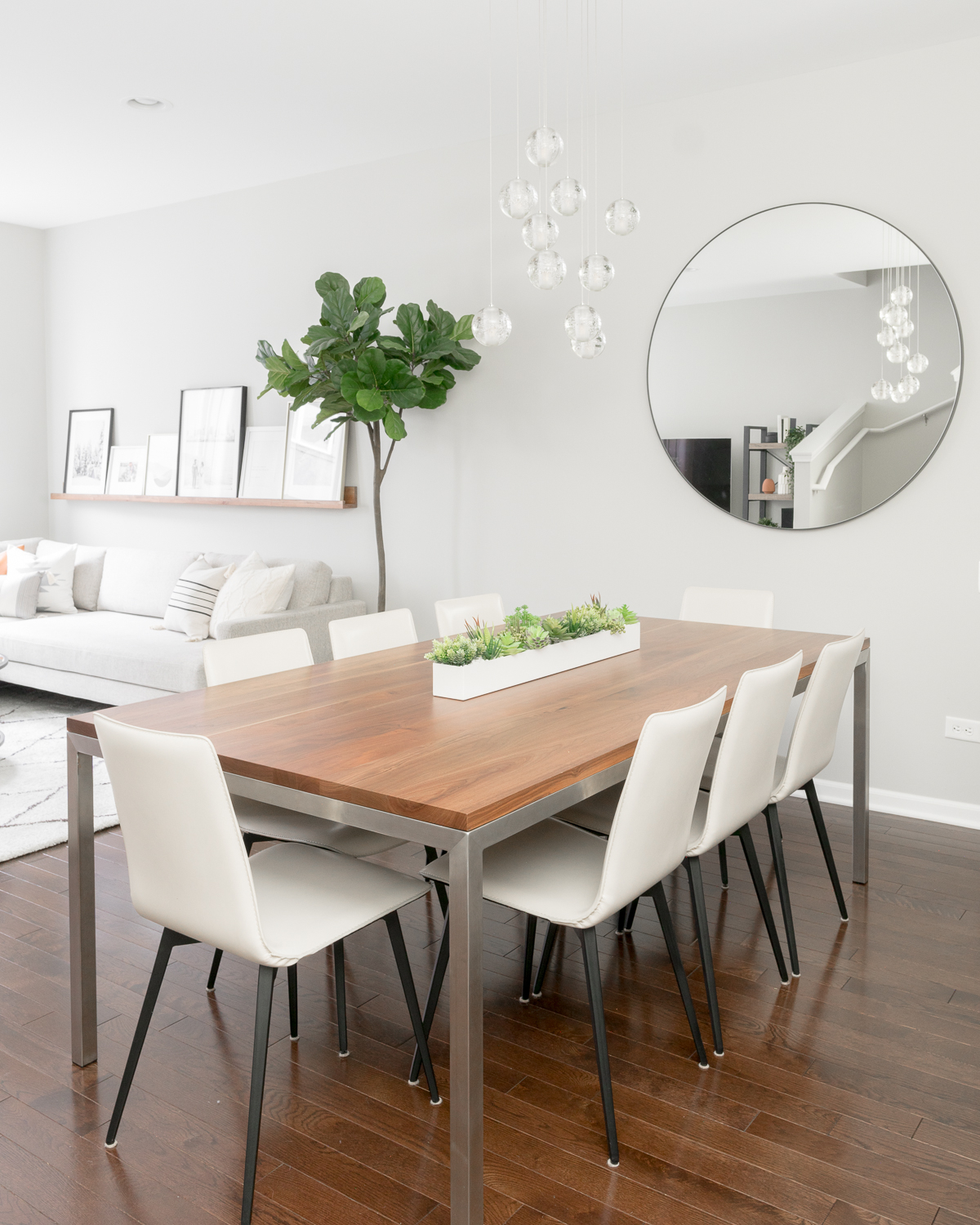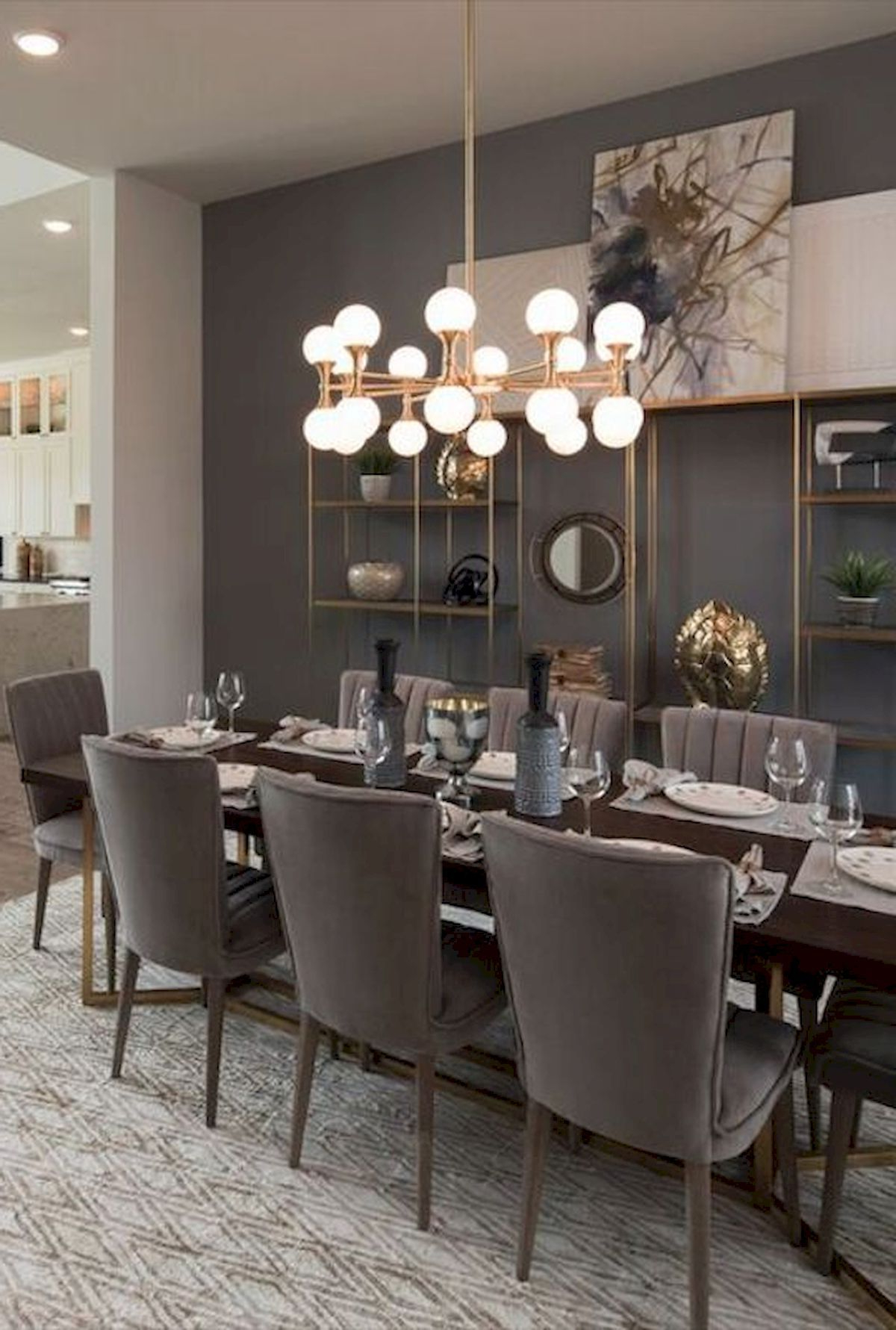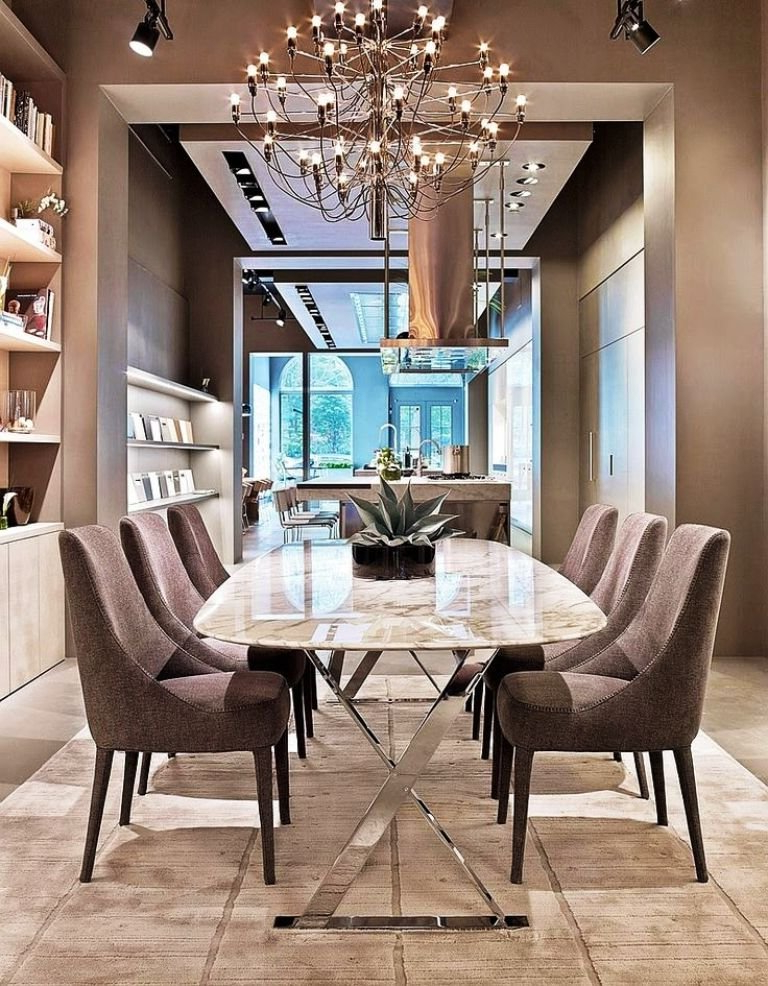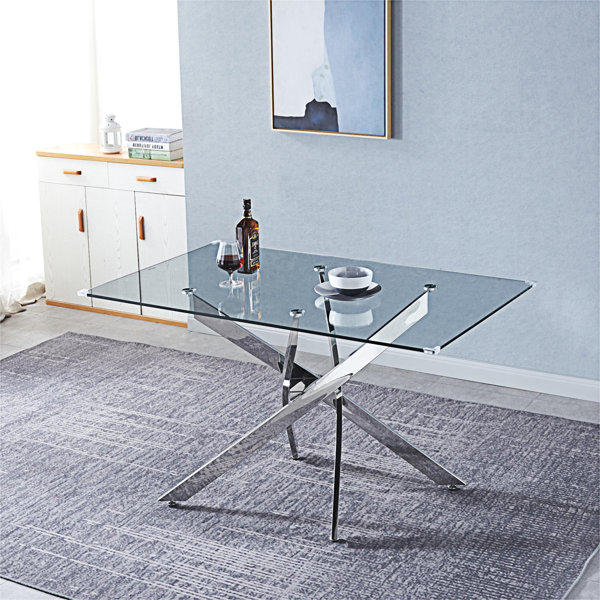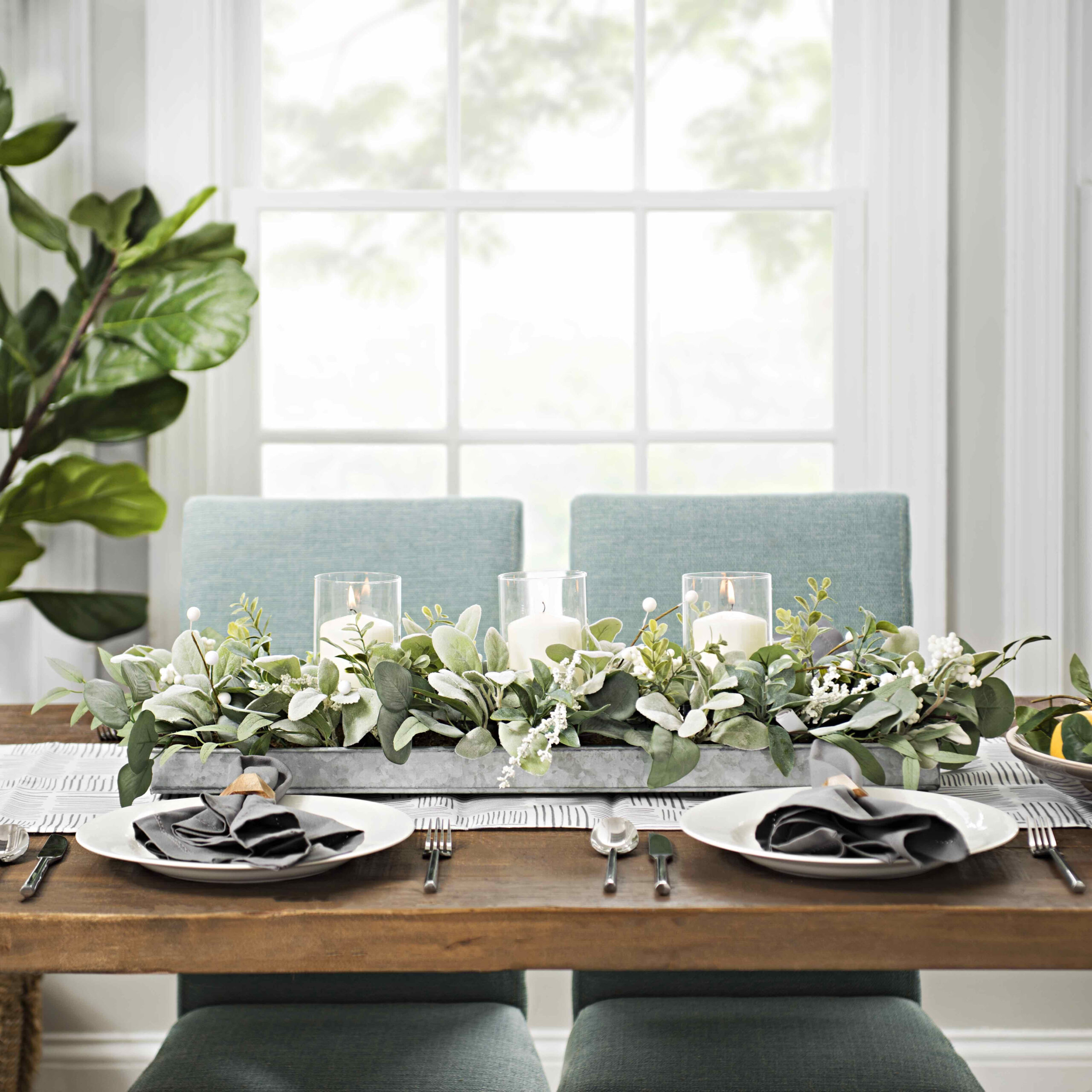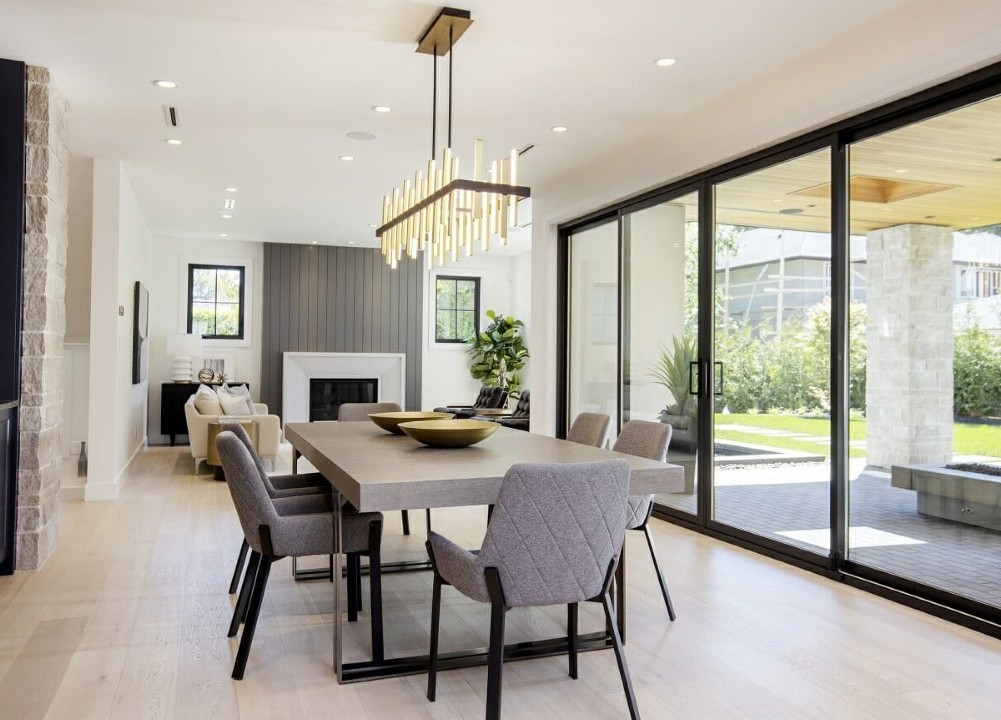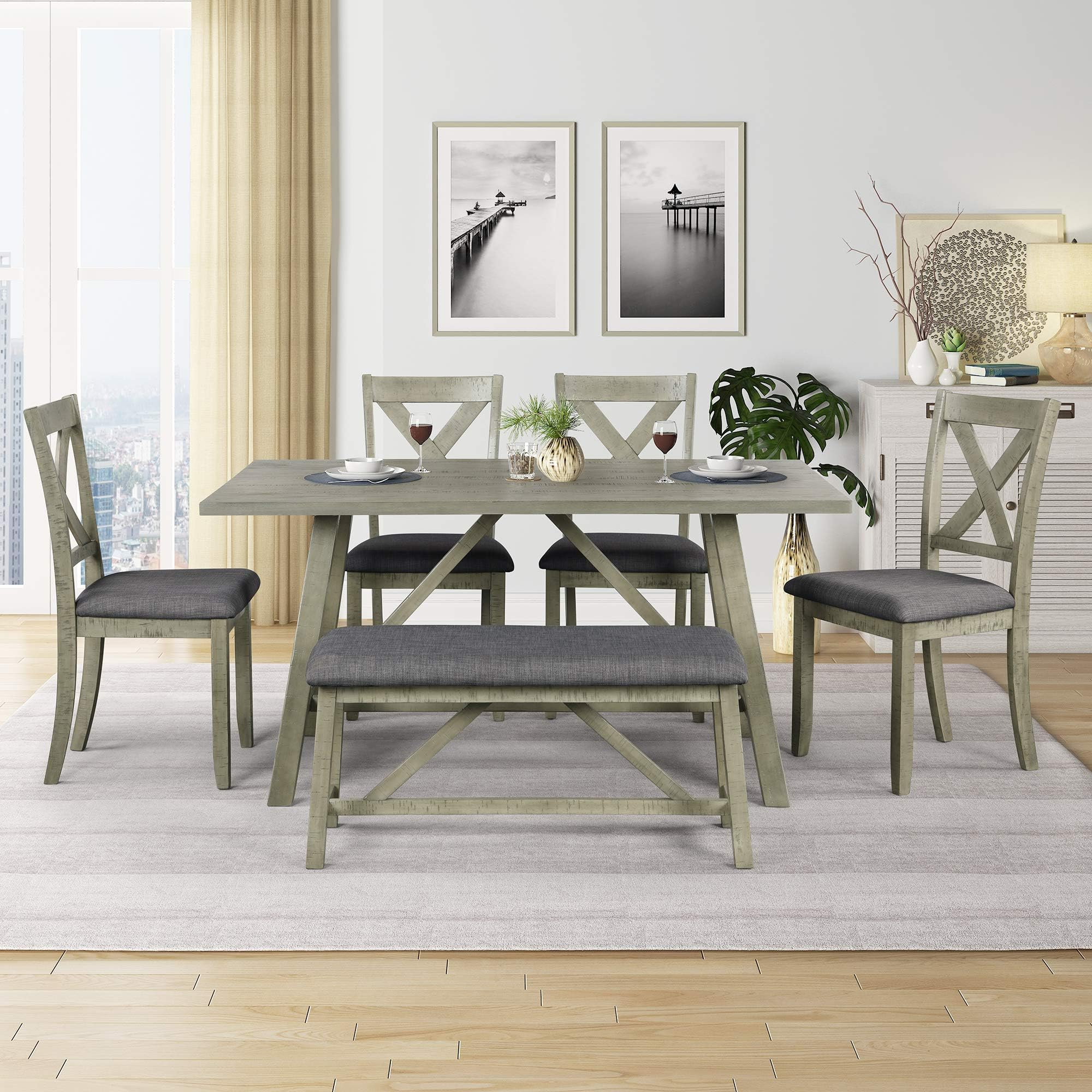
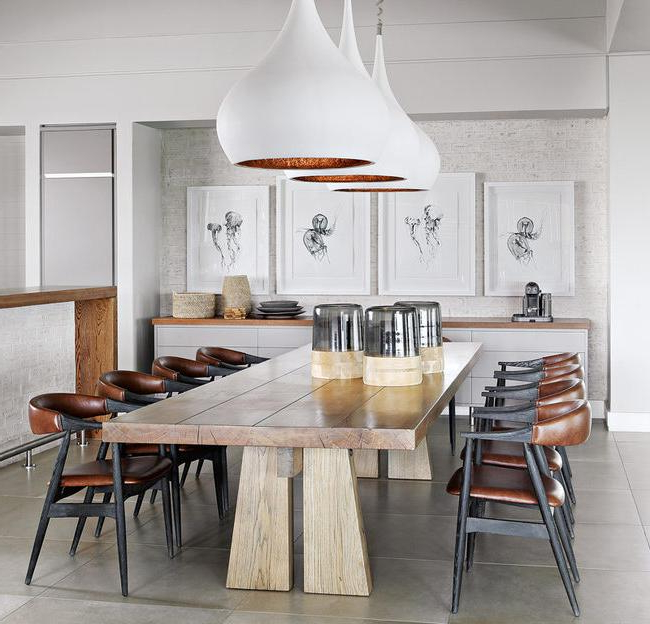
In a world filled with sleek plastics and synthetic finishes, there’s something deeply satisfying about bringing the outdoors inside. When it comes to dining room furniture, natural materials and textures have emerged as the ultimate comfort players. They don’t just look good—they feel good too. Whether you’re planning a complete overhaul or just adding a few statement pieces, understanding how to incorporate these organic elements can transform your space from merely functional to truly inviting.
Think about the last time you sat down to eat at a table that felt alive, that seemed to breathe with the warmth of wood grain or the coolness of stone. These aren’t just aesthetic choices—they’re emotional connections. Today’s dining room designers are embracing natural materials not just because they’re trendy, but because they speak to our fundamental need for authenticity. From reclaimed timber that carries stories of past lives to marble that captures the essence of ancient earth, these materials bring depth and character that mass-produced alternatives simply cannot match. What makes this trend so powerful isn’t just its visual appeal—it’s the way it grounds us in something larger than ourselves.
Wood: The Heart of Natural Dining Furniture
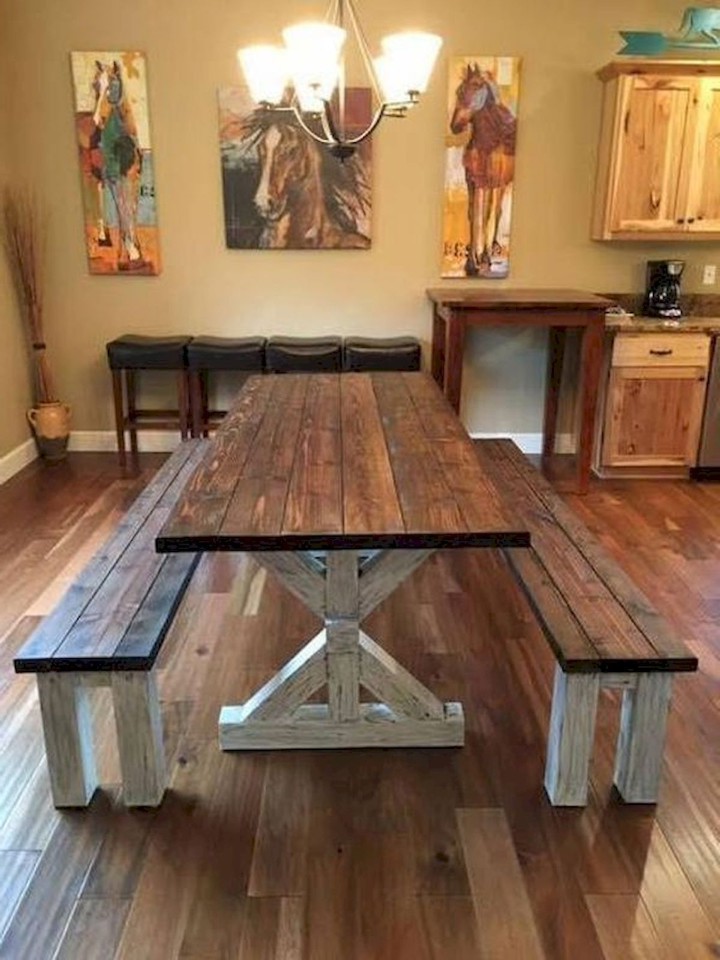
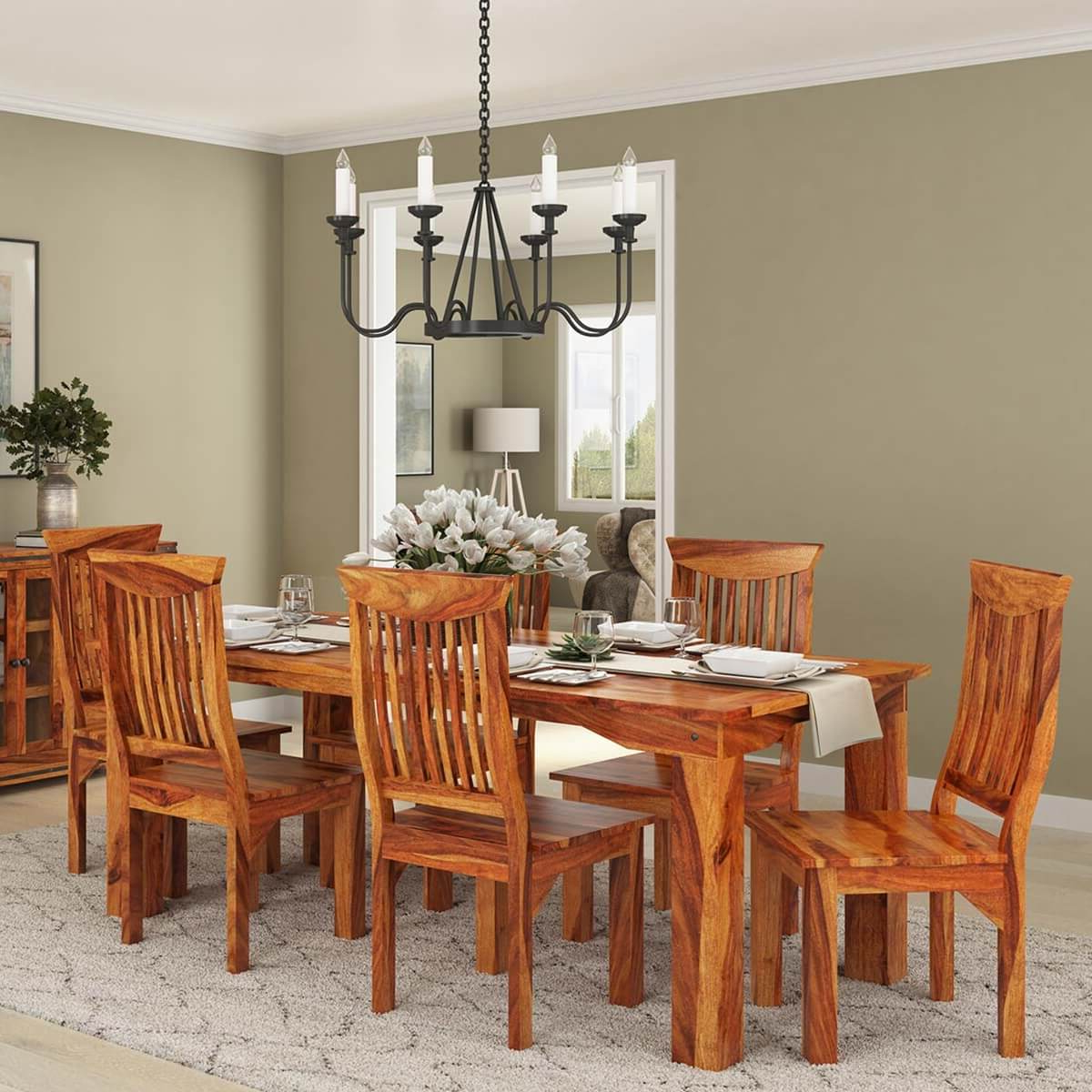
Wood remains the undisputed king of natural dining room materials. But it’s not just about any wood—it’s about choosing the right type for your space and lifestyle. Oak brings strength and classic elegance, making it perfect for traditional settings. Walnut offers rich, dark tones that add sophistication to modern spaces. Pine provides that charming rustic feel, while bamboo brings sustainability and a touch of exotic flair.
The beauty of wood lies in its imperfections. Every piece tells a story through its grain patterns, knots, and natural variations. A dining table made from reclaimed barn wood might have weathered patches and nail holes that add character rather than detract from beauty. These imperfections remind us that we’re not living in a sterile environment—but in one that celebrates the natural world.
Consider how different wood textures can affect your dining experience. A smooth, sanded surface creates a clean, contemporary feel, while a more textured finish—perhaps a hand-rubbed oil treatment—adds tactile interest and warmth. The choice often comes down to whether you want the wood to be a background element or a central feature in your room.
Stone and Marble: Timeless Sophistication
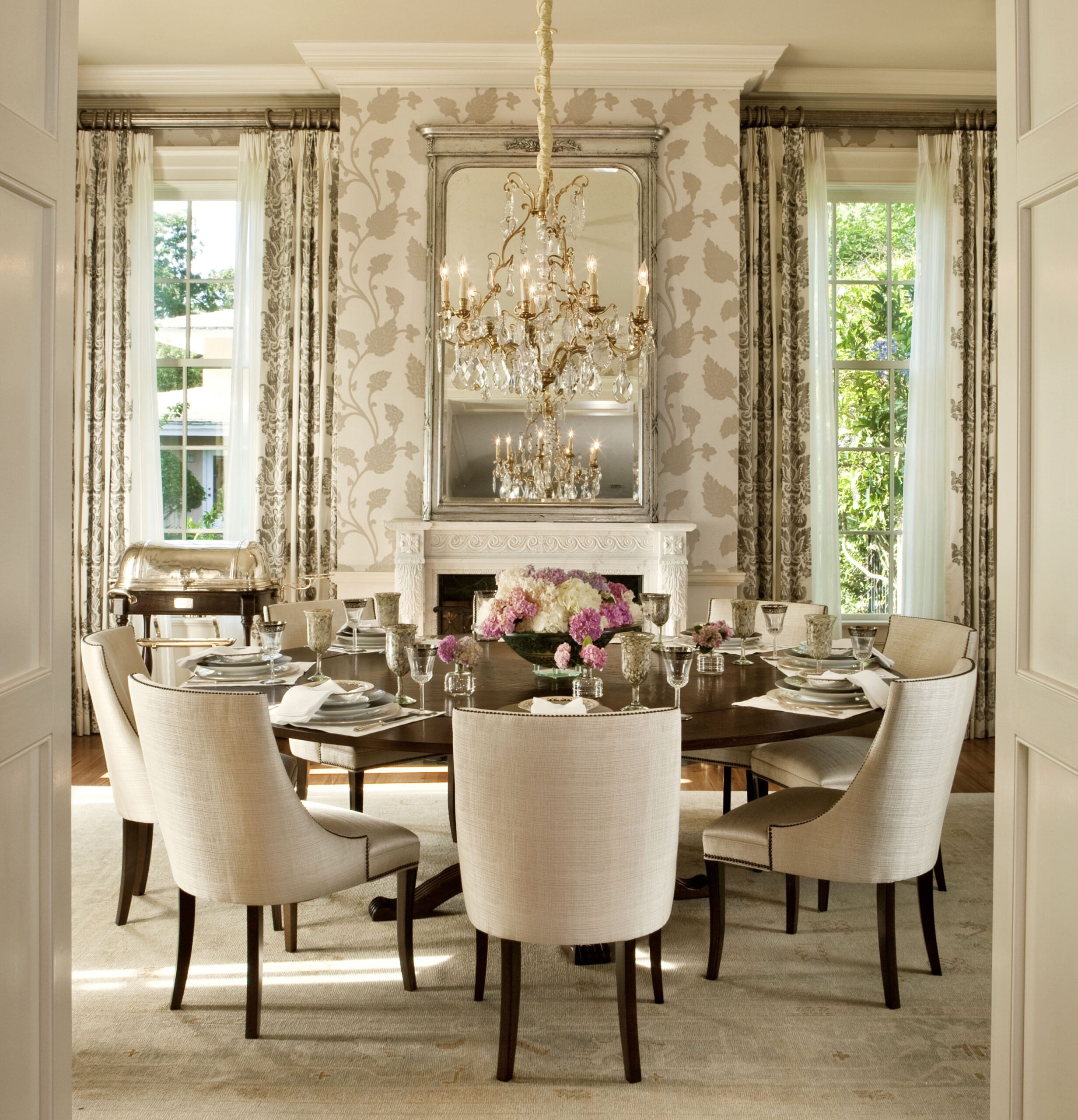
When you think of luxury dining, stone and marble often come to mind. These materials offer an almost supernatural ability to elevate any space. Marble, with its distinctive veining and lustrous surface, creates a sense of grandeur that works beautifully in both formal and casual settings. The way light plays across a marble dining table creates an almost ethereal quality that makes every meal feel special.
But stone isn’t just about marble. Granite brings durability and striking patterns, while limestone offers a softer, more muted palette that feels more approachable. Each stone variety has its own personality—some bold and dramatic, others subtle and elegant.
The key to incorporating stone successfully lies in balancing its weight with your overall design vision. A large marble slab table can anchor a room, but it needs to be supported by complementary elements that don’t compete with its natural beauty. Consider pairing a stone table with wooden chairs that echo its organic feel, or choose metal accents that enhance rather than overwhelm.
Stone surfaces also age beautifully. Over time, they develop patinas that tell the story of countless meals shared around them. This aging process adds to their charm rather than diminishing it.
Textural Variety: Creating Visual Interest
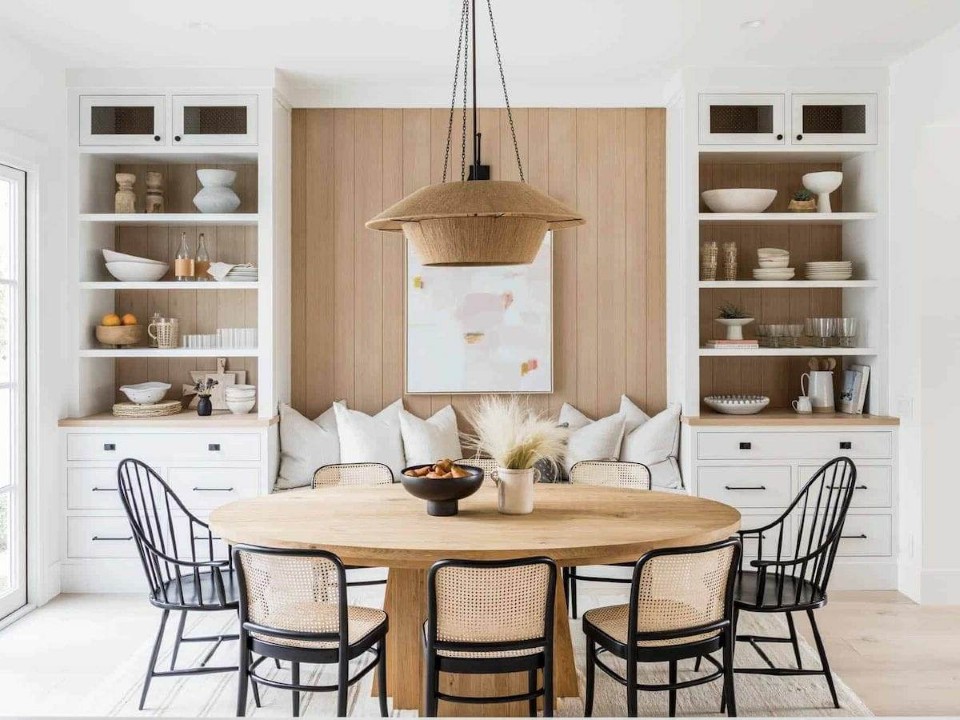
The magic happens when you layer different textures together. A dining table with a smooth wood top might be paired with chairs that feature woven rattan or linen upholstery. The contrast between hard and soft elements creates visual tension that keeps the eye moving and the space feeling dynamic.
Rattan and wicker bring organic movement to any room. These materials aren’t just decorative—they’re functional, offering breathability and flexibility that makes them perfect for dining areas where comfort matters. Woven elements can appear in chair backs, table legs, or even as decorative accents that tie the entire look together.
Leather, particularly vegetable-tanned varieties, adds a sophisticated touch while remaining incredibly durable. It ages gracefully, developing a beautiful patina that reflects the care and attention given to it over time. The difference between a leather chair that’s been properly maintained versus one that’s been poorly cared for speaks volumes about the quality of materials chosen.
Natural textiles like linen and cotton offer a softer counterpoint to harder materials. They provide comfort and warmth while maintaining an air of understated elegance. These fabrics can be used for chair cushions, table runners, or even as tablecloths that enhance rather than mask the natural beauty of underlying materials.
Sustainable Choices for Conscious Design
Today’s consumers are increasingly aware of environmental impact, and this awareness extends to home furnishings. Choosing sustainable materials means selecting options that are responsibly sourced and produced. Reclaimed wood, for example, gives new life to materials that might otherwise end up in landfills.
Bamboo represents another excellent sustainable option. It grows incredibly fast—some species can grow several feet in a single day—and requires minimal resources to cultivate. Bamboo flooring, furniture, and even dining table tops offer the look and feel of traditional hardwoods with significantly reduced environmental impact.
Cork is another material gaining popularity for its renewable nature. Harvested from cork oak trees without harming them, cork provides a unique texture and natural resistance to moisture and temperature changes. It’s perfect for tabletops and can be combined with other materials to create interesting contrasts.
The challenge lies in finding pieces that balance sustainability with durability. Not all sustainable materials are created equal, and some may require more maintenance or careful handling than others. Researching the source and production methods of materials before purchasing ensures you’re making choices that align with your values.
Practical Considerations for Daily Living
While natural materials offer undeniable beauty, they do require some consideration for daily use. Wood tables, for instance, benefit from regular conditioning to prevent cracking and fading. Marble surfaces need protection from acidic substances that can etch the surface.
Durability varies significantly between materials. A pine dining table might be perfect for a casual family setting but might not withstand heavy use in a busy restaurant. Conversely, a solid oak table can handle decades of daily meals with proper care.
Maintenance schedules differ dramatically. Leather furniture requires periodic conditioning, while stone surfaces need regular cleaning with appropriate products to maintain their appearance. Natural fibers like linen and cotton may need special care during washing to preserve their texture and color.
These considerations shouldn’t discourage you from using natural materials—they should guide your selection process. Understanding the characteristics and requirements of each material helps ensure that your investment will pay dividends for years to come.
Combining Materials for Maximum Impact
The most successful dining room designs often combine multiple natural materials in thoughtful ways. Think of how a wooden table might be paired with stone legs, creating a conversation between different textures and origins. Or how a marble top could be complemented by wooden chairs that echo the grain patterns of the table itself.
Color coordination plays a crucial role in successful material combinations. Natural materials tend to work best when they share similar undertones or complementary hues. A dark walnut table might pair well with lighter stone elements, creating a pleasing contrast that doesn’t overwhelm.
Scale and proportion matter enormously. A large stone centerpiece might dominate a small dining area, while a delicate wooden detail might get lost in a grand space. Understanding how different materials relate to each other in terms of scale helps create balanced compositions.
Finally, consider the overall narrative you want to tell with your dining room. Do you want a rustic farmhouse feel? A modern minimalist approach? Or perhaps something that blends traditional craftsmanship with contemporary design? The materials you choose should support and reinforce that story.
Natural materials and textures in dining room furniture design represent more than just a passing trend—they’re a return to what’s fundamental about good design. They connect us to our environment, to our history, and to each other through shared experiences around the dinner table. When you choose wood, stone, or other natural elements, you’re not just selecting furniture—you’re investing in a sense of place and belonging.
The key to success lies in understanding that these materials don’t work in isolation. They thrive when thoughtfully combined, carefully maintained, and selected with purpose. Whether you’re starting fresh or updating existing pieces, embracing natural textures offers a path toward dining rooms that feel lived-in, loved, and authentically yours. The result isn’t just a beautiful space—it’s a space that feels like home.