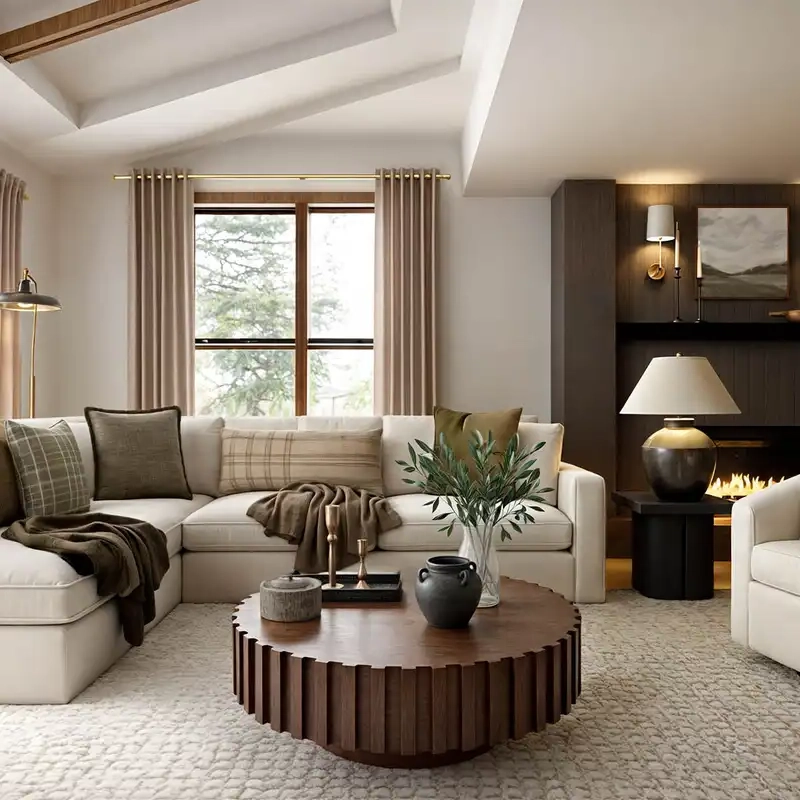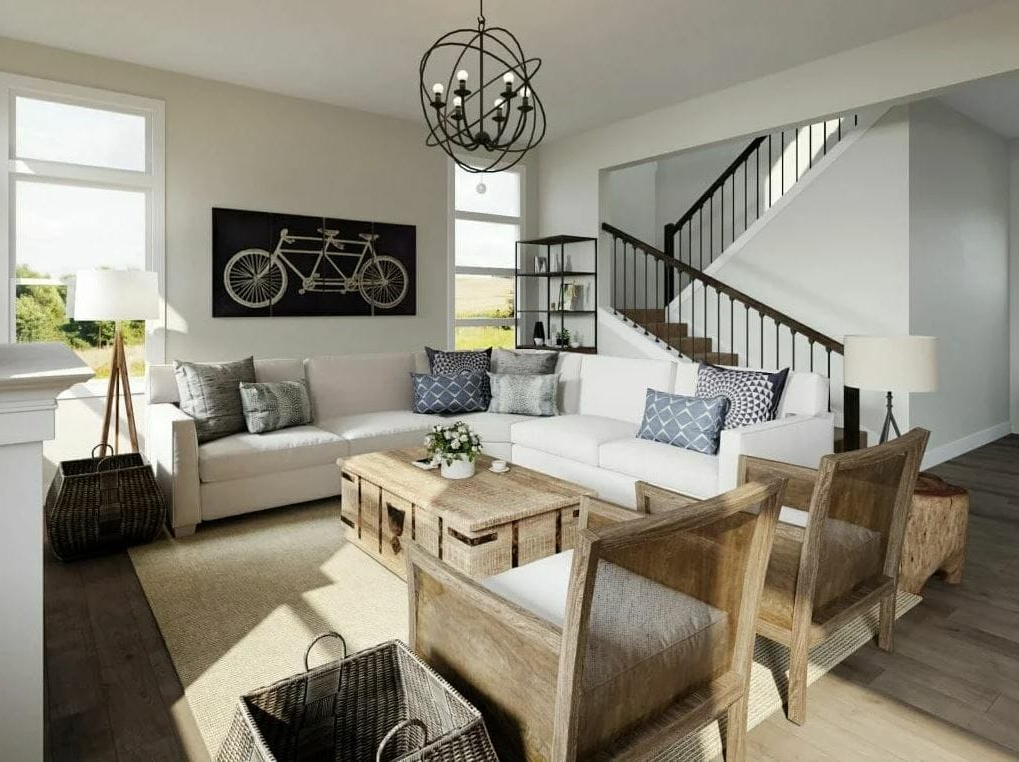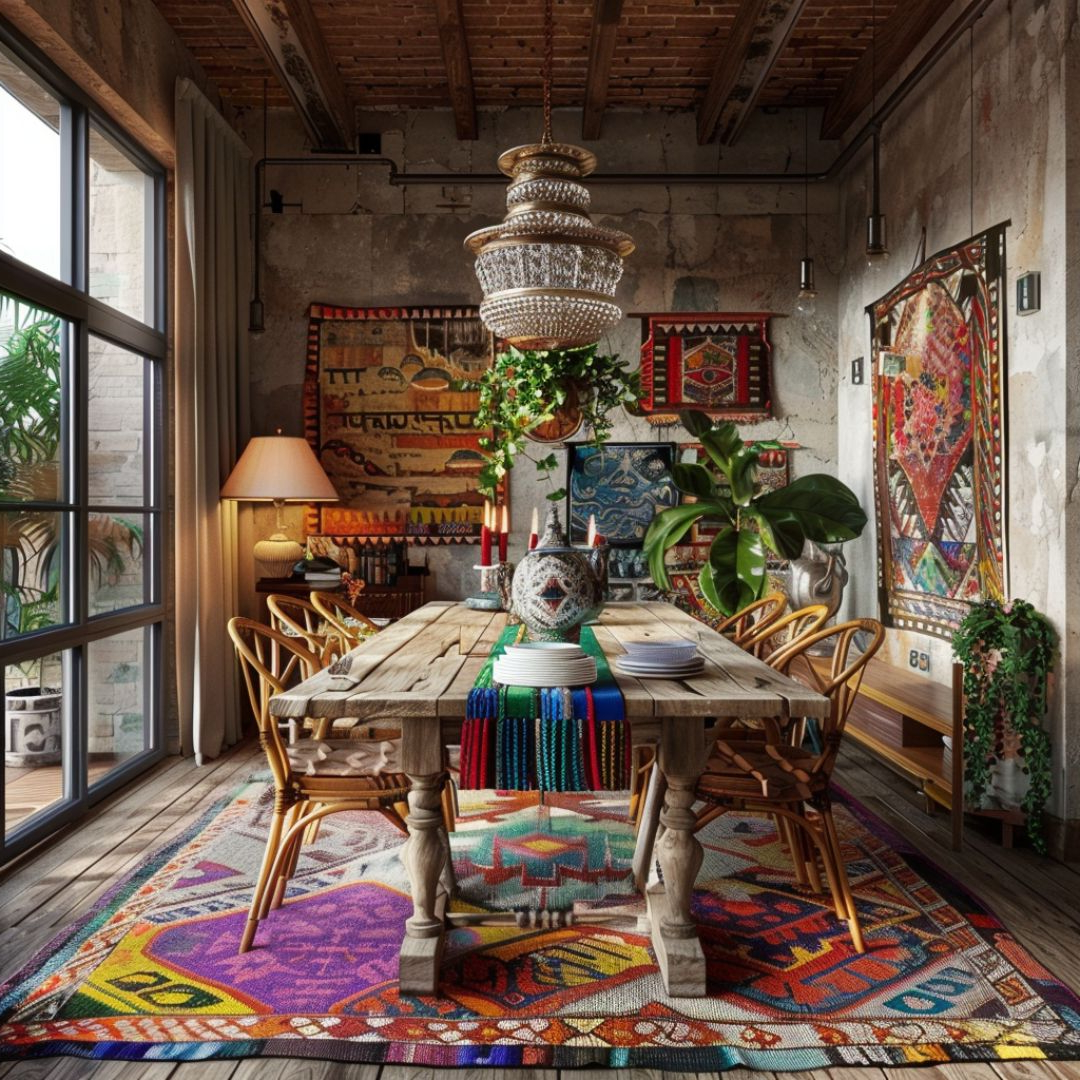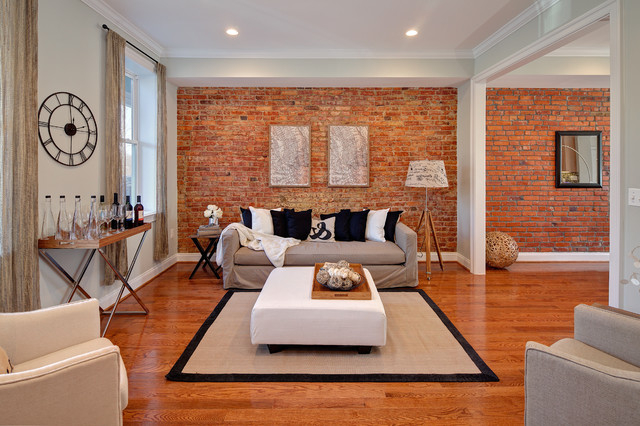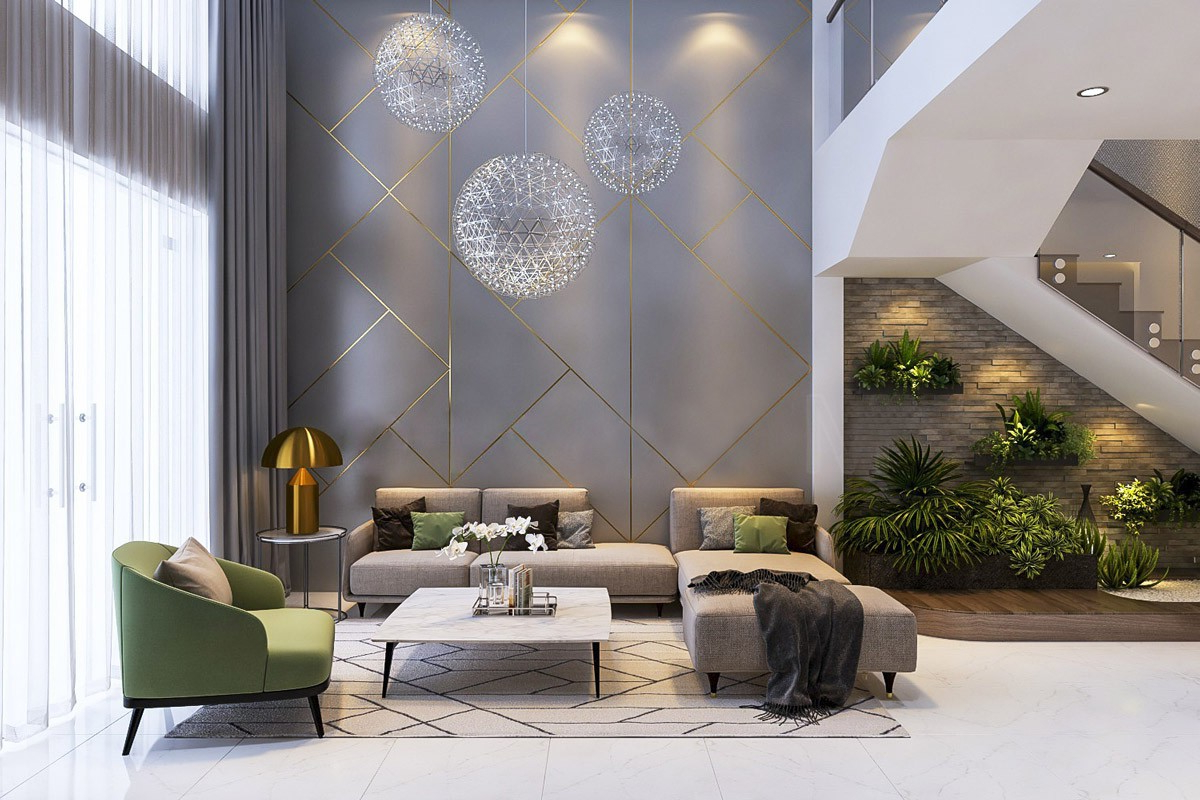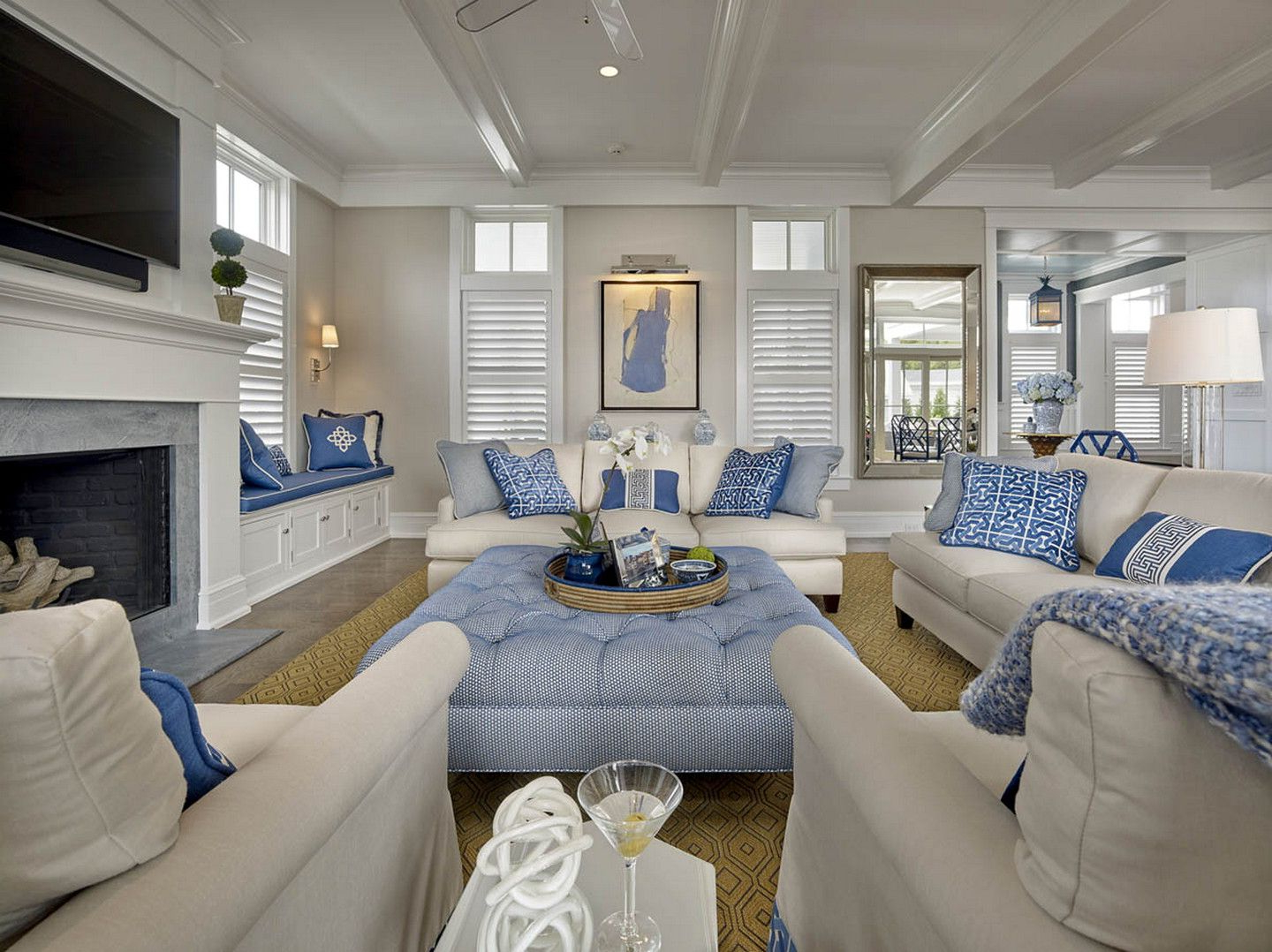
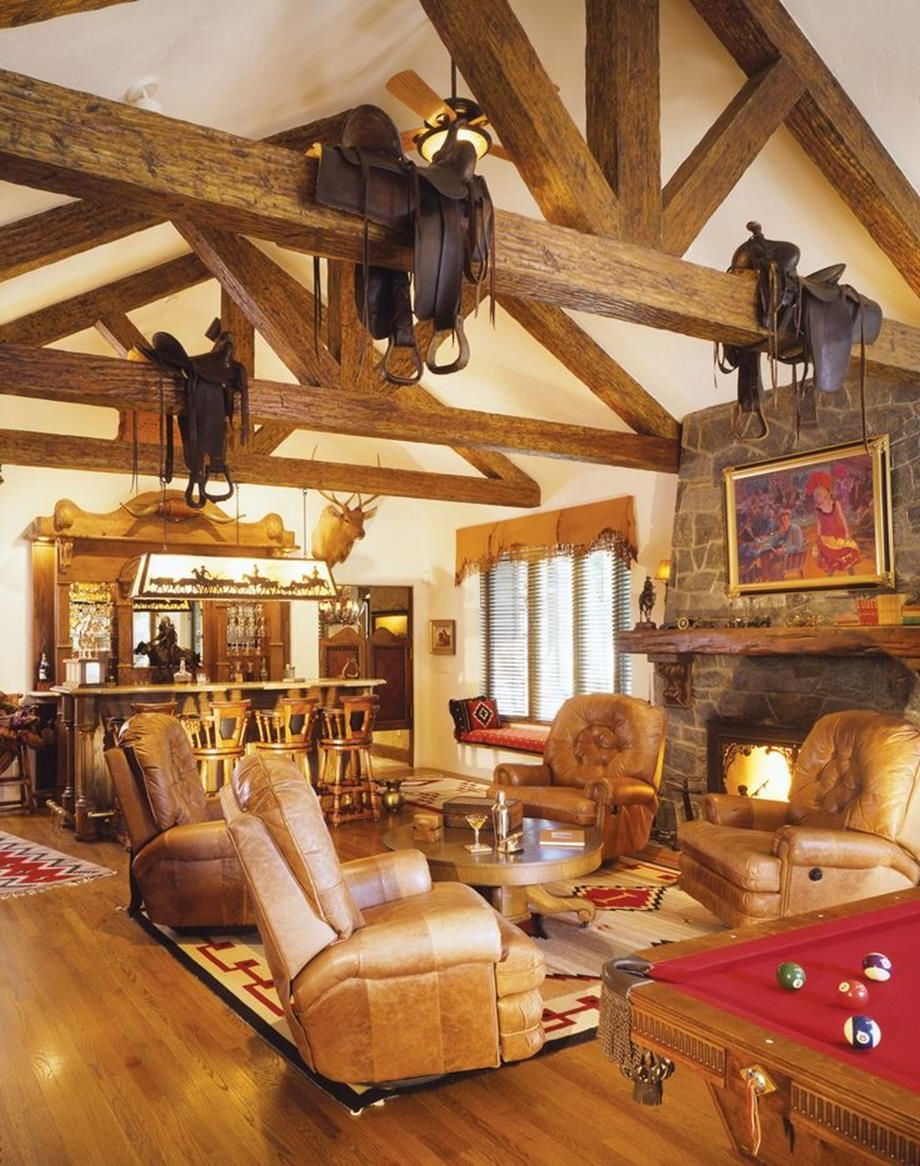
There’s something deeply satisfying about walking into a living room that feels both welcoming and enduring. Whether you’ve lived in the same house for decades or just moved into a new place, the right design choices can make all the difference. Western interior design offers a perfect blend of comfort, functionality, and lasting appeal that transcends passing trends.
Western interior design isn’t just about rustic furniture or cowboy boots hanging on the wall. It’s a philosophy of creating spaces that feel grounded, warm, and authentic. These design principles have been around for generations because they speak to our fundamental need for comfort and connection. When you think about it, most of us associate western style with ranch homes, log cabins, and cozy mountain retreats. But these timeless elements can work beautifully in any home setting. The key lies in understanding how to incorporate these elements thoughtfully, without overwhelming the space. What makes western design so special? It’s the way it balances boldness with subtlety, tradition with modernity, and comfort with sophistication.
Natural Materials That Define the Western Aesthetic
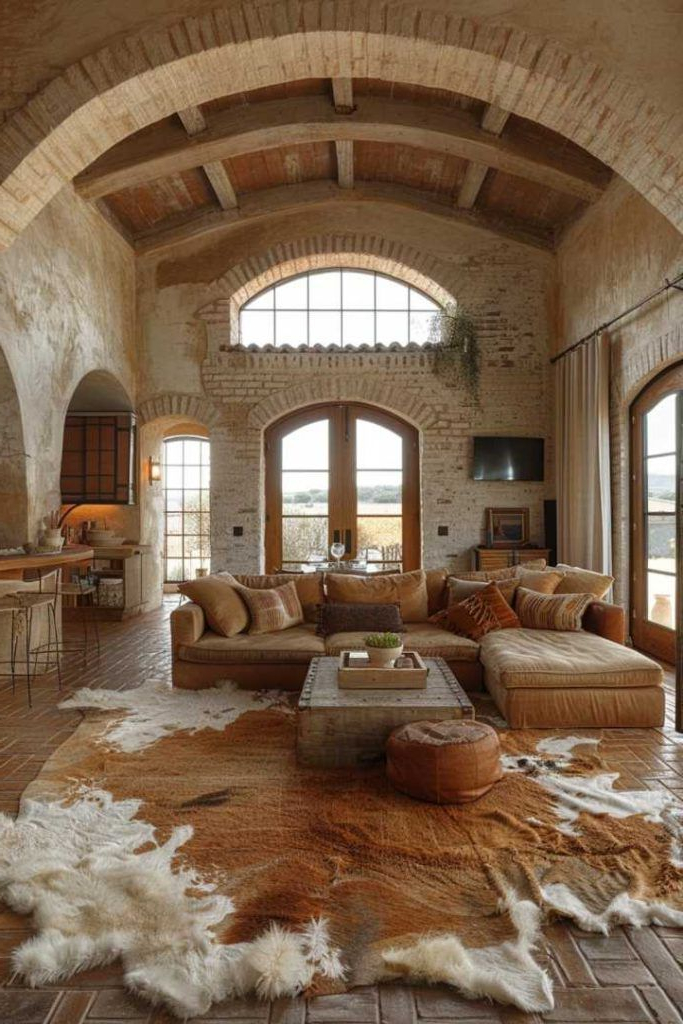
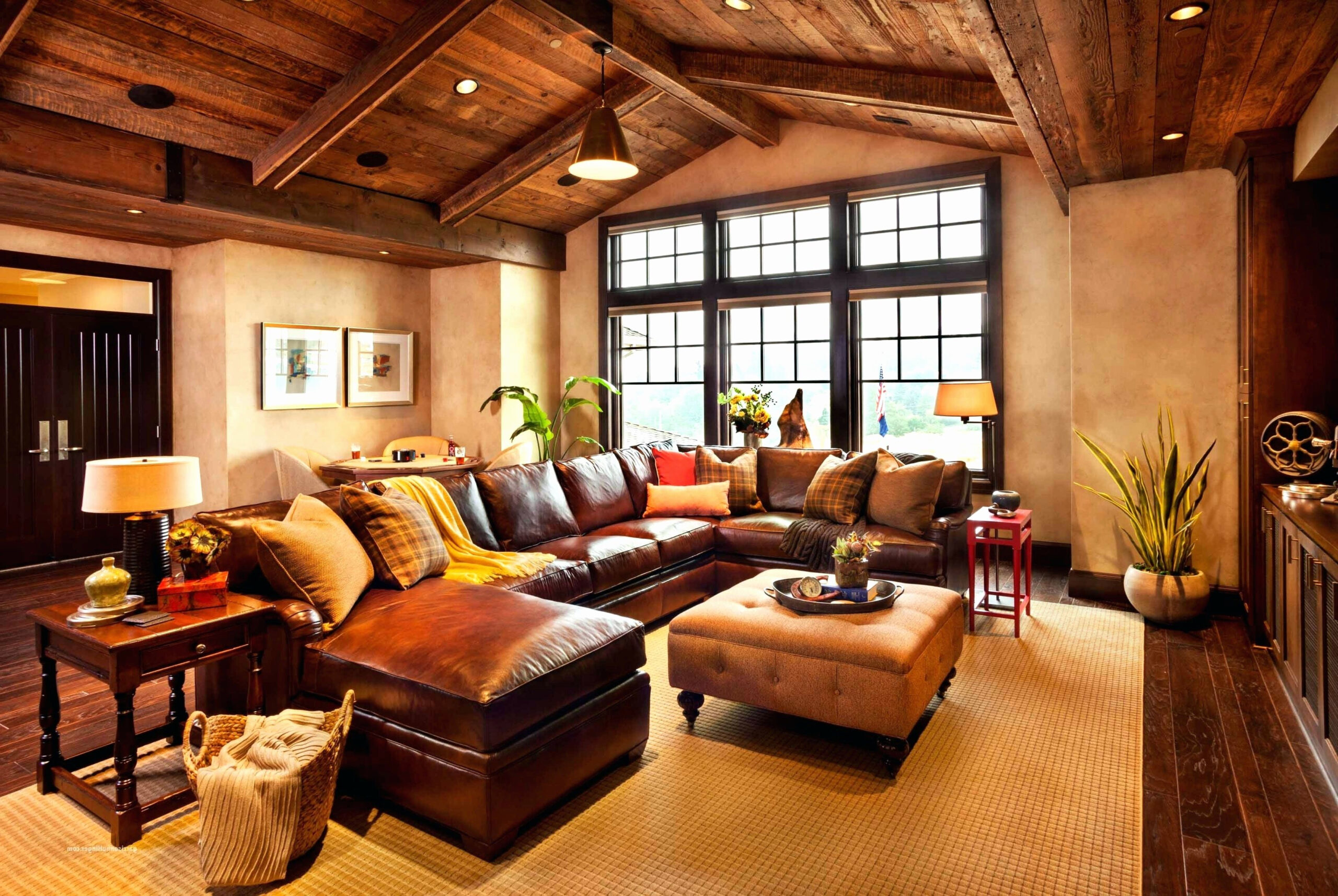
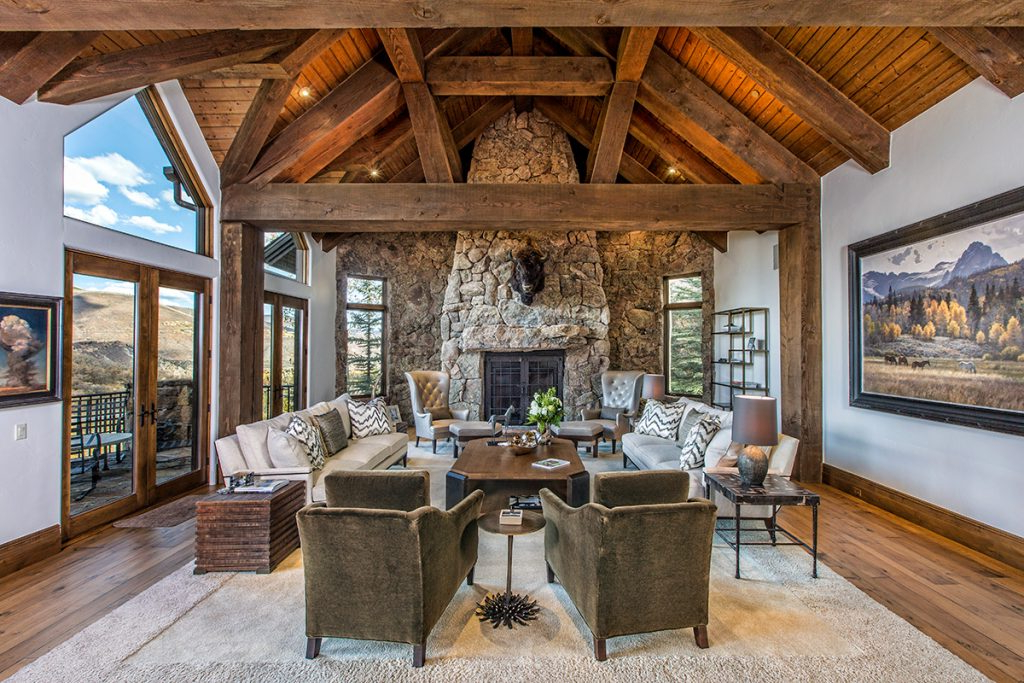
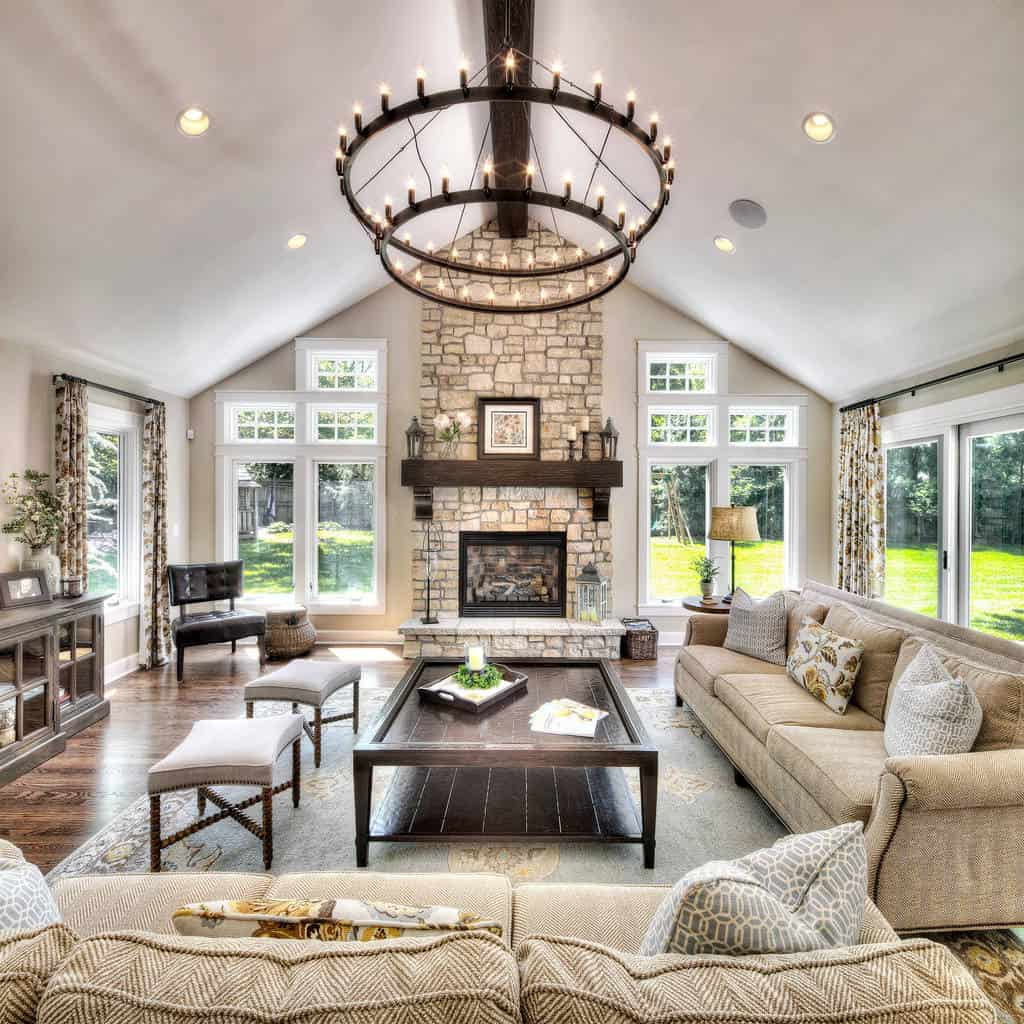
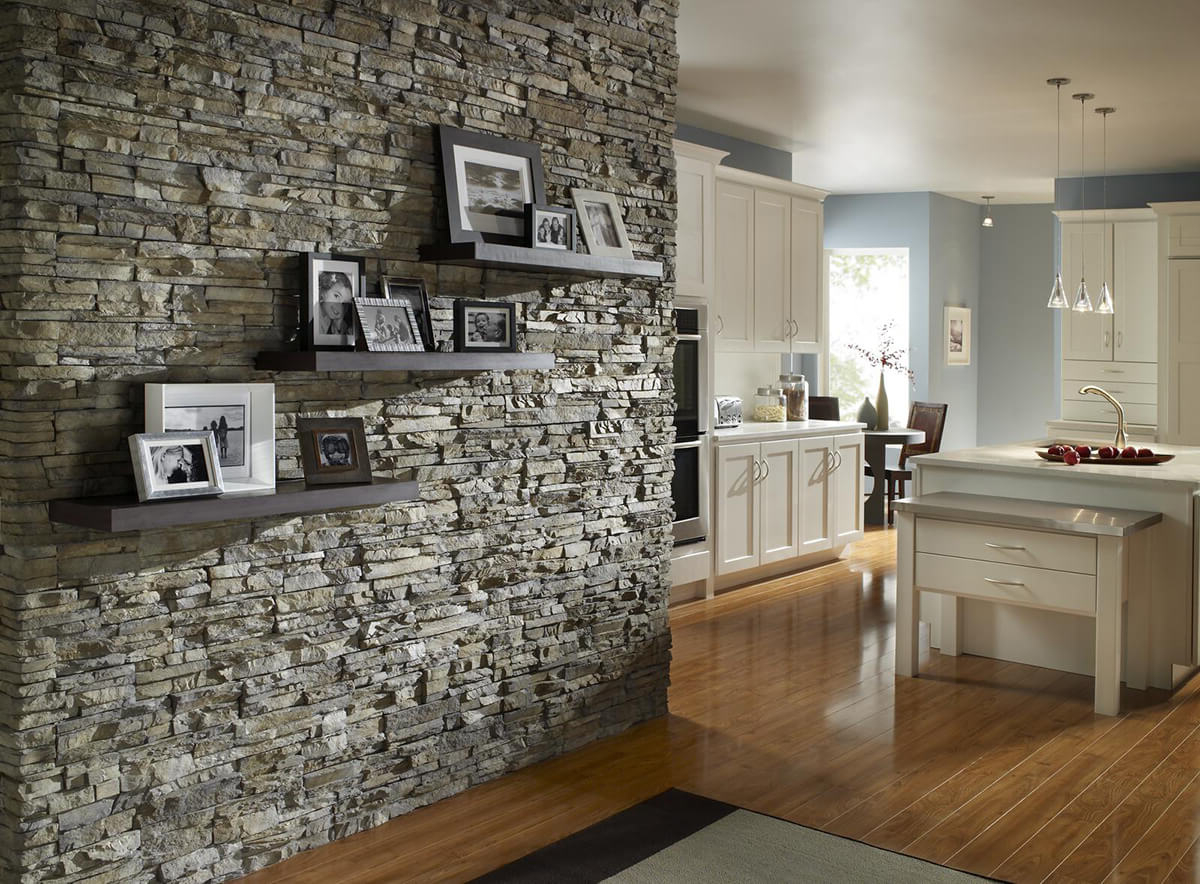
The heart of western design beats strongly through natural materials. Wood stands as the primary element, whether it’s exposed beams, solid timber furniture, or wooden floor planks that creak softly underfoot. Think about how different types of wood can create varying moods – the rich warmth of oak brings a sense of permanence, while the lighter tones of pine offer a breezy, open feeling. Stone isn’t far behind, often used in fireplaces or accent walls to add texture and visual interest. Even metal elements like wrought iron or aged brass contribute to that authentic western feel.
These materials don’t just look good; they tell a story. They connect us to the land and to traditions that have stood the test of time. When selecting materials, focus on quality over quantity. A single statement piece made from genuine wood or stone can transform an entire room more than several mass-produced items. Consider how these materials age gracefully – wood develops beautiful patinas, stone gains character, and metals acquire a gentle rust that adds charm rather than detracting from beauty. This natural progression makes western design incredibly appealing to those who appreciate the passage of time.
Warm Color Palettes That Create Comfortable Spaces
Color plays a crucial role in western interior design, but it’s not about bright, flashy hues. Instead, the palette leans heavily toward earth tones that evoke feelings of stability and calm. Think deep browns, warm oranges, soft creams, and muted reds. These colors work together to create spaces that feel grounded and inviting. You might notice that many western homes feature walls painted in shades of tan or beige, allowing the natural textures of wood and stone to take center stage. The beauty of these color choices lies in their versatility. They can be easily updated with seasonal accessories or personal touches without requiring major renovations.
For instance, adding a blue throw pillow or a golden lamp can instantly change the mood of the room. When choosing colors, consider how they’ll look in different lighting conditions throughout the day. Natural light can dramatically shift the appearance of a space, so it’s wise to test paint samples in various hours. Remember that western design values harmony over contrast, so choose colors that complement each other rather than compete. The result should be a cohesive environment that feels like a comfortable embrace rather than a harsh statement.
Functional Furniture That Tells Stories
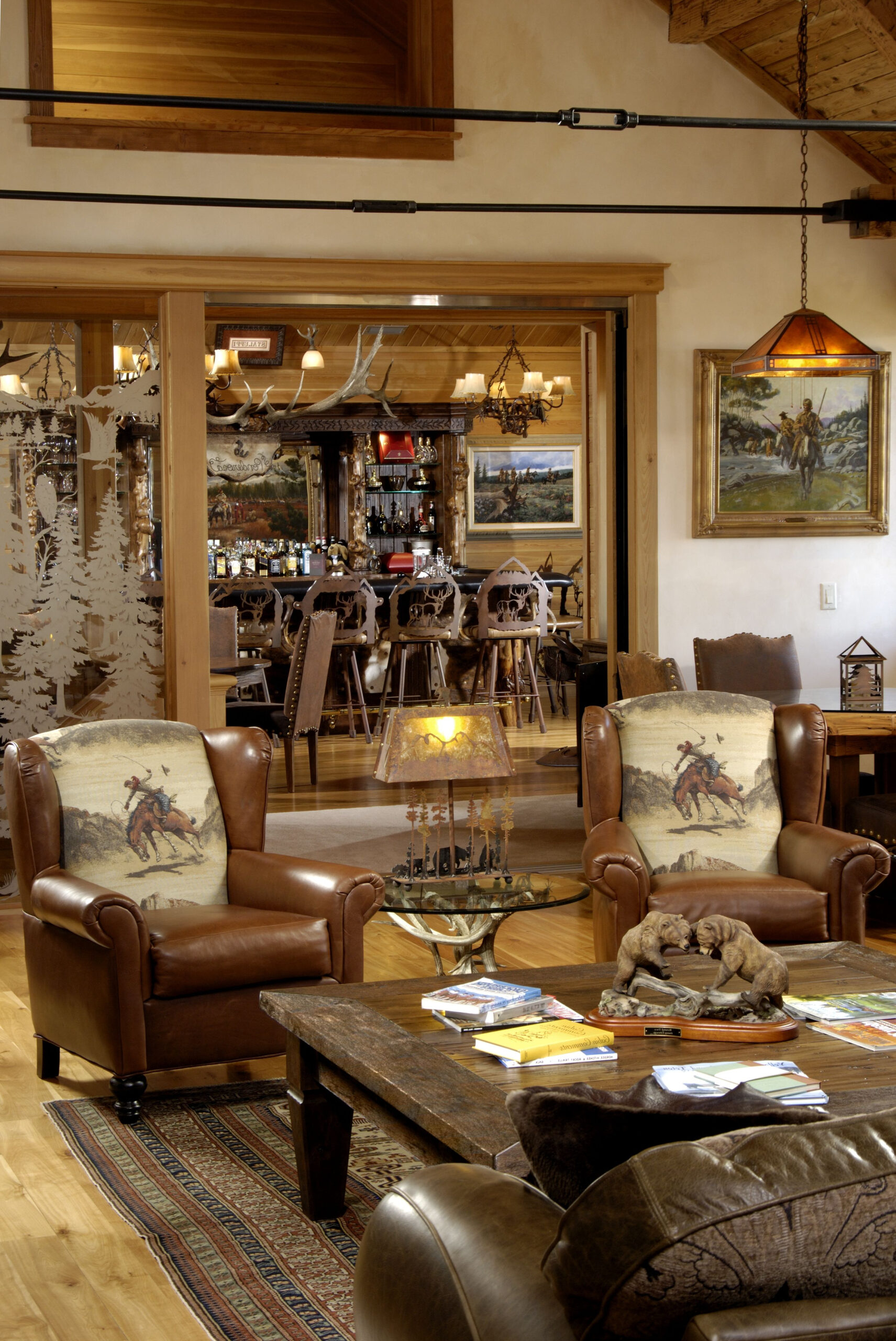
Western design furniture isn’t just about looking good – it’s about serving a purpose and telling a story. You’ll find that many pieces have a history, whether they’re handcrafted by local artisans or passed down through generations. Solid wood chairs with carved details, heavy wooden tables that have seen countless meals, and built-in storage solutions that blend seamlessly with the architecture all contribute to the overall narrative of the space.
The emphasis on functionality means that every piece should serve a reason beyond decoration. A vintage leather sofa might be the centerpiece of a room, but it should also provide comfort for daily use. Consider how furniture arrangements affect movement within the space. Western design often encourages conversation areas that draw people together. Think about the flow of traffic and how seating arrangements facilitate interaction. Don’t overlook the importance of scale and proportion.
A large overstuffed chair might seem impressive, but if it overwhelms the room, it defeats the purpose of creating a comfortable atmosphere. The right furniture choice can make a room feel lived-in and loved rather than sterile and impersonal. Quality craftsmanship shows in the attention to detail, from the way joints are constructed to the finish of surfaces. These are the elements that distinguish truly exceptional western design from mere imitation.
Textural Layers That Add Depth and Interest
One of the most satisfying aspects of western interior design is how it uses texture to create visual depth and tactile interest. No two surfaces should look exactly alike, and this principle keeps the eye engaged. Soft fabrics like wool throws, cotton cushions, and linen curtains provide contrast to harder surfaces. Textured walls, whether through natural stone, reclaimed wood panels, or even simple textured paint, add dimension that makes a room feel more substantial. Rugs play a vital role, offering both visual warmth and physical comfort. A well-chosen rug can anchor a seating area and define different zones within an open space.
Consider layering textures intentionally – perhaps a rough-hewn wooden table topped with a smooth glass centerpiece, surrounded by soft velvet chairs. This interplay between rough and smooth creates visual tension that feels dynamic rather than chaotic. The key is balance. Too much texture can overwhelm, but too little leaves a space feeling flat and uninspired. Start with one dominant texture and build around it with complementary elements. This approach ensures that each surface contributes to the overall aesthetic rather than competing for attention. The result is a space that feels rich and complex without being busy or cluttered.
Lighting That Sets the Perfect Mood
Lighting in western design goes beyond simply providing illumination – it creates atmosphere and sets the tone for the entire room. Natural light is always preferred, but when that’s not sufficient, carefully chosen artificial lighting can fill in the gaps beautifully. Warm, ambient lighting tends to dominate western spaces, often achieved through table lamps with fabric shades, wall sconces, or even string lights that drape across the room. These softer lights encourage relaxation and conversation. The beauty of western lighting lies in its ability to highlight architectural features while maintaining a cozy ambiance.
Consider installing dimmer switches to control how much light flows through the space throughout different times of day. A bright noon might call for minimal lighting, while evening hours might benefit from a more intimate glow. Pendant lights can add focal points above dining areas or reading nooks, but they shouldn’t overpower the overall design. When selecting fixtures, look for options that complement the natural materials already present in the room. Metal accents, wood finishes, or earth-toned fabrics in lampshades all contribute to the cohesive feel. Remember that lighting affects how we perceive everything else in a room, so invest in quality pieces that will last and continue to enhance the space over time.
Personal Touches That Make Spaces Feel Like Home
What truly transforms a western living room from merely functional to genuinely welcoming is the inclusion of personal elements. Family photos arranged on shelves, heirloom pieces passed down through generations, or collections of meaningful objects all contribute to the authentic feel of the space. These items don’t need to be expensive to be impactful – sometimes the most treasured pieces are the ones that hold memories.
Artwork, whether paintings, prints, or handmade crafts, can reflect regional influences or personal interests. Consider incorporating pieces that celebrate the local landscape, wildlife, or cultural heritage of the area. Books are another essential component, filling bookcases and providing easy access to stories and knowledge. The key is to display items thoughtfully rather than simply stacking them haphazardly. Each object should have a purpose and contribute to the overall story of the room. Seasonal changes can also refresh the space without requiring major investments.
Swap out decorative items for holidays or weather changes, keeping the environment feeling current and relevant. These small adjustments keep the space feeling alive and responsive to life’s rhythms. Personal touches create connections between the inhabitants and their environment, making the space feel less like a museum display and more like a true home.
Practical Tips for Implementing Western Design
Implementing western design elements doesn’t require a complete renovation or massive budget. Start by identifying one or two key elements that resonate with you – perhaps the idea of using natural wood or incorporating earth tones. Begin small with accessories and gradually build upon successful choices. Look for secondhand pieces at antique shops, estate sales, or online marketplaces. These finds often carry authenticity and character that’s hard to replicate. Focus on pieces that can be mixed and matched over time, allowing your style to evolve naturally. Don’t feel obligated to follow every rule perfectly – western design is meant to be flexible and personal.
Consider how each element works with existing features in your space. If you have a fireplace, let it become the focal point of the room. If you have natural wood floors, showcase them rather than covering them. The goal is to enhance what you already have rather than trying to completely change it. Invest in quality basics that will last, such as a sturdy coffee table or a comfortable sofa, before adding decorative accents. This approach ensures that your investment pays off in both comfort and longevity. Remember that western design is ultimately about creating a space that reflects your personality and lifestyle.
Western interior design offers a pathway to creating living spaces that feel both timeless and deeply personal. By focusing on natural materials, warm colors, functional furniture, textural layers, thoughtful lighting, and personal touches, you can transform any room into a haven of comfort and character. The beauty of these design principles lies in their flexibility – they adapt to different spaces, budgets, and lifestyles while maintaining their essential appeal.
Whether you’re starting from scratch or looking to refresh an existing space, these elements provide a solid foundation for creating rooms that will continue to feel fresh and inviting for years to come. The secret isn’t in following rigid rules, but in understanding the underlying philosophy of creating spaces that honor both function and beauty. When done well, western design becomes more than just decoration – it becomes a reflection of who you are and how you want to live. The best western interiors are those that feel lived-in, loved, and authentically yours.