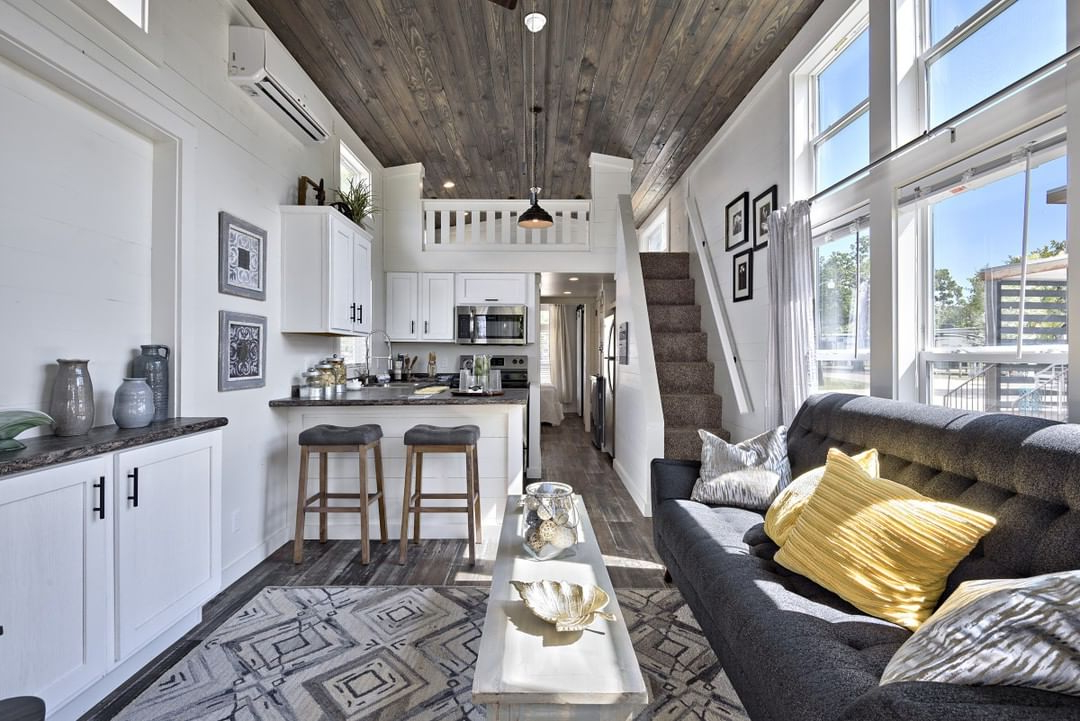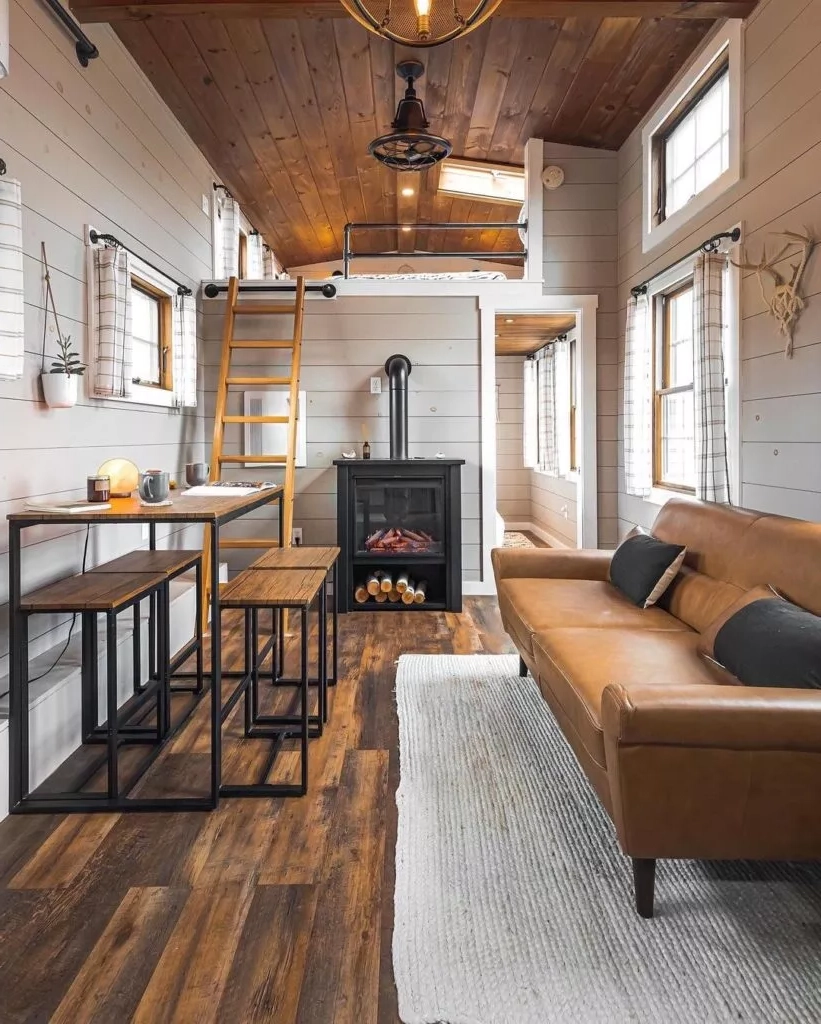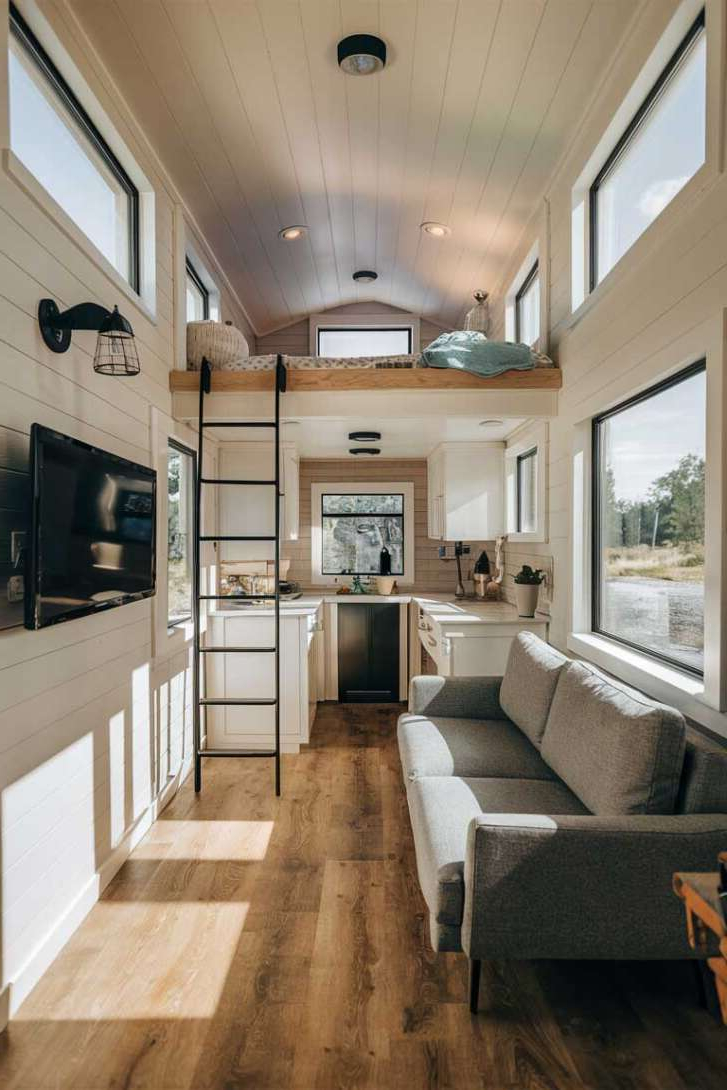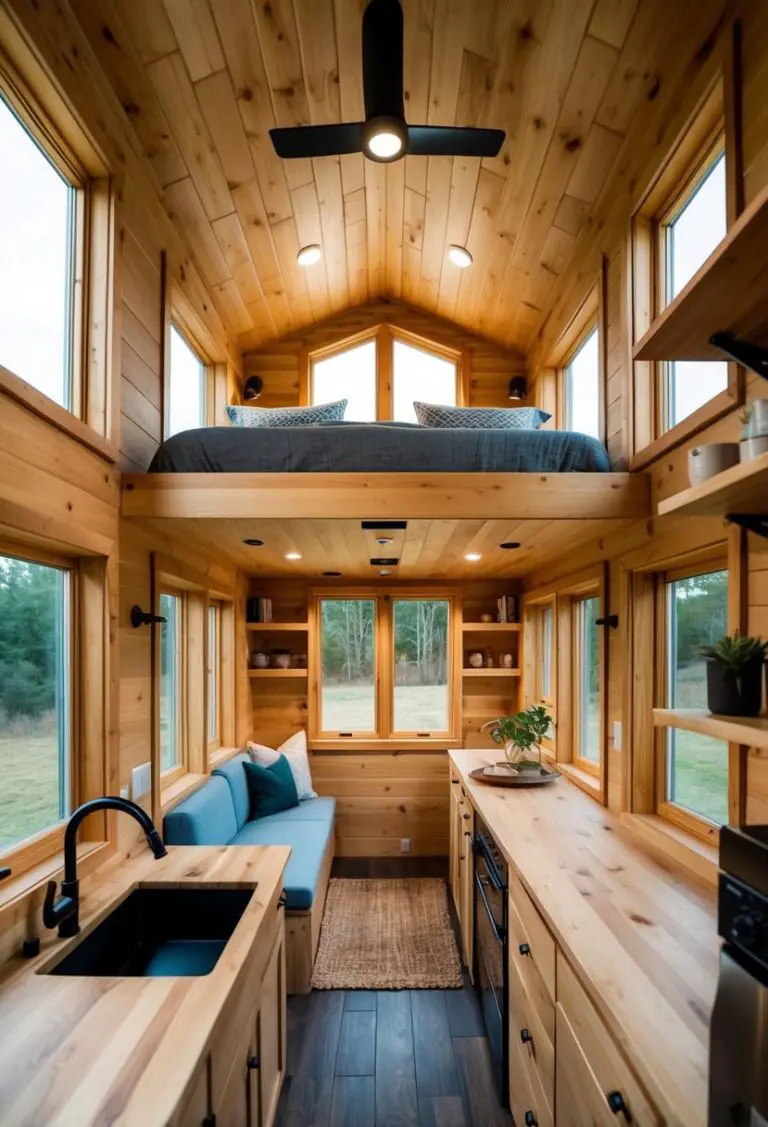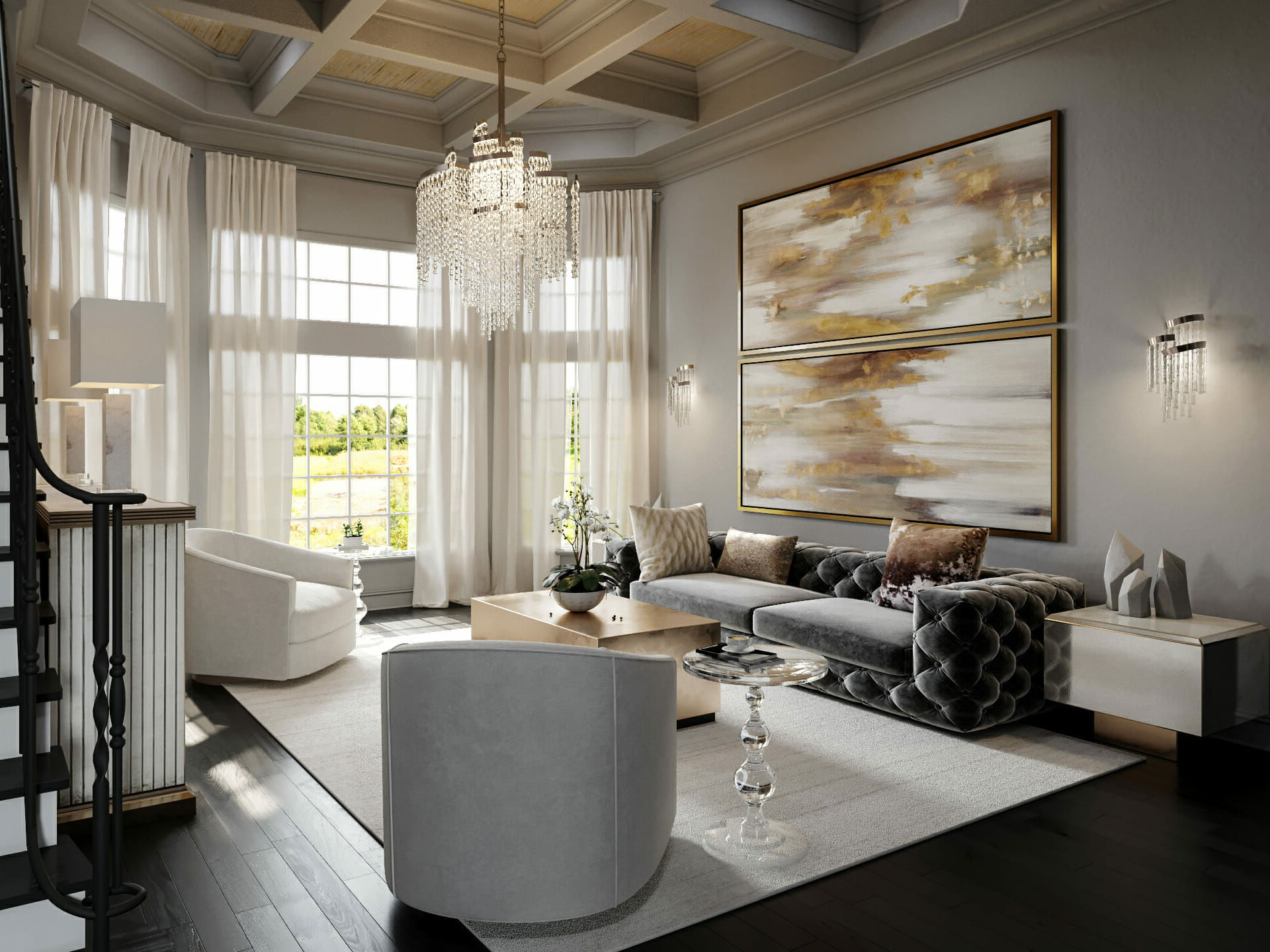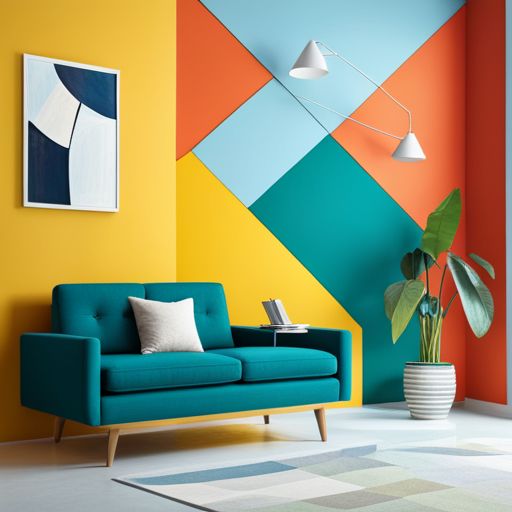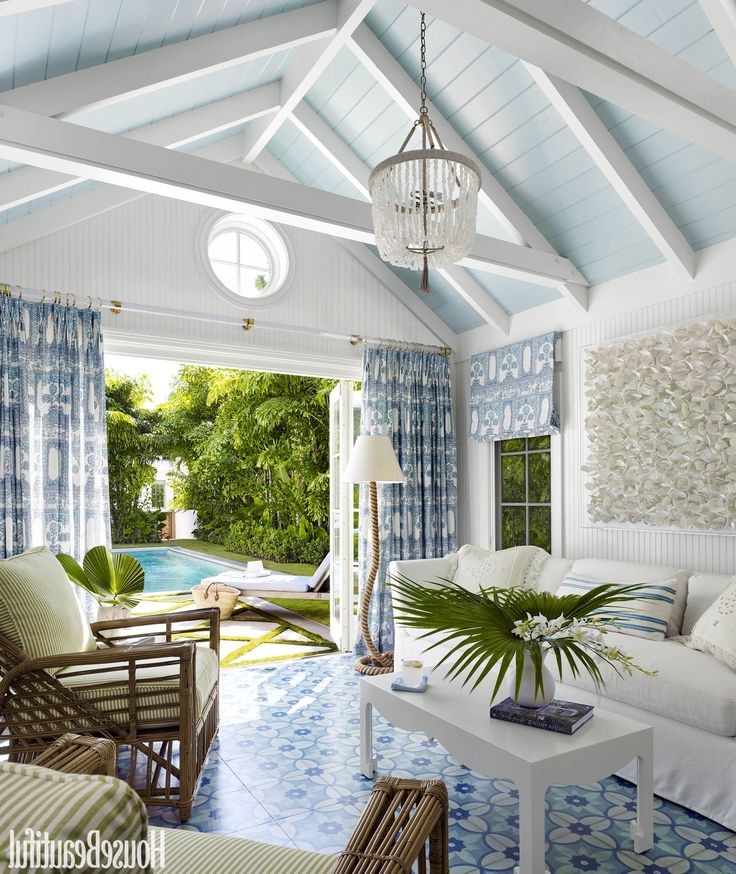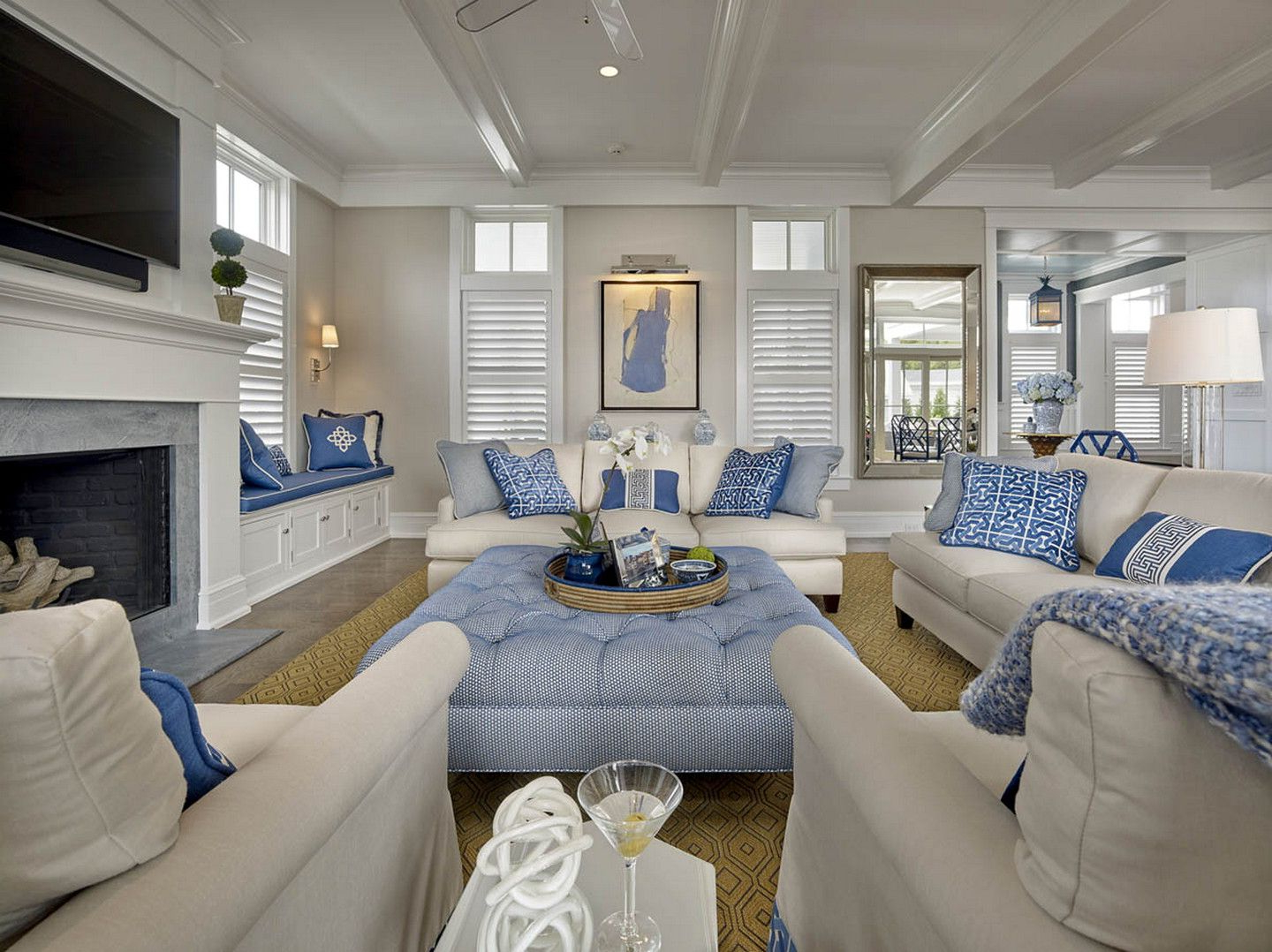
In today’s world of smaller living spaces, minimalist design isn’t just about keeping things simple—it’s about maximizing every inch of your home. Whether you’re dealing with a studio apartment or a cozy cottage, these principles can help you create a space that feels both functional and peaceful.
Let’s face it—living in a small space can feel like a constant challenge. You’ve got limited room, but you still want everything to look clean and organized. The good news? Minimalist design principles offer a solution that’s both elegant and practical. These concepts aren’t just trendy—they’re proven methods for making compact interiors feel expansive and comfortable. When we talk about minimalism in small spaces, we’re really talking about intentionality. Every element in your home should serve a purpose, whether that’s storing things or simply making you feel good when you’re in there. It’s not about having less stuff—it’s about having exactly what you need, and nothing more.
The Core Philosophy of Minimalist Design
Minimalist design operates on the belief that less truly is more. This approach emphasizes clean lines, uncluttered surfaces, and thoughtful selection of items. When applied to small spaces, it creates an immediate sense of calm and openness. Think of it like a breath of fresh air—when you remove the unnecessary, the remaining elements become more powerful and intentional. The philosophy behind this isn’t about deprivation; it’s about creating room for what matters most. In compact homes, this means choosing furniture that serves multiple functions, selecting decor that enhances rather than overwhelms, and keeping surfaces clear of distractions. The result? A space that feels light, airy, and effortlessly organized.
Maximizing Space Through Smart Storage Solutions
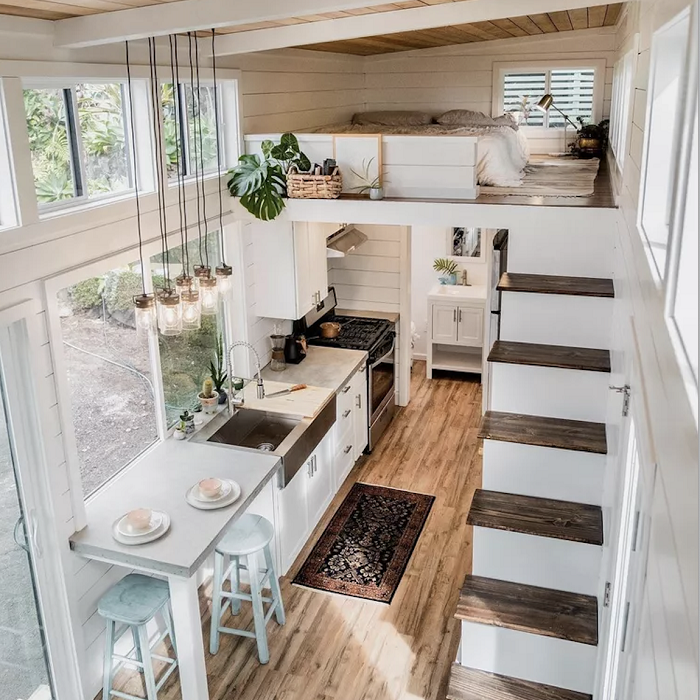
One of the biggest challenges in small spaces is finding places for all your belongings. That’s where smart storage comes in. Hidden storage solutions can make a huge difference in how your space feels. Consider built-in shelving that disappears into walls, or furniture pieces that double as storage containers. Under-bed storage, vertical cabinets, and multi-functional furniture are all game-changers for tight quarters.
The key is to keep storage solutions that blend seamlessly into your overall design rather than looking like they were thrown in to solve a problem. For instance, a coffee table with hidden compartments can hold books and remote controls while maintaining a clean top surface. The goal isn’t just to hide things away—it’s to make them easily accessible when you need them.
Choosing the Right Color Palette
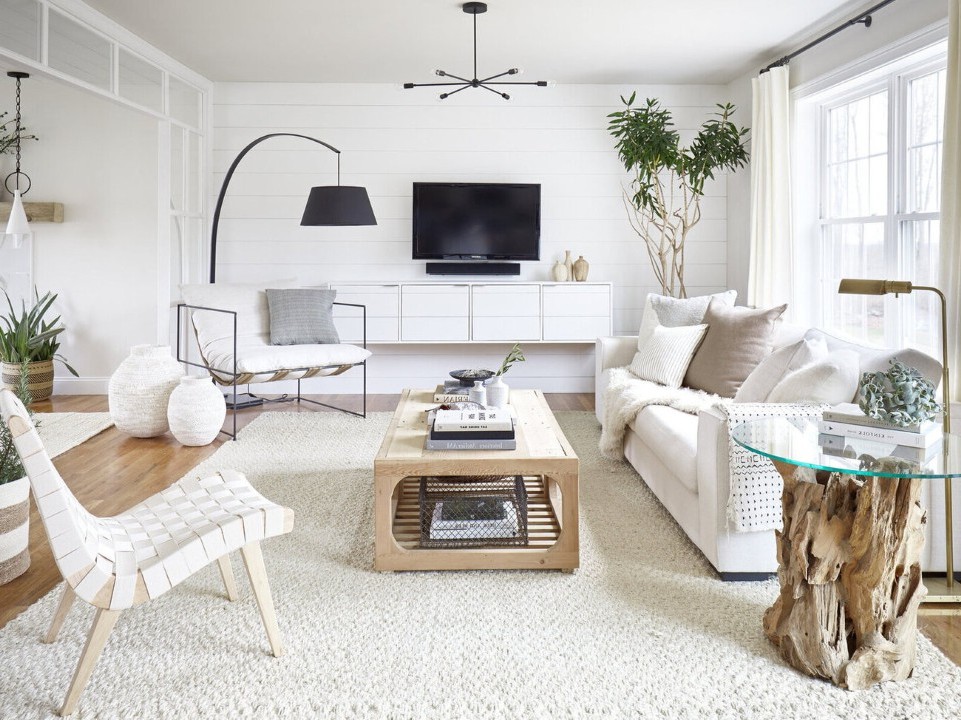
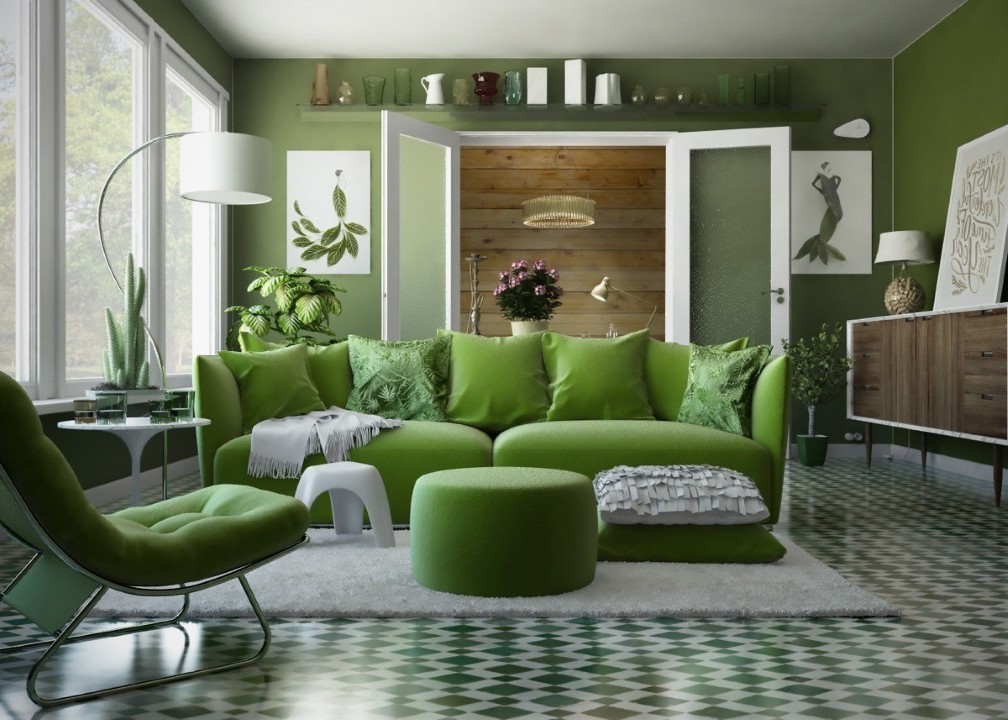
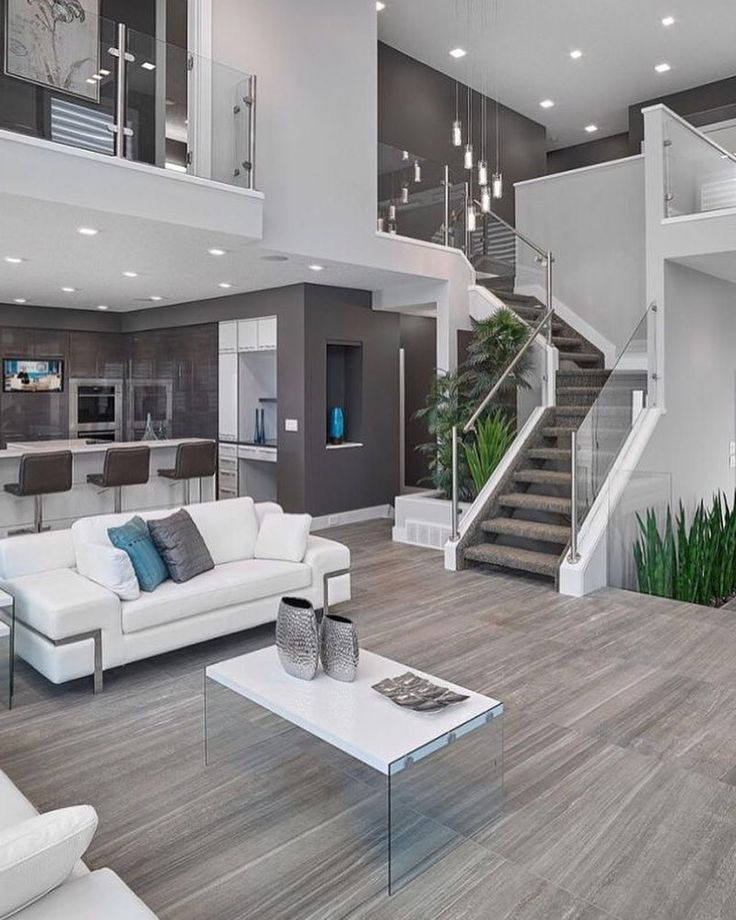
Color plays a massive role in how spacious a room feels. Light, neutral tones tend to make small areas appear larger because they reflect light and create a sense of continuity. White, cream, and soft grays are popular choices because they work well with natural light and create a clean backdrop for other design elements. But don’t think you have to stick to boring whites. Soft blues, warm beiges, and muted greens can also make a room feel bigger while adding personality. The trick is consistency. Stick to a few colors throughout your space rather than scattering different hues everywhere. This creates visual harmony that helps the eye move smoothly through the room. When you add accent colors, do it sparingly and strategically. Maybe a blue throw pillow on a white sofa or some green plants to bring life to the space.
The Power of Multi-Functional Furniture
In small spaces, every piece of furniture needs to earn its place. That’s why multi-functional furniture is a must-have. A dining table that doubles as a workspace, a sofa bed that serves as guest accommodation, or storage ottomans that provide seating and extra room for belongings. These pieces are particularly important in studio apartments or one-bedroom units where space is at a premium. When shopping for furniture, ask yourself if each item serves more than one purpose. Does it store things? Does it provide seating? Does it define a space? The best furniture in small homes is often the kind that can adapt to different needs throughout the day. A dining table that becomes a desk during work hours, or a bench that provides both seating and storage for shoes and bags. The key is planning ahead and choosing pieces that will remain useful over time.
Lighting That Enhances Your Space
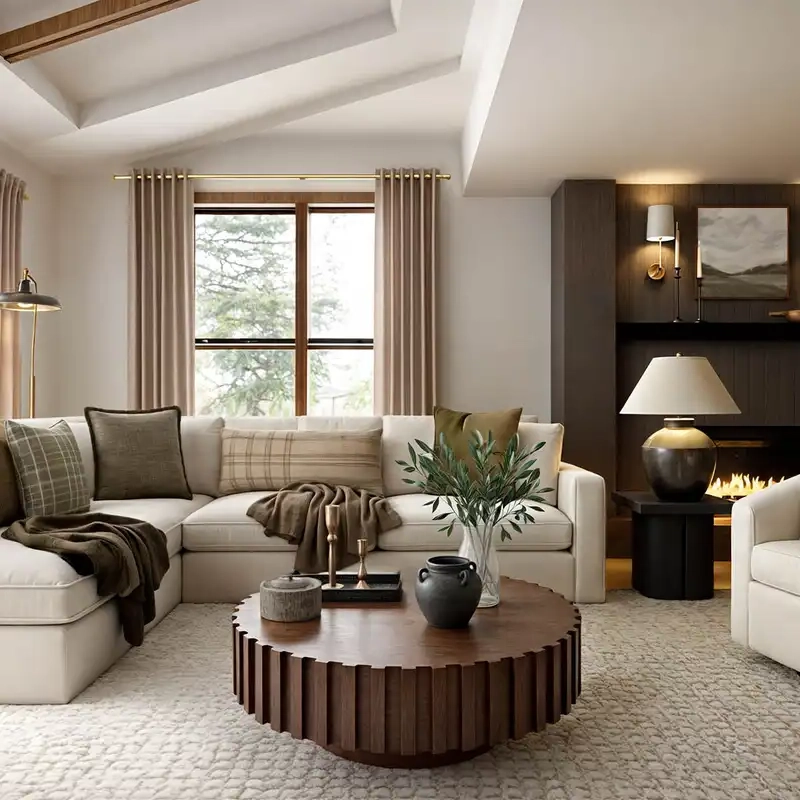
Proper lighting can completely change how a small room feels. Natural light is always your best friend, so try to maximize it by keeping windows unobstructed and using light-colored curtains. But artificial lighting is equally important. Layer your lighting with different sources: ambient light for general illumination, task lighting for specific activities, and accent lighting to highlight interesting features. In small spaces, it’s better to have several smaller lights rather than one large fixture that dominates the room. Table lamps, wall sconces, and LED strip lighting can all contribute to a well-lit environment without overwhelming the space. Dimmer switches are especially helpful because they allow you to adjust the mood based on the time of day or activity. A bright, harsh light might make a small room feel cold and clinical, while softer lighting can create warmth and intimacy.
Creating Visual Flow and Balance
Even in small spaces, creating a sense of movement and balance is crucial. This means thinking about how the eye moves through your room and ensuring that no single area feels too heavy or dominant. Start by establishing focal points—maybe a beautiful window, a striking piece of art, or a unique architectural feature. Then arrange furniture and decor around these points to guide traffic naturally through the space. Keep similar items grouped together to create visual unity. For example, place all your books on one shelf, or group decorative objects in pairs rather than scattering them randomly.
The goal is to make your space feel organized and intentional, not chaotic or random. Pay attention to proportions too—don’t put a large piece of furniture in a small corner, and avoid overcrowding any one area. Small spaces benefit from breathing room, even when you’re using every available inch.
Practical Tips for Implementation
Putting these principles into practice doesn’t have to be overwhelming. Start small by focusing on one area at a time. Begin with clearing out one drawer or cabinet, then gradually expand to larger spaces. Consider the 80/20 rule—keep 80% of items you actually use regularly, and let go of the rest. Be ruthless about what you keep, but also be kind to yourself. Sometimes it’s okay to keep sentimental items, even if they don’t fit perfectly into your minimalist vision.
The key is finding a balance between practicality and personal comfort. Invest in quality pieces that will last rather than cheap items that will break or wear out quickly. Also remember to declutter regularly—not just once, but consistently. A clutter-free space requires ongoing maintenance, but the benefits are worth it. Finally, don’t be afraid to experiment and adjust as you learn what works best for your lifestyle and preferences.
Minimalist design for small spaces isn’t about sacrifice or limitation—it’s about creating intentional, functional environments that support your daily life. By focusing on smart storage solutions, thoughtful color choices, and multi-functional furniture, you can transform even the tiniest of homes into spaces that feel open, calm, and truly yours. The beauty of this approach lies in its simplicity: you’re not trying to make a small space look big, you’re creating a space that feels right for you.
Whether you’re starting fresh or looking to refresh an existing small space, these principles offer a roadmap for success. Remember, the goal isn’t perfection—it’s finding what makes you happy and comfortable in your own home. With careful planning and a little creativity, even the smallest spaces can become sanctuaries of style and function.