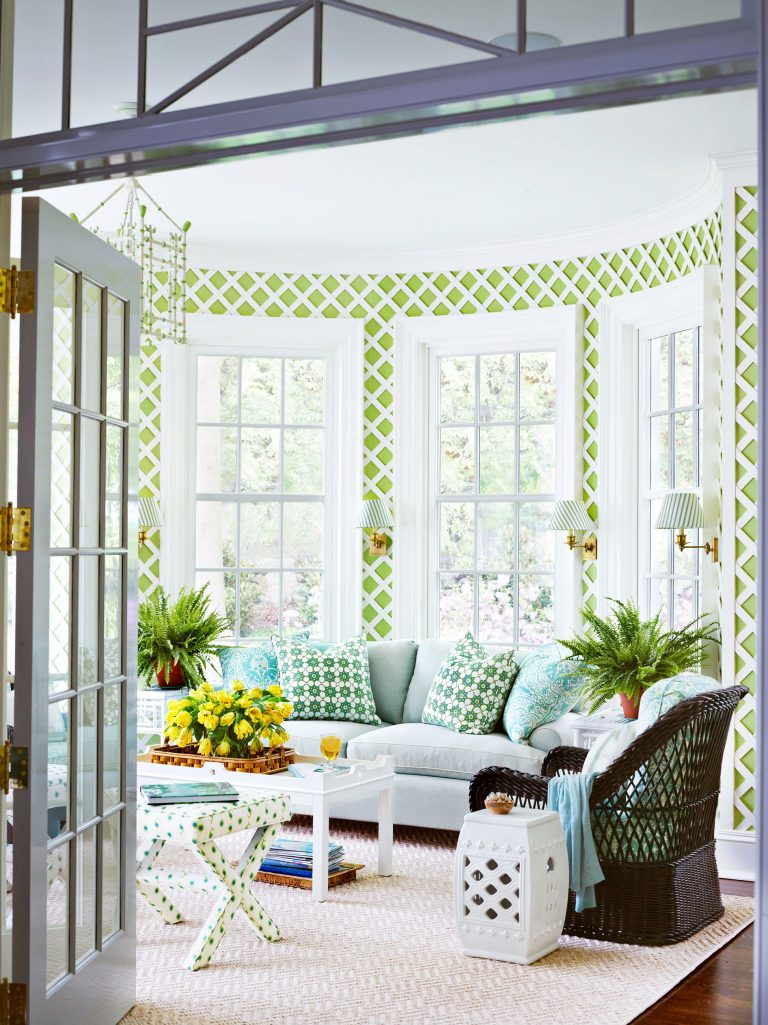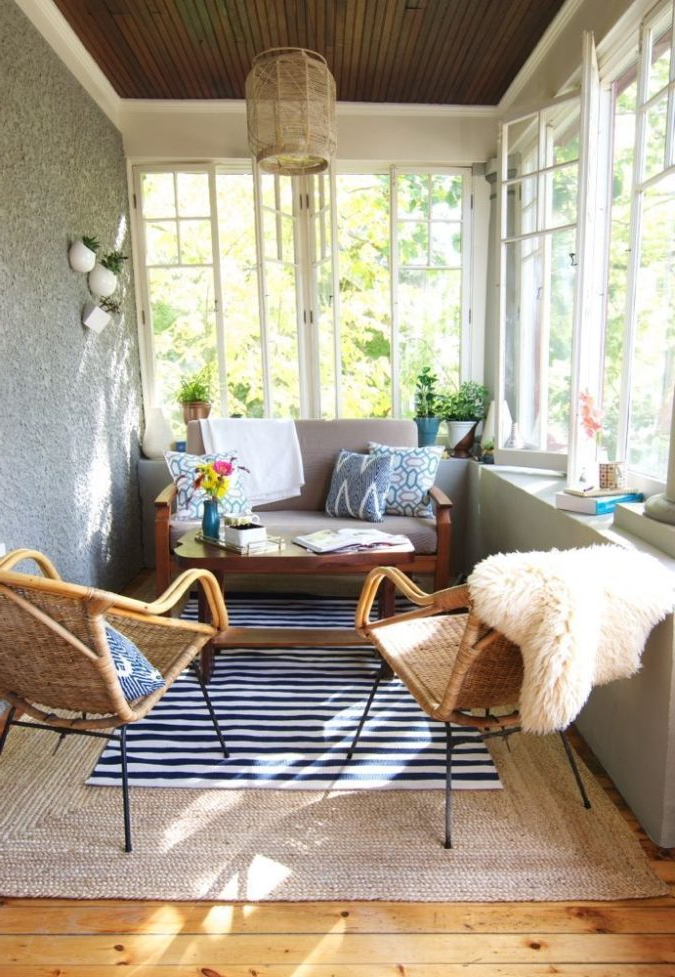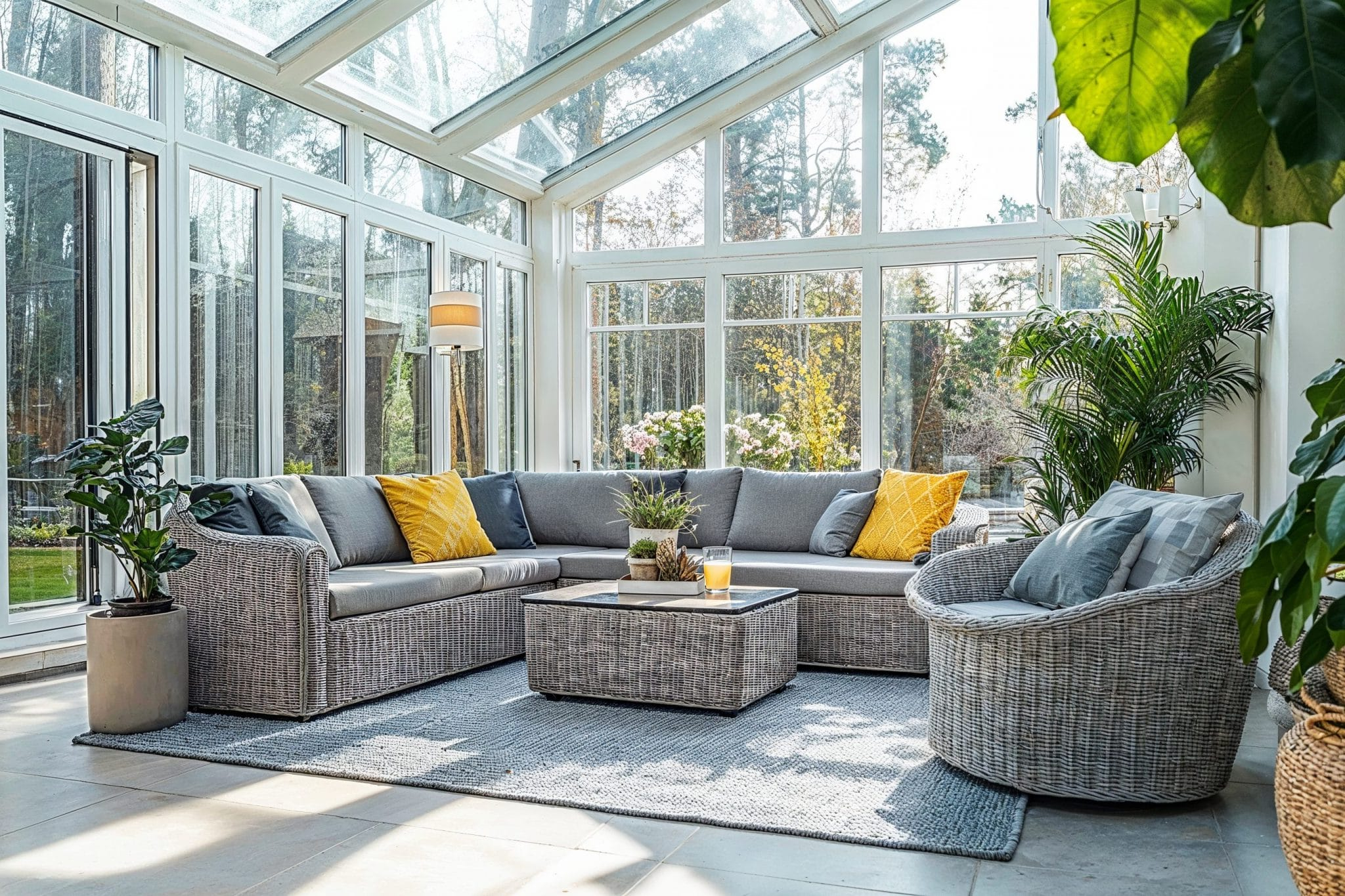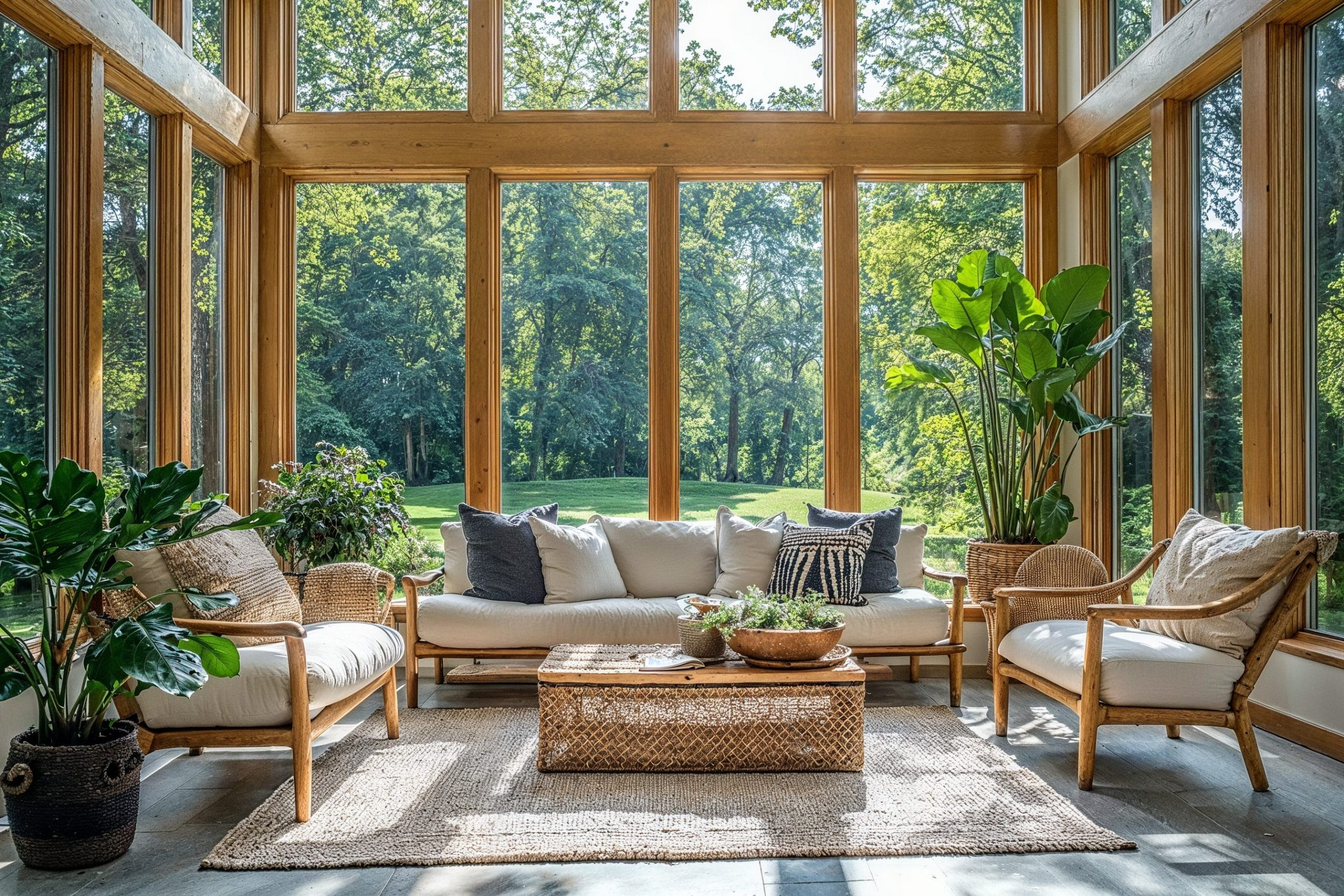
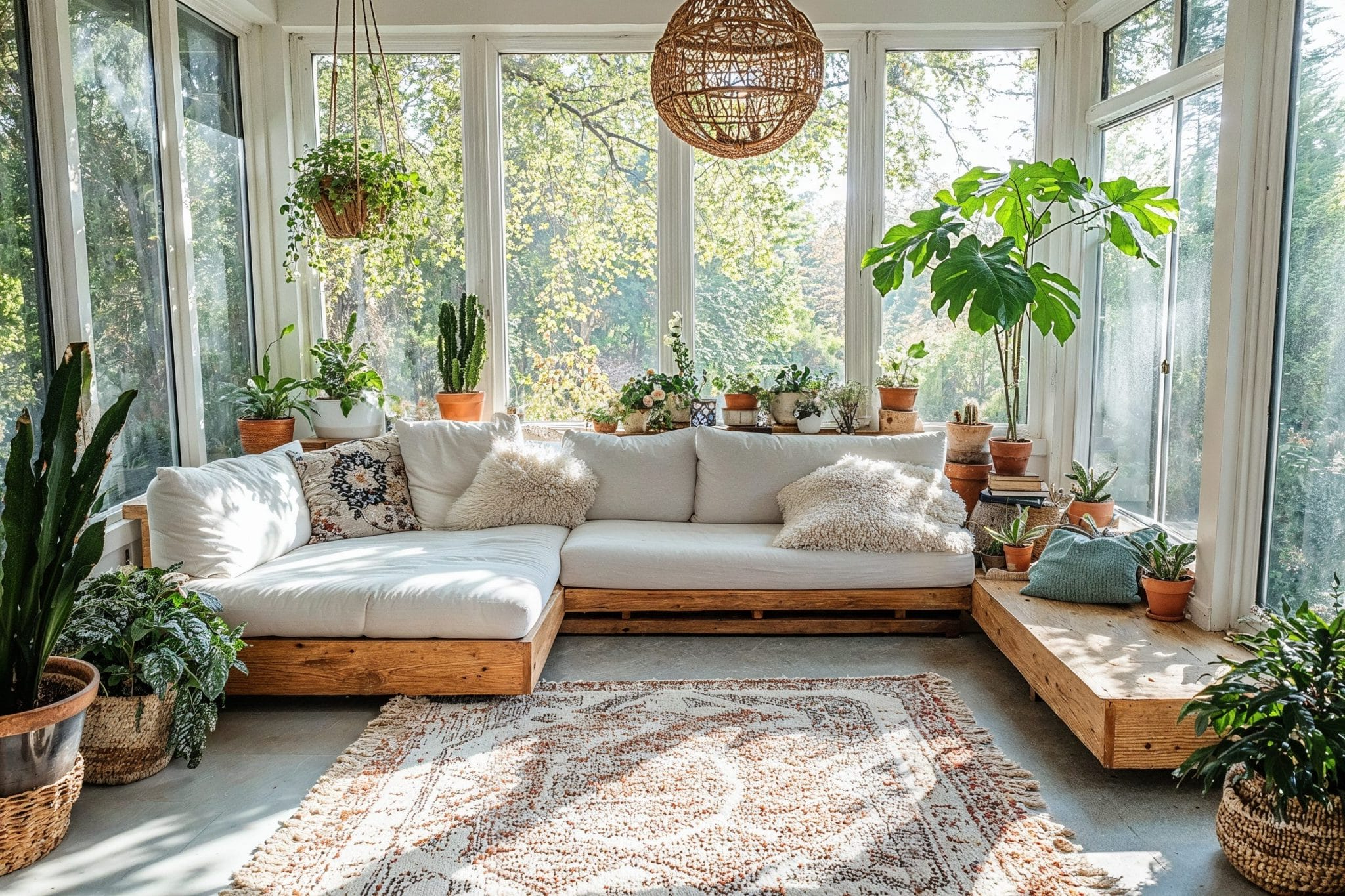
Sunrooms are often seen as casual spaces for morning coffee or afternoon reading. But what if we told you they could become the heart of your home? These bright, airy areas have incredible potential when thoughtfully transformed into versatile living spaces. The key lies in understanding how to maximize both function and beauty while maintaining that welcoming sunroom feel.
Sunrooms offer something special that few other rooms can match – natural light and a connection to the outdoors. Whether you have a small conservatory or a large sunroom, the possibilities for transformation are endless. You might be surprised to learn that many homeowners are discovering that their sunroom can serve as everything from a cozy reading nook to a home office, and even a guest bedroom. The trick is knowing how to approach the space with intention and creativity. Let’s explore how you can make the most of this unique area.
Understanding Your Sunroom’s Potential
Every sunroom is different. Some face east and catch beautiful morning light, others overlook gardens or pools. Before diving into design decisions, take stock of what your space naturally offers. Consider the room’s orientation, existing furniture, and how you currently use it. A sunroom that’s mostly used for dining might benefit from a shift toward more flexible seating arrangements. You might find that adding a few strategic storage solutions can dramatically change how you experience the space.
Think about how you want to use the room in the future. Do you want to entertain guests regularly? Or perhaps create a peaceful retreat away from the main living areas? These questions will guide your transformation strategy. Many people underestimate how much a few well-chosen changes can elevate a sunroom from simply a sun-drenched room to a truly functional part of their home.
The key is to start small. You don’t need to overhaul everything at once. Begin by identifying one area that could use improvement, then build from there. Sometimes a new rug or some updated lighting can completely change the vibe of a space.
Lighting Solutions That Work With Nature
Natural light is the biggest asset a sunroom has, but it can also be its biggest challenge. During summer months, direct sunlight can make the space uncomfortably hot, and in winter, the lack of warmth can make it feel cold and unwelcoming. This is where smart lighting choices come in handy.
Consider layering different types of lighting. Start with ambient lighting like recessed ceiling lights or pendant fixtures that provide general illumination. Then add task lighting such as table lamps or floor lamps for focused activities like reading or working. Finally, incorporate accent lighting to highlight architectural features or create a cozy atmosphere during evening hours.
Smart lighting systems allow you to adjust brightness and color temperature based on the time of day or season. For example, you might want warmer tones in the evening to create a relaxing ambiance, while cooler lighting works better for daytime activities. Many modern LED systems can be controlled via smartphone apps, making it easy to customize your lighting environment without getting up from your favorite chair.
Don’t forget about window treatments. Sheer curtains let in light while providing privacy, whereas blackout drapes can help control heat and create a more intimate setting when needed. These aren’t just decorative elements – they’re essential tools for managing your sunroom’s climate year-round.
Creating Flexible Zones Within One Space
One of the best ways to transform a sunroom is to divide it into distinct zones that can serve multiple purposes. This approach allows you to have different areas within the same room, each designed for specific activities.
For instance, you might create a reading corner with a comfortable chair and side table, a dining area with a small round table, and a workspace with a desk and chair. The beauty of zoning lies in how easily you can rearrange furniture when your needs change. This flexibility makes your sunroom adaptable to various lifestyles and seasons.
Use visual cues to separate these zones effectively. A low bookshelf can define a reading area without blocking sightlines. Area rugs help anchor furniture groups and give each zone its own identity. Even simple things like different lighting fixtures or colors can signal a change in function.
Some people find success using room dividers like screens or plants to create soft boundaries between zones. This approach maintains the open feeling of the sunroom while still allowing for distinct areas. The key is to keep the transitions smooth rather than abrupt, ensuring that the space feels cohesive despite its multifunctional nature.
Choosing Furniture That Suits Your Lifestyle
Selecting the right furniture is crucial when transforming a sunroom into a versatile living area. The furniture should complement both the natural elements of the space and your daily routines. You’ll want pieces that are both comfortable and practical, considering factors like durability and ease of movement.
Start by choosing furniture that fits the scale of your room. Oversized pieces can overwhelm a smaller sunroom, while tiny items might get lost in a larger space. Look for multi-functional furniture whenever possible. A coffee table with storage underneath can hold books, magazines, and other items while keeping the surface clean and organized.
Consider materials carefully. Wood and wicker work beautifully in sunrooms because they handle natural light and temperature changes well. Metal furniture can be sleek and modern, but make sure it’s rust-resistant if it’s near windows or in humid conditions. Upholstery should be fade-resistant and easy to clean, especially if pets or children are part of your household.
Don’t overlook the importance of comfort. Your sunroom should be inviting enough to encourage spending quality time there. Invest in cushions and throws that are both stylish and comfortable. These small touches can make all the difference in creating a space that feels lived-in and loved.
Maximizing Storage Without Clutter
Storage is often overlooked in sunroom transformations, but it’s essential for maintaining a clean, organized space. The key is to integrate storage solutions seamlessly into the design rather than letting them dominate the room.
Built-in shelving units can be custom-designed to fit the contours of your sunroom walls. These offer plenty of space for books, plants, and decorative items without taking up floor space. Consider using the vertical space above windows or under eaves for additional storage.
Furniture with hidden storage capabilities is another great option. Ottomans with hinged tops can store blankets, seasonal decorations, or even extra bedding. Side tables with drawers can hold remote controls, reading glasses, or small accessories.
Think about seasonal storage needs. During winter, you might want to store lighter items like summer pillows or outdoor furniture. During spring and summer, you may need more space for garden tools or picnic supplies. Having a system that allows for easy seasonal changes keeps your sunroom feeling fresh year-round.
The goal isn’t to fill every corner with storage containers. Instead, focus on having designated spots for frequently used items and easy access to seasonal belongings. This creates a sense of order that makes the space feel more spacious and manageable.
Seasonal Adaptations and Year-Round Comfort
A truly versatile sunroom needs to adapt to changing seasons and weather conditions. The challenge lies in maintaining its appeal and functionality throughout the year.
In warmer months, you’ll want to maximize airflow and minimize heat buildup. Light-colored fabrics, breathable materials, and good ventilation are essential. Consider adding fans or a small air conditioning unit if the room gets too hot during peak summer days. Plants can also help regulate humidity and add freshness to the air.
Winter brings different challenges. While you want to maintain the bright, airy feel, you’ll need to add warmth and coziness. Layered window treatments, thick rugs, and warm-toned accessories can help. Adding a small heater or fire pit can create a focal point for the colder months.
Many people find that creating a ‘seasonal rotation’ helps keep the sunroom feeling fresh. Swap out lighter summer furnishings for heavier winter pieces. Store seasonal items like holiday decorations or beach gear properly so they’re ready when needed.
Technology plays a role too. Smart thermostats can automatically adjust temperatures based on the season, while programmable lighting can simulate natural daylight patterns. These subtle adjustments help maintain comfort without requiring constant manual changes.
Personal Touches That Make It Feel Like Home
Finally, no sunroom transformation is complete without personal touches that reflect your style and personality. These elements make the space feel truly yours and create emotional connections that go beyond mere functionality.
Artwork is one of the easiest ways to personalize a sunroom. Choose pieces that complement the natural light and colors of the room. Large-scale prints or paintings can serve as focal points, while smaller pieces scattered around can add visual interest.
Plants are essential for any sunroom. They bring life, improve air quality, and create a connection to the outdoors. Start with low-maintenance options like succulents or snake plants, then gradually add more delicate varieties as you gain confidence. Consider hanging planters or wall-mounted displays to save floor space while maximizing greenery.
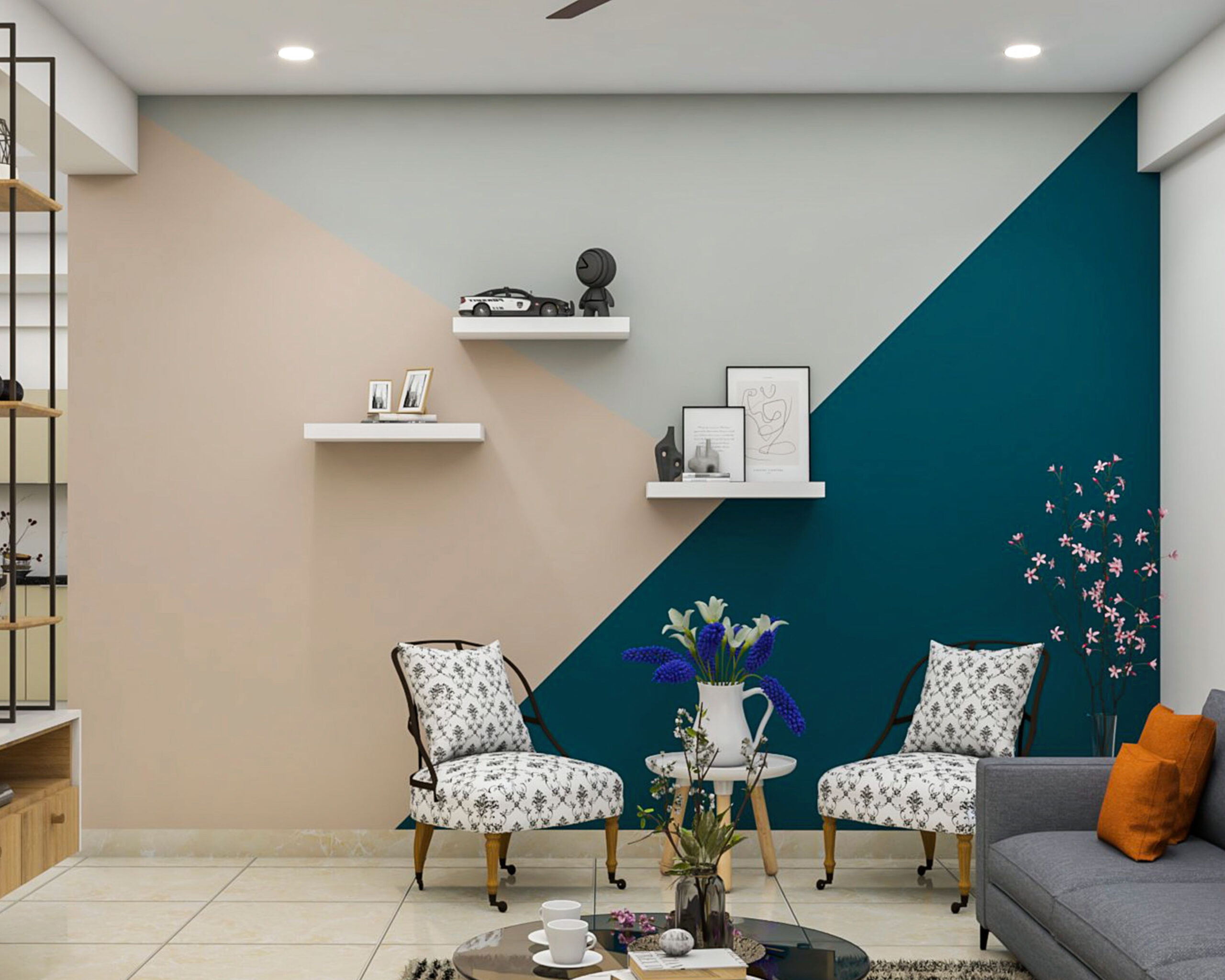
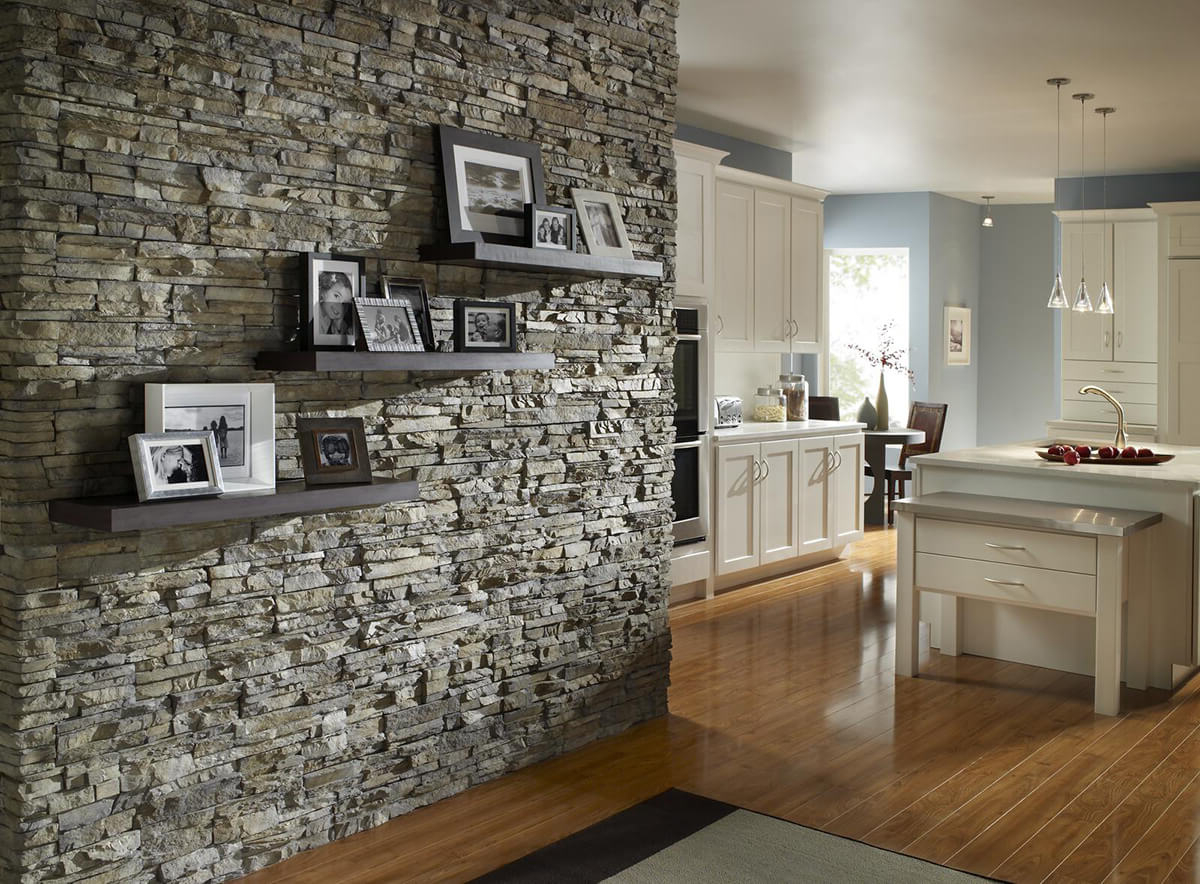
Photographs, books, and personal collections can be displayed in creative ways. Floating shelves, picture frames arranged in groups, or even a gallery wall can showcase your interests and memories. These elements tell the story of your life and create a space that feels authentic and meaningful.
The most important thing is to avoid over-decorating. Leave some breathing room for the natural elements to shine through. Sometimes less really is more, especially when it comes to making a sunroom feel like a true extension of your home.
Making It Work for Your Family’s Needs
When transforming a sunroom, consider how it will serve your family members differently. A sunroom that works for everyone is one that becomes a beloved part of your daily routine.
If you have children, think about safety features and durability. Choose rounded furniture edges, non-slip surfaces, and materials that can handle spills and accidents. Create a dedicated space for play or learning activities, perhaps with a small chalkboard or whiteboard wall.
For older adults or those with mobility concerns, accessibility becomes important. Ensure there’s adequate space for wheelchairs or walkers, choose furniture with appropriate heights, and consider slip-resistant flooring options.
Entertainment is another factor. If you enjoy hosting gatherings, make sure there’s enough seating for guests and space for movement. Consider a small kitchenette or bar area for serving drinks and snacks.
Communication within your family about expectations and usage helps prevent conflicts and ensures everyone gets the most out of the space. Schedule regular check-ins to discuss how the sunroom is working for everyone and make adjustments as needed. This collaborative approach often leads to better results and stronger family bonds.
Budget-Friendly Transformation Tips
You don’t need to spend a fortune to transform your sunroom into a versatile living space. Smart budget management can yield impressive results without breaking your wallet.
Start by prioritizing the most impactful changes first. Perhaps it’s updating lighting or adding a few key pieces of furniture. Once those basics are in place, you can gradually add more elements over time.
Repurposing existing items can save money while giving your sunroom a fresh look. Old wooden crates can become storage units, vintage chairs can be refinished and repositioned, and old fabric can be used for cushions or throw pillows.
DIY projects can be both fun and cost-effective. Simple tasks like painting trim, installing new hardware on cabinets, or creating custom window treatments can make a big difference. Online tutorials make it easier than ever to tackle these projects yourself.
Shopping secondhand or visiting discount stores can yield surprising finds. Look for gently used furniture that just needs a little TLC. Many local thrift stores and estate sales have hidden gems that can fit perfectly into a sunroom renovation.
Remember that the goal is to create a space that works for you, not necessarily one that looks perfect in magazines. Small changes can make a huge impact, and the satisfaction of doing it yourself adds value beyond the physical improvements.
Transforming your sunroom into a versatile living area is about more than just rearranging furniture or adding new decor. It’s about creating a space that evolves with your life and meets your changing needs throughout the year. By understanding your space’s unique characteristics, making thoughtful design choices, and incorporating personal touches, you can turn what might have been a neglected corner of your home into a treasured gathering place.
The journey doesn’t end once you’ve made your initial changes. As seasons pass and your lifestyle shifts, continue to revisit and refine your sunroom. What worked perfectly last year might need adjustment this season. The key is staying flexible and open to new possibilities.
Remember, your sunroom is meant to be enjoyed. Whether you’re reading a book in the morning sun, hosting friends for dinner, or simply enjoying quiet moments alone, this space should enhance your quality of life. When you approach the transformation with intention and care, the results will exceed your expectations. Your sunroom has the potential to become the most cherished part of your home, a place where memories are made and relationships are nurtured.