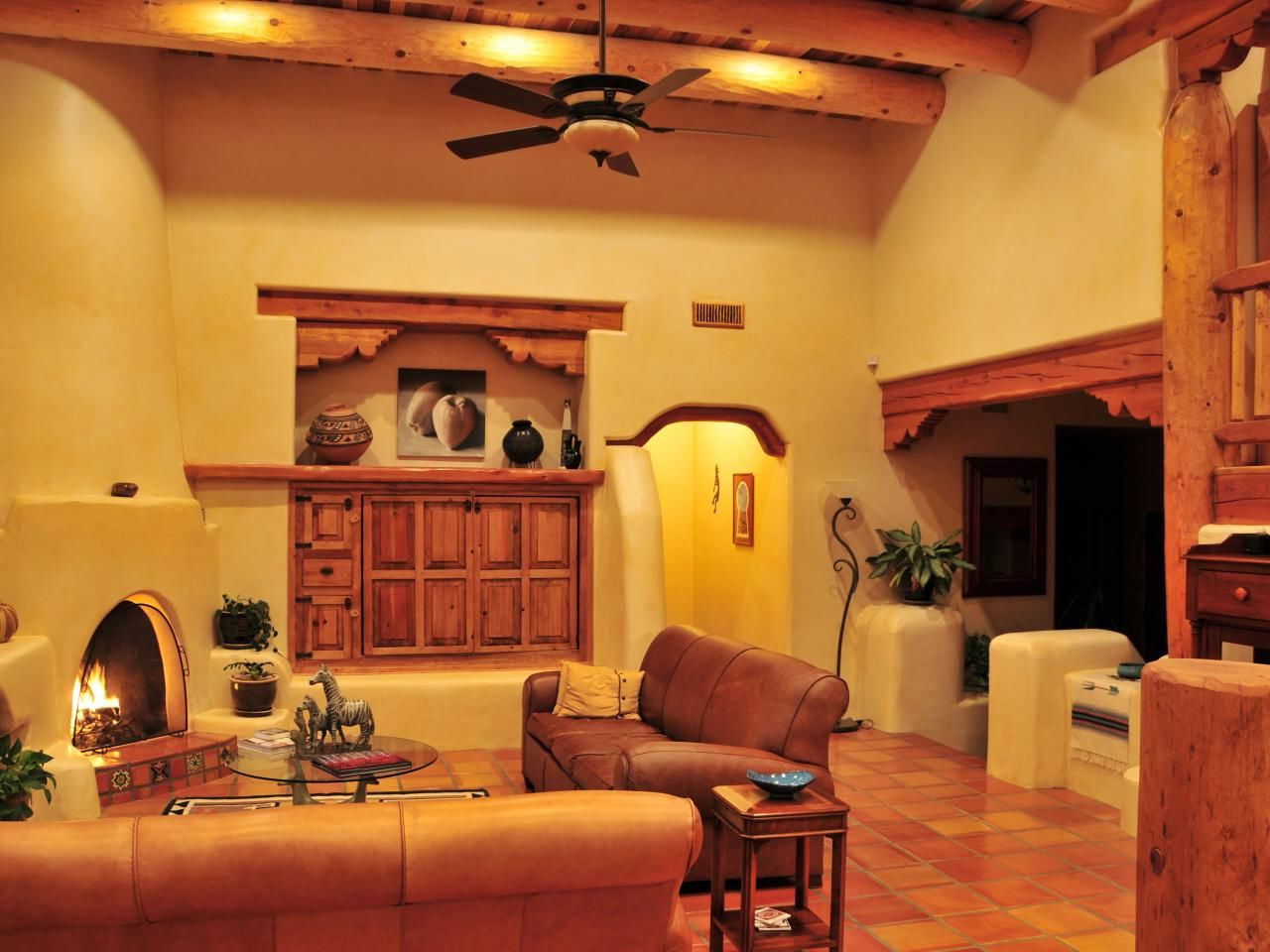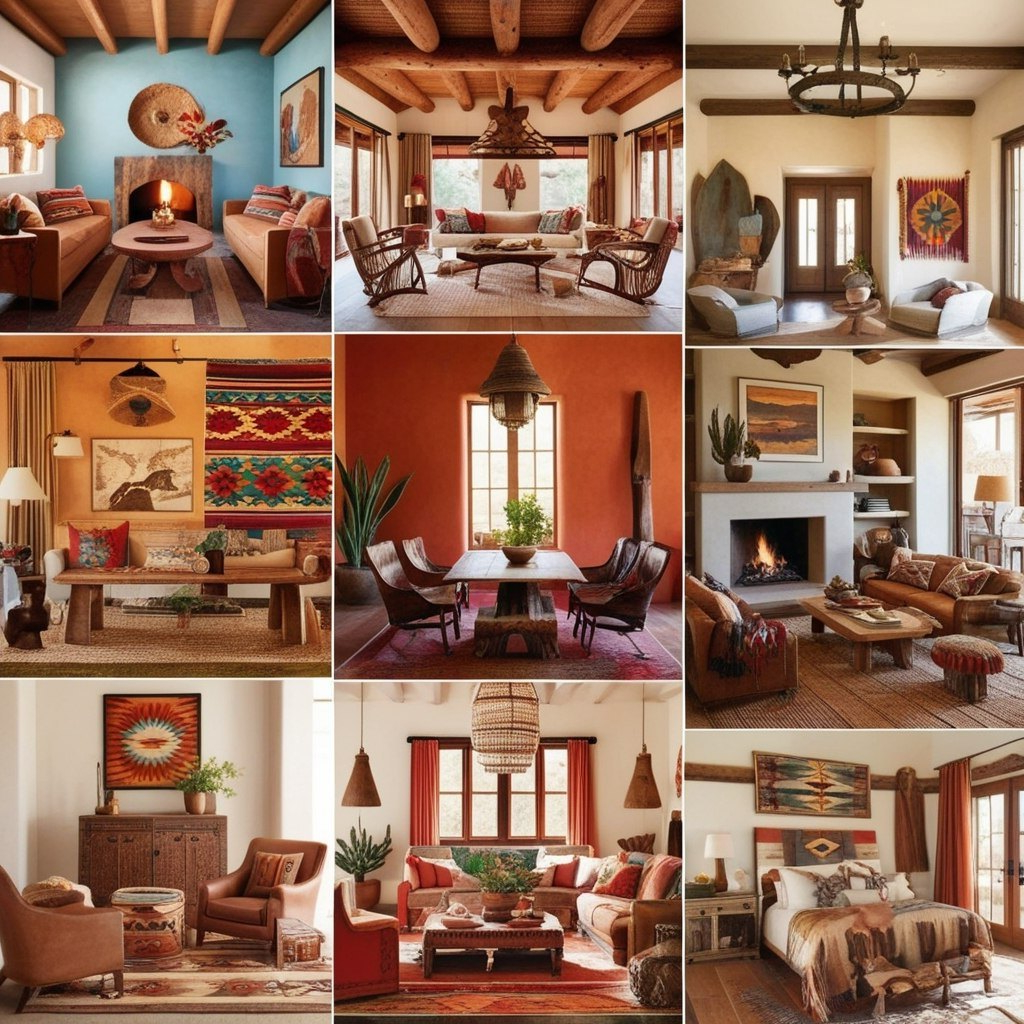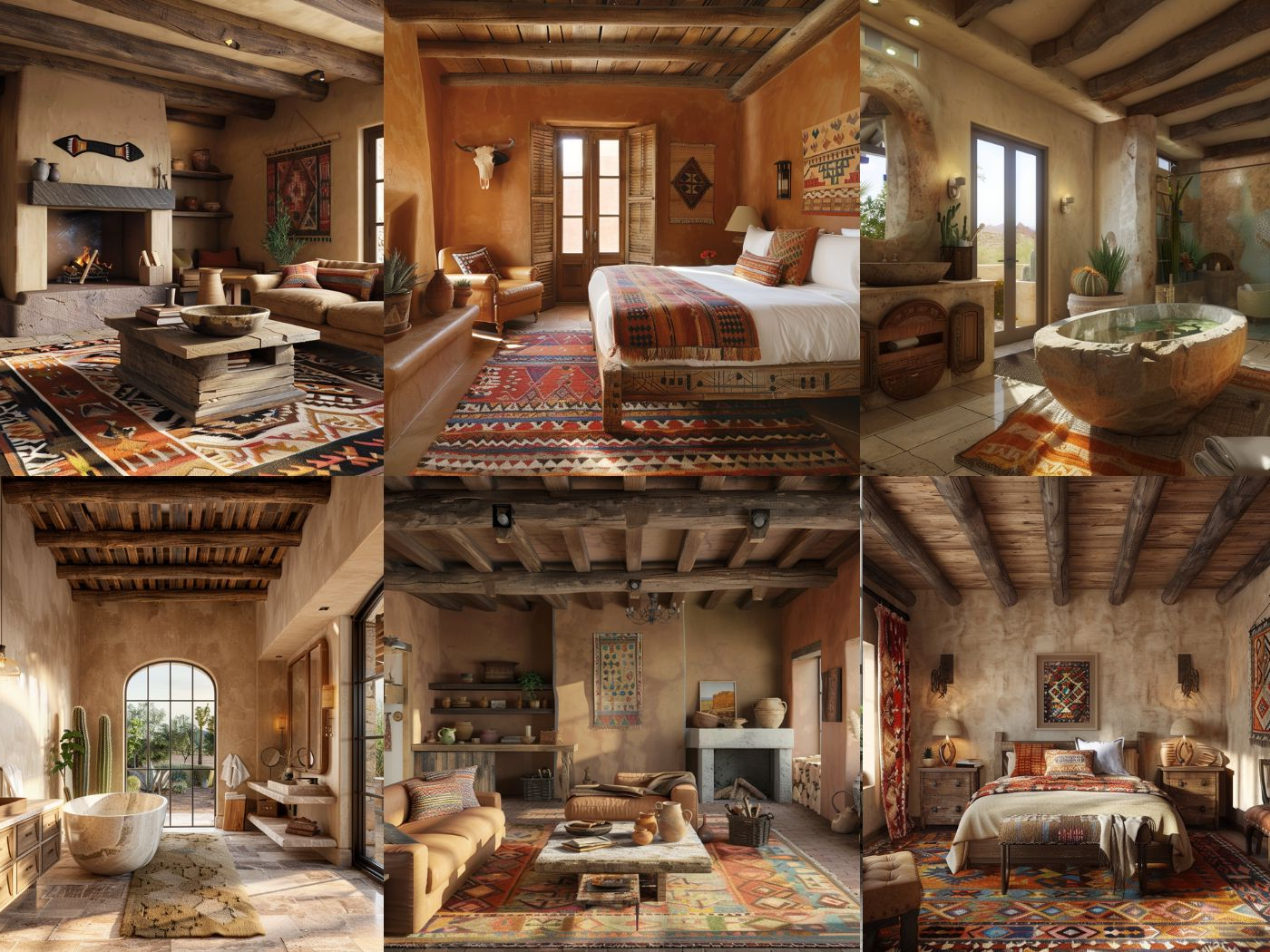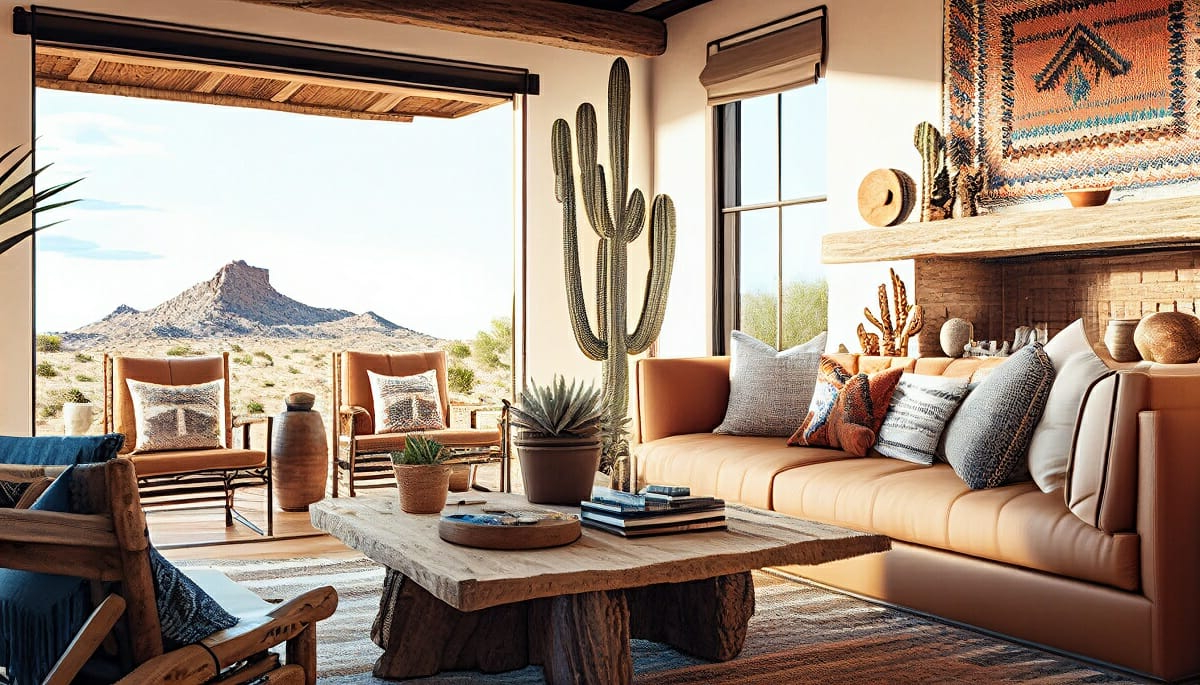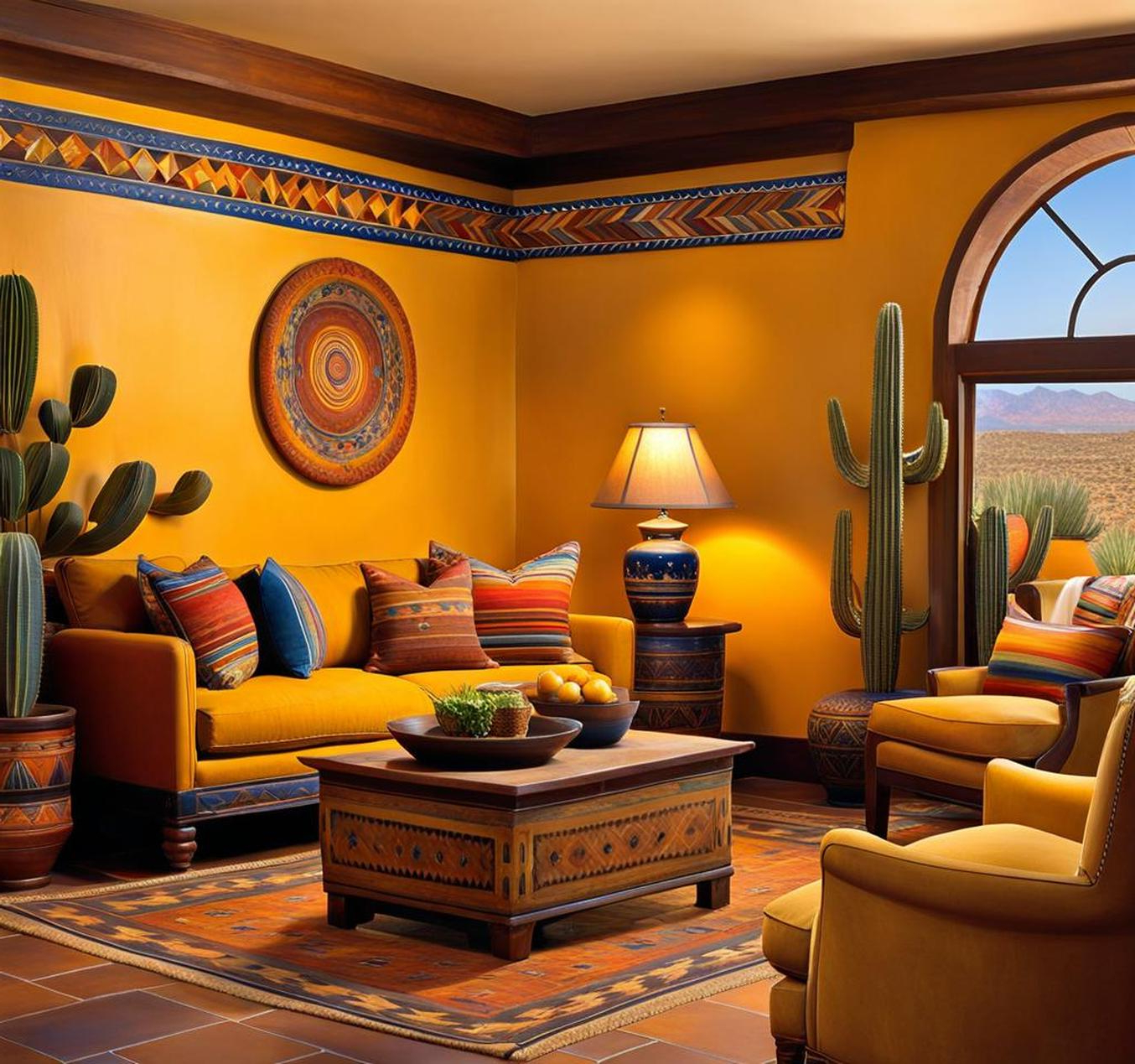
Southwestern interior design isn’t just about pretty colors and rustic furniture. It’s a celebration of centuries-old traditions, natural materials, and the deep connection between people and their environment. Think warm earth tones, handcrafted pottery, and the gentle embrace of desert landscapes. This design style speaks to something primal within us – our desire for spaces that feel grounded, authentic, and deeply connected to place.
When you picture the American Southwest, images of vast deserts, towering mesas, and ancient adobe structures probably come to mind. But what happens when you bring that same spirit indoors? What makes southwestern interior design so uniquely captivating? It’s not just about matching a few color schemes or adding some southwestern-themed decor. True southwestern design is about capturing the essence of the region’s culture, climate, and history.
From the intricate patterns found in traditional textiles to the way light filters through desert landscapes, every element tells a story. This approach to design speaks to those who want their homes to feel like sanctuaries that honor both the past and present. Whether you live in Arizona, New Mexico, Colorado, or anywhere else in the region, there’s something special about creating spaces that reflect the rugged beauty and rich traditions of this incredible part of the country.
Color Palette: Earth’s Natural Symphony
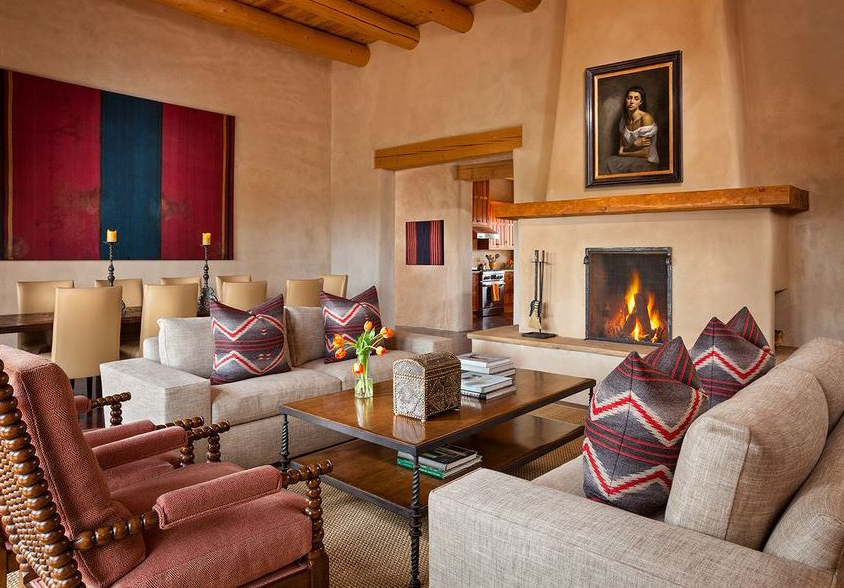
The colors in southwestern design aren’t chosen arbitrarily. They’re drawn directly from the landscape itself. Think deep terracotta, warm beige, rich brown, and muted sage greens that mirror the desert’s natural palette. These hues create a sense of calm and continuity with the outdoors. The beauty lies in how they work together – not as harsh contrasts, but as gentle harmonies. For instance, a warm tan wall might pair beautifully with deep reds in throw pillows and a rich brown leather chair.
You’ll often see the same colors reappearing throughout a space, creating that feeling of being wrapped in the desert’s embrace. Consider using different shades of the same color family rather than mixing completely different hues. This creates visual unity while still offering enough variation to keep things interesting. Sometimes, a simple beige or cream base allows the accent colors to really pop, making them feel more vibrant and intentional.
Natural Materials: Honoring the Land
One of the most defining aspects of southwestern design is its deep respect for natural materials. Wood, stone, clay, and woven fibers aren’t just decorative elements – they’re connections to the land and to ancestral traditions. Adobe bricks, with their warm, earthy tones, tell stories of early settlers and Native American craftsmanship. Stone walls, whether real or faux, bring that raw, rugged texture that’s synonymous with the region. Even the furniture pieces often feature natural wood grain patterns and earth-toned fabrics.
The key is authenticity – choosing materials that feel genuine rather than artificially aged or manufactured. Handwoven textiles add warmth and texture, often featuring traditional patterns passed down through generations. When selecting materials, consider how they’ll age naturally over time. The patina that develops on wood and stone adds character that can’t be replicated artificially. Think about how these materials will interact with natural light and create different moods throughout the day.
Cultural Influences: Weaving Stories Through Design
Southwestern design carries layers of cultural significance that go far beyond aesthetics. Native American tribes, Spanish colonists, and Mexican influences all contribute to the rich tapestry of styles. You’ll find traditional Navajo rugs with their distinctive geometric patterns, Pueblo pottery with its earthy glazes, and Spanish colonial elements like wrought iron details. These aren’t just decorative items – they’re vessels of cultural memory. The patterns themselves often carry meanings, telling stories of the people who created them.
Incorporating these elements means respecting their origins and understanding their significance. It’s not about copying or appropriating – it’s about honoring and celebrating these traditions. Many designers today work closely with artisans to ensure authentic representation rather than superficial borrowing. This approach creates spaces that feel respectful and meaningful, connecting inhabitants to broader cultural narratives.
Textiles and Patterns: Weaving Tradition Into Everyday Life
Fabric plays a crucial role in southwestern design, serving as both functional and artistic elements. Traditional patterns like geometric designs, floral motifs, and symbolic representations appear in everything from throw blankets to dining room tablecloths. These textiles often have specific meanings and cultural significance. The colors used typically align with the earthy palette mentioned earlier, though they can be more vibrant in certain contexts. Handmade items, particularly those created by local artisans, add a personal touch that mass-produced alternatives simply cannot match.
Consider incorporating a variety of textures – from soft cottons to sturdy wool blends. Layering different fabric types creates depth and visual interest while maintaining that cozy, lived-in feel. Sometimes, a single pattern can transform an entire room, making it feel cohesive and purposeful. Look for pieces that tell stories – perhaps a vintage rug with patterns that reflect the region’s history.
Lighting and Ambiance: Creating the Perfect Mood
Lighting in southwestern design goes beyond simply providing illumination. It’s about creating atmosphere and enhancing the natural beauty of materials. Natural light is prized, especially during the day when it highlights the warm tones of wood and stone. However, evening lighting needs to be carefully considered too. Warm, amber tones work best with the overall aesthetic. Candles, oil lamps, and softly lit fixtures create that intimate, welcoming feeling that’s central to the style. The way light hits textured surfaces – like adobe walls or woven textiles – can dramatically change how a space feels.
Some designers even incorporate outdoor lighting that extends the southwestern experience from inside to outside. Consider how different lighting scenarios affect the mood of your space. A dimly lit room with warm lighting can feel like a sanctuary, while bright, natural light can make a space feel fresh and energizing. The goal is always to enhance the connection between indoor and outdoor environments.
Functional Elements: Design That Works For Daily Life
Authentic southwestern design isn’t just about looking good – it’s about working well too. Spaces need to accommodate daily routines and lifestyle needs while maintaining their aesthetic integrity. This means thoughtful placement of furniture, smart storage solutions, and functional elements that don’t compromise the design’s character. Consider how people move through the space and what activities take place there. Seating arrangements should encourage conversation and relaxation.
Storage solutions might incorporate traditional elements like built-in shelving made from local wood or decorative containers that blend form and function. Outdoor living spaces often extend into the indoor design scheme, creating seamless transitions between inside and outside. The emphasis on durability and practicality means choosing materials and furniture that can handle everyday wear and tear. Sometimes, the most beautiful element is one that serves a clear purpose and does it well.
Southwestern interior design represents much more than a decorating trend – it’s a way of life that celebrates the connection between people and their environment. When done authentically, it creates spaces that feel grounded, meaningful, and deeply personal. The key lies in understanding that every element has purpose and significance. Whether you’re starting from scratch or updating existing spaces, focusing on natural materials, earthy colors, and cultural authenticity will help you achieve that genuine southwestern feel.
Remember, this style isn’t about perfection – it’s about embracing imperfection and finding beauty in the handmade, the natural, and the lived-in. The result is a home that doesn’t just look good, but feels good too. It’s a space that tells a story and invites others to become part of that narrative. So why not let the spirit of the Southwest inspire your next design project? After all, the best homes are those that reflect who we are and where we come from.