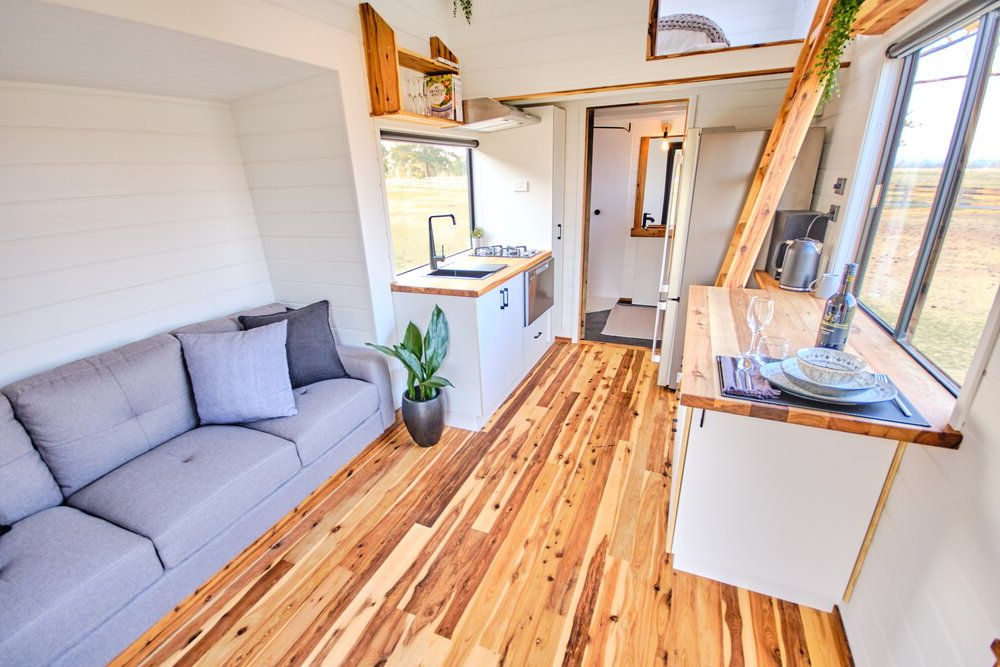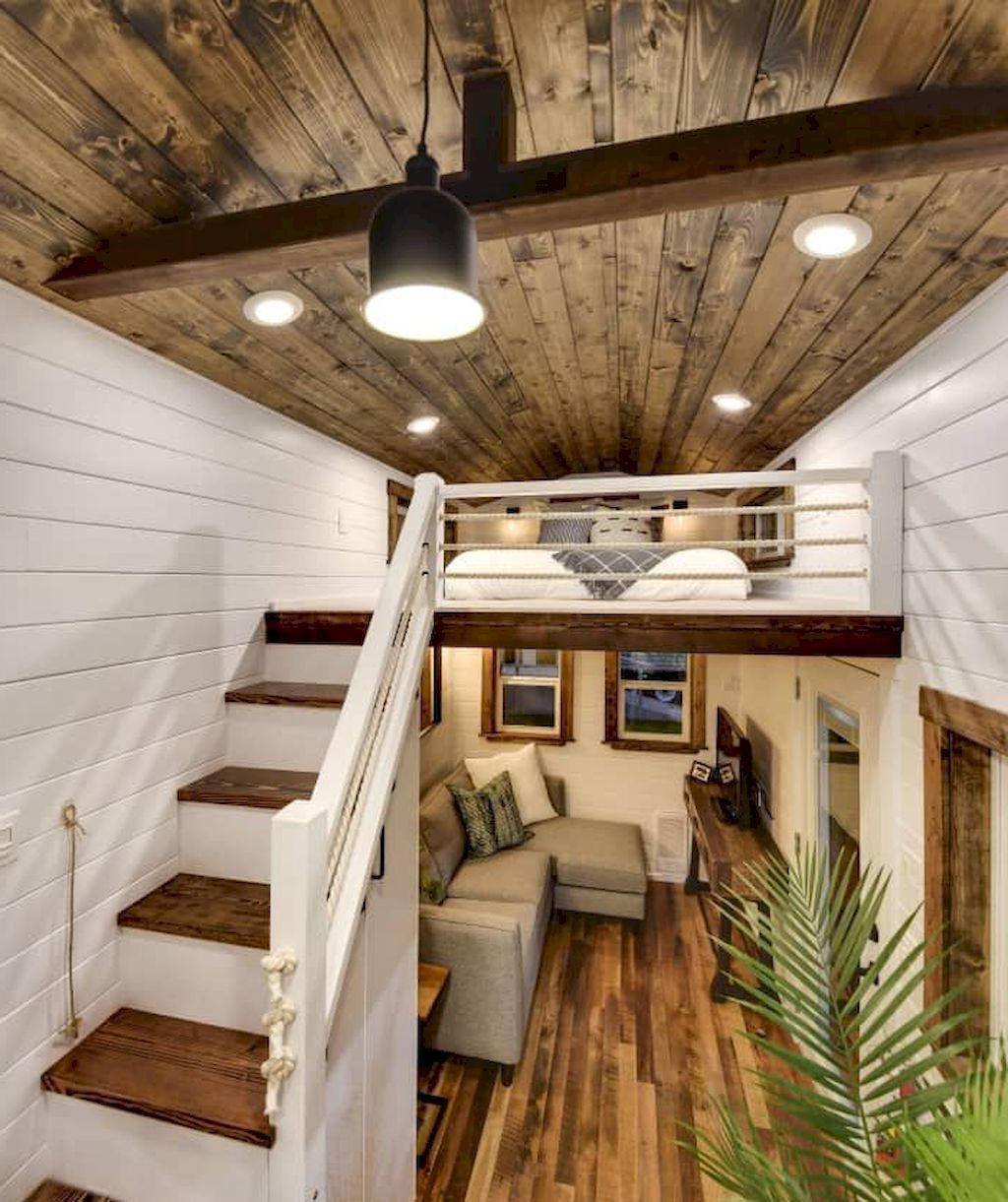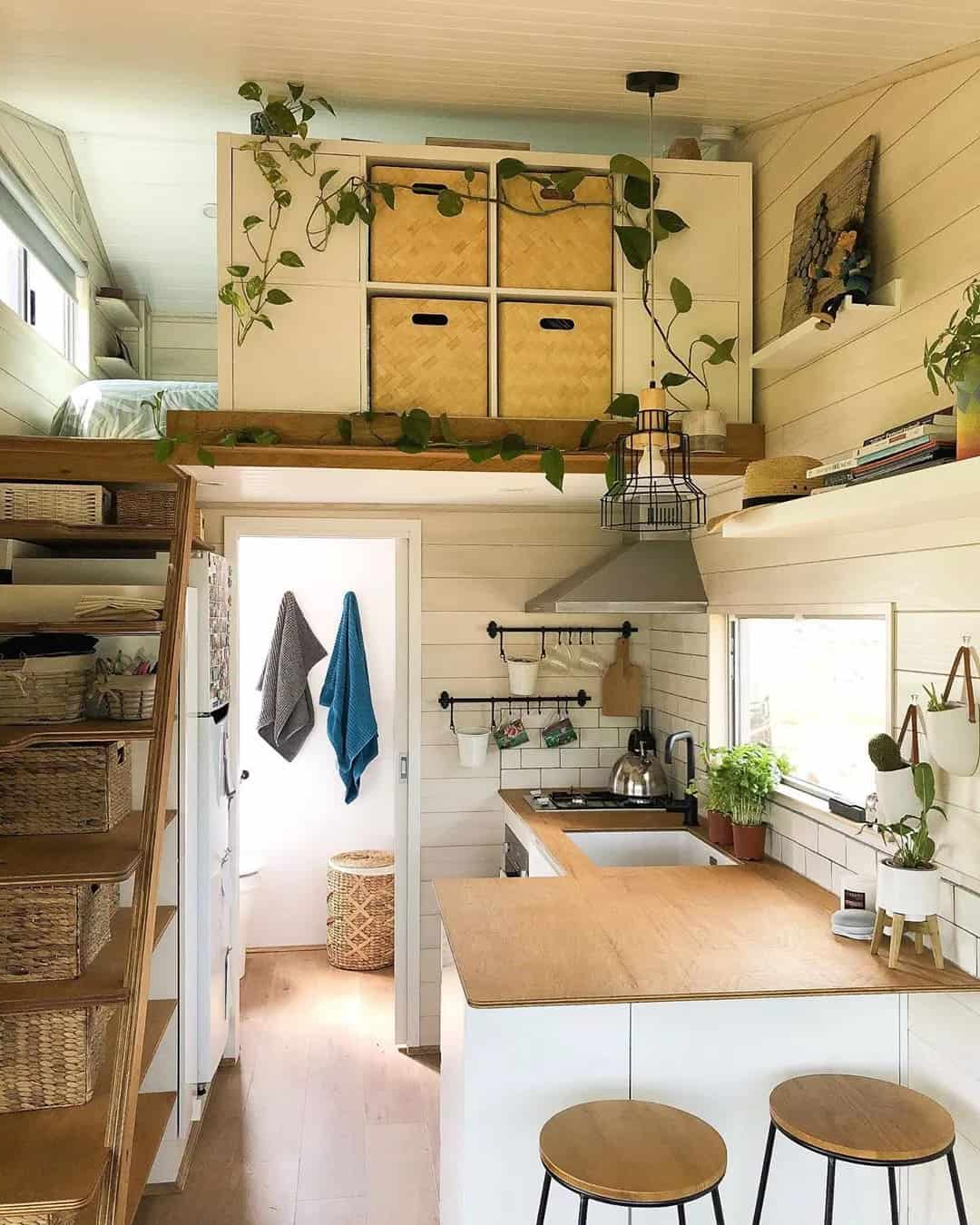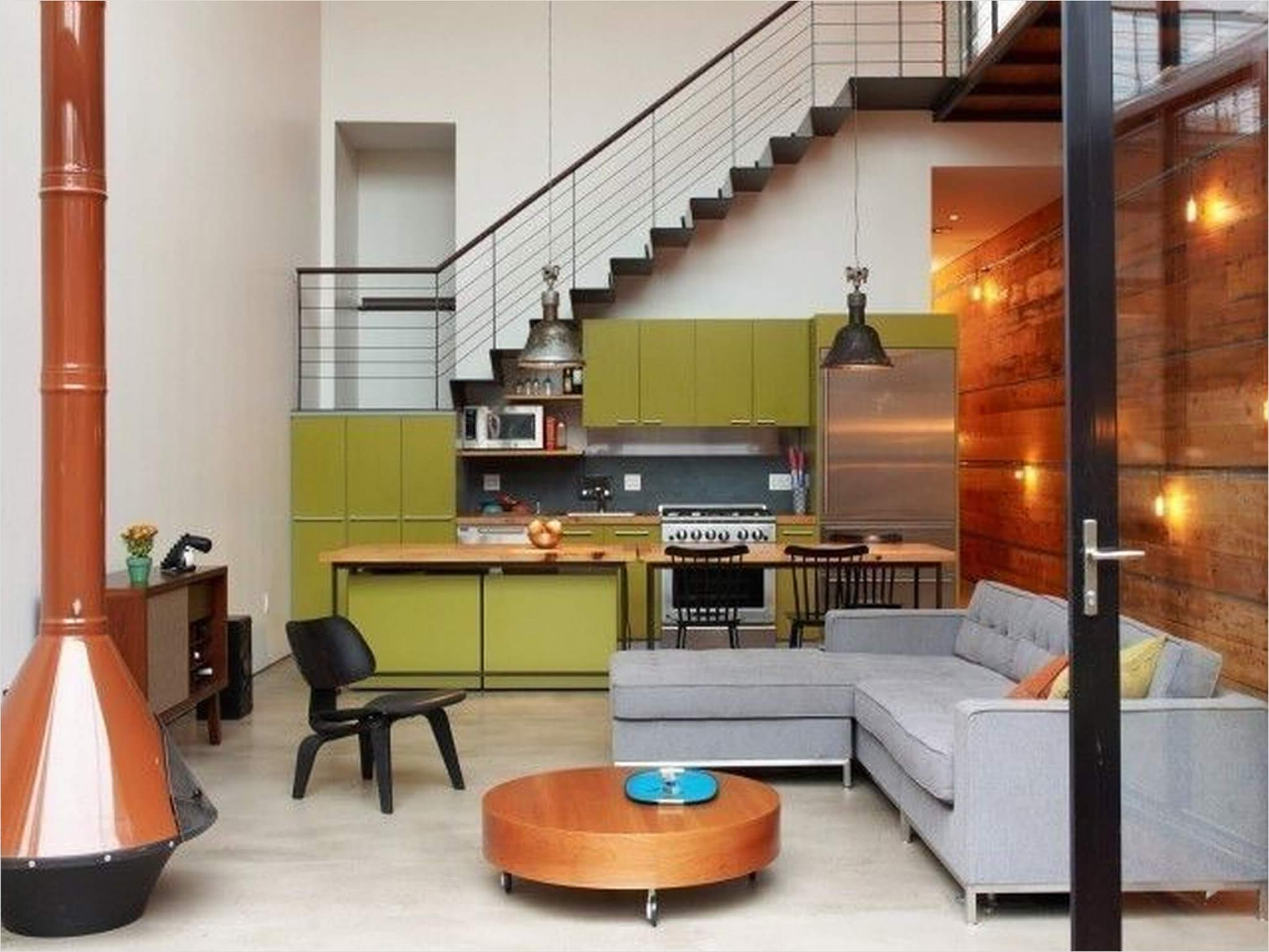
Small homes don’t have to mean cramped and uninviting spaces. With the right design approach, even the tiniest of houses can become cozy, functional, and absolutely stunning. The key lies in thinking beyond traditional limitations and embracing creative solutions that work with your space rather than against it.
Picture this: You’re standing in a 600-square-foot apartment with walls that seem to close in on you, yet somehow everything feels just right. The furniture isn’t crowded, the light flows beautifully, and every corner serves a purpose. This isn’t magic—it’s smart design. In our increasingly urbanized world, where space is at a premium and costs soar, transforming tiny spaces has become both an art and a necessity. Whether you’re living in a studio apartment, a converted garage, or a compact cottage, these innovative strategies can help you make the most of every square foot.
Maximizing Vertical Space and Multi-Functional Furniture for Smarter Living
Living in a small space doesn’t mean sacrificing comfort, style, or functionality. In fact, limited square footage often inspires the most creative design solutions. Two of the most effective strategies for making a compact home feel larger and more organized are maximizing vertical space and investing in multi-functional furniture. When used together, these approaches can completely transform how a space looks, feels, and works on a daily basis.
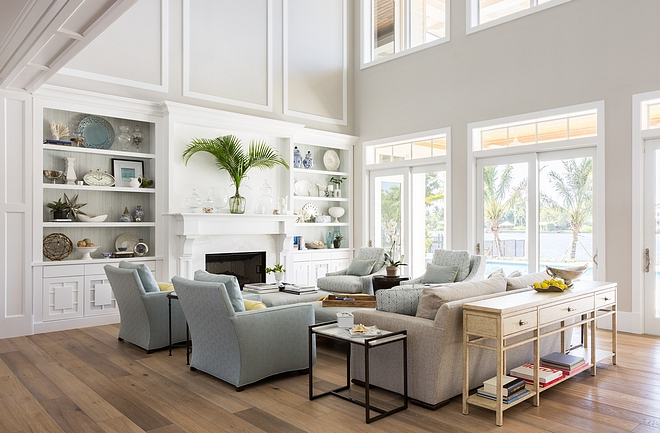
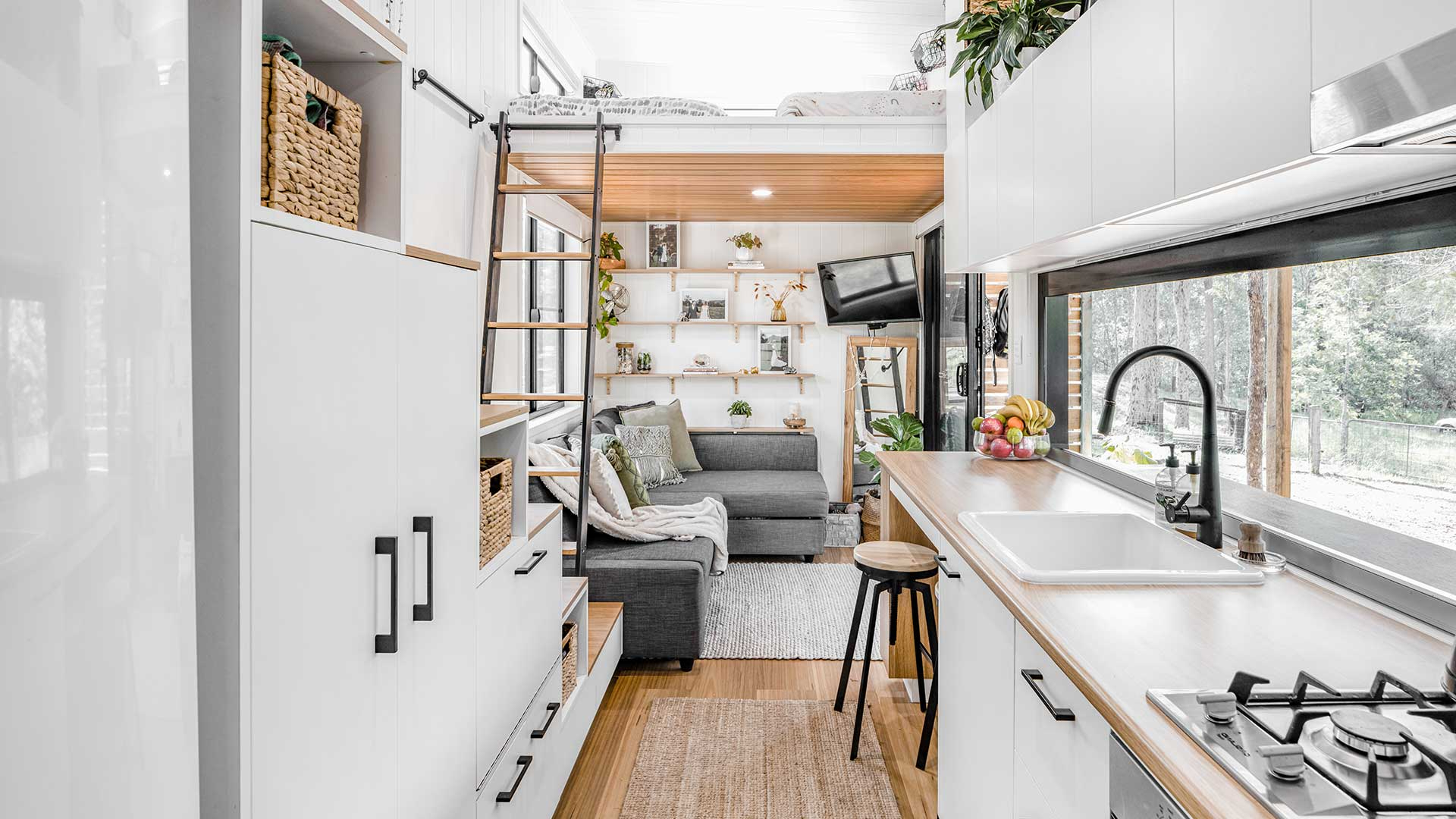
When floor space is at a premium, vertical space becomes your greatest asset. Walls are often underutilized, yet they offer enormous potential for both storage and visual impact. Tall shelving units that extend all the way to the ceiling draw the eye upward, creating the illusion of higher ceilings and a more open environment. This visual trick alone can make a small room feel significantly less cramped. Built-in shelves are especially effective because they blend seamlessly into the architecture, avoiding the bulky appearance of freestanding furniture.
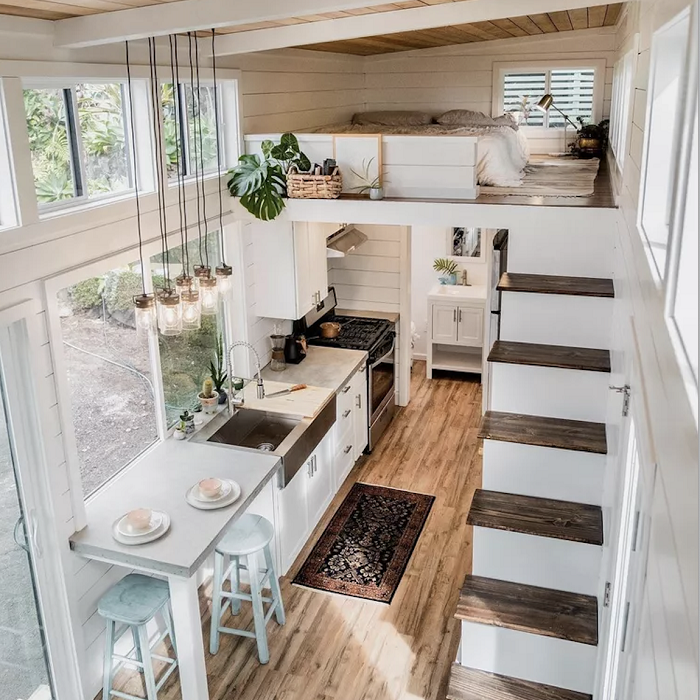
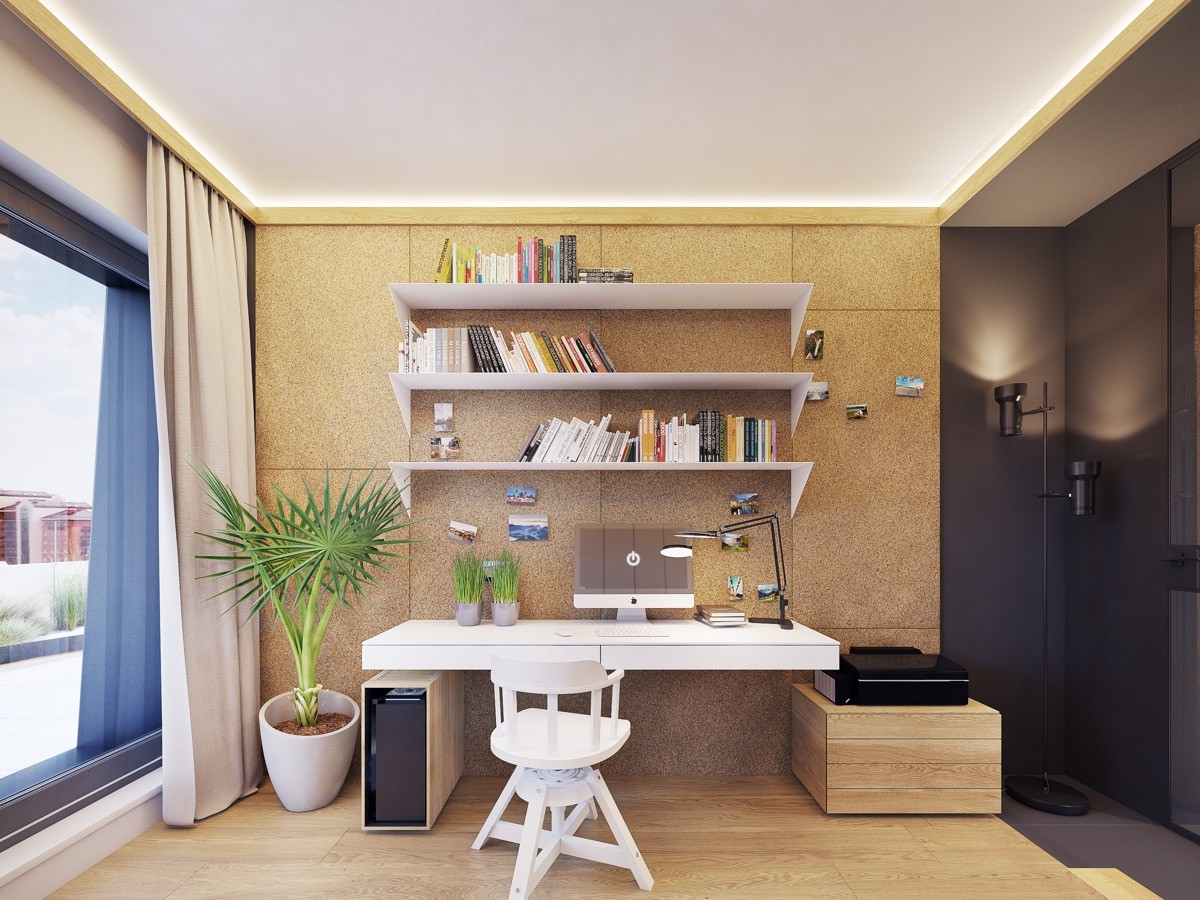
Floating shelves are another powerful tool. By mounting shelves at varying heights, you introduce rhythm and movement to the wall, turning storage into a design feature rather than a necessity. These shelves can showcase books, framed photos, plants, or curated decor, allowing your personality to shine through. In kitchens, vertical shelving can hold dishes, jars, and spices, keeping countertops clear and functional. In bedrooms, tall wardrobes or overhead cabinets can store seasonal clothing and extra bedding without encroaching on living space.
Vertical solutions aren’t limited to shelves alone. Think about wall-mounted hooks, pegboards, and rail systems. A pegboard in a home office or kitchen can organize tools, supplies, or utensils while keeping them easily accessible. Wall hooks near an entryway can replace bulky coat racks, freeing up valuable floor area. Even behind doors or above windows, there’s often untapped vertical space that can be used for slim storage units or display ledges.
Equally important in small-space design is choosing furniture that serves more than one purpose. Multi-functional furniture allows a single piece to adapt to different needs throughout the day, reducing clutter and increasing flexibility. For example, a sofa bed can transform a living room into a guest bedroom in minutes. A coffee table with hidden compartments provides storage while maintaining a clean, minimalist look. These clever designs eliminate the need for extra furniture, which helps small spaces feel lighter and more breathable.
Dining and work areas benefit especially from adaptable furniture. Fold-down tables or wall-mounted desks can be tucked away when not in use, instantly opening up the room. Extendable dining tables are perfect for entertaining guests without permanently occupying space. Storage ottomans and benches offer seating while discreetly hiding everyday items like shoes, bags, or blankets. In bedrooms, beds with built-in drawers or lift-up storage frames can replace bulky dressers altogether.
The true power of multi-functional furniture lies in how it supports your lifestyle. Instead of designing a room around how it “should” look, these pieces allow you to design around how you actually live. A hallway bench with storage becomes a place to pause, organize, and transition between home and the outside world. A modular shelving system can evolve as your needs change, adapting to new hobbies, work-from-home setups, or growing families.
Another advantage is visual simplicity. When furniture works harder, you need fewer pieces overall. This reduces visual clutter, which is especially important in small spaces. Clean lines, hidden storage, and cohesive materials help maintain a calm, organized atmosphere. The result is a home that feels intentional rather than crowded.
Ultimately, maximizing vertical space and choosing multi-functional furniture is about thinking smarter, not bigger. These strategies allow small homes to feel spacious, efficient, and deeply personal. By looking upward and choosing furniture that adapts with you, even the smallest spaces can support a comfortable, flexible, and beautifully designed lifestyle.
Lighting as a Design Tool
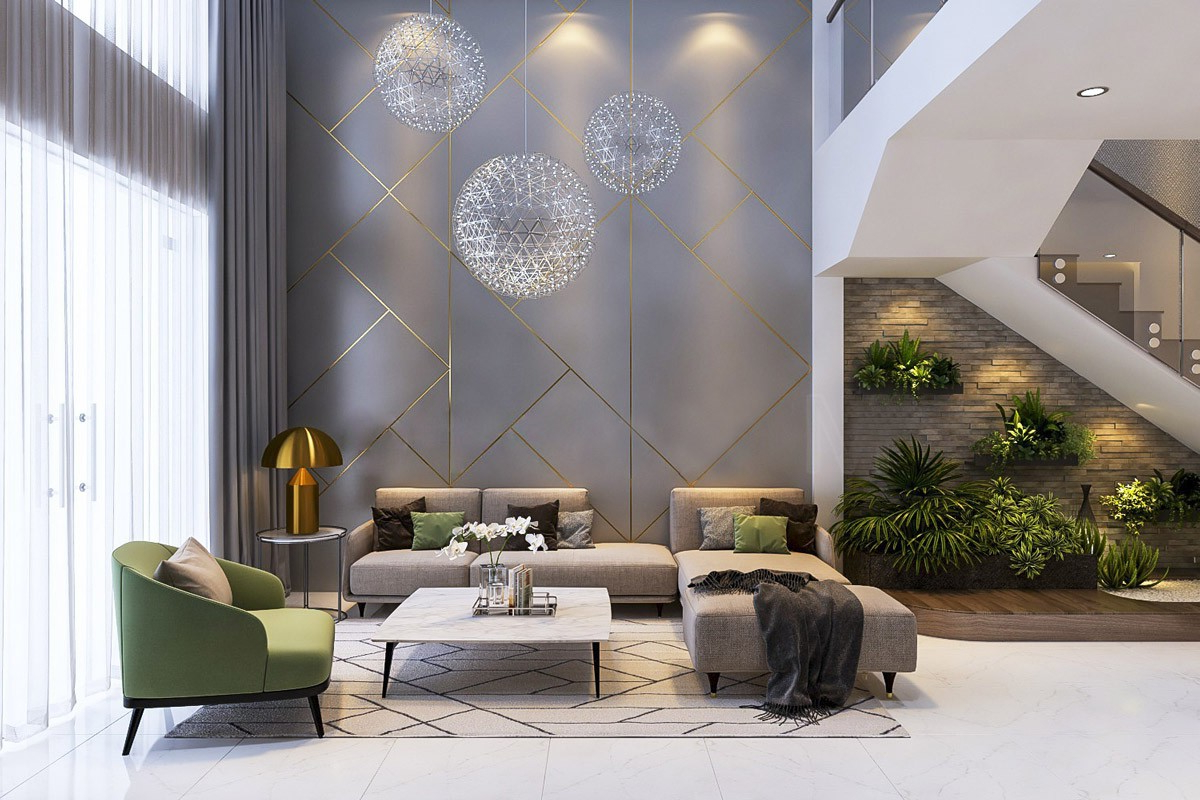
Natural light is always welcome, but when it’s scarce, artificial lighting becomes your best friend. Layered lighting—ambient, task, and accent—creates depth and dimension in small rooms. A single overhead light can make a space feel flat and lifeless. Instead, combine a central fixture with table lamps, wall sconces, and perhaps some string lights. This creates visual interest and makes the room feel larger. Smart lighting systems allow you to adjust brightness and color temperature throughout the day. During morning hours, bright white light helps you wake up. In the evening, warmer tones create a cozy atmosphere. Don’t forget about mirrors—they reflect light and make spaces appear bigger. A large mirror strategically placed can transform a small room into something much more expansive.
Color Psychology and Visual Tricks
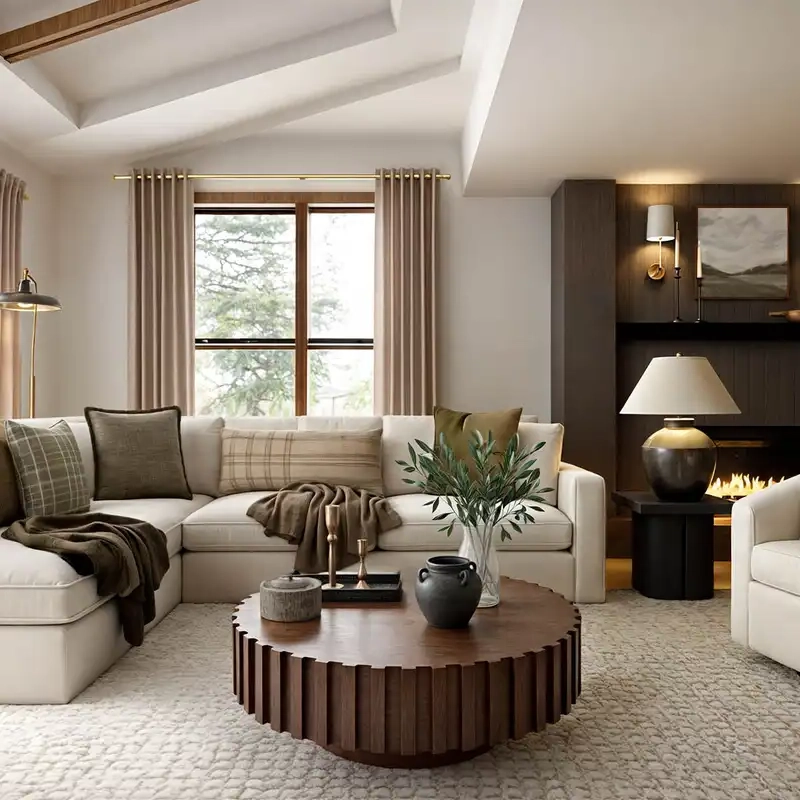
Colors have power, especially in small spaces. Light, neutral colors like whites, creams, and soft grays make rooms feel airy and bigger. They reflect light, creating an optical illusion that expands your space. Dark colors, while beautiful, should be used sparingly and strategically. A dark accent wall can anchor a room and add drama without overwhelming it. When choosing paint colors, consider how they’ll interact with your existing furniture and decor. Sometimes a bold accent color on a single wall can be more effective than painting the whole room. Textures also play a role in visual perception. Smooth surfaces tend to make spaces feel larger, while patterned fabrics and wallpapers can add visual interest without making things feel cluttered. The key is balance—use patterns thoughtfully and keep the overall palette cohesive.
Smart Storage Systems
Good organization is essential in small spaces. Every item should have a designated home, and that home should be easily accessible. Hidden storage solutions keep things out of sight while maintaining clean lines. Consider under-bed storage containers, over-the-door hooks, and storage in the space above your cabinets. Vertical storage solutions, such as tall shelving units, maximize every inch of available space. Many modern storage systems are designed specifically for small spaces, featuring adjustable shelves and clever compartmentalization. For example, a kitchen island with built-in storage can serve as both a prep area and a pantry. The key is to think about where you actually put things and how often you access them. Items you use daily should be within easy reach, while seasonal items can go higher up or further back.
Creating Zones Within Small Spaces
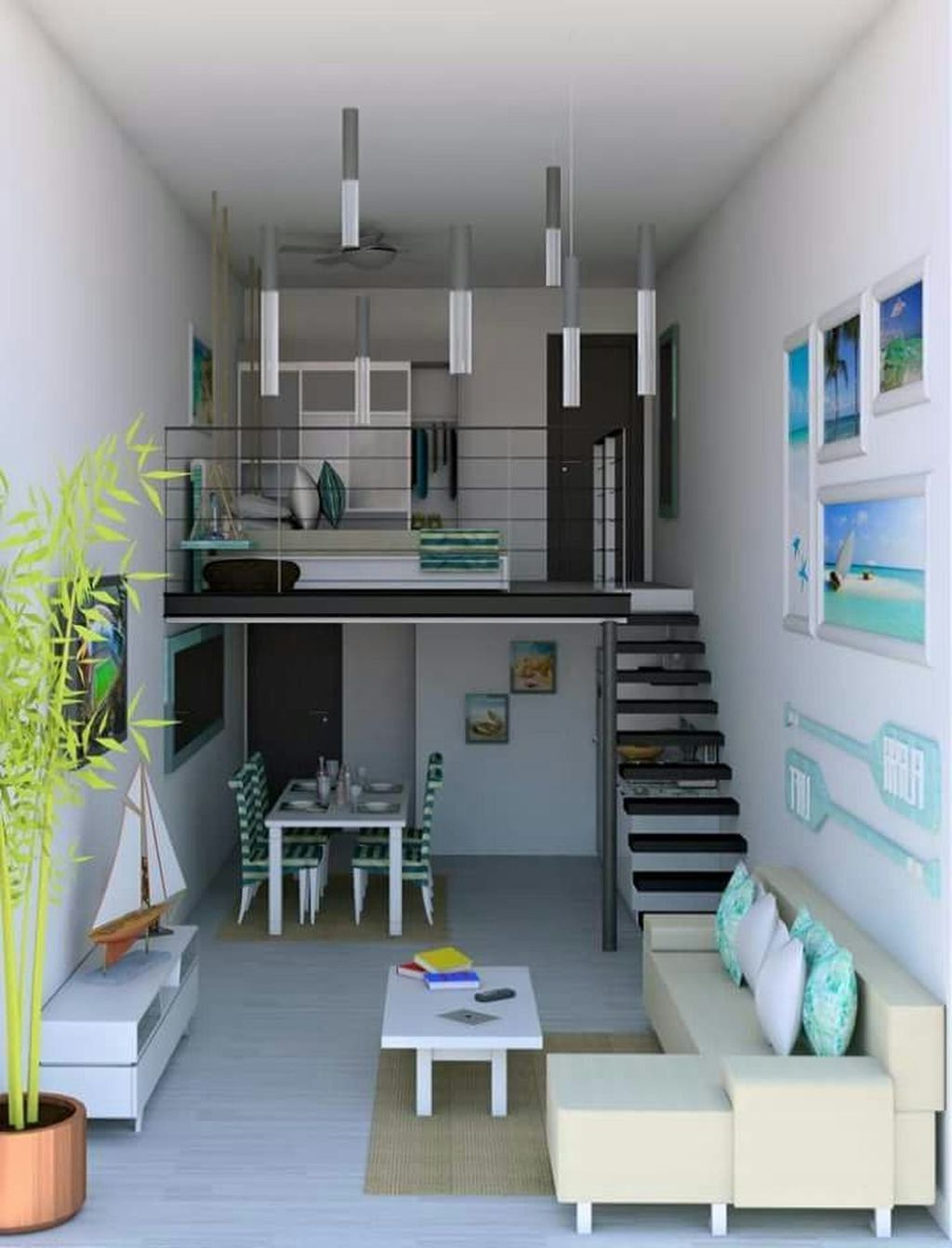
Even in tiny homes, you can create distinct areas for different activities. This doesn’t require expensive dividers or physical walls. Instead, use furniture placement, lighting, and rugs to define zones. A dining table can separate a kitchen area from a living space. A small sofa and coffee table create a reading nook in a corner. Different lighting fixtures can signal changes in function—brighter lights for work areas, softer lighting for relaxation. Rugs are particularly effective for defining spaces. A large area rug can make a bedroom feel like a bedroom, even if there’s no door. The goal is to create a sense of structure and purpose within your small space. It’s like having multiple rooms in one, each serving its own function while maintaining the flow of the overall space.
Transforming tiny spaces isn’t about sacrifice—it’s about creativity and intentionality. When you approach small spaces with the right mindset, every limitation becomes an opportunity. The strategies outlined here aren’t just about fitting more things into less room; they’re about creating environments that feel intentional and lived-in. Remember, the goal isn’t to make your space look like a magazine photo—it’s to make it work for you. Whether you’re designing a new small home or reworking an existing space, focus on what matters most to you. The result will be a place that feels both functional and beautiful, proving that size truly doesn’t matter when you’ve got the right design approach. The best small spaces are those that feel like a true reflection of their inhabitants, filled with purpose and personality.