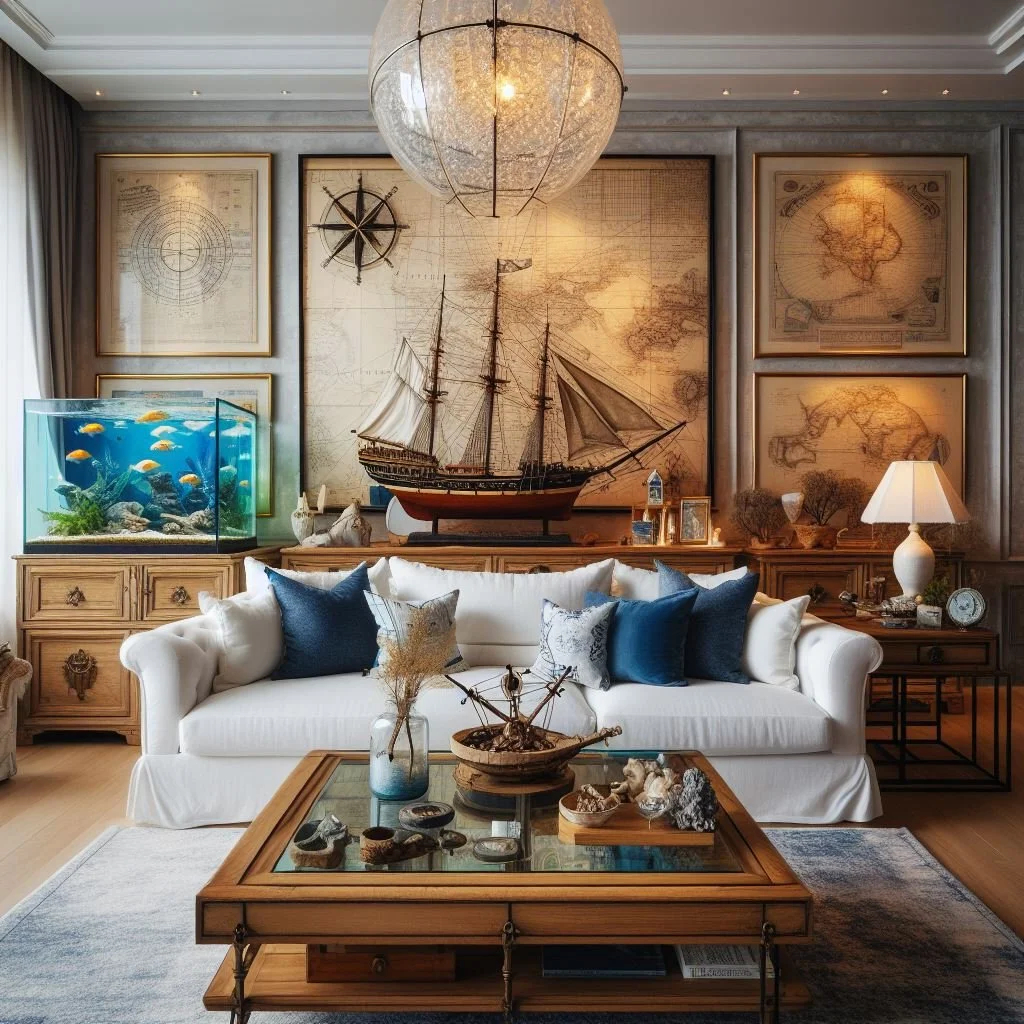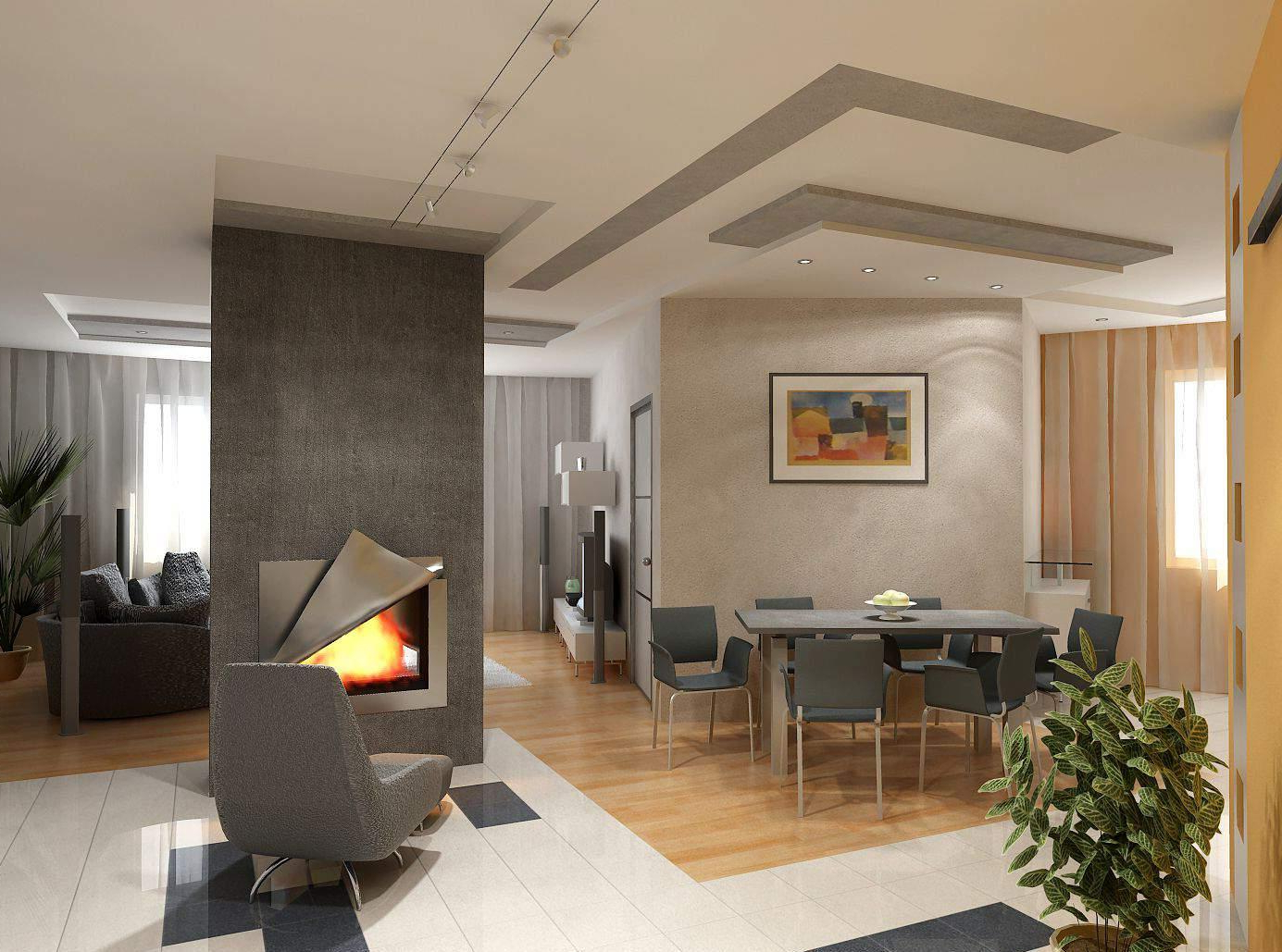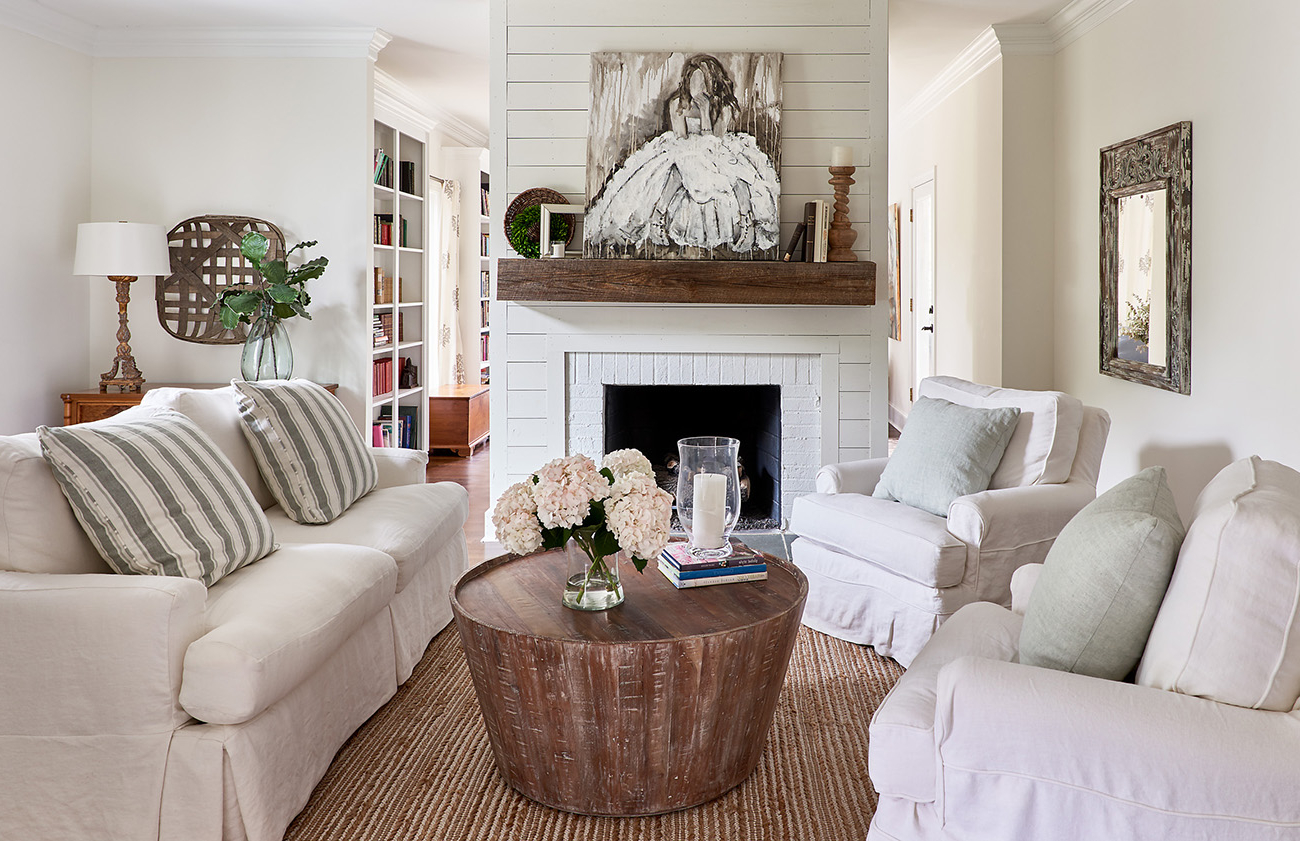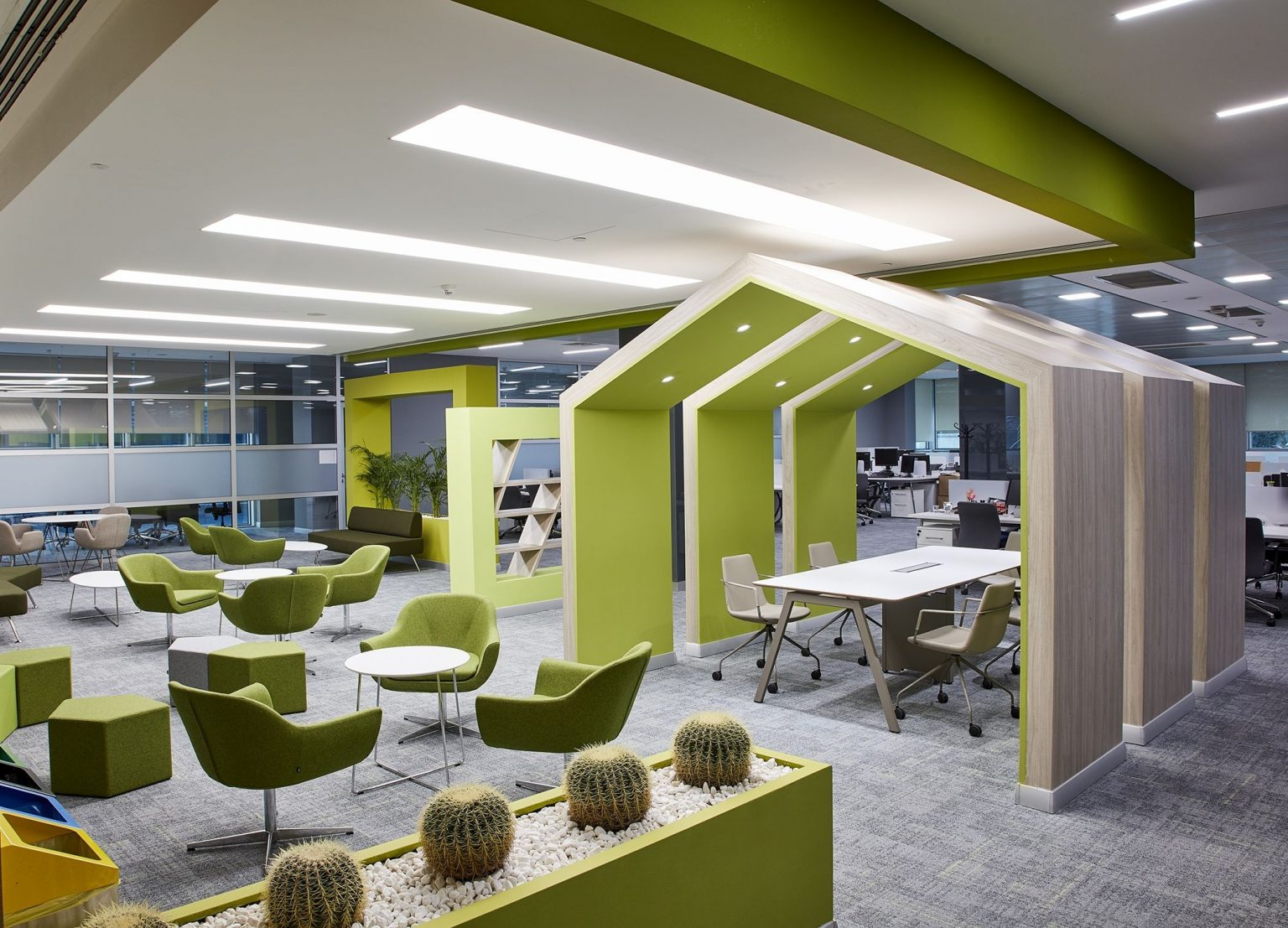
There’s something magical about stepping into a room that feels like it’s been pulled straight from another era. The warmth of wood grain, the richness of deep colors, and the cozy comfort of well-worn textures create spaces that feel both nostalgic and utterly contemporary. Whether you’re drawn to the bold statements of the 70s or the clean lines of mid-century modern, vintage inspiration offers endless possibilities for creating homes that tell stories and evoke emotion.
Interior design has always been about creating spaces that reflect our personalities and values. But sometimes, the most powerful way to express yourself is by drawing from the past. Vintage design isn’t just about collecting antiques or reproducing exact replicas from decades gone by. It’s about understanding what made certain styles so enduring and finding ways to incorporate those elements into today’s living spaces.
From the bold geometric patterns of the 60s to the organic curves of the 70s, each era brought its own unique approach to creating beautiful, functional interiors. These classic trends continue to influence designers and homeowners alike because they speak to fundamental human desires for comfort, beauty, and authenticity. The secret lies not in copying history exactly, but in capturing the spirit and essence of what made those designs work so well.
The Power of Bold Color Palettes
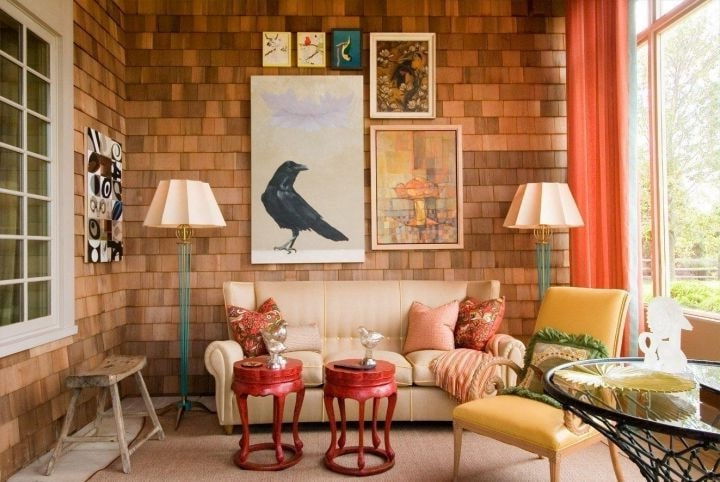
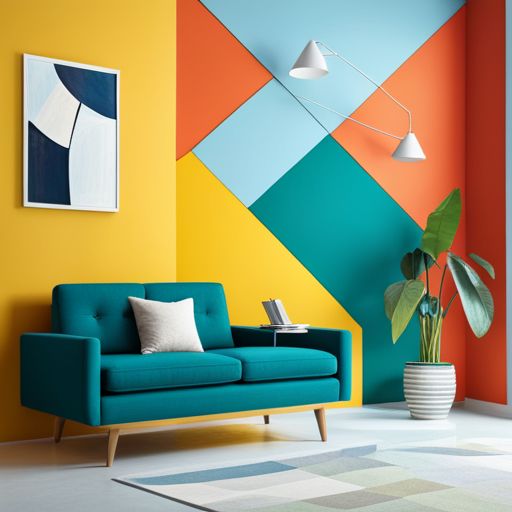
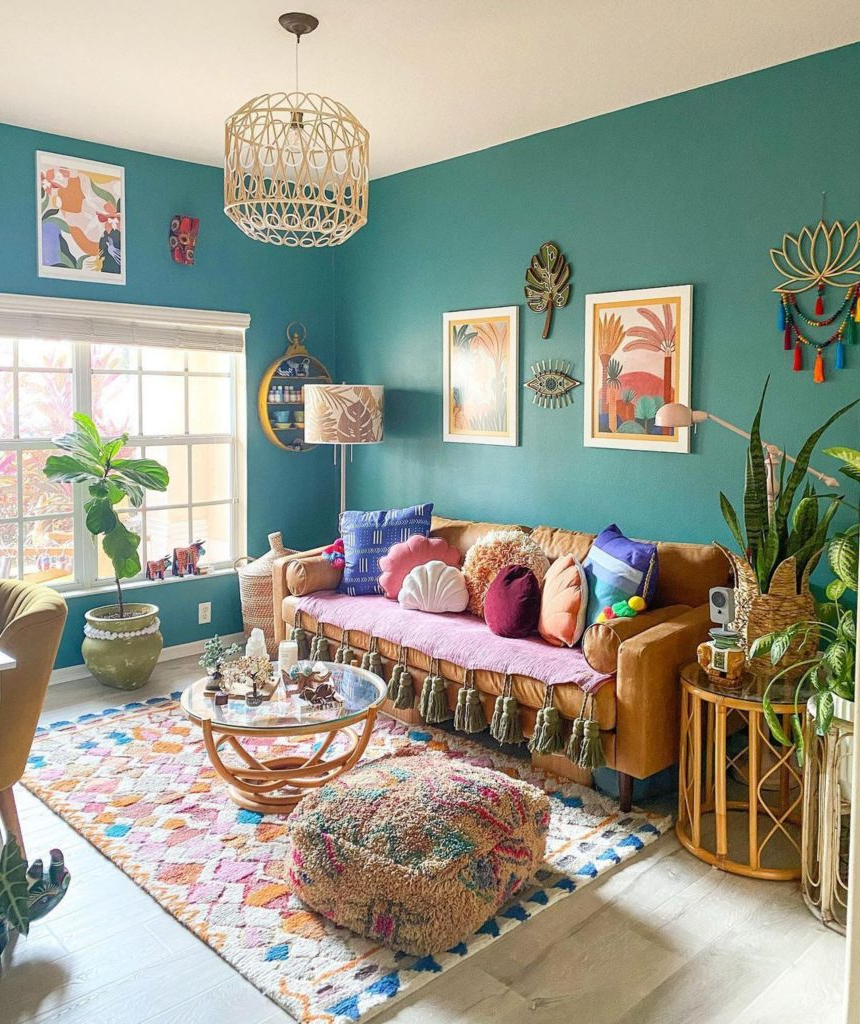
Color is one of the most immediate ways to infuse vintage charm into any space. Think about how the rich burgundies, forest greens, and sunny yellows of the 1960s and 70s created such striking visual impact. These aren’t just random choices – they were carefully selected to make rooms feel alive and vibrant. Today’s version of this trend means embracing jewel tones rather than neutral palettes. Consider a deep emerald green for a dining room wall, or a rich mustard yellow for accent pieces.
The key is to choose colors that complement each other and create a sense of harmony. Don’t shy away from bolder choices either. A bright coral or electric blue can serve as a stunning focal point when used thoughtfully. Remember, vintage color schemes often worked better with more saturated hues than today’s more muted preferences. These colors don’t just decorate walls – they transform entire rooms into statements of personality and confidence.
Mid-Century Modern Furniture Essentials
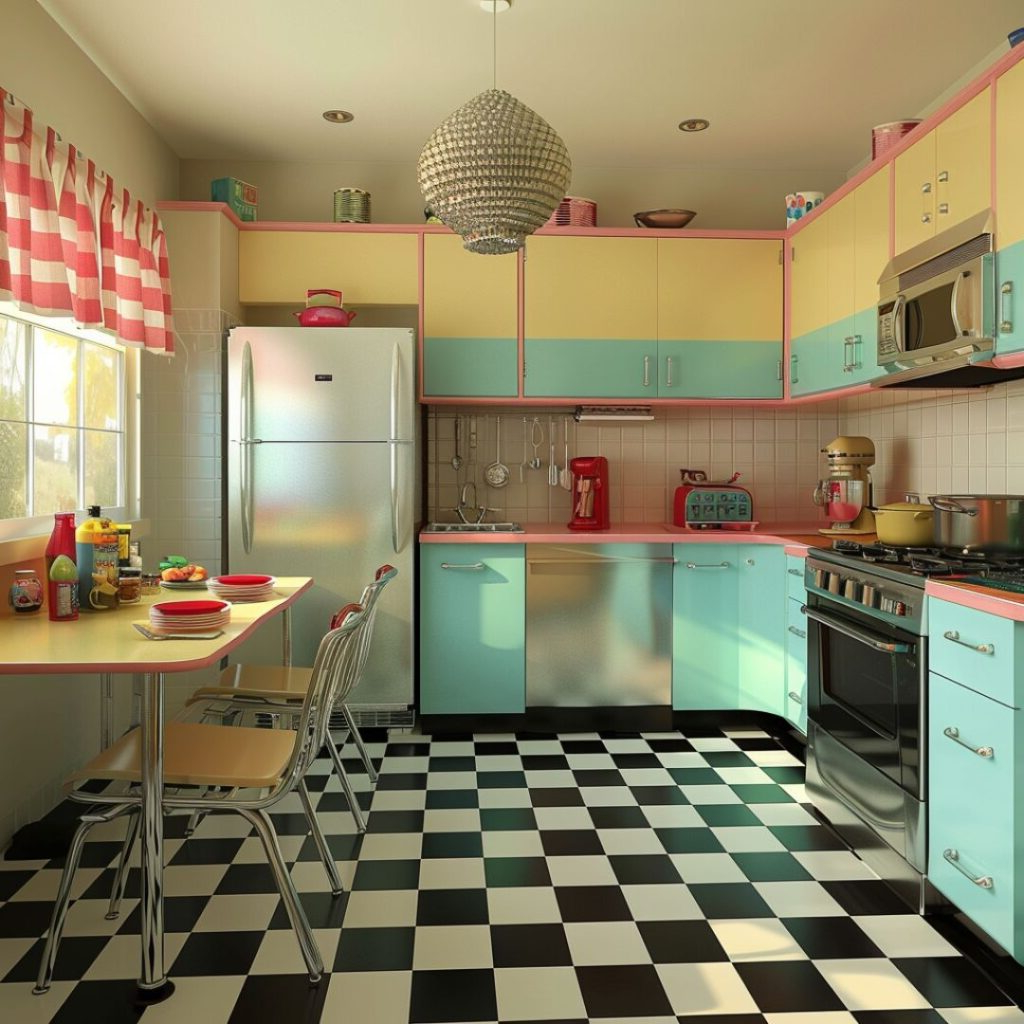
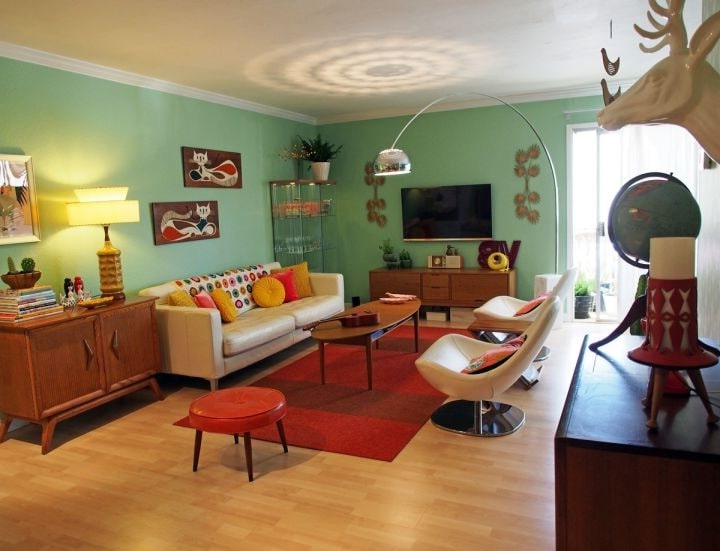
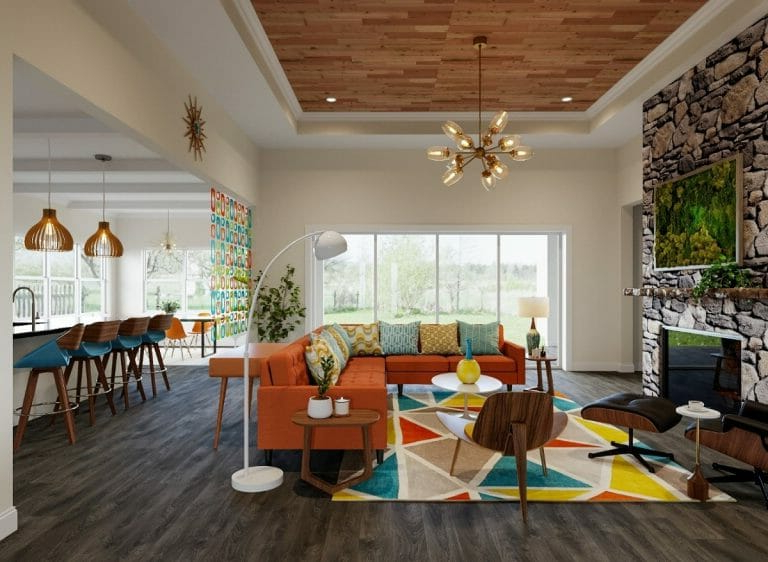
If you’re looking for the most recognizable vintage style, mid-century modern furniture is your best bet. This design movement emerged in the 1950s and 60s, combining clean lines with organic forms to create pieces that felt both futuristic and timeless. The beauty of this style lies in its simplicity and functionality. Look for furniture with tapered legs, exposed wooden frames, and minimalist silhouettes. Think of iconic pieces like the Eames lounge chair or the Barcelona chair – they’ve stood the test of time for good reason. When incorporating these pieces into your home, start small.
A vintage side table or coffee table can make a huge difference without overwhelming your space. The materials matter too – wood, metal, and leather combinations create that authentic look that makes everything feel more grounded and sophisticated. You don’t need to go all-in on mid-century modern to enjoy its benefits. Even a single statement piece can anchor an entire room and give it that sought-after retro vibe.
Geometric Patterns That Speak Volumes
Patterned walls, floors, and textiles have always been a signature element of vintage design. But there’s something particularly captivating about geometric patterns – they add structure and energy to any space. The 1960s and 70s were especially fond of bold, angular designs that played with symmetry and contrast. Think about the famous hexagonal tiles from that era, or the flowing zigzag patterns that adorned many living rooms. These aren’t just decorative elements – they’re conversation starters and visual anchors that draw the eye around the room.
Modern interpretations can include geometric area rugs, patterned wallpaper, or even throw pillows with bold shapes. The trick is to choose patterns that complement your existing furniture and don’t compete with it. Sometimes less is more, so consider using geometric patterns as accents rather than overwhelming focal points. A few well-placed geometric elements can completely change the mood and feel of a space without requiring a complete overhaul.
Natural Materials and Textures
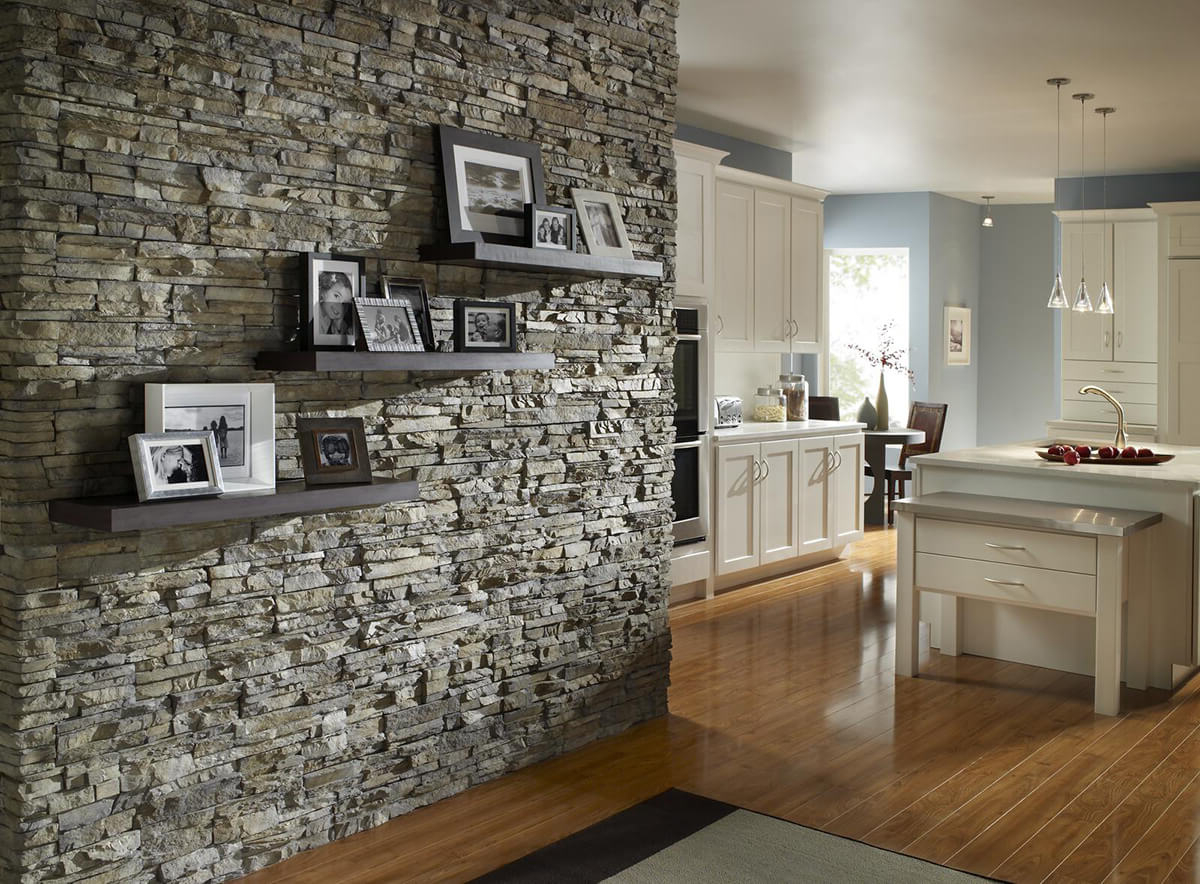
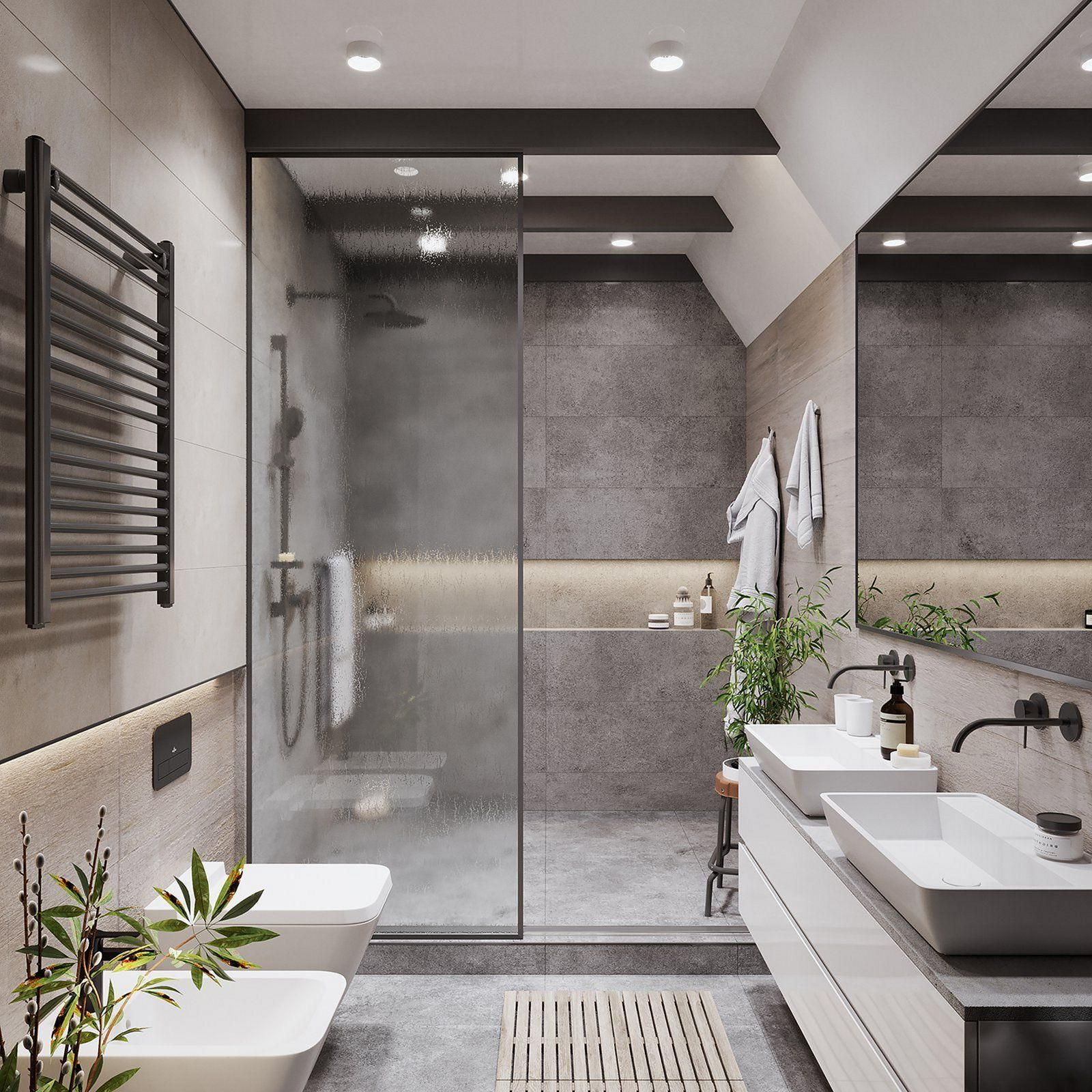
One of the most comforting aspects of vintage design is its emphasis on natural materials. Wood, stone, wicker, and woven fabrics weren’t just trendy choices – they represented a return to earthiness and craftsmanship. In the 1970s, for example, rattan furniture was everywhere, bringing a sense of warmth and organic flow to otherwise sterile modern spaces. The texture of unfinished wood, the softness of linen, and the rustic quality of stone all contribute to a feeling of authenticity that’s hard to replicate with synthetic alternatives.
This approach works wonderfully in contemporary settings because it creates a sense of groundedness and permanence. Try incorporating reclaimed wood shelves, natural fiber rugs, or stone accents to bring some of that vintage warmth into your home. These materials age beautifully over time, developing character and patina that tells the story of daily life. Natural textures also tend to make spaces feel more lived-in and welcoming, which is exactly what we want from our homes.
Statement Lighting Solutions
Lighting plays a crucial role in setting the tone of any room, and vintage design understands this better than most. The lighting fixtures from the 1950s through 1970s were often artistic statements themselves – they weren’t just functional items, but pieces of art that could define a room’s aesthetic. Think about the dramatic pendant lights with geometric shades, or the sculptural floor lamps that doubled as decorative elements. These pieces were designed to be seen and admired, not hidden away in corners.
Today, you can find reproduction versions of these classics or even create your own custom pieces that capture that same spirit. The key is choosing lighting that complements your overall design scheme rather than clashing with it. A vintage-inspired chandelier can serve as a stunning centerpiece in a dining room, while a pair of mid-century modern floor lamps can create a cozy reading nook. The right lighting can transform a dull space into a warm, inviting environment that feels both nostalgic and fresh.
Eclectic Mix and Match Approach
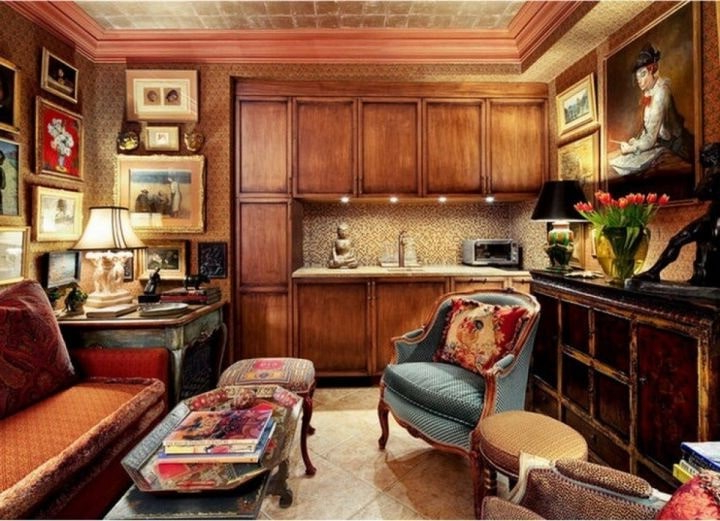
Vintage design embraces the idea of mixing different styles and periods together in harmonious ways. This isn’t about throwing everything together haphazardly – it’s about finding common threads that tie disparate elements together. The beauty of vintage aesthetics lies in their ability to accommodate variety and individuality. You might combine a 1960s velvet sofa with 1940s armchairs, or pair a 1970s rug with 1980s artwork. What matters most is that all the pieces share certain qualities – perhaps similar colors, complementary textures, or shared design principles.
This approach allows for personal expression and creativity that feels genuine rather than forced. Start by identifying one dominant vintage style and then layer in smaller elements from other eras. The result is a space that feels curated and personal, with each item having its own story and place within the larger narrative. Eclecticism also means being brave enough to experiment and see what works, because the most interesting spaces often come from unexpected combinations.
Vintage interior design isn’t about nostalgia for its own sake – it’s about learning from the wisdom of previous generations to create spaces that truly serve us today. These 15 classic trends offer a roadmap for bringing timeless beauty and functionality into modern homes. Whether you’re drawn to the bold colors of the 60s, the clean lines of mid-century modern, or the organic textures of the 70s, there’s something in vintage design that speaks to everyone. The key is to take inspiration rather than imitation, allowing these elements to inform your own personal style rather than simply copying them exactly.
Start small, experiment with different combinations, and let your space evolve naturally over time. After all, the best vintage-inspired interiors are those that feel authentic to their owners and reflect their unique personalities. Remember, great design isn’t about following rules – it’s about creating spaces that make you happy and help you live your best life. The vintage touch isn’t just about decorating – it’s about creating a home that feels like a story worth telling.