Think about the last time your child had a magical play session. Maybe they were building castles with blocks, pretending to be explorers, or creating stories with toys. What if we could design a space that doesn’t just hold these moments, but actually grows alongside them? A room that transforms with each new phase of development, each emerging interest, and every wild idea that pops into their head.
Every parent knows that children’s play evolves rapidly. One moment they’re stacking blocks, the next they’re turning cardboard boxes into rocket ships. A playroom isn’t just about having fun – it’s about providing a foundation that supports growth, learning, and boundless creativity. The best playrooms are those that adapt naturally as kids mature, rather than feeling restrictive or outdated. This isn’t just about keeping things fresh; it’s about creating a supportive environment that encourages exploration, problem-solving, and the kind of imaginative thinking that makes childhood so special.
Start with Flexible Foundations for a Playroom That Grows with Your Child
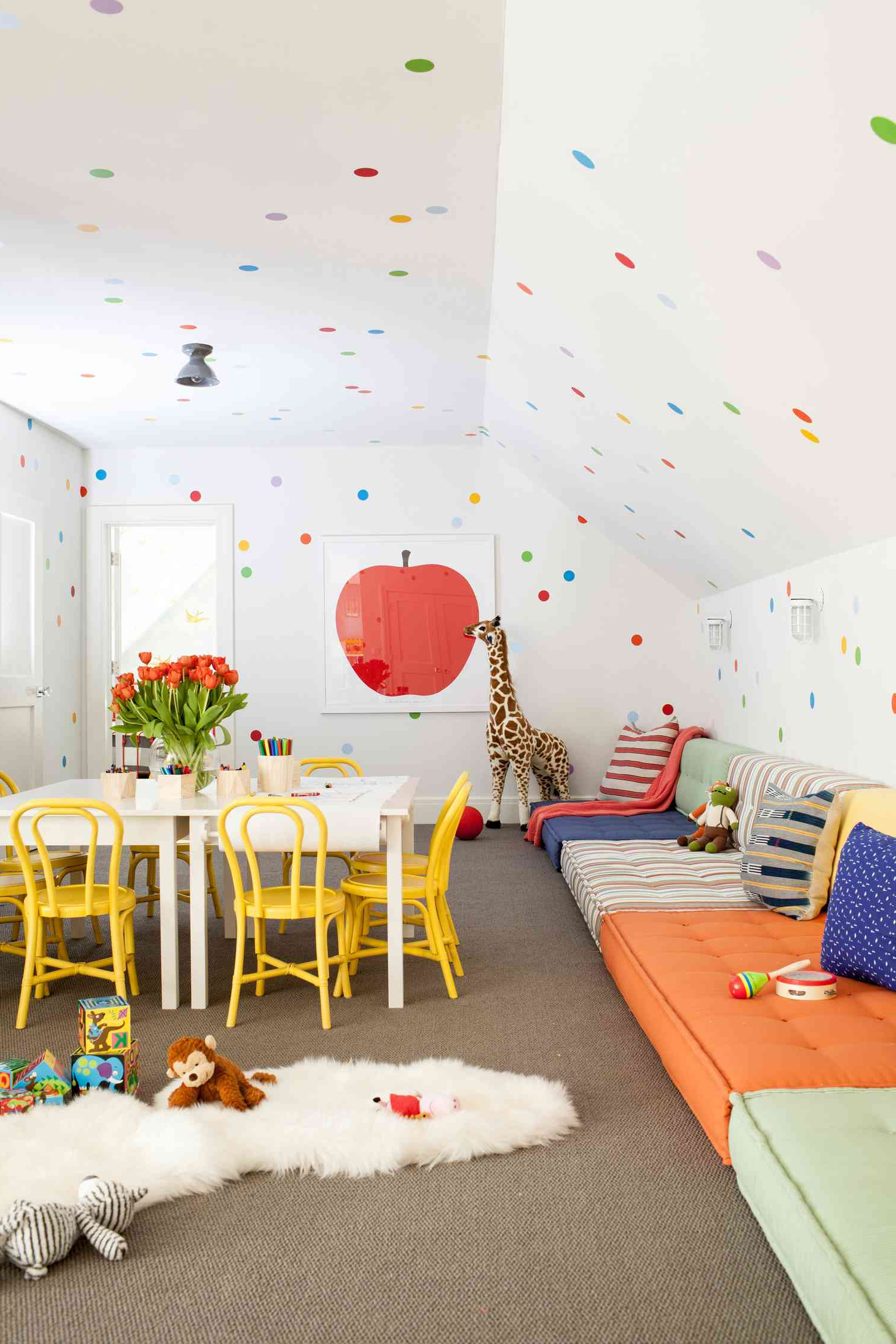
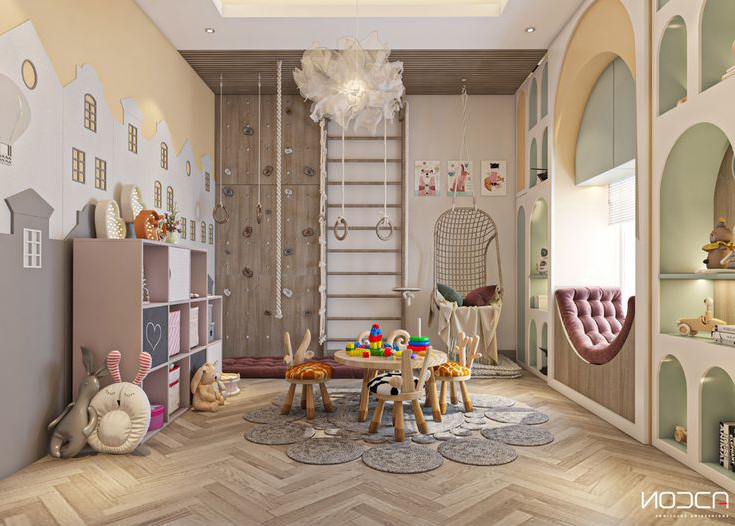
Designing a playroom that can evolve alongside your child is one of the smartest decisions parents can make. Children grow quickly—not just physically, but emotionally, cognitively, and creatively. Their interests shift, their skills develop, and the way they play changes over time. That’s why the most successful playrooms aren’t rigid or overly themed; they’re built on flexible foundations that encourage imagination, adaptability, and long-term use.
At the heart of a growing playroom is versatility. Instead of filling the space with single-purpose toys that may lose their appeal after a few months, focus on open-ended items that can be used in many different ways. Building blocks are a perfect example. For a toddler, they’re tools for stacking and knocking down. For an older child, those same blocks can become castles, cities, race tracks, or props in elaborate storytelling. Art supplies offer similar longevity. Crayons, paper, paints, and recycled materials can support everything from simple scribbles to complex creative projects as children mature.
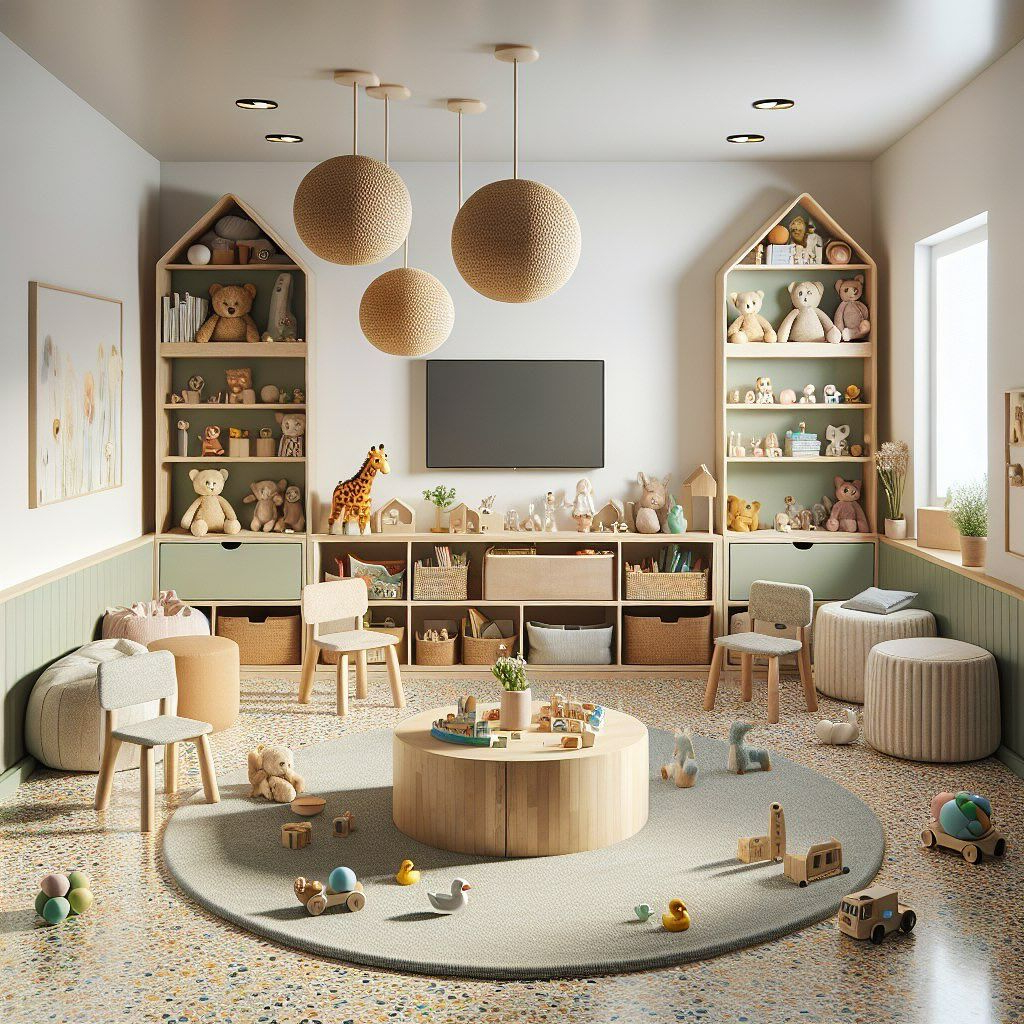
Equally important is resisting the urge to fully define the space too early. A playroom doesn’t need to be “finished” to be successful. In fact, leaving parts of it open and undefined allows children to take ownership of the space. Open floor areas invite movement, imagination, and large-scale play. Flexible storage—such as bins, baskets, or rolling carts—makes it easy to rotate toys and activities without overwhelming the room. This approach keeps the playroom fresh and engaging while also preventing clutter from taking over.
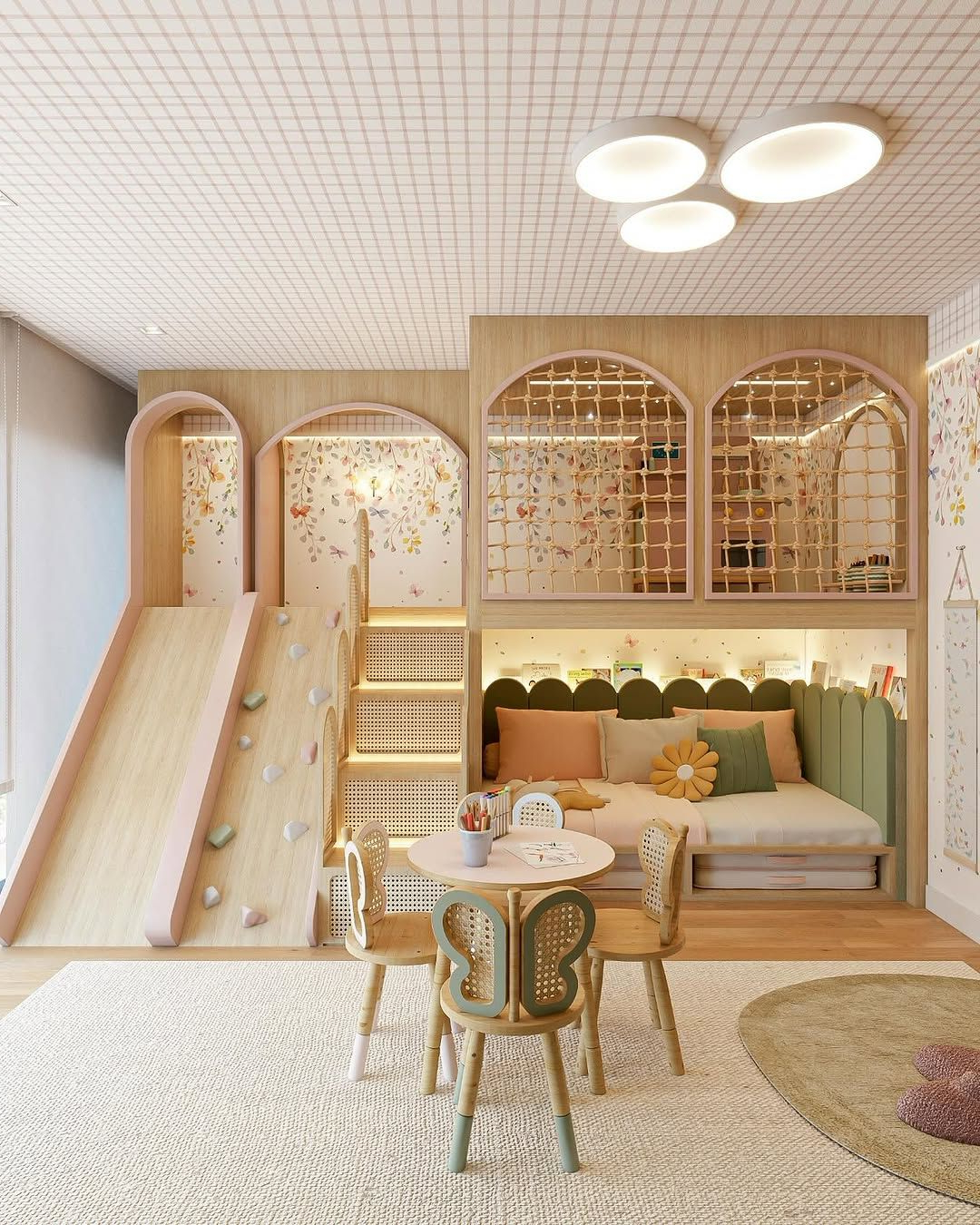
Creating adaptable zones is another key strategy. Instead of designing the playroom around age-specific activities, think in terms of functions that can evolve. A soft corner with cushions and textured toys might start as a sensory play area for a toddler. Over time, that same space can transform into a reading nook, a quiet retreat, or a spot for independent play. Similarly, an art corner can begin with finger painting and stickers, then grow into a more structured creative station with drawing tools, craft supplies, and project storage.
These zones don’t need permanent walls or fixed furniture. Rugs, low shelves, curtains, or even furniture placement can gently define different areas while still allowing for easy changes. This flexibility supports natural transitions in how children play. As they grow, their preferences shift from physical exploration to imaginative storytelling, creative expression, and eventually more focused activities like puzzles, games, or homework. A well-designed playroom adapts seamlessly to these changes without needing a complete redesign.
Multi-purpose furniture plays a crucial role in this process. Choosing pieces that can serve different functions over time ensures that the playroom remains useful for years. A sturdy wooden table is a great example—it can start as a surface for coloring and crafts, then later become a desk for schoolwork or building projects. Seating that’s lightweight and movable allows children to rearrange the room themselves, fostering independence and problem-solving skills.
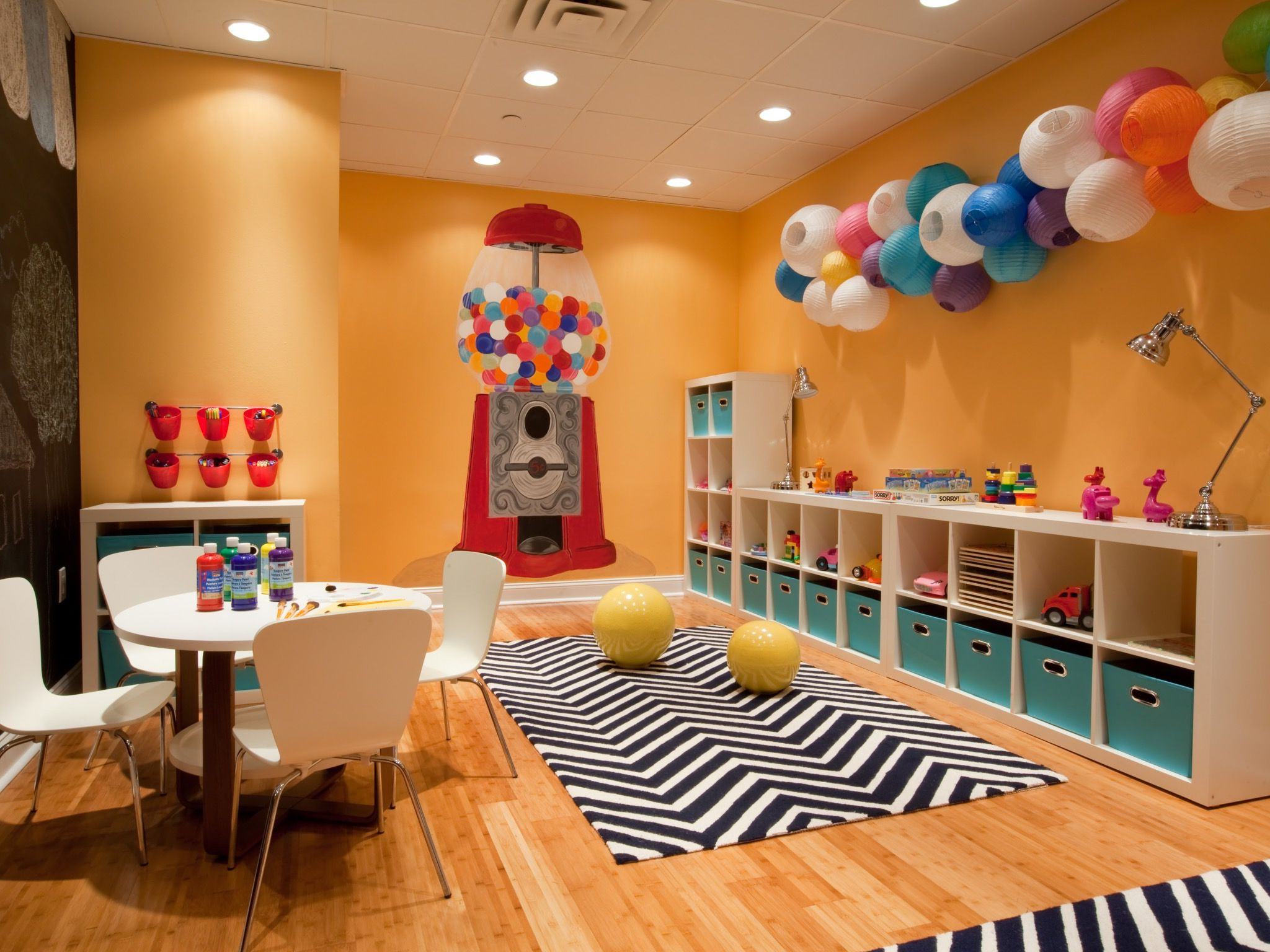
Storage deserves special attention as well. Modular shelving systems are ideal because they can be expanded, reconfigured, or repurposed as needs change. Clear bins help younger children see what’s inside, while labeled containers support organization skills as they grow older. Over time, labels can change from pictures to words, subtly supporting literacy development while keeping the space organized.
Ultimately, a playroom built on flexible foundations is about more than furniture and layout—it’s about mindset. It’s recognizing that play is not static, and neither are children. By choosing adaptable elements, creating zones that shift with age, and investing in multi-purpose furniture, you’re creating a space that supports curiosity, creativity, and growth. Instead of constantly chasing new trends or toys, you’re offering something far more valuable: a playroom that evolves naturally with your child, welcoming every new phase and every unexpected adventure along the way.
Keep Storage Simple and Accessible
Good organization is crucial when designing for growth. Children need easy access to their favorite toys and materials, but they also benefit from having fewer items visible at once. This prevents overwhelming them and helps maintain the sense of discovery that makes play so exciting. Use open shelves for frequently used items, and consider storage solutions that can be adjusted as needs change. Labeling containers helps children develop organizational skills while ensuring they can find what they need independently. Remember that what seems essential today might not matter tomorrow, so keep storage systems that allow for flexibility and easy updates.
Incorporate Natural Elements
Nature has a remarkable way of inspiring creativity and providing endless opportunities for learning. Including natural elements in your playroom can help keep the space feeling fresh and inspiring. Plants bring life to the room and offer opportunities for learning about caring for living things. Natural materials like wood, stone, or cotton provide different textures that engage children’s senses. Even small touches like natural light, outdoor views, or nature-themed decorations can make a big difference in maintaining the magic of play. These elements tend to age well and don’t look dated over time, making them excellent investments for long-term playroom success.
Plan for the Unexpected
One of the most important aspects of designing a growing playroom is preparing for moments that surprise you. Maybe your child suddenly becomes obsessed with dinosaurs, or decides they want to build a miniature city. Having the flexibility to accommodate these spontaneous interests is key. This means avoiding rigid layouts that don’t allow for movement or rearrangement. Keep some extra space available for large projects, and always have a few basic supplies ready for whatever creative direction emerges. The best playrooms are those that encourage experimentation, so make sure there’s room for things to go wrong and right – because sometimes the best discoveries come from unexpected places.
Designing a playroom that grows with your child’s imagination isn’t just about practicality – it’s about creating something that will be part of their story. It’s a space where memories are made, where creativity flourishes, and where the line between fantasy and reality blurs beautifully. The investment you make in thoughtful design today will pay dividends for years to come. As your child moves through different stages of development, you’ll find that the room continues to support and inspire them. The magic isn’t just in the physical space itself, but in how it becomes a partner in their journey of discovery, learning, and pure joy. What matters most is that the room feels like a place where anything is possible, and where every new adventure can begin.