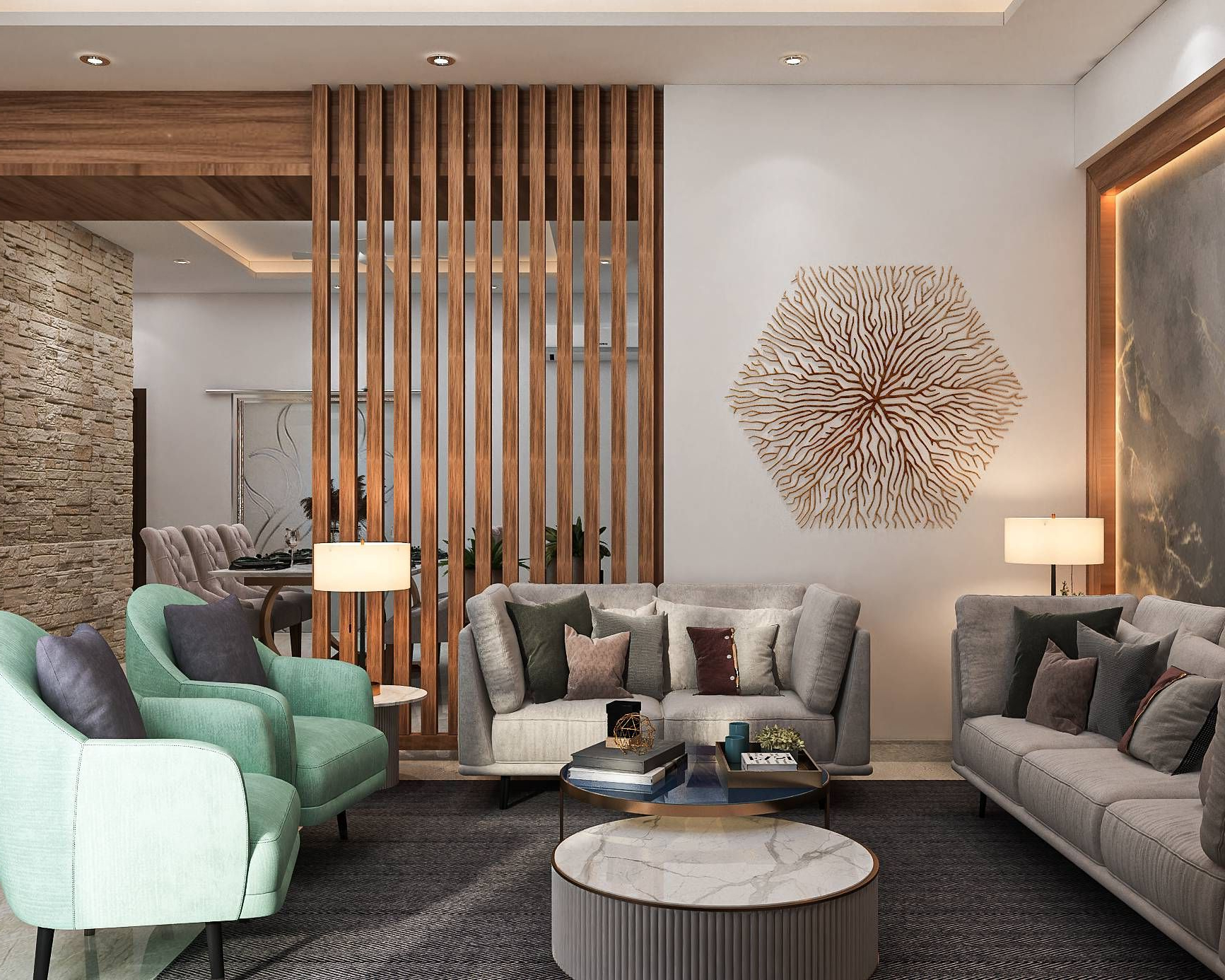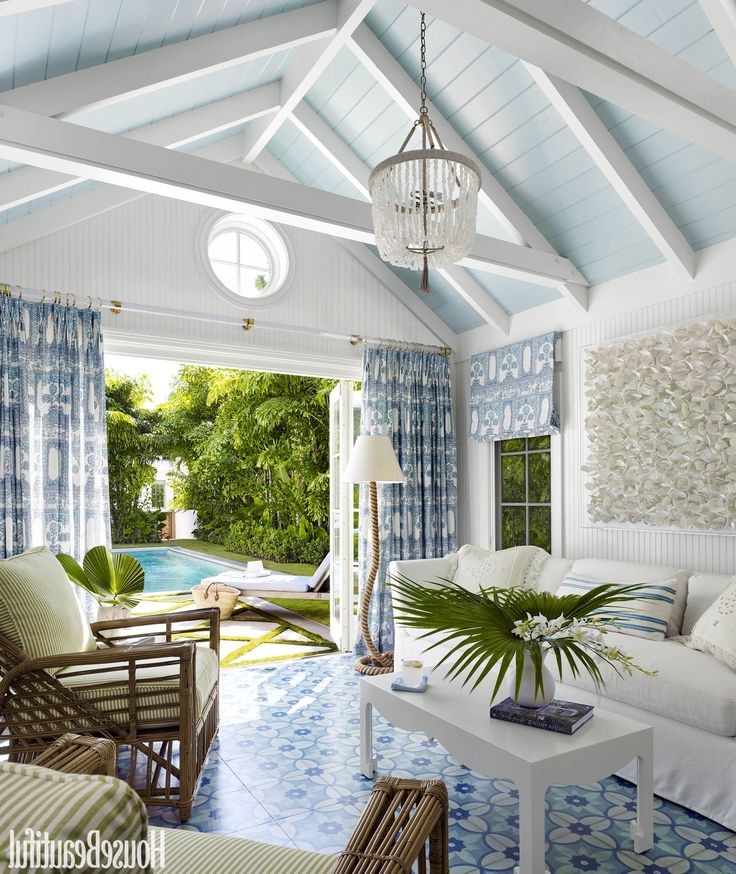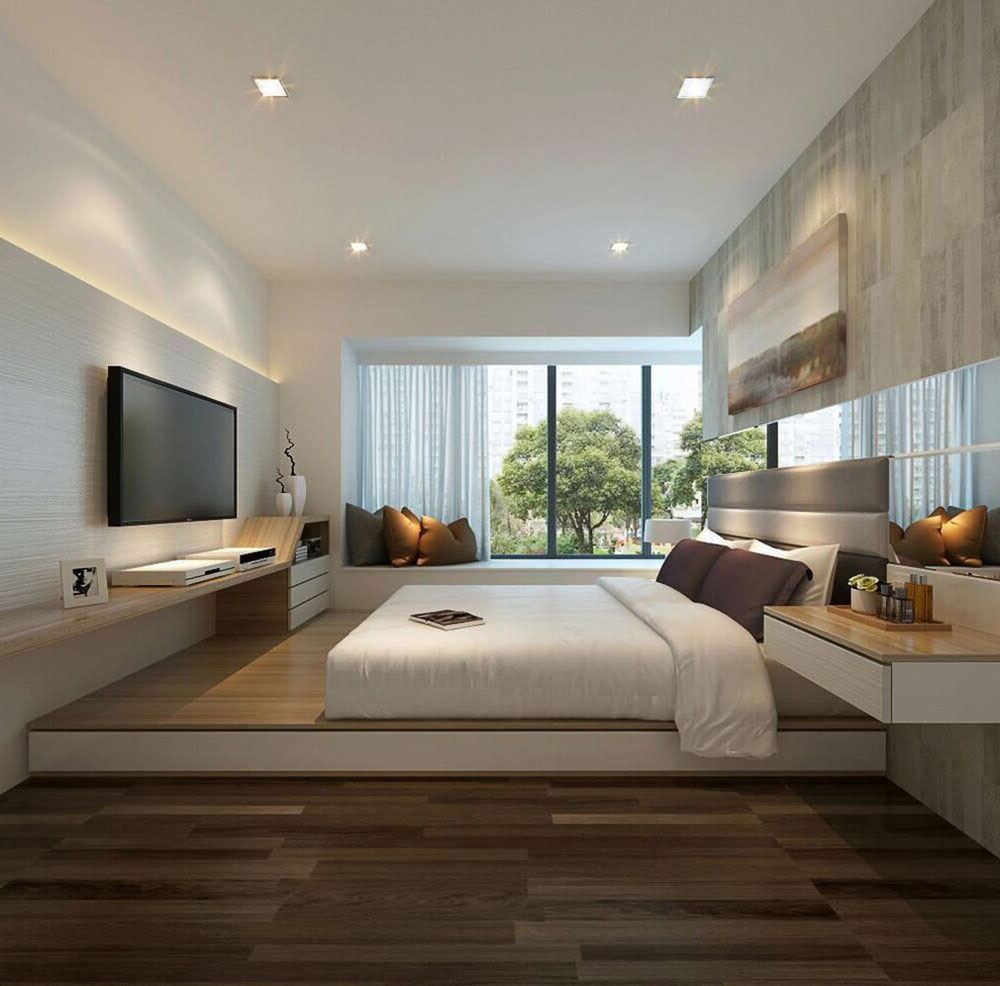
Have you ever looked out your window and thought ‘I wish I could be out there right now’? That feeling isn’t just a fleeting moment – it’s a universal human experience. What if we told you that you could recreate those outdoor dreams inside your own home? It’s not just possible – it’s absolutely achievable with the right approach and a little creativity. This isn’t about pretending you’re outside, but rather about bringing the essence of outdoor experiences into your cozy indoor sanctuary.
We all have those moments when we yearn for the great outdoors. Maybe it’s the smell of fresh pine after a rainstorm, or the sound of wind through leaves, or simply the feeling of being surrounded by nature. But life doesn’t always allow us to step outside whenever we want. What happens when you’re stuck indoors but your heart is calling for adventure? The answer might surprise you. You don’t have to choose between comfort and nature. In fact, you can blend them together beautifully. Think about it – how many times have you been inside your own home and felt like you were missing something? That something might be the feeling of being outdoors, but you can recreate that feeling without leaving your house. It’s about creating those cozy indoor adventures that capture the spirit of outdoor experiences.
The Psychology Behind Indoor Nature Experiences
What’s really happening when we try to bring outdoor elements inside? Our brains are wired to respond to certain stimuli, and nature has a powerful impact on our well-being. Research shows that even brief exposure to natural elements can reduce stress, improve mood, and boost cognitive function. When we recreate outdoor feelings indoors, we’re not just making things look pretty – we’re actually helping ourselves feel better. Consider how a small indoor garden makes you feel more relaxed than a sterile room.
The connection isn’t just visual; it’s neurological. The brain recognizes the familiar patterns of nature and responds positively. It’s why people often report feeling calmer in spaces with plants, natural light, or water features. These aren’t just decorative choices – they’re psychological tools that work to enhance our mental state. When we design our indoor spaces with these principles in mind, we’re essentially creating therapeutic environments that support our emotional and physical health.
Creating Visual Outdoors Inside
The first step in transforming outdoor dreams into indoor experiences is focusing on what you see. Your eyes are the primary gateway to feeling connected to nature. Start with large windows that let in natural light and offer views of the outside world. If you don’t have big windows, consider mirrors strategically placed to reflect light and create the illusion of more space. Plants become your best friends here. Not just any plants, but those that mimic outdoor environments. Think about adding a variety of textures – some smooth, some rough, some delicate.
Aloe plants with their thick, succulent leaves, ferns with their feathery fronds, and cacti with their spiky forms. Each plant brings its own personality and contributes to the overall feeling. You can even create a mini forest corner with several different plants arranged together. The key is variety and layers. Think about how nature works – it’s rarely monotonous. It has height, texture, and depth. Try using different sized pots, varying heights of plant stands, and hanging plants to create this effect. Even artificial plants can work if they’re realistic enough to fool the eye.
The Sound of Nature Indoors
Sound is often overlooked when thinking about indoor nature experiences, but it’s incredibly powerful. The gentle rustling of leaves, the distant sound of water, or even the soft whisper of wind through grass can transport you mentally to a peaceful outdoor setting. You don’t need expensive equipment for this. Consider adding a small fountain or water feature to your space. Even a simple tabletop one can create that calming sound of running water. If you’re looking for something that doesn’t require constant attention, white noise machines with nature sounds are excellent.
They can play everything from rainstorms to ocean waves to forest sounds. Some apps even let you customize combinations of sounds to match exactly what you’re feeling. The key is consistency – you want the sounds to be subtle enough that you don’t notice them, but strong enough that they contribute to the overall atmosphere. Think about how the sound of rain makes you want to curl up with a book versus how the sound of birdsong makes you feel energized. Both can be recreated indoors with the right approach.
Scent: The Invisible Connector
Smell is one of the most powerful senses when it comes to triggering memories and emotions. The scent of pine needles, fresh earth after rain, or even the smell of a campfire can instantly transport you to outdoor settings. You don’t need to be camping to recreate these scents indoors. Essential oils are a fantastic way to introduce natural fragrances. Lavender creates a relaxing environment perfect for winding down after a busy day. Citrus scents like lemon or orange can make spaces feel fresh and clean, while cedar or pine oils bring that forest feeling directly into your home.
Diffusers are great for spreading these scents evenly throughout a room. You can also use natural candles with botanical or earthy scents. Candles made with soy wax and natural essential oils are particularly good choices. The key is to keep the scents subtle and pleasant. Too much of any scent can be overwhelming, but just the right amount can make a huge difference in how your space feels. Try layering scents – perhaps a light citrus note with a hint of lavender to create a balanced, natural aroma.
Texture and Material Choices
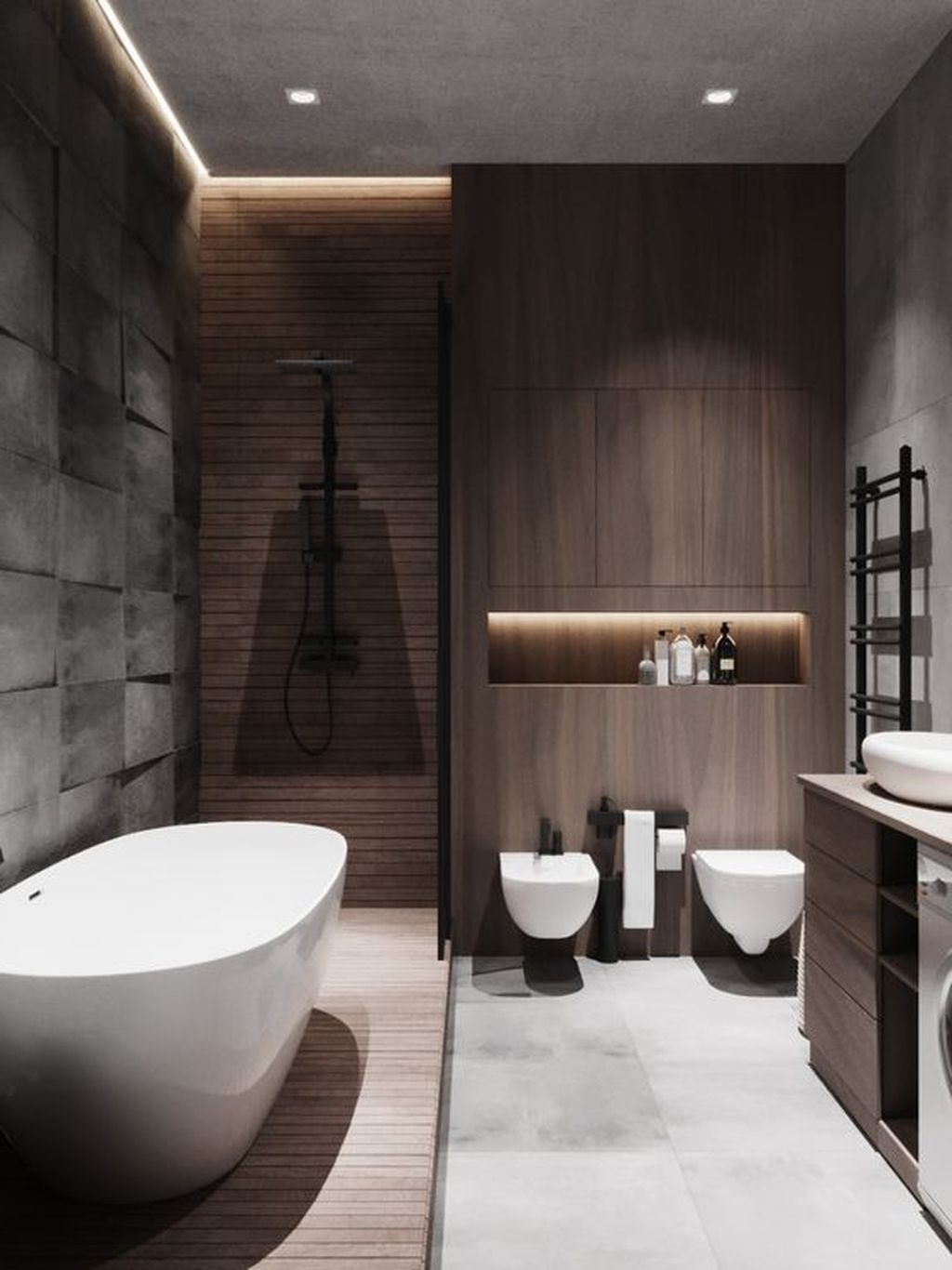
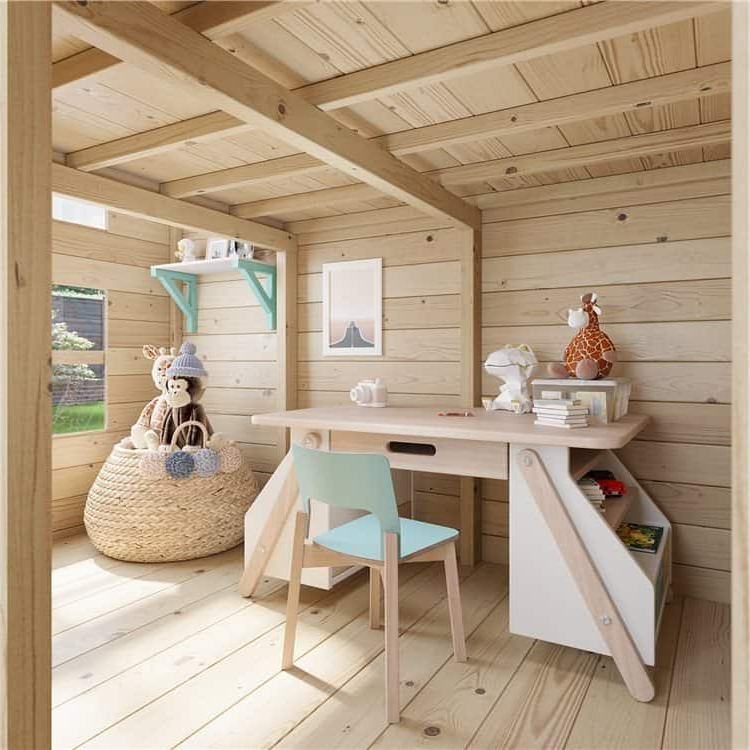
Our sense of touch plays a major role in how we perceive our environment. Natural materials have a special quality that makes us feel grounded and connected to the earth. Wood, stone, and natural fibers all contribute to this feeling. Consider using wooden furniture, especially pieces that show natural grain patterns. Even small wooden accents like picture frames or decorative objects can make a difference. Stone elements, whether in the form of decorative pieces or even a small stone centerpiece, add that grounding quality. Natural textiles are equally important.
Cotton, linen, and wool have properties that feel more organic than synthetic fabrics. Try incorporating throw blankets made from natural fibers, or even a woven rug that brings that earthy feel to your feet. The key is to avoid overly polished surfaces. Things that look too manufactured can interrupt the natural flow of your space. Instead, look for items that have character and tell a story. A vintage wooden chair with worn spots, or a stone bowl with natural imperfections, these are the details that make a space feel lived-in and authentic.
Practical Tips for Daily Implementation
Now that we’ve covered the theory, let’s talk about how to implement these ideas in your daily life. Start small – you don’t need to transform your entire house overnight. Pick one element to focus on each week. Maybe this week you add a few plants to your space, next week you introduce a small water feature. Small changes compound over time to create significant shifts in how your space feels. Keep a collection of nature-inspired items – maybe some stones, shells, or interesting bark that you can use to decorate different areas. These items don’t need to be expensive – they just need to have that natural quality. Consider your lighting carefully.
Natural light is ideal, but if that’s not available, use warm, soft bulbs instead of harsh fluorescent lighting. You can also use dimmer switches to adjust the mood throughout the day. Finally, don’t forget about seasonal changes. Let your indoor nature experiences evolve with the seasons. In winter, maybe you focus more on warm, earthy tones and cozy textures. In summer, lighter colors and breezy materials might be more appropriate. The beauty of creating indoor outdoor experiences is that they can adapt to your changing needs and preferences.
Transforming your outdoor dreams into cozy indoor adventures isn’t about perfection or elaborate setups. It’s about creating intentional spaces that support your well-being and bring joy to your daily routine. Every plant you add, every scent you introduce, and every texture you incorporate is a step toward making your home feel more like a retreat from the world. These aren’t just decorative choices – they’re investments in your mental and emotional health. The key is to start small, stay consistent, and remember that it’s the accumulation of these thoughtful touches that creates the magic.
Whether you’re looking to create a peaceful meditation space, a cozy reading nook, or simply a room that feels more alive, these approaches give you the tools to make that happen. The outdoor world is always there, waiting for you to bring it inside, and the result is a home that truly feels like a sanctuary. Sometimes the best adventures are the ones you create within your own walls, surrounded by the elements that make you feel most like yourself.