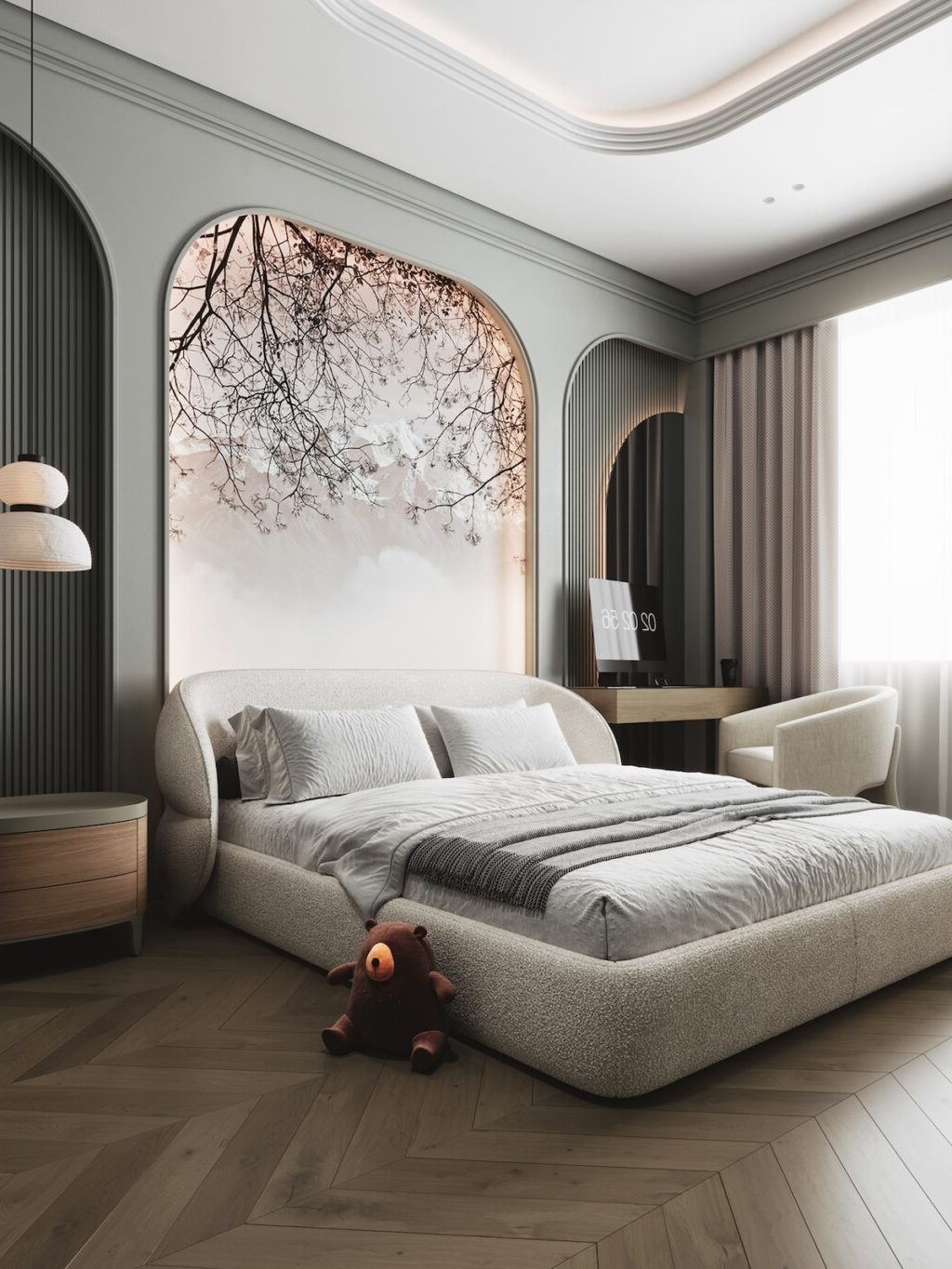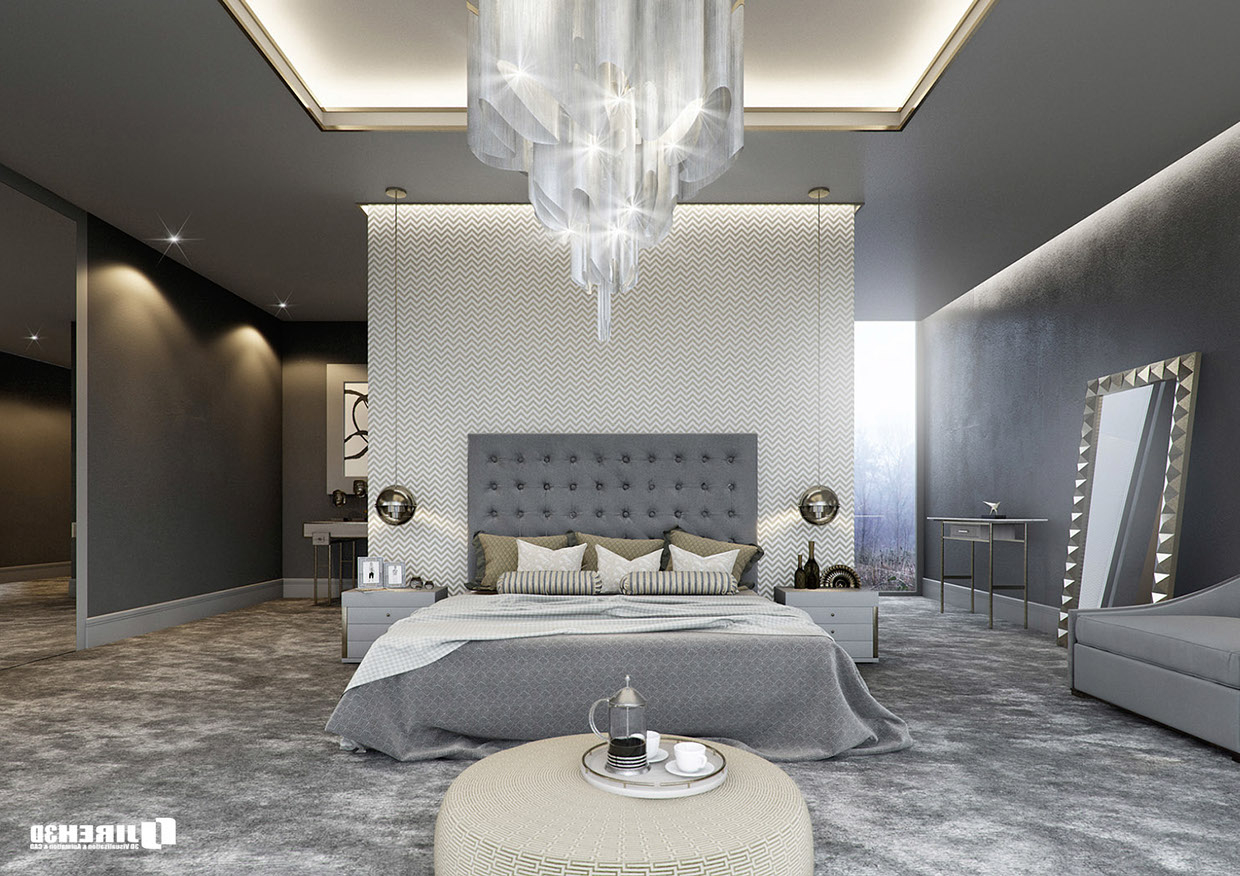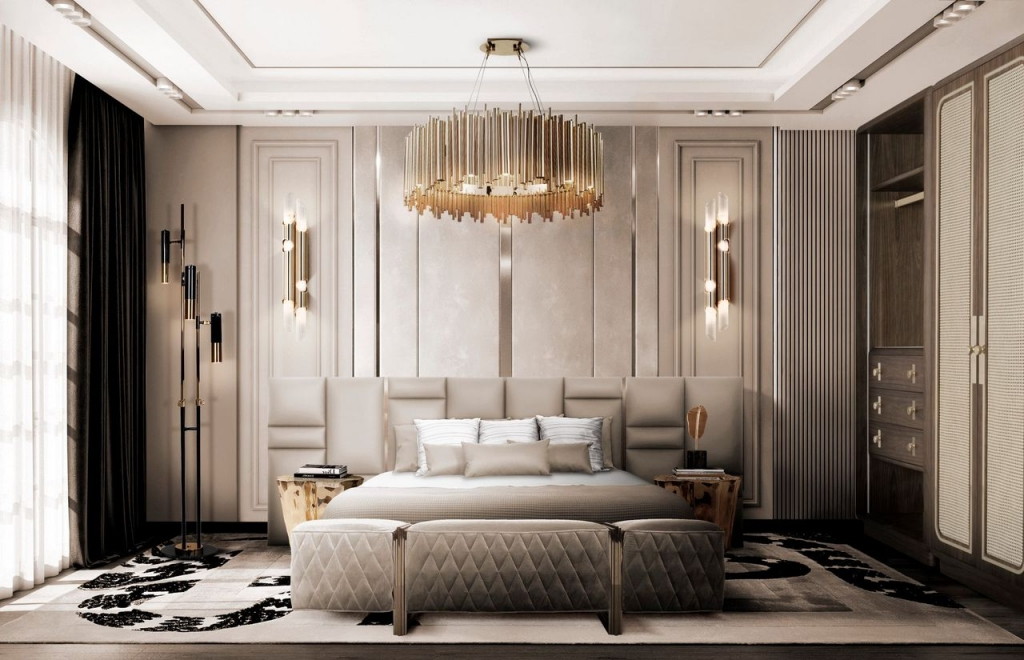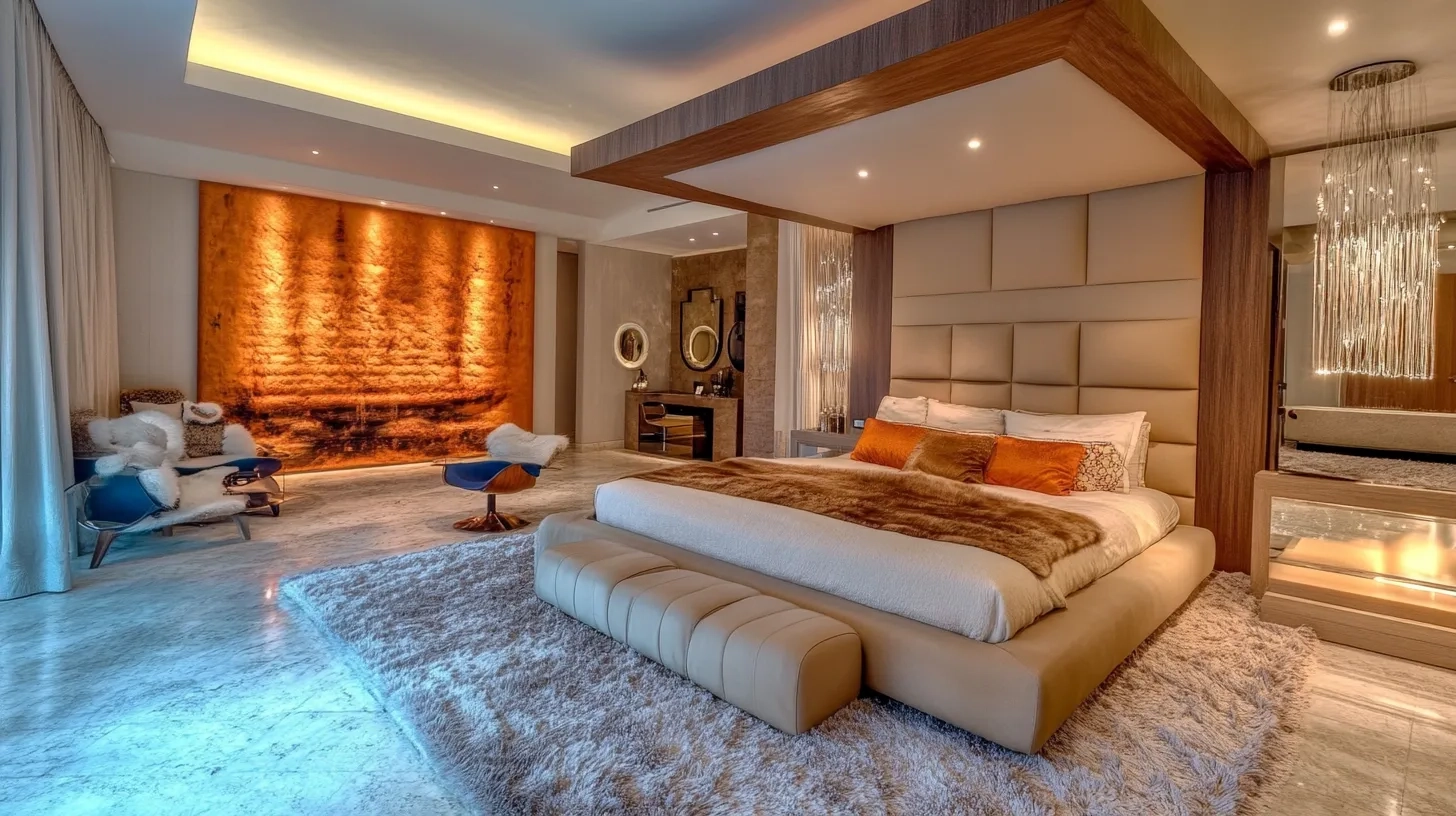
Every bedroom tells a story, and that story often reflects our relationship with time itself. Whether we lean toward the enduring charm of classic design or the sleek sophistication of modern aesthetics, our sleeping spaces reveal something profound about who we are and what we value. The conversation between classic and contemporary isn’t just about style—it’s about creating spaces that honor both heritage and innovation.
There’s something deeply satisfying about a bedroom that feels both familiar and fresh. It’s the kind of space that makes you want to stay put, where every corner whispers comfort and every element contributes to a sense of peace. But achieving that balance between old-world grace and new-age simplicity? That takes thought, intention, and a good understanding of how these two worlds can coexist beautifully. This journey through classic versus contemporary bedroom trends will show you how to weave together the best of both styles, creating something uniquely yours.
The Foundation of Classic Bedroom Design
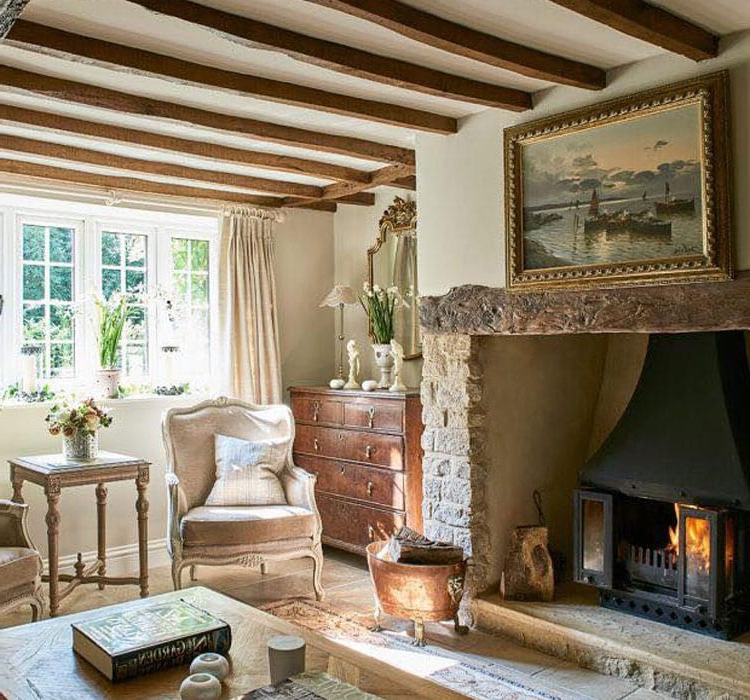
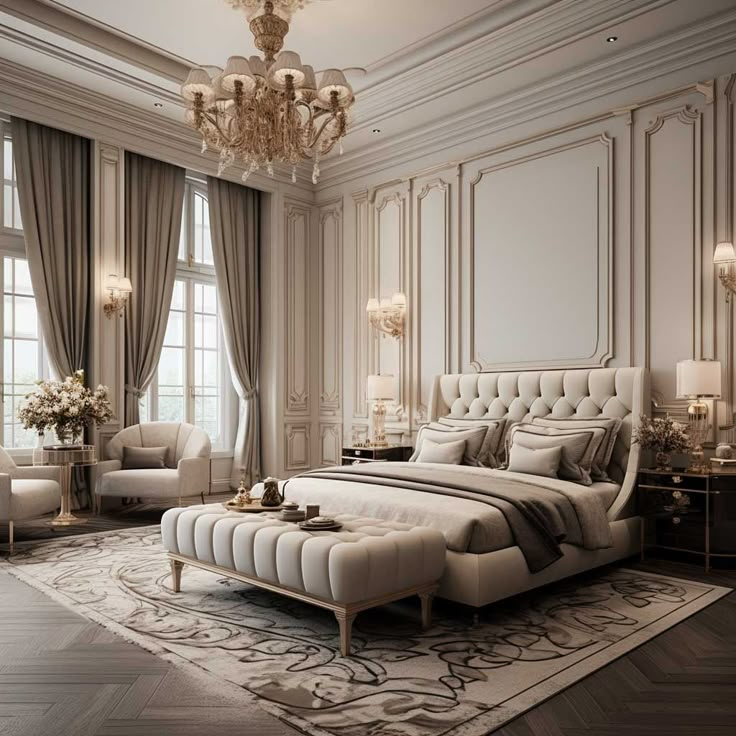
Classic bedroom design draws its strength from centuries of established principles. Think of it as a well-worn favorite book—familiar yet always revealing new layers upon re-reading. The foundation of classic design rests on symmetry, proportion, and rich materials. Ornate details like carved wood, elegant moldings, and traditional patterns create visual interest while maintaining a sense of formality.
Key elements include:
• Ornate furniture with detailed craftsmanship
• Rich fabrics like velvet, silk, or damask
• Traditional color palettes such as deep burgundy, forest green, or warm golds
• Symmetrical layouts that create balance
• Period-appropriate lighting fixtures
A classic bedroom feels like a gentle embrace, offering comfort through its familiarity and attention to detail. It speaks to those who appreciate quality over quantity and believe that good design stands the test of time.
Contemporary Bedroom Essentials
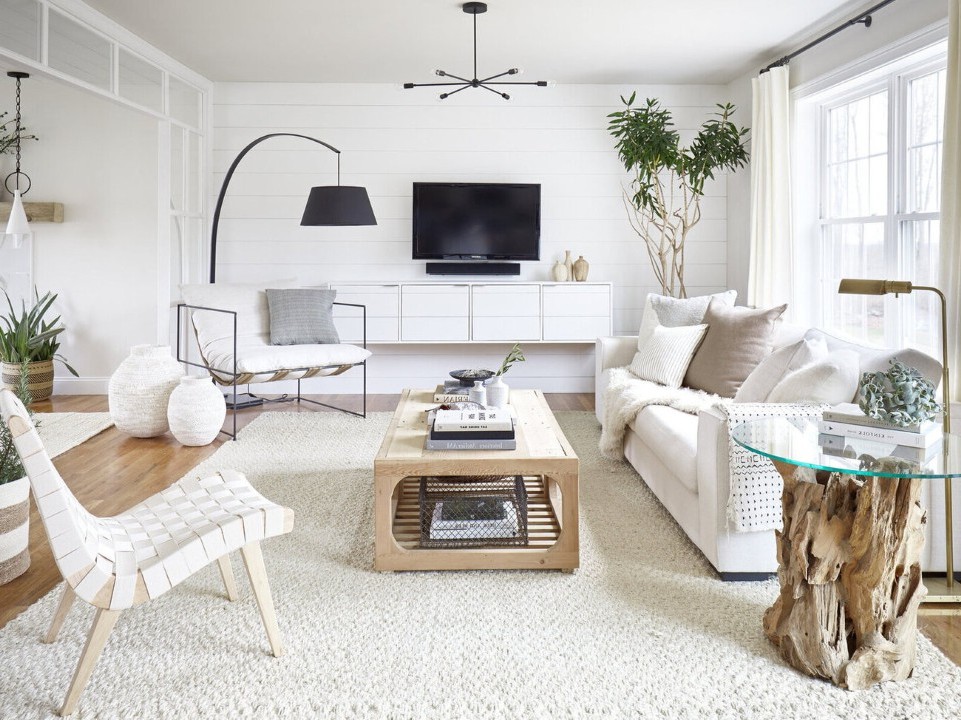
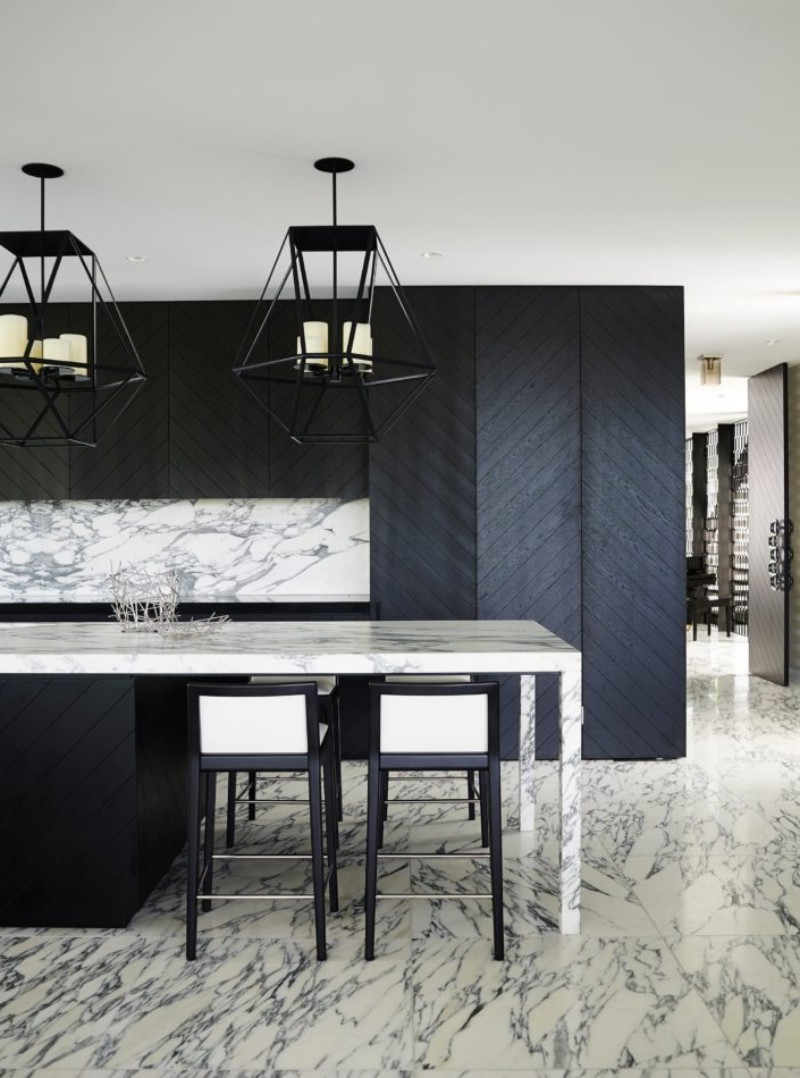
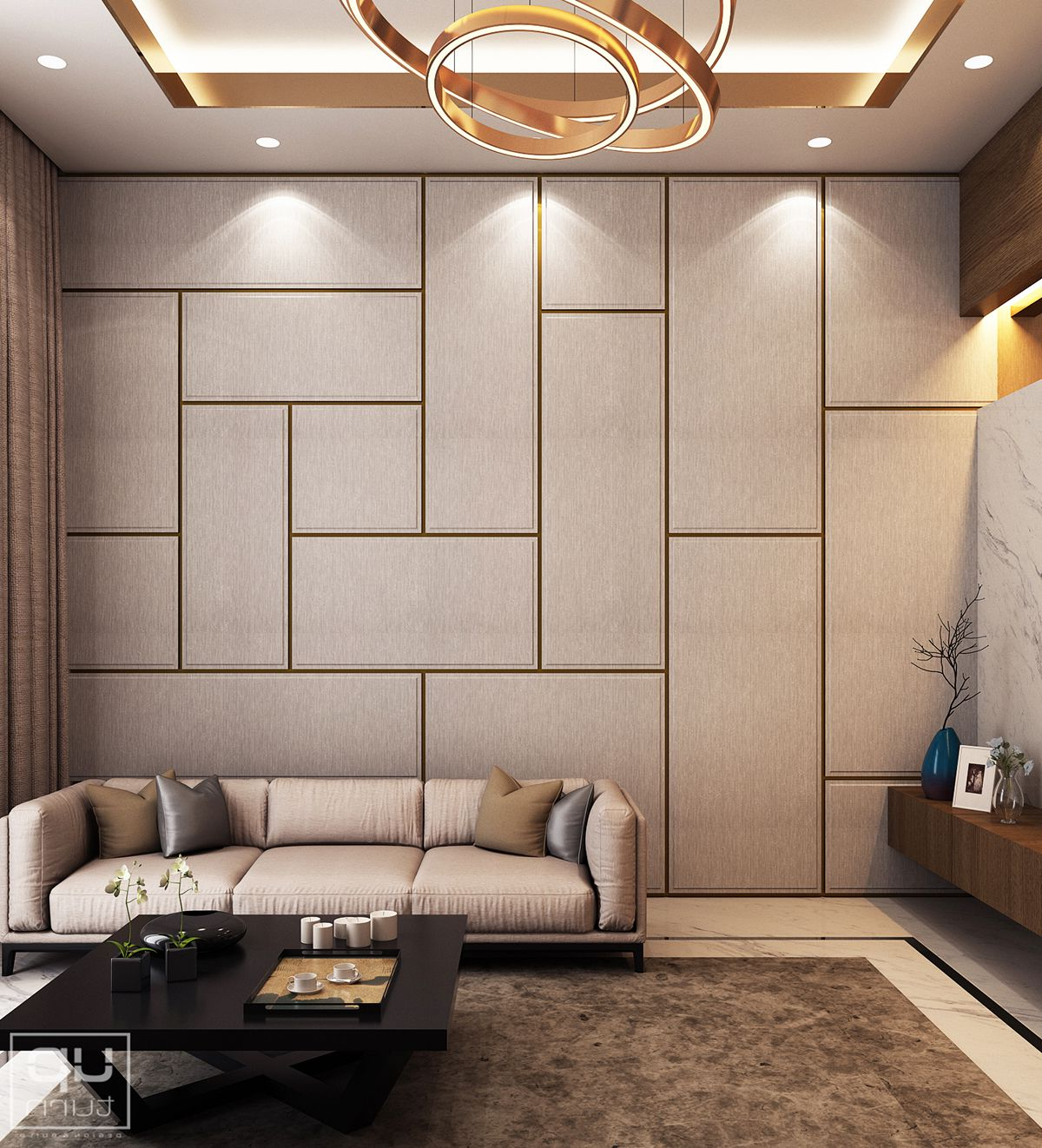
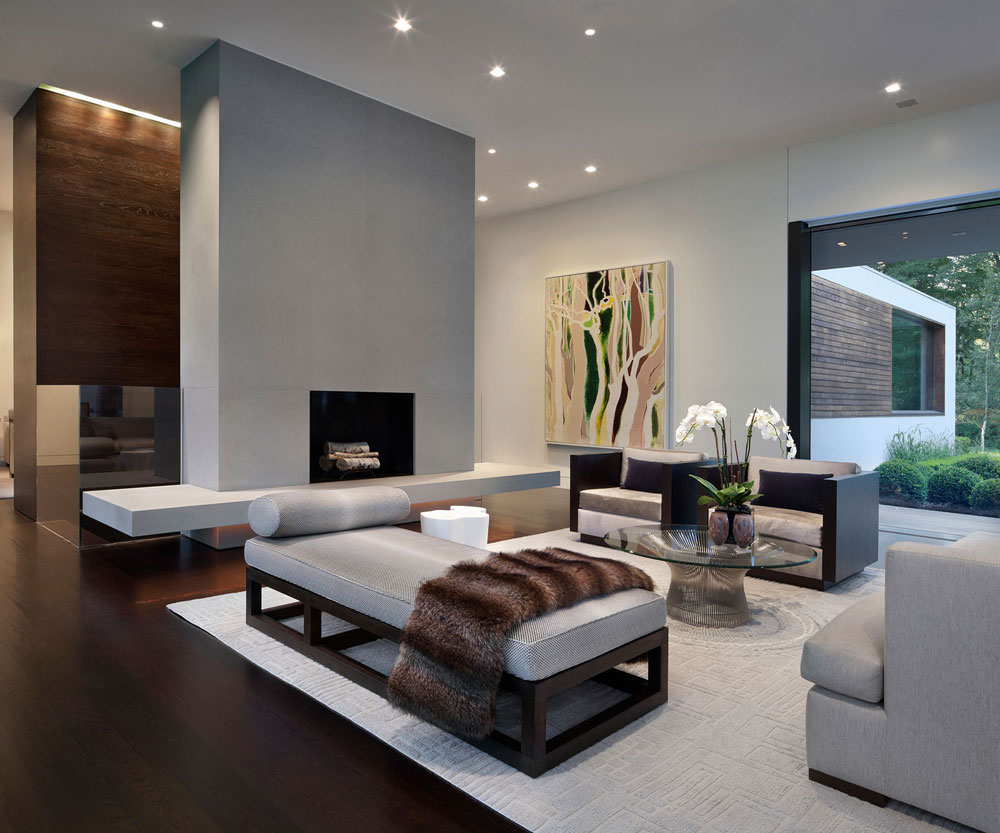
In contrast, contemporary bedroom design moves with the rhythm of today’s lifestyle. It’s about clean lines, minimalism, and functionality. Contemporary spaces prioritize open floor plans, uncluttered surfaces, and a focus on the essentials. The aesthetic celebrates what’s new and innovative while maintaining a sophisticated edge.
Essential features of contemporary design:
• Simple, streamlined furniture shapes
• Neutral color schemes with pops of bold accent colors
• Natural materials like wood and stone
• Smart technology integration
• Open, airy feel with lots of light
• Minimal decorative elements
Contemporary bedrooms often feel like havens of calm efficiency. They’re designed for people who want their space to reflect their busy lives without feeling overwhelmed by clutter or excess.
Where Classic Meets Contemporary
The magic happens when we bring these two approaches together. Rather than choosing one side over the other, consider how classic elements can breathe new life into contemporary spaces, and how contemporary touches can give classic rooms a modern refresh. This fusion creates a design language that’s both grounded and forward-thinking.
Some ways to merge these styles:
• Use a classic wooden bed frame with contemporary bedding
• Add a vintage chandelier to a modern minimalist room
• Incorporate traditional textiles into a contemporary setting
• Blend classic mirrors with modern frames
• Combine ornate headboards with clean, simple nightstands
This approach allows you to honor your appreciation for craftsmanship while embracing the benefits of modern living.
Color Palettes That Bridge Both Worlds
Colors play a vital role in determining whether a room feels classic or contemporary. But what if we could find hues that work beautifully in both? The secret lies in choosing colors that have versatility and depth.
Consider these versatile options:
• Warm neutrals like beige, cream, and soft taupe
• Deep jewel tones such as navy blue, emerald green, or burgundy
• Earth tones including terracotta, olive, and warm browns
• Soft pastels that feel both nostalgic and fresh
These colors can anchor both classic and contemporary elements. A navy blue chair might look at home in a traditional setting, but it can also serve as a striking focal point in a modern bedroom. The key is using these hues thoughtfully and allowing them to guide the overall composition.
Furniture Choices for Balanced Spaces
Furniture selection becomes crucial when trying to balance classic and contemporary influences. You don’t have to choose between an ornate four-poster bed and a sleek platform bed. Instead, think about how each piece contributes to the overall story of your room.
Strategies for harmonious furniture choices:
• Mix traditional silhouettes with modern finishes
• Choose furniture with clean lines but classic proportions
• Use vintage pieces as statement items rather than entire room elements
• Look for transitional designs that bridge both aesthetics
• Consider pieces that can evolve with changing tastes
A beautiful example is a classic wingback chair with a contemporary fabric upholstery. Or perhaps a traditional armoire with minimalist hardware and clean edges. These combinations show that you don’t have to sacrifice either style for the other.
Practical Tips for Creating Your Own Blend
Creating a bedroom that successfully combines classic and contemporary elements requires some planning and thoughtful execution.
Here are practical steps to help you achieve that perfect balance:
• Start with a neutral base and add classic accents gradually
• Choose one dominant style and use the other as supporting elements
• Invest in quality pieces that will last through changing trends
• Consider how lighting affects the overall mood of the space
• Don’t forget about texture and material variety
• Test different combinations before committing to full arrangements
Remember, there’s no right way to blend these styles. Your bedroom should reflect your personality and lifestyle, not just a particular design rule. Trust your instincts, and don’t be afraid to experiment with unexpected pairings.
Real-Life Examples of Successful Blends
Looking at actual examples helps us see how these concepts translate into real spaces. Many designers and homeowners have mastered the art of balancing classic and contemporary elements.
Some notable examples include:
• A Victorian-style bedroom with modern lighting fixtures and minimalist bedding
• A mid-century modern space enhanced with antique accessories and traditional artwork
• A contemporary loft featuring classic architectural details like crown molding
• A farmhouse-inspired room with clean, modern furniture and vintage accents
These spaces prove that the combination works when done thoughtfully. They demonstrate how even seemingly opposing styles can create harmony when approached with intention and respect for both traditions.
Common Mistakes to Avoid
Blending classic and contemporary elements isn’t without its pitfalls. Understanding common mistakes can help you avoid them and create a more successful design.
Watch out for these typical errors:
• Overloading the space with too many contrasting elements
• Mixing too many periods or styles without a cohesive guiding principle
• Forgetting about scale and proportion in mixed designs
• Ignoring the importance of consistent color coordination
• Using trendy pieces that might date quickly
• Not considering how the space will function in daily life
The key is moderation and intentionality. When in doubt, remember that less often means more effective in creating lasting beauty.
Future Trends to Consider
As we move forward, bedroom design continues to evolve. The future seems to favor spaces that are adaptable and flexible, blending tradition with innovation. Emerging trends suggest that we’ll see even more creative mixing of classic and contemporary elements.
Upcoming considerations include:
• Sustainable and eco-friendly materials that work with both styles
• Technology that seamlessly integrates into traditional settings
• Customization options that allow personal touches
• Multi-functional furniture that serves multiple purposes
• Biophilic design elements that connect indoor spaces with nature
The most successful bedrooms will likely be those that embrace change while honoring what has worked well before. They’ll be spaces that grow with their inhabitants and continue to feel fresh and relevant.
Making Your Space Work for You
Ultimately, the best bedroom design is one that works for your lifestyle and preferences. Whether you lean more toward classic elegance or contemporary simplicity, the goal is to create a space that supports rest, relaxation, and personal well-being.
Consider asking yourself these questions:
• What activities do I want to do in my bedroom?
• What makes me feel most comfortable and relaxed?
• How does my current space support my sleep habits?
• What aspects of classic or contemporary design appeal to me most?
• How much maintenance am I willing to invest in my space?
Your answers will guide you toward a design that truly serves you, regardless of whether it leans classic or contemporary.
The debate between classic and contemporary bedroom design isn’t really about choosing sides. It’s about recognizing that both approaches offer something valuable—the timeless appeal of craftsmanship and the forward-looking benefits of modern living. When we combine these elements thoughtfully, we create spaces that are both comforting and inspiring. Your bedroom becomes more than just a place to sleep; it becomes a reflection of your personal style and values. The most successful designs don’t try to be everything to everyone—they focus on creating harmony between the old and new, ensuring that every element serves a purpose and contributes to your overall well-being. Whether you’re drawn to the rich textures of classic design or the clean lines of contemporary aesthetics, remember that the best choices are often the ones that feel authentically you.