Staircases aren’t just functional elements in your home—they’re powerful design tools that can either make or break your space. Whether you’re dealing with a cramped apartment or a sprawling house, smart staircase choices can completely change how you experience your living area. Think about it—every step you take could be an opportunity to optimize your square footage, enhance your daily routine, or simply make your home feel more spacious and welcoming.
When we think about maximizing space in our homes, we often focus on the obvious areas—kitchens, bedrooms, and living rooms. But there’s a hidden treasure trove right beneath our feet that gets overlooked: the staircase. This essential architectural element holds enormous potential for transforming how we use and perceive our living spaces. It’s easy to see why—staircases connect different levels of a home, but they also serve as pathways that define the overall flow and feel of your space.
What if I told you that the way you design or choose your staircase could make your entire home feel bigger, more efficient, and more beautiful? The possibilities are endless when you approach staircases with intention and creativity. From clever storage solutions to bold visual statements, the right staircase design can work wonders for your home’s functionality and aesthetic appeal. Let’s explore how smart staircase choices can truly maximize your space in ways you never imagined.
Understanding Space Constraints and Opportunities
Every home has its unique challenges and opportunities when it comes to space utilization. Understanding these factors is crucial before making any design decisions. Small spaces often require multi-functional furniture and clever layouts to feel comfortable. Large spaces might struggle with creating intimacy and visual connection between different areas. Staircases sit at the intersection of both worlds, acting as a bridge between floors while simultaneously defining the architectural character of your home.
For instance, a narrow staircase in a small apartment might seem like a limitation, but it can actually become a canvas for creative solutions. Consider how much vertical space you have available, and whether you want to emphasize the height of your ceilings or make the most of the horizontal dimensions. Sometimes the best solution isn’t to fight against the constraints but to embrace them and find innovative ways to work within them.
Creative Storage Solutions in Staircases
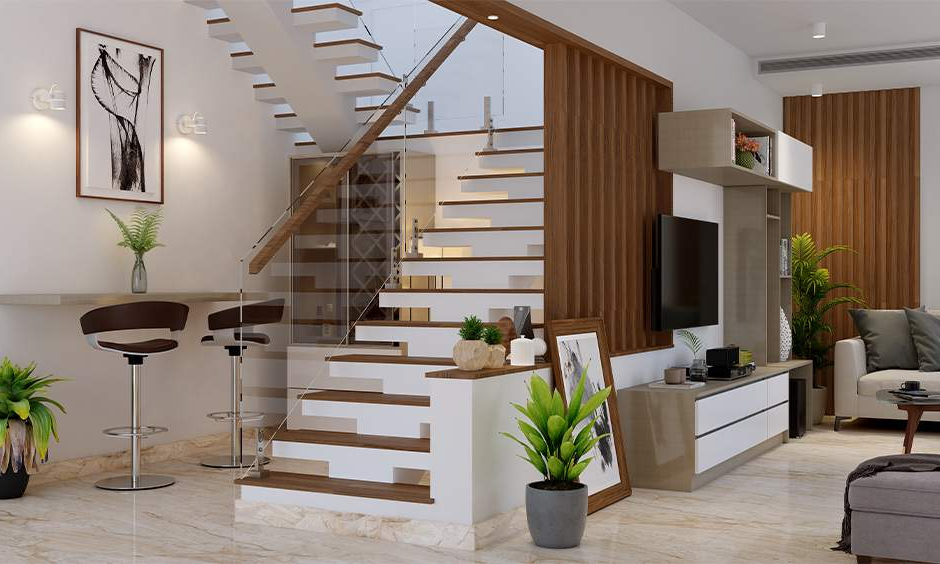
One of the most impactful ways to maximize space is by incorporating storage directly into your staircase design. Many homeowners overlook the vast potential of their stairs as storage areas. Built-in shelving units can be integrated into the risers or treads, creating a seamless look while providing additional storage. Think about how many books, decorative items, or household essentials you could store without taking up precious floor space.
Some creative options include:
• Hidden compartments within the staircase structure
• Shelves that run along the sides of the staircase
• Storage boxes or baskets tucked into the steps
• Custom-built drawers that slide under the staircase
These solutions don’t just solve storage problems—they can become stunning focal points in your home. Imagine walking up a staircase where each step houses a different collection of books or keepsakes. The key is to plan ahead and consider what items you’ll want to keep easily accessible versus those that can be stored away. When done well, staircase storage can transform a cluttered space into one that feels organized and intentional.
Lighting as a Space Enhancer
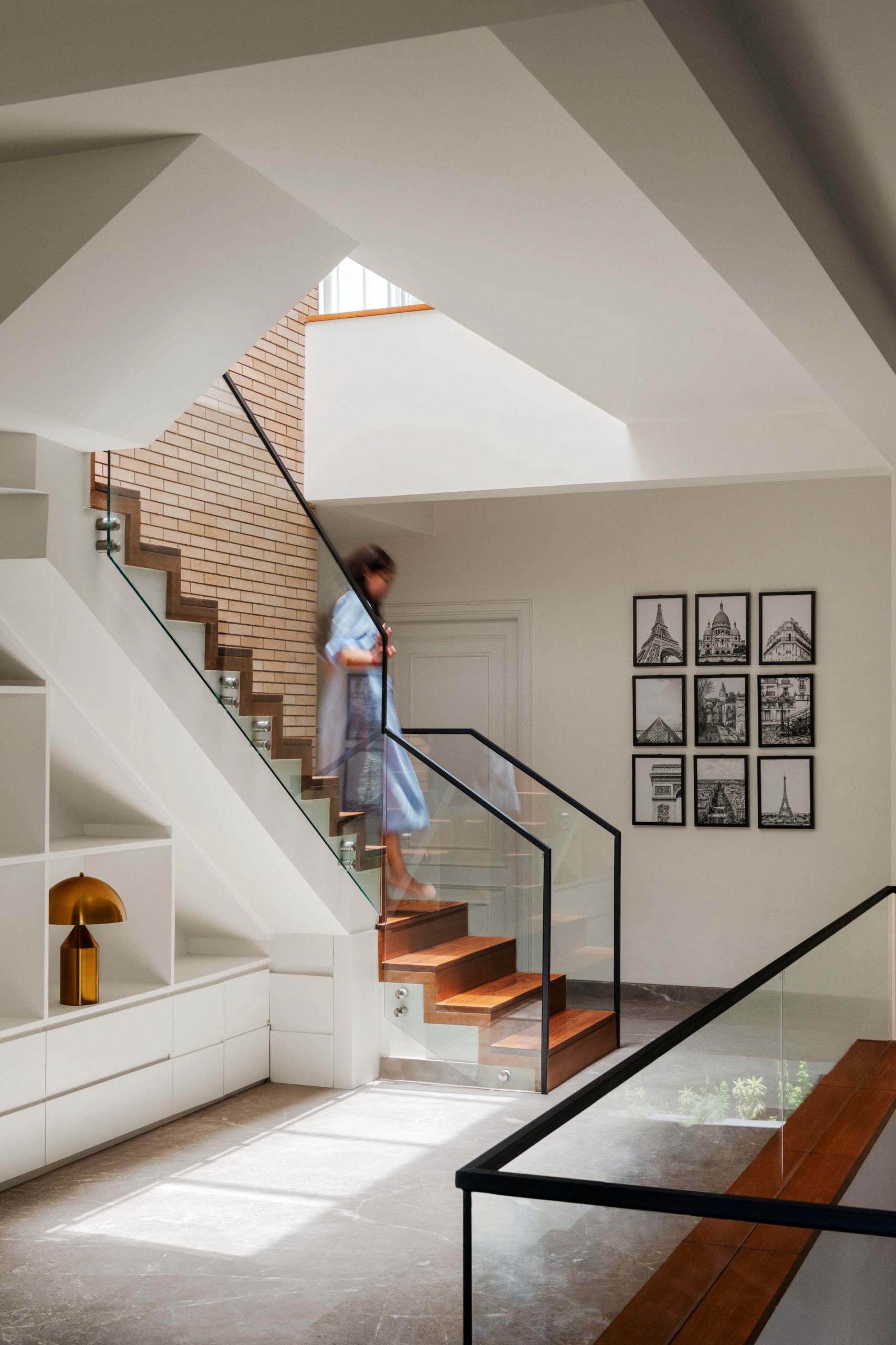
Good lighting can completely transform how a staircase looks and feels. Proper illumination doesn’t just make your staircase safer—it can dramatically impact the perceived size and atmosphere of your home. Natural light is always preferred, but when that’s not possible, strategic artificial lighting becomes essential. Consider installing LED strip lights underneath the stair treads or along the edges of the steps. These subtle lighting features can create depth and dimension, making even a narrow staircase appear wider.
The right lighting can also highlight architectural details, draw attention to interesting materials, or provide gentle guidance during evening hours. Some designers swear by using different light intensities on various sections of the staircase to create visual interest. A dimmer switch allows you to adjust the mood throughout the day, from bright and welcoming in the morning to cozy and intimate in the evening. The trick is to avoid harsh overhead lighting that creates shadows and instead opt for layered lighting that enhances rather than overwhelms.
Material Selection for Visual Impact
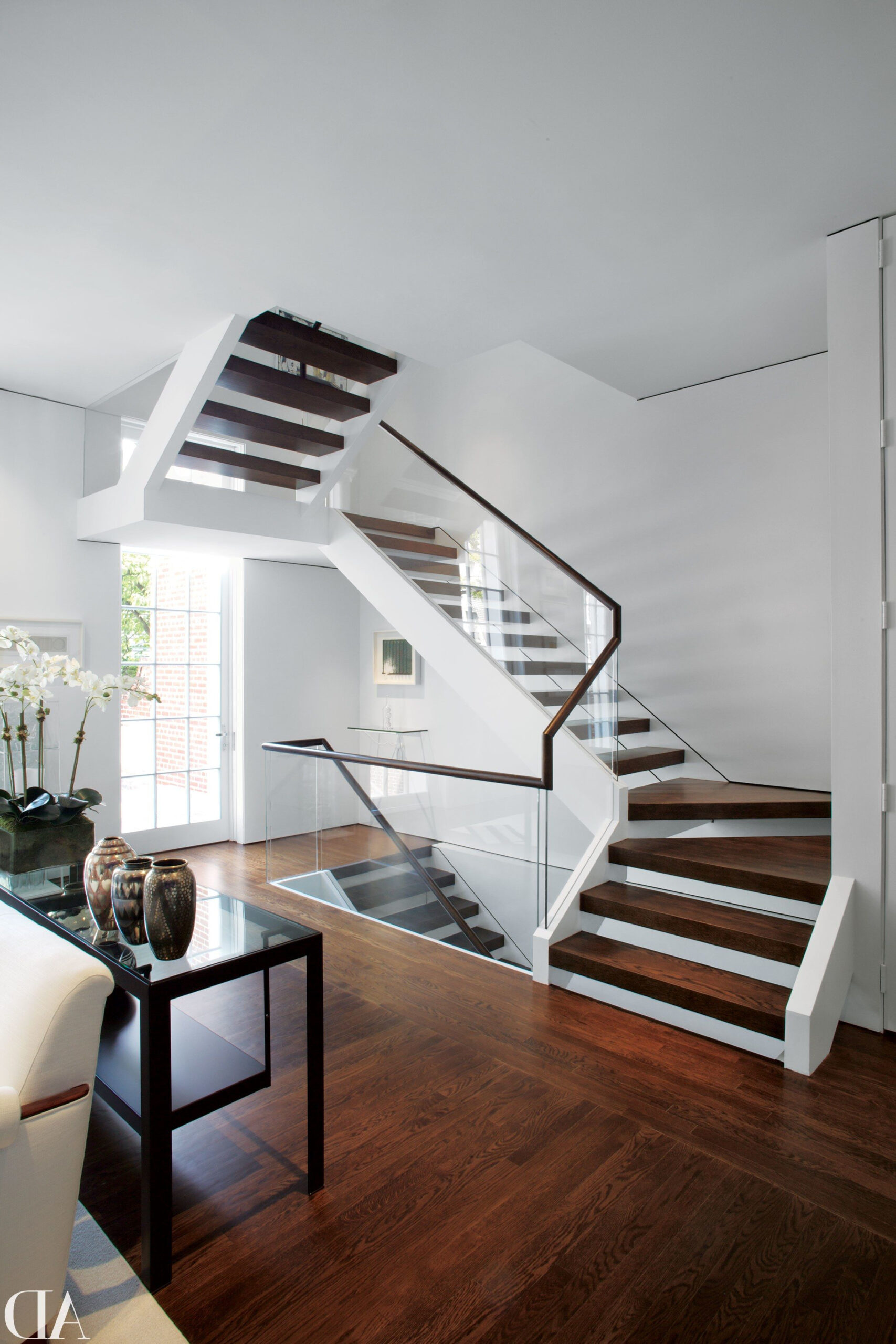
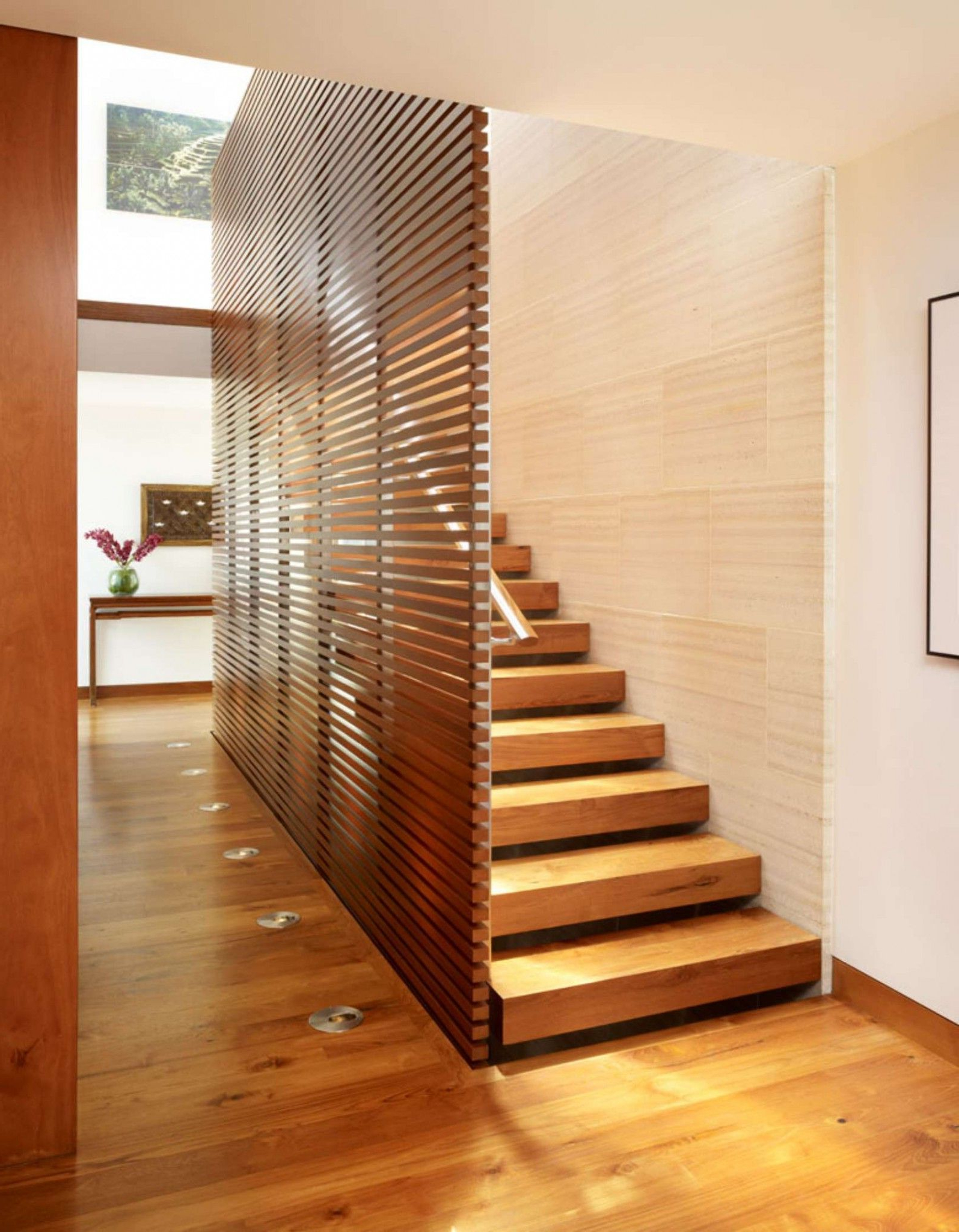
The materials you choose for your staircase can have a surprising effect on how spacious your home feels. Light-colored woods, polished metals, and reflective surfaces can make a room appear larger and more open. Conversely, dark tones and heavy textures can create a sense of intimacy and coziness. Think about how different materials interact with light and how they reflect or absorb it. For example, a white or light wood staircase can make a small landing feel more expansive, while a dark wooden staircase might create a dramatic focal point in a large space.
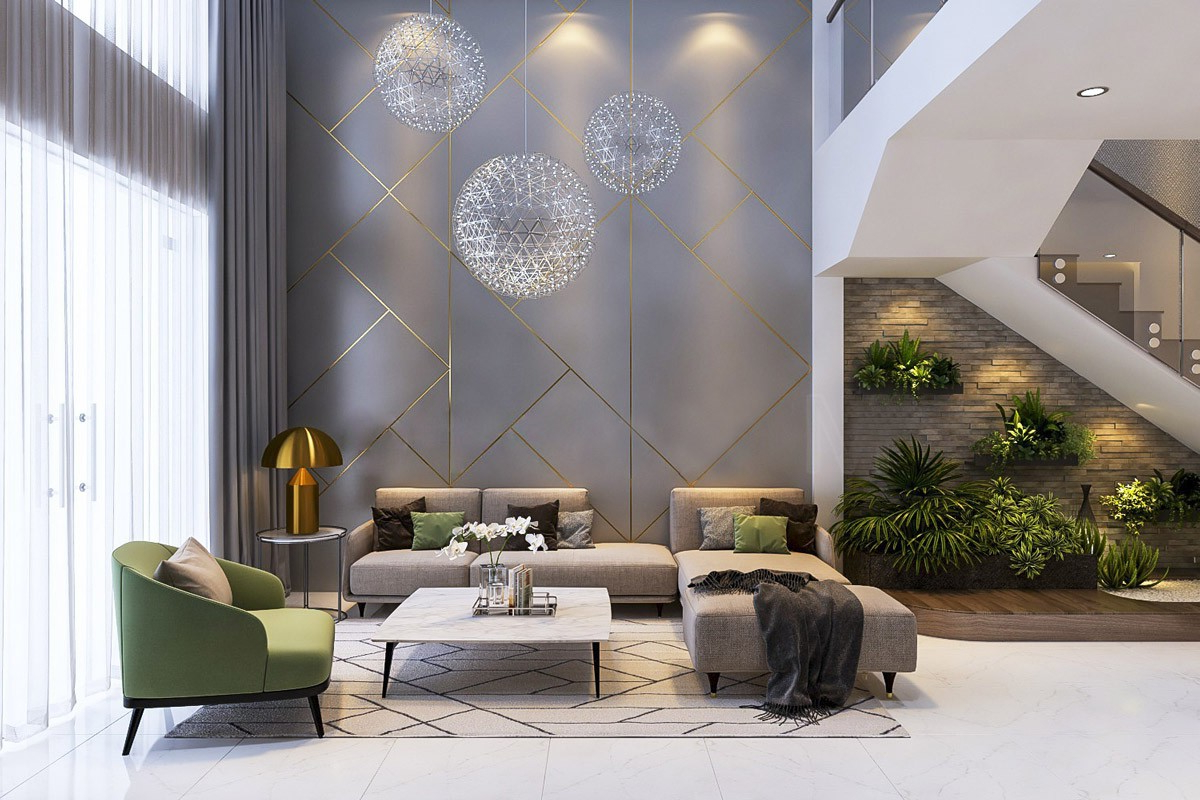
Glass railings offer a modern alternative that allows views through the staircase, visually expanding the space. Metal elements can add contemporary flair while maintaining a clean appearance. Don’t forget about the treads themselves—smooth surfaces are easier to clean and maintain, while textured treads can provide better grip but may require more careful consideration in terms of visual weight. The material selection should align with your overall home aesthetic and the feeling you want to create.
Multi-Functional Staircase Features
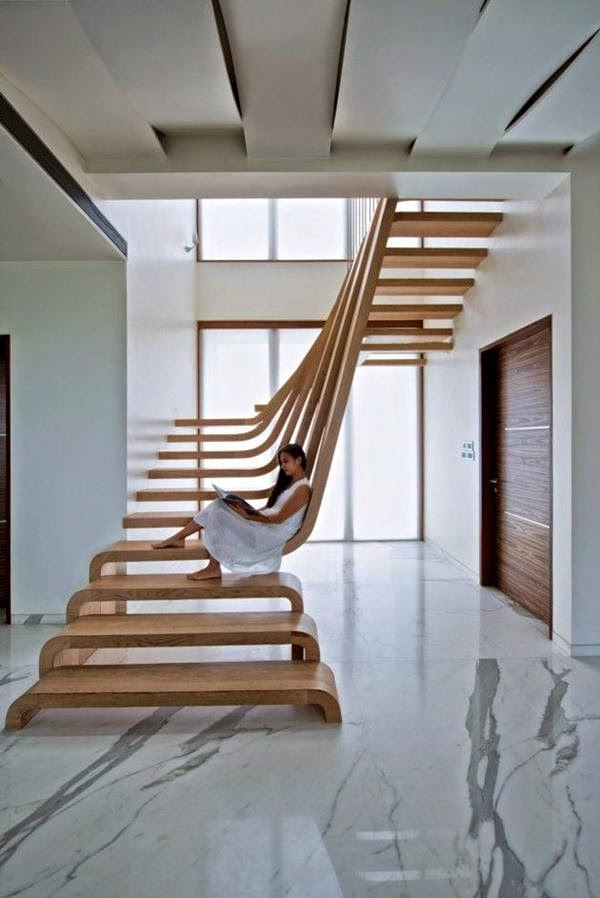
The most innovative staircase designs incorporate multiple functions beyond simple vertical transportation. A staircase that doubles as a reading nook, a gallery wall, or even a small workspace can revolutionize how you use your space. For instance, a curved staircase with built-in seating can create a perfect spot for quiet reading or casual conversations. Some homeowners have turned their staircases into mini-libraries by adding bookshelves along the sides. Others have created gallery spaces by installing artwork or display cases directly on the staircase walls.
The key is to think about how people move through and use the space. Does your family often gather in the entryway? Could the staircase become a natural transition zone between different activities? Multi-functional elements don’t have to be complex or expensive—they can be simple additions that serve dual purposes. A small console table placed at the base of the staircase can serve as both a place for keys and mail, and a surface for displaying seasonal decorations. The beauty of thoughtful design lies in finding ways to do more with less.
Design Trends That Maximize Functionality
Current design trends favor solutions that blend form and function seamlessly. Open-concept homes often feature staircases that serve as architectural features rather than mere passageways. Floating staircases, which appear to hover above the ground, create an illusion of openness and make small spaces feel larger. Minimalist approaches emphasize clean lines and simple shapes that don’t compete with other design elements. Modern minimalist staircases often use clean materials like steel and glass to create a sense of lightness.
Another popular trend is the integration of technology into staircase design, such as built-in charging stations or smart lighting systems. These features may seem like small additions, but they can significantly improve the usability of your space. The key is to stay informed about current trends while keeping your personal needs and lifestyle in mind. What works for one family may not work for another, so it’s important to balance trendy elements with timeless design principles.
Maximizing space through smart staircase design isn’t just about solving immediate problems—it’s about creating a foundation for how you want to live in your home. Every decision you make about your staircase affects not just the physical space, but also the emotional experience of being in that environment. Whether you’re working with a tiny apartment or a spacious family home, the staircase offers a unique opportunity to be both practical and beautiful. The key is to approach the design process with curiosity and openness to creative solutions.
Remember that great staircase design often happens at the intersection of necessity and imagination. You might discover that the solution to your space problem is right there in the very steps you walk on every day. The most successful designs are those that serve the people who use them while enhancing the overall character of the home. So take a moment to look at your staircase differently—what new possibilities might be hiding in plain sight? Sometimes the best way to maximize your space is to simply pay attention to what’s already there and find fresh ways to celebrate it.