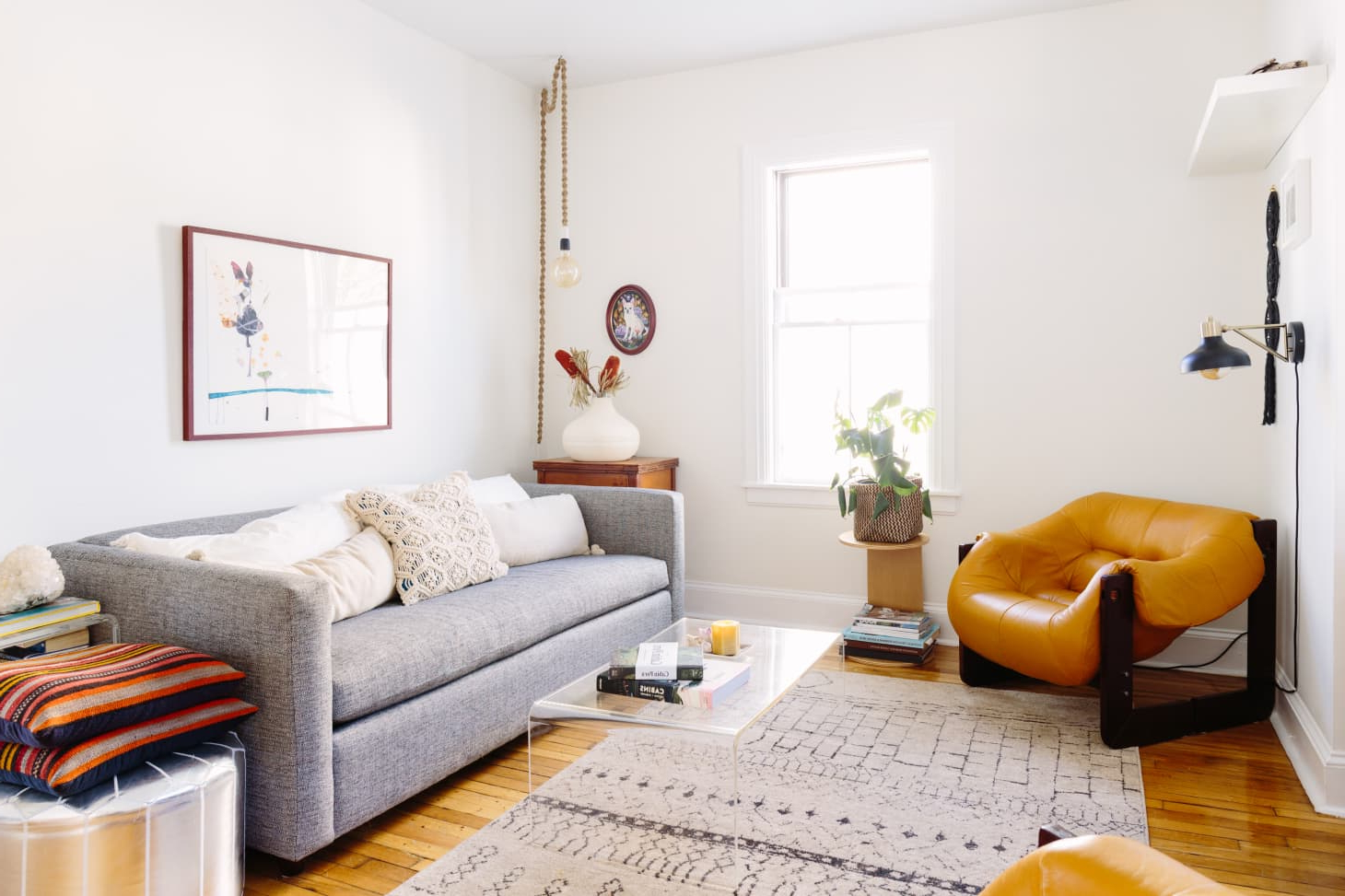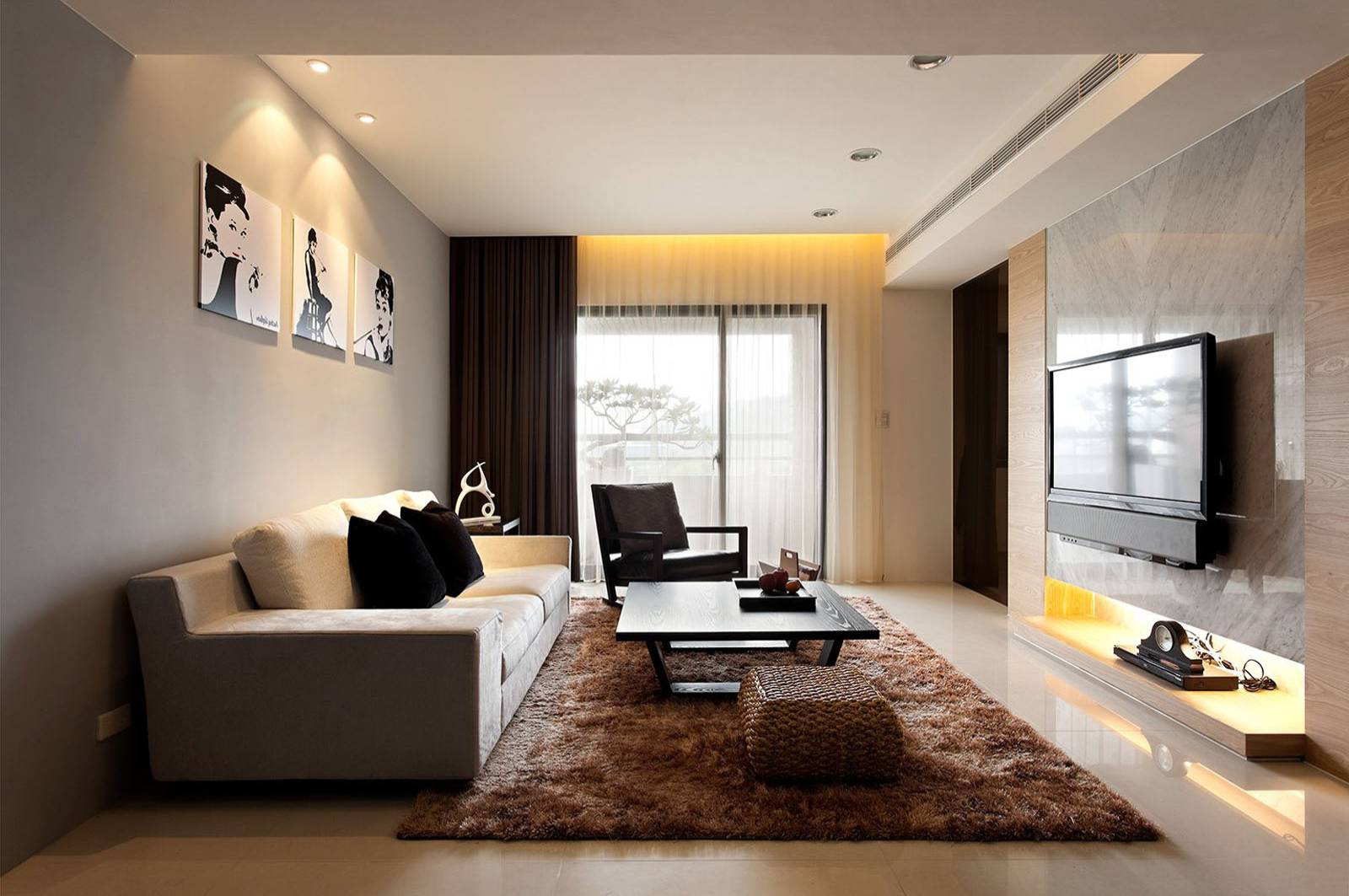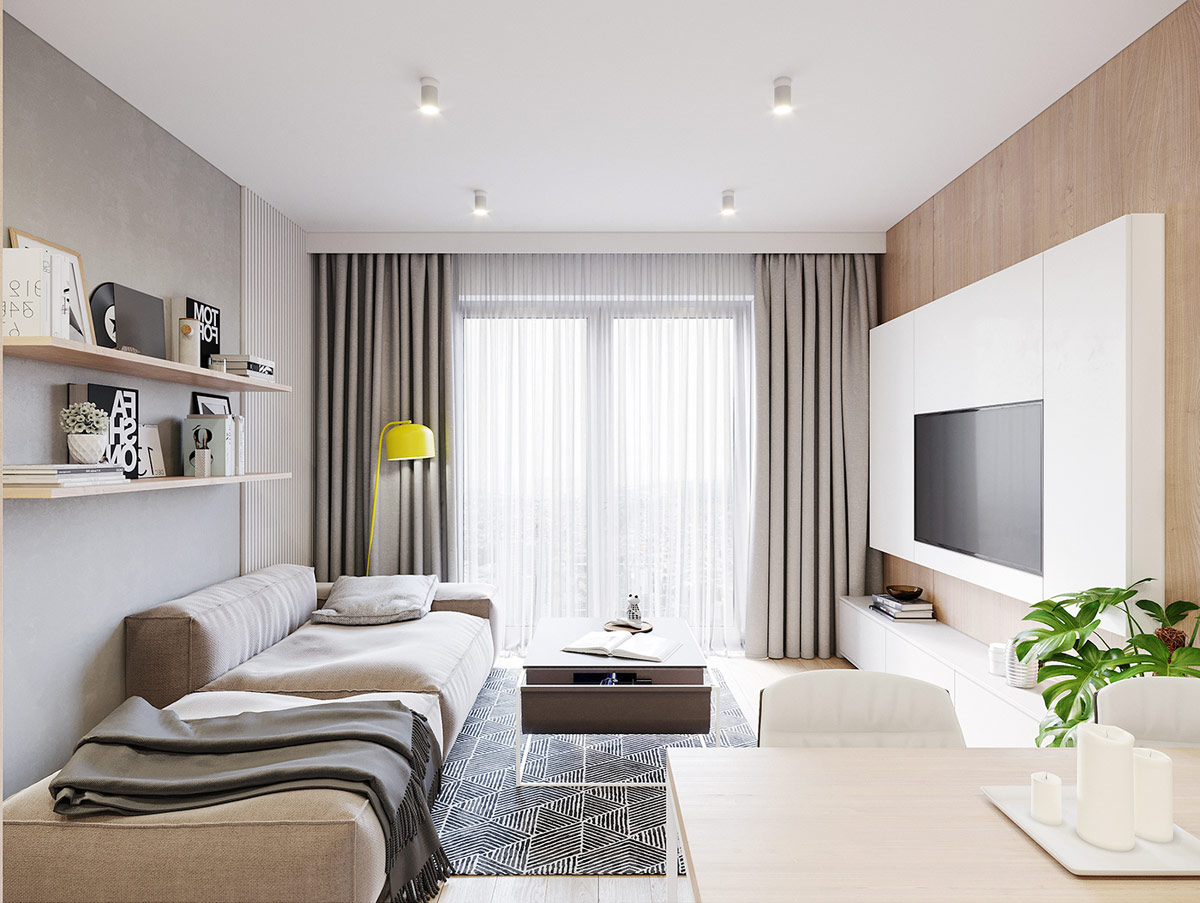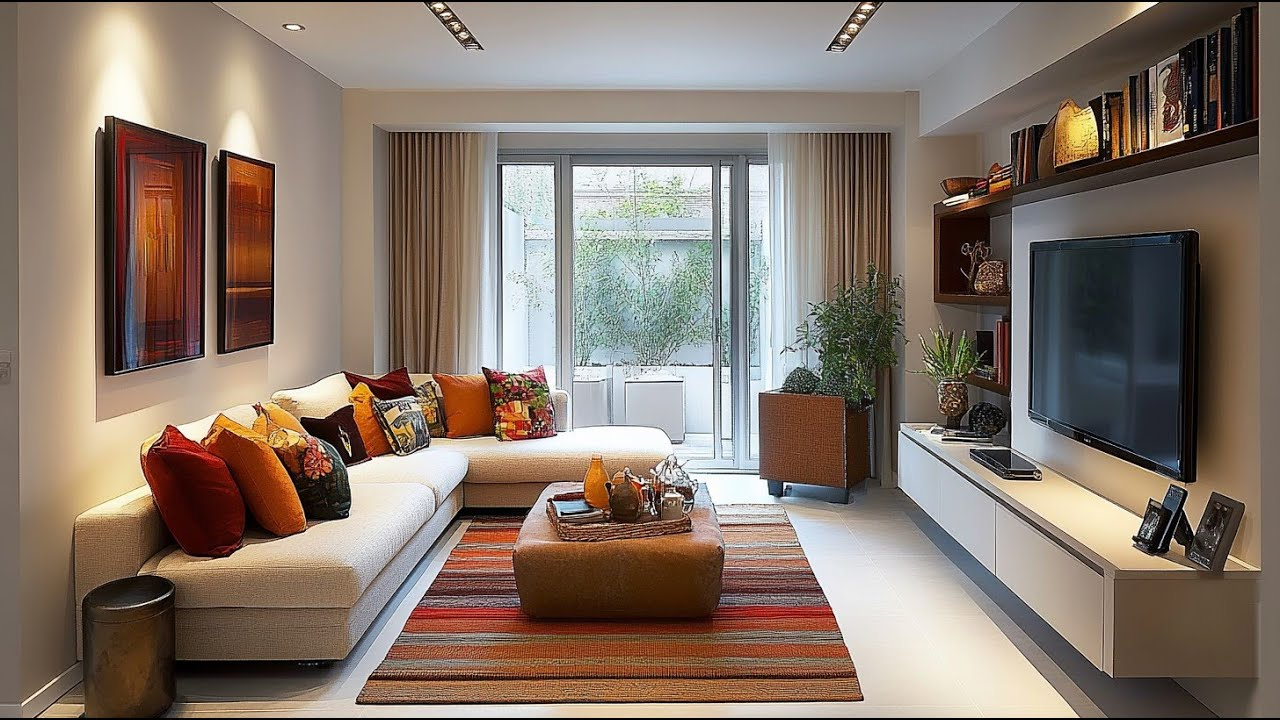
You know that feeling when you step into a cramped living room and instantly feel overwhelmed? The walls seem to close in, the furniture looks too big, and there’s barely enough room to breathe? What if we told you that tiny spaces can actually feel enormous with just a few smart design choices? It’s true, and it’s not magic — it’s all about understanding how space works, how light behaves, and how our brains perceive size. This isn’t about buying more furniture or pretending everything’s bigger than it is. These are real, tested methods that experts use every day to make small rooms look and feel amazing.
Let’s face it — many of us live in smaller spaces these days. Whether it’s a studio apartment, a converted garage, or simply a room that’s always felt too tight, small living spaces can be frustrating. But what if we told you that small doesn’t have to mean stuffy or uninviting? In fact, smaller rooms offer unique opportunities to create intimate, beautiful spaces. The trick is knowing where to focus your energy, what to avoid, and how to work with the limitations rather than against them. This guide explores the most effective techniques that professionals rely on to turn tight quarters into cozy sanctuaries. We’ll dive deep into layout strategies, color psychology, and clever storage solutions that will make your small living room feel like a dream.
The Power of Light and Reflection
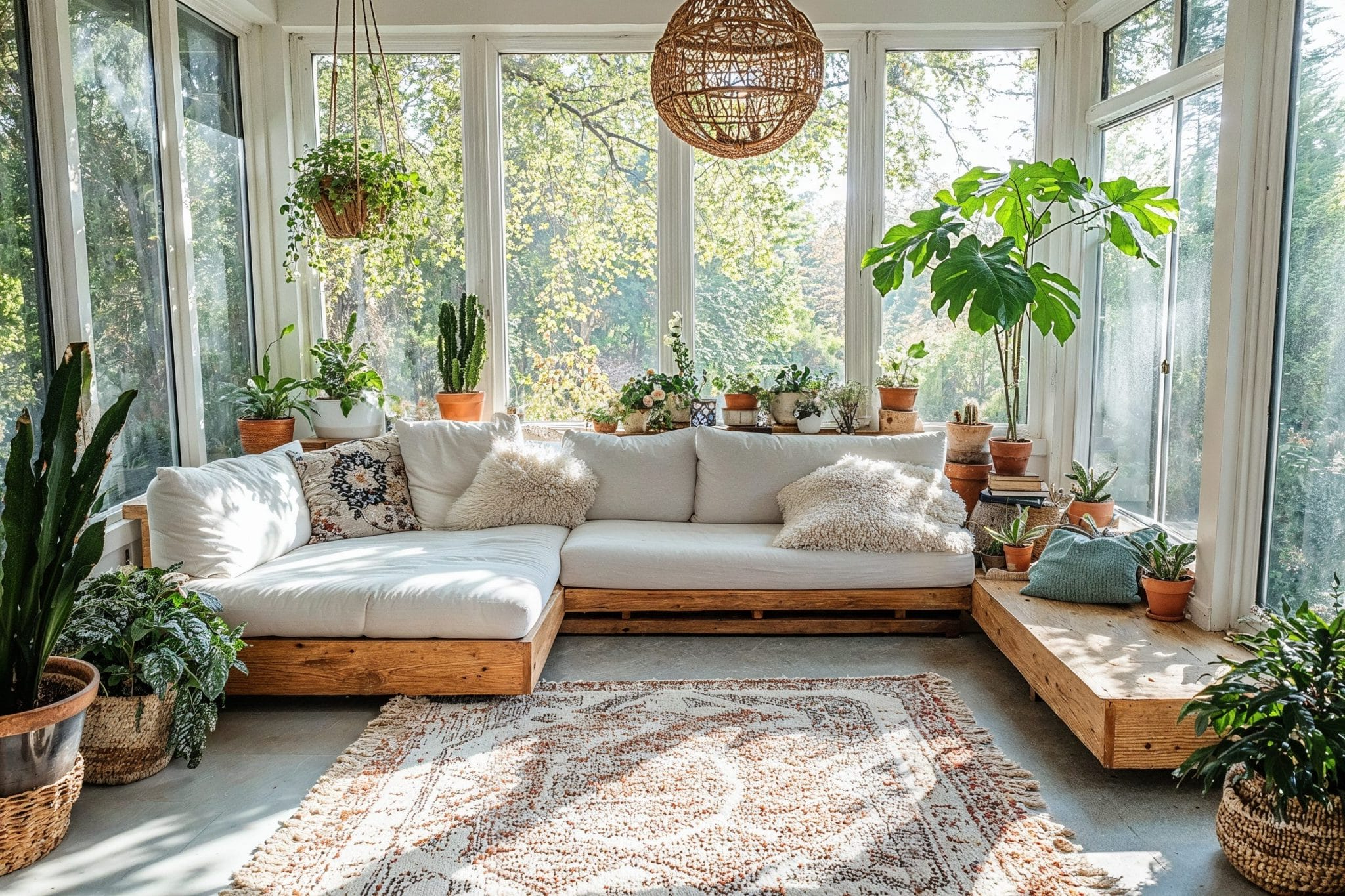
Light is the ultimate illusionist in interior design. It can make a tiny room feel airy and open, or it can make even the largest space feel dark and claustrophobic. Natural light is your best friend. If possible, keep windows unobstructed and use sheer or lightly tinted curtains to let in as much sun as you can. You might think you want heavy drapes for privacy, but they block light and make everything feel smaller. Instead, try light fabrics that filter sunlight while still offering some coverage.
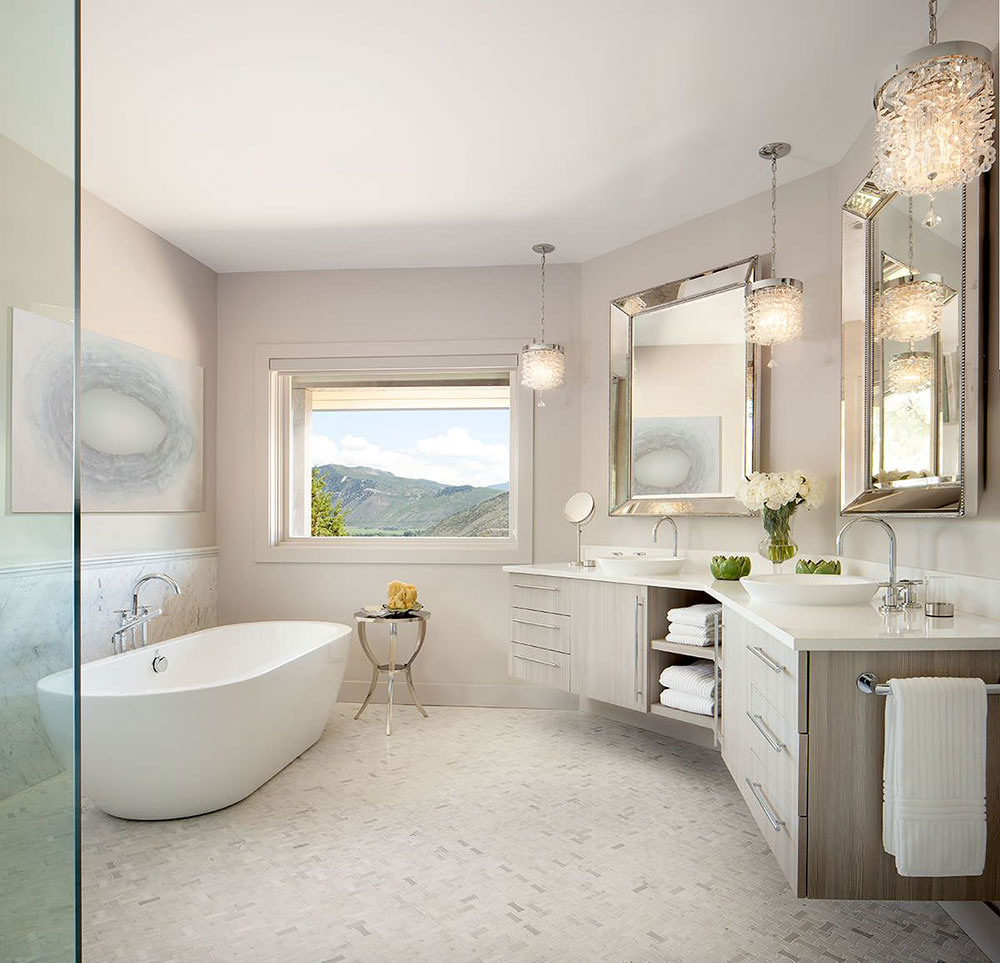
Artificial lighting also plays a huge role. Layer your lighting — use a combination of overhead lights, table lamps, floor lamps, and even candles. This creates depth and warmth, which makes the space feel more inviting. Mirrors are another secret weapon. They reflect light and give the illusion of more space. A large mirror placed strategically can make a room feel twice its size. Try positioning one across from a window so it reflects the outside view and creates a sense of continuity between inside and outside.
Smart Furniture Choices
Choosing the right furniture for a small room is crucial. You don’t want to fill the space with bulky pieces that make it feel cramped. Instead, focus on multi-functional items that serve more than one purpose. A coffee table with hidden storage can hold books, remote controls, and blankets without adding visual clutter. A loveseat that doubles as a dining chair or a storage ottoman can do double duty in your compact space.
Consider the scale of your furniture carefully. Measure your room first and then choose pieces that fit comfortably within that space. Oversized furniture can overwhelm a small room, while undersized pieces can make it feel empty. Look for furniture with clean lines and minimal details — they tend to look less heavy and more streamlined. Also, consider the height of your pieces. Low-profile furniture can make ceilings feel higher, while tall, narrow items can draw the eye upward and make the room appear taller.
Color Psychology and Visual Tricks
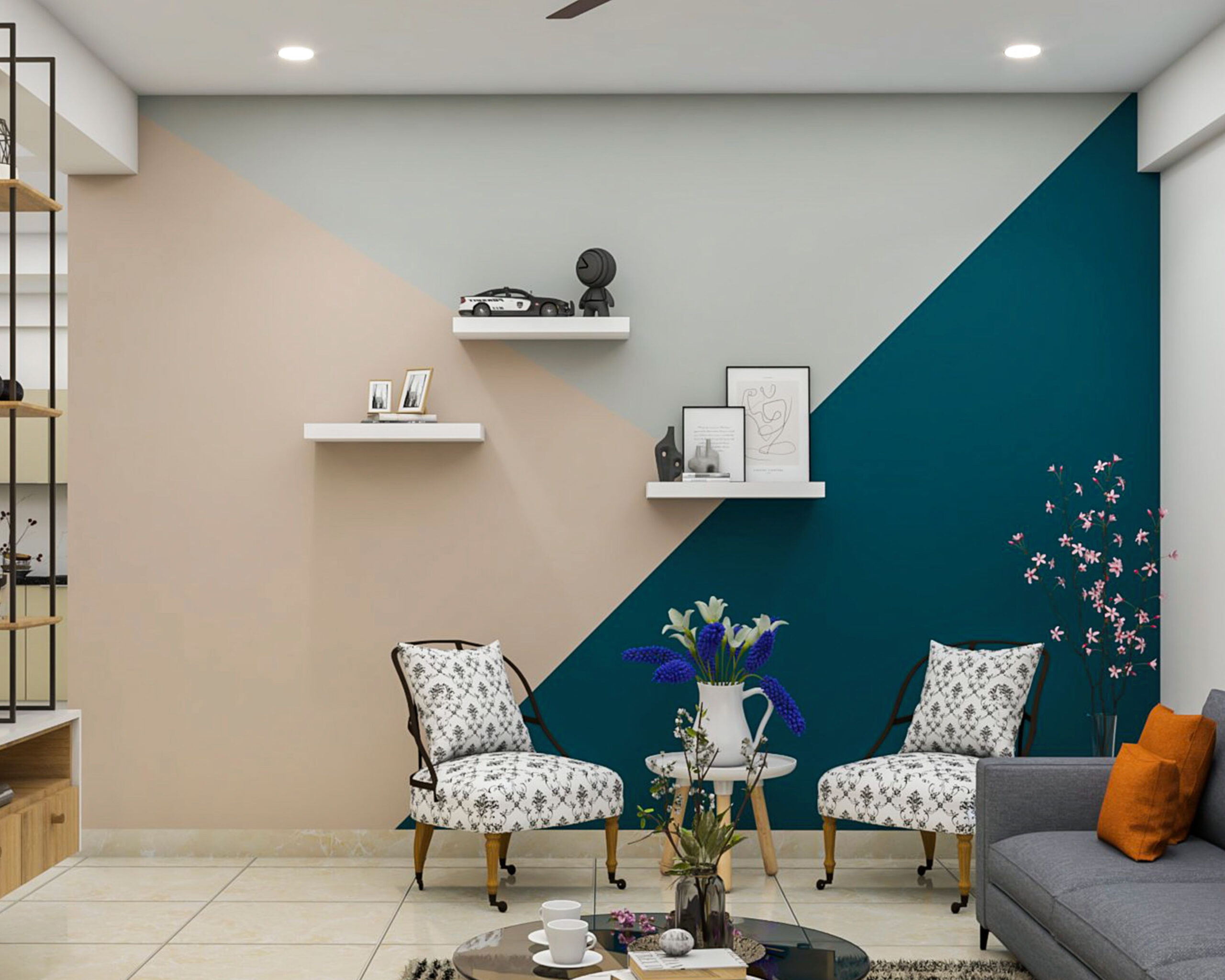
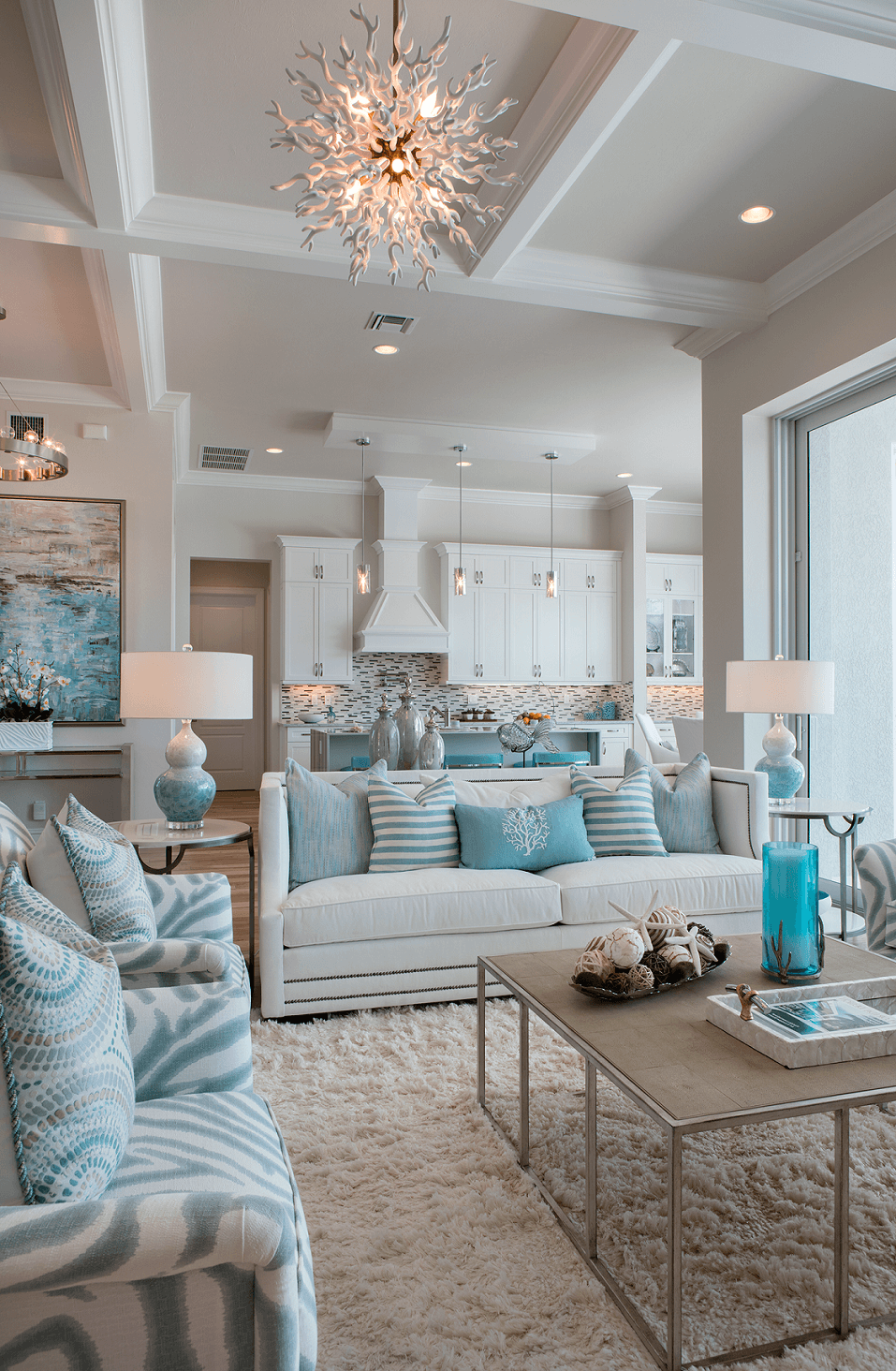
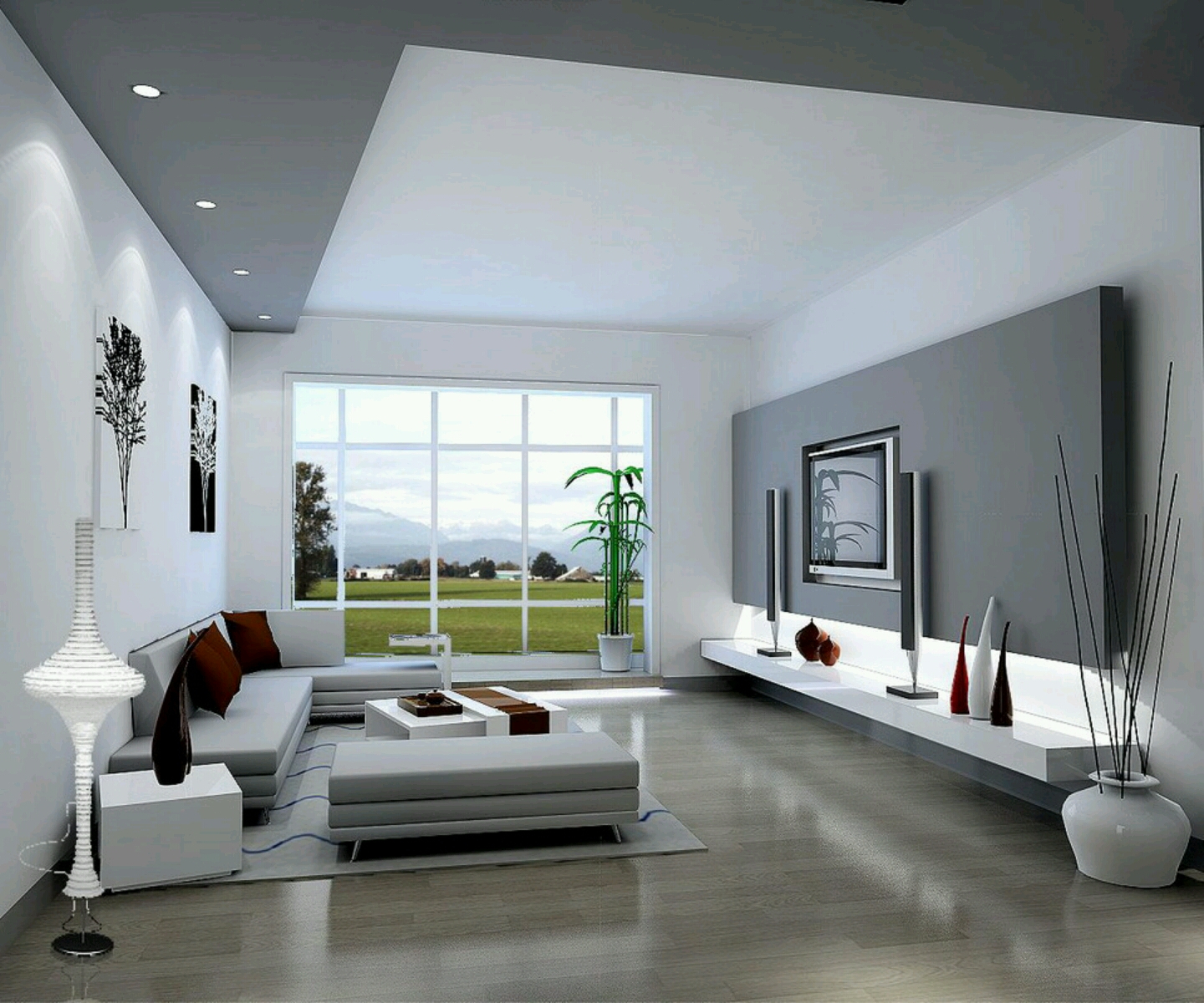
Colors have a powerful effect on how we perceive space. Light colors, especially whites, soft grays, and pale pastels, reflect light and make walls appear farther away. This simple principle can dramatically change the feel of a room. Dark colors, on the other hand, absorb light and can make a space feel smaller and more enclosed. If you love a bold color, use it sparingly — perhaps on an accent wall or a single piece of furniture.
Another effective strategy is to keep your color palette consistent throughout the room. This helps the space feel unified and larger. For example, if you’re using a light gray for your walls, choose furniture and accessories in similar shades. This creates a seamless flow that your eyes follow, making the room feel more expansive.
Don’t forget about patterns! Subtle patterns like small stripes or delicate florals can add visual interest without overwhelming the space. Large-scale patterns, however, can make a room feel smaller and more chaotic. So, opt for small, repetitive designs when working with patterned fabrics or wallpaper.
Storage Solutions That Don’t Compromise Space
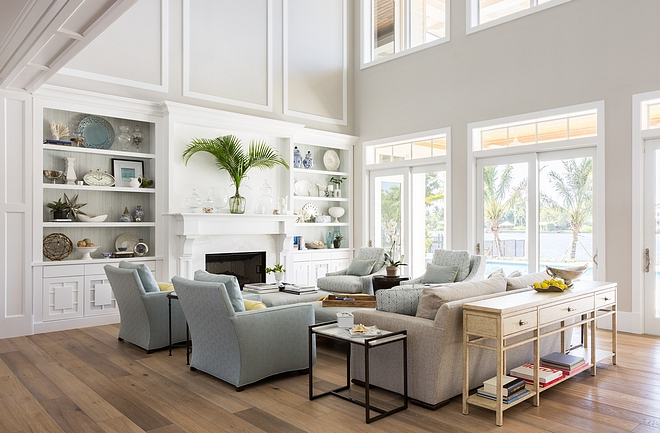
One of the biggest challenges in small living rooms is keeping things organized without cluttering the space. This is where smart storage comes in. Vertical storage is particularly helpful because it keeps your feet clear and draws the eye upward. Install shelves high on the walls or use tall bookcases to maximize floor space. Built-in shelving is ideal when you can’t use freestanding furniture.
Think vertically with your furniture too. Use tall side tables or console tables that extend from the wall instead of sitting directly on the floor. These pieces take up less floor space and still provide functional surfaces. Consider using storage boxes or baskets to hide clutter. These can be styled as decorative elements themselves, especially if you choose attractive fabrics or colors that complement your room.
Also, don’t overlook the space under furniture. Use this area for storage with low-profile bins or rolling carts. This way, you’re utilizing every inch of space without making the room feel cramped.
Creating Zones Within a Small Space
Even in a small room, you can define different areas for different activities. This helps create a sense of structure and organization. For example, you might designate one corner for reading, another for dining, and a third for relaxation. This doesn’t require physical barriers — you can create zones using rugs, furniture placement, or lighting.
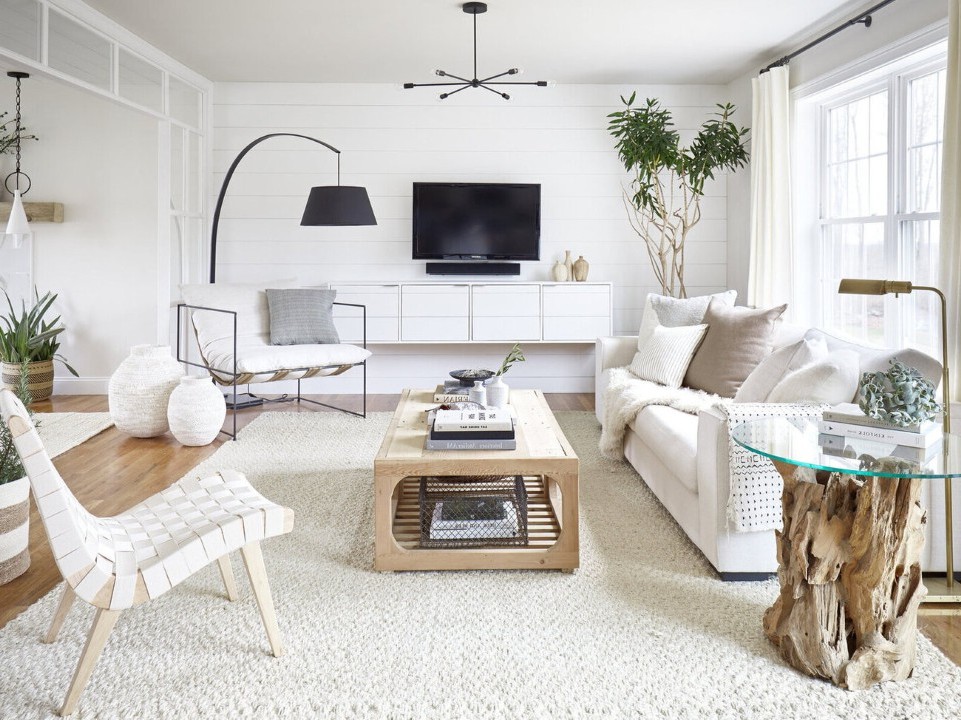
Rugs are excellent for defining zones. Choose a rug that’s large enough to accommodate your main seating area, and if you have multiple zones, layer them or use different textures to distinguish each area. A woven rug in one zone, for instance, can be paired with a plush carpet in another.
Furniture arrangement also matters. Group your seating together to create a conversation area, or position your sofa against a wall to leave more open space. Use different heights to create visual separation — for example, place a tall bookshelf between two seating areas to act as a subtle divider. Lighting can also help separate zones. Use a floor lamp in one area and a table lamp in another to create distinct atmospheres.
Personal Touches That Make a Big Impact
No matter how well-designed a small living room is, it needs personality to feel truly welcoming. Personal touches make the space yours and add warmth that no amount of professional design can replicate. Start with artwork — choose pieces that speak to you and don’t overcrowd the walls. One large piece can be more impactful than several small ones.
Plants are another essential element. They bring life to a room and create a natural contrast to hard surfaces. Even a few small plants on a windowsill can make a huge difference. Choose plants that suit your lifestyle — low-maintenance options like snake plants or pothos work great for busy people.
Textiles are incredibly versatile. Throw pillows, blankets, and throws can add color, texture, and comfort. These are easy to change out seasonally or when you want a new look. They also soften the space and make it feel more lived-in and cozy. Finally, don’t forget about the little things — books on a shelf, a favorite mug on the coffee table, or a scented candle on the side table. These small details tell a story and make your space uniquely yours.
Common Mistakes to Avoid
There are several pitfalls that small room owners often fall into. One of the biggest is overcrowding the space. More furniture doesn’t equal better functionality — it often means less space to move around. Another mistake is using too many competing elements. Too many patterns, colors, or textures can make a room feel chaotic and overwhelming.
Avoid using dark colors or heavy drapes unless you’re trying to create a dramatic effect. These choices can make a room feel smaller and more closed-in. Similarly, don’t ignore the importance of proportion. A large piece of furniture in a small room can dominate the space and make everything else look tiny by comparison.
Also, resist the urge to make everything match perfectly. While consistency is important, a little variety adds character. The key is to balance repetition with variation. Finally, don’t forget to consider the room’s function. Every item you add should serve a purpose — whether that’s storage, comfort, or decoration. Clutter is the enemy of small spaces.
Final Thoughts
Designing a small living room doesn’t have to be stressful or frustrating. When you approach it with the right mindset and a few tried-and-true strategies, you can create a space that feels both functional and beautiful. The key is to think about how light moves through the room, how furniture interacts with the space, and how to make every element count. Remember, small doesn’t have to mean small-minded. With thoughtful planning and attention to detail, even the tiniest room can become a place you love spending time in. The most important thing is to start small — pick one area to improve, one piece of furniture to rearrange, or one color to add. Before you know it, your entire space will feel transformed.
Transforming a small living room into a comfortable and stylish space is all about understanding the fundamentals of design and applying them thoughtfully. From using light and mirrors to choosing the right furniture and creating zones, every decision has the power to change how a room feels and functions. The beauty of small spaces is that they encourage creativity and simplicity, which can lead to some of the most satisfying and personalized designs. Don’t let the size of your room limit your vision. Instead, embrace it as an opportunity to craft something special. Whether you’re starting from scratch or looking to refresh an existing space, these tips offer a solid foundation for success. Your small living room deserves to be more than just a place to sit — it can be a reflection of your personality and a source of joy.