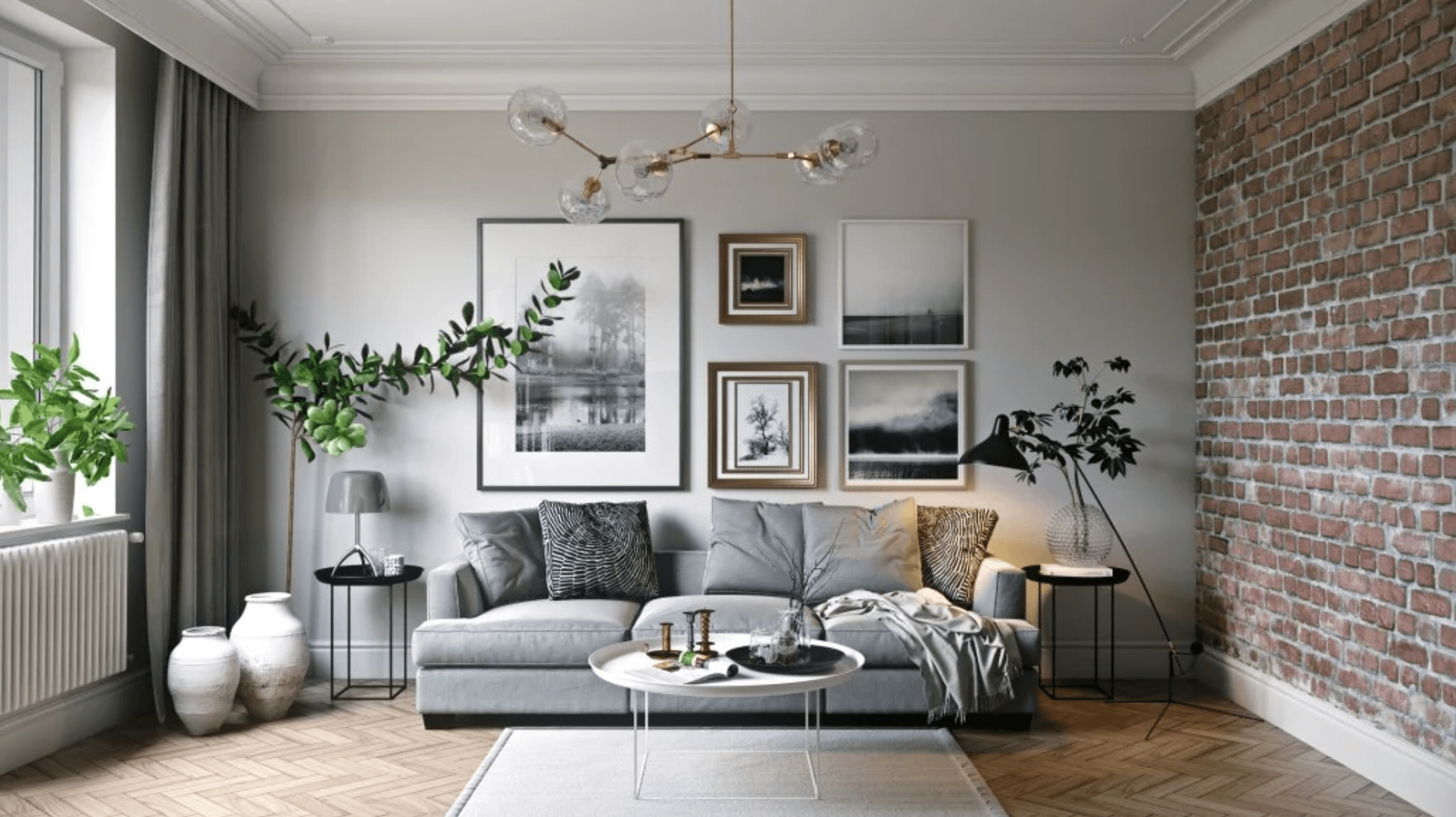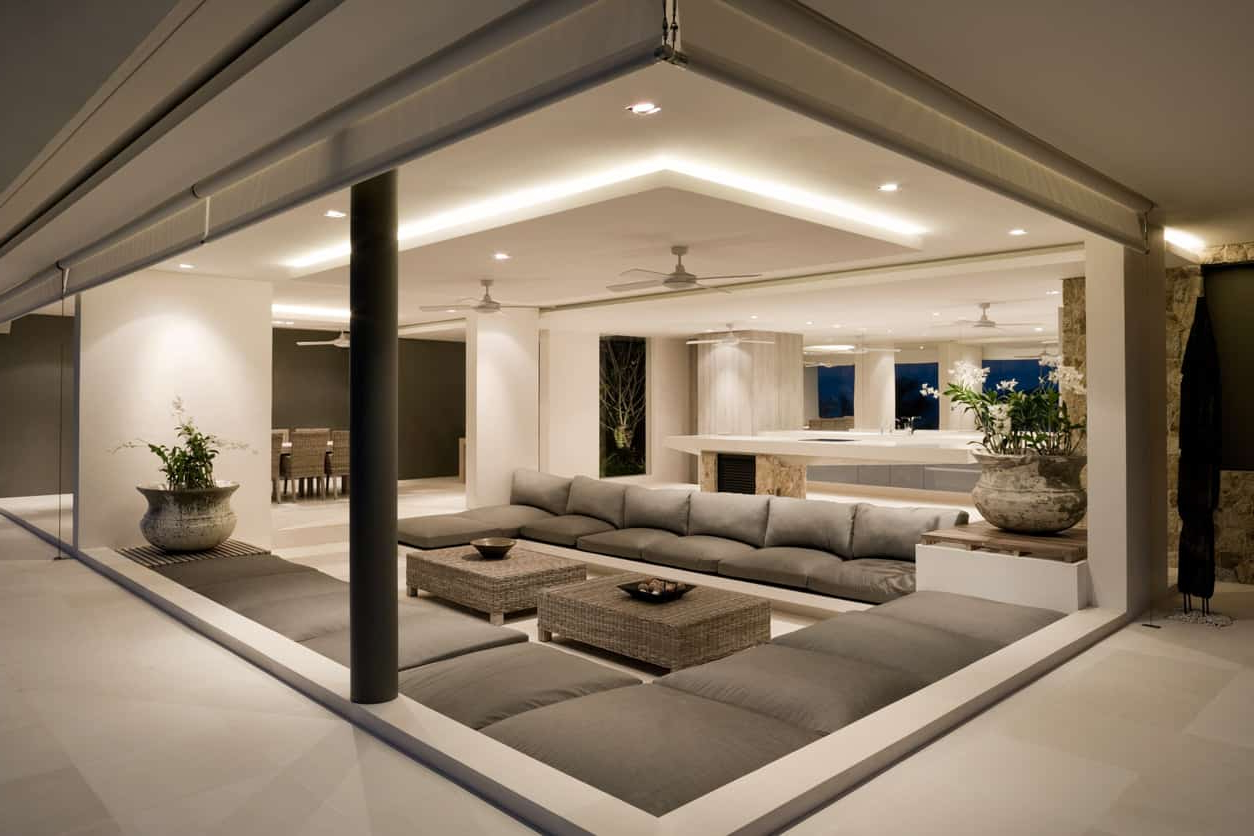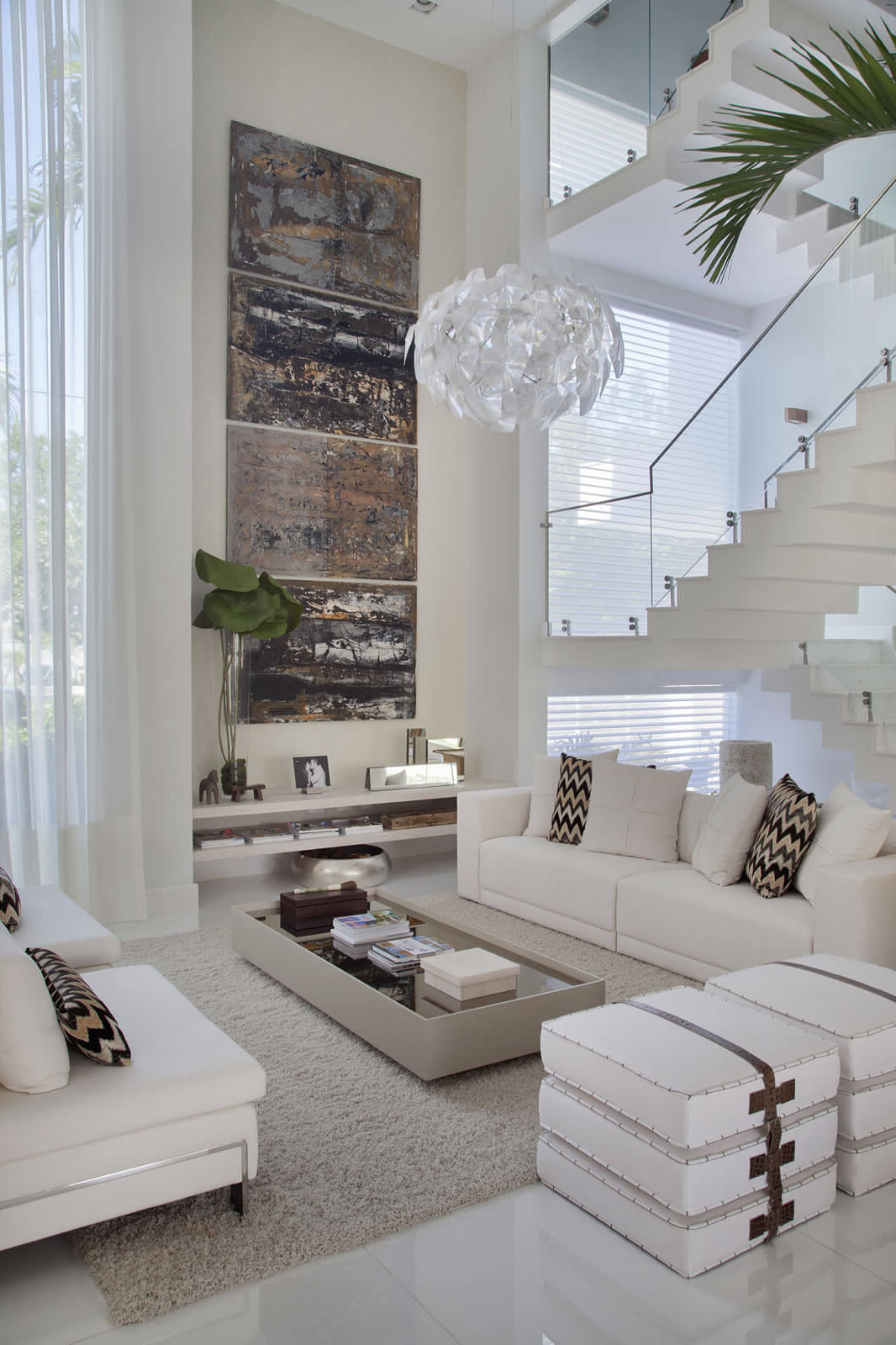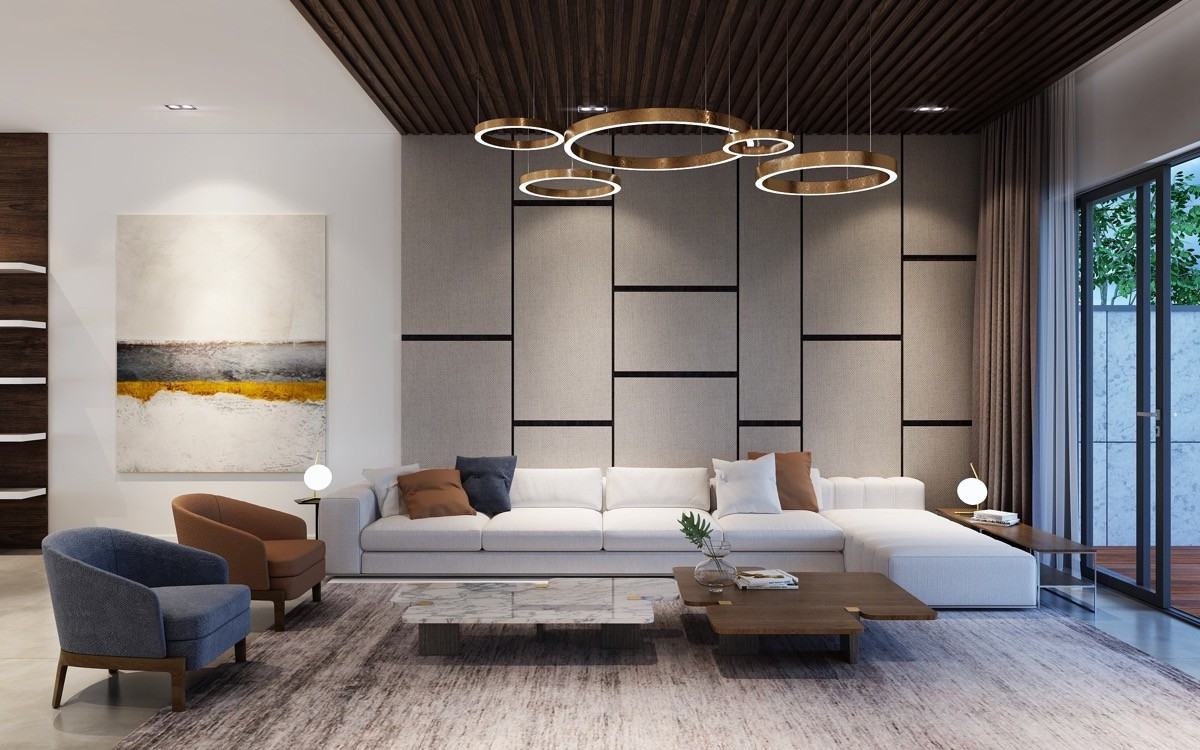
There’s something magical about a living room that feels both bright and spacious. Whether you have a tiny apartment or a cozy cottage, the way you handle light and space can completely transform how a room feels. Imagine walking into a space that seems to breathe, where sunlight dances across walls and every corner feels welcoming rather than cramped. That’s the power of smart design choices. What if we told you that some simple changes could make your living room feel like a whole different place? It’s not just about buying bigger furniture or painting walls a lighter color. It’s about understanding how light moves through space and using that knowledge to create rooms that feel effortless and expansive.
Let’s face it – most of us live in spaces that aren’t exactly perfect. Maybe you’ve got a small apartment with limited square footage, or perhaps you’re working with a traditional home where every room feels a bit tight. The good news is that you don’t need to move to a mansion to create a living room that feels light-filled and airy. With thoughtful planning and a few smart design moves, anyone can make their space feel bigger, brighter, and more comfortable.
We’re going to explore how to work with natural light, make clever use of mirrors, choose furniture wisely, and create visual flow that makes everything feel connected. These aren’t just tricks – they’re principles that have been tested and proven by designers, homeowners, and people who simply love their spaces. Think of this as a guide to helping you see your room differently, and maybe even fall in love with it all over again.
Understanding Natural Light Flow
Natural light is probably the most powerful tool in your design arsenal. It’s free, it’s beautiful, and it can completely change how your room looks and feels. But not all light is created equal. Direct sunlight can be harsh and make some areas too bright while others remain dark. The key is to understand how light behaves in your space. Consider where your windows are located, when the sun hits different areas throughout the day, and how you can use those patterns to your advantage.
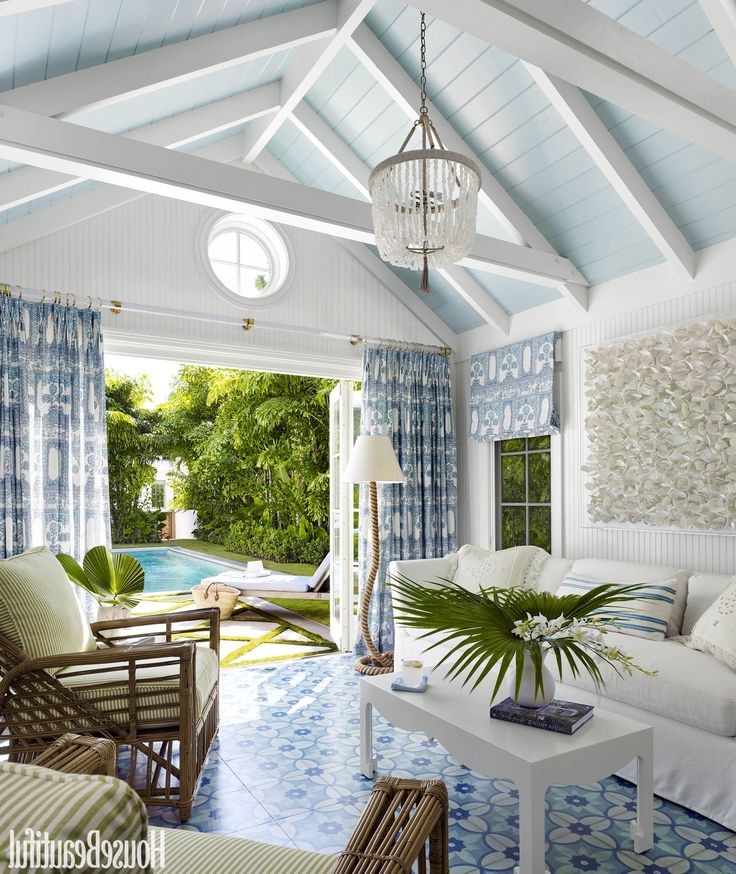
If you have a south-facing window, you might notice it gets lots of afternoon light. A north-facing window usually provides softer, more even lighting. Pay attention to how shadows fall during different times of day. This awareness helps you decide where to place important furniture and decorative items. For example, if you want to maximize morning light, position your seating area near a window that receives early sun. You might also consider installing sheer curtains that let in light while still providing privacy. Sometimes the best approach is to embrace the light as it comes naturally, rather than fighting against it.
Letting sunlight stream in creates a warmth that artificial lighting simply cannot match. Try to avoid blocking windows with heavy drapes or large furniture unless absolutely necessary. When you do need to block light, think about using light-filtering materials instead of solid options.
The Magic of Mirrors and Reflective Surfaces
Mirrors are one of the most underrated elements in interior design. They don’t just reflect what’s behind them – they can actually make your entire space feel larger. This happens because our brains interpret reflected images as additional depth. When light bounces off a mirror surface, it creates the illusion that there’s more space beyond what you can see directly. But mirrors work best when they’re strategically placed. A large mirror positioned opposite a window can literally double the amount of natural light in a room. Think about placing mirrors in corners where they can catch and redirect light. They’re especially effective when you have a small room and want to create the feeling of openness.
However, don’t go overboard. Too many mirrors can feel overwhelming or make a space look chaotic. A single statement mirror or two well-placed pieces often do more than multiple smaller ones. You might also try using mirrored furniture, like a console table with reflective surfaces, or accent walls that incorporate mirror elements. The key is balance. Mirrors work best when they complement rather than compete with other design elements. Consider how the mirror reflects the room’s existing features and whether it enhances or distracts from your overall aesthetic. Some people find that mirrors with ornate frames add elegance, while others prefer sleek, minimalist versions. Both approaches can work beautifully depending on your style preferences.
Choosing Furniture That Enhances Space
Furniture selection is crucial for maintaining an open feeling in any room. The right pieces can make your living space feel airy and comfortable, while the wrong ones can immediately make it feel cramped. Start by measuring your space carefully before purchasing anything. It’s easy to buy a sofa that looks great in a showroom and then realize it won’t fit properly in your actual room. Look for furniture that has clean lines and minimal bulk.
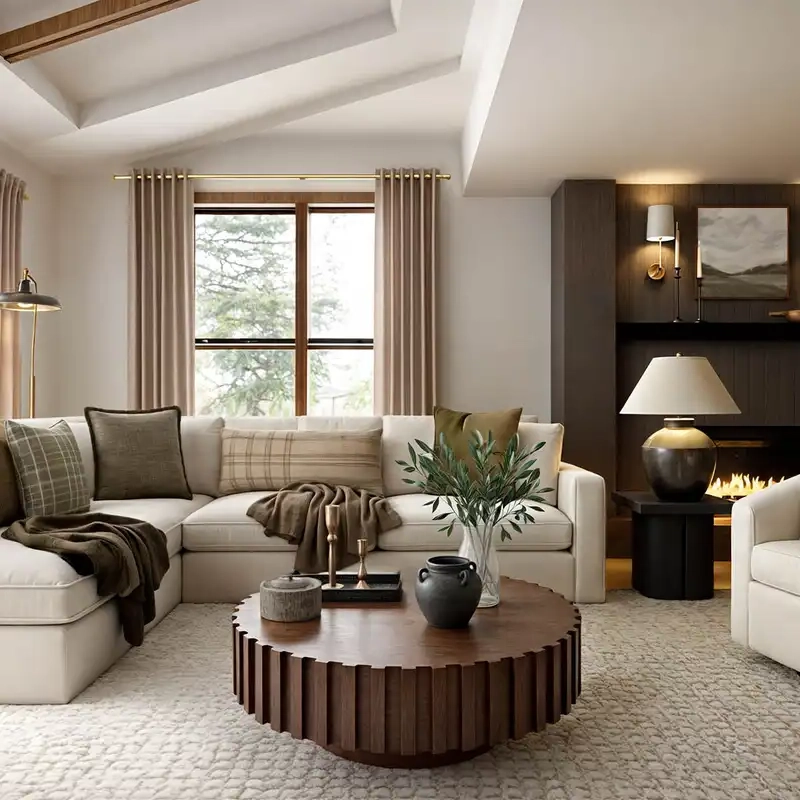
Low-profile pieces often work better than high, bulky designs because they don’t draw attention upward. Consider multi-functional furniture that serves several purposes. A coffee table with storage underneath can keep clutter hidden while maintaining visual simplicity. Choose furniture with exposed legs rather than solid bases. This allows light to flow underneath and creates a sense of openness. The colors of your furniture also matter. Lighter tones tend to make spaces feel bigger than darker shades. White, beige, and pale wood tones generally work well in smaller rooms. But remember, you don’t have to stick to neutral colors entirely. Adding pops of color through accessories can provide visual interest without overwhelming the space.
Don’t forget about scale. A large, imposing chair might look impressive in a big room, but in a smaller space it can dominate everything else. Small-scale pieces that fit comfortably within the room’s proportions create better harmony. Also consider how furniture arrangement affects traffic flow. Leave enough space around seating areas so people can move freely. This prevents the feeling of being boxed in and maintains the open feeling you’re trying to achieve.
Color Psychology and Visual Continuity
Colors play a huge role in how we perceive space. Lighter hues naturally make rooms appear larger and more open. This isn’t just a theory – it’s based on how our eyes process visual information. Dark colors absorb light and create the illusion of depth, which can make a room feel smaller. If you’re working with a small space, choose paint colors that reflect light rather than absorb it. White, cream, and pale pastels are classic choices that work well in most situations. But don’t limit yourself to just whites.
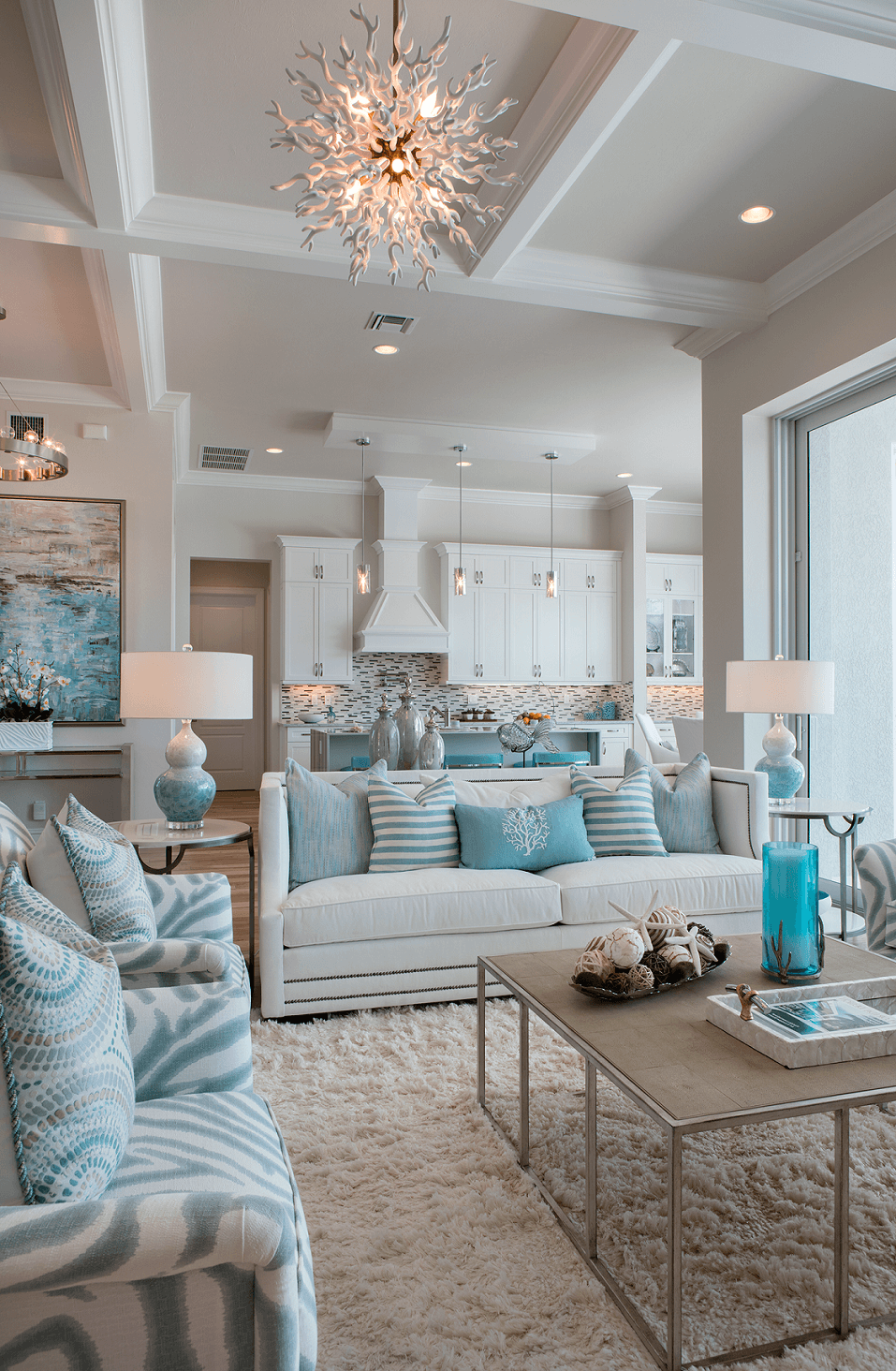
Soft blues, gentle greens, and warm yellows can also create a sense of spaciousness. These colors often feel more inviting than stark white. Consider creating a color palette that flows from wall to ceiling to floor. This continuity makes the room feel more unified and less compartmentalized. You might use a slightly deeper shade on the ceiling to create a subtle sense of height. In smaller rooms, try painting the ceiling a light color to make it appear higher. Another effective technique is to use the same color on walls and trim. This creates a seamless look that helps the eye travel smoothly around the room. Remember that color temperature matters too. Cool tones like blue and green can make a space feel more open, while warm tones like reds and oranges can create intimacy.
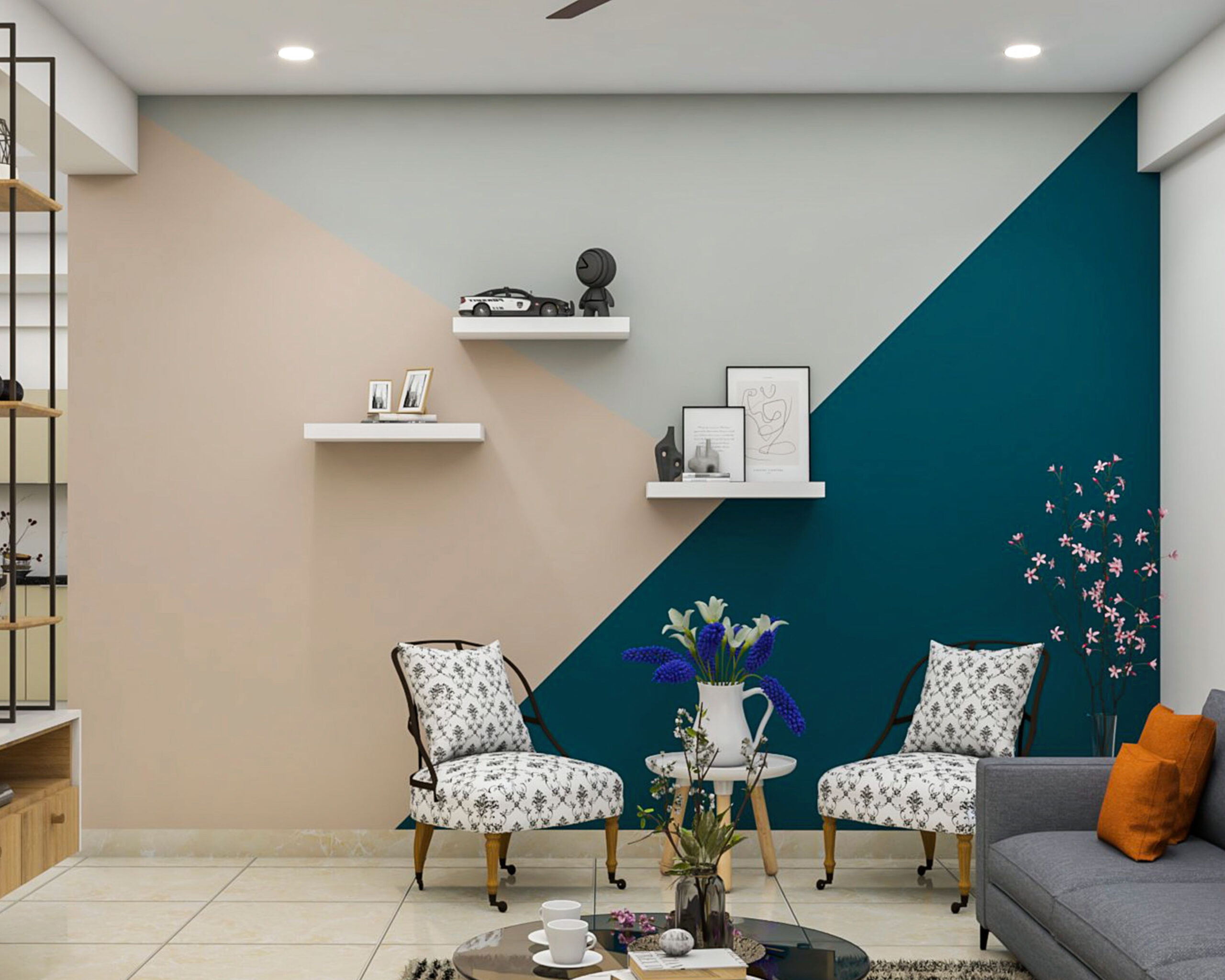
For maximizing space, lean toward cooler colors or neutral tones that don’t compete for attention. Sometimes a single bold accent wall can add visual interest without overwhelming the entire room. Just be careful not to use too many competing colors in one space.
Strategic Use of Lighting Fixtures
Good lighting goes far beyond just turning on the overhead lights. It’s about layering different types of illumination to create a balanced and functional environment. Start with ambient lighting – the main source of light in the room. This is typically provided by a central fixture or chandelier. Make sure it’s bright enough for general activities but not so overpowering that it creates harsh shadows. Task lighting is essential for specific activities like reading or working.
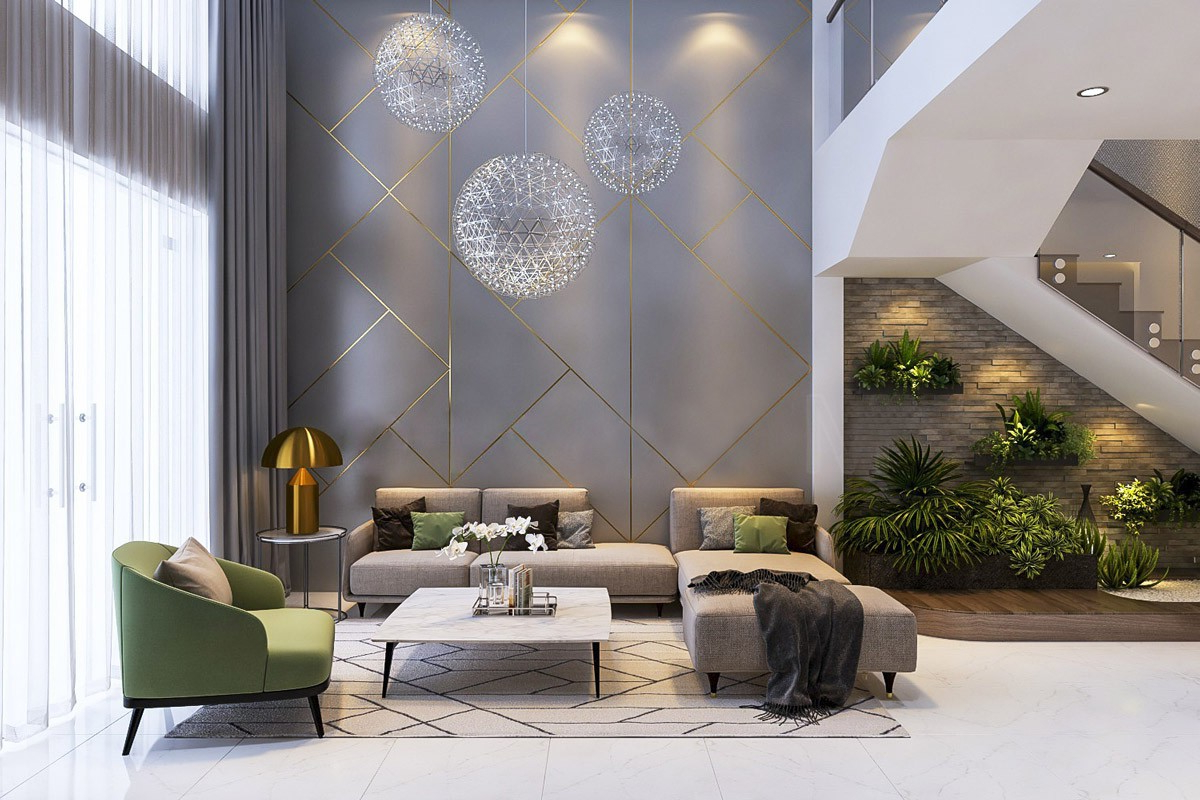
Floor lamps, table lamps, or even recessed lighting in work areas can provide focused illumination where you need it most. Accent lighting adds personality and highlights special features in your space. Picture lights, track lighting, or LED strips can showcase artwork or architectural details. Consider the placement of fixtures carefully. They should complement the room’s layout and provide even coverage without creating glare or shadows. Avoid placing lights directly above seating areas, as this can create uncomfortable reflections on surfaces. Instead, position lights to illuminate the space from the sides or at angles. Dimmer switches are incredibly useful because they allow you to adjust light levels throughout the day. Morning light might require brighter settings, while evening might call for softer, warmer tones.
Smart lighting systems can take this even further by automatically adjusting brightness and color temperature based on time of day. These systems can even integrate with your smartphone to control lighting remotely. Don’t forget about the bulbs themselves. LED bulbs are energy efficient and come in various color temperatures. Warm white bulbs (2700K-3000K) create a cozy atmosphere, while cool white bulbs (4000K-5000K) provide better visibility for tasks. The right combination of lighting can make a modest room feel luxurious and a large room feel intimate.
Creating Visual Flow and Openness
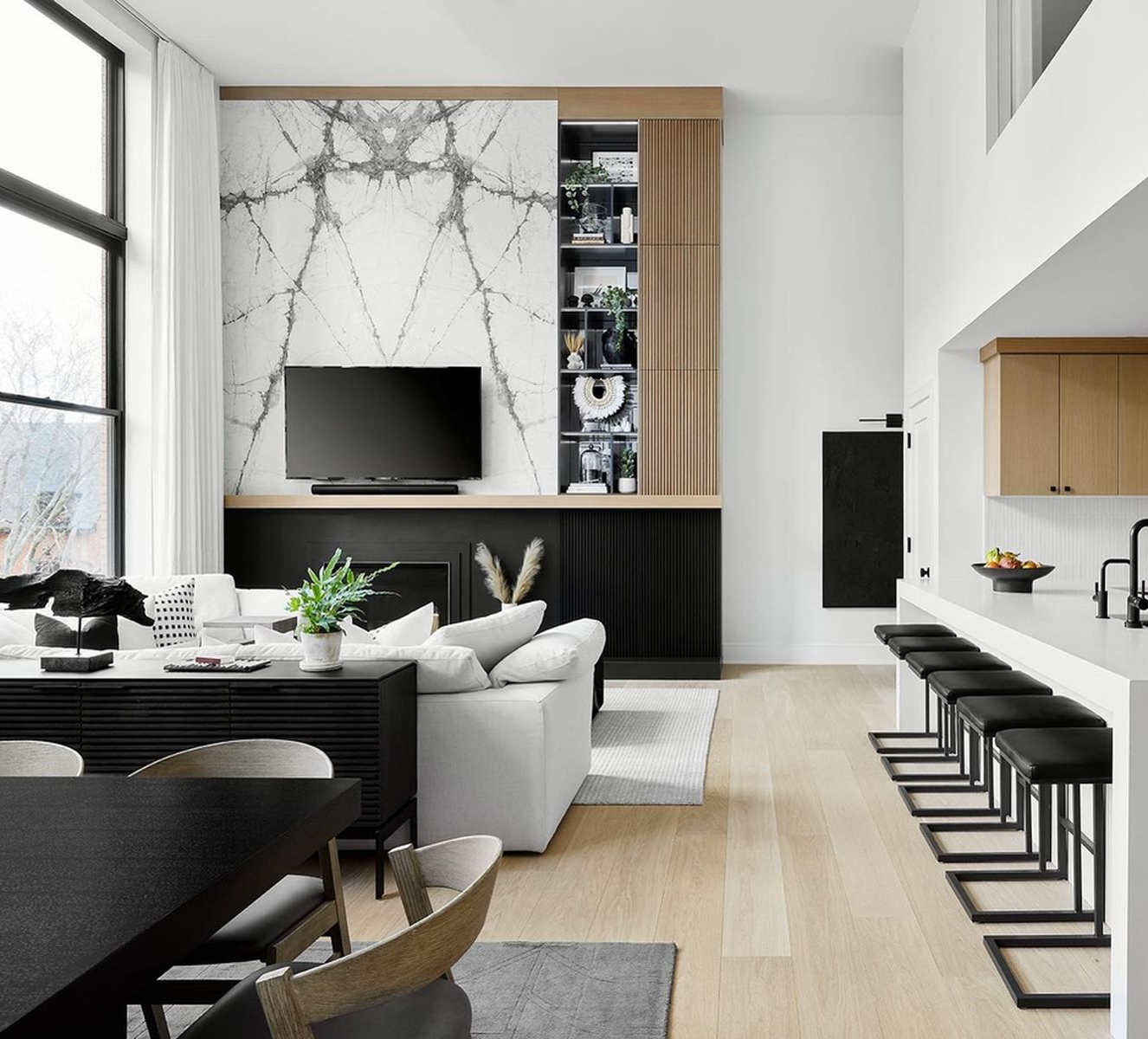
One of the most important aspects of maximizing space is ensuring there’s a clear visual path through the room. When your eye can easily travel from one area to another, the space feels more connected and less fragmented. This concept is called visual flow, and it’s fundamental to creating rooms that feel open and spacious. Start by removing unnecessary barriers between areas. If you have a living room and dining area, consider using furniture placement rather than walls to define different zones.
A console table or bookshelf can separate spaces without blocking sightlines. Open floor plans naturally promote flow, but even closed-off rooms can benefit from strategic design choices. The key is to avoid having furniture block pathways or create dead ends. Think about how people move through the space. Where do they typically walk? Where do they gather? Arrange furniture to support these natural movement patterns. Consider using consistent design elements throughout the room to create unity. This might mean matching the style of your chairs or using similar textures in different areas. Vertical elements can also help create flow. Tall bookcases or tall plants can draw the eye upward and make ceilings seem higher. Horizontal lines, like the edge of a sofa or the top of a console table, can create a sense of stability and connection.
If you have a room with multiple levels or distinct sections, make sure each area has its own character while still feeling part of the whole. This balance between individuality and cohesion is what makes a space feel both organized and spacious. Sometimes the simplest solution is the best – keeping certain areas minimal and uncluttered allows the eye to rest and appreciate the overall design.
Practical Tips for Immediate Impact
You don’t need to redesign your entire living room to see dramatic improvements. Here are some quick changes that can make a noticeable difference:
• Declutter regularly. Remove items you don’t use frequently or that don’t contribute to the room’s purpose.
• Use vertical space effectively. Install shelves or hooks to store items out of sight but within reach.
• Choose multi-purpose furniture that serves more than one function.
• Add a few strategic plants to bring life and soften hard edges.
• Use rugs to define areas without creating physical barriers.
• Hang artwork at eye level to create visual interest without taking up floor space.
• Keep the center of the room open for movement and air circulation.
• Select lighting that can be adjusted for different activities and moods.
These small adjustments can transform your space almost instantly. Many people find that starting with one element – like adding a mirror or rearranging furniture – creates momentum for bigger changes later. The key is to focus on what works for your lifestyle and needs. Don’t try to implement everything at once. Pick one or two changes that feel manageable and build from there. Remember that successful design is about creating a space that feels right for you. What looks good in a magazine might not work for your family’s daily routine. Focus on functionality combined with aesthetics. Sometimes the most beautiful spaces are the ones that make daily life easier and more enjoyable.
Making your living room feel bigger and brighter doesn’t require expensive renovations or major construction projects. It’s about understanding how light, space, and design elements work together to create the experience you want. Every room has potential, regardless of its size or shape. The key lies in making thoughtful decisions about how you use every inch of space. By embracing natural light, using mirrors strategically, choosing furniture that enhances rather than blocks space, and creating visual continuity through color and design, you can transform even the smallest room into a bright, welcoming haven.
Remember that good design isn’t about following rigid rules – it’s about finding solutions that work for your unique situation and lifestyle. Start with small changes that feel right to you, and watch how they accumulate into something truly special. Your living room deserves to be a space where you want to spend time, where conversations flow easily, and where light and comfort come together naturally. The journey to a better-designed room starts with understanding these basic principles and applying them thoughtfully. What’s the first change you’ll make to your space? The impact might surprise you.