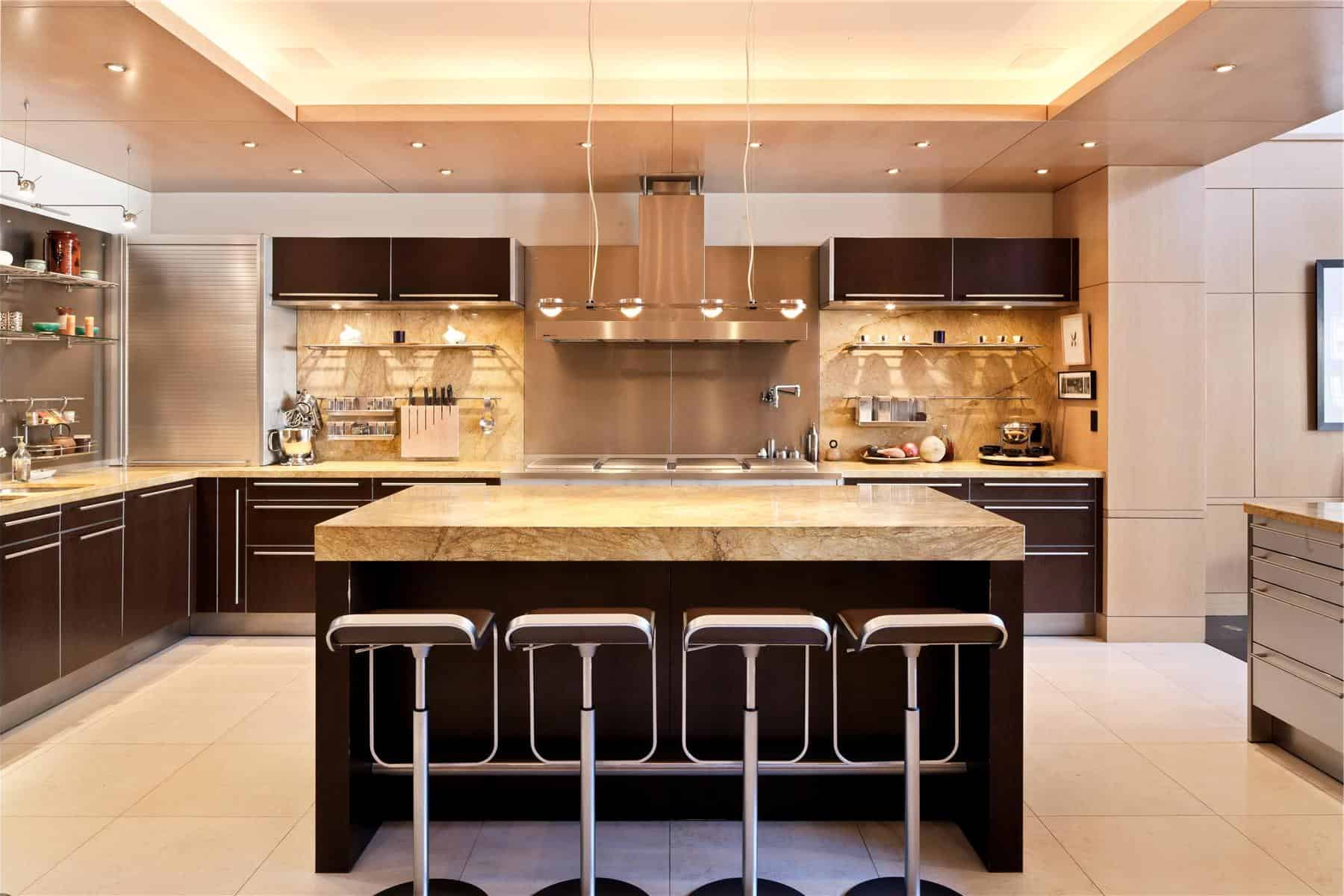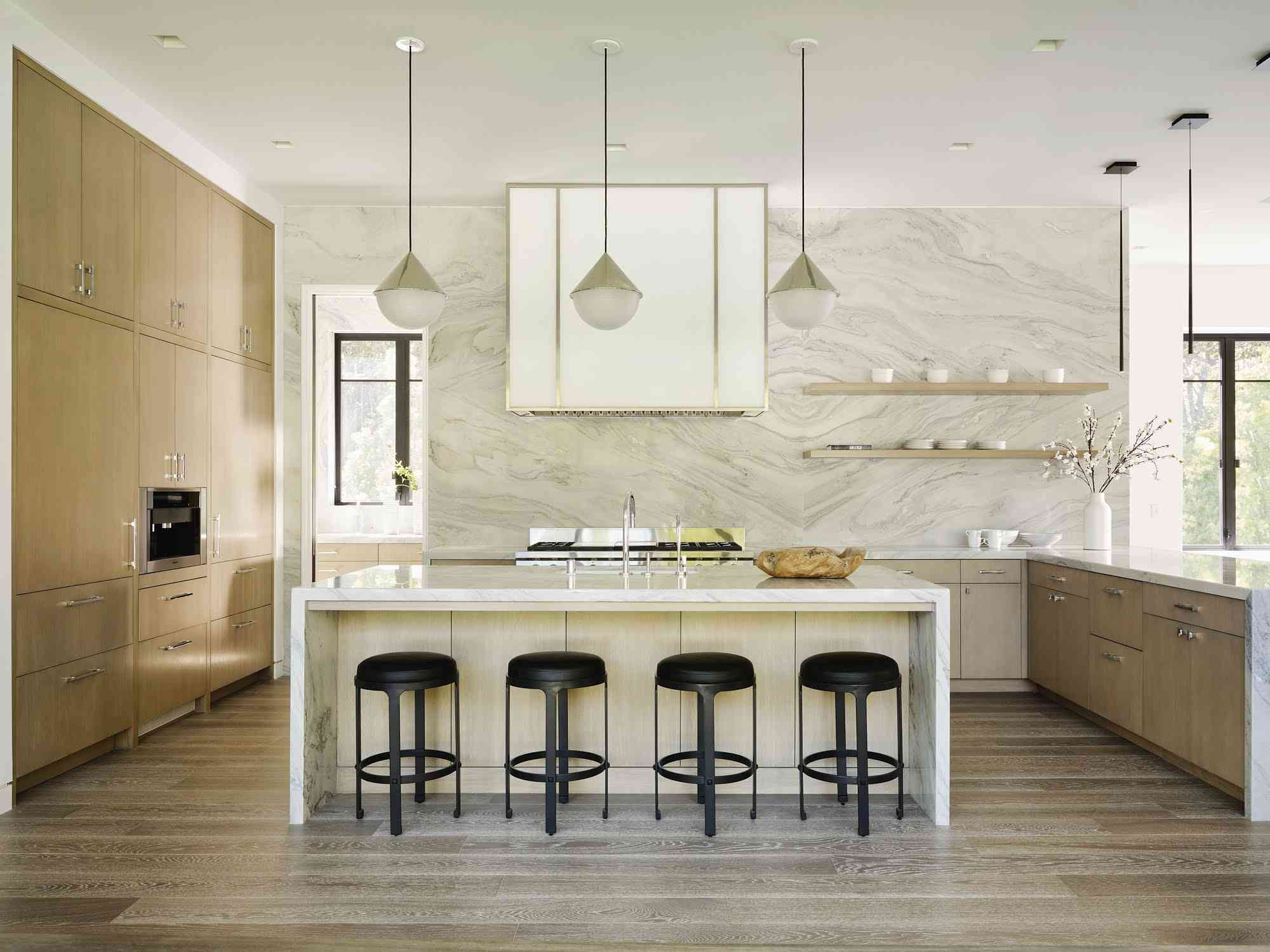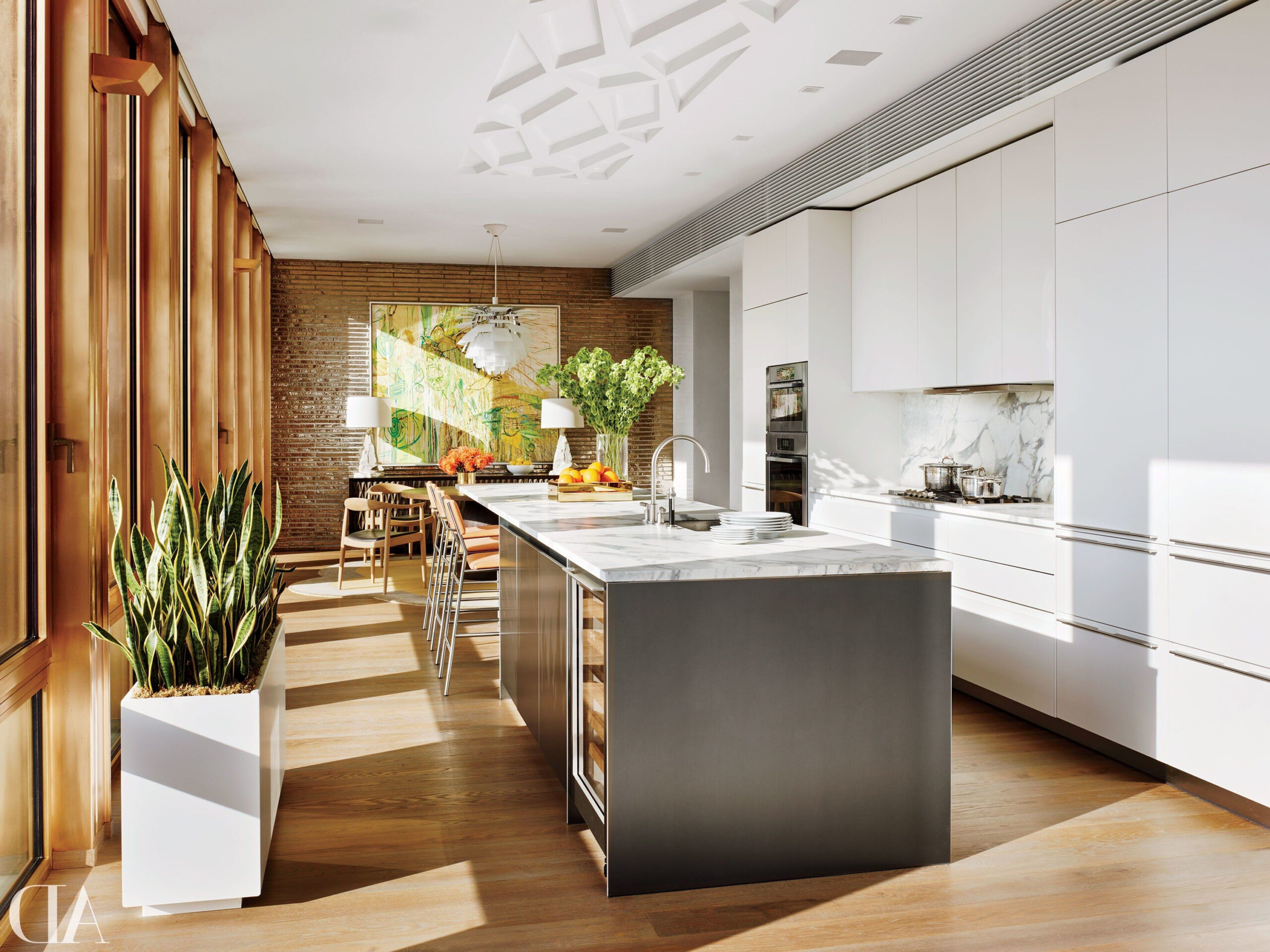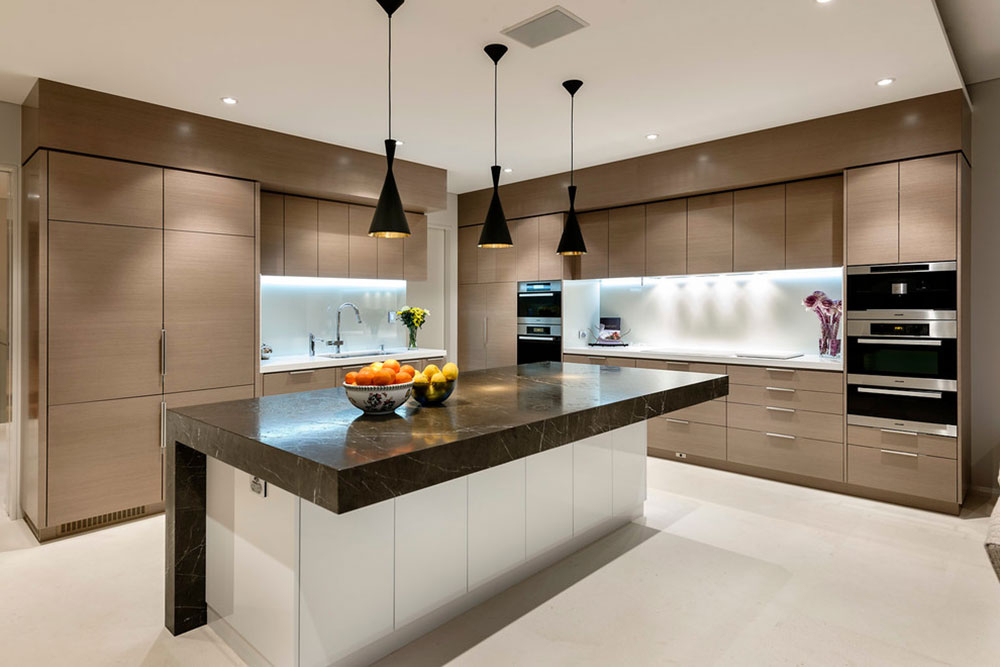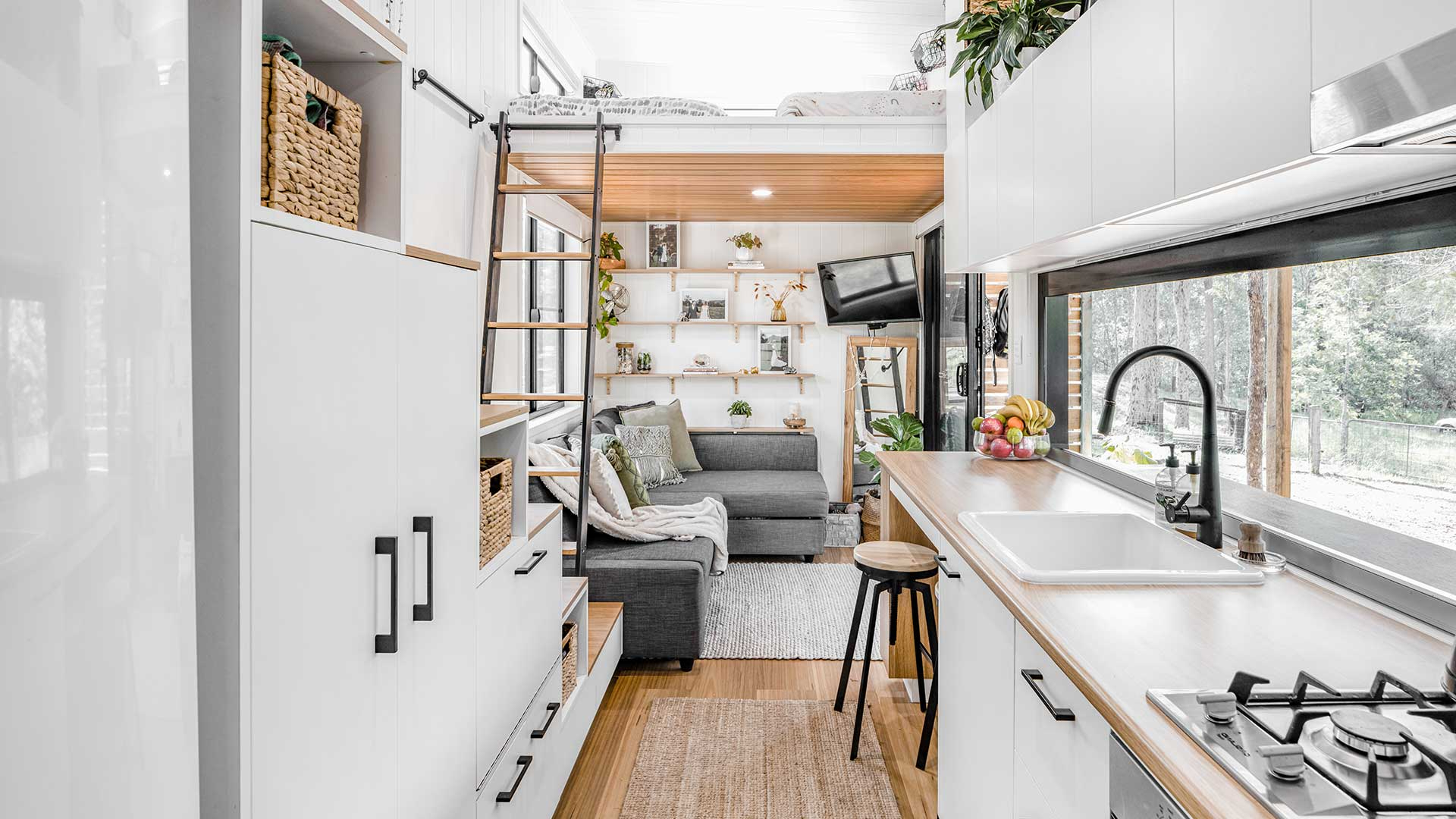
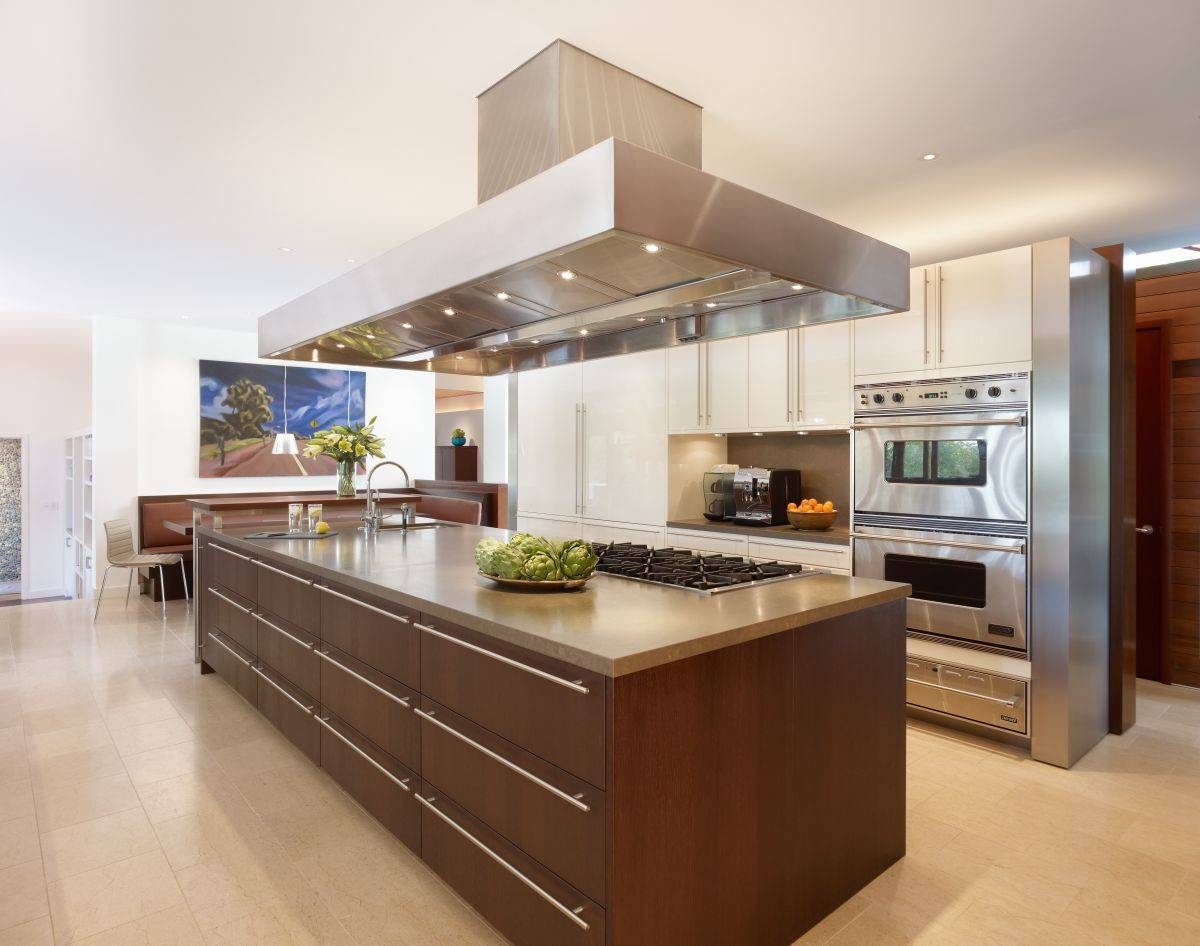
Imagine walking into a kitchen where every surface tells a story of nature’s artistry. These spaces feel alive, breathing with character and warmth. The secret lies not just in what you see, but in the textures that touch your fingertips and the materials that connect you to the earth. This isn’t just about pretty things – it’s about bringing the outdoors inside, creating spaces that feel both sophisticated and deeply human.
There’s something magical about kitchens that feel like they belong in nature rather than in a sterile modern building. When we talk about organic materials and textures in kitchen design, we’re not just discussing aesthetics – we’re talking about creating environments that nourish our senses and remind us of our connection to the natural world. These elements don’t just look good; they feel good too. They invite you to slow down, appreciate the moment, and find joy in simple daily rituals. Whether you’re planning a complete renovation or just looking to refresh a few key areas, understanding how to incorporate organic elements can completely transform your cooking space into something truly special.
Wood: The Heart of Natural Kitchen Design
Wood remains the most powerful organic material in kitchen design. It brings warmth, character, and a sense of permanence that synthetic materials simply cannot match. Think about how different types of wood affect a space. Oak offers strength and durability, perfect for high-traffic areas. Walnut adds rich, dark tones that create visual depth. Bamboo provides a modern twist with its clean lines and sustainable appeal.
The beauty of wood lies in its imperfections. Every grain tells a story of growth, weather, and time. These natural variations make each piece unique, ensuring no two kitchens look exactly alike. Consider using wood for cabinetry, cutting boards, or even as accent walls. The texture of wood catches light differently than metal or glass, creating subtle shadows and highlights that change throughout the day.
When choosing wood for your kitchen, consider the finish carefully. A natural, unfinished look often works best in contemporary settings, while a more polished appearance might suit traditional designs better. The key is matching the wood’s personality to your overall aesthetic vision.
Stone and Natural Minerals: Grounded Elegance
Natural stone and minerals bring a grounded quality to kitchen spaces that feels both luxurious and timeless. Unlike manufactured alternatives, real stone has inherent character that develops over time. Granite, marble, and limestone each offer distinct personalities.
Granite stands out for its durability and striking patterns. It’s perfect for countertops where you want something that will last decades while still looking beautiful. The variation in color and veining creates a dynamic visual interest that keeps your eye engaged. You’ll notice that each granite slab is unique, with its own pattern and characteristics.
Marble brings elegance and sophistication. While it requires more maintenance than granite, its classic beauty makes it worth the extra care. The veining patterns in marble create a sense of movement and flow, making it ideal for those who want their kitchen to feel like a work of art.
Limestone offers a softer, more muted palette that works well in modern kitchens. Its gentle tones and subtle textures create a calming environment. The material’s natural pores give it a distinctive look that’s neither too stark nor too busy.
These materials don’t just look good – they feel good too. The weight and texture of natural stone provide a tactile experience that connects you directly to the earth.
Textured Surfaces and Natural Finishes
The magic happens when you combine different textures within your kitchen. A smooth countertop next to a rough stone wall creates visual interest and sensory variety. This contrast makes spaces feel more dynamic and interesting than monotonous surfaces alone.
Consider incorporating natural finishes like brushed steel, which combines metallic elements with organic qualities. The soft texture of brushed finishes helps them blend seamlessly with wood and stone elements. Raw concrete is another popular choice, offering a textured surface that feels both industrial and natural.
Rustic elements like reclaimed wood planks or weathered metal accents add character without overwhelming the space. These materials have been through experiences that make them compelling. They’ve aged naturally, showing signs of wear that tell stories of their past lives.
The key is balancing textures thoughtfully. Too many rough elements can make a space feel chaotic, while too many smooth surfaces can feel sterile. Aim for a harmony between different tactile experiences that support your overall design goals.
Living Elements: Plants and Greenery Integration
Bringing plants into your kitchen transforms it from a purely functional space into a living environment. Plants aren’t just decorative – they improve air quality and create a sense of life and growth in your cooking area.
Choose plants that complement your kitchen’s existing style. Small succulents work beautifully on windowsills or countertops, adding pops of green without taking up much space. Larger plants like fiddle leaf figs or monstera can serve as dramatic focal points in corners or near islands.
Consider how planters fit into your overall design. Natural materials like ceramic, terracotta, or woven baskets enhance the organic feel. These containers themselves become design elements that tie everything together.
The placement of greenery matters too. Plants near food preparation areas can help reduce stress and create a more pleasant working environment. They also provide a natural break from the hard surfaces that dominate most kitchens.
Don’t forget about herbs! Growing your own basil, rosemary, or thyme in small pots adds both utility and beauty. The act of tending to these plants creates a deeper connection to your food and cooking process.
Natural Fibers and Textiles: Softening Hard Edges
While kitchens are often associated with hard materials, textiles and natural fibers can soften the space and add comfort. These elements don’t have to be limited to just tablecloths or napkins – they can be integrated throughout your kitchen design.
Cotton and linen are excellent choices for kitchen towels, table runners, or even cabinet pulls. These materials feel good against your skin and create a welcoming atmosphere. The subtle texture differences between various fabrics can add visual interest without competing with other design elements.
Woven baskets made from natural materials like rattan or jute are both practical and beautiful. They provide storage solutions while contributing to the organic aesthetic. The interlocking patterns of woven materials create visual rhythm that’s pleasing to the eye.
Natural fiber rugs can define spaces and add warmth underfoot. Look for options that are easy to clean and maintain, especially in areas prone to spills or moisture. The texture of natural fibers also helps absorb sound, making your kitchen feel quieter and more intimate.
The key is choosing textiles that won’t be damaged by kitchen conditions. Look for materials that are stain-resistant and easy to care for while maintaining their natural appeal.
Practical Applications and Design Tips
Incorporating organic materials doesn’t mean you have to overhaul your entire kitchen overnight. Start with small changes that make a big impact:
• Add a wooden cutting board or serving tray to your island
• Install a stone backsplash in a small section
• Place a few plants in strategic locations
• Use natural fiber coasters or placemats
• Choose wood or stone for one accent wall
• Incorporate woven baskets for storage
Consider layering different materials to create depth. A stone countertop with wood cabinets and natural fiber textiles creates a rich, multi-dimensional space. Each element supports the others, creating harmony rather than chaos.
Think about how these materials age. Natural elements develop character over time. Wood may darken, stone may show wear patterns, and plants will grow and change. Embrace these changes rather than fighting them.
Budget considerations matter too. You don’t need expensive materials to achieve an organic look. Reclaimed wood can cost less than new lumber, and finding local stone suppliers can save money on transportation costs. Many natural materials are more affordable than their synthetic counterparts when you consider their longevity and low maintenance requirements.
The power of organic materials and textures in kitchen design lies not just in their beauty, but in their ability to create spaces that feel alive and connected to something larger than ourselves. These elements don’t require expensive renovations or complete redesigns to make an impact. Sometimes, a single natural element – like a wooden cutting board or a potted plant – can transform the entire mood of your cooking space.
What’s most important is recognizing that these materials don’t just look good; they feel good too. They invite you to slow down, appreciate the process of preparing food, and connect with the fundamental rhythms of life. Whether you’re starting from scratch or updating an existing kitchen, incorporating organic elements creates a foundation for a space that truly serves both function and soul.
Remember, the goal isn’t perfection but authenticity. Let the natural characteristics of your materials shine through. Don’t try to hide the grain in wood or the veins in stone. These imperfections are what make them beautiful. The result is a kitchen that feels comfortable, lived-in, and genuinely human – exactly what we all want from our most important room.