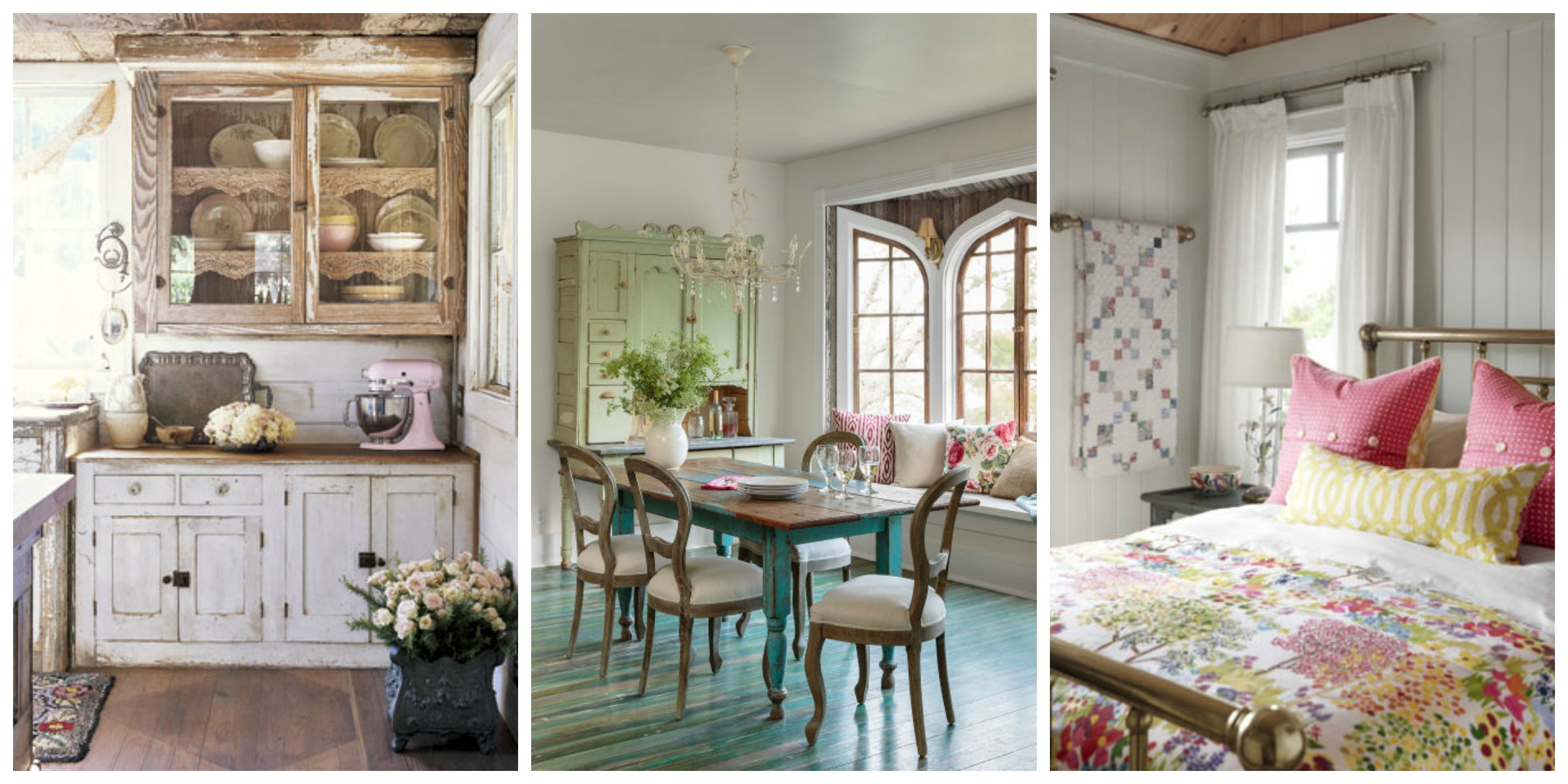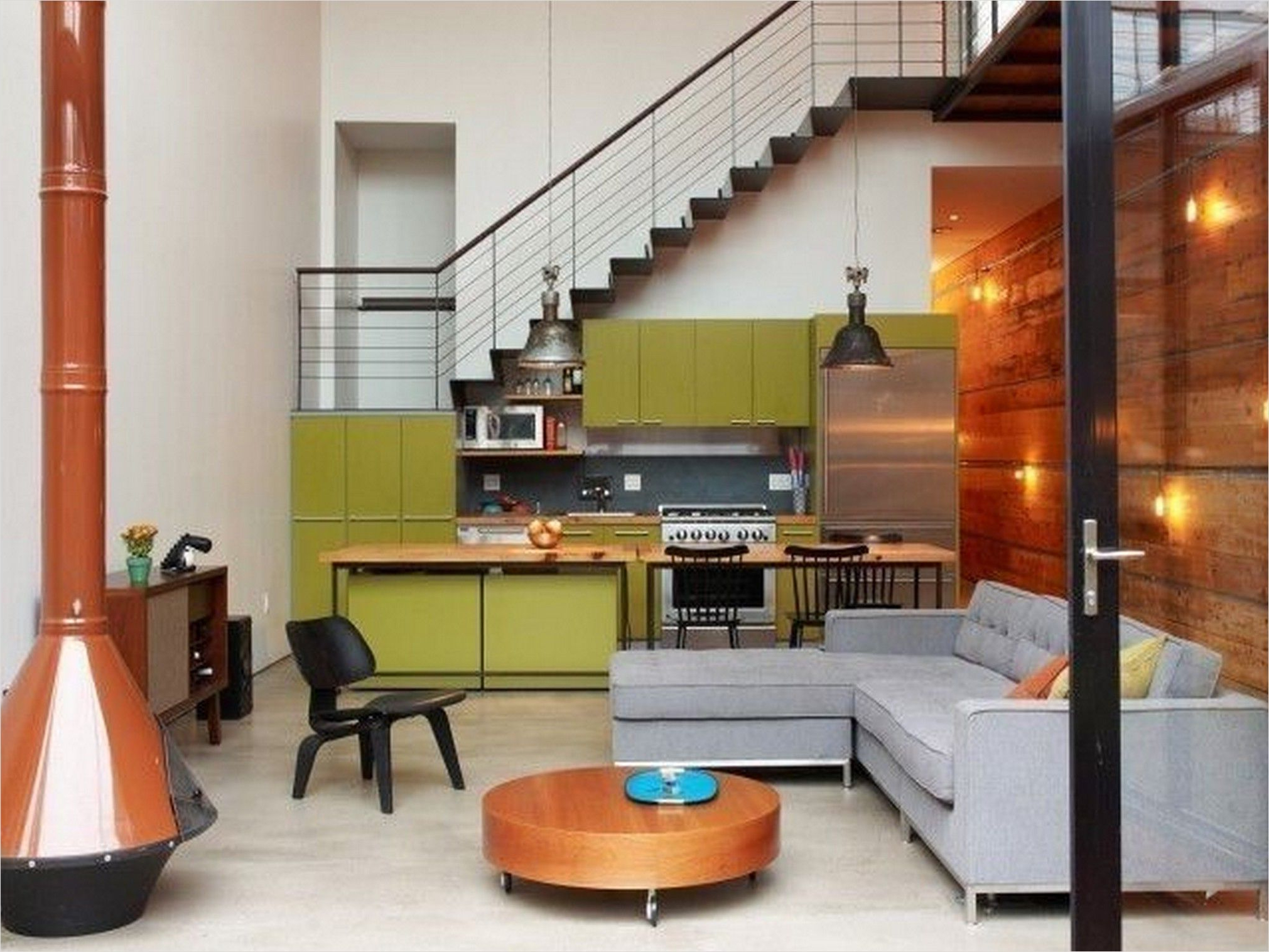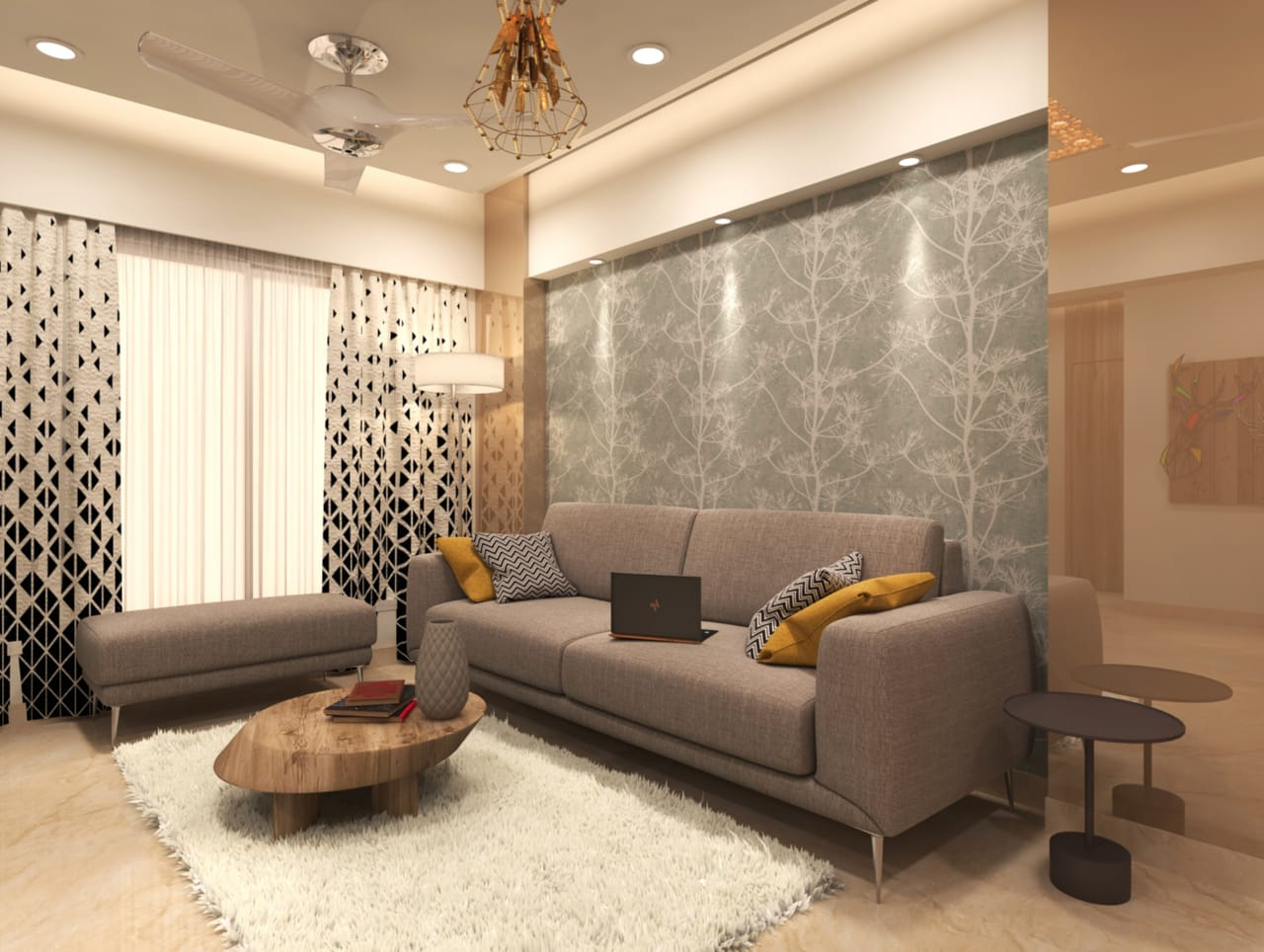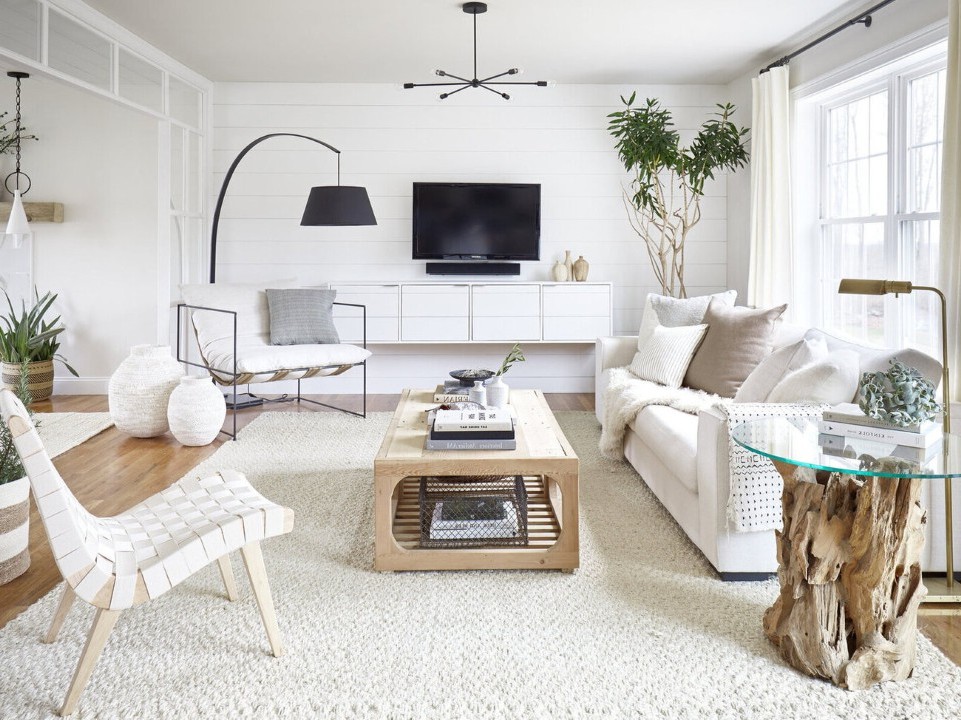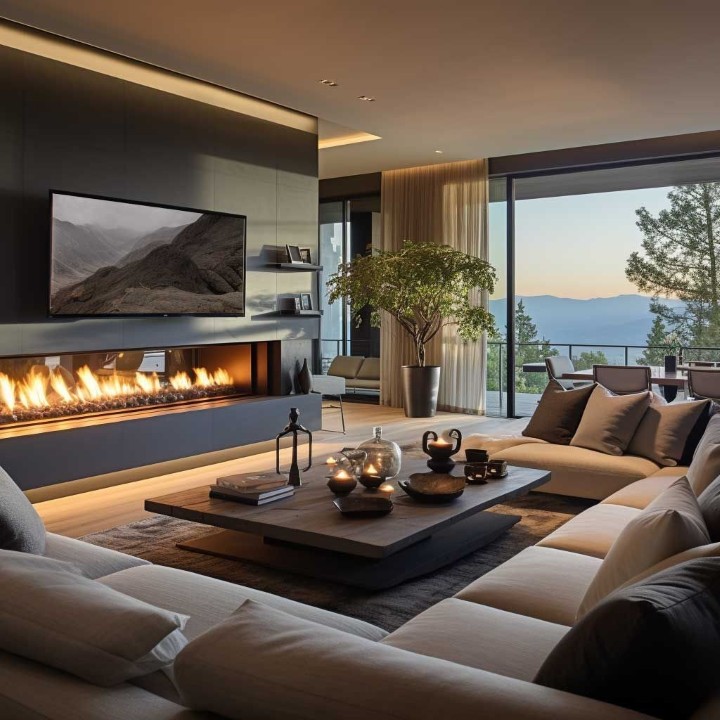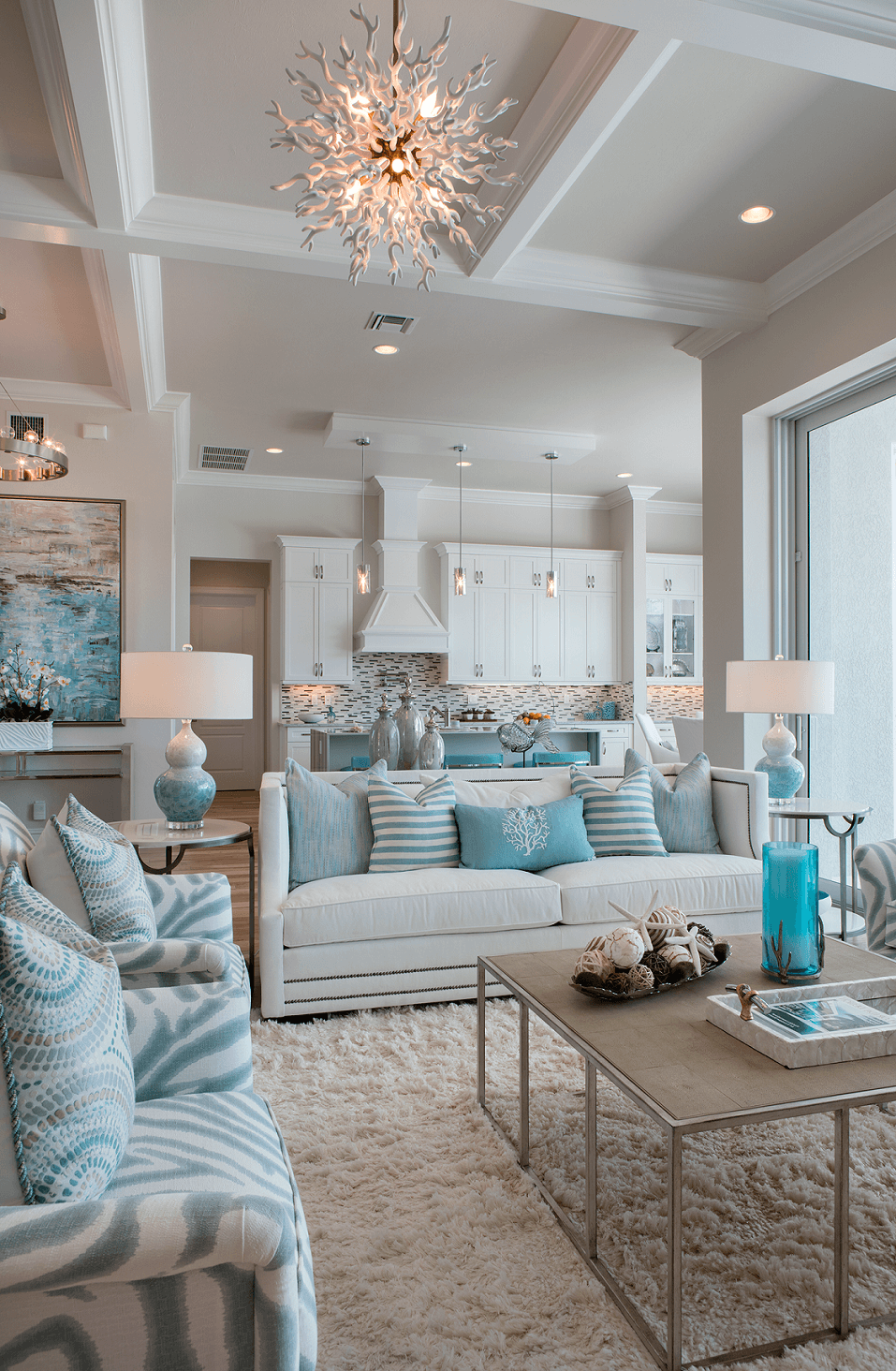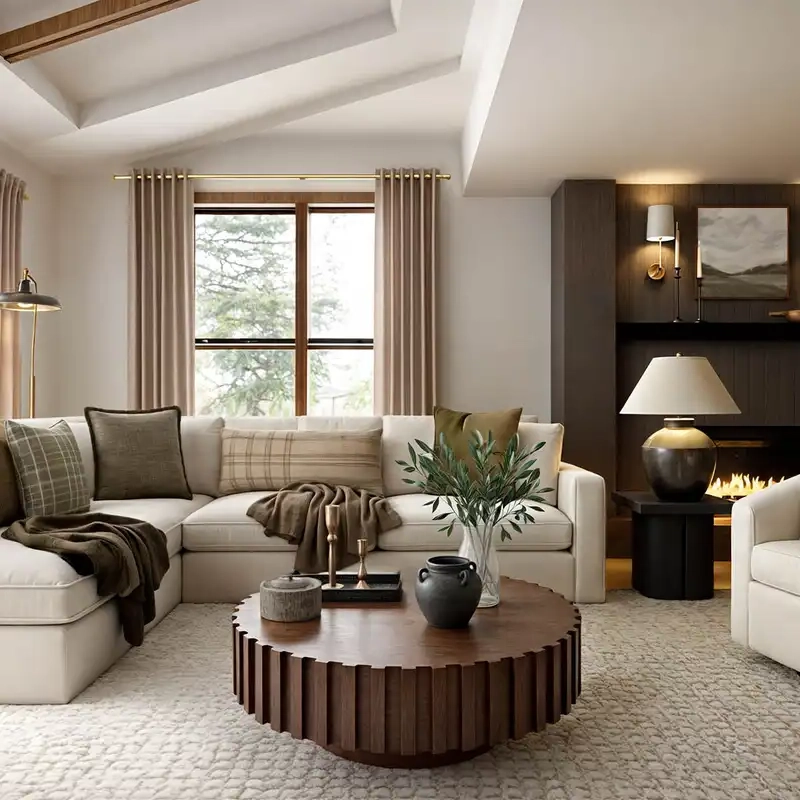
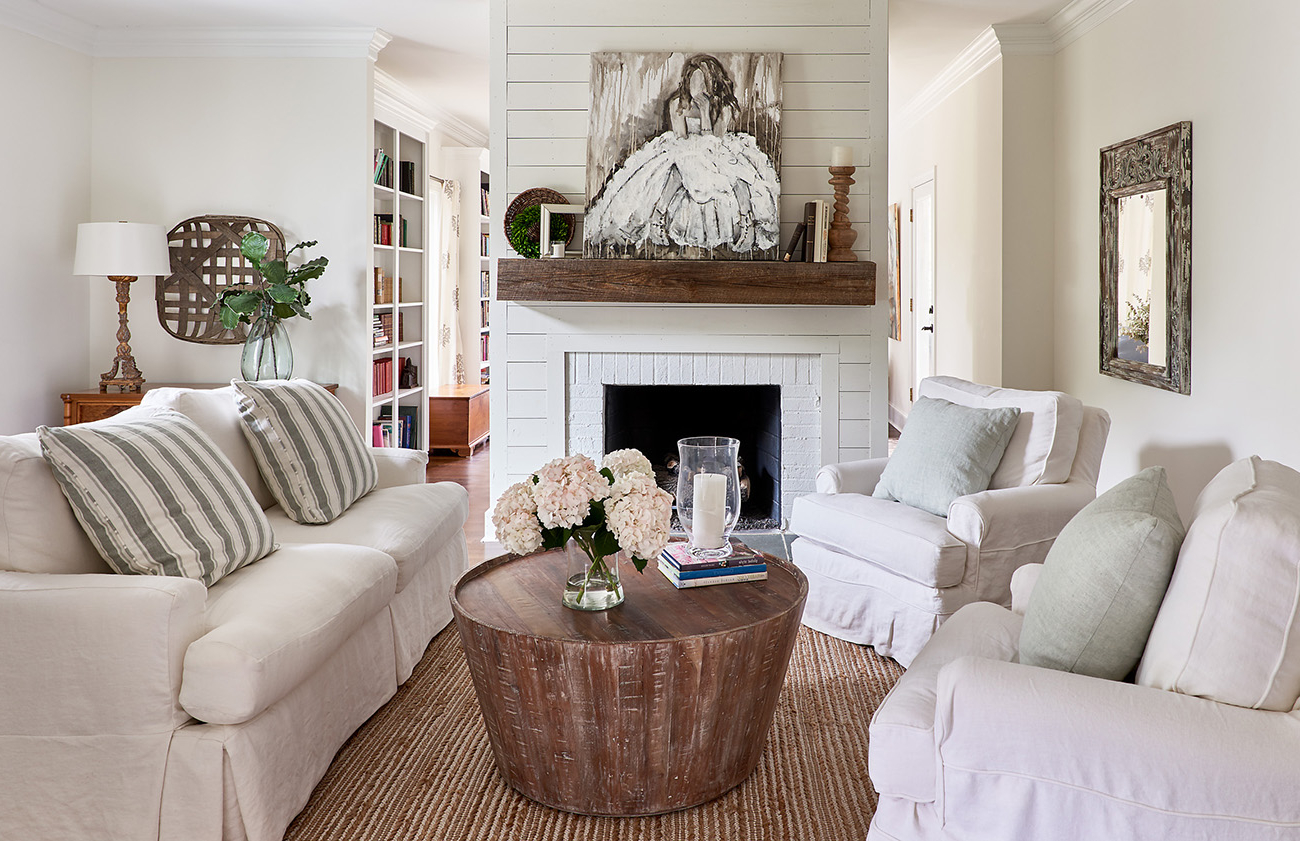
Living in a tiny cottage doesn’t mean sacrificing style or comfort. In fact, the constraints of limited space often inspire the most creative and thoughtful designs. Every square foot becomes precious, every corner must serve multiple purposes, and every design decision carries weight. Whether you’ve inherited a charming but cramped cottage or are planning a new build, the key lies in embracing smart solutions that maximize both function and beauty.
The appeal of cottage living is undeniable. There’s something magical about the cozy charm, the nostalgic details, and the sense of community that comes with these smaller homes. But when you’re working with limited square footage, the challenge becomes how to make every inch count. This isn’t just about fitting more furniture into a smaller room – it’s about creating a space that feels spacious, functional, and uniquely yours. The good news? With the right approach, small cottages can be some of the most delightful places to live. Let’s explore how to make the most of those intimate spaces while maintaining that cottage feel that makes us all fall in love with these homes.
Vertical Thinking: Making the Most of Height
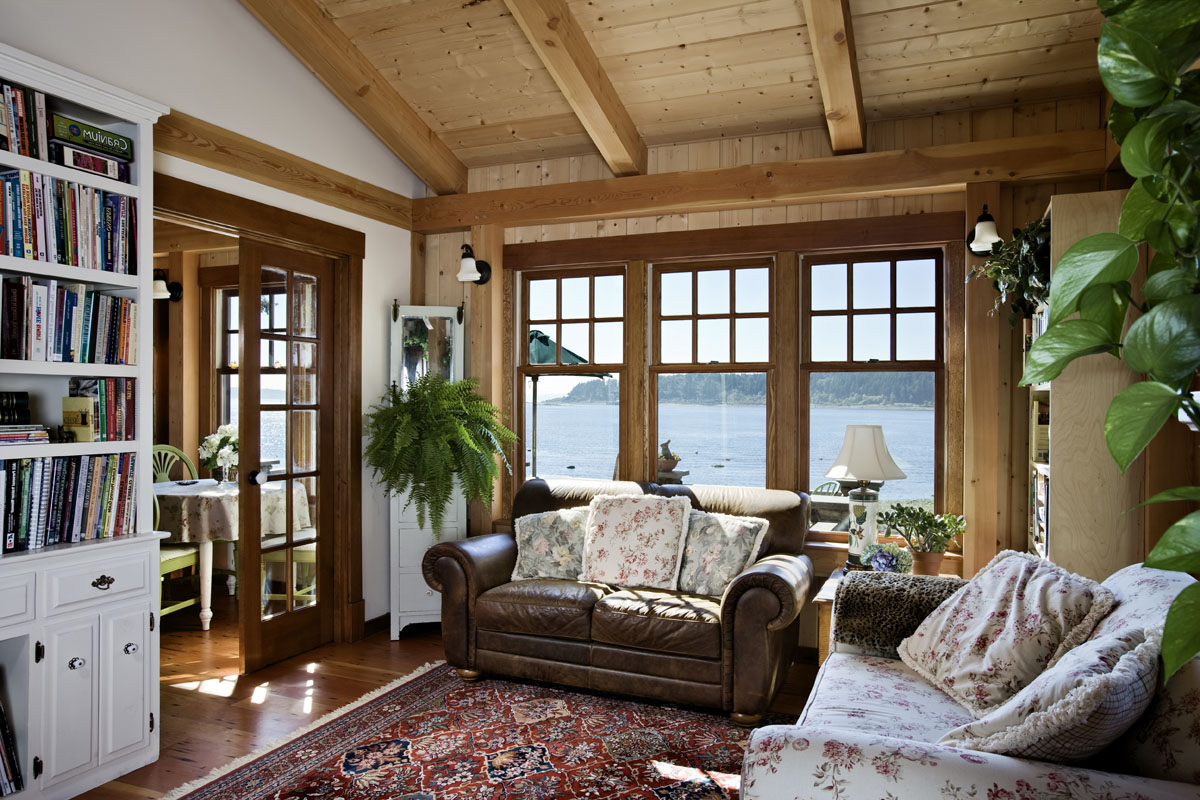
One of the best ways to stretch your space is to go upward rather than outward. Think about the vertical potential in your cottage walls. Tall bookcases that reach the ceiling can make a room feel taller and more open. These aren’t just storage solutions – they’re statement pieces that define the room’s character.
Consider installing floating shelves at different heights. They allow you to display items while keeping the floor area clear. This technique works especially well in kitchens, where you can store spices, cookbooks, and decorative items without cluttering countertops.
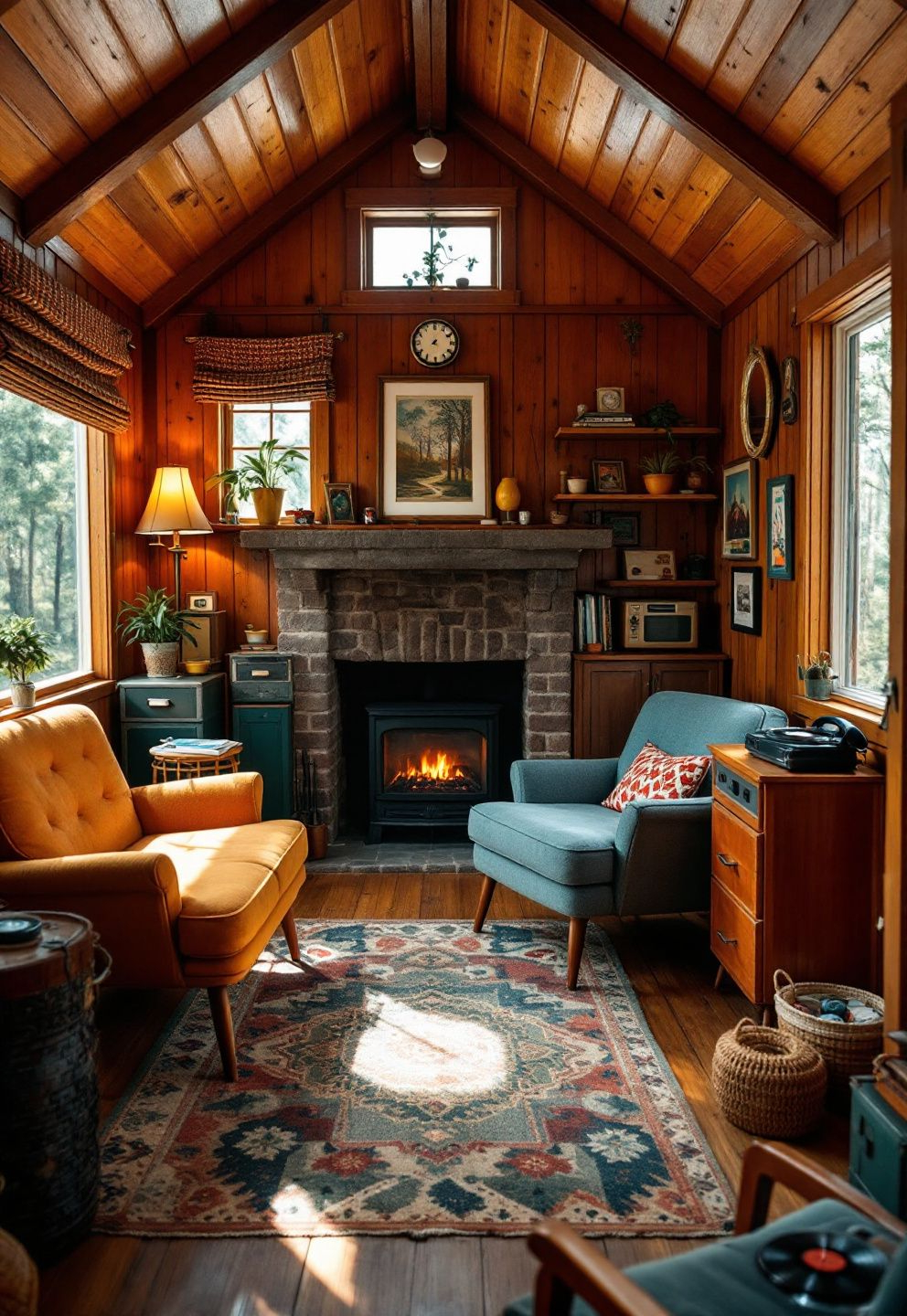
Another clever idea is using high ceilings to your advantage. Install a vaulted ceiling or add a mansard roof if possible. These architectural features create a sense of airiness that makes even the smallest rooms feel larger. You might also consider adding a mezzanine level in a loft or attic space – perfect for reading nooks or additional sleeping areas.
When you think vertically, you’re essentially multiplying your usable space without changing the footprint of your home. It’s like having a secret room above your head!
Multi-Purpose Furniture Solutions
In small spaces, every piece of furniture needs to do double duty. This doesn’t mean sacrificing comfort or aesthetics – quite the opposite. Multi-functional furniture is the secret weapon of successful small-space living.
A dining table that doubles as a work surface during the day and transforms into a family gathering spot in the evening is a dream come true. Look for tables with hidden storage compartments underneath, or ones that can accommodate fold-down leaves for guests.
Sofas that serve as beds are particularly popular in cottage settings. These versatile seating options can be tucked away during the day and transformed into comfortable sleeping areas when needed. Many modern versions feature built-in storage or pull-out mechanisms that keep everything neatly tucked away.
Storage ottomans are another favorite. They provide seating, extra legroom, and hidden storage all in one. You can stash blankets, magazines, or seasonal decorations beneath them, keeping your space looking clean and organized.
The key is to choose pieces that fit your lifestyle. If you frequently entertain, invest in furniture that can handle both daily use and special occasions. If you’re a home office worker, prioritize pieces that support productivity while maintaining a welcoming atmosphere.
Smart Storage Strategies
Good organization is the foundation of any successful small-space design. When you have limited room, everything needs its place – and that place should be easily accessible and visually appealing.
Start by identifying where you’re losing space. Is it under the bed? Behind the door? In the kitchen cabinets? Once you know where the gaps are, you can plan targeted solutions.
Under-bed storage containers are excellent for seasonal clothing, extra bedding, or holiday decorations. They’re completely hidden when not in use, yet readily available when you need them. Consider using the space under a window seat too – it’s perfect for storing items you don’t use daily but want close at hand.
Over-the-door organizers are a game-changer for small cottages. They utilize the often-wasted space along entryways and bathroom doors. These systems can hold shoes, accessories, cleaning supplies, or even pantry items.
Built-in storage solutions offer a seamless look that maximizes space without adding bulk. Custom shelving units that follow the contours of your walls can provide storage while maintaining visual flow. These solutions are particularly effective in hallways, where they can hide coats, bags, and other items that might otherwise clutter the space.
Remember: good storage isn’t just about hiding things. It’s about making everything easy to find and access. When you can quickly locate what you need, your space feels more organized and less chaotic.
Lighting That Transforms Spaces
Lighting plays a crucial role in how we perceive space. In small cottages, proper lighting can make walls appear farther apart, ceilings higher, and rooms more inviting. The wrong lighting choices can make even the largest space feel cramped and unappealing.
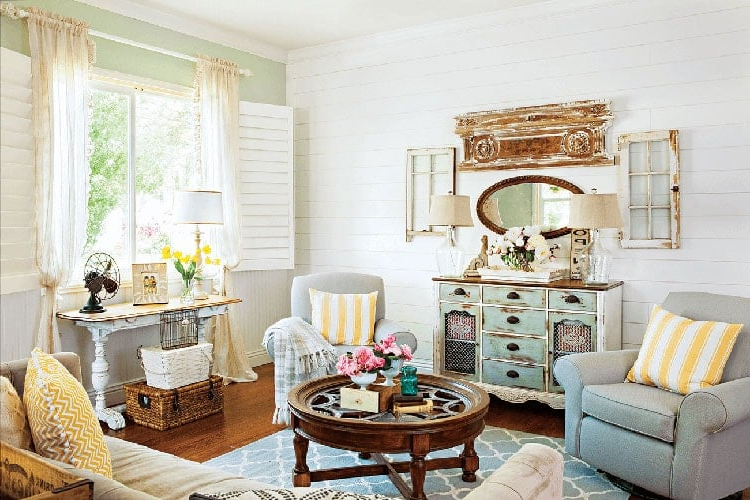
Natural light should always be your first priority. Maximize windows with sheer curtains that filter sunlight while maintaining privacy. Consider removing heavy drapes that block light and opt instead for lightweight fabrics that dance in the breeze.
Artificial lighting needs to be layered and thoughtful. Combine ambient, task, and accent lighting to create depth and dimension. A single overhead fixture might seem adequate, but it often creates shadows and makes spaces feel flat.
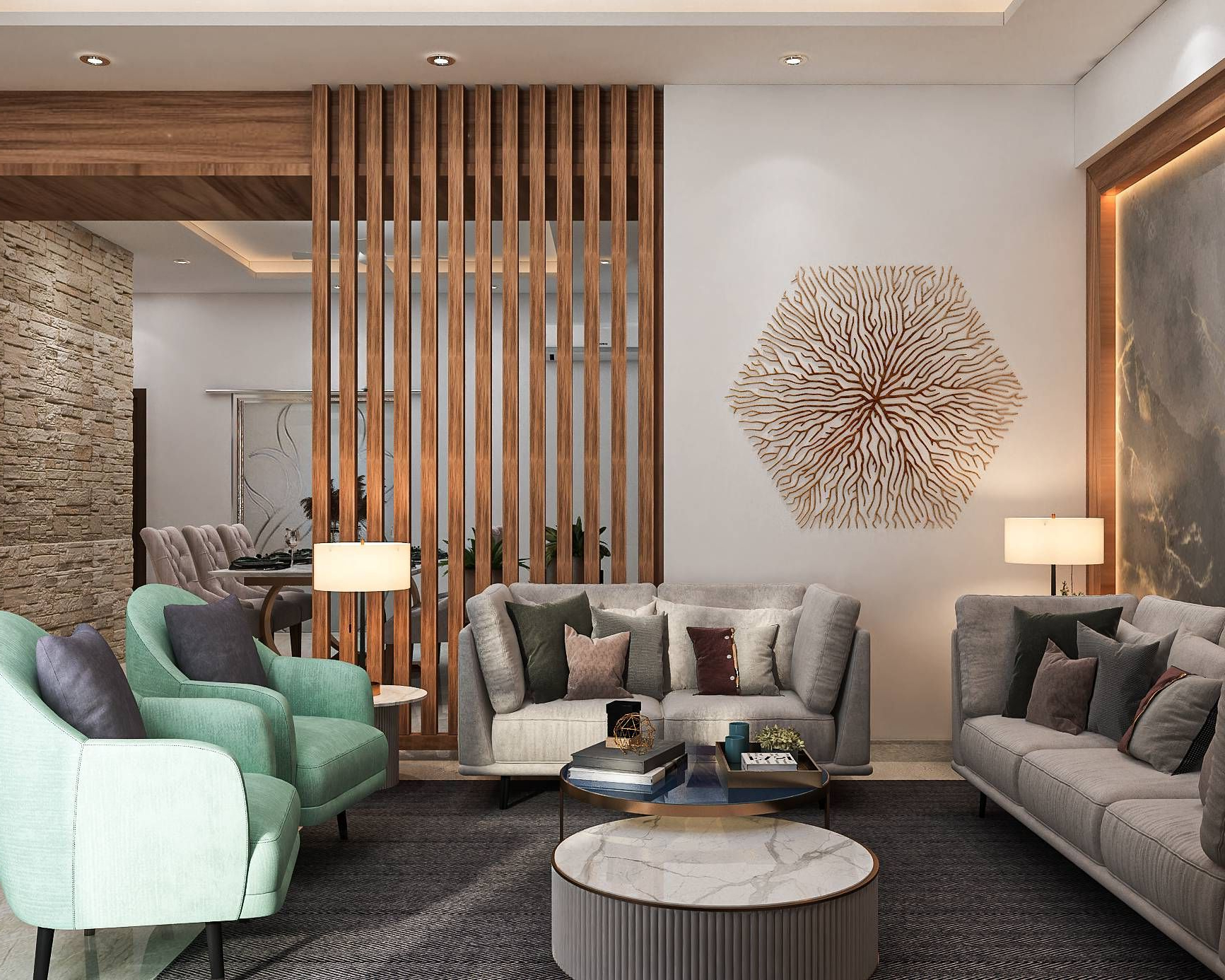
Table lamps and floor lamps add warmth and visual interest. They’re also great for creating cozy reading nooks or workspaces. In a cottage setting, these fixtures can double as decorative elements that reflect your personal style.
Consider dimmer switches to control the mood throughout the day. A bright, energizing light in the morning helps you start your day, while softer, warmer tones in the evening create a relaxing atmosphere.
Color temperature matters too. Cool white light (around 4000K) works well in kitchens and work areas, while warm yellow light (around 2700K) is better for living spaces and bedrooms. Using the right color temperature can make your cottage feel more spacious and comfortable.
Mirrors and Reflections
This classic design trick remains one of the most effective ways to create the illusion of more space. Mirrors work by reflecting light and creating visual continuity that tricks our brains into perceiving larger areas.
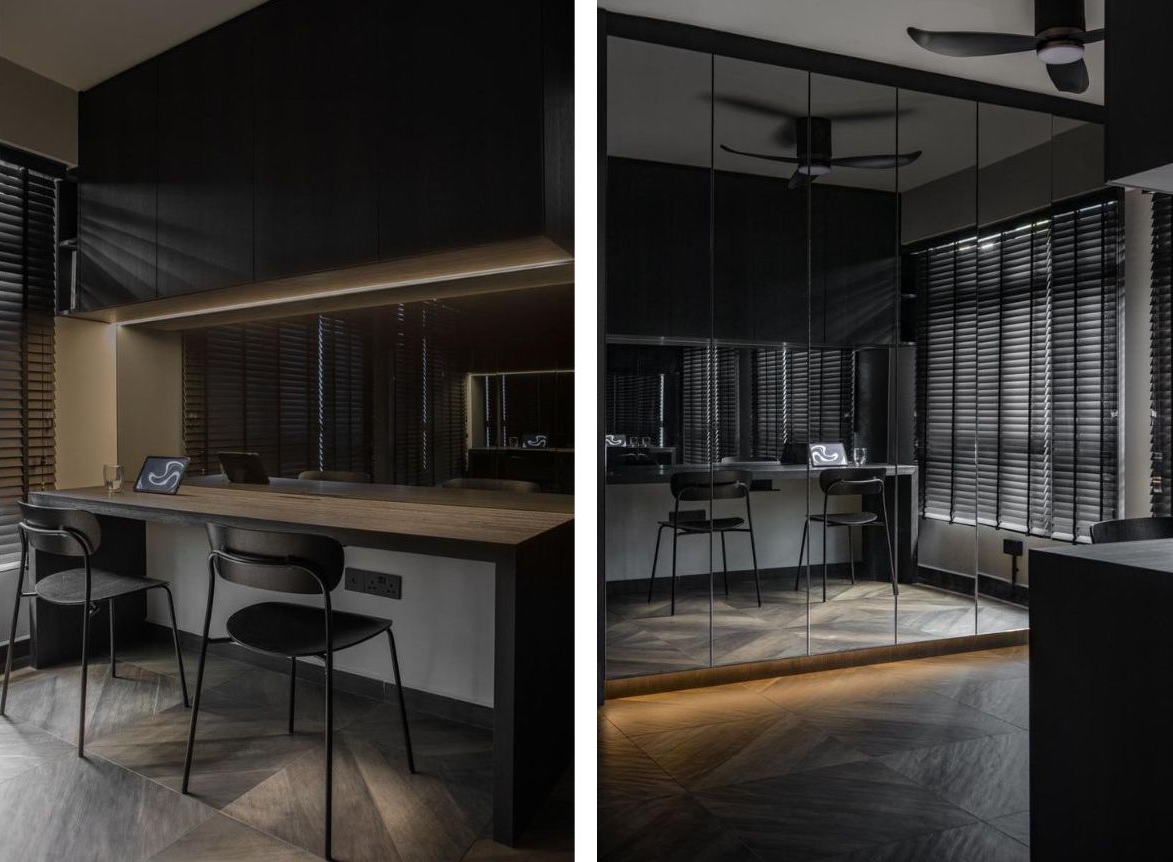
Large mirrors are particularly powerful. A full-length mirror in a bedroom can make a small space feel twice its size. Place it strategically to reflect a window or doorway, which will draw the eye outward and make the room feel more expansive.
But mirrors don’t have to be large to be effective. Smaller mirrors arranged in groups can create visual interest and give the impression of depth. Try a gallery wall of mirrors in varying sizes and frames – it’s both practical and stylish.
The placement is critical. Mirrors work best when they face something interesting – a view, a piece of art, or a focal point in the room. If there’s nothing to reflect, the mirror becomes just another decoration rather than a space-expanding element.
Don’t forget the practical applications. A mirror in the bathroom can make a tiny powder room feel more open. A mirror behind the couch in the living room can create the illusion of more seating area. The key is thinking creatively about where you can incorporate reflective surfaces without overwhelming the space.
Remember, mirrors are most effective when used thoughtfully. They shouldn’t compete with other design elements but rather enhance them. Choose frames that complement your existing style, and avoid overly ornate designs that might make a small space feel busy.
Color Psychology and Visual Tricks
The colors you choose for your small cottage can dramatically affect how large or small the space feels. Light colors generally make walls appear further away, creating a sense of openness. Dark colors, on the other hand, can make a room feel cozier but also smaller.
White remains the most popular choice for small spaces. It reflects light beautifully and gives the illusion of space. But don’t limit yourself to pure white. Soft whites, cream, and off-white shades can add warmth and depth without overwhelming the senses.
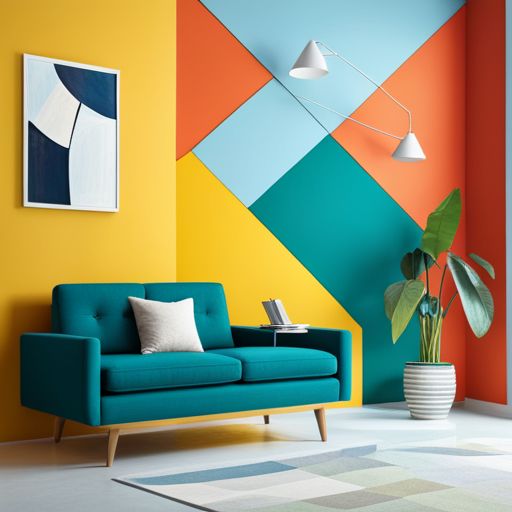
If you want to add personality, consider using a single accent color throughout the space. This approach creates unity while allowing you to express your style. For example, paint one wall in a rich blue while keeping the rest of the room in neutral tones. This creates visual interest without making the space feel cluttered.
Avoid dark, saturated colors in small spaces unless you’re using them strategically. A dark accent wall can be dramatic and effective, but using it throughout the room will make everything feel smaller.
Patterns and textures can also influence perception. Large-scale patterns can make walls appear closer together, while small patterns can create a sense of movement and openness. Textured walls, such as those with subtle ridges or smooth finishes, can add visual interest without taking up physical space.
Consider the finish of your paint and materials. Glossy finishes reflect light and can make surfaces appear closer to the viewer, while matte finishes absorb light and create a more distant appearance. This knowledge allows you to play with the perceived distance of different elements in your room.
Transforming a small cottage into a functional and beautiful space is less about limitations and more about creative problem-solving. Every design challenge presents an opportunity to discover new solutions that perfectly match your lifestyle. The key is approaching each decision with intentionality and creativity. Whether you’re maximizing vertical space, choosing multi-purpose furniture, or using mirrors to expand your visual field, remember that these strategies are about enhancing your daily life.
A well-designed small cottage isn’t just about fitting more things into less space – it’s about creating a space that supports and celebrates who you are. The beauty of cottage living lies in its intimacy and charm, and with thoughtful design, that charm can thrive even in the smallest of spaces. So embrace the challenge, experiment with these ideas, and watch your little cottage grow into something truly special.