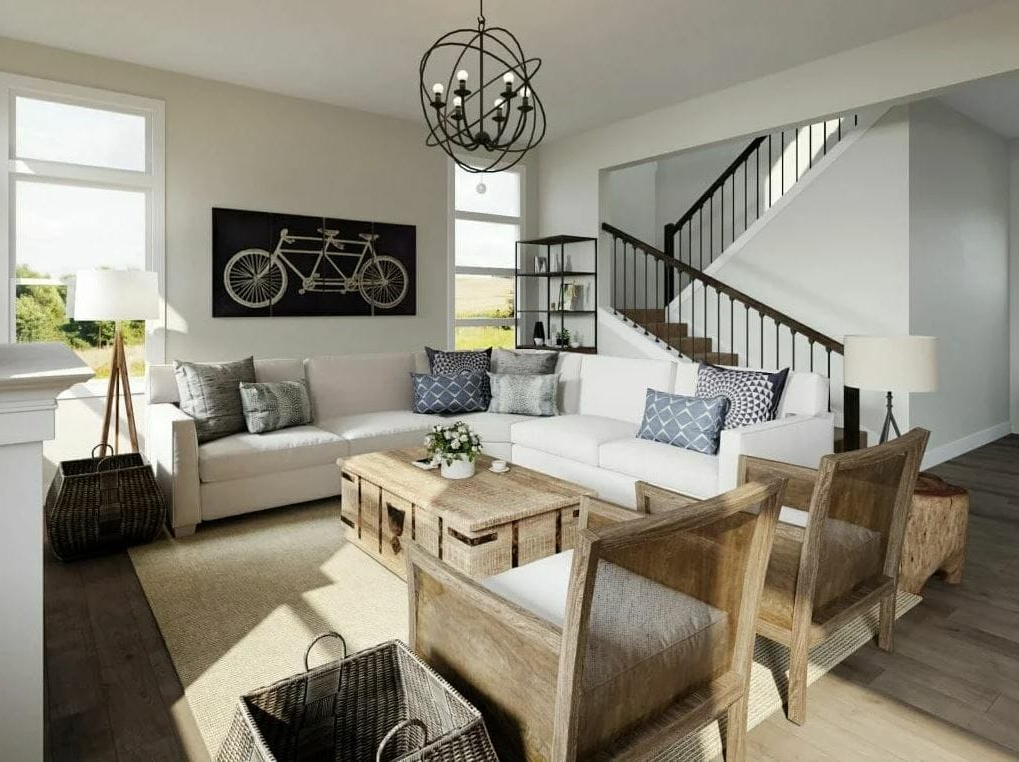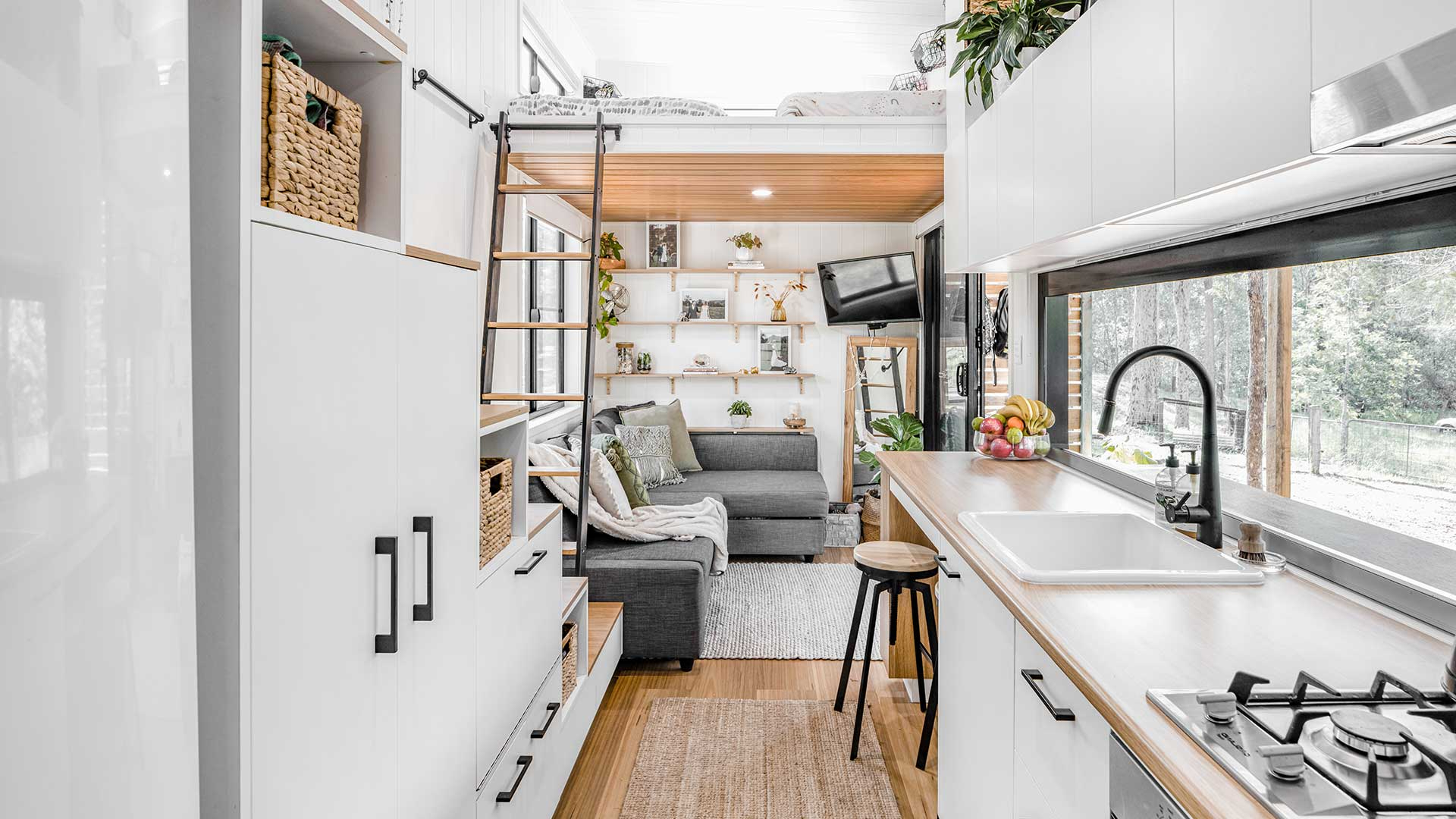
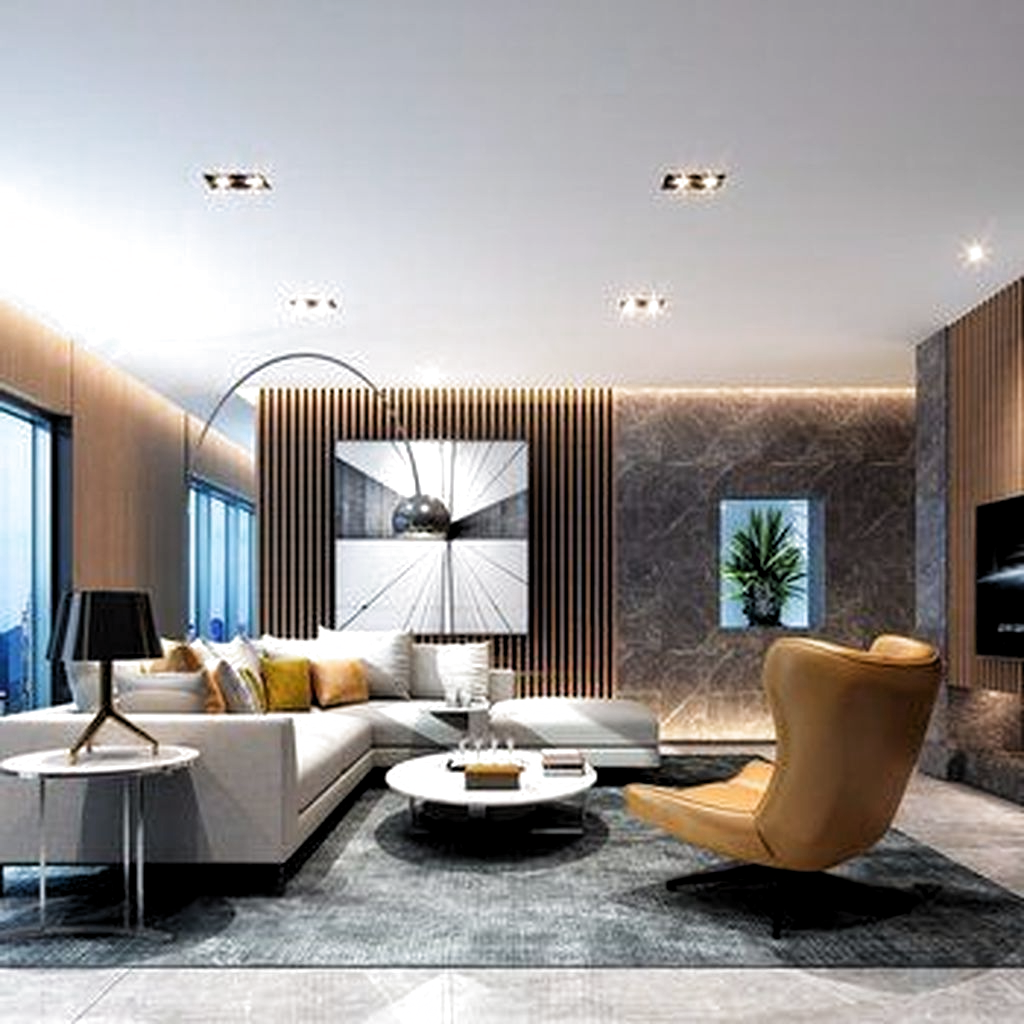
Think about the last time you walked into a room and felt instantly comfortable. Maybe it was a cozy living room with soft ambient light, or perhaps a kitchen where bright task lighting made meal prep feel effortless. That feeling? It’s all about lighting layers. We’re talking about more than just turning lights on and off. We’re diving into how to strategically place different types of lighting to create mood, function, and visual interest in every corner of your home.
When you think about how a room feels, lighting plays a massive role. It’s not just about having enough brightness—it’s about creating layers that work together like a symphony. You’ve probably walked into spaces that felt flat or harsh, or maybe rooms that were too dim or confusingly lit. That’s where the magic happens when you master lighting layering. It’s the art of combining different types of light sources to serve multiple purposes while keeping everything looking cohesive. Whether you’re designing a new space or refreshing an existing one, understanding how to layer lighting can completely change the way people experience your rooms.
The Three Essential Lighting Layers
Before we jump into specific techniques, let’s talk about the three main categories of lighting that form the foundation of any great layered approach. These aren’t just fancy terms—they’re the building blocks of beautiful room illumination.
Ambient Lighting: This is your general overhead light, the kind that fills the whole space evenly. Think of it as the base layer, providing enough light for people to move around safely. It’s usually the most noticeable source of light in a room.
Task Lighting: These are focused lights designed for specific activities. A desk lamp for reading, under-cabinet lights in the kitchen, or a vanity light for makeup application. Task lighting helps reduce eye strain and makes daily activities much easier.
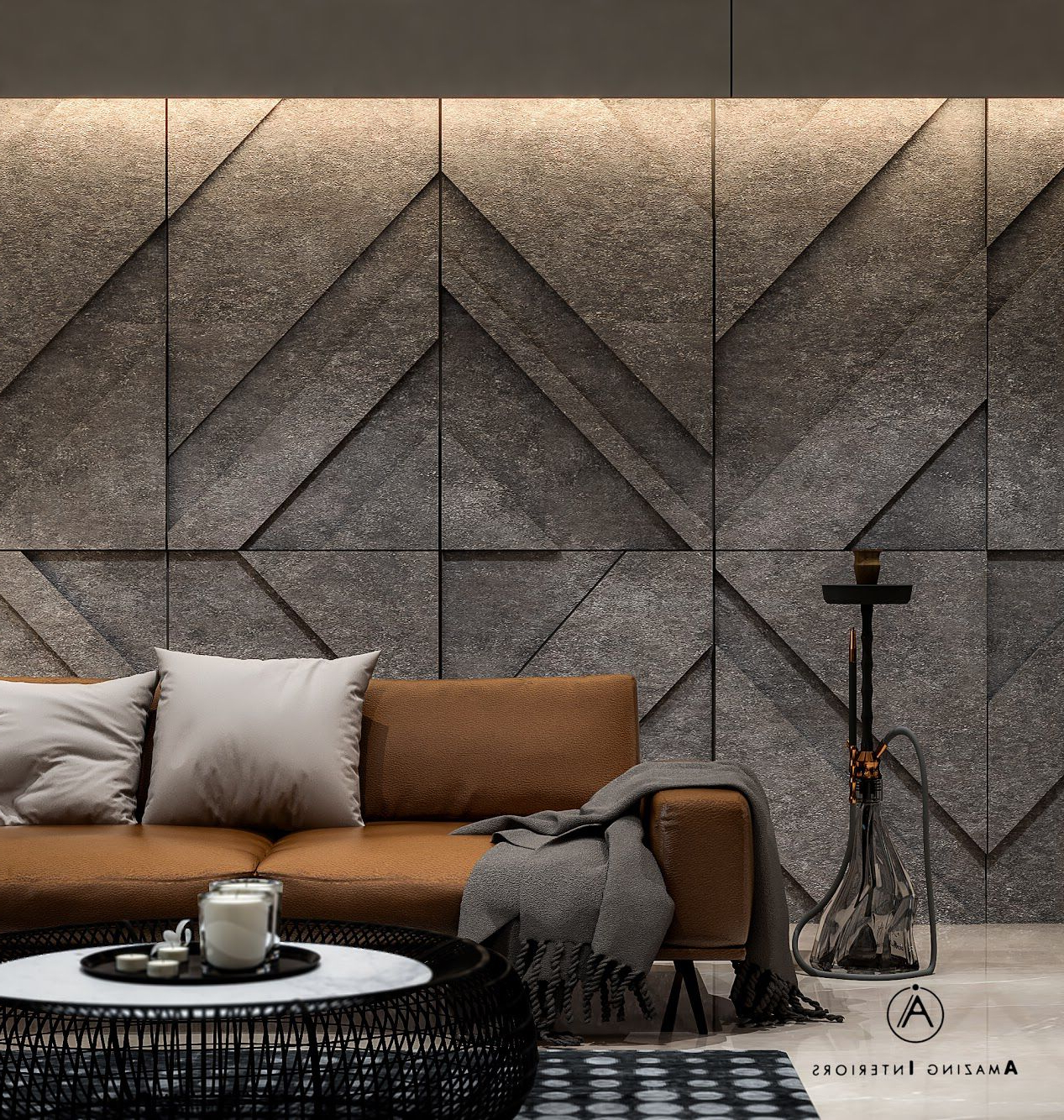
Accent Lighting: This adds visual interest and highlights special features. Picture lights on artwork, a spotlight on a beautiful plant, or even a string of lights around a window. Accent lighting draws attention to things you want to showcase.
Each layer serves its own purpose, but they all work together to create a complete lighting environment.
Creating Visual Depth with Layered Lighting
One of the most powerful benefits of layering lighting is the way it creates depth in a room. Without proper lighting layers, walls can look flat, and spaces can feel generic. When you combine ambient, task, and accent lights, you start to see how shadows and highlights interact with surfaces.
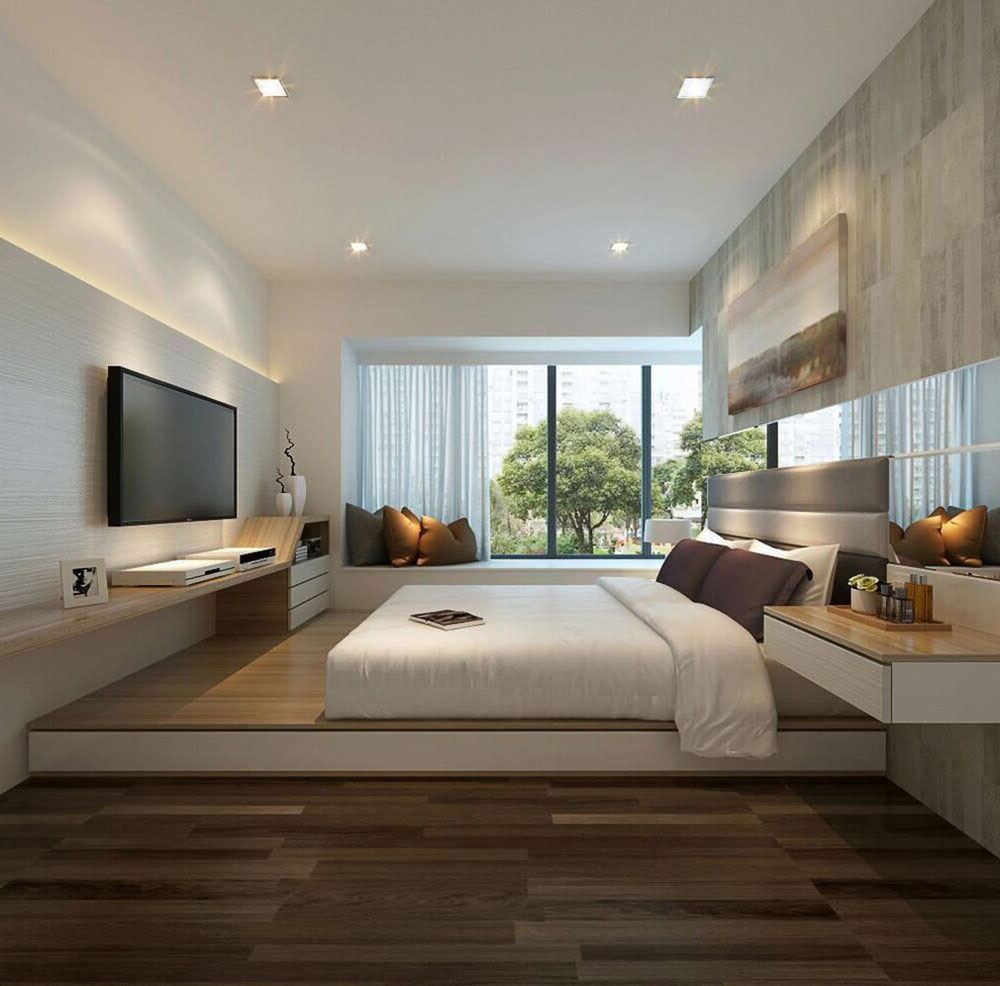
Imagine a bedroom with only overhead lighting. Everything looks uniform, and there’s little visual interest. Now add some bedside table lamps, a decorative floor lamp, and perhaps a small accent light behind a mirror. Suddenly, the room feels three-dimensional. The light bounces off different surfaces, creating a sense of warmth and dimension.
This technique works especially well in smaller rooms. By using layered lighting strategically, you can make a space feel larger, more inviting, and far more interesting than if you relied on just one type of light.
Choosing the Right Light Bulbs for Each Layer
Not all bulbs are created equal, and picking the right ones for each layer can make a huge difference in your room’s overall look and feel. Here’s how to approach bulb selection:
• Ambient Lighting Bulbs: For general room lighting, choose bulbs with a warm color temperature (around 2700K to 3000K). They should be bright enough to illuminate the entire space without being harsh.
• Task Lighting Bulbs: These often benefit from brighter, whiter light (4000K to 5000K) to ensure clarity. LED bulbs are excellent choices because they offer both energy efficiency and good color rendering.
• Accent Lighting Bulbs: These are more flexible. You might choose warmer tones for a cozy feel or cooler tones for a more dramatic effect. LED spotlights or track lighting with adjustable heads are popular options.
Consider the wattage and size of each bulb carefully. You don’t want to overload fixtures or use bulbs that are too big or too small for their intended purpose.
Practical Tips for Implementing Lighting Layers
Now that you understand the theory, let’s get practical. Here are some real-world strategies for adding layers to your lighting setup:
• Start with what you have: If you already have a ceiling fixture, don’t throw it away. Instead, add complementary lights like table lamps or wall sconces.
• Use dimmer switches: These allow you to adjust brightness levels easily, giving you more control over the mood in your space. You can have bright light during the day and softer light in the evening.
• Think about placement: Don’t just put lights wherever they fit. Consider where people will be spending time and what activities they’ll be doing. Position lights accordingly.
• Mix light sources: Combine different kinds of lighting—incandescent, LED, halogen—when appropriate. Each type has its own unique qualities that can enhance the overall atmosphere.
• Create zones: In large rooms, consider dividing them into different lighting zones. A dining area might need bright task lighting, while a reading nook could use softer ambient light.
Room-Specific Lighting Approaches
Different rooms naturally require different lighting approaches. Let’s explore how to apply layering techniques in common areas:
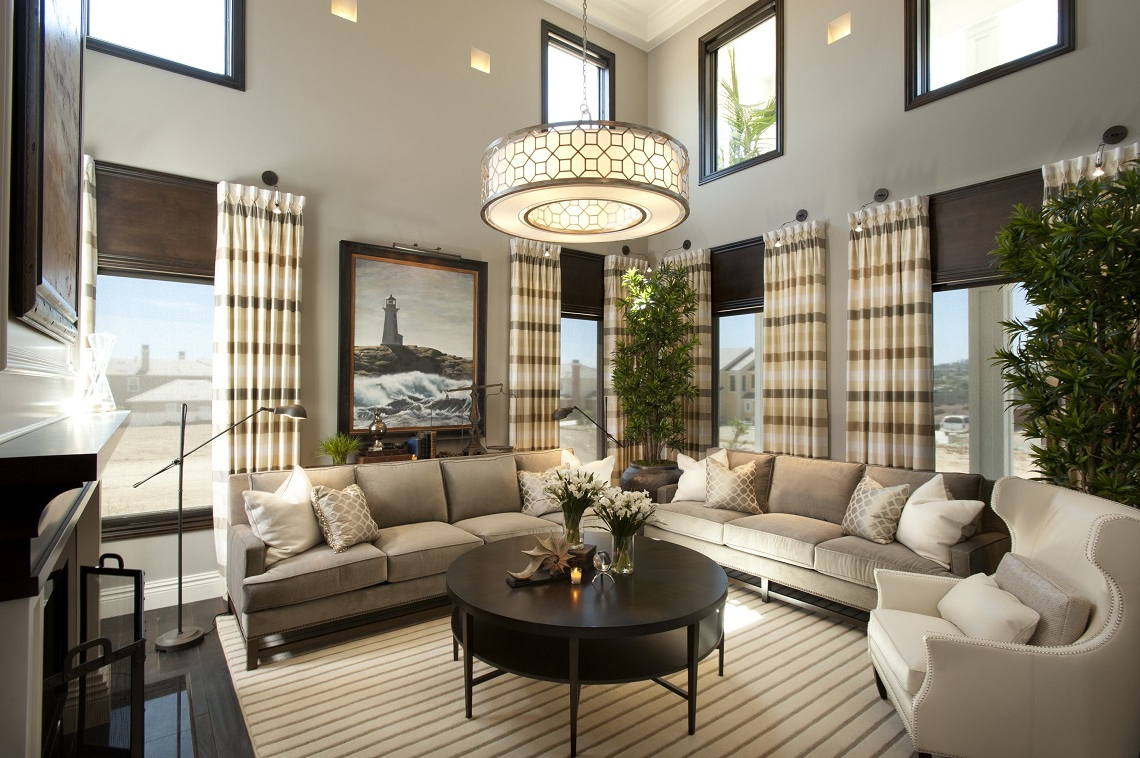
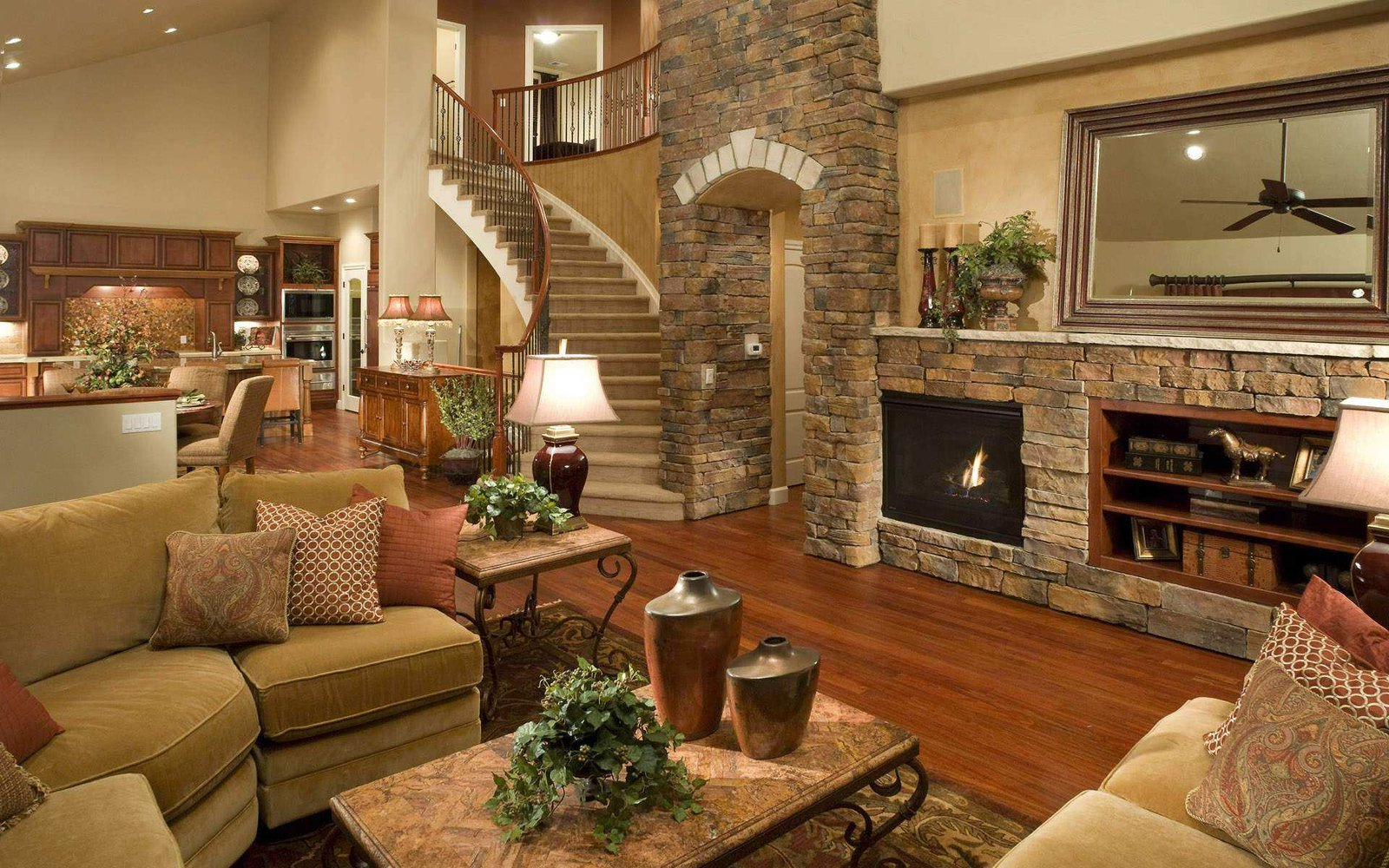
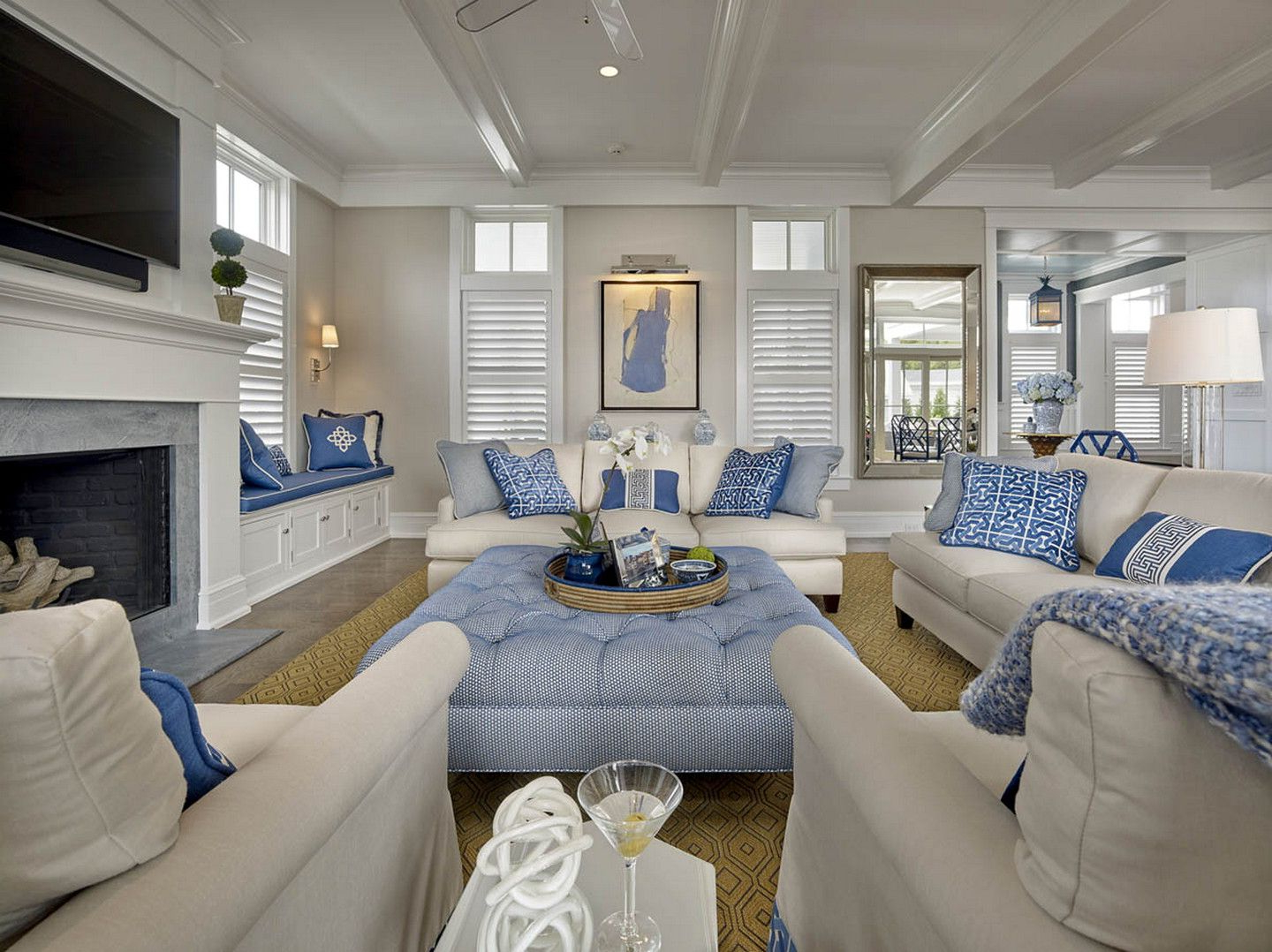
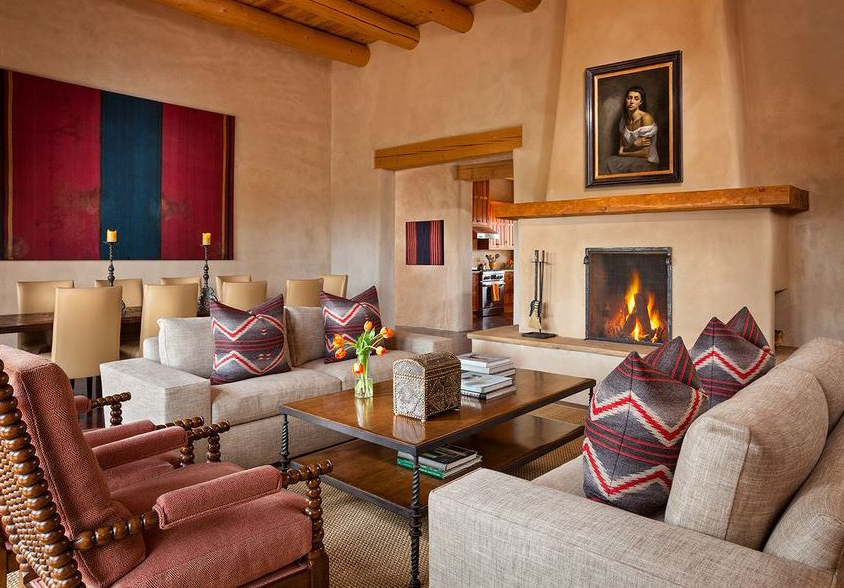
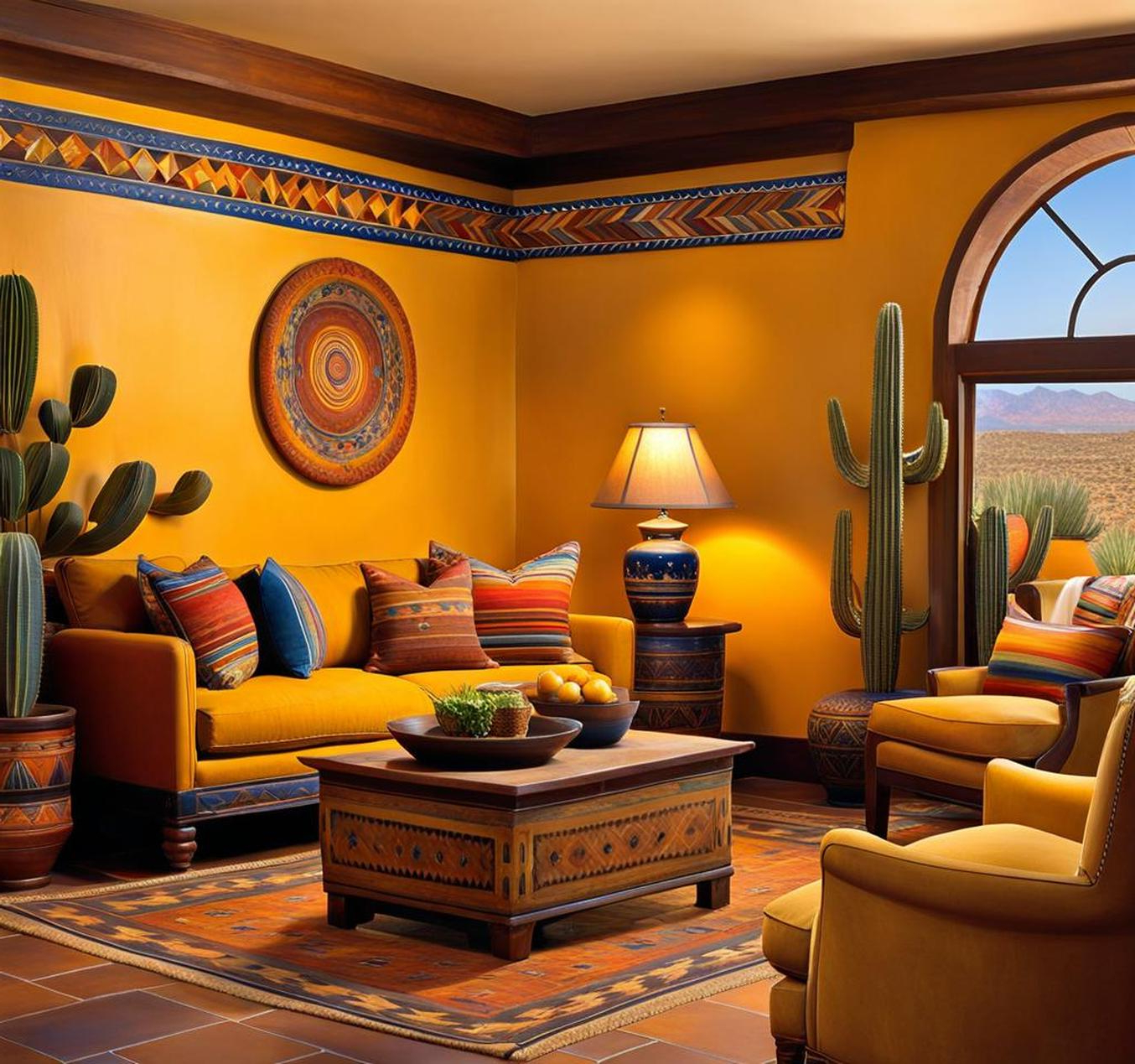
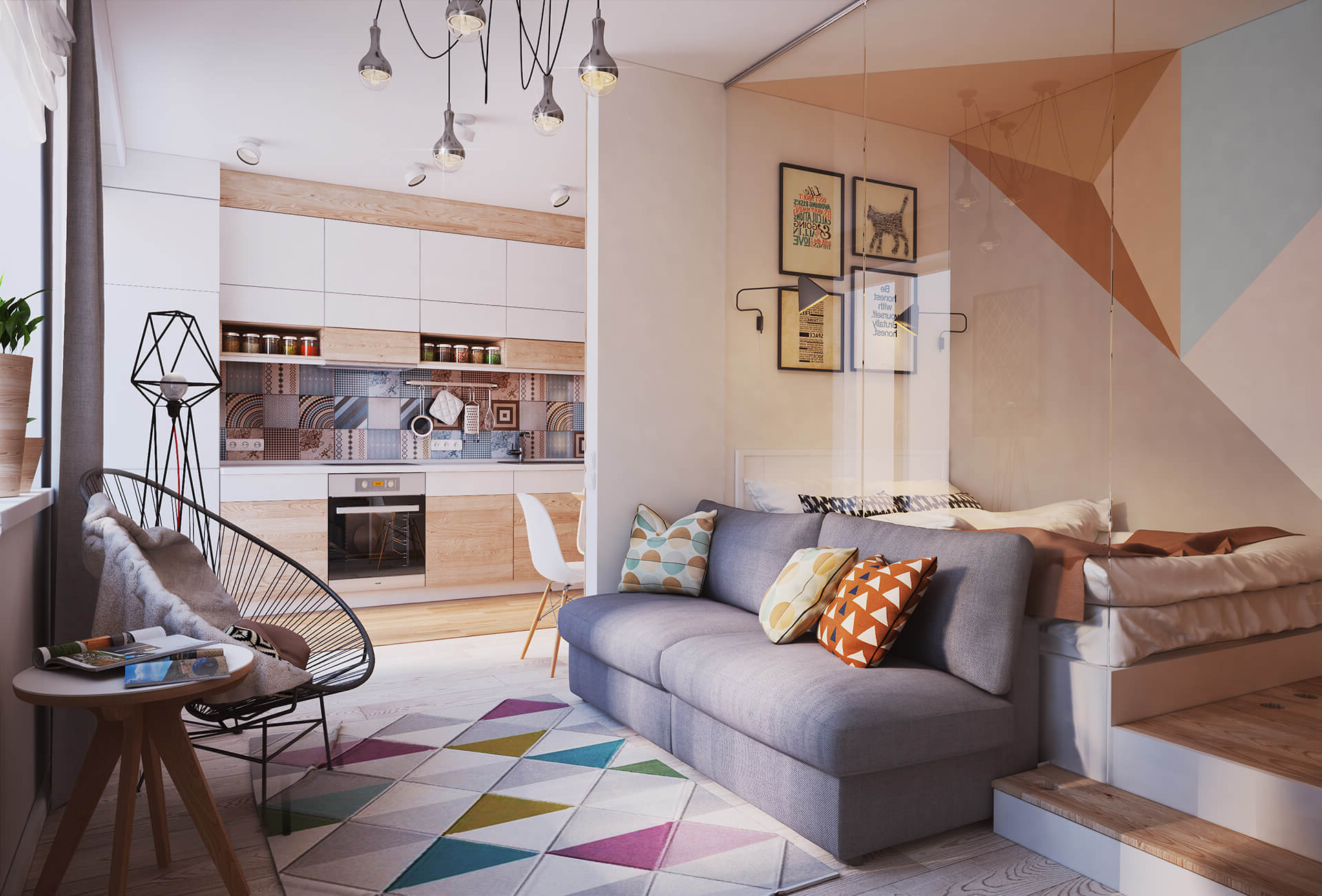
Living Rooms: These spaces benefit from a combination of ambient lighting (a central chandelier or ceiling fixture), task lighting (floor or table lamps for reading), and accent lighting (spotlights on artwork or architectural details). The key is balancing comfort with visual appeal.
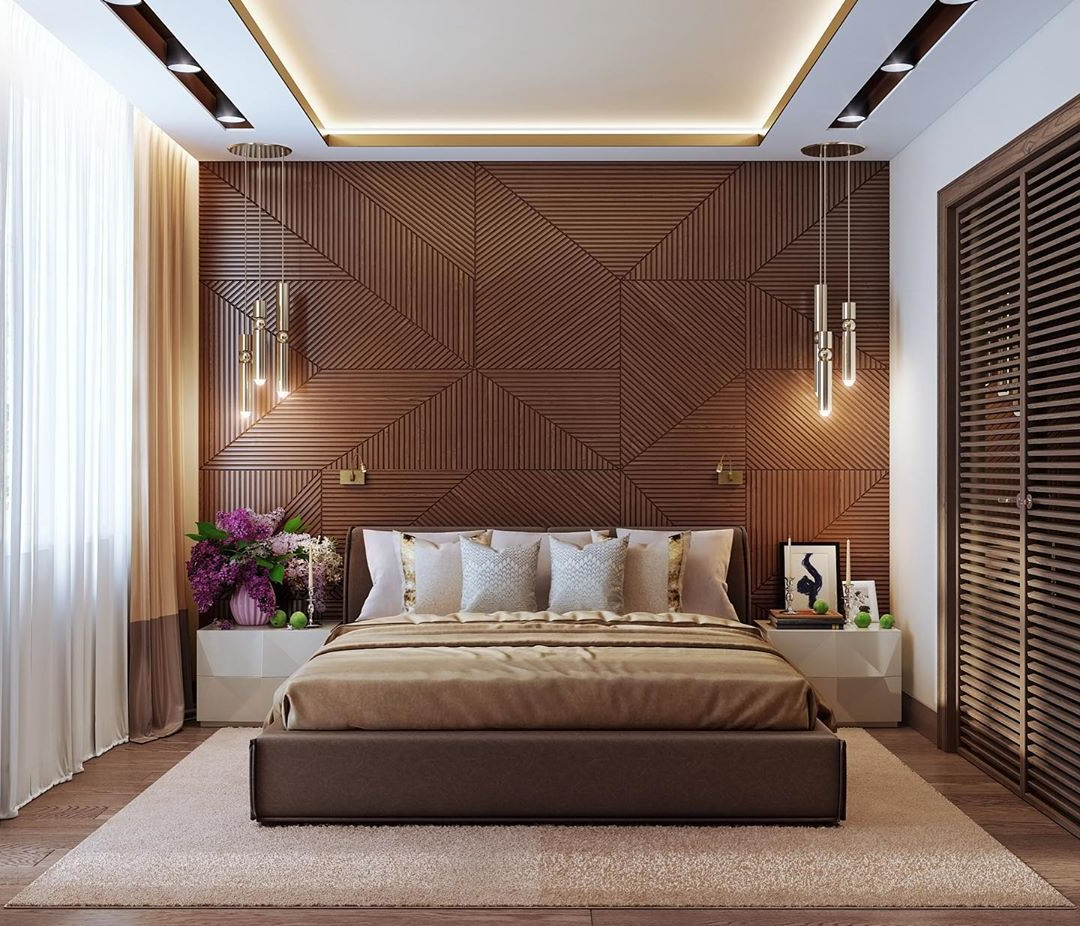
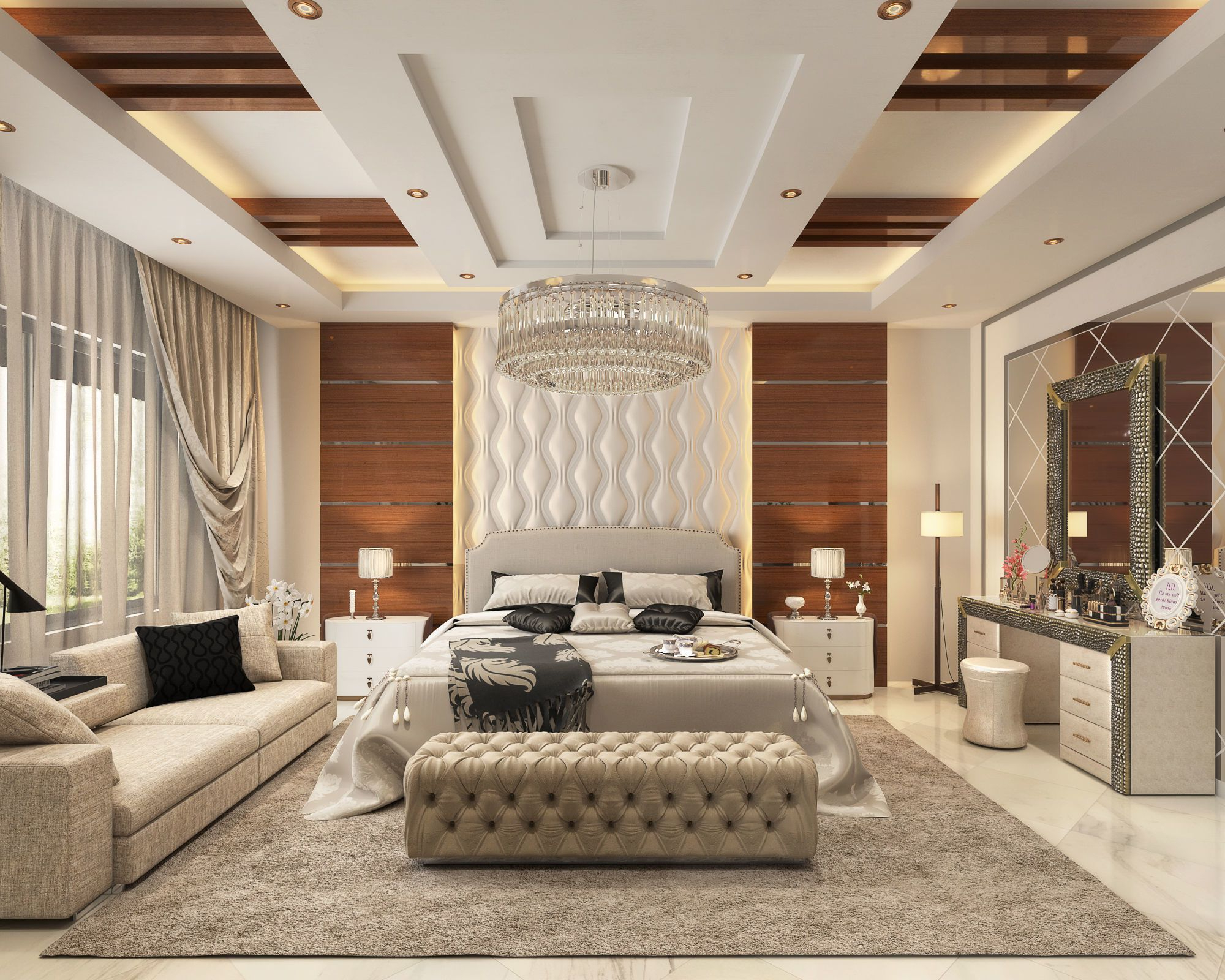
Bedrooms: Here, focus on creating a relaxing atmosphere. Soft ambient lighting provides general illumination, while bedside tables offer task lighting for reading. Consider adding a dimmer switch to control the overall brightness and set the tone for bedtime.
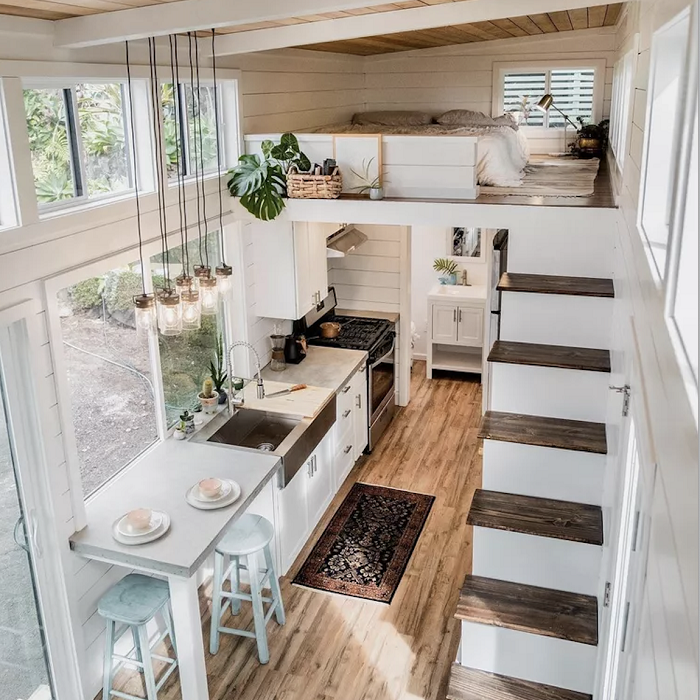
Kitchens: Task lighting is crucial here. Install overhead lights for general tasks, but also add under-cabinet lights and possibly a pendant over the island. This ensures you have adequate illumination for cooking and food preparation.
Bathrooms: These rooms need both functional and aesthetic lighting. Use bright ambient lighting for daily routines, but add accent lighting for grooming purposes. A mirror with integrated lighting can make a huge difference in how you see yourself.
Each room deserves thoughtful consideration when it comes to lighting design.
Common Mistakes to Avoid in Lighting Layering
Even experienced designers sometimes stumble when trying to layer lighting effectively. Here are some frequent missteps to watch out for:
• Over-lighting: Adding too many lights can create a chaotic appearance. It’s better to have fewer, well-placed lights than to fill every surface with illumination.
• Ignoring color temperature: Mixing warm and cool lights without considering how they interact can lead to an unbalanced space. Try to keep similar temperatures within the same zone.
• Neglecting task needs: Not thinking about what activities happen in a room can result in inadequate lighting for important functions. Always consider what people will do in that space.
• Using the wrong fixtures: Not every light fixture is suitable for every layer. For example, a bare bulb in a lamp might provide too much direct light for ambient use.
• Forgetting about dimming: Many people forget to install dimmer switches, missing out on the ability to change moods and adjust light levels throughout the day.
By avoiding these pitfalls, you’ll be much closer to achieving that perfect lighting balance.
Lighting layering isn’t just about making a room look pretty—it’s about creating an environment that supports life, activity, and emotion. When done right, it transforms spaces from merely functional to truly welcoming. Whether you’re renovating or simply redecorating, take time to think about how you want each room to feel. Start small, experiment with different combinations, and soon you’ll find yourself instinctively choosing the right lights for the right moments. The investment in thoughtful lighting pays off in comfort, functionality, and beauty every single day. So go ahead, play with your lights, test out different layers, and watch how your home changes with each adjustment. You’ll be amazed at how much more alive and enjoyable your spaces become.