In today’s fast-paced world, our homes have become more than just places to rest our heads. They’re sanctuaries where we work, play, and live our daily lives. But what happens when beautiful design clashes with real-world functionality? This is where functional beauty comes into play, creating spaces that are as practical as they are pleasing to the eye.
Think about your last visit to someone’s home. What made it memorable? Was it the stunning artwork on the wall, or perhaps the way everything seemed to fit perfectly together? Often, it’s the harmony between beauty and function that makes a space truly special. We’ve all experienced those moments when we’re sitting in a room that looks incredible but feels completely impractical. Or worse, a space that works well but looks plain and uninspired. The secret lies in finding that sweet spot where form and function dance together in perfect harmony. This isn’t just about making things look pretty – it’s about creating environments that support how we actually live, while still making us feel good every time we step inside.
The Evolution of Design Philosophy
Design has come a long way from the days when aesthetics were king and functionality was often an afterthought. In the early 20th century, the Bauhaus movement revolutionized thinking by insisting that form must follow function. That philosophy slowly seeped into mainstream design, but it wasn’t until recent decades that we really began to see how beautifully these two elements could complement each other.
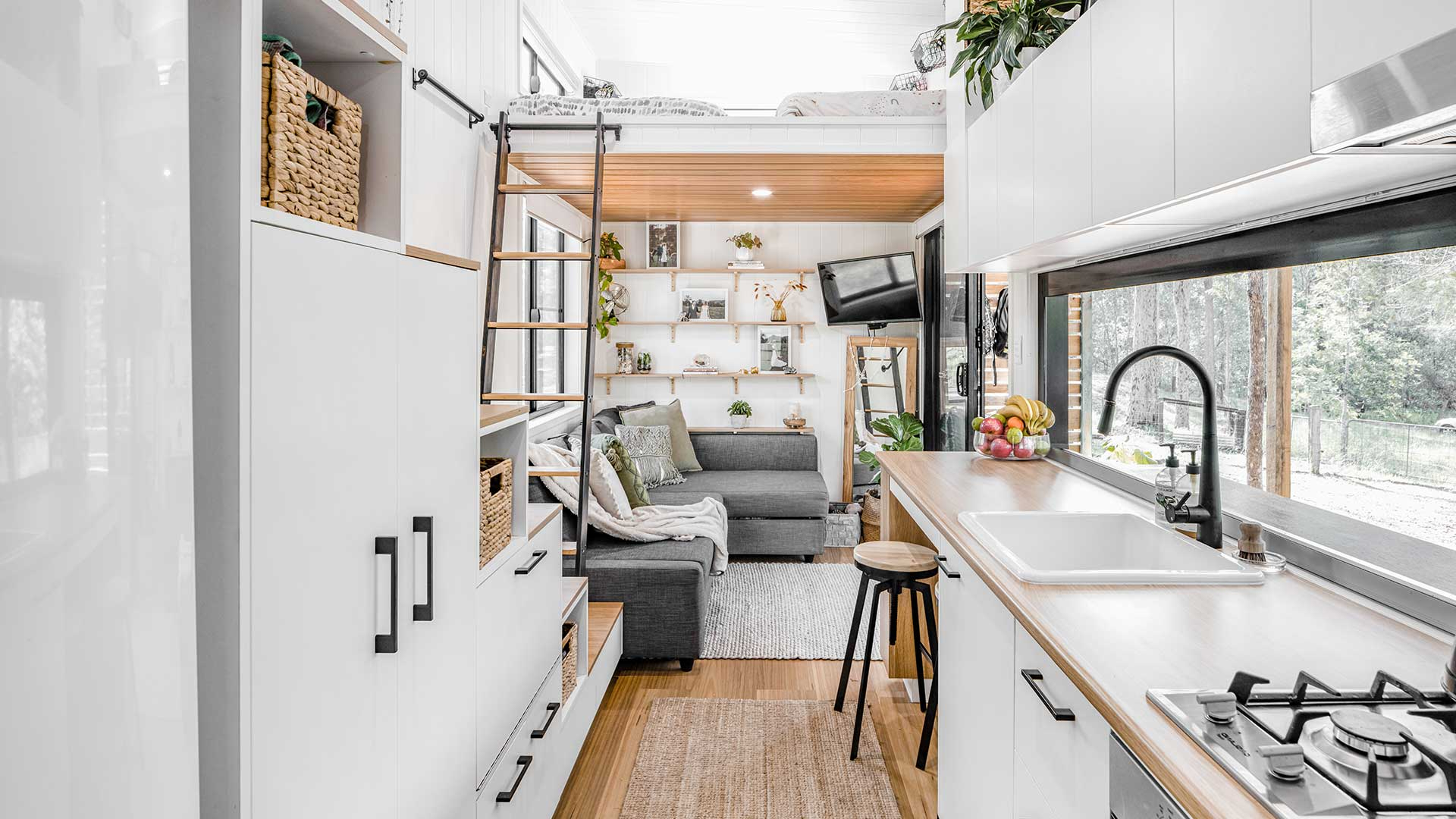
Consider how kitchen design has transformed. Gone are the days of purely decorative islands that served no purpose beyond looking nice. Today’s kitchens feature islands that double as dining areas, storage solutions that are both beautiful and highly functional, and appliances that blend seamlessly into cabinetry rather than standing out like eyesores. This evolution reflects a deeper understanding that people want their homes to work for them while still feeling like a reflection of their personal style.
Modern consumers increasingly seek solutions that don’t compromise on either front. They want their living rooms to accommodate both guests and family activities, their bedrooms to provide privacy while maintaining visual appeal, and their bathrooms to offer luxury amenities without sacrificing usability. This shift represents a fundamental change in how we approach design – not as a battle between beauty and function, but as a collaboration between them.
Key Principles of Functional Beauty
Creating spaces that embody functional beauty requires a few core principles that guide the decision-making process:
• Multi-purpose design: Look for furniture and fixtures that serve multiple roles. A coffee table that doubles as storage, or a dining table that can expand for guests, creates efficiency without sacrificing style.
• Smart storage solutions: Hidden storage keeps surfaces clean and uncluttered, but it should be easily accessible and visually appealing when needed. Think built-in shelving that matches your aesthetic while providing ample space for books and décor.
• Quality materials that age well: Investing in materials that will look good over time prevents constant updates and ensures your space remains beautiful even as trends change.
• Thoughtful lighting: Lighting that serves both practical needs and creates atmosphere adds dimension to a space. Layered lighting systems provide flexibility for different activities while enhancing the overall look.
These principles work together to create environments where every element contributes to both the visual appeal and the day-to-day usability of the space.
Practical Applications in Everyday Spaces
Let’s take a closer look at how functional beauty plays out in common areas of the home:
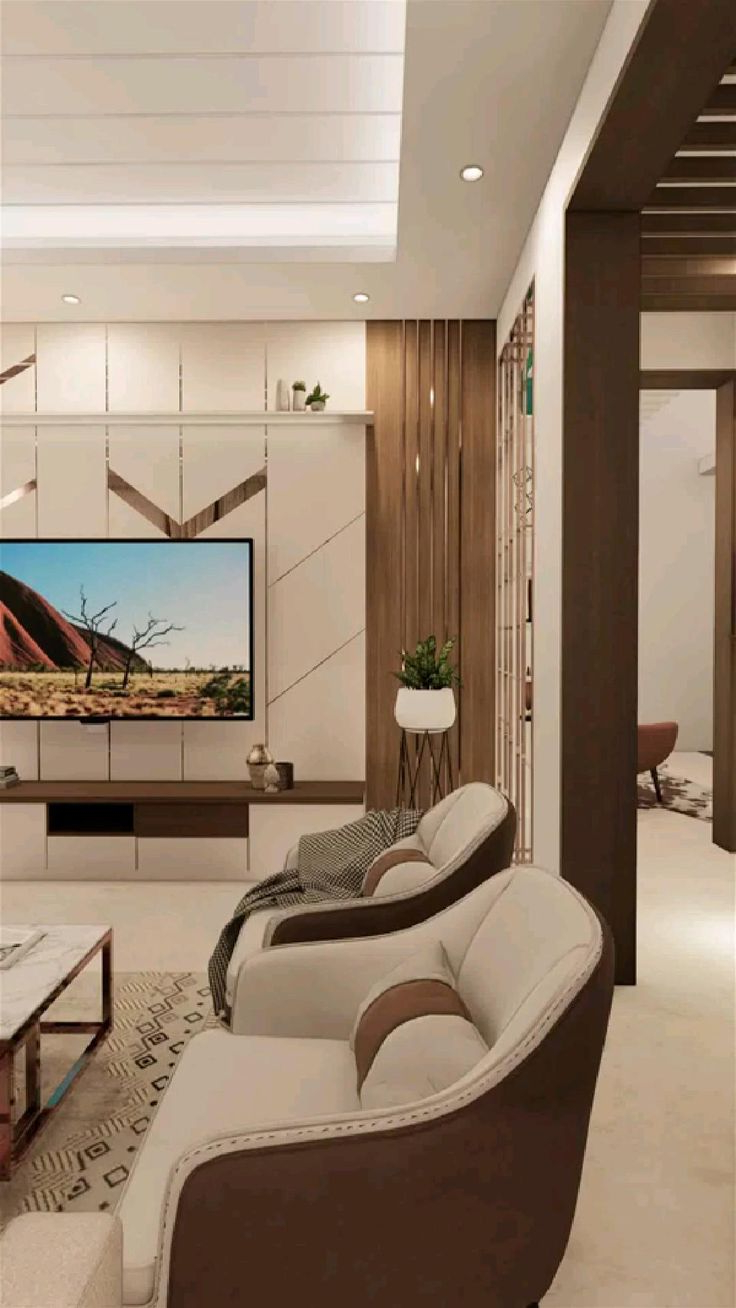
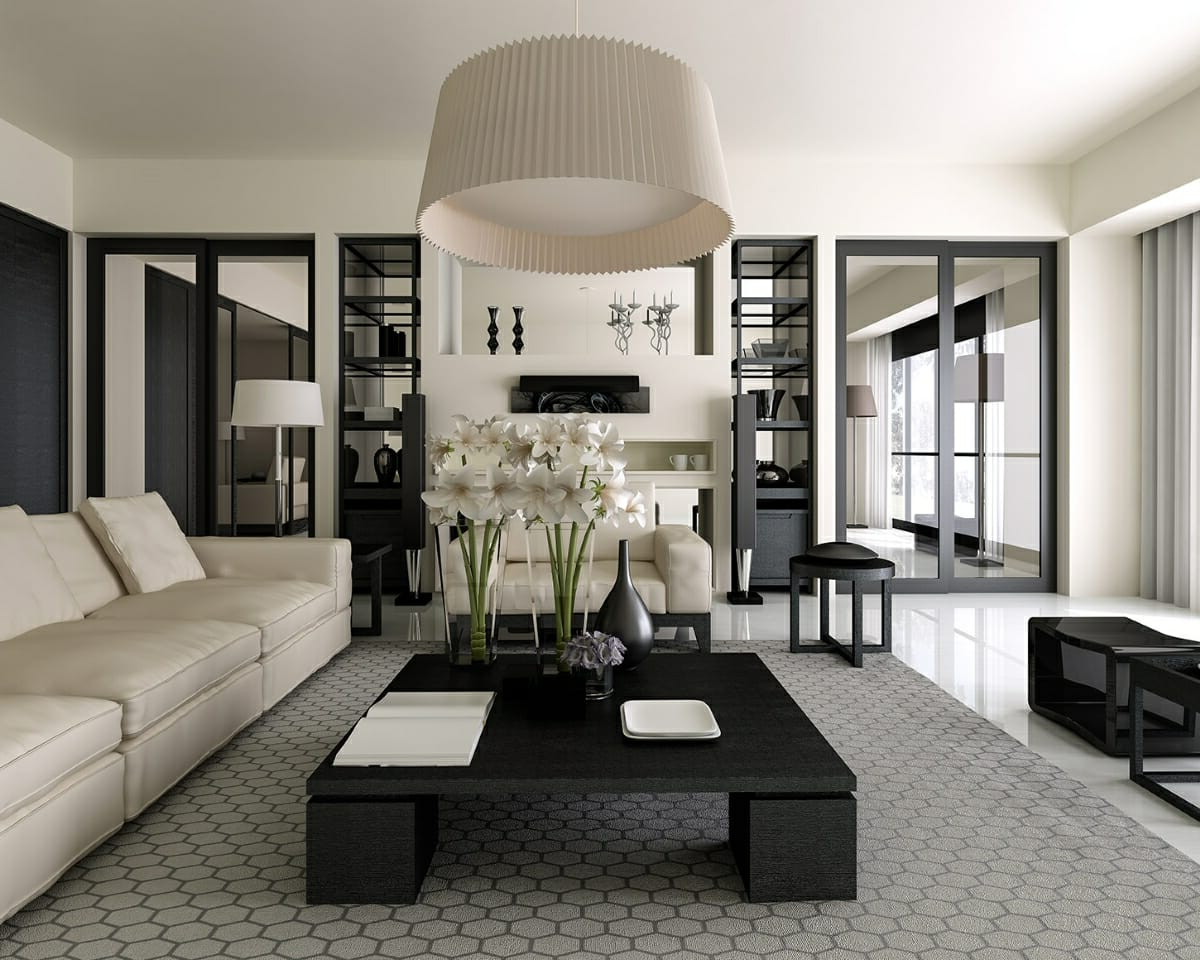
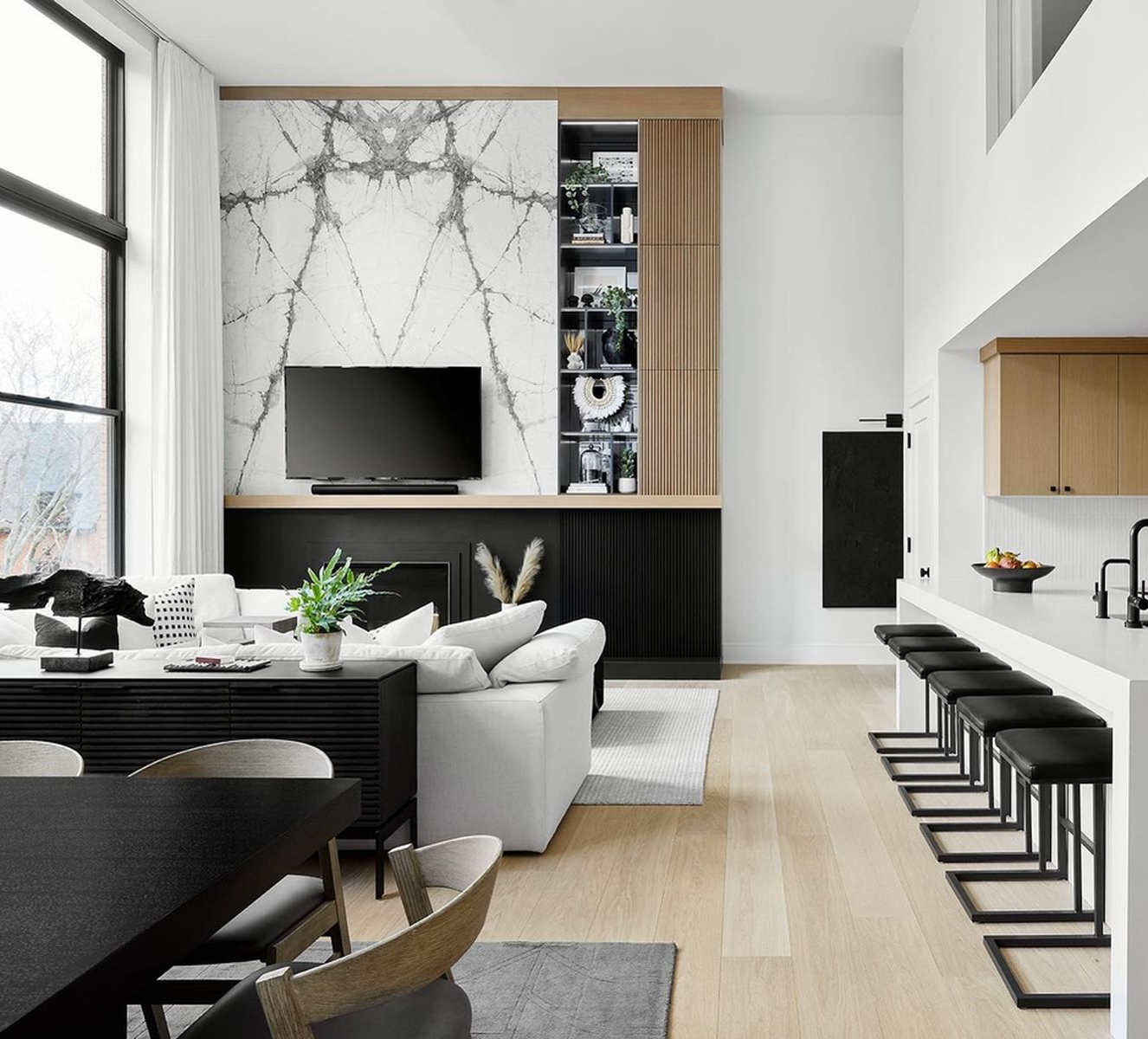
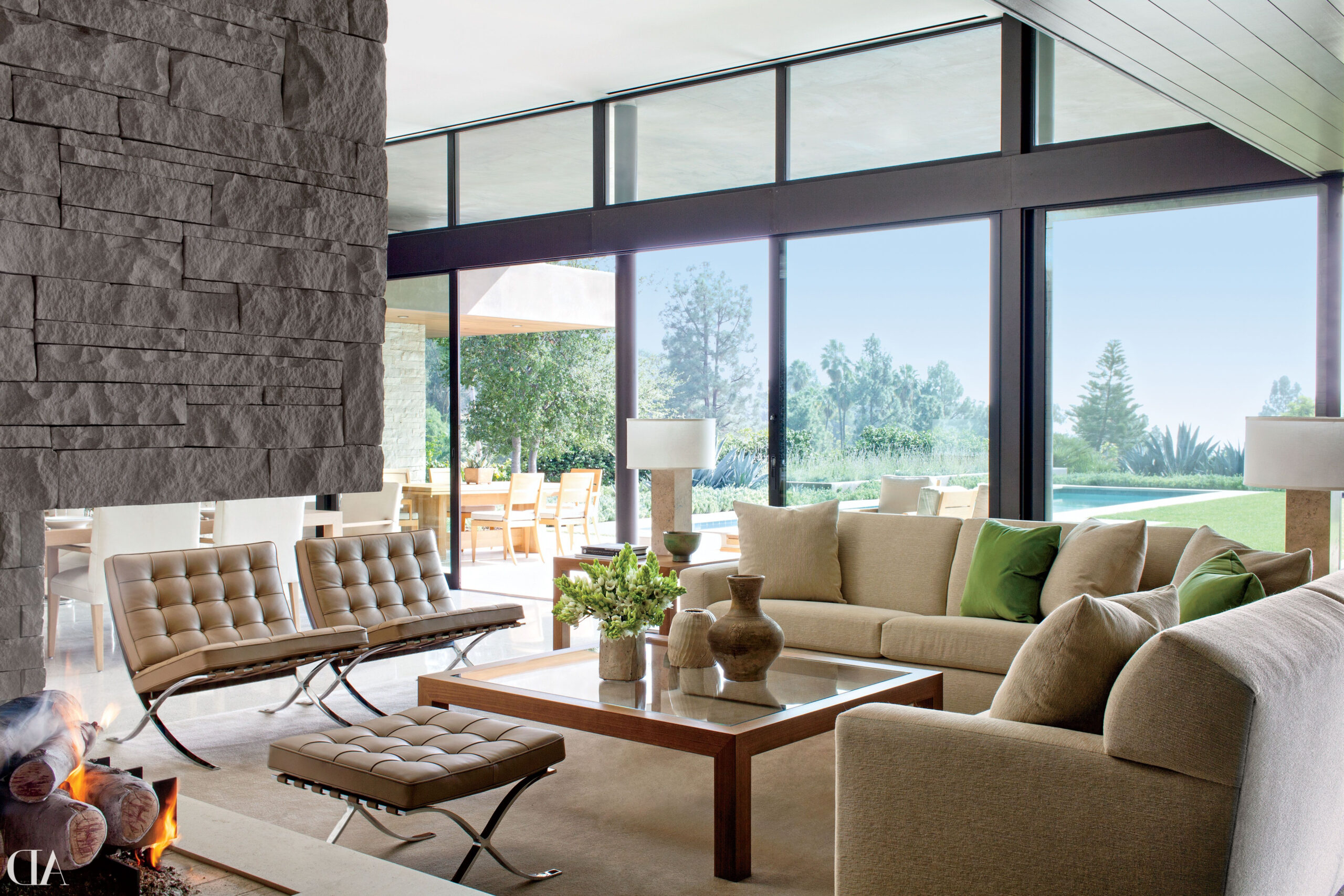
Living Rooms: The most popular room in many homes deserves special attention. Consider a modular sofa that can be rearranged based on how you’re using the space. Built-in entertainment centers that hide cables while providing display opportunities. Coffee tables with hidden compartments for remote controls and magazines. These solutions keep the space looking clean and organized while meeting practical needs.
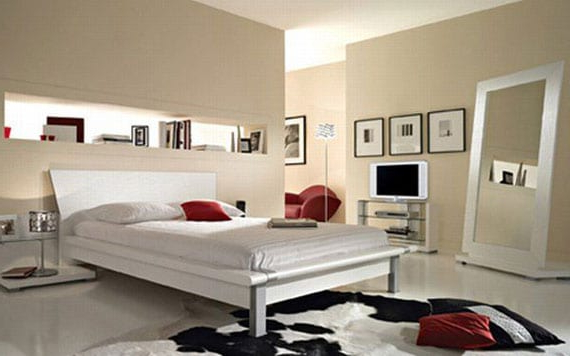
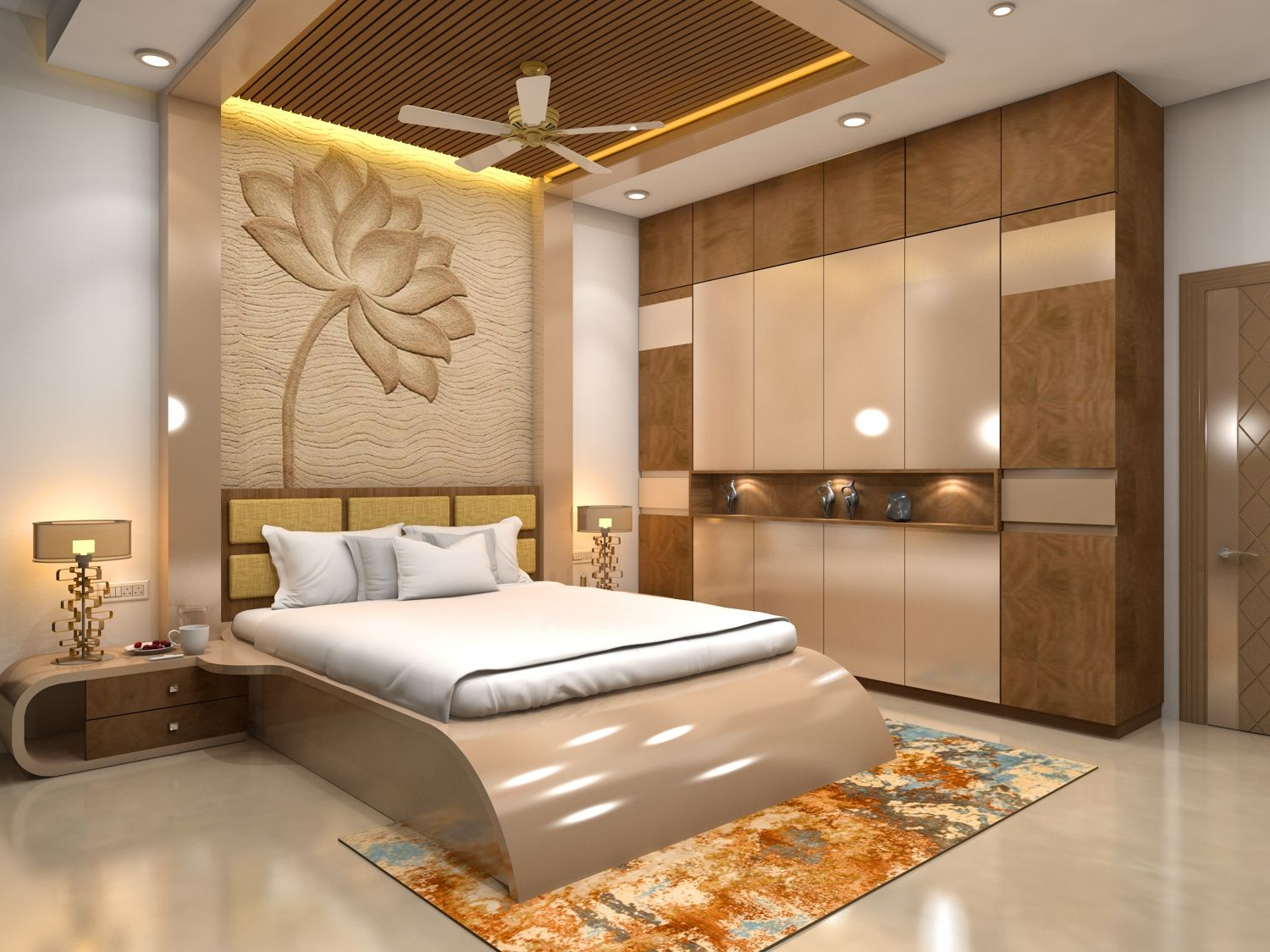
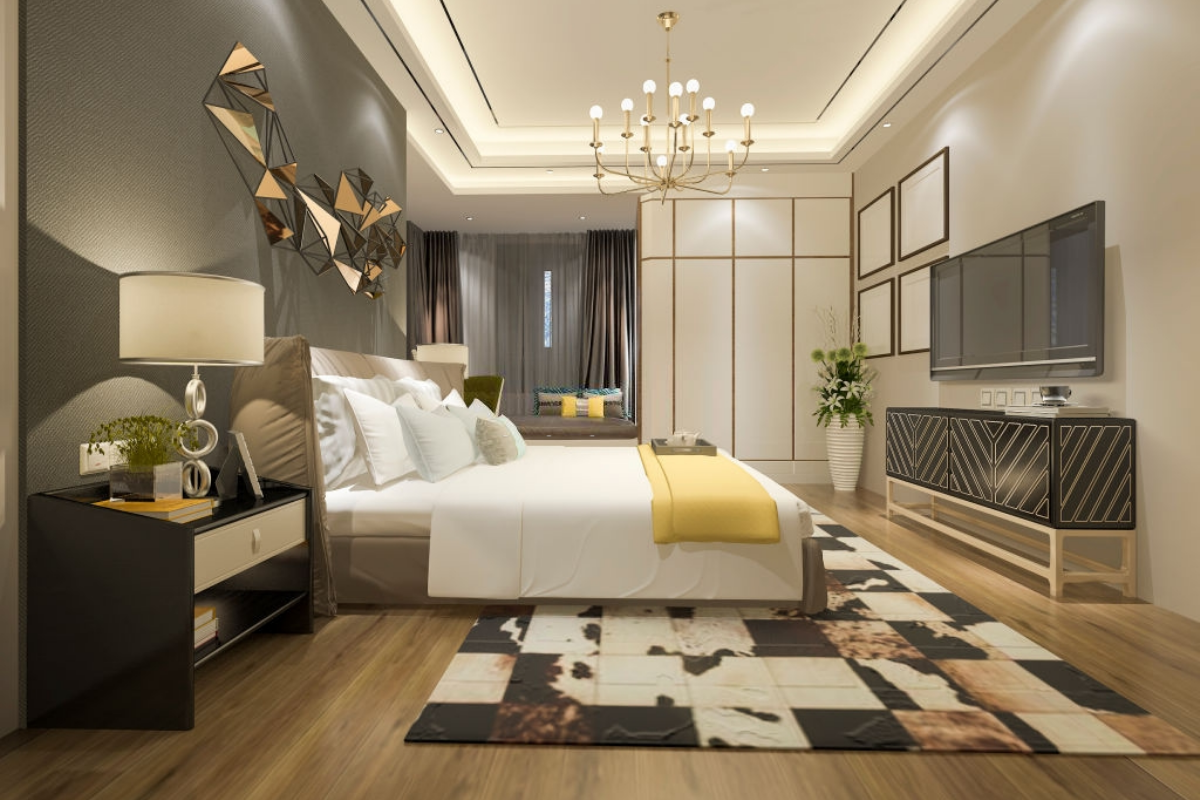
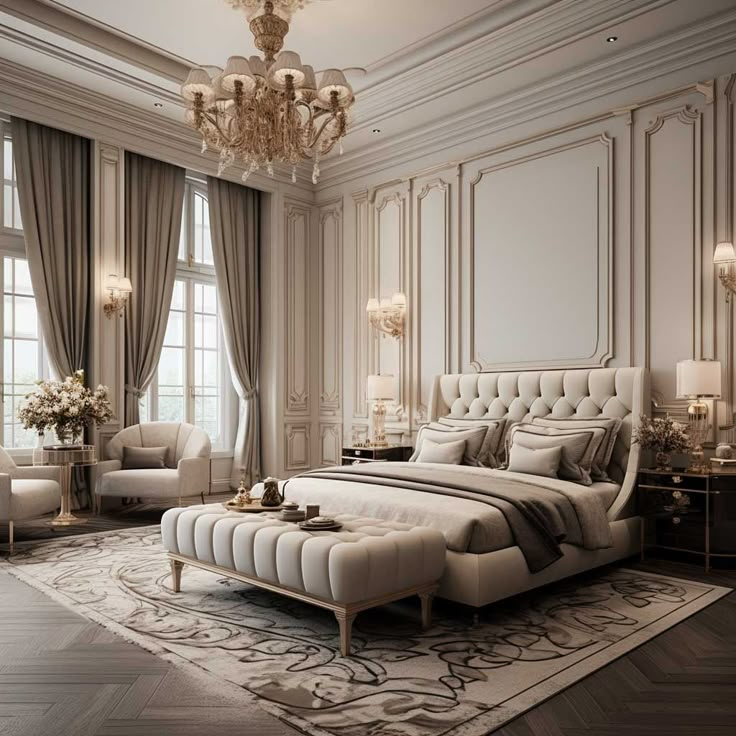
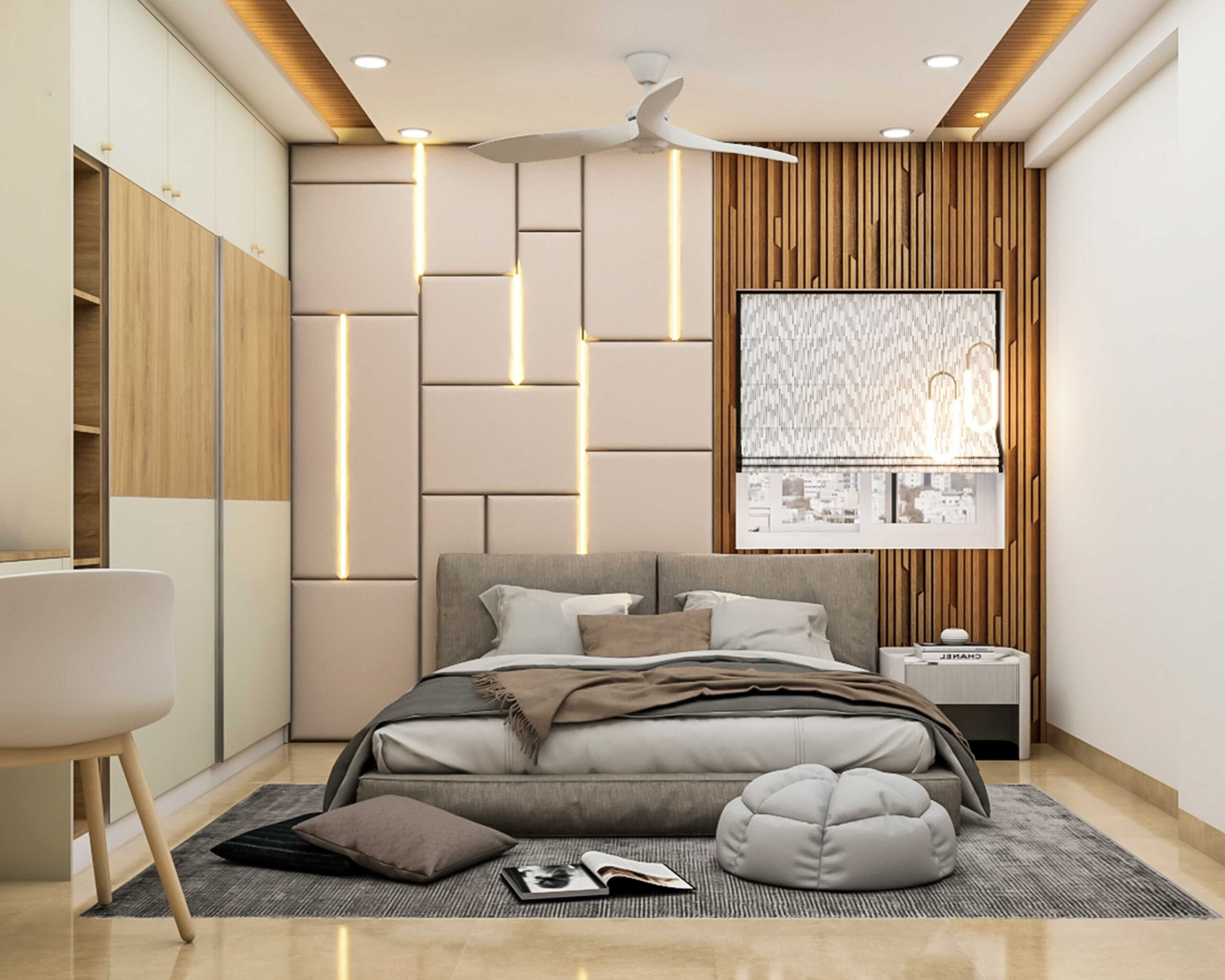
Bedrooms: These private sanctuaries benefit from clever organization. Headboards with integrated storage, dressers that match the room’s aesthetic, and nightstands that provide both functionality and visual interest. Even small details like a small bench with storage beneath can transform how a bedroom feels and functions.
Kitchens: This area sees the most daily activity, so every element should enhance rather than complicate life. Pull-out drawers instead of traditional cabinet doors, smart appliance placement, and countertops that are both beautiful and easy to clean. The goal is to make cooking and meal prep enjoyable rather than stressful.
Bathrooms: Space is often limited in bathrooms, but creative solutions can maximize both beauty and utility. Wall-mounted vanities that save floor space, medicine cabinets with built-in lighting, and storage solutions that keep essentials within reach while maintaining a clean look. Every detail should contribute to a spa-like experience that’s also practical.
Technology Integration Without Compromise
The digital age has brought new challenges and opportunities to interior design. Smart home technology can enhance functionality significantly, but it must be integrated thoughtfully to avoid overwhelming the space.
Consider how to incorporate technology seamlessly:
• Hidden wiring and outlets: Plan ahead for charging stations and smart devices so they don’t create visual clutter.
• Integrated screens and controls: Large flat-screen TVs that mount flush into walls, or smart thermostats that blend into existing decor.
• Voice-controlled features: These can make daily routines easier without requiring users to interact with visible devices.
The key is to let technology support your lifestyle rather than dominate it. When done right, smart features become invisible helpers that enhance your space’s functionality while keeping its aesthetic integrity intact. It’s about choosing technology that serves you, not the other way around.
Color Psychology and Emotional Impact
Colors in interior design aren’t just about personal preference – they have real psychological effects on how we feel and behave in spaces. Understanding color psychology helps create environments that are both beautiful and emotionally supportive.
Warm colors like reds and oranges tend to energize and stimulate conversation, making them great choices for dining areas and family rooms. Cool blues and greens promote calm and relaxation, ideal for bedrooms and bathrooms. Neutral tones like beige and gray provide a versatile backdrop that allows other design elements to shine while creating a sense of spaciousness.
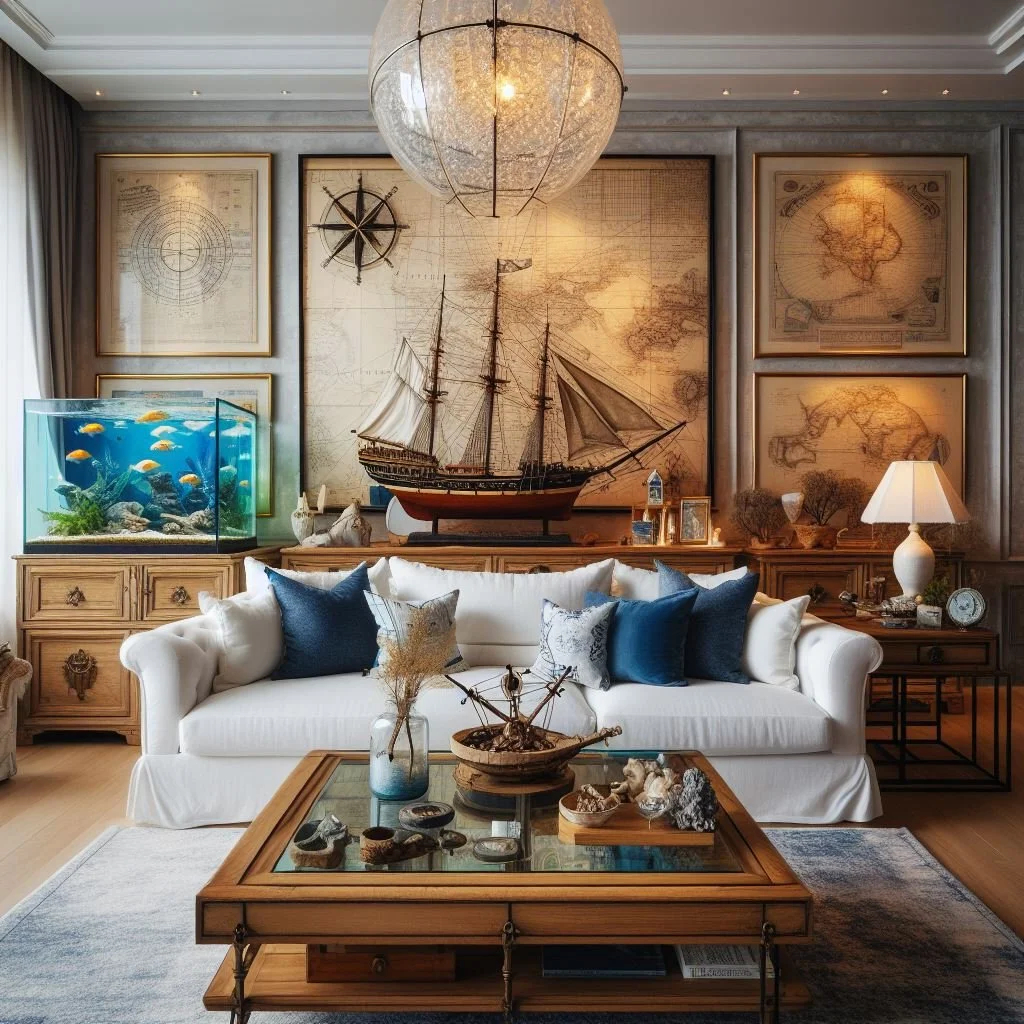
But it’s not just about choosing one color and sticking with it. Strategic use of accent colors can add visual interest without overwhelming the space. For example, a neutral base with pops of blue in throw pillows or artwork can create a calming yet dynamic environment. The challenge is balancing these emotional impacts with practical considerations like lighting conditions and the amount of natural light available in different areas of the home.
Sustainable Design Practices
Modern functional beauty also includes environmental responsibility. Sustainable design practices are becoming increasingly important as we consider the impact of our choices on future generations.
Some practical approaches include:
• Eco-friendly materials: Choosing sustainable wood, recycled metals, or low-VOC paints reduces environmental impact while often providing better quality.
• Durability over trends: Investing in pieces that will last longer means fewer replacements and less waste.
• Energy-efficient solutions: LED lighting, smart thermostats, and efficient appliances reduce utility costs and environmental footprint.
• Local sourcing: Supporting local artisans and suppliers reduces transportation emissions and supports community economic development.
When sustainability becomes part of the design philosophy rather than an afterthought, it enhances rather than limits aesthetic possibilities. Many sustainable materials actually bring unique textures and visual interest that enhance beauty while serving practical purposes.
Functional beauty isn’t some unreachable ideal or a trendy concept that will fade away. It’s a thoughtful approach to designing spaces that truly serve us while making us feel good. As we continue to navigate our increasingly busy lives, the demand for environments that support both our practical needs and our emotional well-being will only grow stronger. The homes that succeed in the coming years won’t be those that simply look good – they’ll be those that look good AND work well.
Whether you’re redesigning your entire home or just updating one room, remember that the best designs are those where every element serves a purpose and contributes to the overall harmony of the space. The journey toward functional beauty is ongoing, but every small step you take toward balancing form and function makes a real difference in how your home feels and functions. After all, the most beautiful spaces are those that make us want to stay and enjoy life.