What makes a drawing room truly timeless isn’t just its design aesthetic, but how well it serves the people who live there. It’s about creating spaces where laughter echoes, conversations flow naturally, and everyone feels welcome. These aren’t just rooms – they’re the heart of family life.
Every family has its own rhythm, its own way of spending time together. Some love quiet evenings with books, others prefer lively gatherings with friends. But regardless of your family’s unique style, there are certain drawing room layouts that have stood the test of time. These aren’t just pretty pictures in magazines – they’re carefully crafted spaces that work for real families in real homes. The secret lies not in following trends, but in understanding how people actually live, move, and interact in their living spaces.
The Corner Conversation Layout
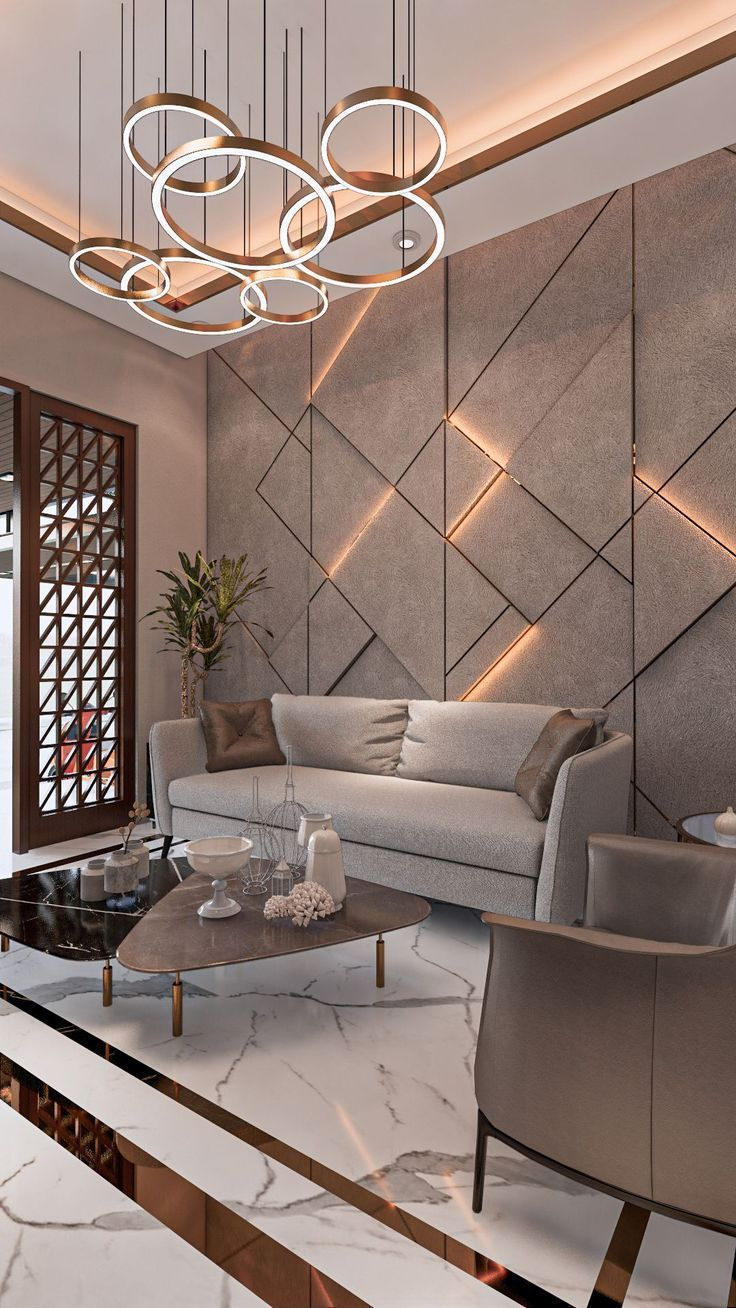
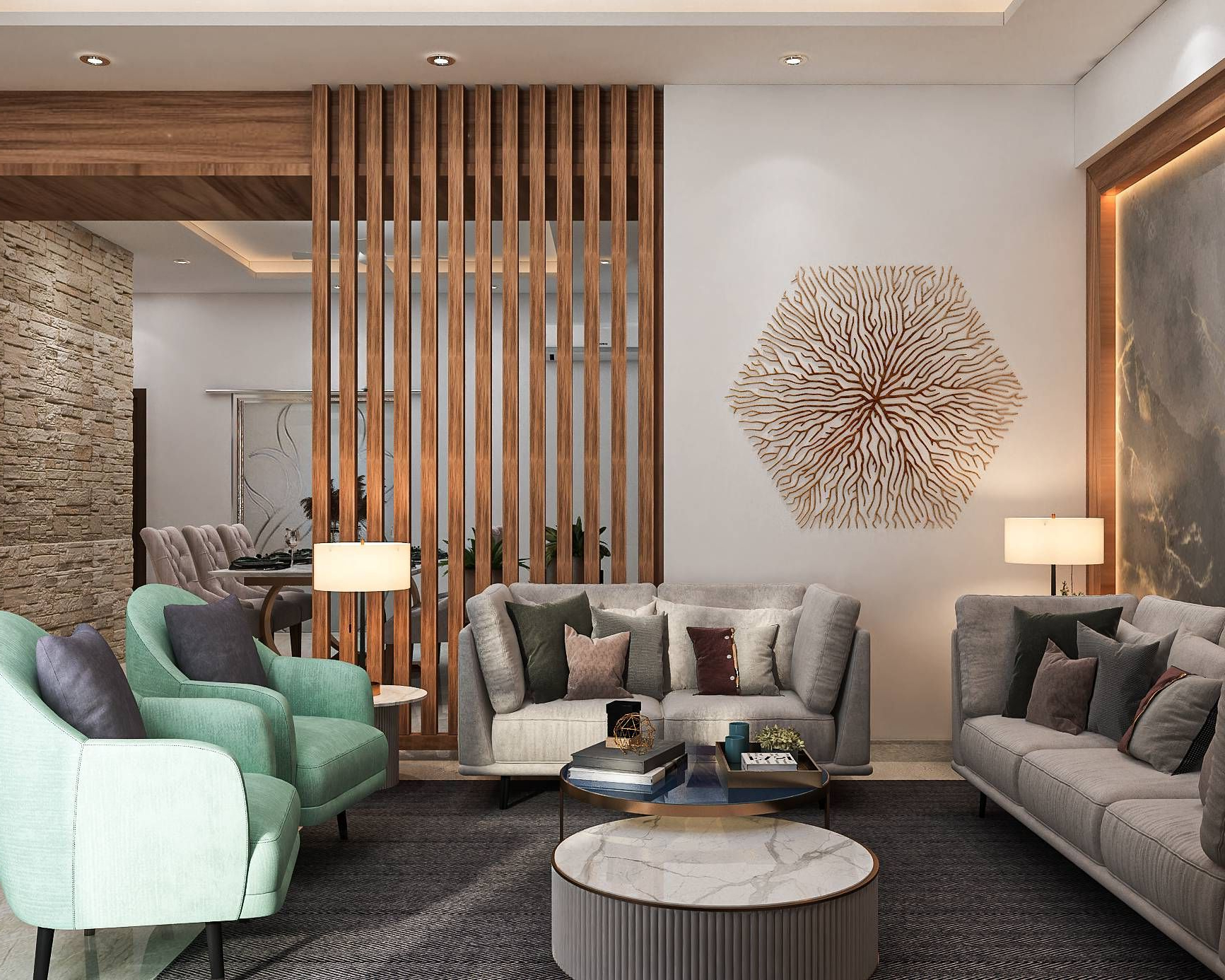
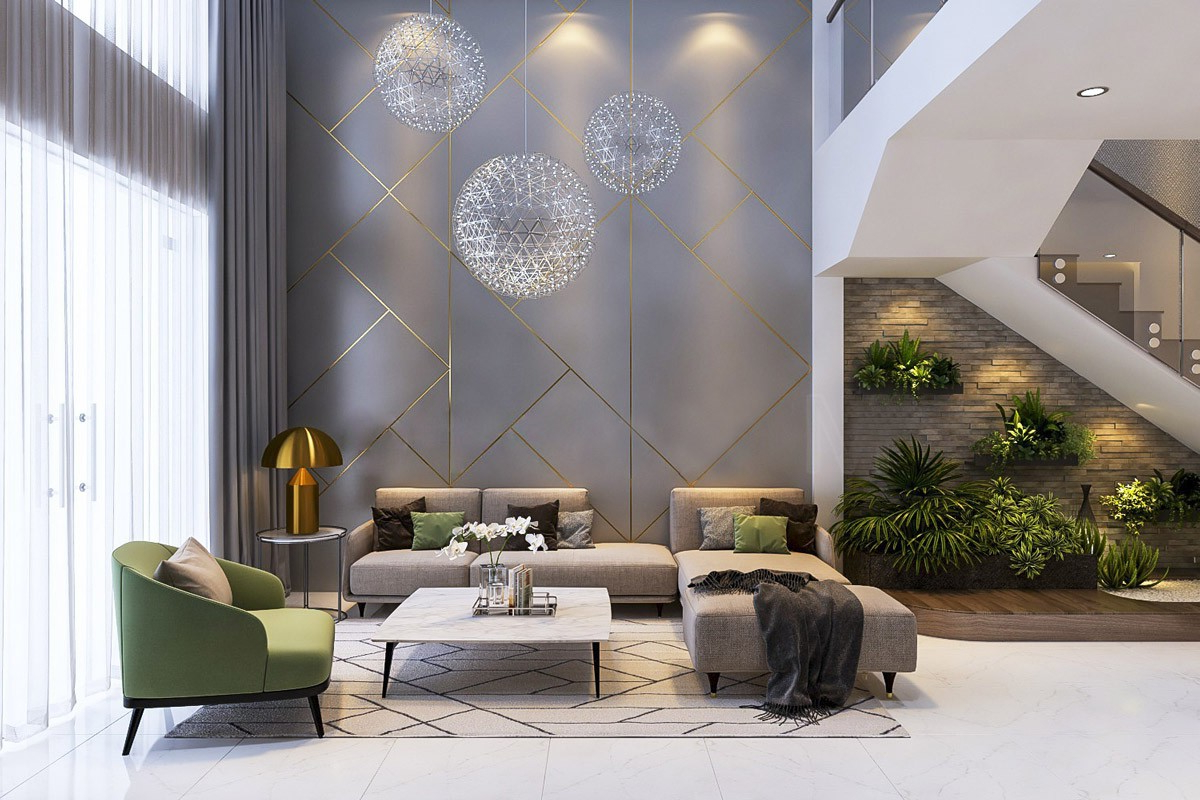
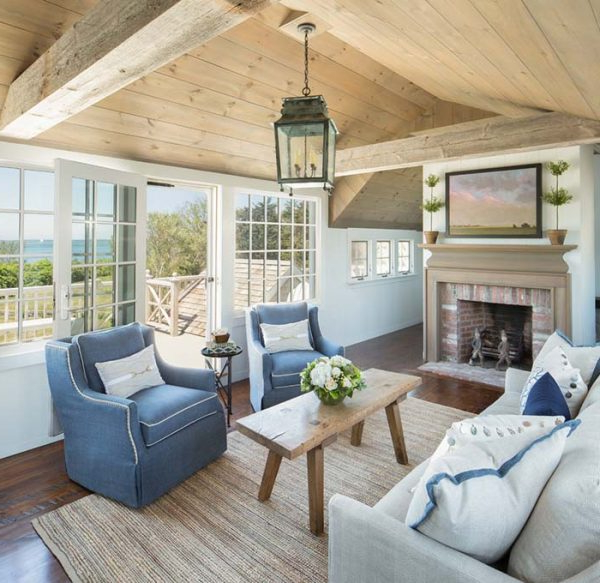
This classic setup uses the natural flow of a room to create intimate gathering spots. Picture a large sofa positioned against one wall, with a smaller armchair placed at an angle facing the main seating area. This creates a triangle of conversation that naturally draws people together. You’ll notice that families who use this layout often find themselves gravitating toward the center of the room for discussions. It’s particularly effective when you have children who might wander off during conversations. The corner arrangement keeps them within sight while still allowing for easy movement. Try placing a small side table between the two seating areas for drinks and snacks, making it simple for everyone to access refreshments without disrupting the flow of conversation. The beauty of this layout is that it adapts easily to different room sizes and shapes.
The Open Plan Flow Design
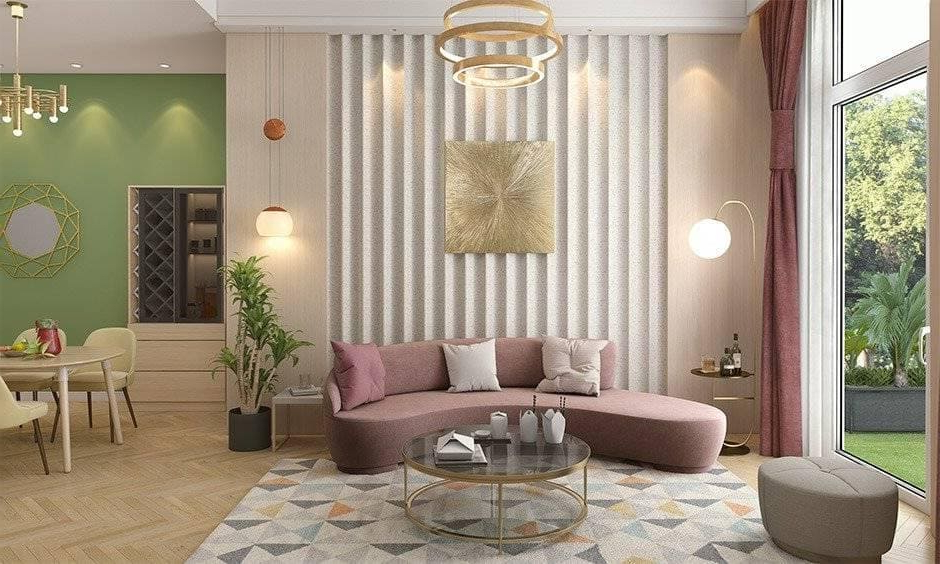
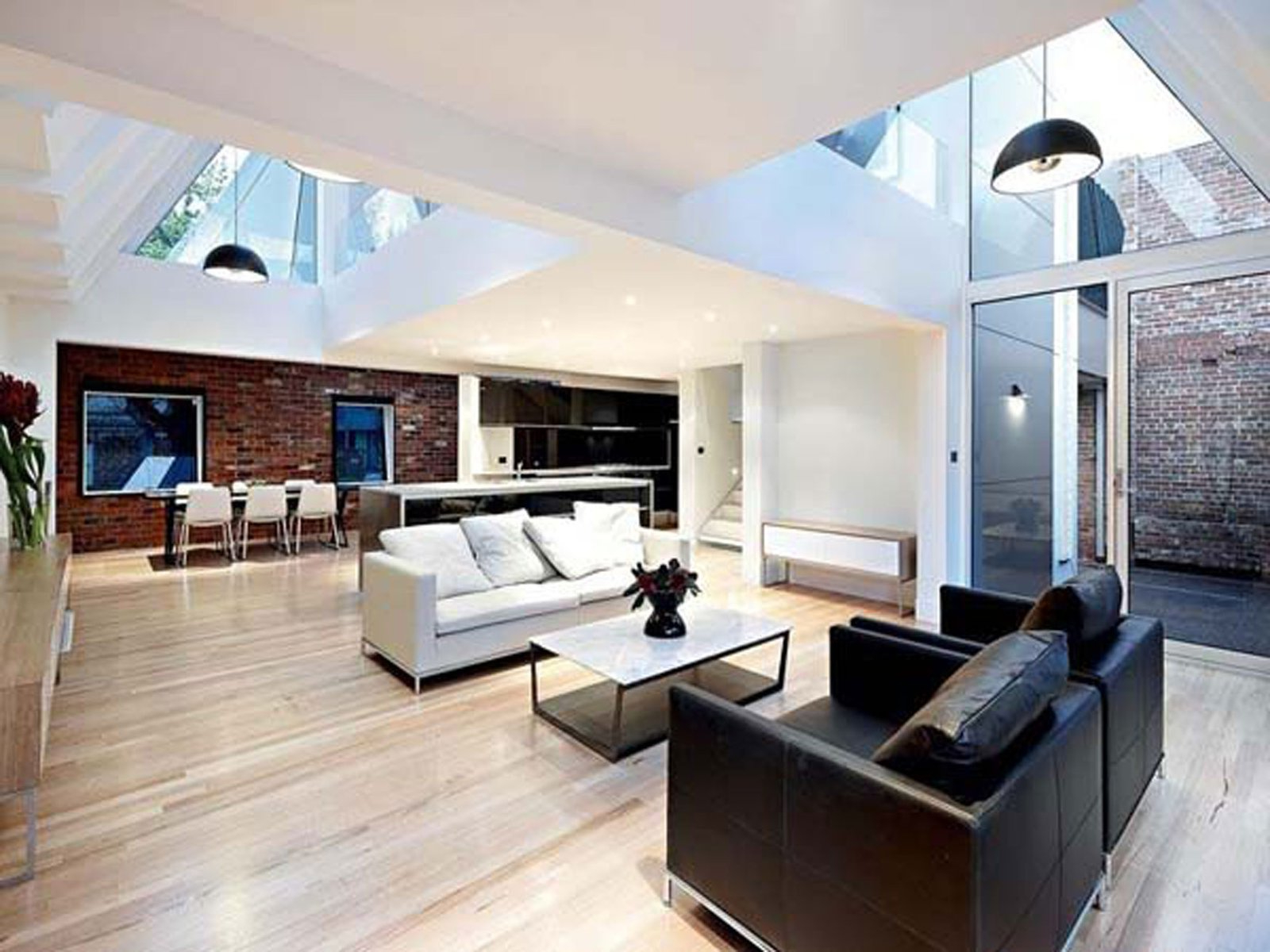
Modern families often want their living spaces to feel connected to other areas of the home. This approach breaks down traditional barriers between the drawing room and kitchen or dining area. The key is maintaining visual continuity while keeping distinct zones. Think of it like a gentle river that flows through multiple rooms rather than a series of separate ponds. This works especially well in larger homes where you want to encourage interaction between family members. For instance, parents can keep an eye on children playing in the adjacent space while still enjoying their own conversation. The challenge with this style is ensuring that each area still feels purposeful. You might use different flooring materials or lighting to define spaces without making them feel disconnected. Many families report that this layout makes them more likely to spend time together, even when doing different activities.
The Flexible Seating Configuration
Not all families follow the same schedule or preferences. Some days you want formal seating arrangements, others you need casual spaces. The flexible seating approach allows you to rearrange furniture based on your needs. Think of modular sofas that can be pulled apart for intimate conversations or pushed together for larger gatherings. This style works wonderfully for families with varying age groups – young children might prefer floor cushions while adults enjoy traditional seating. The key is having furniture pieces that can serve multiple purposes. A coffee table that doubles as a storage unit helps maintain order while providing a surface for games or crafts. Families using this approach often find they can adapt their space for everything from board game nights to quiet reading sessions. The secret ingredient? Good lighting that can change with the mood of the moment.
The Natural Light Integration Method
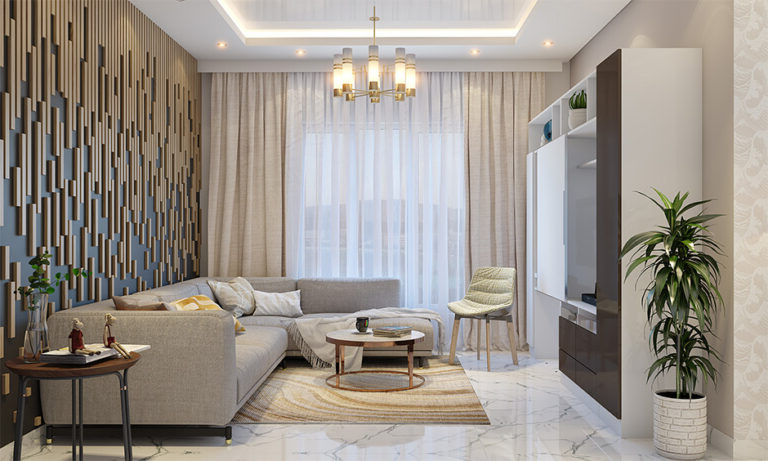
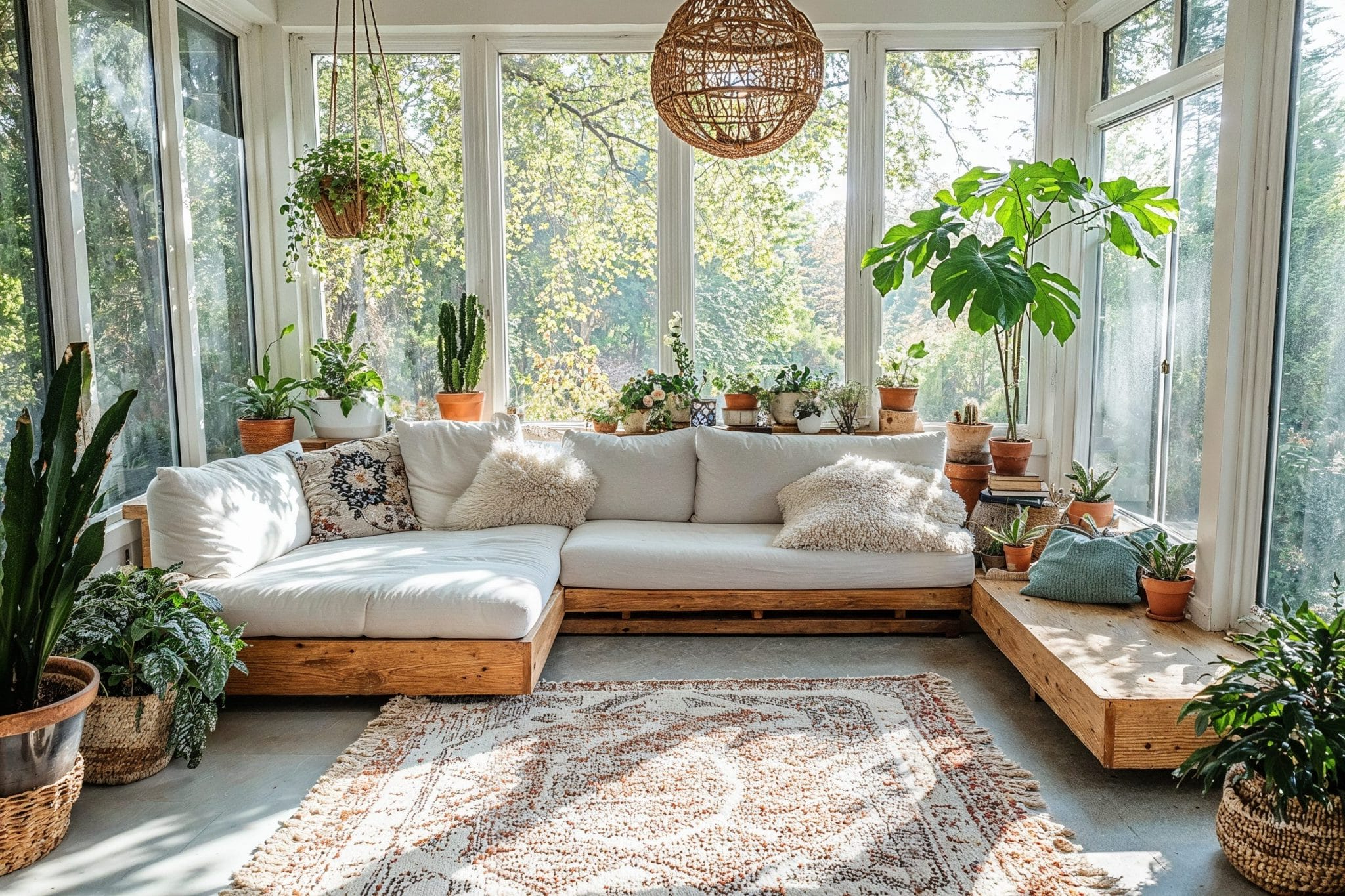
Sunlight isn’t just good for your mood – it changes how people behave in a room. Rooms that embrace natural light tend to feel more welcoming and encourage longer stays. This doesn’t mean you need expensive window treatments, though they certainly help. The key is positioning furniture to take advantage of light sources. If you have a large window, place seating so that people face it naturally. This creates a sense of connection to the outside world, which many families find comforting. During evening hours, the challenge becomes creating ambient lighting that doesn’t compete with natural light. Many families discover that they spend more time in rooms that feel bright and airy. It’s not just about the aesthetics – research shows that natural light exposure affects our circadian rhythms and overall well-being. Consider using mirrors strategically to reflect light deeper into the room.
The Multi-Functional Space Approach
In today’s world, families need rooms that do double duty. A drawing room that serves as both a relaxation area and a workspace has become increasingly common. This requires careful planning to ensure that one function doesn’t interfere with another. You might have a designated corner for reading or hobbies, with a separate area for family activities. The trick is creating clear boundaries without feeling partitioned. Built-in shelving can serve as both storage and display areas, while a small desk tucked into a corner provides professional space without dominating the room. Families with working parents often appreciate having a space where they can check emails or work while children are nearby. The important thing is maintaining balance – too much work space can make the room feel cold, while too much leisure space can lack structure. Look for furniture that can transition easily between uses.
The Family Memory Wall Concept
The best drawing rooms tell stories. They hold photographs, artwork, and mementos that remind everyone of shared experiences. This concept goes beyond decoration – it’s about creating visual narratives that connect people to their history. Consider a designated wall area where family photos, children’s artwork, and travel souvenirs can be displayed. This space doesn’t need to be elaborate, but it should be meaningful. Many families start with a simple frame or shelf and build upon it over time. The key is making it personal rather than generic. You might rotate seasonal displays or create themed sections for holidays and celebrations. This approach works particularly well in homes where children are growing up, as it provides a visual timeline of family life. The emotional connection created by these displays often leads to more meaningful conversations and shared memories.
The most successful drawing room layouts aren’t those that look perfect on Pinterest, but rather those that genuinely support how families live and grow together. Whether you choose the cozy corner conversation setup or the open plan flow, the real magic happens when you consider how people will actually use the space. These timeless approaches focus on flexibility, comfort, and connection – elements that remain constant even as design trends come and go. Remember, your drawing room should feel like a reflection of your family’s character, not just a showcase of what looks nice. The best spaces are those where everyone feels comfortable being themselves, whether they’re deep in conversation or simply relaxing after a busy day. The right layout can transform a house into a home that truly serves everyone who lives there.