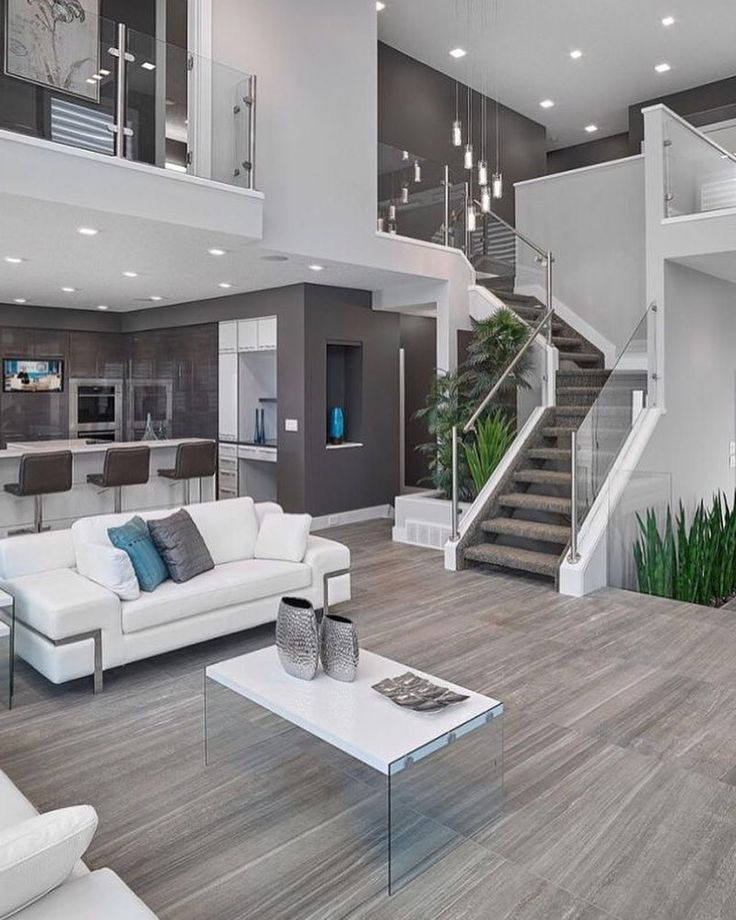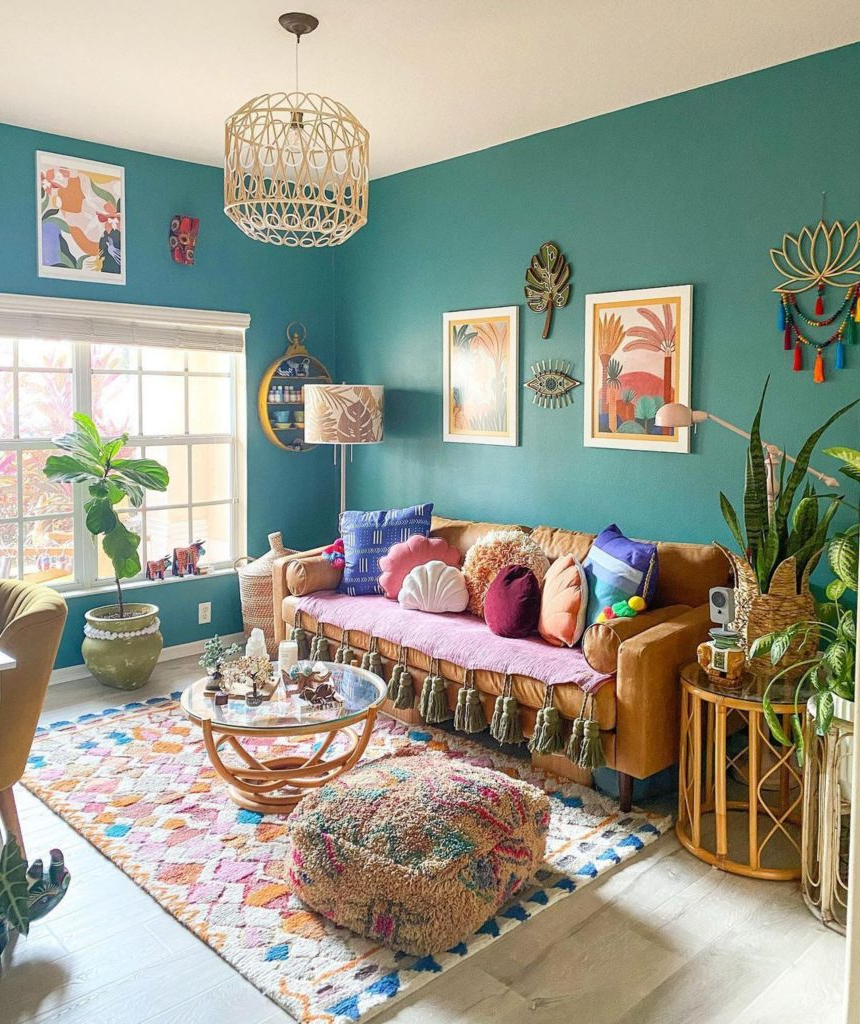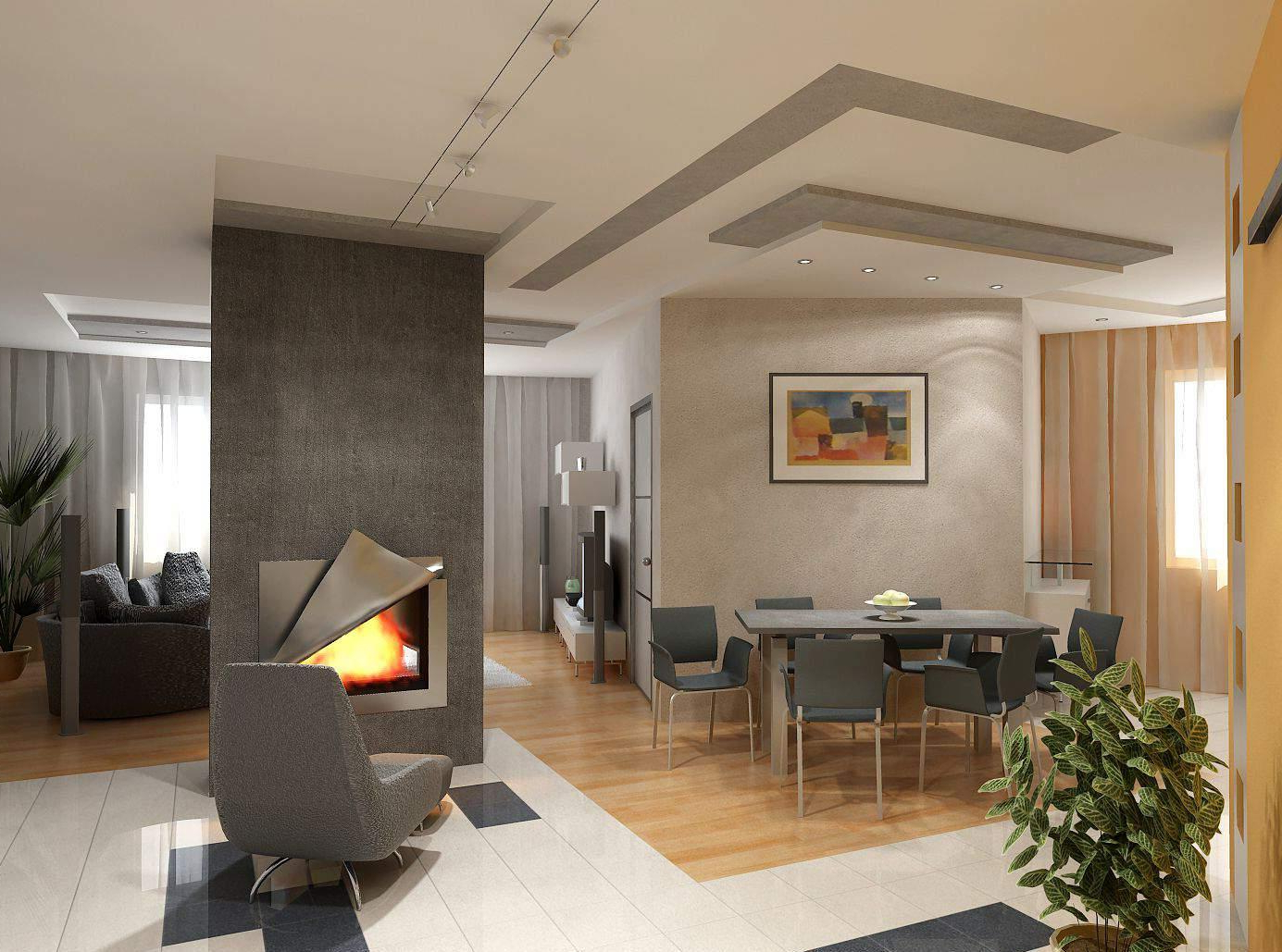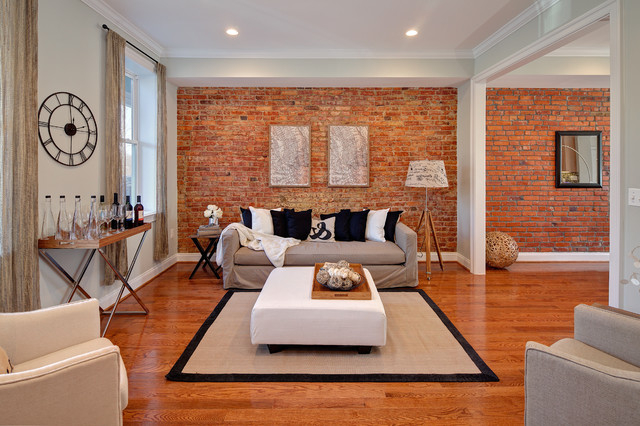
Imagine walking into a room where every element works together to create an atmosphere of refined elegance. That’s exactly what happens when you embrace the power of black interior design trends. It’s not just about painting walls black or buying dark furniture – it’s about understanding how this dramatic color can become the foundation for creating truly memorable spaces. Whether you’re looking to refresh your living room, transform your bedroom, or simply add some personality to your kitchen, black design elements can work wonders when used correctly.
Black interior design has evolved far beyond simple darkness. Today’s approach celebrates the rich textures, bold statements, and sophisticated elegance that black can bring to any space. Think of it less as a color and more as a powerful design tool. The key lies in how you incorporate it – whether through dramatic accent walls, carefully selected furniture pieces, or subtle touches that create depth and visual interest. This isn’t about overwhelming your senses with pure black; it’s about strategic placement and thoughtful balance that makes every element feel intentional and purposeful. When done right, black becomes the star of the show, pulling together all other design elements into a cohesive, elevated aesthetic.
The Power of Black as a Design Foundation
Black works best when used strategically rather than everywhere. The secret sauce? Understanding that black acts like a magnet, drawing attention and creating focal points. When you choose to use black as a base color, you’re essentially creating a canvas that allows other elements to shine brighter. This means lighter colors pop more vibrantly against black backgrounds, while textures and materials gain added dimension. Consider starting small – perhaps with a black coffee table or dining chairs – before expanding to larger elements like accent walls or statement furniture pieces. The beauty of black is its versatility; it can make a room feel both intimate and expansive, depending on how it’s implemented. You might find yourself surprised by how much more dramatic and sophisticated your space feels once you’ve embraced this powerful design element.
Texture and Material Play with Black Elements
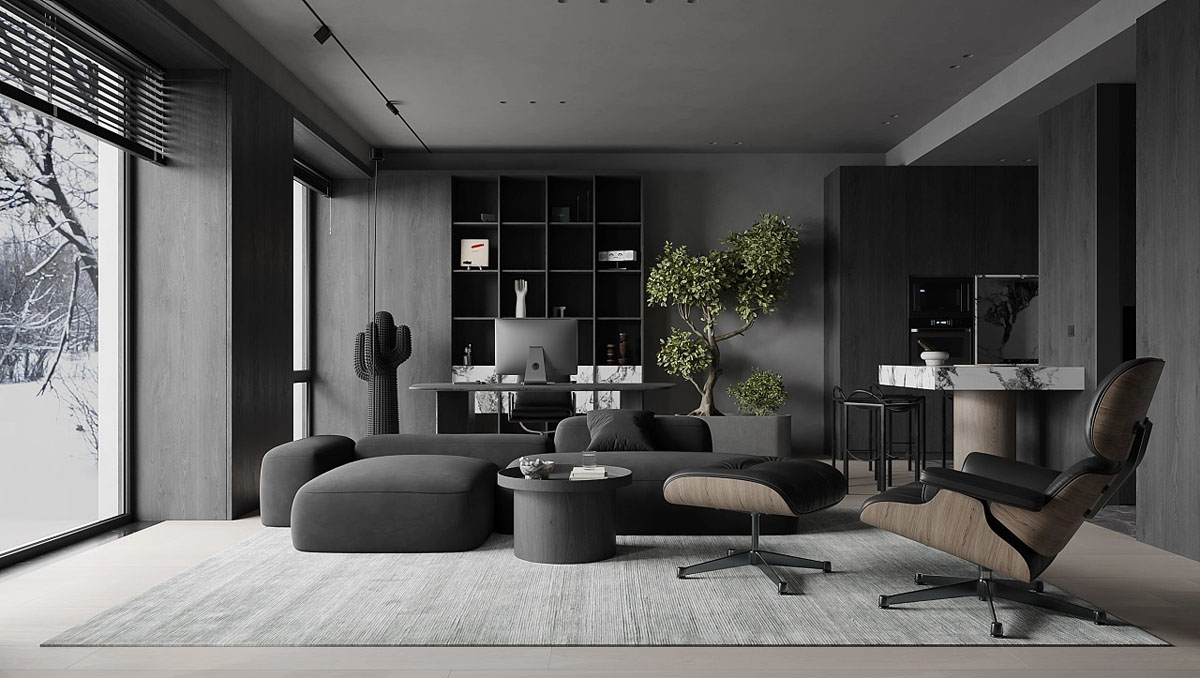
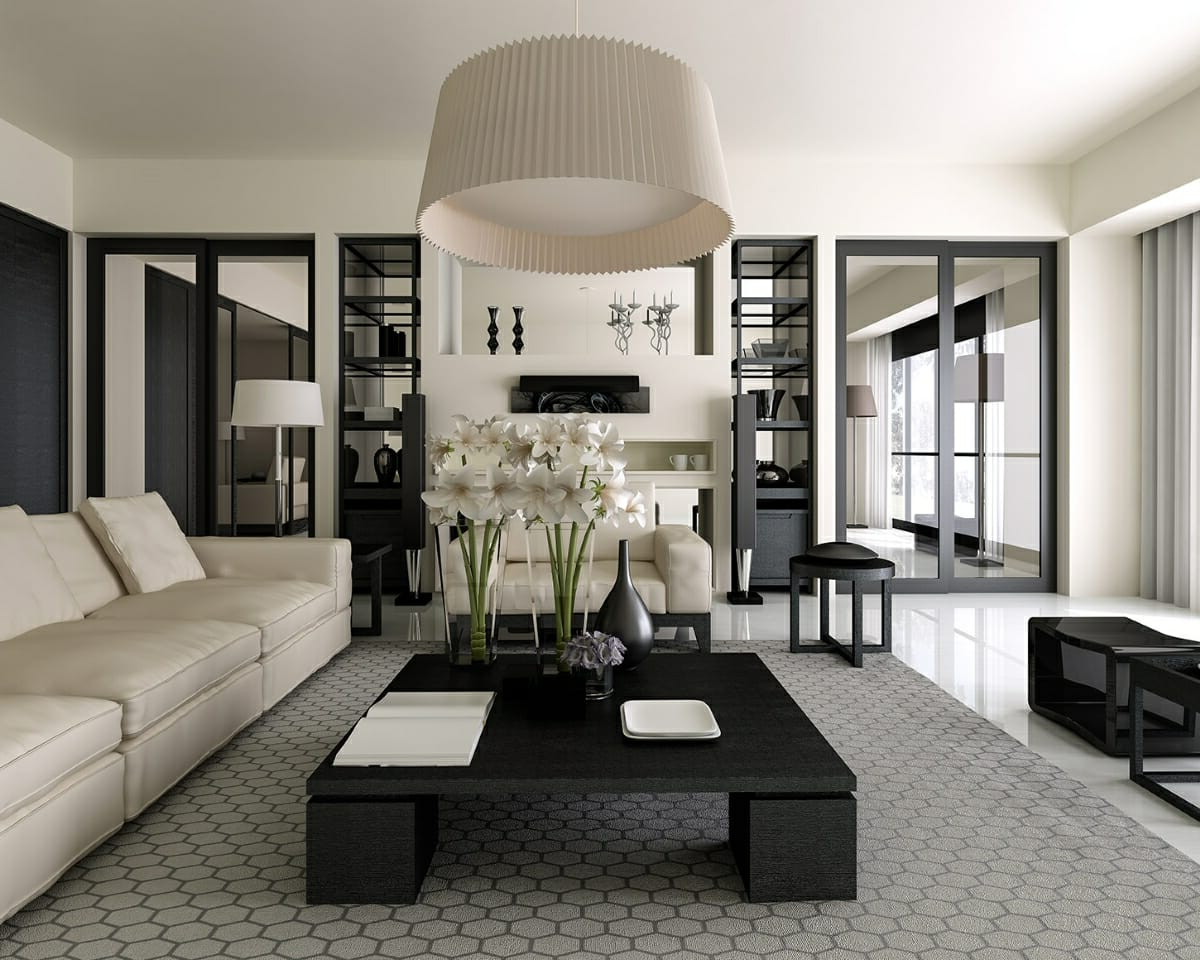
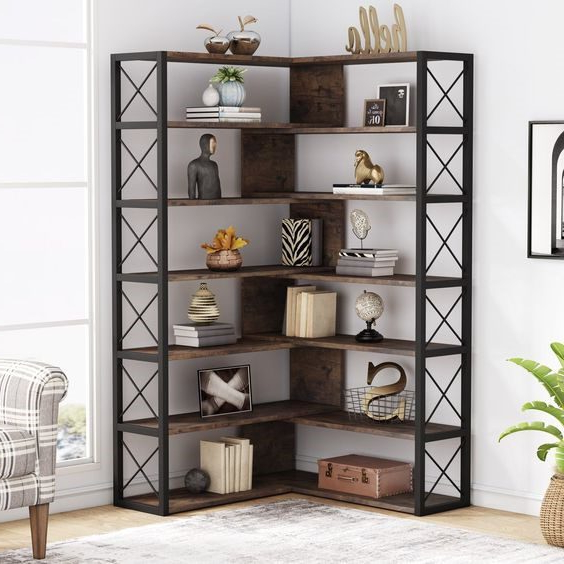
One of the most exciting aspects of black interior design is how different textures can transform the look and feel of a space. A black leather sofa creates an entirely different vibe than a black velvet chair or a matte black console table. The interplay between glossy, matte, and textured surfaces adds layers of visual interest that prevent the space from feeling flat or monotonous. Think about incorporating various materials like brushed steel, polished wood, or even natural stone alongside your black pieces. These combinations create dynamic contrast that keeps the eye engaged. For instance, a black marble coffee table paired with brass fixtures and warm wooden accents creates a balanced look that feels both contemporary and timeless. The key is to ensure that each material complements the others rather than competing for attention.
Lighting as Your Black Design Partner
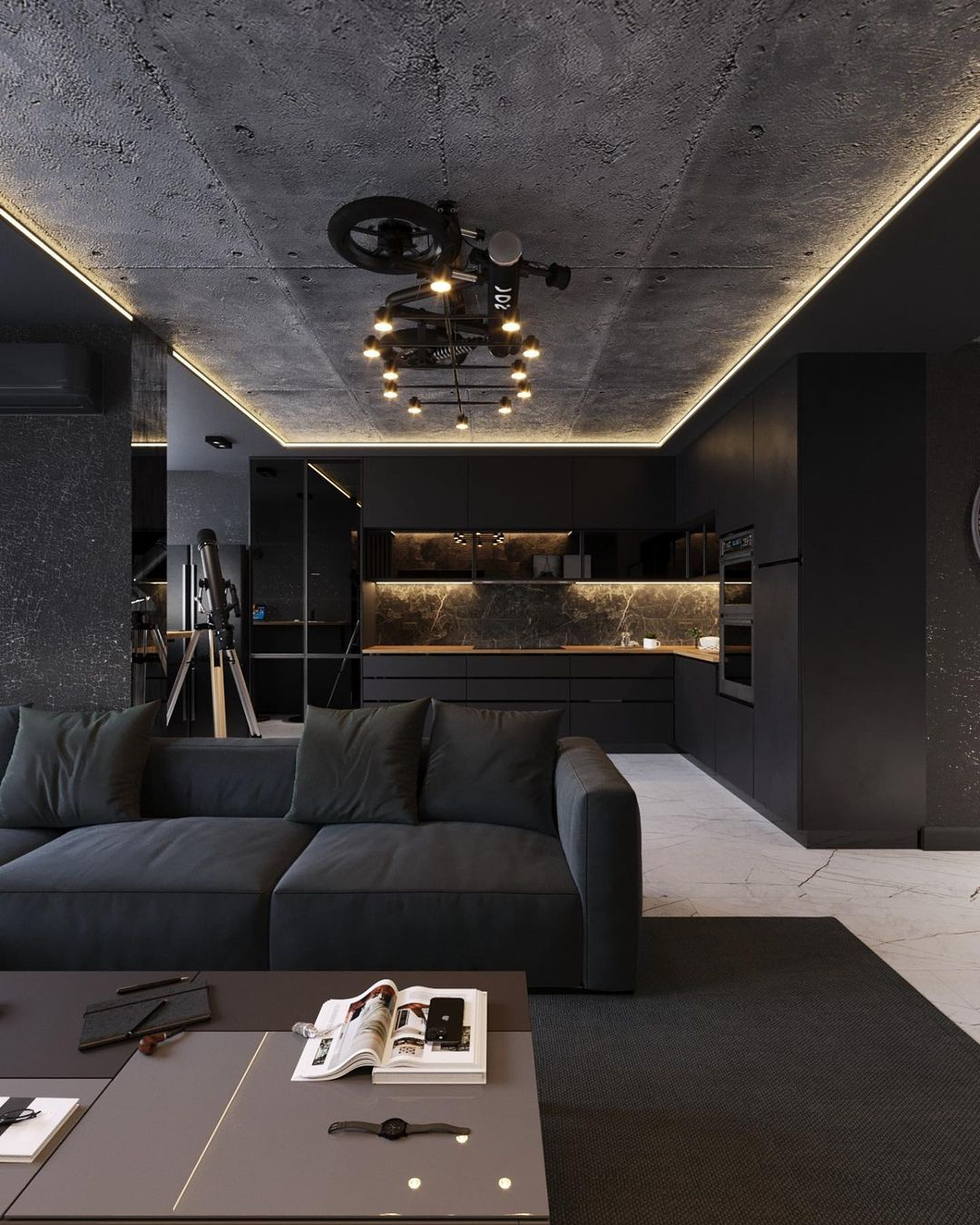
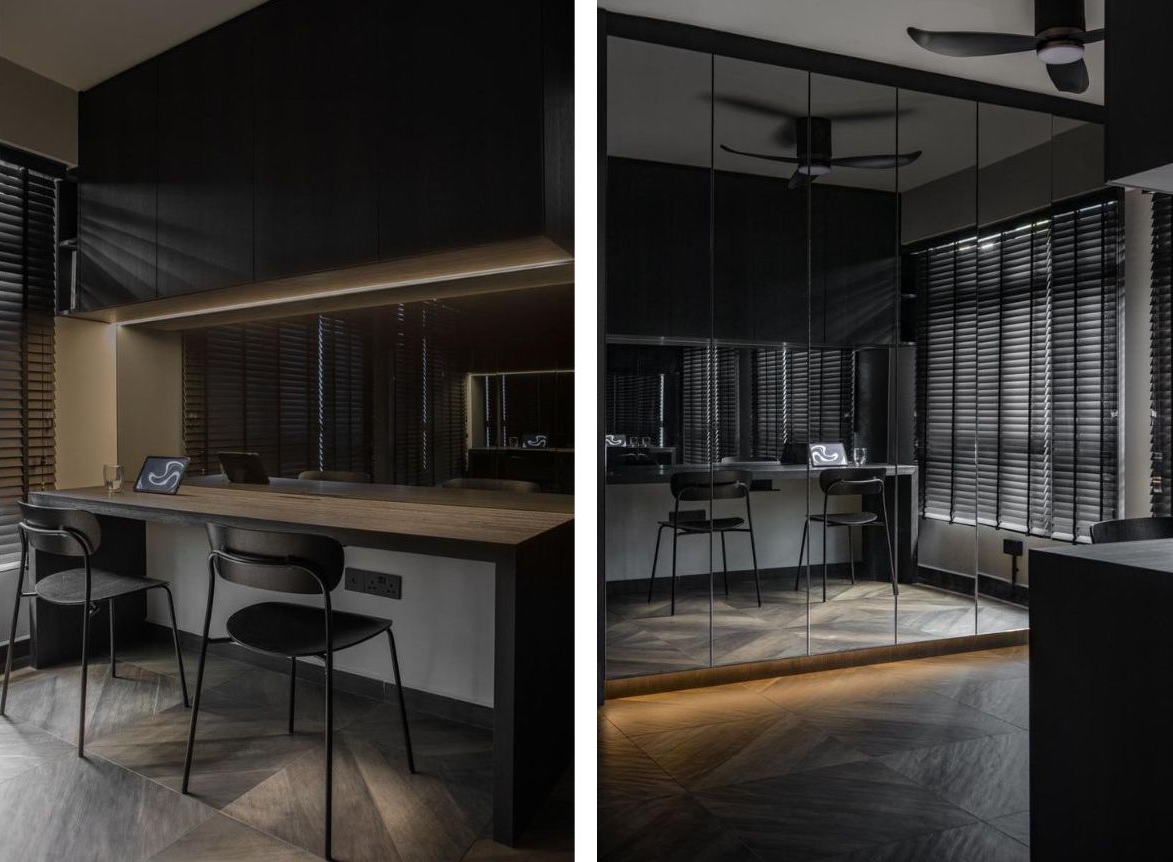
Proper lighting can make or break a black interior design scheme. Natural light is incredibly important, but artificial lighting becomes absolutely crucial when working with dark tones. The right fixtures can highlight textures, create shadows that add depth, and ensure that your space doesn’t feel oppressive. Consider layered lighting – ambient, task, and accent lights all working together. Pendant lights with warm tones can soften the intensity of black surfaces, while recessed lighting can create dramatic shadows. Smart lighting systems allow you to adjust the mood throughout the day, which is especially helpful in smaller rooms where black might feel overwhelming. Sometimes, the most effective approach is to let black do its job of creating drama while ensuring that light is never forgotten as a vital component of the overall design.
Color Coordination Around Black Spaces
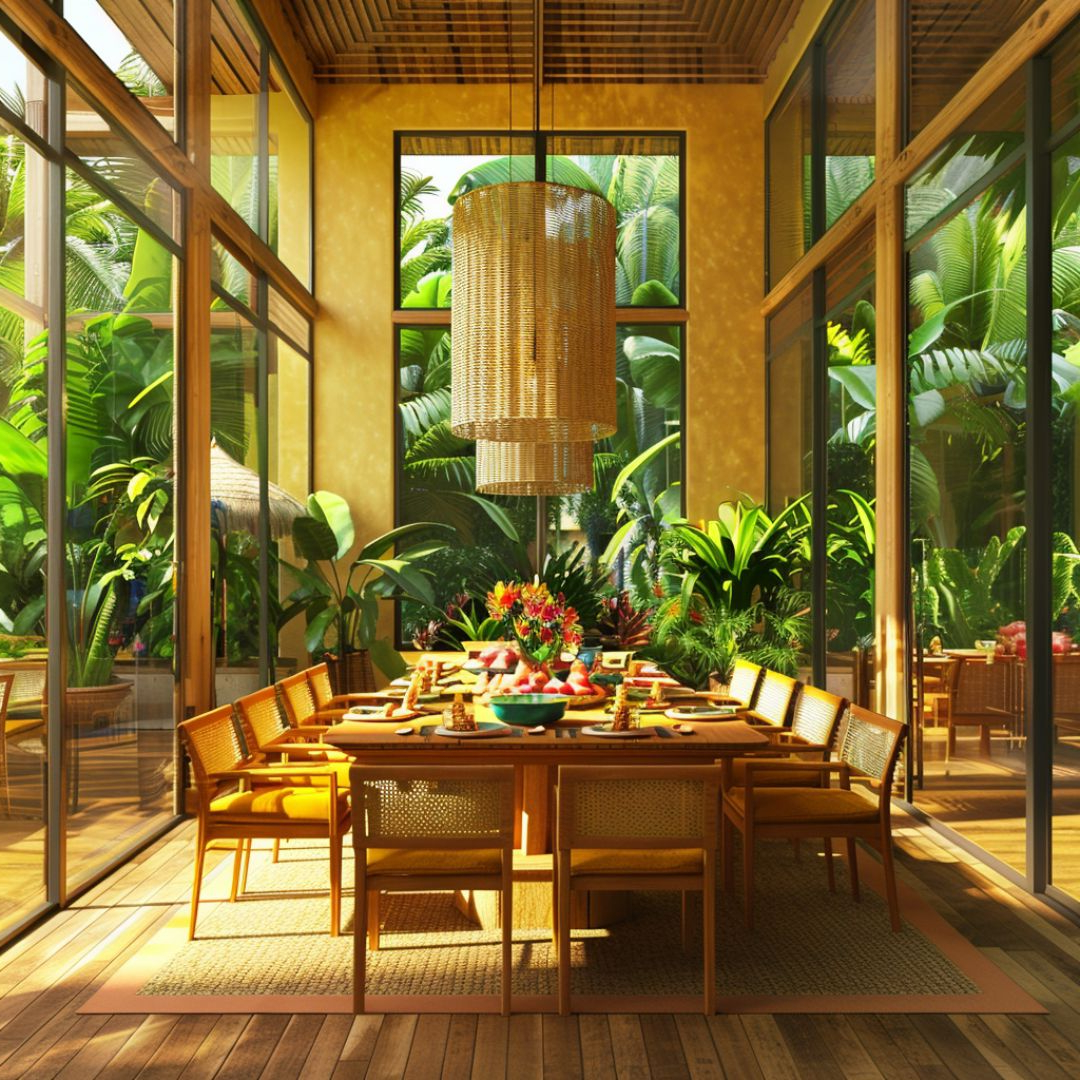
Working with black doesn’t mean you have to abandon color entirely. In fact, the opposite is often true – black provides the perfect backdrop for showcasing other hues. The key is choosing complementary colors that enhance rather than compete with the black. Warm golds, soft creams, and deep emerald greens all pair beautifully with black, creating sophisticated combinations that feel intentional rather than forced. Don’t overlook neutral tones either – whites, beiges, and grays can create elegant contrast that prevents the space from feeling too heavy. When selecting accent colors, consider using them in smaller doses first – throw pillows, artwork, or decorative objects. This allows you to test how well the combination works before committing to larger elements. Remember, black is a versatile partner that can make other colors appear richer and more vibrant.
Strategic Placement of Black Furniture and Decor
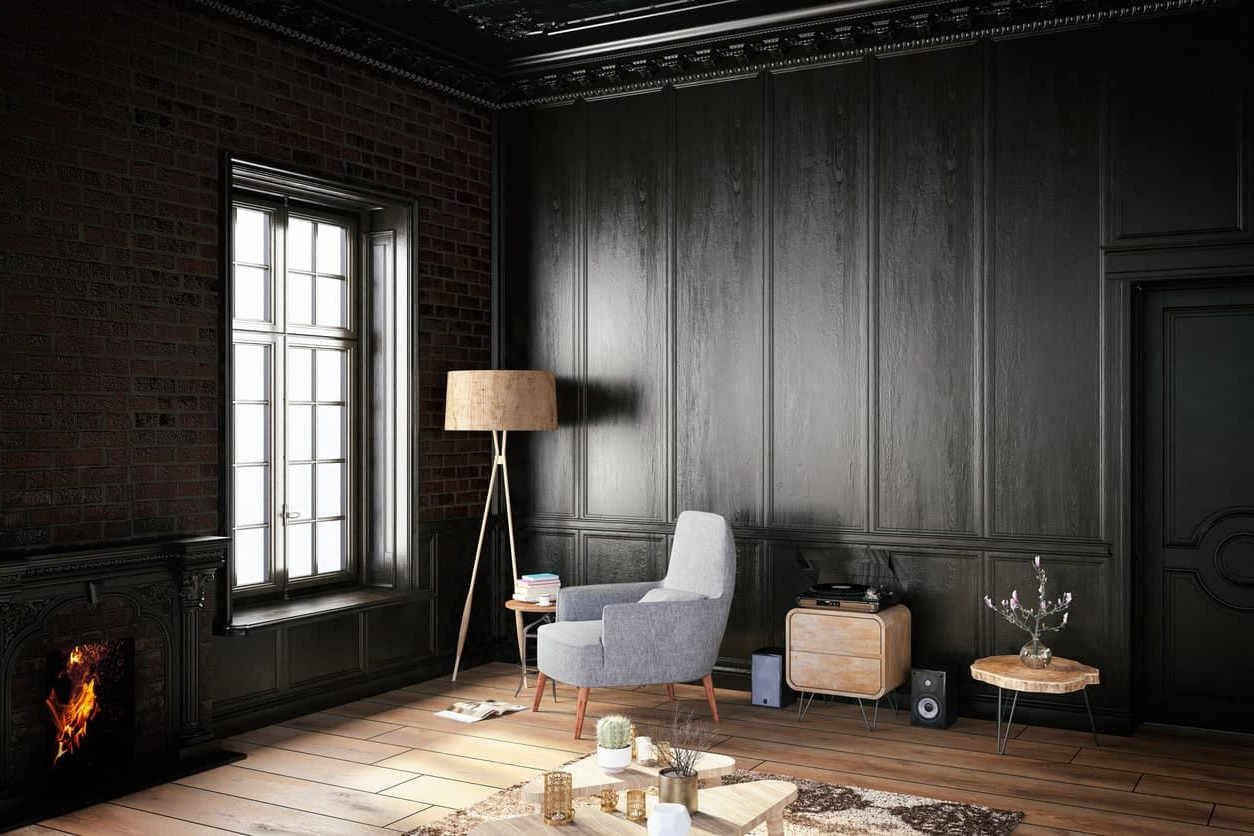
When it comes to incorporating black furniture, less is often more. Choose one or two statement pieces rather than trying to fill every corner with black items. A black dining table can anchor a room beautifully, while a single black side table can create visual balance. Pay attention to scale – large black furniture pieces can dominate small spaces, while smaller black accents can provide just the right amount of sophistication. The placement matters too. Position black elements where they’ll create visual anchors – perhaps a black console table behind a sofa or a black chair in a corner that draws the eye. Consider how black furniture interacts with existing elements in the room. If you have a lot of natural wood, black can create an interesting contrast that feels modern and fresh. The goal is to let black work as a unifying force rather than a chaotic element.
Transforming Small Spaces with Black Design Elements
Black interior design can actually make small spaces feel larger when used thoughtfully. The key is strategic placement and careful consideration of how black affects perception. Light-colored walls with black accents can create a sense of depth, while black floors can make ceilings appear higher. Mirrors become particularly powerful when placed near black elements – they reflect light and create the illusion of more space. Consider using black in smaller, more focused areas rather than covering entire walls. For example, a black accent wall in a small living room can create a dramatic focal point without overwhelming the space. The trick is to balance black with plenty of light and reflective surfaces. This approach can make even the smallest room feel dramatic and sophisticated without sacrificing functionality or comfort.
Black interior design offers endless possibilities for transforming any space from ordinary to extraordinary. The key lies in understanding that black is not just a color, but a design philosophy that emphasizes intentionality, balance, and sophistication. Whether you’re starting with a complete overhaul or simply adding one black element to spice things up, remember that confidence in your choices will always yield better results than hesitation. The most successful black designs combine drama with comfort, creating spaces that are both visually striking and livable.
Don’t be afraid to experiment and see what works for your unique space and lifestyle. With thoughtful planning and the right approach, black can become your greatest design ally, helping you create rooms that feel both contemporary and timeless. The magic happens when you stop seeing black as something to fear and start viewing it as a powerful tool for expressing your personal style and creating truly memorable environments.