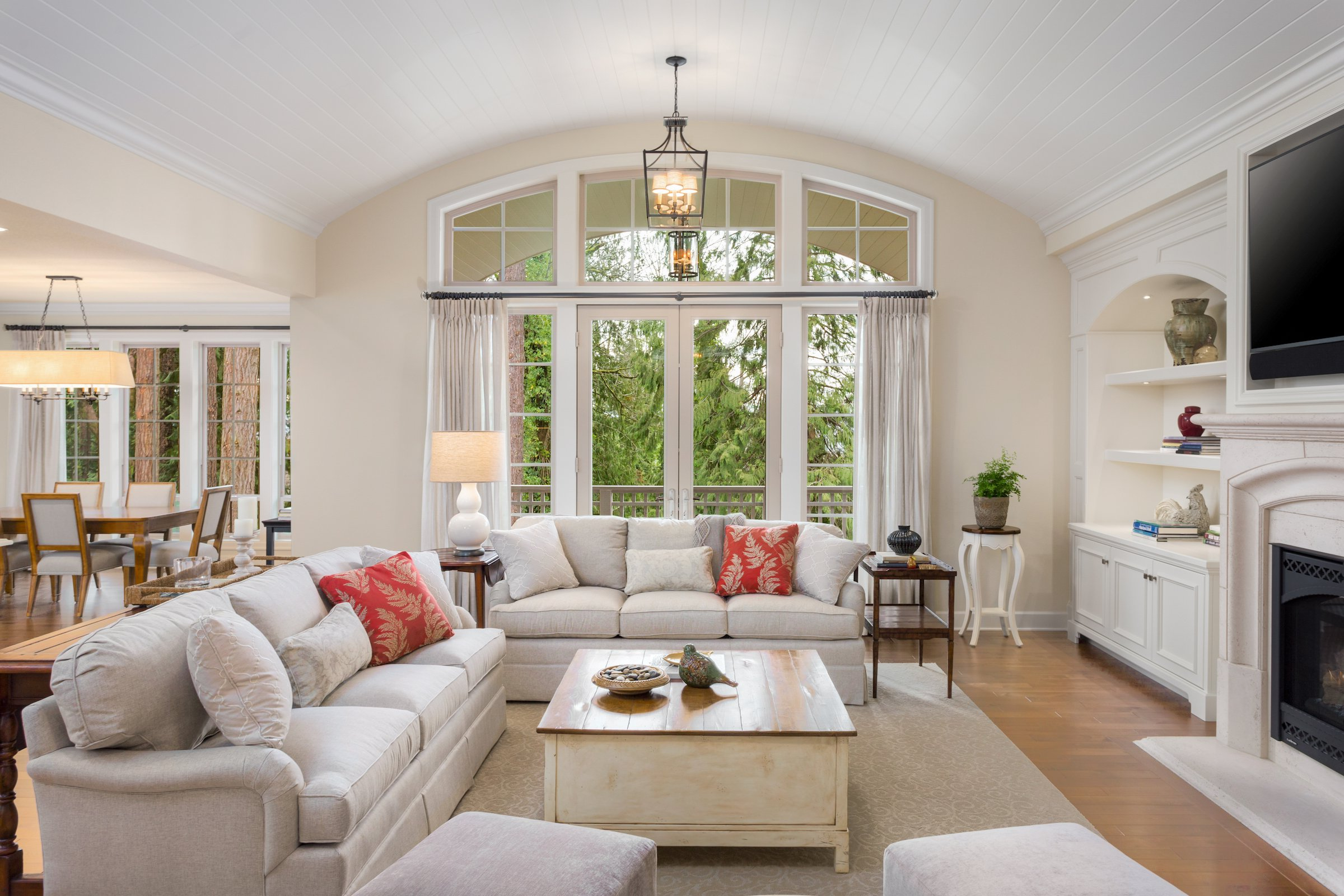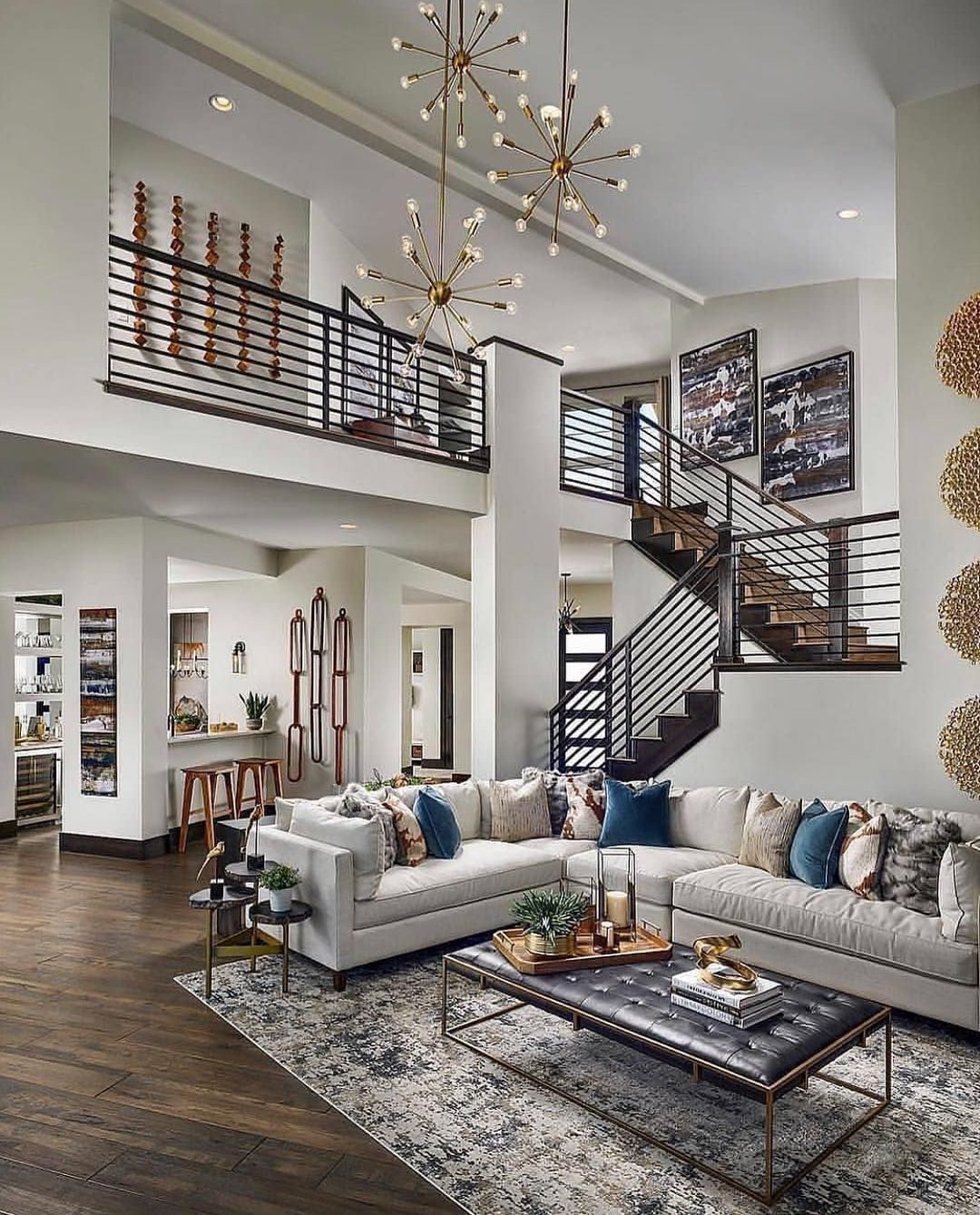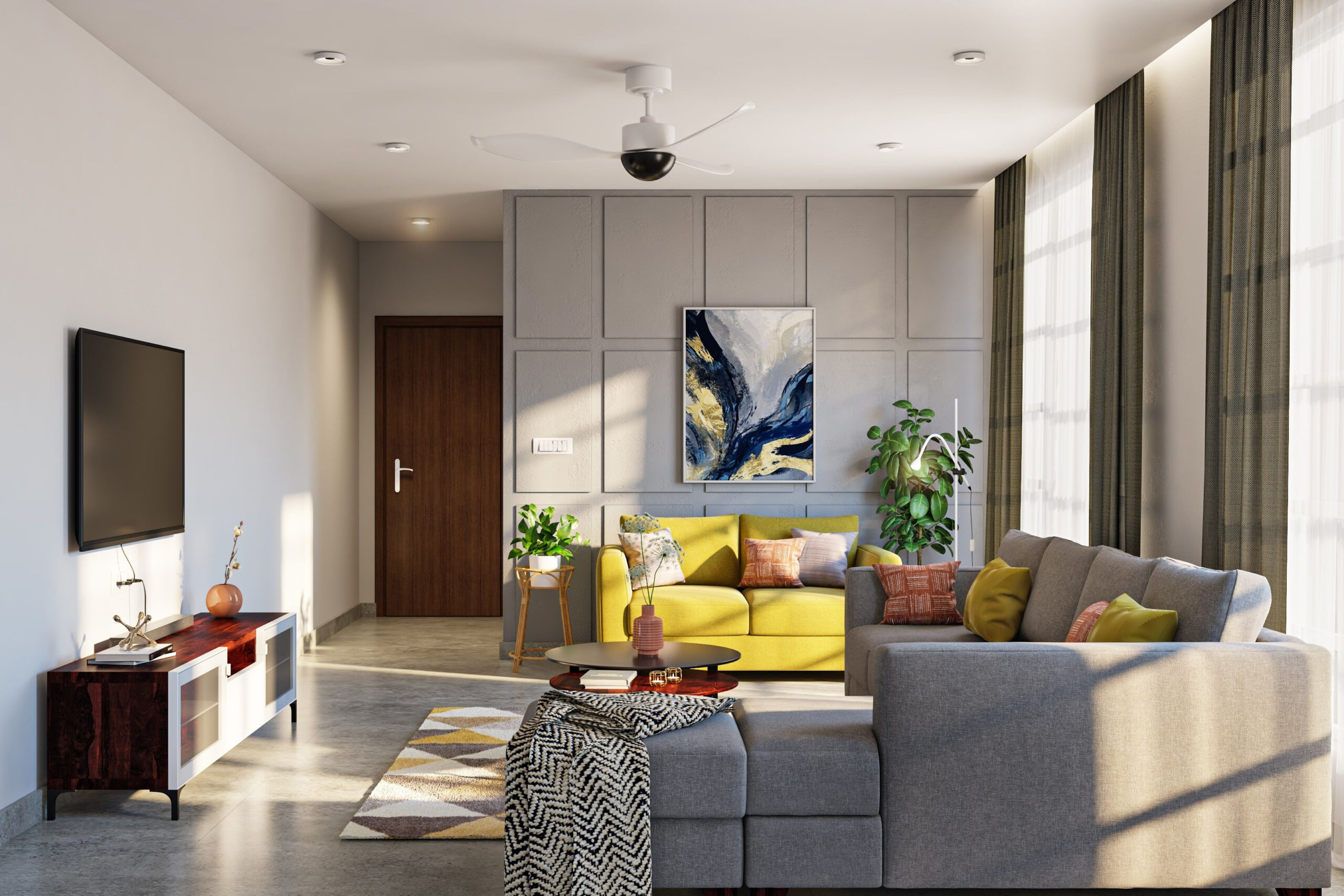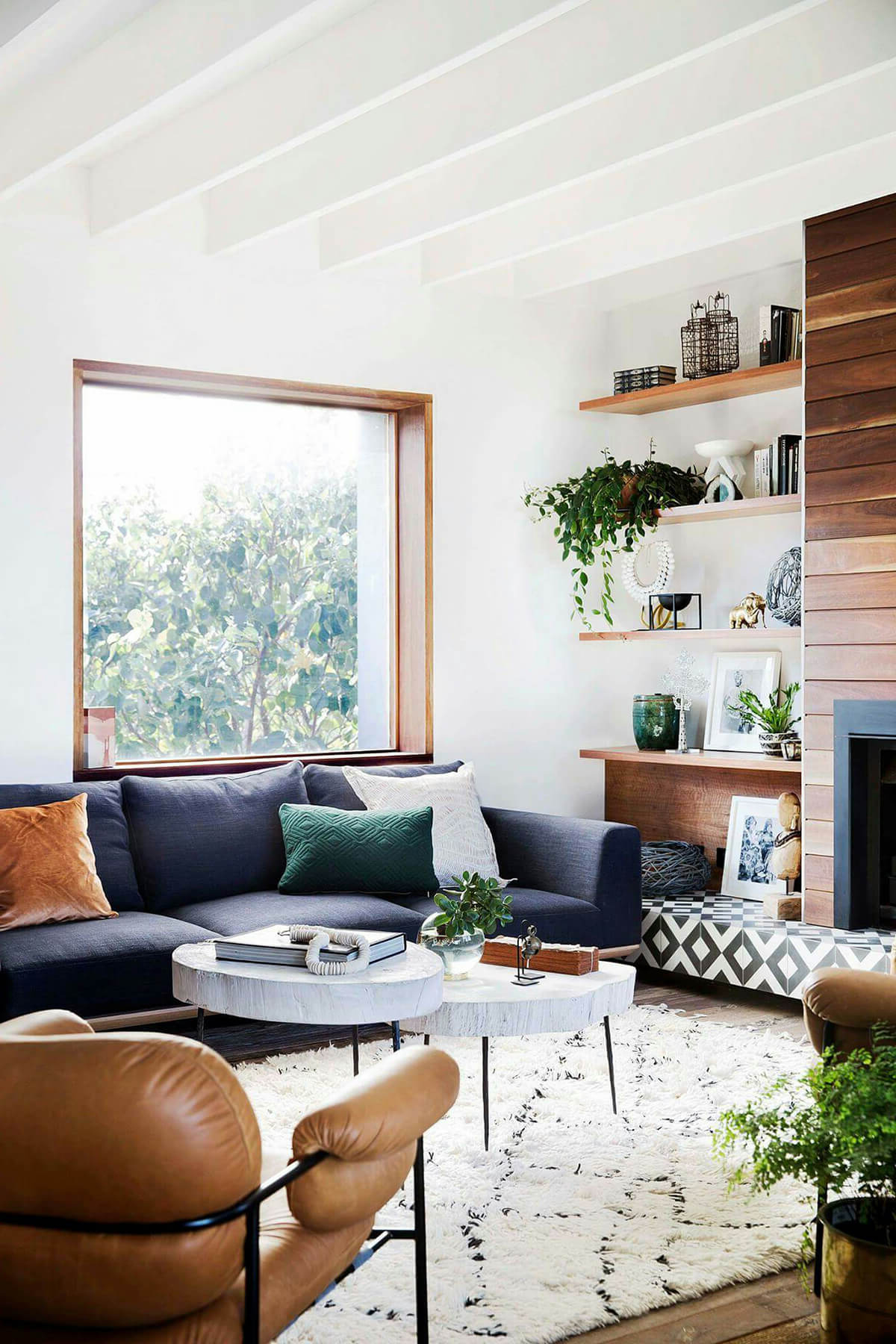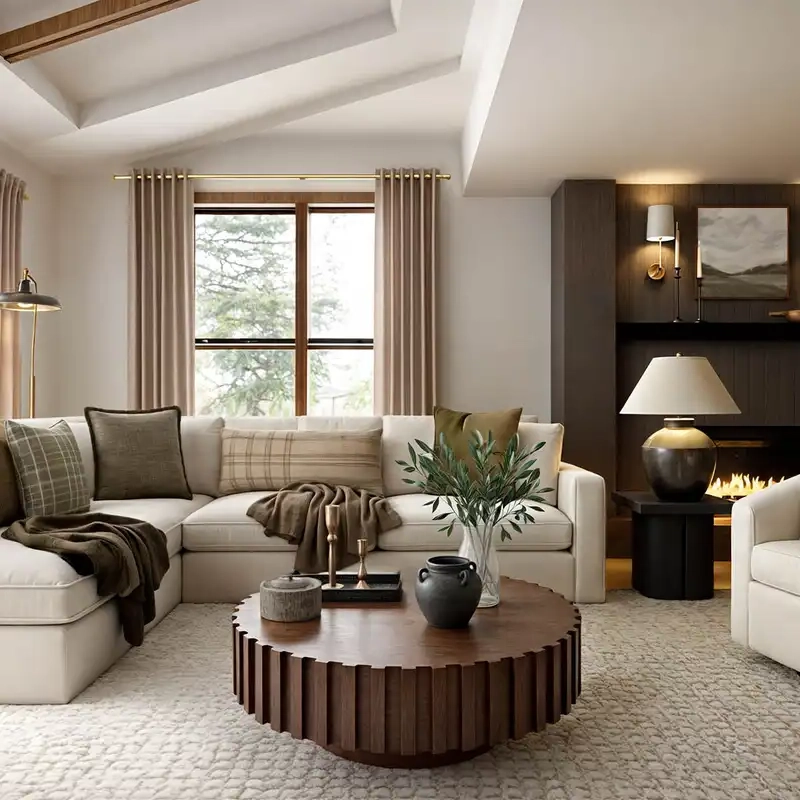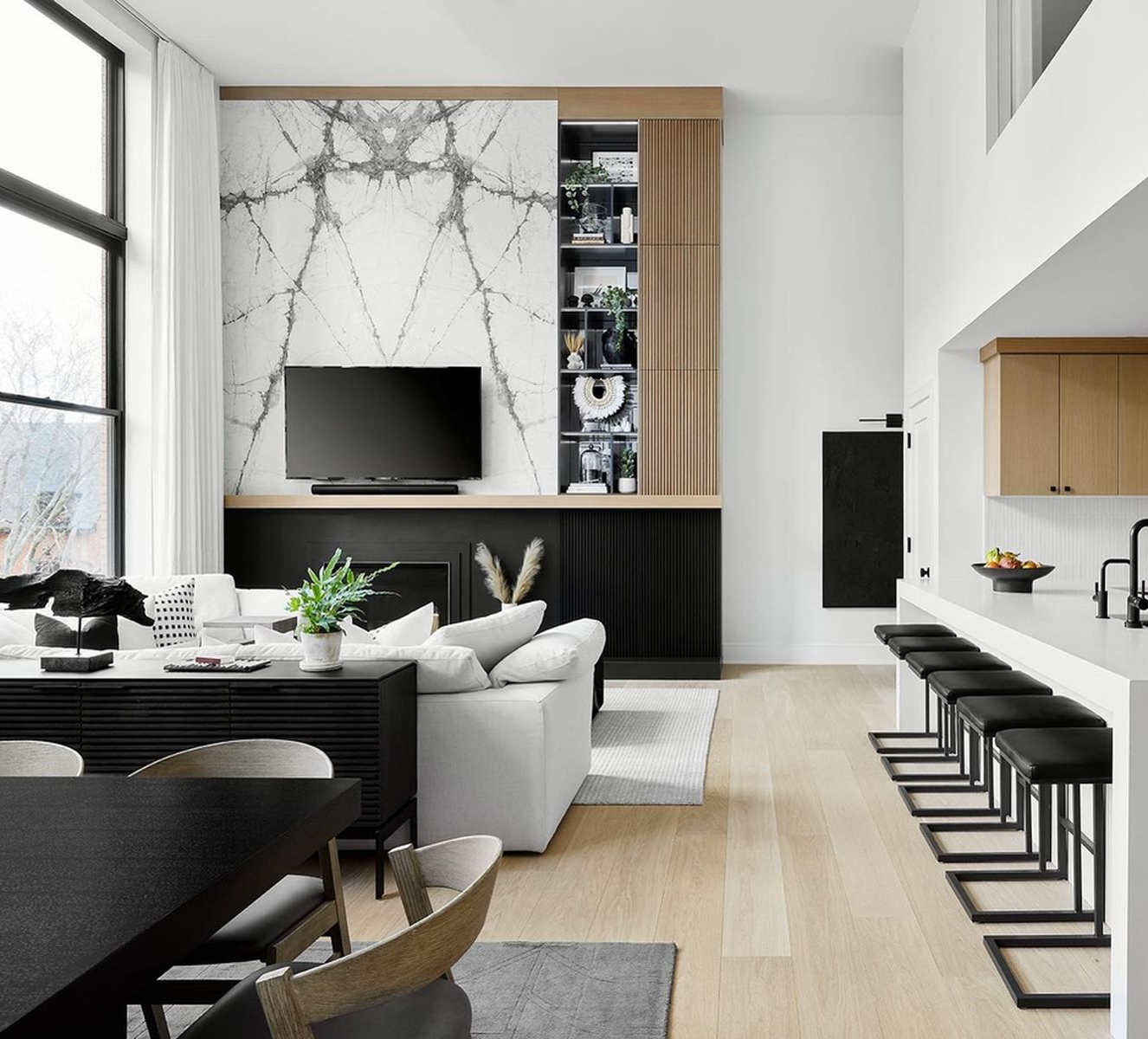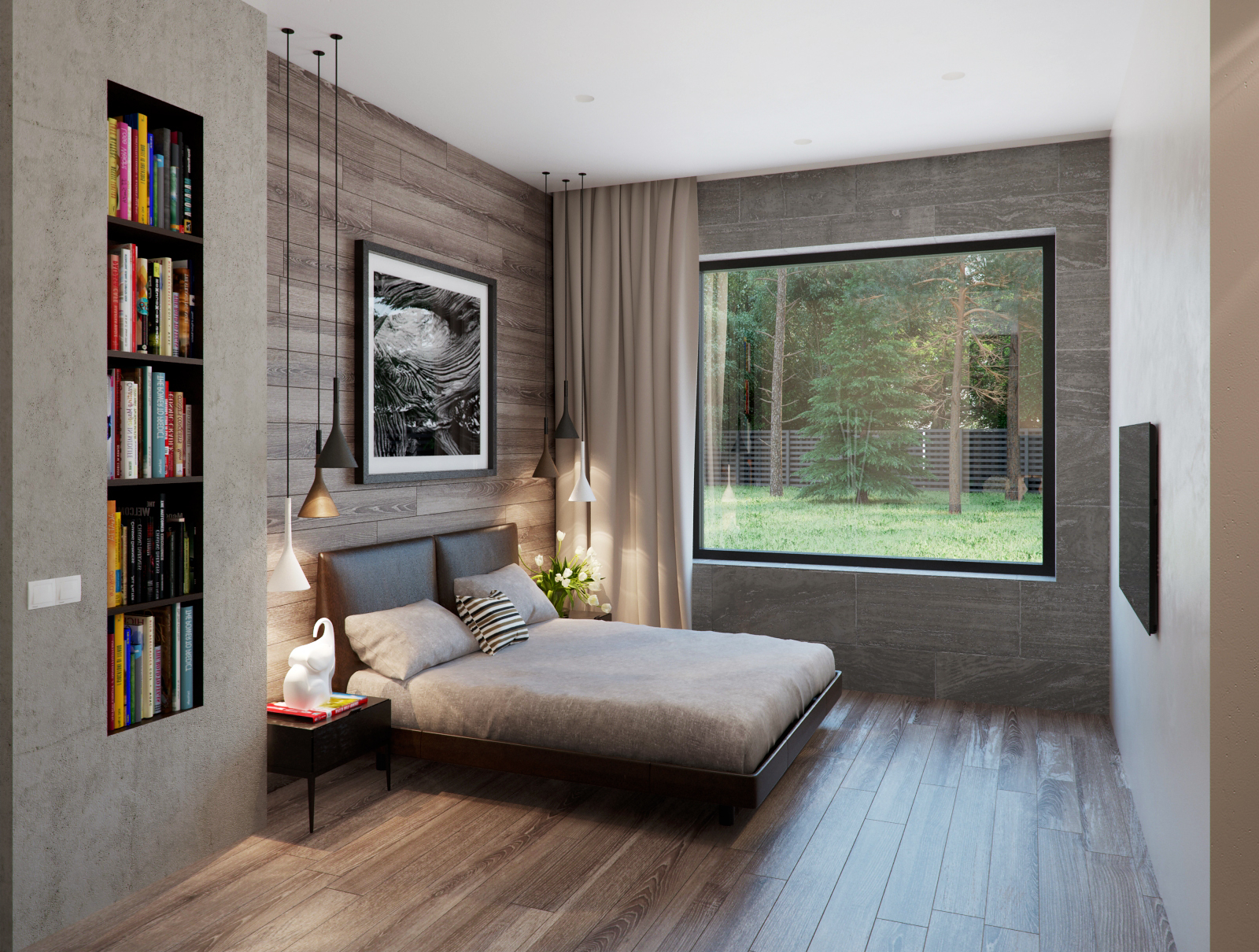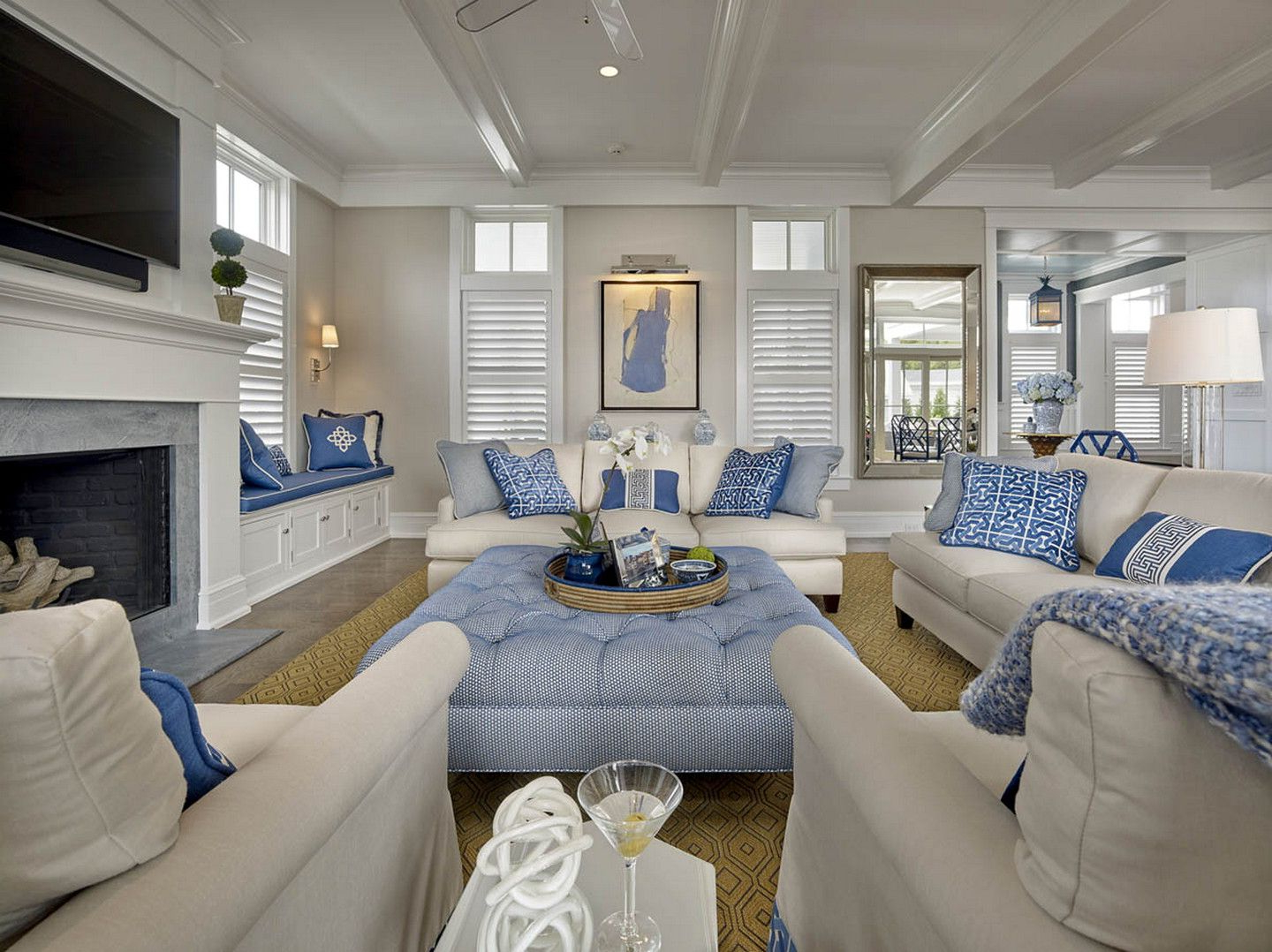
There’s something magical about a room that catches the morning sun and fills with golden warmth. It’s not just about brightness—it’s about creating a space that feels alive, energized, and connected to the world outside. When we talk about maximizing natural light in your main living area, we’re really talking about enhancing the quality of life in one of the most important spaces in your home.
Imagine stepping into your living room each morning and feeling like you’re wrapped in a gentle embrace of sunlight. That’s not just wishful thinking—it’s entirely possible with the right approach to natural lighting. Every home has its challenges when it comes to light, whether it’s a north-facing room that sees little sun or a space with heavy curtains that block everything. But there are countless ways to work with your existing architecture and make the most of whatever natural light you have access to. The key lies in understanding how light behaves, how it moves through your space, and what changes you can make to amplify those precious rays that come through your windows.
Understanding How Natural Light Works in Your Space
Natural light isn’t just about having big windows or south-facing rooms. It’s about how that light interacts with your space and what it does for your mood, energy levels, and even your sleep patterns. The angle of the sun changes throughout the day, and it’s crucial to think about how you want to use your space during different times. Morning light tends to be softer and more golden, while afternoon sun can be harsher and more direct. The direction your windows face plays a huge role too. South-facing windows catch the most consistent light all year round, while east-facing windows offer lovely morning light. West-facing windows can be tricky because they get intense afternoon sun, which might make your space uncomfortably hot. North-facing rooms tend to have diffused light that’s consistent but often dimmer. Understanding these nuances helps you plan better.
The Magic of Light Colors and Reflective Surfaces
Think of your walls and floors as mirrors for light. Light colors reflect rather than absorb, which means they make your space feel bigger and brighter. White walls are the classic choice, but don’t stop there. Creams, soft beiges, and pale yellows can create a warm glow that makes rooms feel cozy while still reflecting light effectively. If you’ve got a dark living room, consider painting one accent wall in a lighter color to create a focal point that also helps brighten the entire space. Reflective surfaces are equally powerful. Mirrors placed strategically can bounce light around the room, making even small spaces feel expansive. A large mirror opposite a window can literally double the amount of natural light entering your space. Glass tables, metallic accents, and even glossy furniture pieces contribute to this effect. The key is to avoid dark wood tones and heavy fabrics that might absorb too much light.
Window Treatments That Let Light Through While Maintaining Privacy
This is where many people get stuck. They want privacy but also want to let in lots of natural light. It’s a balancing act that requires some creativity. Sheer curtains are a game-changer—they filter light beautifully while maintaining privacy. They allow you to see out while preventing others from seeing in. Light-filtering fabrics work similarly but offer slightly more coverage. Consider using two layers: a sheer curtain for light and a heavier drape for privacy when needed. For those who prefer traditional blinds, opt for light-colored slats or cellular shades that can be adjusted to control light flow. Some modern solutions include smart window films that can be tinted or cleared on demand. The goal is to have options for different times of day and different weather conditions. You don’t want to sacrifice privacy for light, and vice versa.
Strategic Furniture Placement for Optimal Light Flow
Where you put your furniture matters more than you might think. It’s not just about aesthetics—it’s about allowing light to move freely through your space. Keep large furniture pieces away from windows, especially if they’re dark colored or made of materials that absorb light. If you have a big sectional sofa, try positioning it so that it doesn’t block the view out of a window. Instead of putting a tall bookshelf directly against a wall with a window, place it further back or beside the window. This creates a pathway for light to travel across the room. Consider how people move through the space too. Light should flow naturally from window to seating area. If you’re trying to maximize light in a narrow room, arrange furniture to create open sight lines. The less obstruction there is, the better the light can do its job.
Adding Light-Enhancing Elements Without Overdoing It
Sometimes a few carefully chosen elements can make a dramatic difference. Plants are wonderful additions—they add life and greenery, but they also reflect light subtly. Choose plants with glossy leaves for maximum reflection. Small accent tables with glass tops can help bounce light around. Even simple items like white picture frames or light-colored vases can make a difference. But remember, less is often more. Too many decorative items can create shadows and clutter that fight against light. The trick is to choose pieces that complement rather than compete with natural light. A few well-placed items can enhance the glow of daylight without overwhelming it. Think about what makes your space feel airy and open versus what makes it feel cramped and dark.
Seasonal Adjustments and Year-Round Lighting Strategies
Natural light changes with the seasons, and smart homeowners adapt their approach accordingly. During winter months, when daylight is shorter, you might want to use lighter window treatments and make sure nothing blocks the sun’s path. In summer, when the sun is stronger, consider how to manage glare and heat while still letting in beneficial light. Some people use adjustable blinds or shades to fine-tune their light exposure throughout the day. Others rely on plants or window boxes to create natural screens. The idea is to stay flexible and responsive to changing conditions. Seasonal adjustments might include moving furniture, changing window treatments, or even rearranging the position of mirrors. The goal is to maintain that bright, welcoming atmosphere regardless of what time of year it is.
Maximizing natural light in your main living area isn’t just about making your home look brighter—it’s about creating a space that supports your well-being and daily routine. When you thoughtfully consider how light enters your room, what surfaces reflect it, and how to balance privacy with openness, you’re essentially designing a healthier environment for yourself and your family. The techniques outlined here aren’t just about aesthetics; they’re about enhancing your quality of life. Whether you’re dealing with a small, dark corner or a spacious room that could use more vibrancy, the principles remain the same. Start small, experiment with different approaches, and watch how these changes transform not just your space, but your mood and energy levels. After all, the best lighting is the kind that makes you feel good, both inside and out.