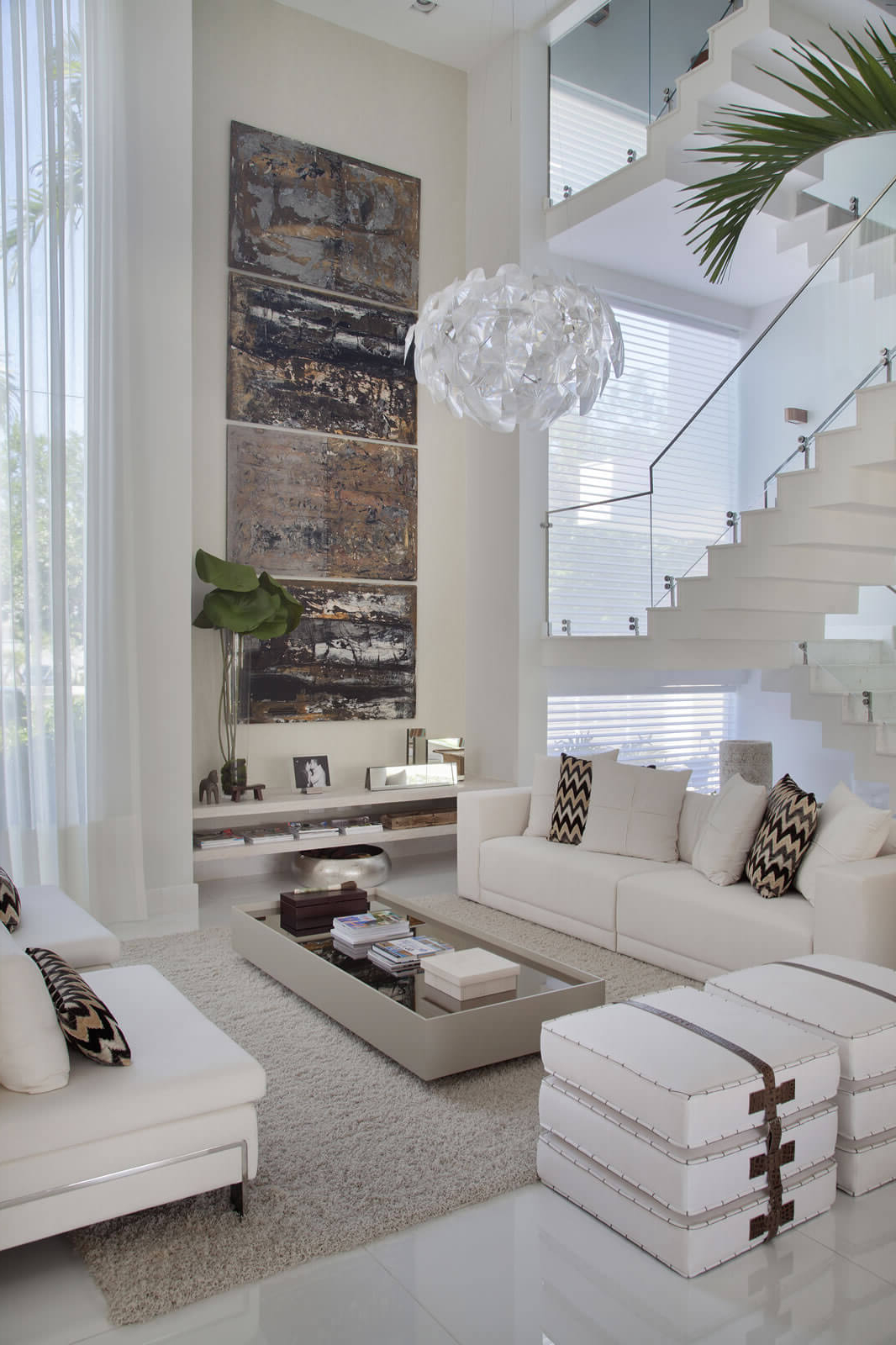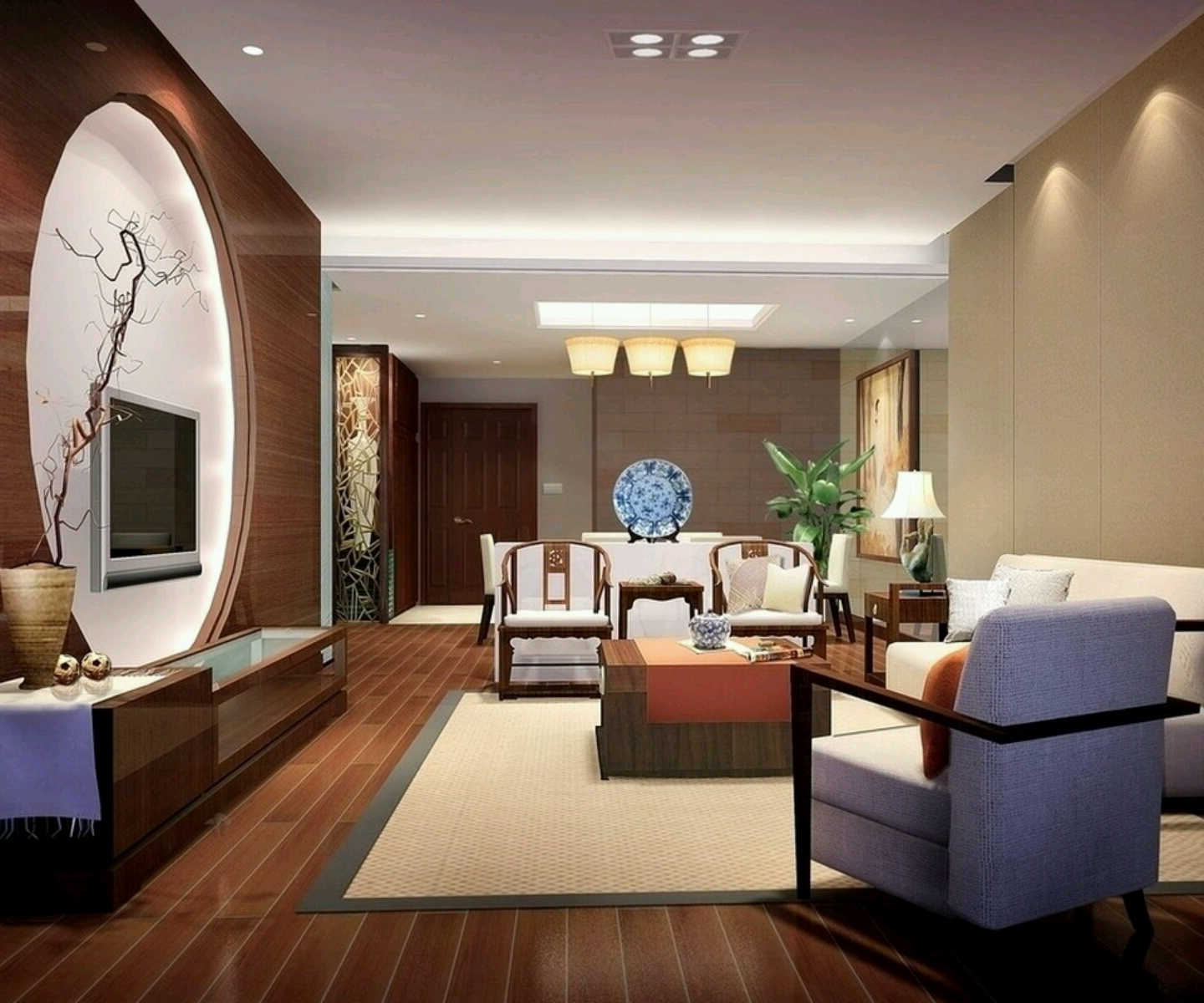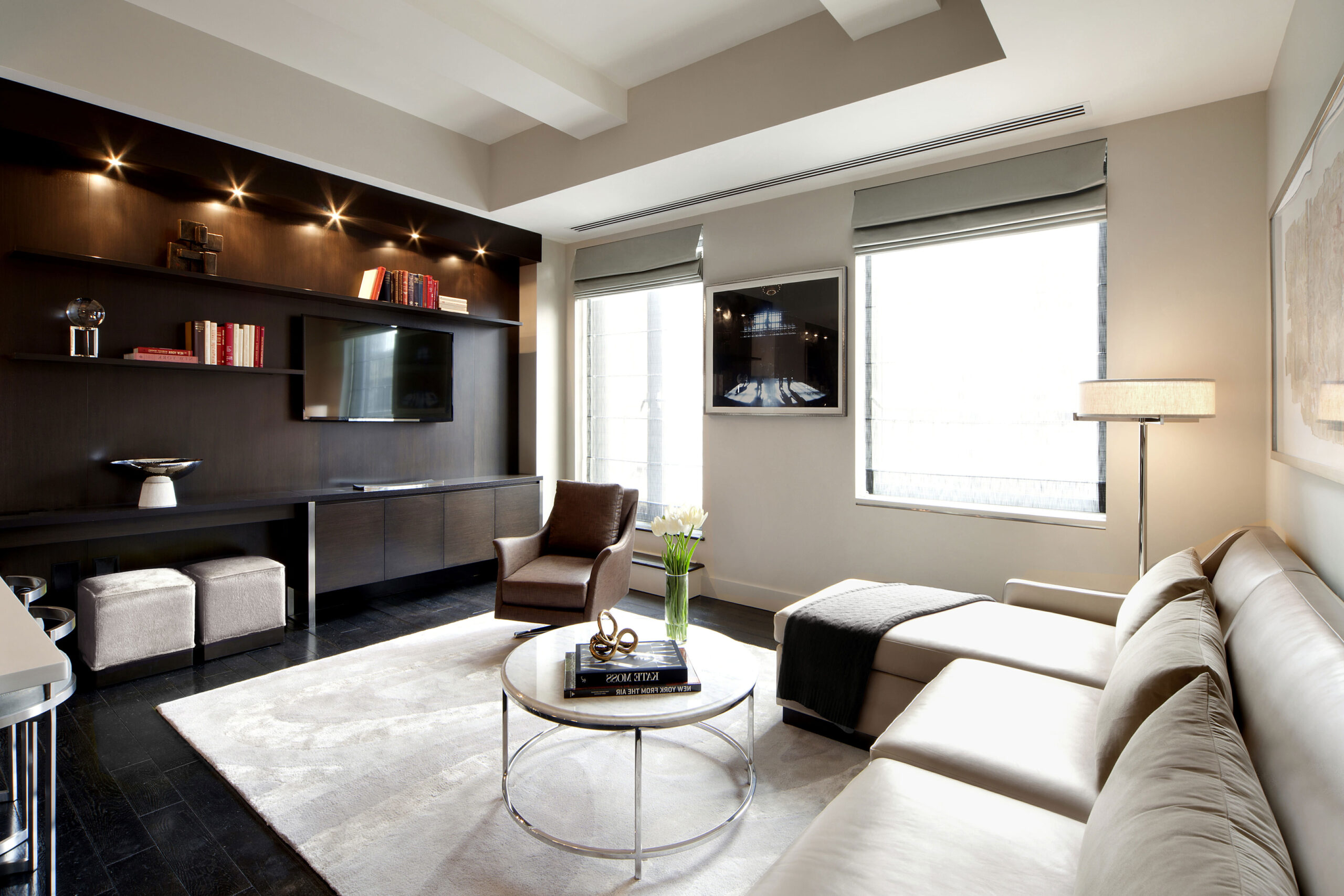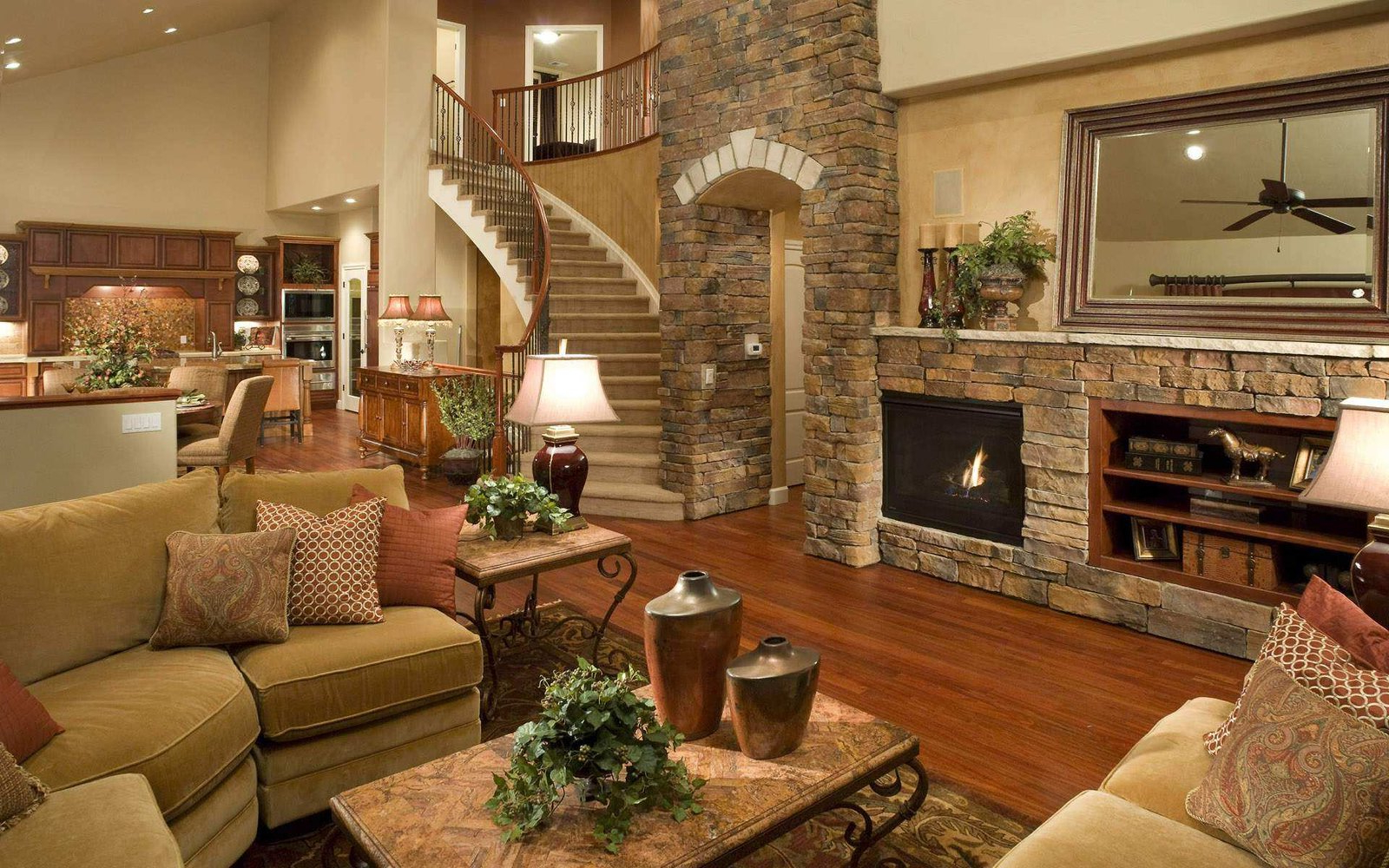
What if your home could be both stunning and responsible? What if every design choice you make contributed to a healthier planet while creating a space you’ll love for decades? This isn’t just about following the latest fads – it’s about crafting interiors that truly endure. Think of your living spaces as investments in both your wellbeing and the environment. The right approach turns every room into a statement of conscious living.
The way we decorate our homes has changed dramatically over the past decade. We’ve moved from quick fixes to thoughtful planning, from disposable aesthetics to lasting beauty. This shift isn’t just about style – it’s about responsibility. Sustainable interior design isn’t a passing fad, though it’s often mistaken for one. It’s actually a fundamental rethinking of how we interact with our living spaces. When we choose sustainability, we’re not just protecting the environment, we’re investing in our future selves. Every piece we select, every color we pick, every material we consider becomes part of a larger conversation about how we want to live. This approach creates spaces that feel timeless rather than trendy, spaces that grow with us rather than leave us behind.
Why Sustainable Design Matters More Than Ever
Sustainable design isn’t just about being green – it’s about being smart. It’s about making choices that last beyond the next season’s trends. When we think about our homes, we often focus on immediate gratification. But the truth is, most of us spend roughly 90% of our time indoors. Our living spaces profoundly affect our mood, health, and overall quality of life. A well-designed sustainable space can reduce stress, improve air quality, and even lower utility bills. Consider this: a single room filled with sustainable materials and energy-efficient elements can save hundreds of dollars annually.
It’s not just about saving money – it’s about creating spaces that support our wellbeing. The environmental impact compounds too. When we choose local materials, non-toxic finishes, and durable construction, we’re reducing our carbon footprint while building something that will serve us for generations. The ripple effect of these decisions extends far beyond our own walls. Every sustainable choice contributes to a broader movement toward more responsible consumption. We’re not just decorating our homes – we’re reshaping how we think about design itself.
The Foundation: Choosing Quality Over Quantity
One of the core tenets of sustainable interior design is the principle of ‘less is more.’ Instead of filling your space with numerous low-quality items, invest in fewer pieces that are built to last. This means looking for furniture made from solid wood, natural fibers, or other enduring materials. Take dining tables, for example. A solid oak table crafted by a local artisan might cost twice as much as a mass-produced alternative, but it will likely outlast several generations of family meals. Think about it – how many times have you replaced a dining table because it was flimsy or cheaply made? Quality pieces don’t just last longer; they also become heirlooms that tell stories.
They develop character over time, becoming more beautiful with age rather than fading away. When shopping for new pieces, ask yourself: will I still love this in five years? In ten? If the answer is yes, then it’s worth the investment. This mindset shift transforms how we view spending on home goods. Instead of seeing it as a monthly expense, we begin to see it as an investment in our daily lives. The durability factor alone makes sustainable choices economically sensible.
Materials That Tell Stories
The materials we choose for our interiors speak volumes about our values and lifestyle. Natural materials like wood, stone, and linen have been used for centuries because they offer something that synthetic alternatives simply cannot match – authenticity. Wood, especially, carries a history. Each piece tells a story of growth, weather, and time. Reclaimed timber from old barns or demolished buildings brings character that can’t be replicated. Stone, whether granite or slate, offers durability combined with visual appeal that changes with light and weather. These materials age gracefully, developing patinas and textures that enhance their beauty.
Synthetic materials, while sometimes cheaper initially, often release harmful chemicals into the air. They also tend to break down faster, contributing to landfill waste. The decision to use natural materials isn’t just aesthetic – it’s health-conscious. Many artificial materials contain volatile organic compounds (VOCs) that can affect indoor air quality. By choosing materials like bamboo, cork, or recycled glass, we’re creating healthier breathing environments for ourselves and our families. These choices also support local economies and traditional craftspeople who understand the importance of longevity.
Color Palettes That Transcend Time
Colors play a crucial role in sustainable design, but not in the way you might expect. Rather than chasing the latest color trends, focus on creating palettes that feel timeless. Neutral colors like beige, gray, and white form excellent foundations because they don’t go out of style. They provide flexibility for seasonal updates through accessories rather than major renovations. Think of these base tones as your canvas – they allow for creativity without the commitment of permanent change. Earth tones such as sage green, warm terracotta, and muted browns also offer lasting appeal.
These colors connect us to nature and create calming atmospheres. They work well in any space and can be easily updated with accent pieces. The key is to choose colors that reflect your personal taste rather than what’s trending. A blue that feels fresh today might look dated in a few months. But a well-chosen neutral palette can remain fresh and inviting for decades. Consider using accent colors sparingly and strategically. Choose one or two colors that complement your base palette and use them in textiles, artwork, or decorative objects. This approach allows for easy updates without replacing entire walls or major furniture pieces.
Functional Design That Adapts to Life
Sustainable design recognizes that life changes, and our spaces should accommodate those changes gracefully. Flexible furniture and adaptable layouts ensure that rooms can evolve with our needs. Consider modular seating arrangements that can be reconfigured for different occasions. Storage solutions that serve multiple purposes are particularly valuable. A coffee table that doubles as storage, or a dining table that can expand for guests, maximizes utility without increasing clutter. Multi-functional spaces also reduce the need for additional rooms or furniture.
A home office that can transform into a guest room, or a dining area that works as a casual family gathering space, provides maximum value from limited square footage. This approach also reduces the frequency of major renovations or replacements. When we design with adaptability in mind, we’re essentially designing for longevity. The furniture we choose should serve various functions over time. A bookshelf that can hold both books and display objects, or a bench that serves as seating and storage, embodies this philosophy. The goal isn’t to cram everything into one space, but to make each element perform multiple roles. This creates more efficient use of resources and reduces the environmental impact of frequent upgrades.
Building a Sustainable Design Routine
Creating sustainable interiors isn’t a one-time project – it’s an ongoing practice that requires mindful attention. Start by auditing your existing space before adding anything new. Identify pieces that are still functional and can be repurposed or refreshed. Sometimes a simple coat of paint or new hardware can give old furniture a new lease on life. Consider the lifecycle of each purchase. Ask yourself: does this item have a purpose beyond decoration? Will I use it regularly, or is it just a pretty object? Making this distinction helps avoid accumulating unnecessary items. Regular maintenance also plays a significant role. Proper care extends the life of furniture and materials significantly. Simple actions like dusting, cleaning according to manufacturer recommendations, and rotating textiles can prevent premature wear.
Sustainability also involves thinking about disposal. When items finally reach the end of their useful life, plan ahead for proper recycling or donation. Many materials can be responsibly repurposed rather than ending up in landfills. Establishing systems for regular evaluation of your space ensures that you’re always making intentional choices. Schedule quarterly reviews of your interiors to assess what’s working and what needs adjustment. This routine keeps your space feeling fresh while maintaining its sustainable foundation. Remember, the most sustainable design is the one that continues to serve you for years to come.
The Ripple Effect of Conscious Choices
Every sustainable design decision creates a ripple effect that extends beyond your immediate space. When you choose quality over quantity, you’re supporting artisans and manufacturers who prioritize craftsmanship. When you select natural materials, you’re encouraging practices that protect forests and water sources. When you invest in timeless design, you’re helping to reduce the constant cycle of consumption that drives environmental problems. These choices also influence others around you. Friends and family members often notice and are inspired by sustainable practices in your home. They may start questioning their own purchasing habits and considering alternatives. Your example can spark conversations about environmental responsibility and conscious living.
The impact multiplies when more people make similar choices. Together, these individual decisions contribute to larger cultural shifts toward sustainability. You’re not just decorating your home – you’re participating in a movement that affects communities and ecosystems worldwide. This sense of participation gives sustainable design a deeper meaning. It’s not just about aesthetics or functionality; it’s about being part of something bigger. Every sustainable choice is a vote for the kind of world we want to live in. The spaces we create become tangible expressions of our values, our hopes, and our commitment to future generations.
Sustainable interior design represents more than a trend – it’s a way of life that honors both our environment and our wellbeing. The principles discussed here aren’t about sacrifice or limitation; they’re about making smarter, more thoughtful choices. When we invest in quality pieces, choose natural materials, and design with longevity in mind, we create spaces that truly serve us. These approaches lead to less waste, better health outcomes, and interiors that feel authentic rather than temporary. The beauty of sustainable design lies in its simplicity – it asks us to slow down, consider our choices, and build spaces that will remain meaningful for years to come.
Whether you’re starting a complete renovation or simply updating a single room, remember that every small step toward sustainability matters. Your home can be a sanctuary that reflects your values while contributing positively to the world around you. The most important thing is to start somewhere, with whatever feels manageable. The journey toward sustainable interiors is as rewarding as the destination itself.