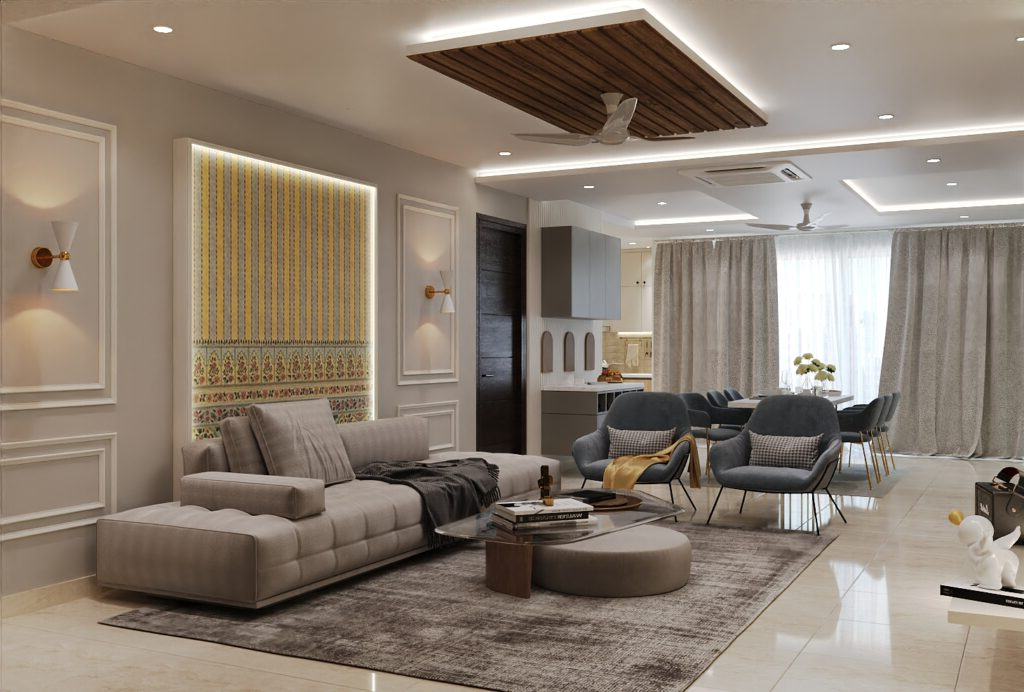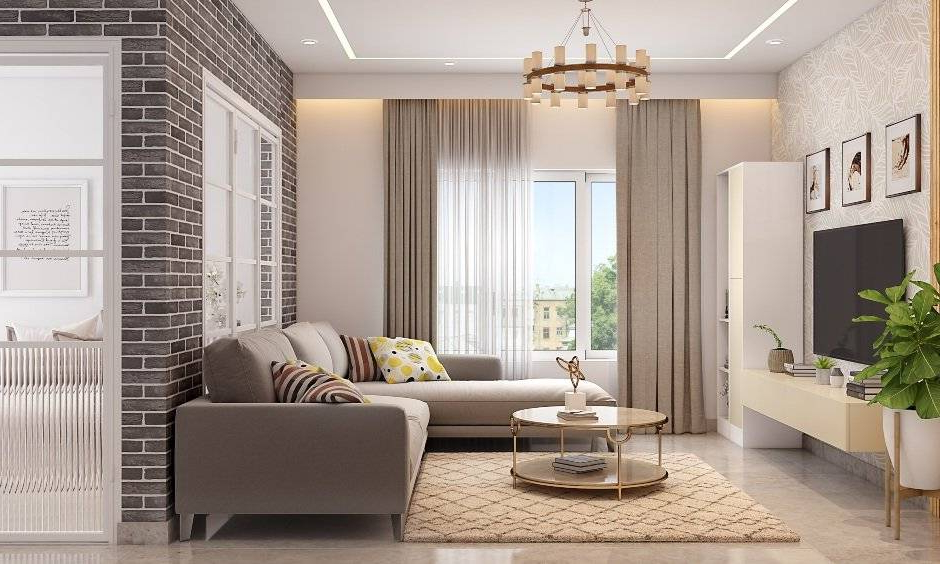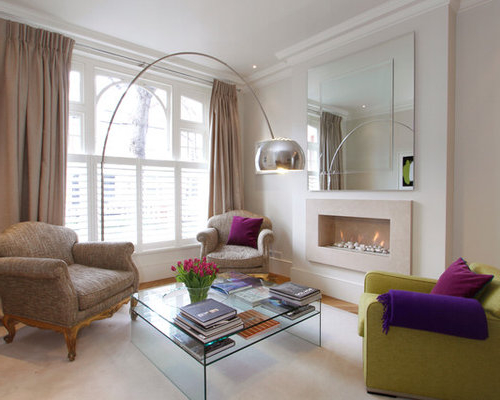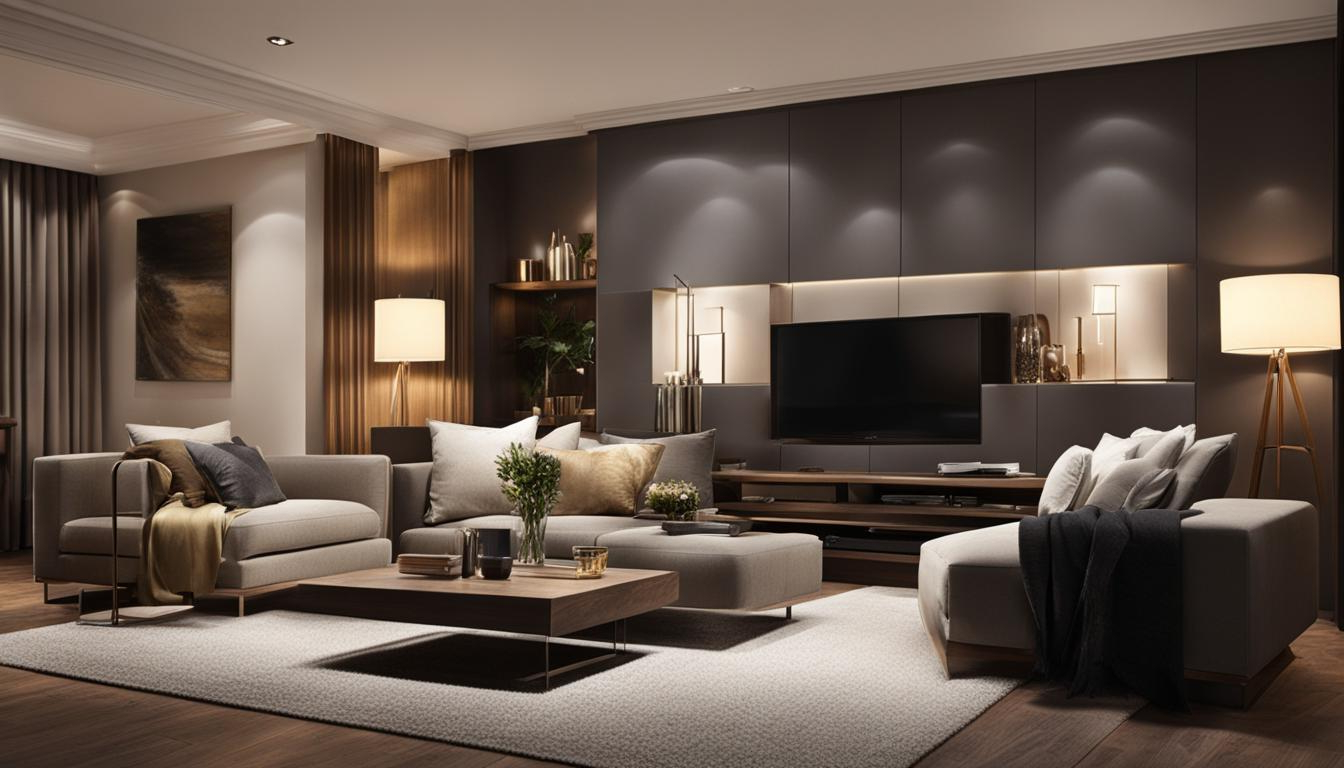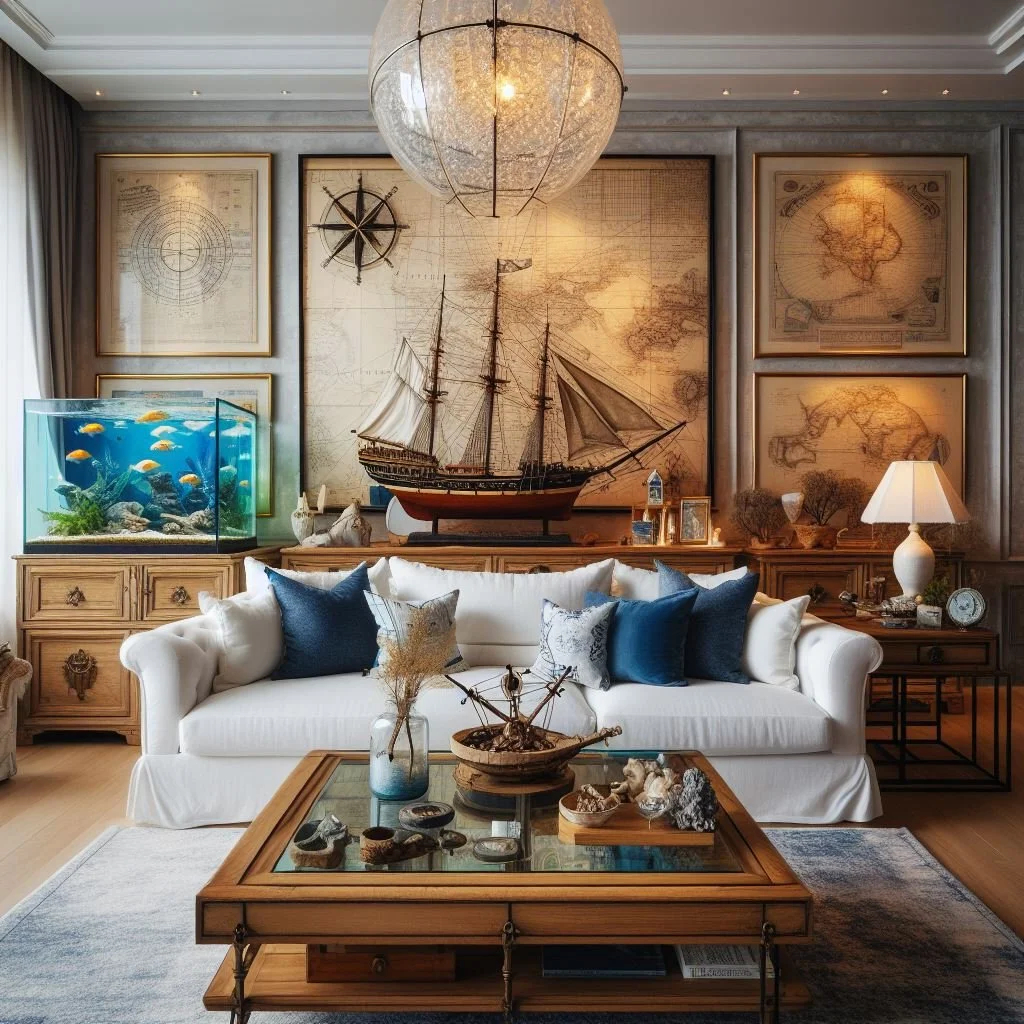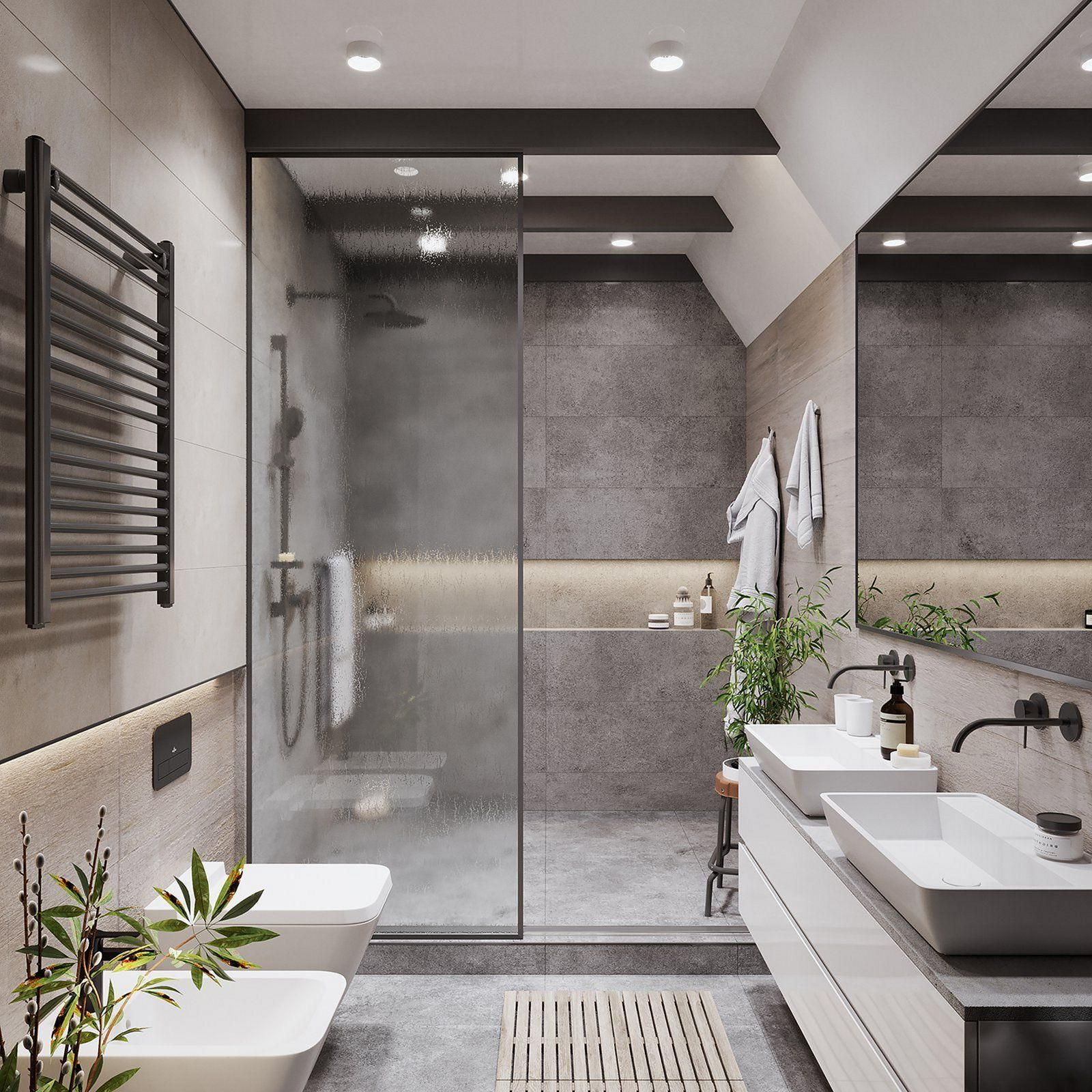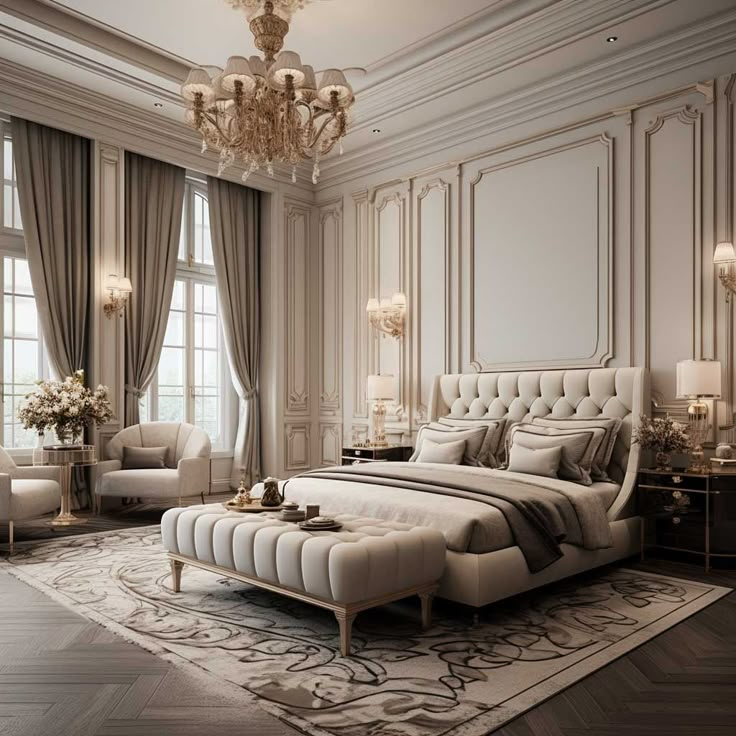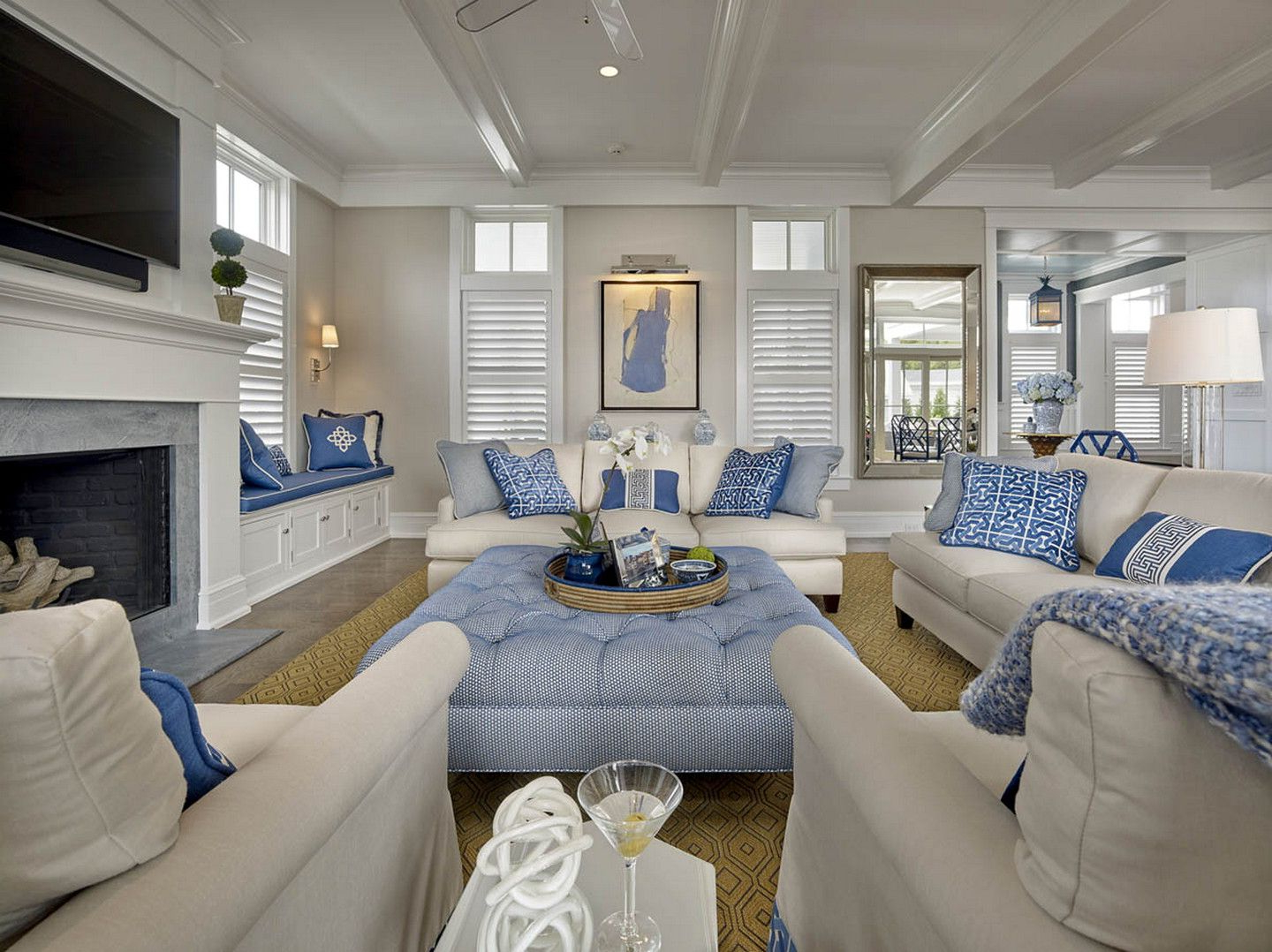
Every time you walk through the door, your front room should feel like a gentle hug after a long day. But what makes a space truly welcoming? It’s not just about the furniture or color scheme—it’s about creating an atmosphere that makes people want to linger, connect, and feel at home. Whether you have a grand foyer or a compact entryway, there are countless ways to transform your entrance into something special.
Let’s face it—your front room is more than just a place to drop your keys and coat. It’s the first impression guests get of your home, the stage where you set the tone for everything that follows. Think about it: when you enter someone’s house, what catches your eye first? Is it the cozy reading nook, the striking piece of art, or maybe the warm lighting that instantly puts you at ease? That’s the power of thoughtful design. The entrance room becomes the foundation of your entire home’s aesthetic. It’s where you can make a statement, create comfort, and establish a mood that carries through every room. This is why getting it right matters so much.
The Foundation: Understanding Your Space
Every successful entrance design begins with awareness. Before choosing colors, furniture, or decorative accents, it’s essential to fully understand the space you already have. This means more than just knowing the room’s size—it’s about recognizing how the area behaves and how people move through it. Take time to measure dimensions accurately, but also observe less obvious elements such as ceiling height, wall angles, and natural focal points. These factors will strongly influence what design choices will work best.
Ask yourself how the entrance currently feels. Does it feel cramped, empty, dark, or confusing? A narrow hallway may need visual tricks to feel wider, such as lighter wall colors or vertical elements that draw the eye upward. A large open entry, on the other hand, might feel cold or undefined without furniture or rugs to create structure. Understanding whether your space needs openness or boundaries helps guide every decision that follows.
Function is just as important as appearance. Think about how the entrance is used daily. Is it a simple pass-through area, or does it need to accommodate shoes, bags, keys, or coats? Do guests frequently gather here, or is it mainly for quick transitions? Traffic flow matters—furniture placed without considering movement can make an entrance feel awkward or frustrating. When you align the design with real-life use, the space immediately becomes more comfortable and intuitive.
Natural light also deserves attention at this stage. Notice where sunlight enters and how long it stays. Rooms with strong daylight can handle deeper colors and heavier textures, while darker entrances benefit from reflective surfaces and lighter palettes. When you truly understand your space—its strengths, limits, and daily rhythms—you create a solid foundation that makes decorating choices feel intentional rather than forced.
Lighting: The Heart of Atmosphere
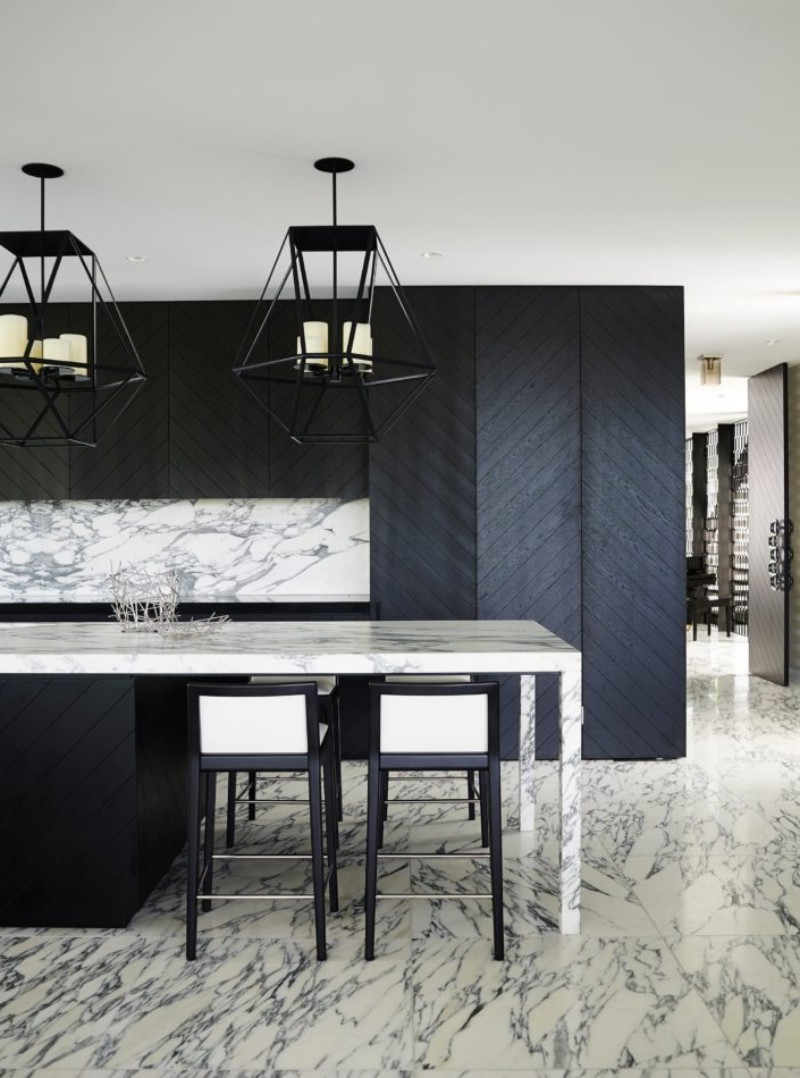
Lighting is one of the most powerful tools in entrance design because it shapes emotion as much as visibility. Before a guest notices furniture or décor, they feel the atmosphere—and lighting plays the leading role in that experience. A well-lit entrance feels safe, warm, and inviting, while poor lighting can make even a beautifully designed space feel unwelcoming.
Natural light is always a gift, but it’s not always available or consistent. That’s where layered lighting becomes essential. Instead of relying on a single overhead fixture, combine different light sources to create depth and flexibility. Ambient lighting provides overall brightness, task lighting adds function where needed, and accent lighting highlights specific features such as artwork, mirrors, or architectural details.
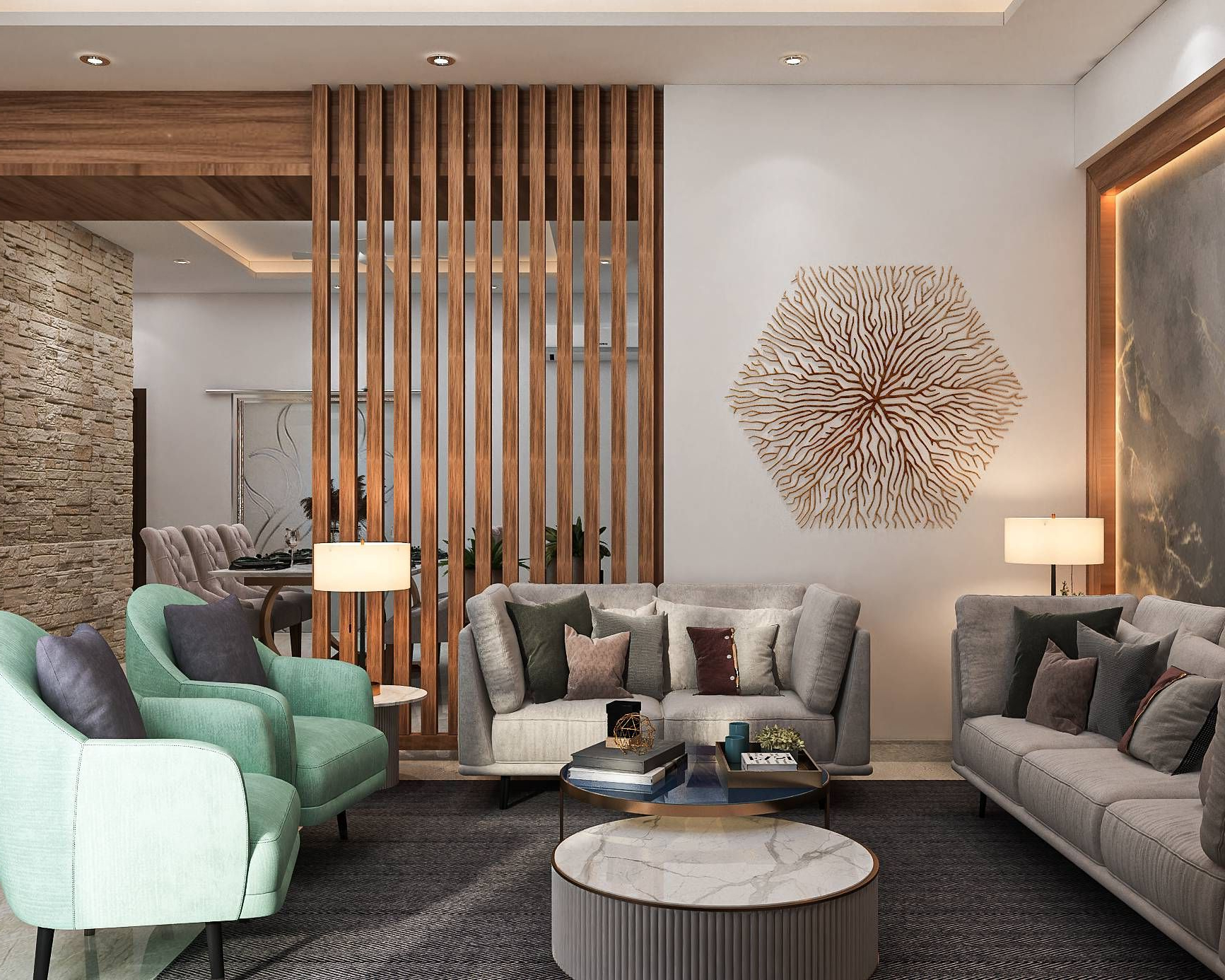
Warm light temperatures are particularly effective in entrance areas. Soft, golden tones help people relax and feel comfortable the moment they arrive. A table lamp on a console, a pair of wall sconces, or even a discreet floor lamp can instantly soften the space. Dimmer switches are another powerful addition, allowing you to adjust the mood depending on the time of day or occasion. Bright and energetic in the morning, cozy and calm in the evening.
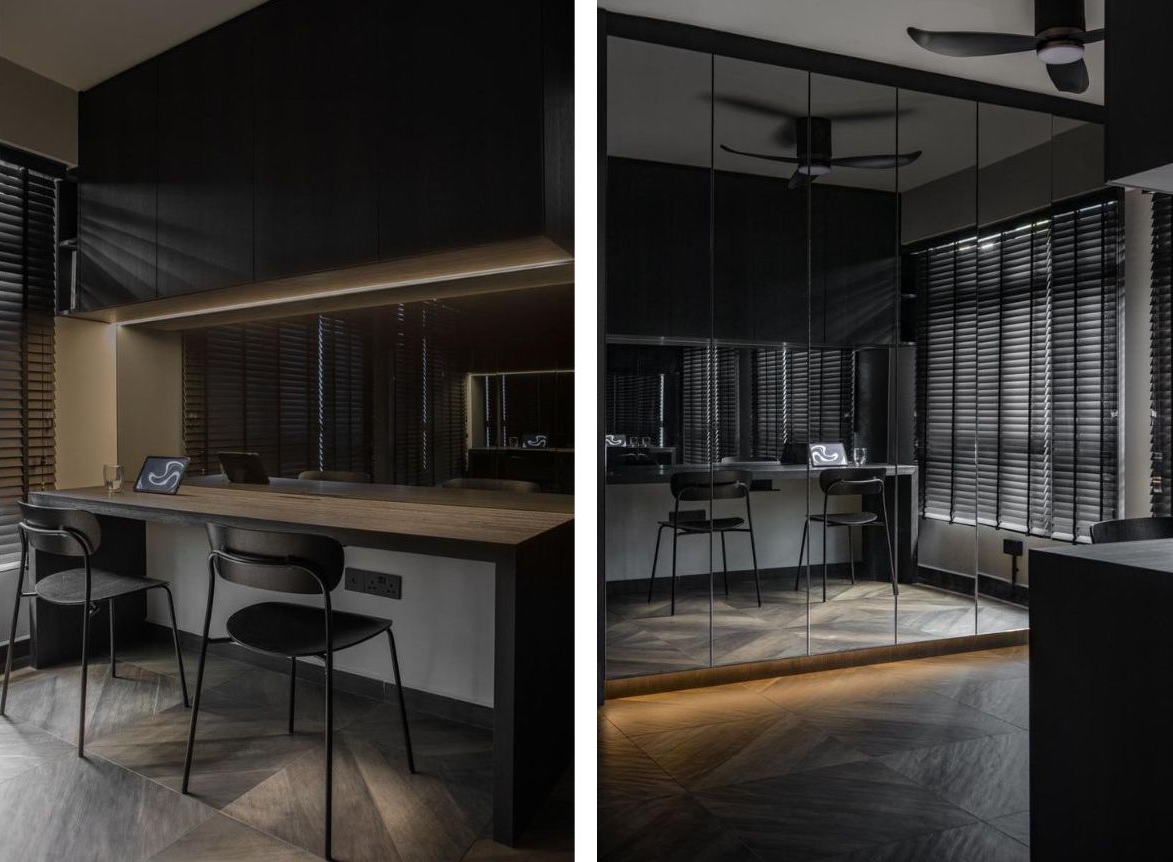
Mirrors work hand in hand with lighting. Positioned correctly, they reflect both natural and artificial light, making the space feel brighter and larger. In smaller or darker entrances, a mirror can dramatically improve the overall feel without requiring major changes. The key is balance—lighting should enhance the space without overwhelming it.
When lighting is thoughtfully planned, it does more than illuminate. It guides movement, highlights beauty, and sets the emotional tone of the home or workplace. In an entrance, good lighting quietly says, “You’re welcome here,” before a single word is spoken.
Color Psychology: What Your Walls Say
Colors have the power to influence emotions and perceptions. If you’re aiming for a calm and relaxing vibe, soft blues and greens work wonderfully. For a more energetic and vibrant space, try warm oranges or yellows. Neutral tones like beige or white can make a small entrance appear bigger and more open. But remember, you don’t have to stick to one color. Using different shades within the same hue can create depth and visual interest. For instance, pair a deep navy with lighter creams to add dimension. Consider using paint samples on actual walls to see how they look in different lighting conditions. Sometimes the color that looks perfect in the store doesn’t quite work in your home’s unique environment.
Storage Solutions That Don’t Compromise Style
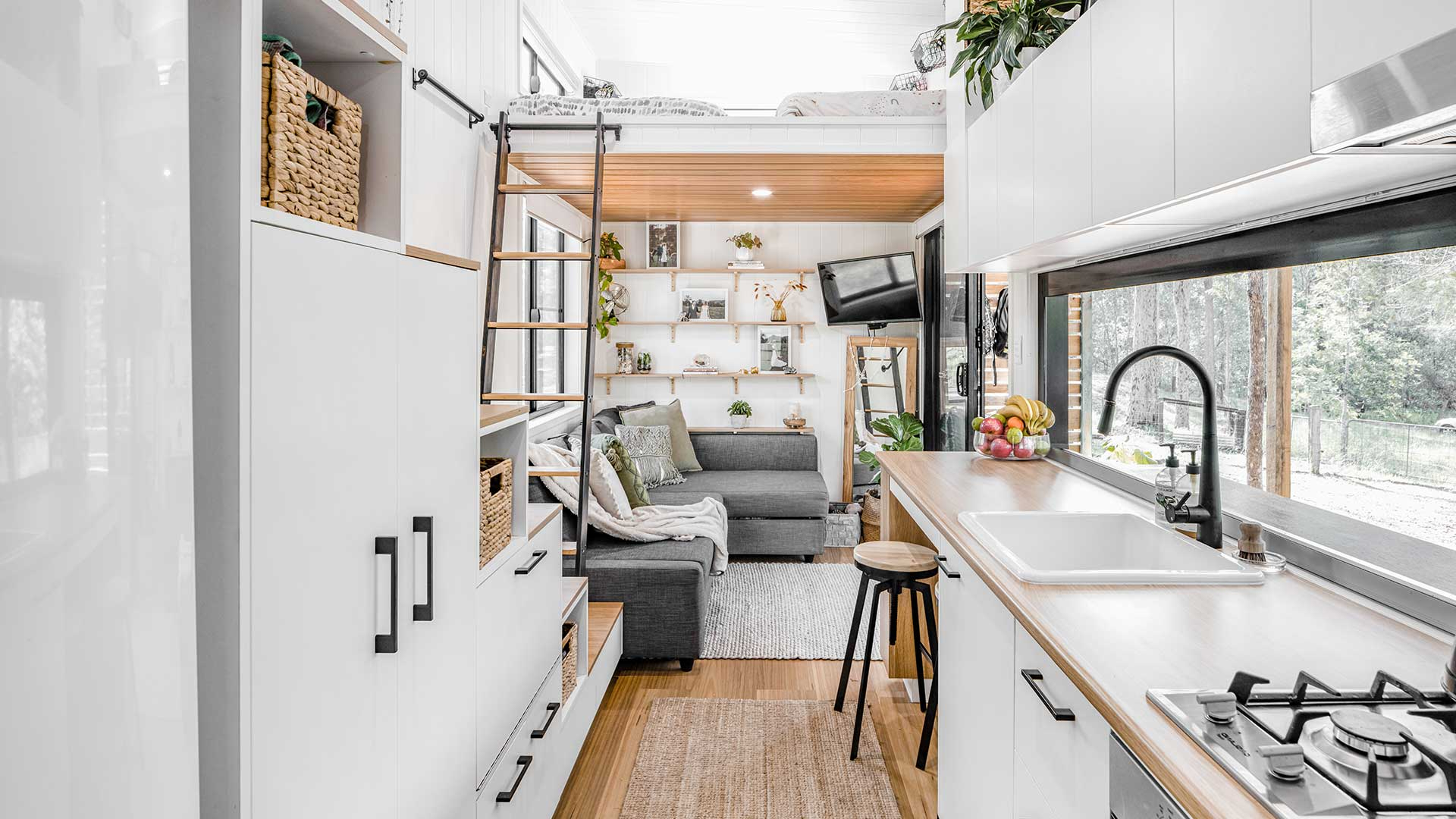
We’ve all been there—facing a cluttered entryway with coats, bags, and shoes scattered everywhere. The secret is finding storage solutions that blend seamlessly with your design. Built-in shelving, console tables with drawers, or even a stylish coat rack can serve dual purposes. Look for pieces that offer both form and function. A console table with hidden compartments keeps essentials tucked away while maintaining clean lines. Consider using baskets or bins in neutral colors to hide items while keeping them accessible. The goal is to make the entrance look organized without feeling sterile. Your guests shouldn’t have to navigate through chaos to find their way around.
Personal Touches: Making It Truly Yours
This is where your personality comes alive. Display items that tell your story—family photos, travel souvenirs, or artwork you love. These personal elements make a space feel lived-in rather than staged. Think about what makes you happy and incorporate those things into the design. Maybe it’s a collection of books, a favorite plant, or a vintage chair that has been in your family for generations. The key is choosing items that resonate with you personally. They should make you smile when you walk past them. Don’t overdo it though—less is often more when it comes to displaying personal items. Quality over quantity always wins.
Practical Tips for Maximum Impact
Here are some actionable steps to enhance your entrance:
• Use a mirror strategically to make the space feel larger and brighter.
• Choose furniture that fits your space perfectly—don’t squeeze oversized pieces into tight spots.
• Add a small rug to define the area and provide visual warmth.
• Incorporate textures like woven baskets or soft throw pillows for tactile interest.
• Create a designated spot for keys, mail, and other daily essentials.
• Hang artwork at eye level to draw attention upward and create focal points.
• Consider the flow of movement—make sure pathways aren’t blocked by furniture.
• Keep the design consistent with the rest of your home for a cohesive feel.
These small adjustments can make a huge difference in how your entrance feels and functions.
Transforming your entrance isn’t about spending a fortune or doing major renovations. It’s about paying attention to details that matter—the right lighting, the perfect color, and the thoughtful placement of personal items. When you approach your front room design with intention and care, you’re not just improving a space; you’re creating an experience. Your entrance becomes a reflection of who you are and what you value. It welcomes guests with warmth and sets the stage for the rest of your home. So take a moment to look at your current space. What small change could make it feel more like home? The journey toward a better entrance starts with just one thoughtful decision.