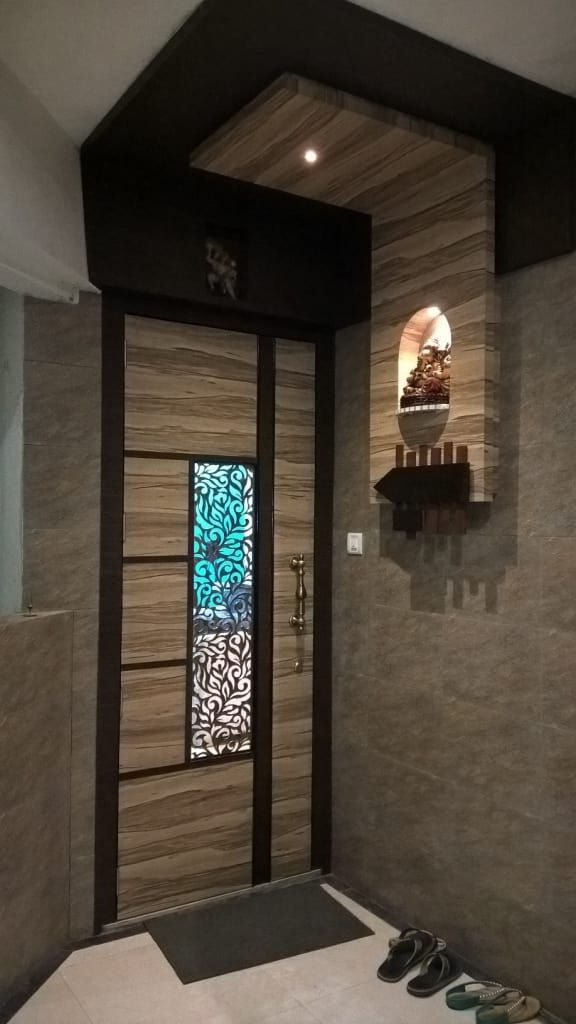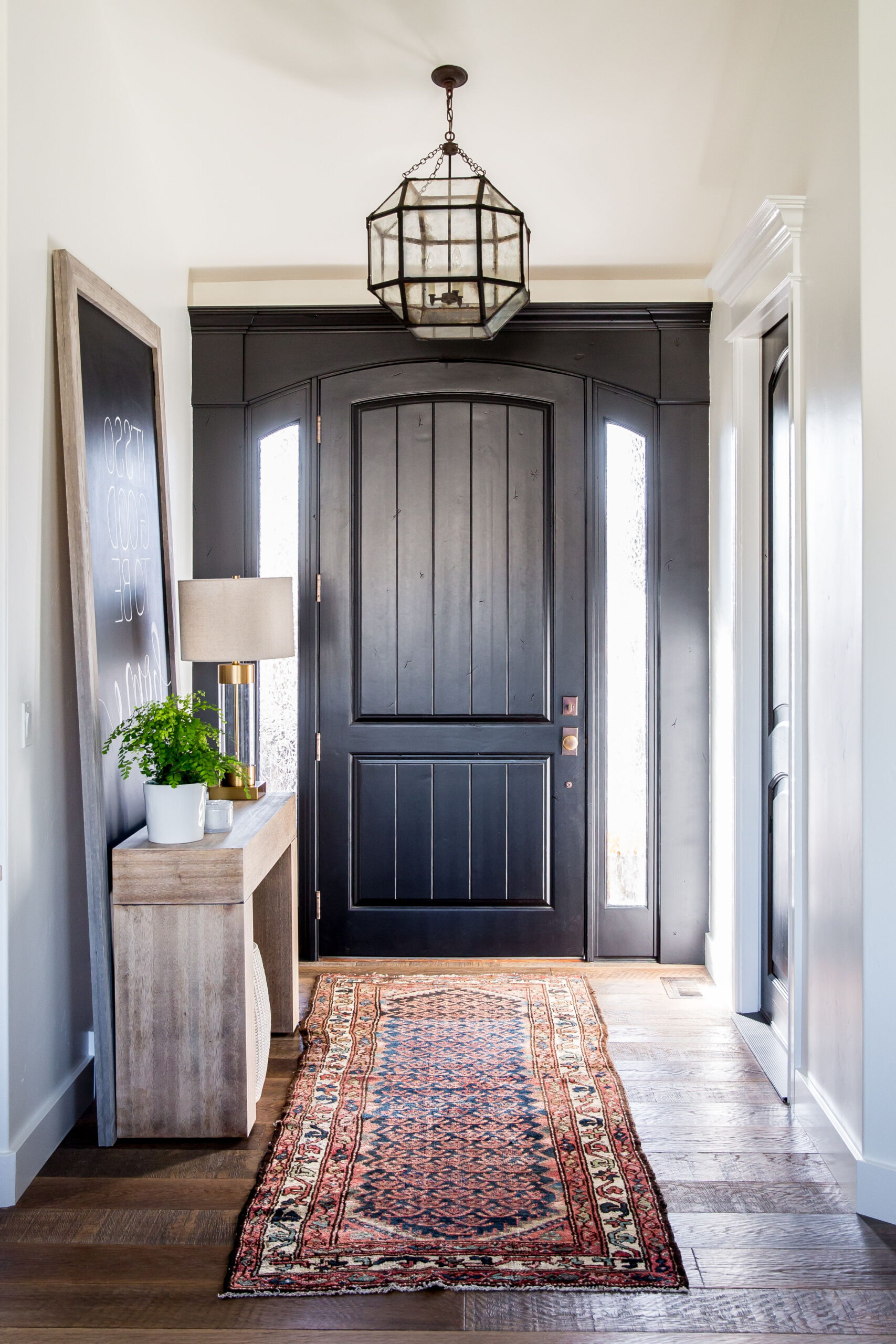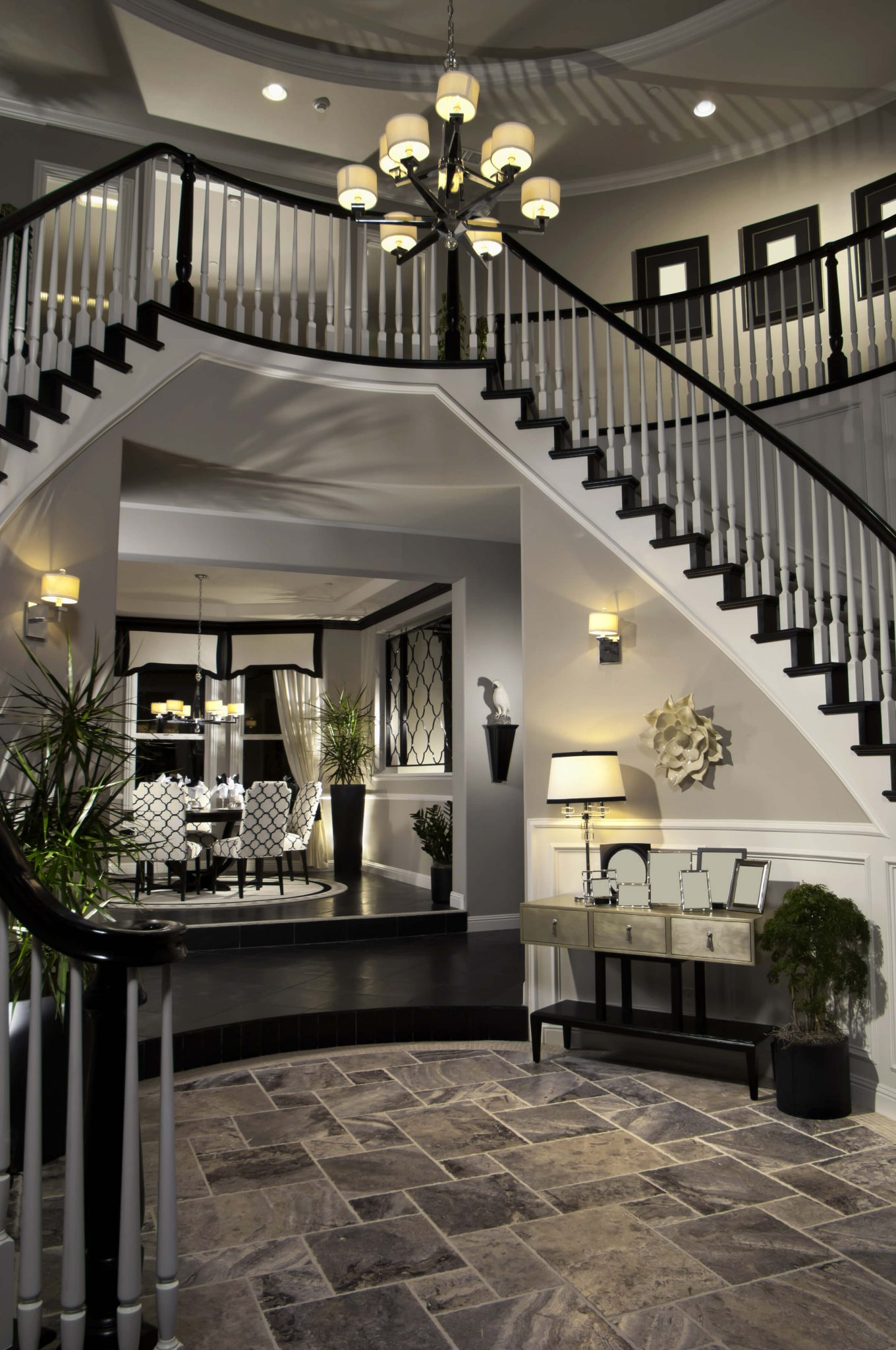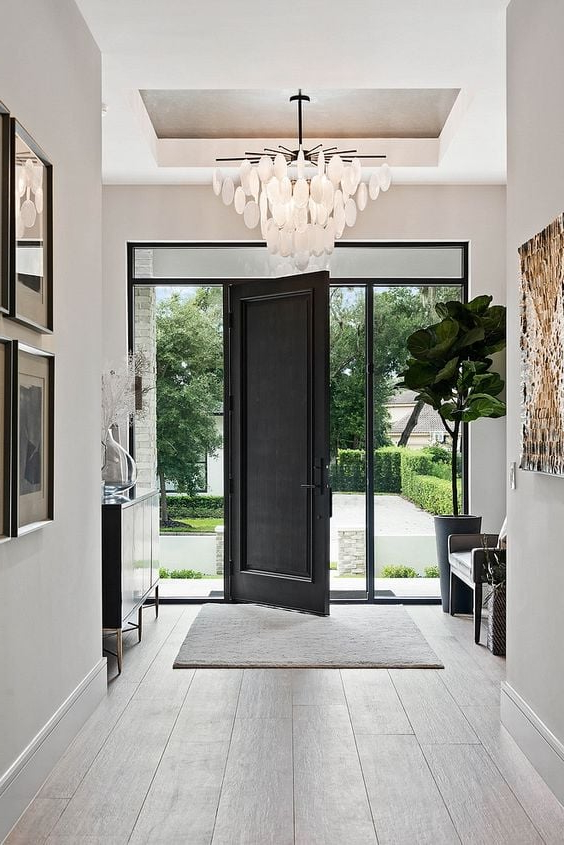
Every visitor’s journey begins with one crucial moment. The front entrance isn’t just a doorway—it’s the stage where first impressions are formed. It’s where strangers become guests, where nervousness transforms into comfort, and where the story of your home or business begins. Think about it: how many times have you felt instantly relaxed or immediately stressed when approaching a door? That’s the power of thoughtful entrance design working in action.
What happens when someone approaches your space for the very first time? They don’t see your entire property or your complete story—they see that first glimpse through your front entrance. This single moment holds enormous influence over whether they’ll want to explore further. Whether you’re designing a new home, reimagining your business space, or simply updating your current setup, the front entrance becomes the most important part of your overall aesthetic. It sets expectations, communicates values, and creates emotional connections before anyone even steps inside. The best entrance designs understand that people aren’t just looking for a way in—they’re searching for a feeling.
The Psychology Behind Door Design
Our brains process visual information incredibly quickly. Within seconds of seeing something, we form judgments about safety, warmth, and welcome. Research shows that people make subconscious decisions about whether they want to engage with a space within 90 seconds of first seeing it. Your front entrance is the first thing that triggers those neural pathways. A well-designed entrance can instantly signal friendliness, professionalism, or creativity. Consider the colors, textures, and lighting that surround your entryway. Warm tones like amber and cream often feel inviting, while cool blues and grays might communicate trust and reliability. What you choose to display on or around your entrance says volumes about what kind of experience you want to offer.
Lighting That Sets the Mood
Good lighting is like a silent host greeting visitors. It should be bright enough to show people where they’re going but soft enough to create a comfortable atmosphere. Natural light is always preferred, but artificial lighting can enhance and extend the welcoming effect. Pathways leading to your entrance should be well-lit to avoid any sense of danger or uncertainty. Consider adding ambient lights that create gentle shadows and highlights. For example, string lights above a porch can transform a simple entrance into a magical gateway. The right lighting makes everything feel more approachable and less intimidating. It’s also worth noting that proper illumination can make security concerns disappear entirely, helping people feel safe and protected.
Visual Elements That Communicate Welcome
The front entrance is more than just a point of access—it is the first emotional interaction people have with your home or business. Before a word is spoken, the visual cues at the entrance already communicate warmth, professionalism, creativity, or care. This is why thoughtful entrance design matters so much. Colors, textures, plants, and decorative elements work together to form an immediate impression that can either invite people in or unintentionally push them away.
Color plays a foundational role. Warm and balanced tones tend to feel inviting, while overly dark or neglected finishes can feel unapproachable. This doesn’t mean everything needs to be bright, but the color palette should feel intentional. A well-maintained door in a confident color—such as deep green, soft blue, or classic wood tones—signals attention to detail. Surrounding elements like trim, walls, or railings should support rather than compete with the main entrance feature.
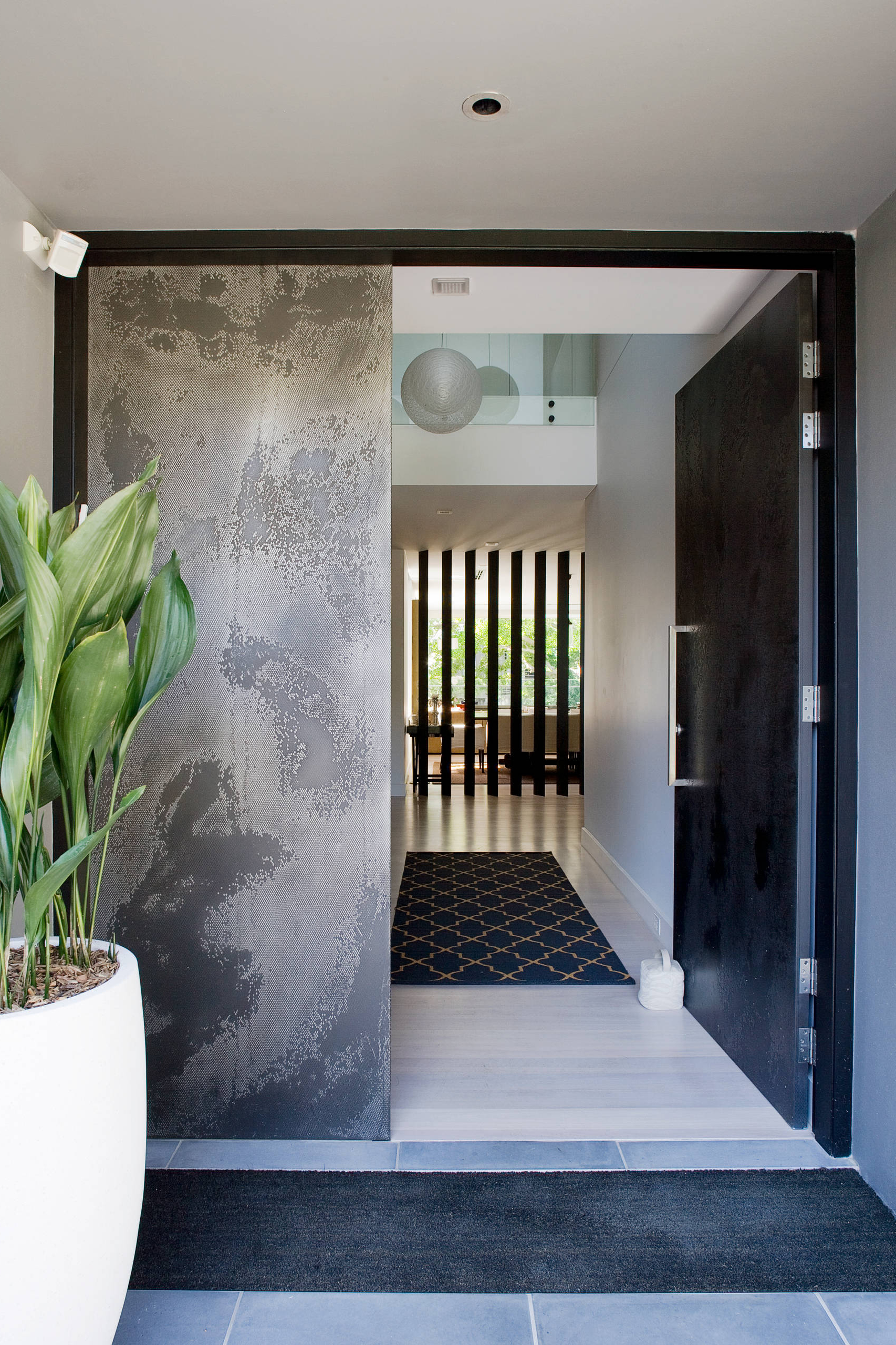
Plants and flowers are among the most powerful tools for creating a welcoming atmosphere. Living greenery introduces movement, softness, and life into an otherwise static structure. Seasonal flowers show care and effort, suggesting that the space is actively maintained. Taller plants can frame a doorway and create a sense of arrival, while smaller potted plants can gently guide visitors forward. Even minimal greenery, when thoughtfully placed, can dramatically improve how an entrance feels.
Personal or brand-related visual elements also help tell a story. For residential spaces, this might be a unique door knocker, a handcrafted welcome sign, or subtle decorative lighting. For businesses, signage should be clear, legible, and aligned with the brand identity. A creative café might use handwritten boards or illustrated signs, while a law office or consultancy may benefit from clean typography and restrained design. The goal is clarity paired with character—letting visitors understand who you are before they step inside.
Functional Features That Matter
While visual appeal draws people in, functionality determines whether the entrance truly works. A welcoming entrance must be easy, safe, and comfortable to use for a wide range of people. This includes considering different physical abilities, weather conditions, and daily usage patterns. When function is overlooked, even the most beautiful entrance can become a source of frustration.
Accessibility is one of the most important functional considerations. Entrances should be easy to navigate, with stable flooring, gentle transitions, and sufficient space to move comfortably. Slippery surfaces, uneven steps, or narrow doorways can quickly turn a positive first impression into a negative experience. Simple design choices—such as non-slip tiles, well-proportioned steps, or subtle ramps—can make a space far more inclusive without sacrificing aesthetics.
Weather protection is another key element. Entrances are transition zones between indoors and outdoors, and they should offer a sense of shelter. A small overhang, awning, or covered porch can protect visitors from rain and harsh sunlight, making arrivals and departures more comfortable. This is especially important for businesses, where guests may pause to read signage, wait for others, or adjust belongings before entering.
Hardware and materials also play a practical role. Door handles should feel solid and intuitive to use, not stiff or awkward. Flooring near the entrance should be durable and easy to clean, as this area experiences heavy foot traffic. Lighting deserves special attention—soft, well-placed lighting improves safety while also enhancing the overall atmosphere. A well-lit entrance feels secure and welcoming, particularly in the evening.
Small functional additions can have a surprisingly large impact. A bench or ledge provides a momentary resting spot or a place to set down bags. Hooks, mats, or subtle storage solutions help keep the entrance organized and clutter-free. These details may seem minor, but they contribute to a smoother, more thoughtful experience for everyone who enters.
Ultimately, the most successful entrances strike a balance between beauty and usability. When visual warmth is paired with practical design, the entrance becomes more than just a doorway—it becomes an invitation. It tells visitors that they are expected, considered, and welcome, setting a positive tone that carries through the rest of the space.
Personal Touches That Make a Difference
What really makes an entrance memorable is the personal touches that reflect your unique character. These small details often surprise people and create lasting connections. A handwritten welcome note on a door, a custom doorknob, or a favorite piece of art displayed prominently can make all the difference. Sometimes it’s as simple as a small plant in a colorful pot or a hand-painted sign that says ‘Welcome.’ The key is to keep these elements consistent with your overall brand or personality. For businesses, this might mean incorporating company colors or values into the design. For homes, it could be displaying family photos or showcasing handmade items that represent your lifestyle. These personal elements help people feel like they’re entering not just a building, but a place that truly belongs to someone.
Maintenance and Long-term Care
A stunning entrance loses its appeal quickly if it’s neglected. Regular maintenance keeps your investment looking fresh and welcoming. This includes cleaning windows, trimming plants, checking lighting fixtures, and keeping surfaces free from dirt or damage. Small issues like peeling paint or broken lights can quickly turn a beautiful entrance into something uninviting. Consider seasonal changes too. Your entrance should adapt to different seasons, using appropriate plants, colors, and decorations that match the time of year. A spring entrance might feature blooming flowers, while winter could showcase evergreen branches or warm-colored lights. The key is consistency and attention to detail. People notice when spaces are cared for properly, and it reflects positively on the owner or business.
Your front entrance is more than just a physical barrier—it’s a powerful communication tool that shapes how people perceive your space before they even step inside. It’s where you set the tone for everything that follows. By focusing on thoughtful design elements, you’re essentially creating a bridge between the outside world and your inner space. Whether you’re designing a new entrance or refreshing an existing one, remember that every decision matters. The colors, the lighting, the plants, the functionality—all of these elements work together to create an experience that’s both beautiful and welcoming. The best entrance designs don’t just look good; they make people feel good. They make visitors want to stay, to explore, and to return. That’s the true magic of a well-thought-out front entrance.