What if your kitchen is smaller than a shoebox but you still want it to feel spacious, stylish, and totally functional? You’re not alone. Millions of people live in compact spaces, yet they refuse to compromise on style or usability. The secret lies in smart design choices and creative thinking. These aren’t just about fitting more stuff into less room – they’re about reimagining how we use space.
Modern kitchens have evolved far beyond simple cooking zones. Today’s cooks demand efficiency, aesthetics, and flexibility all rolled into one small package. Whether you’re working with a studio apartment, a converted garage, or a traditional bungalow with limited square footage, there are countless ways to maximize your kitchen’s potential. Think of it like solving a puzzle – each piece matters, and when everything fits together perfectly, the result can surprise you.
Vertical Thinking: Making the Most of Height
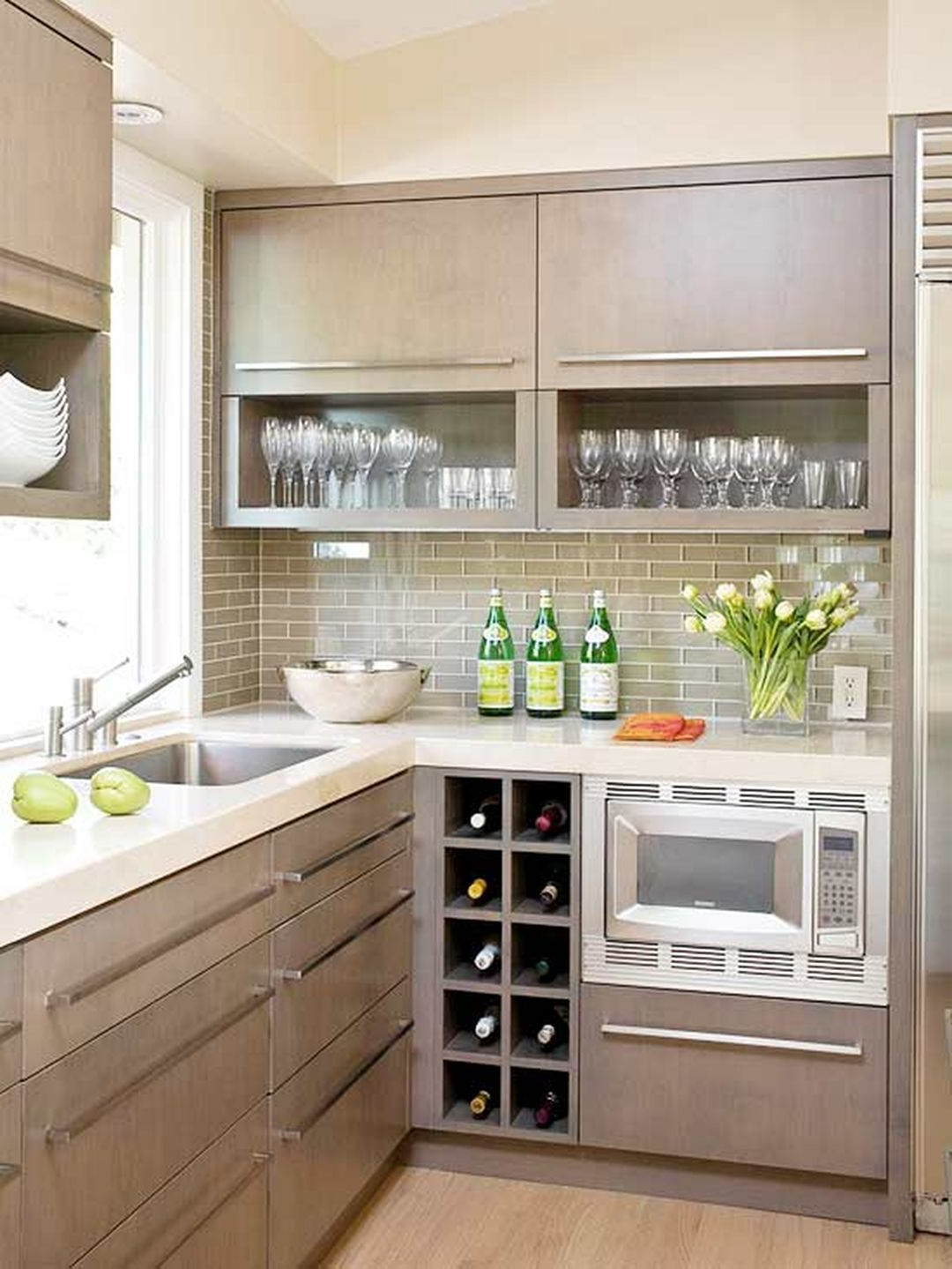
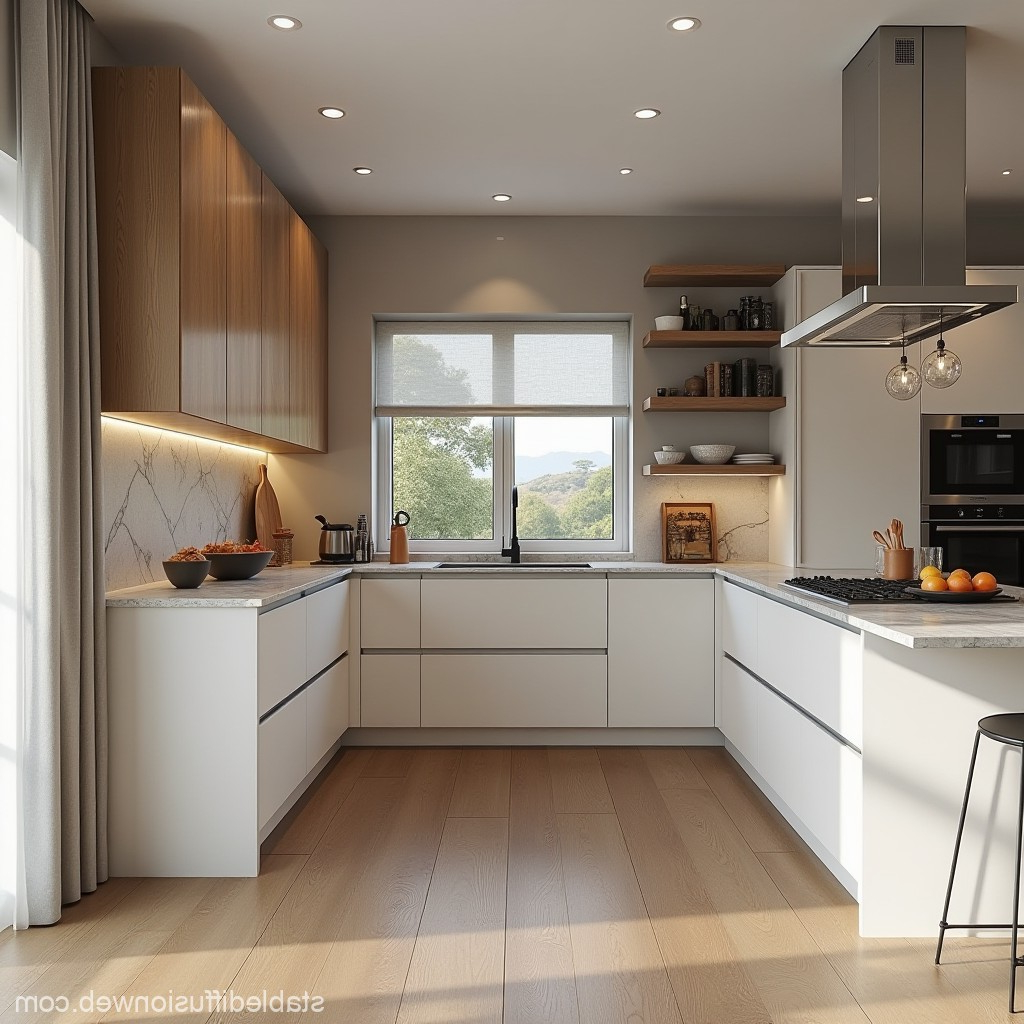
One of the most powerful strategies in small kitchen design is using vertical space. Don’t just think horizontally – think upwards! Tall cabinets that reach the ceiling can store everything from spices to seasonal dishes, while open shelving can display beautiful cookware and add visual interest.
Consider installing wall-mounted racks for pots and pans. These aren’t just functional – they’re also decorative. A simple wooden rack can become a statement piece, adding warmth to an otherwise stark kitchen. Floating shelves above the sink or stove can hold fresh herbs, small appliances, or even artwork.
Another overlooked opportunity is using the space behind cabinet doors. Install hooks or small pegboards for keys, utensils, or even small plants. These hidden spots can hold surprising amounts of useful items.
Multi-Purpose Furniture and Fixtures
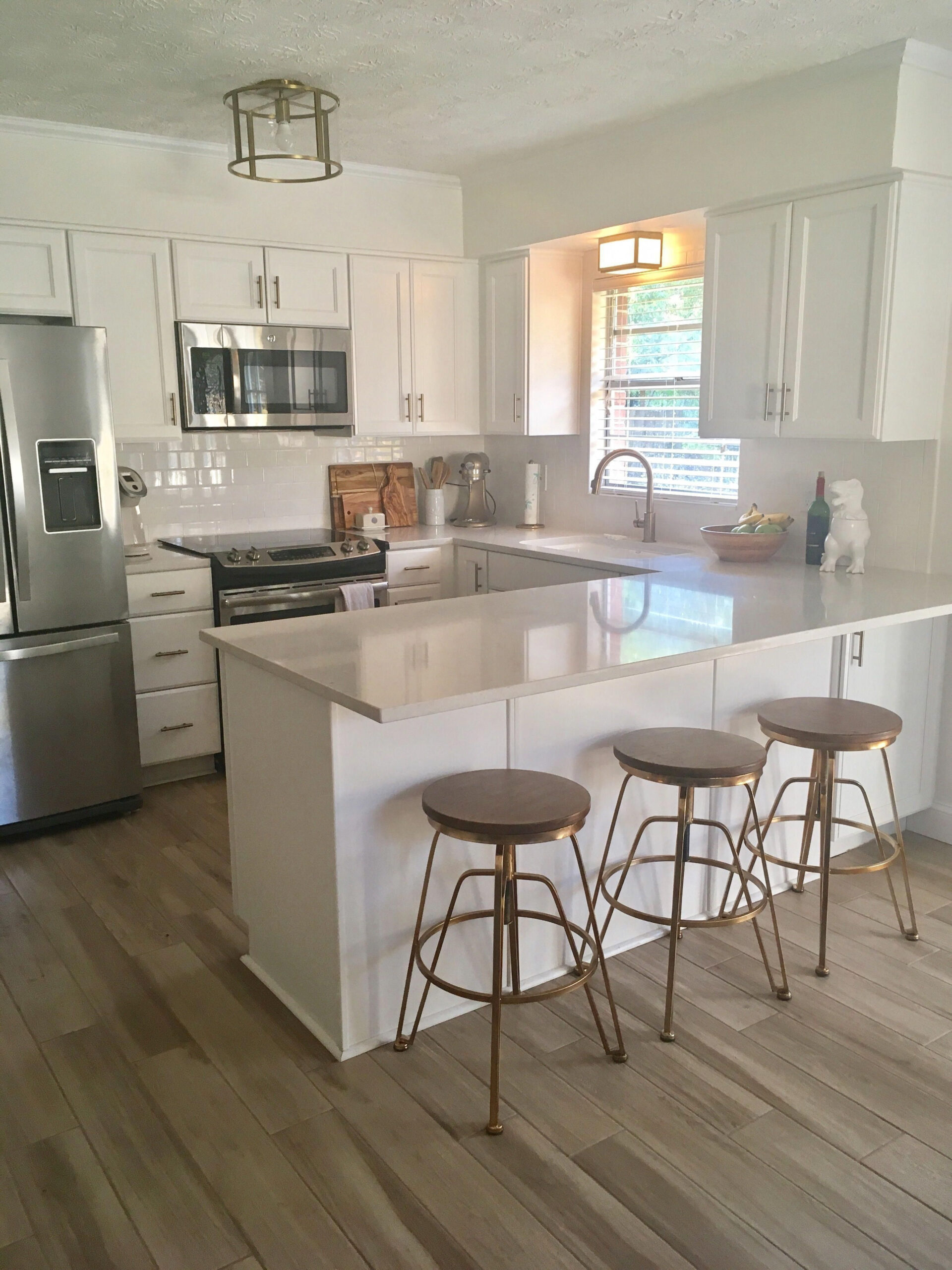
In tiny kitchens, every piece needs to earn its keep. Look for furniture and fixtures that serve multiple functions. A breakfast bar that doubles as dining space is classic, but consider more innovative options too.
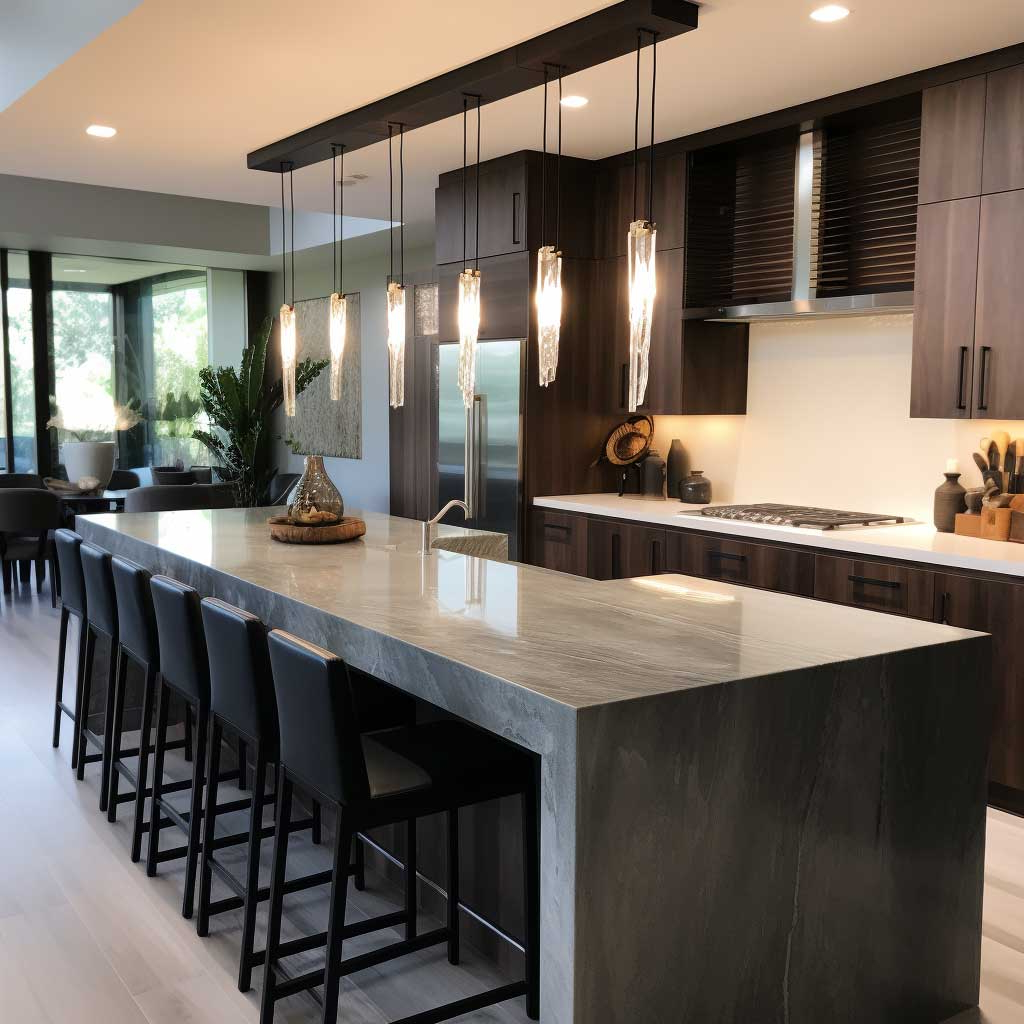
A kitchen island that transforms into workspace during the day and dining area at night is a game-changer. Some islands even feature built-in storage and can house a small refrigerator or microwave. The key is choosing pieces that blend seamlessly with your existing setup.
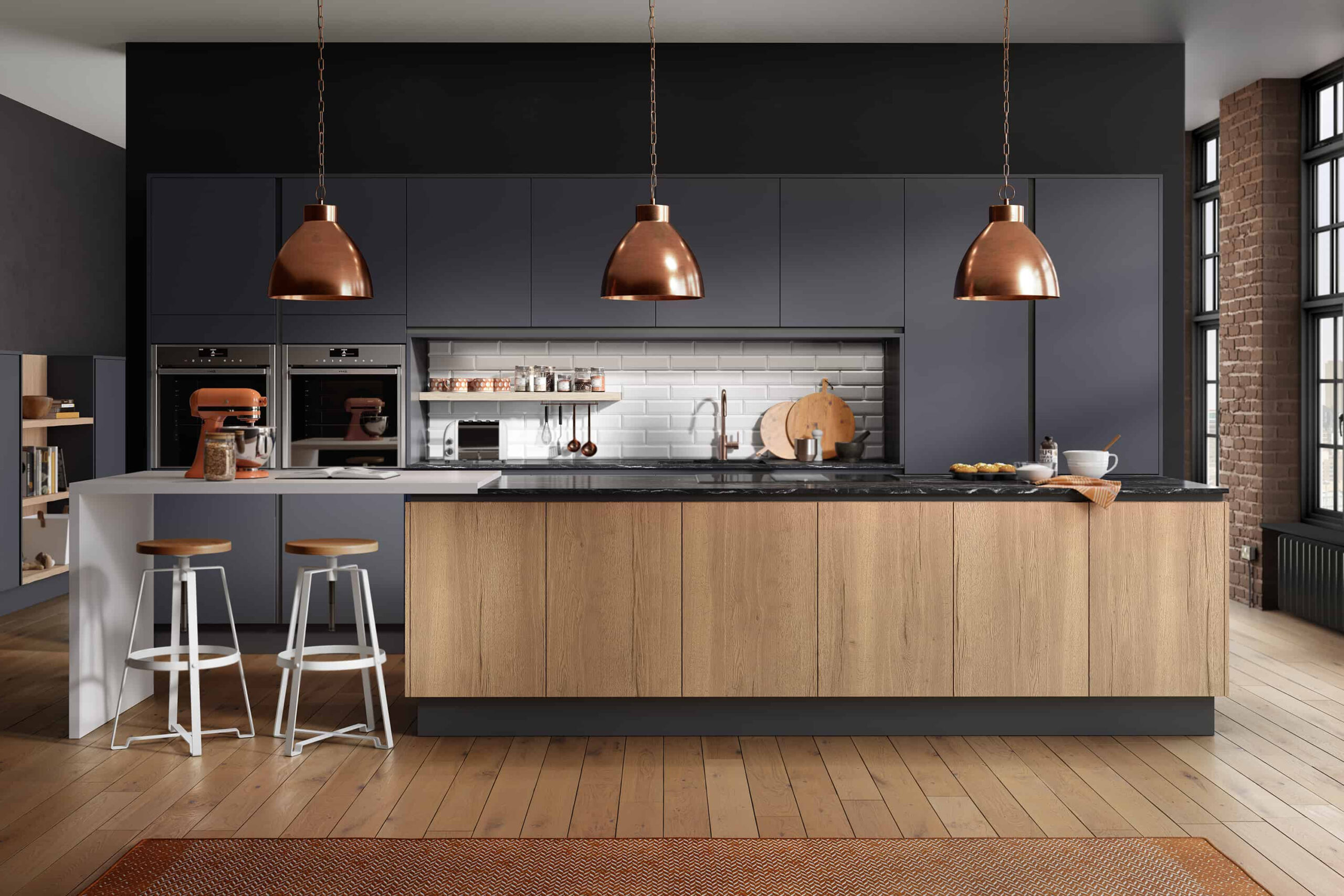
Stool seating can be cleverly integrated into the kitchen design. A few well-placed bar stools can provide extra seating while freeing up floor space. Or, better yet, choose stools that can be tucked under the counter when not in use.
Another smart move is investing in collapsible or foldable furniture. Pull-out trays for dining, folding tables, or even roll-up storage solutions can appear and disappear as needed. These aren’t just convenient – they’re essential for truly maximizing small spaces.
Smart Storage Solutions
Storage isn’t just about having enough room – it’s about organizing efficiently. In small kitchens, every inch counts, so you need to think creatively about how to use every available surface.
Under-sink storage is often forgotten but can be incredibly useful. Install adjustable shelves or baskets to accommodate various-sized items. A pull-out pantry drawer can hold everything from flour to canned goods, making access easy and organized.
Drawer organizers are another game-changer. Instead of rummaging through messy drawers, separate cutlery, utensils, and spices into clearly labeled compartments. Consider adding dividers for smaller items like measuring spoons or bottle caps.
Corner solutions are particularly important in small spaces. Corner shelves, turntables, or lazy Susans can make hard-to-reach corners suddenly useful. These aren’t just storage solutions – they’re conversation starters that show off your creativity.
Lighting That Sets the Mood
Lighting plays a crucial role in how small kitchens feel. Poor lighting makes even the prettiest space look cramped and uninviting. Good lighting, however, can instantly make a kitchen feel larger and more welcoming.
Layer your lighting carefully. Start with general overhead light, then add task lighting over work areas like the sink and stove. Under-cabinet lights are especially helpful because they eliminate shadows and make food prep safer.
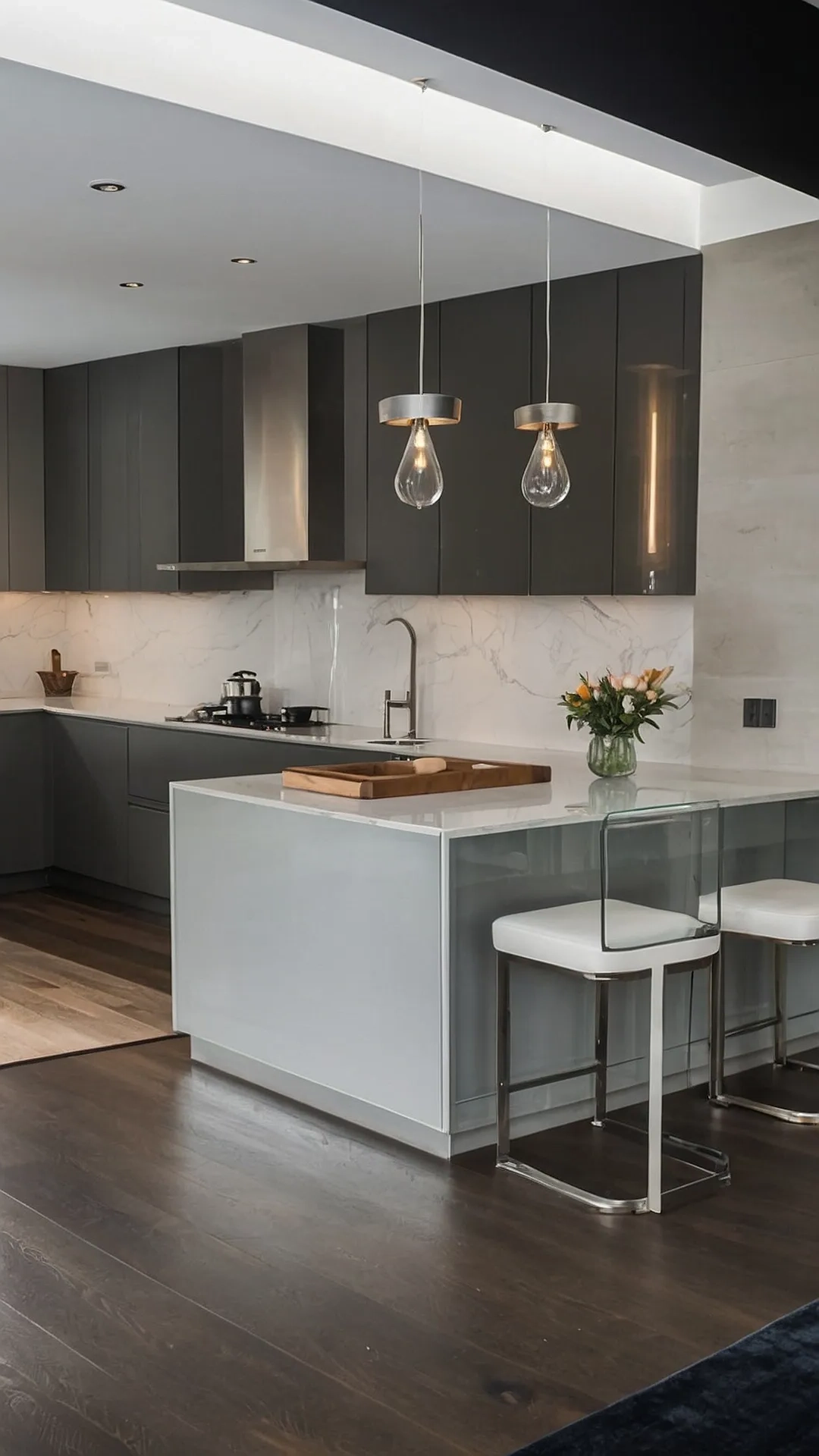
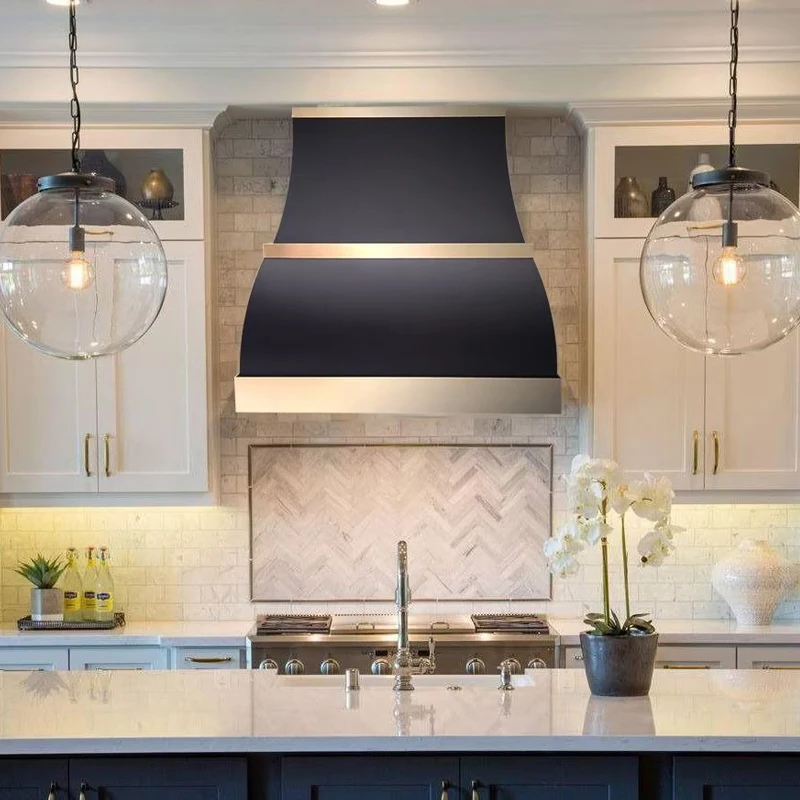
Don’t overlook ambient lighting either. A single pendant light above a breakfast bar or island can create a cozy atmosphere. String lights or LED strips can add personality to a minimalist space.
Color temperature matters too. Warm white light (around 3000K) creates a comfortable, homey feeling, while cooler light (around 5000K) feels more energizing and practical for cooking. Try mixing both depending on the time of day or activity.
Some designers love using dimmer switches to control different lighting scenarios. Imagine how relaxing it would be to have soft lighting for dinner parties versus bright, task-focused light for meal prep.
Color and Visual Tricks
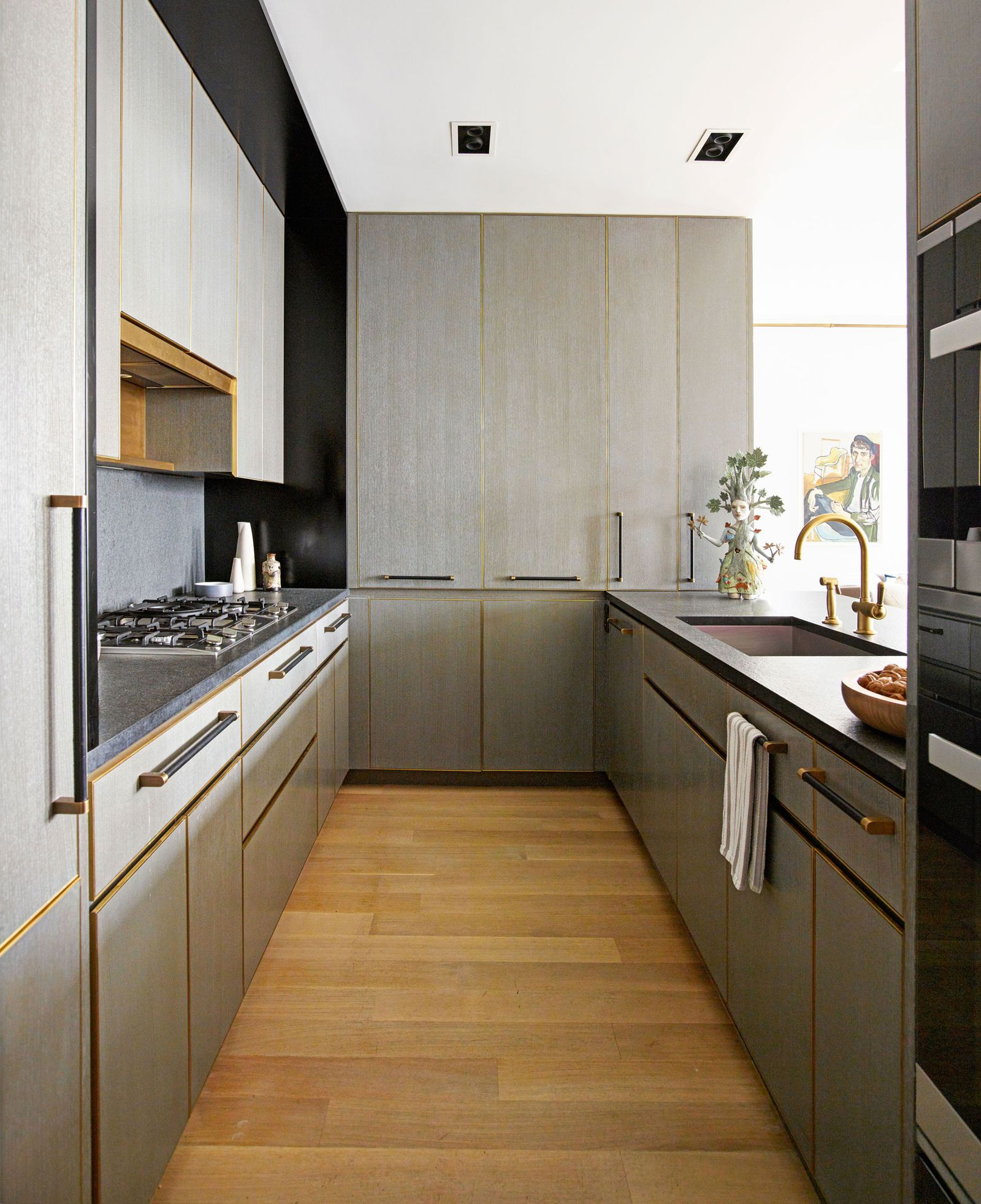
The right colors can make a tiny kitchen feel twice its size. Light, neutral tones are generally best for small spaces. White, cream, or soft grays reflect light and create an airy feeling that makes walls appear farther apart.
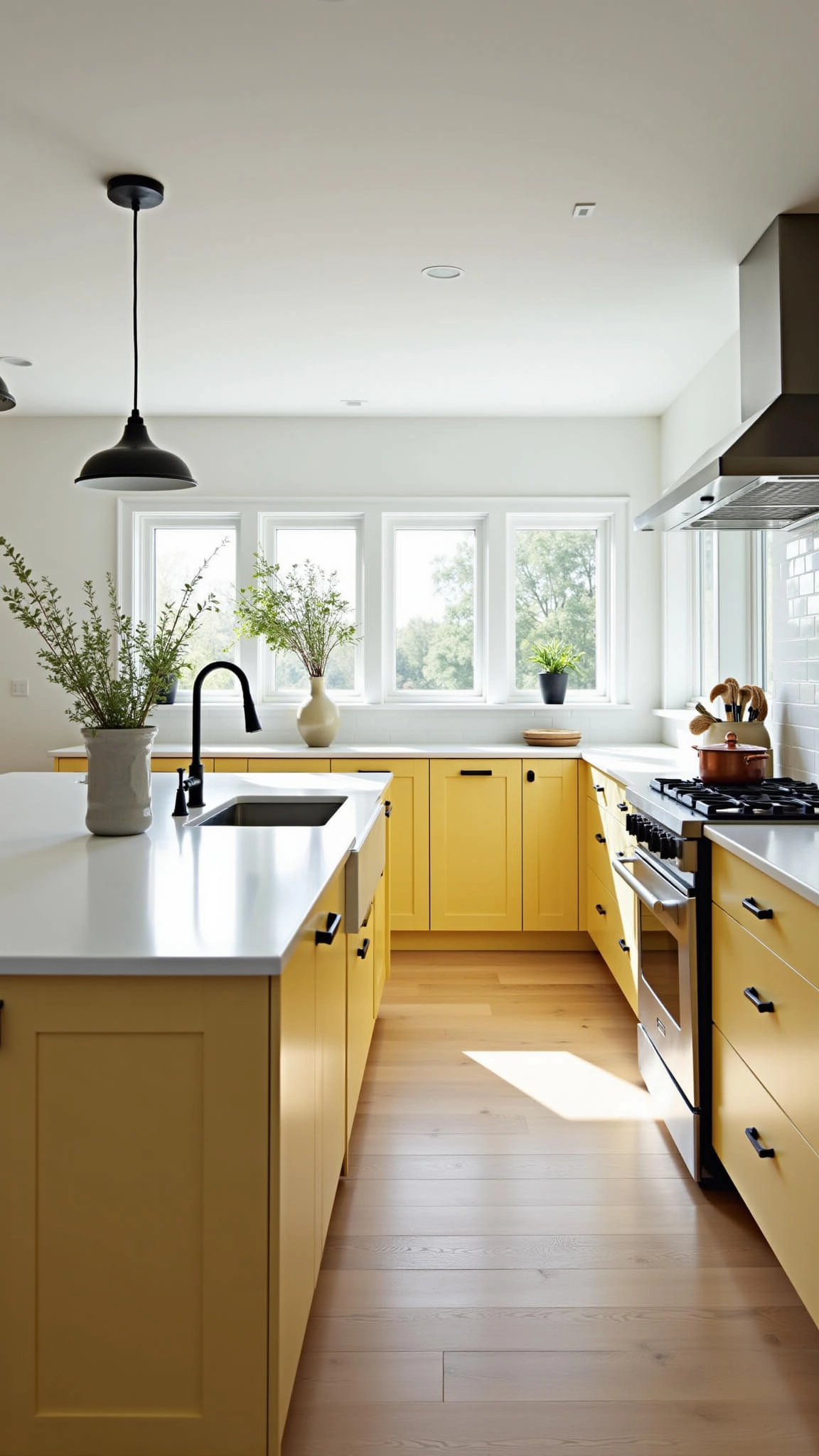
But don’t be afraid to add pops of color strategically. A bold backsplash, colorful appliances, or even a single accent wall can create visual interest without overwhelming the space. Just remember to keep the majority of your palette light.
Mirrors are powerful tools in small kitchens. They reflect light and give the illusion of depth. Consider a full-length mirror above the sink or a framed mirror on a wall. Even small mirror tiles in a backsplash can have a similar effect.
Patterned elements should be used sparingly and thoughtfully. Large-scale prints can overwhelm a small space, but small patterns or geometric designs can add visual texture without making things feel cluttered.
Another trick is to keep surfaces uniform in tone. If your cabinets are light, make countertops the same shade. This creates continuity that makes the space feel more expansive.
Technology Integration
Modern kitchens benefit enormously from technology that helps manage small spaces more efficiently. Smart appliances are becoming increasingly popular because they offer functionality without taking up much physical space.
Consider a microwave oven that installs in a cabinet or a combination dishwasher and garbage disposal unit. These multi-functional devices save precious floor space while delivering impressive results.
Smart storage systems can be surprisingly effective. Some companies now offer automated pantry systems with sensors that track inventory and send alerts when items run low. Others provide modular shelving that can be reconfigured easily as needs change.
Even basic smart home features can enhance small kitchen experiences. Voice-controlled lighting, smart thermostats that adjust based on occupancy, and automated window treatments can all contribute to a more efficient, comfortable environment.
Don’t forget about digital solutions. Apps that help organize recipes, grocery lists, or meal planning can reduce the need for physical storage while keeping everything accessible.
Transforming a small kitchen into a space that feels large, functional, and beautiful isn’t about tricks or illusions – it’s about thoughtful design choices that honor both form and function. Every decision, from color selection to storage solutions to lighting placement, contributes to the overall experience. When you approach small kitchen design with creativity and intention, the results can exceed expectations. The key is to start with what you have and build from there, embracing the unique opportunities that compact spaces present. Whether you’re designing a new kitchen or renovating an existing one, remember that the smallest spaces can have the biggest impact when designed with care and vision.
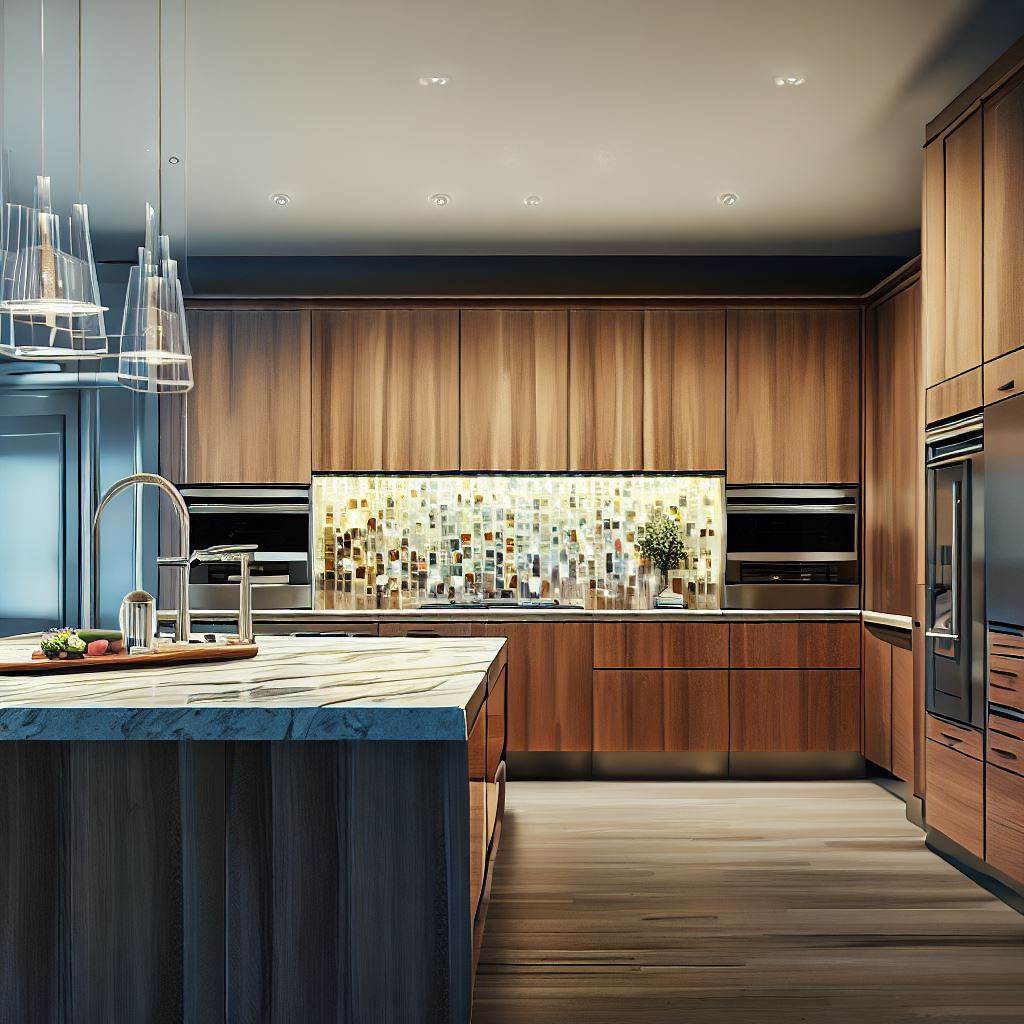
[sps_html tag=”img” src=”https://roofdrivein.com/wp-content/uploads/2026/01/30-small-modern-kitchen-ideas-for-small-space-big-impact-creative-solutions-for-modern-kitchens-scaled.jpg” alt=”30+ Small Modern Kitchen Ideas for Small space big impact creative solutions for modern kitchens” style=”width: 100%; height: auto;”]
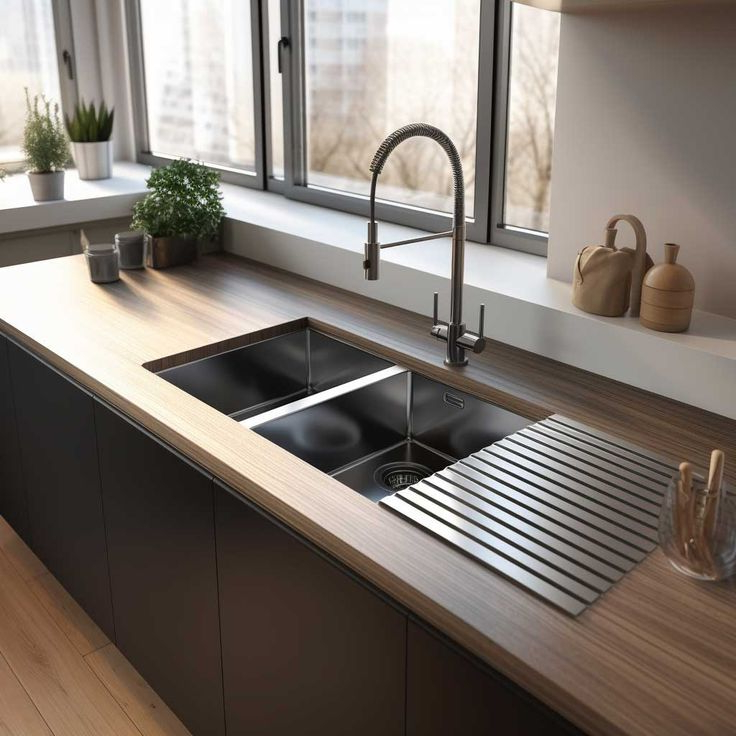
[sps_html tag=”img” src=”https://roofdrivein.com/wp-content/uploads/2026/01/small-kitchen-ideas-regarding-small-space-big-impact-creative-solutions-for-modern-kitchens.jpg” alt=”Small Kitchen Ideas regarding Small space big impact creative solutions for modern kitchens” style=”width: 100%; height: auto;”]
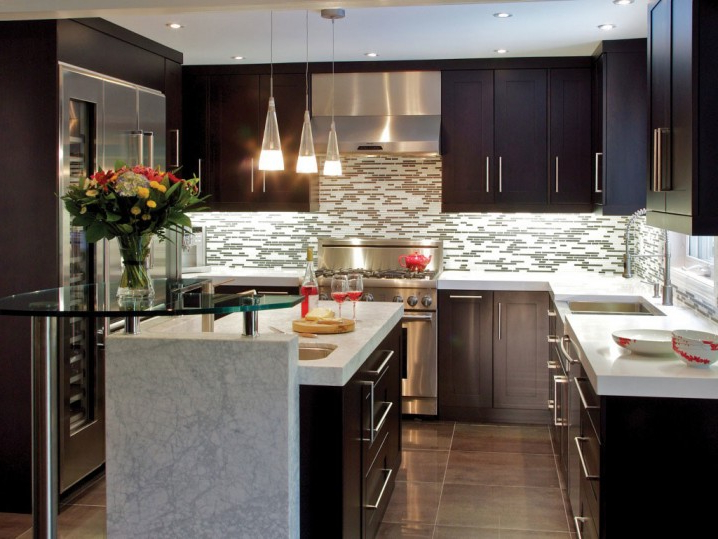
[sps_html tag=”img” src=”https://roofdrivein.com/wp-content/uploads/2026/01/modern-small-kitchen-design-ideas-throughout-small-space-big-impact-creative-solutions-for-modern-kitchens.jpg” alt=”Modern Small Kitchen Design Ideas throughout Small space big impact creative solutions for modern kitchens” style=”width: 100%; height: auto;”]
[sps_html tag=”img” src=”https://roofdrivein.com/wp-content/uploads/2026/01/15-modern-design-ideas-for-a-stylish-small-kitchen-transformation-within-modern-small-kitchen-ideas.webp” alt=”15 Modern Design Ideas For A Stylish Small Kitchen Transformation … within Modern Small Kitchen Ideas” style=”width: 100%; height: auto;”]
[sps_html tag=”img” src=”https://roofdrivein.com/wp-content/uploads/2026/01/16-modern-small-kitchen-designs-top-dreamer-regarding-modern-small-kitchen-ideas.jpg” alt=”16 Modern Small Kitchen Designs - Top Dreamer regarding Modern Small Kitchen Ideas” style=”width: 100%; height: auto;”]