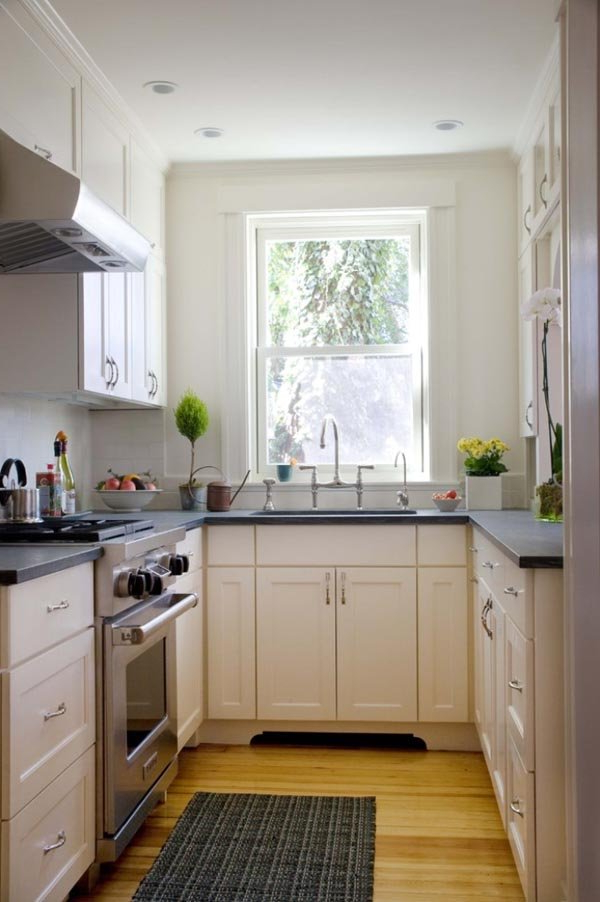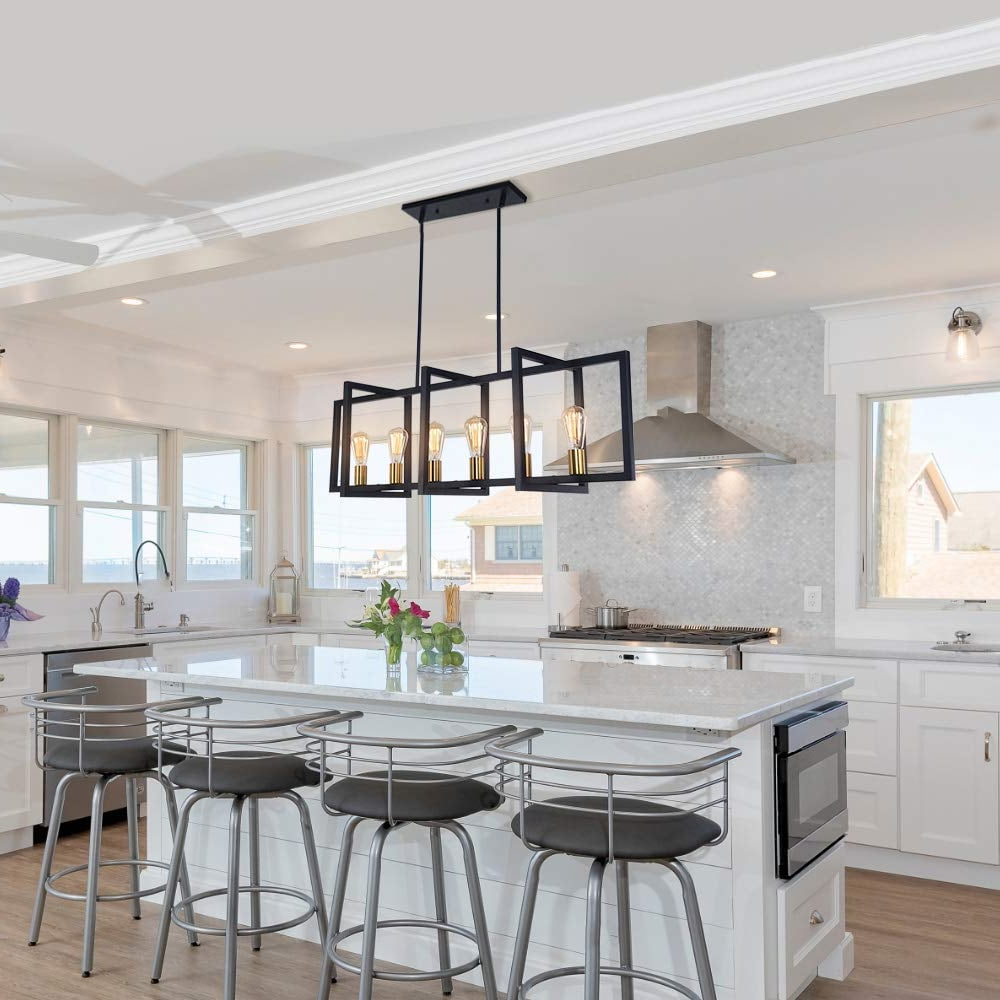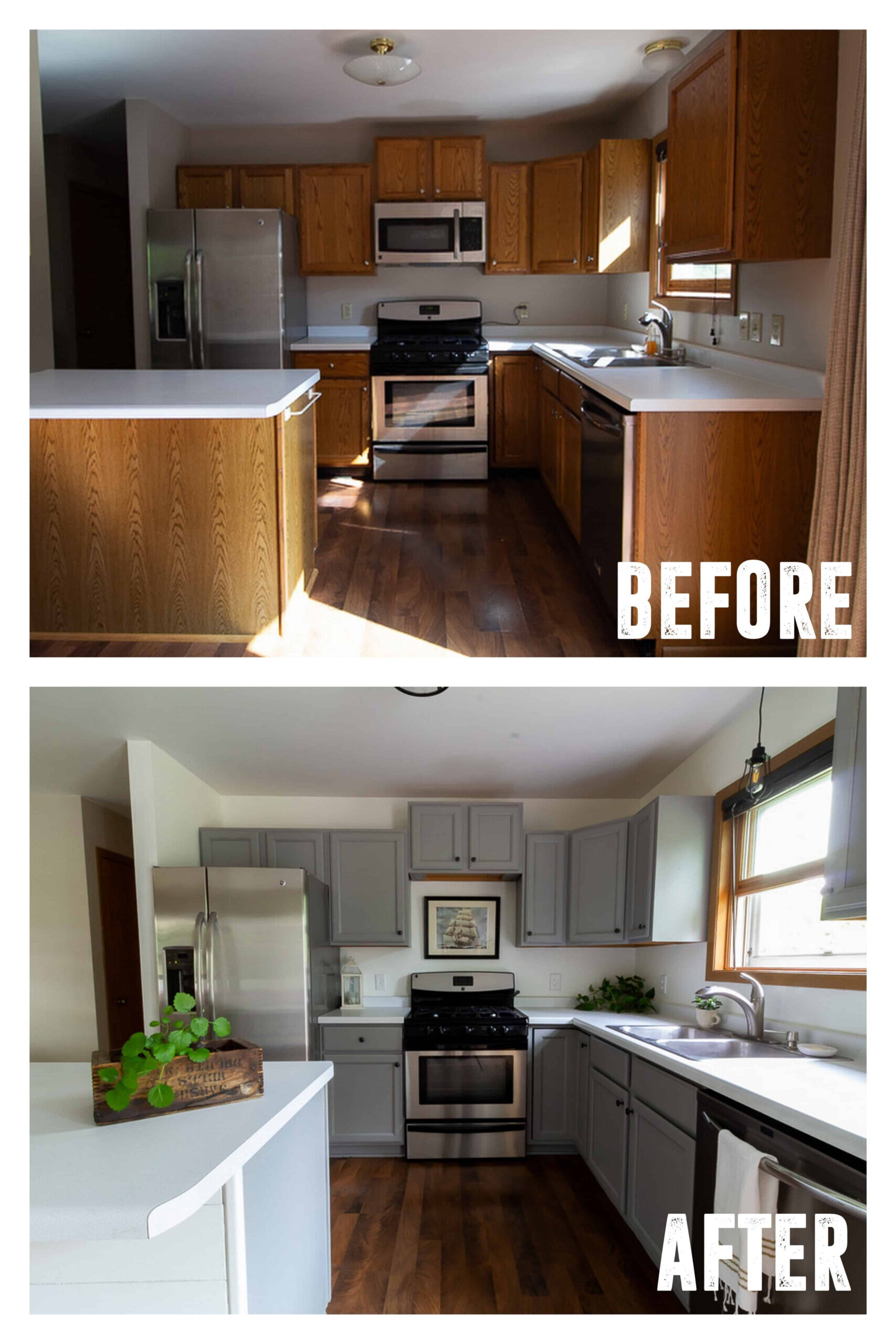
In today’s kitchens, the humble white refrigerator isn’t just a functional necessity anymore—it’s become a design statement. The quiet revolution of minimalist white appliance integration has transformed how we think about kitchen spaces, turning what was once considered utilitarian into something that speaks to our aesthetic sensibilities.
Think about your last visit to a modern kitchen. Chances are, you noticed something striking—the appliances weren’t screaming for attention. Instead, they were seamlessly blending into the background, almost invisible, yet absolutely essential. This shift represents more than just a trend; it’s a fundamental change in how we approach kitchen design. White appliances have evolved from simple household items to powerful design elements that can completely transform a space. What started as a practical choice has become an art form, where every detail matters and every element contributes to the overall harmony of the room.
The Aesthetic Appeal of Clean Lines
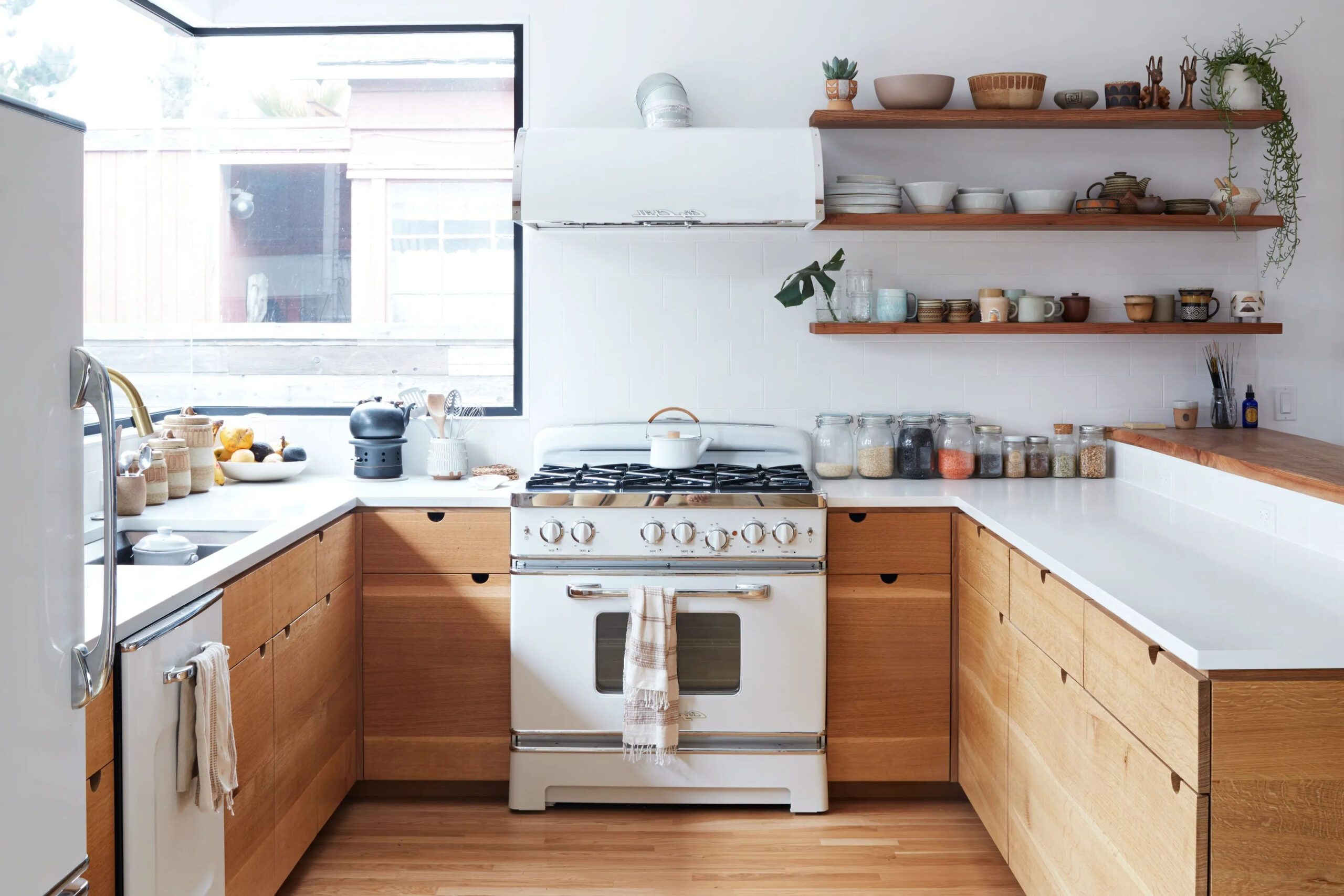
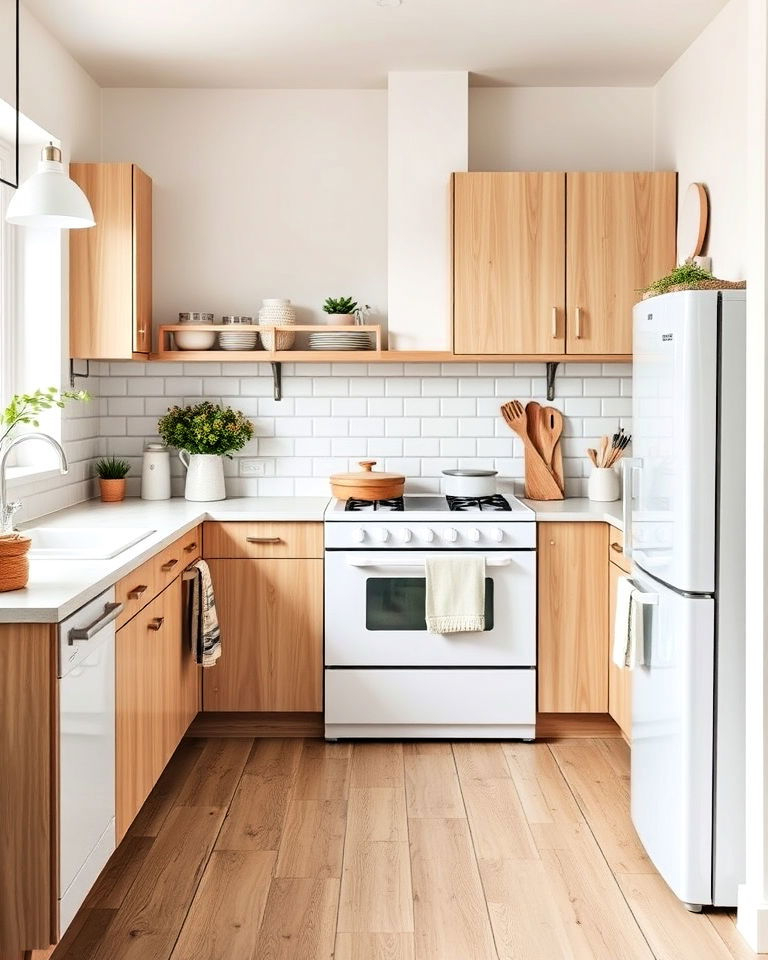
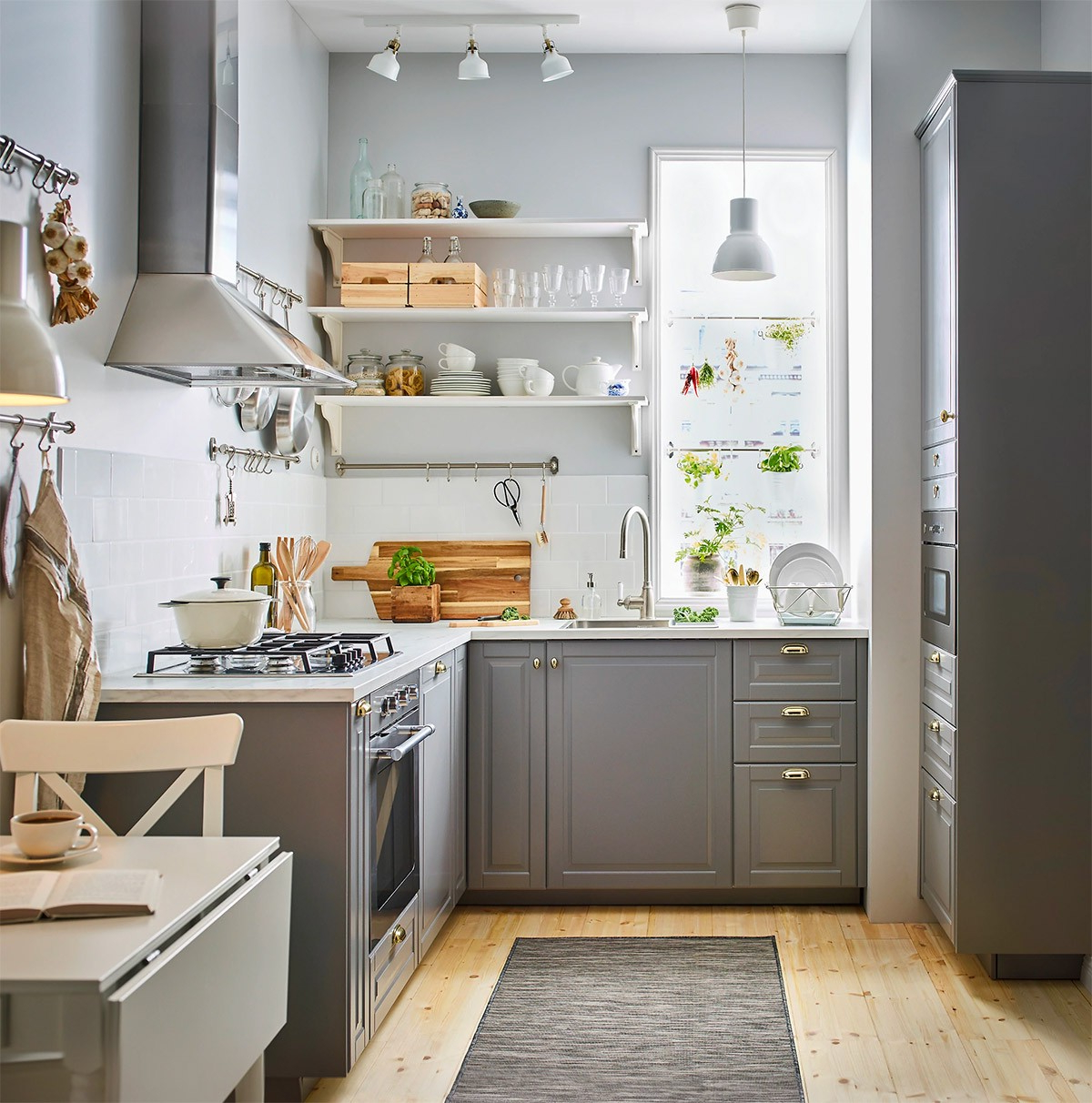
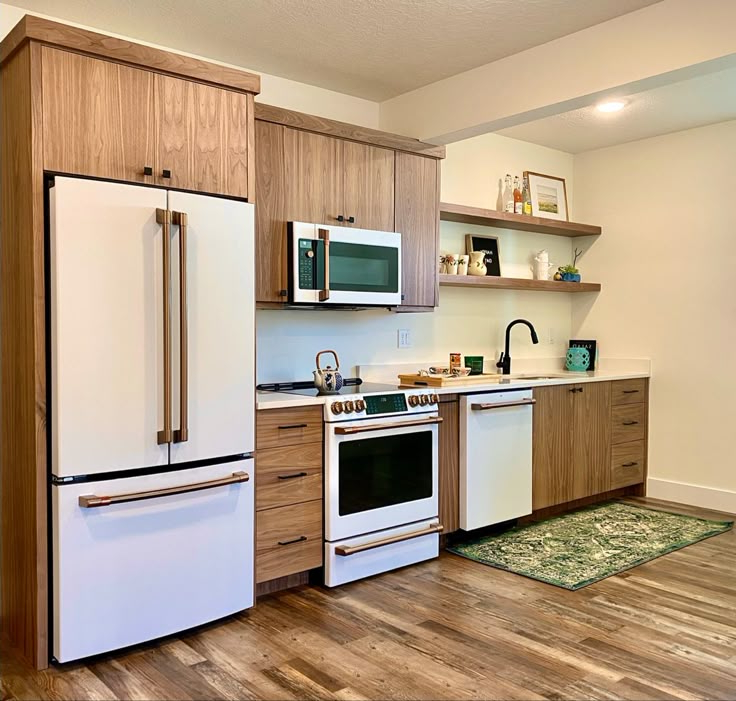
There’s something deeply satisfying about a kitchen where everything looks intentional. White appliances bring that sense of order to a space. They don’t compete with the visual elements around them—they complement them. Think about it: when you see a pristine white refrigerator next to warm wood cabinets, there’s a balance that feels right. That’s because white creates a neutral base that allows other design elements to shine. It’s like having a blank canvas that you can paint with colors, textures, and materials. The clean lines of modern white appliances also support that minimalist philosophy. They don’t have unnecessary details or flashy features that might distract from the overall look. Instead, they focus on form and function working together in perfect harmony.
Practical Benefits Beyond Appearance
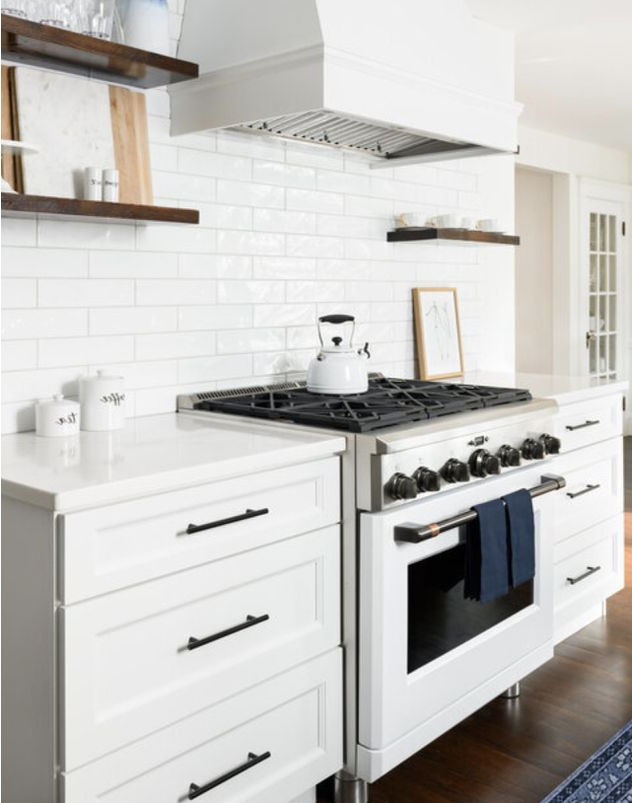
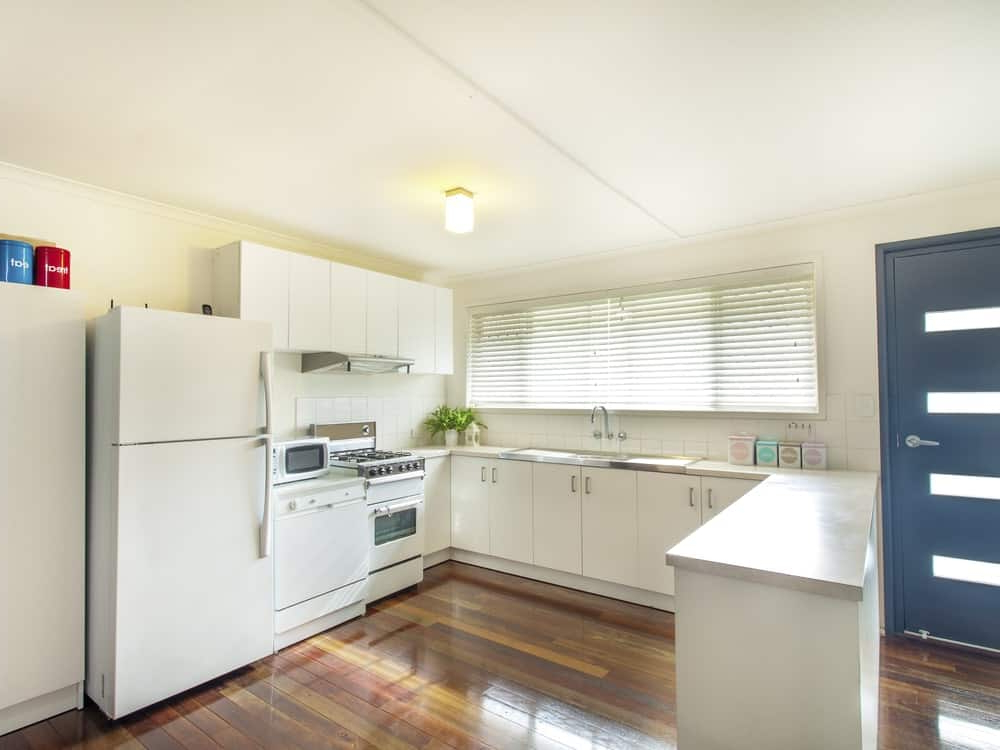
While the visual appeal is obvious, there are plenty of practical reasons why white appliances have become so popular. First, they hide dirt and fingerprints much better than darker colors. You know that moment when you’re trying to keep your kitchen looking fresh but someone accidentally smudges the counter? With white appliances, it’s much less noticeable. Second, they reflect light beautifully, making smaller kitchens feel bigger and brighter. Many homeowners report that their kitchen suddenly feels more open after switching to white appliances. Third, they’re incredibly versatile. Whether your kitchen style is farmhouse, modern, or traditional, white appliances fit right in. They’re like a wardrobe staple that works with everything in your collection.
Integration Challenges and Solutions
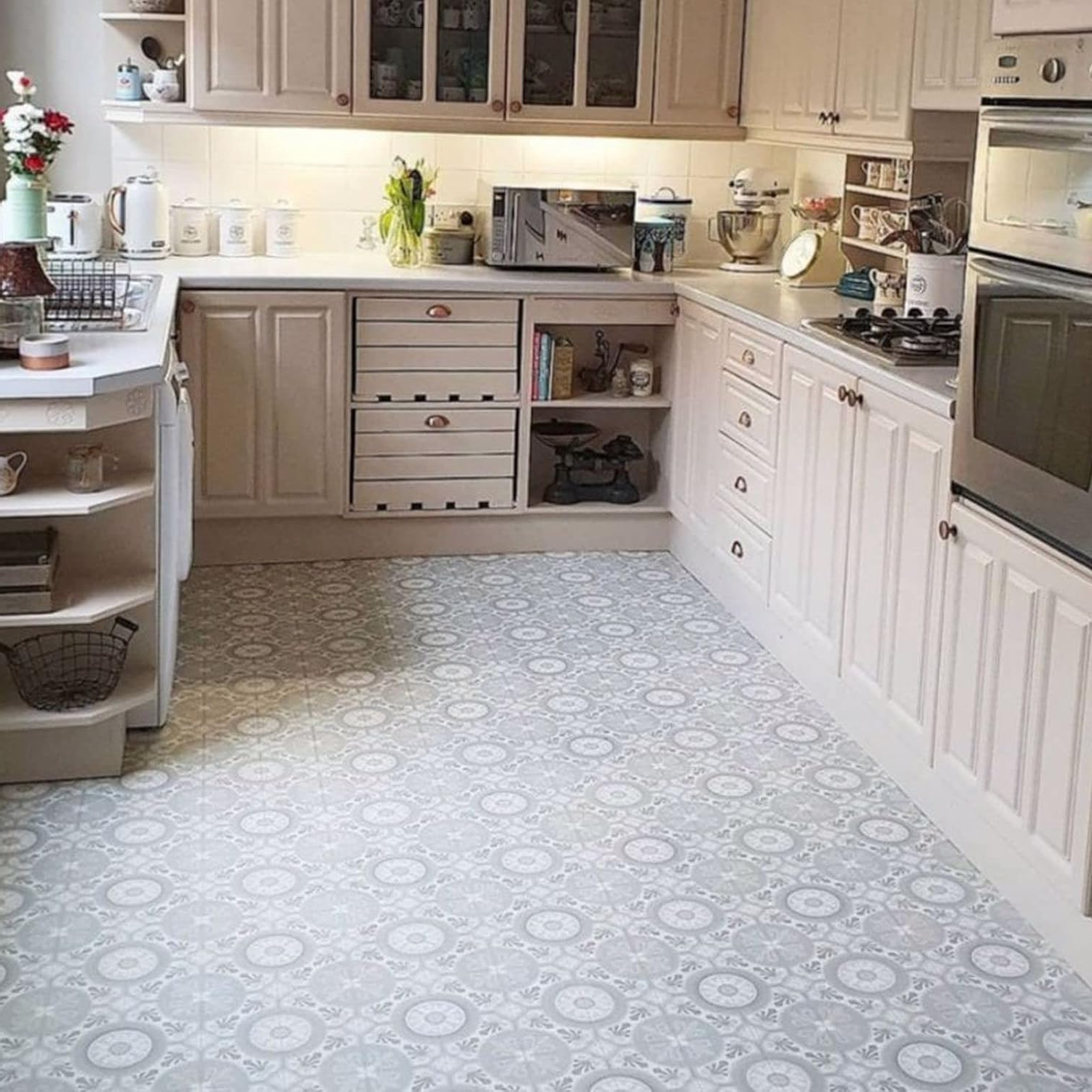
Of course, integrating white appliances into a kitchen isn’t always straightforward. One common issue is making sure all the appliances match perfectly. You don’t want one stove to look different from another, or a dishwasher that stands out like a sore thumb. That’s why many designers now recommend choosing appliances from the same manufacturer or series. Another challenge is ensuring that white appliances don’t make a space feel cold or sterile. To combat this, designers often add warm wood tones, soft lighting, or colorful accents that create visual interest while maintaining the clean aesthetic. The key is balance—white appliances can be part of a warm, inviting space if you think about how other elements interact with them.
Choosing the Right Appliances for Your Space
Not every white appliance will work in every kitchen. Consider your space’s size and layout first. In small kitchens, you’ll want to prioritize appliances that are both functional and compact. Look for models that offer multiple functions in one unit, like a combination microwave oven and toaster oven. For larger kitchens, you might consider more specialized appliances that can handle bigger tasks. Also think about your lifestyle. If you entertain frequently, you might want a larger refrigerator with good storage organization. If you cook a lot, a high-quality range with precise temperature controls could be worth the investment. The most important thing is to choose appliances that match your daily needs while fitting into your chosen design scheme.
Color Coordination and Matching Strategies
When you’re working with white appliances, the rest of your kitchen needs to support rather than compete with them. This means paying attention to cabinet colors, countertop materials, and flooring choices. Many people opt for warm whites that have subtle undertones to prevent the space from feeling too stark. You can also create visual interest by using different textures—smooth granite countertops paired with brushed steel appliances can create beautiful contrast. Some designers suggest incorporating a touch of color through accessories like dish towels, backsplash tiles, or even a single accent wall. The idea is to create depth and dimension without overwhelming the clean lines of the white appliances.
Maintenance and Long-term Care
White appliances require a bit more attention when it comes to maintenance, but the effort is usually worth it. Regular cleaning with mild soap and water helps maintain their appearance. For stubborn stains, specialized cleaners designed for white appliances work well. It’s also helpful to keep a supply of microfiber cloths for quick touch-ups throughout the day. Many people find that regular maintenance prevents small issues from becoming big problems. The key is consistency—don’t wait until something gets really dirty before cleaning it. Also remember that white appliances don’t have to stay perfectly white forever. Some people embrace the gentle patina that comes with age and use it as part of their kitchen’s character. The important thing is that they continue to serve their purpose well.
The rise of minimalist white appliance integration shows us that good design doesn’t have to be complicated. Sometimes, the most powerful changes come from the simplest solutions. When you choose white appliances thoughtfully, you’re not just buying new kitchen equipment—you’re investing in a space that reflects your personal style and meets your practical needs. The beauty of this approach lies in its versatility and timelessness. These kitchens don’t go out of style quickly because they rely on classic principles of design rather than trendy elements. Whether you’re designing a new kitchen or updating an existing one, consider how white appliances might transform your space. You might be surprised at how much difference a thoughtful choice can make in creating the kitchen of your dreams.
[sps_html tag=”img” src=”https://roofdrivein.com/wp-content/uploads/2026/01/18-stylish-white-kitchen-appliance-ideas-for-any-kitchen-for-designing-your-dream-kitchen-the-rise-of-minimalist-white-appliance-integration.jpg” alt=”18 Stylish White Kitchen Appliance Ideas For Any Kitchen for Designing Your Dream Kitchen: The Rise of Minimalist White Appliance Integration” style=”width: 100%; height: auto;”]
[sps_html tag=”img” src=”https://roofdrivein.com/wp-content/uploads/2026/01/walnut-matte-white-modern-kitchen-with-cafe-appliances-intended-for-designing-your-dream-kitchen-the-rise-of-minimalist-white-appliance-integration.jpg” alt=”Walnut & Matte White Modern Kitchen With Cafe Appliances intended for Designing Your Dream Kitchen: The Rise of Minimalist White Appliance Integration” style=”width: 100%; height: auto;”]
[sps_html tag=”img” src=”https://roofdrivein.com/wp-content/uploads/2026/01/65-kitchens-with-white-appliances-photos-home-stratosphere-pertaining-to-modern-kitchen-with-white-appliances.jpg” alt=”65 Kitchens With White Appliances (Photos) - Home Stratosphere pertaining to Modern Kitchen With White Appliances” style=”width: 100%; height: auto;”]
[sps_html tag=”img” src=”https://roofdrivein.com/wp-content/uploads/2026/01/40-kitchens-with-white-appliances-to-refresh-your-space-pertaining-to-designing-your-dream-kitchen-the-rise-of-minimalist-white-appliance-integration.jpg” alt=”40 Kitchens With White Appliances To Refresh Your Space pertaining to Designing Your Dream Kitchen: The Rise of Minimalist White Appliance Integration” style=”width: 100%; height: auto;”]
[sps_html tag=”img” src=”https://roofdrivein.com/wp-content/uploads/2026/01/white-kitchen-appliances-how-to-transform-your-kitchen-with-a-classic-pertaining-to-designing-your-dream-kitchen-the-rise-of-minimalist-white-appliance-integration-scaled.jpg” alt=”White Kitchen Appliances: How To Transform Your Kitchen With A Classic … pertaining to Designing Your Dream Kitchen: The Rise of Minimalist White Appliance Integration” style=”width: 100%; height: auto;”]