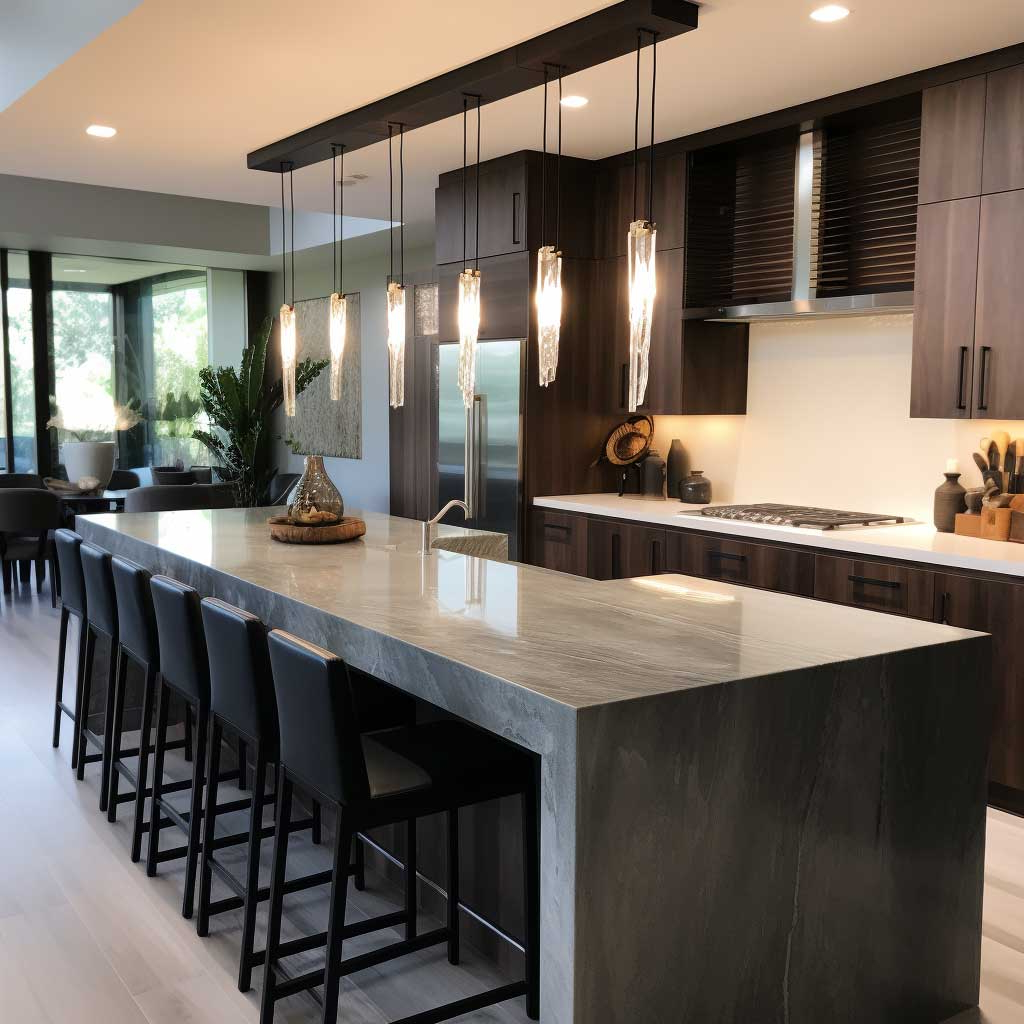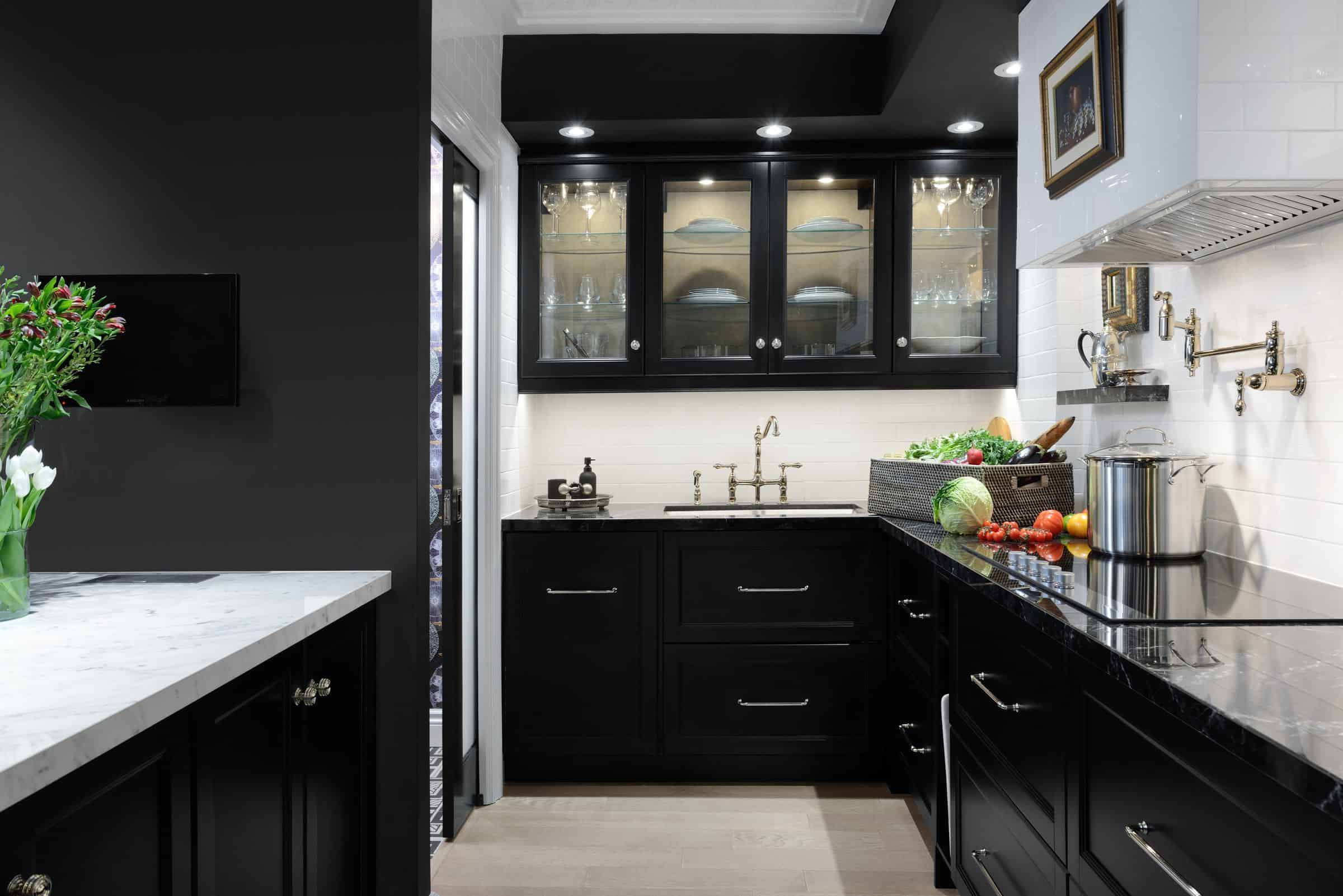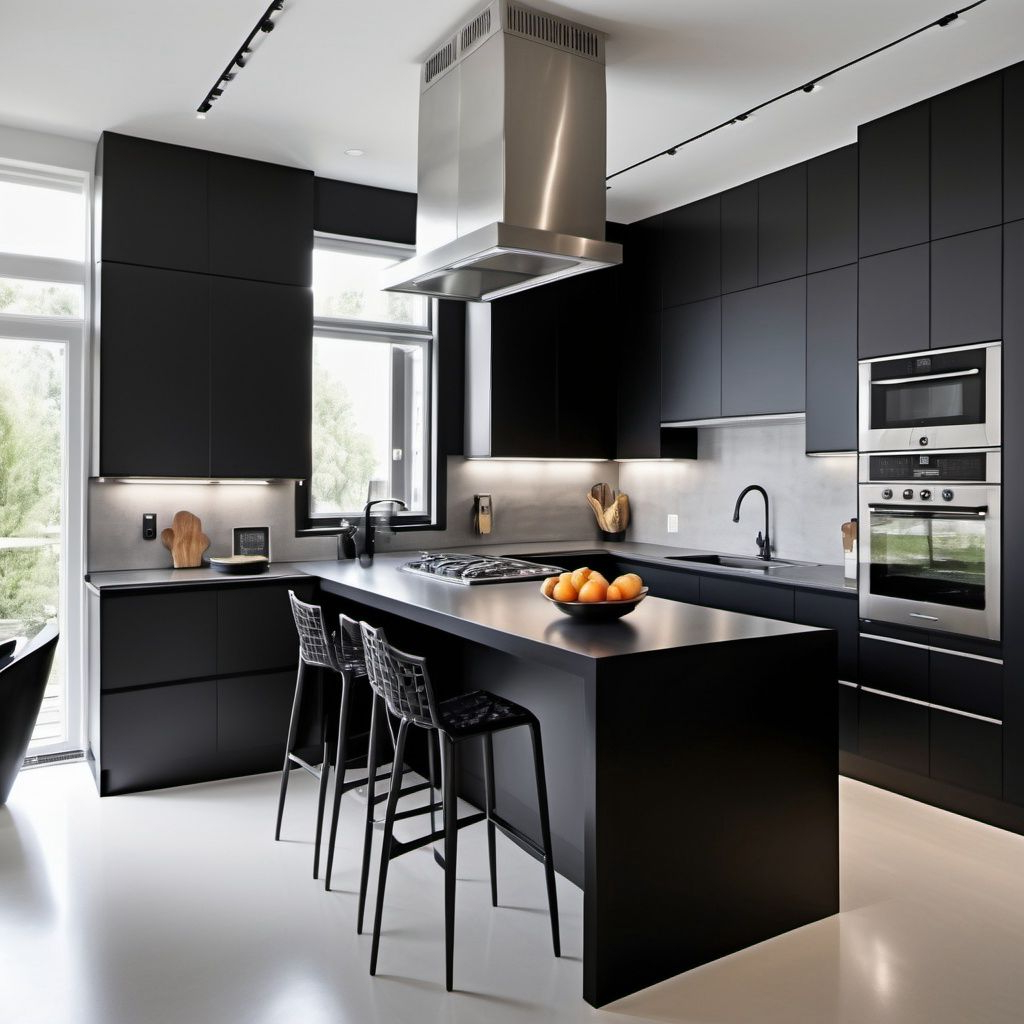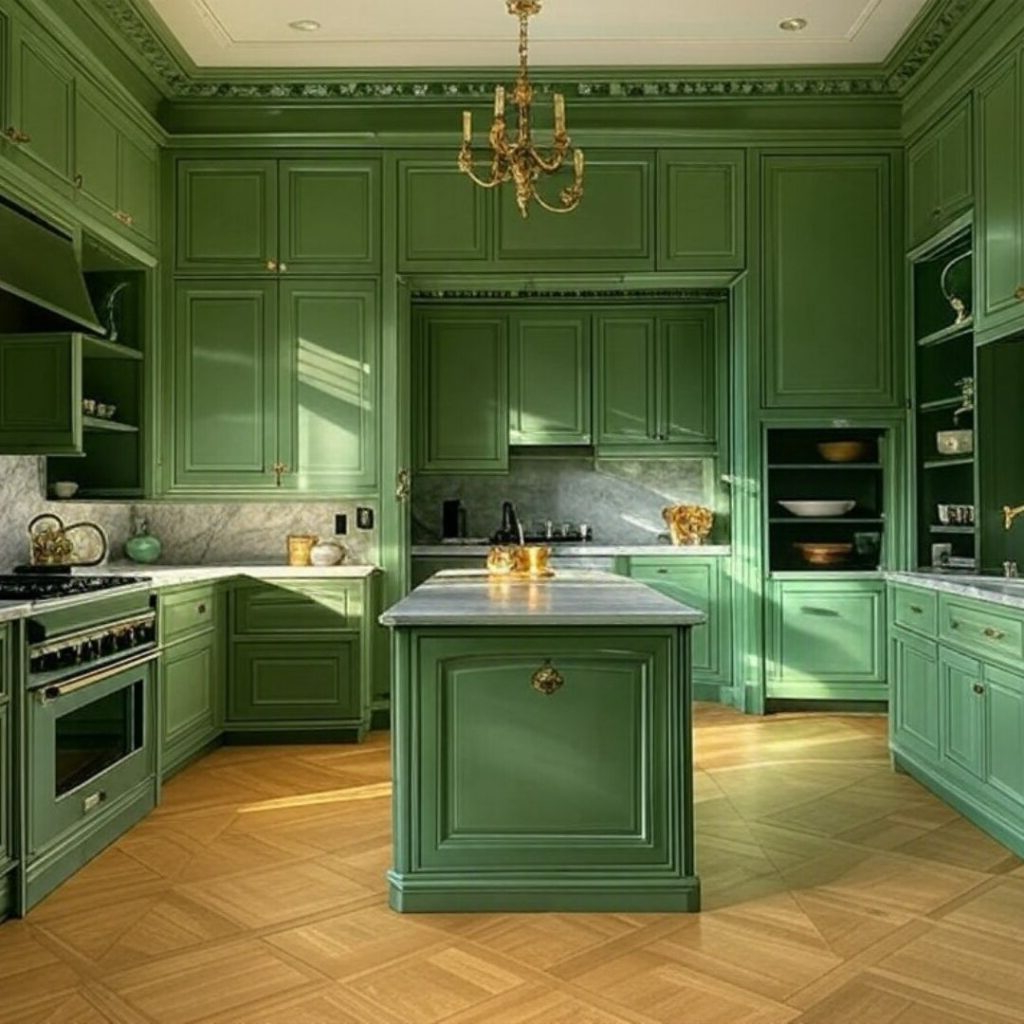
Picture this: You’re standing in your kitchen, surrounded by all the tools you need, but somehow everything feels just out of reach. The sink is too far from the stove, the prep area is cramped, and there’s nowhere to set down your ingredients while you cook. Sound familiar? That’s exactly why thoughtful island placement matters so much in today’s kitchens. It’s not just about having a pretty centerpiece – it’s about creating a seamless workflow that makes cooking feel effortless rather than frustrating.
Modern kitchens have evolved far beyond simple cooking spaces. They’ve become the central hub of family life, social gatherings, and daily routines. At the heart of many contemporary kitchen designs sits the kitchen island – a versatile feature that can either elevate your culinary experience or completely derail your workflow. The key lies not just in choosing the right materials or stylish finishes, but in understanding how to position this crucial element to maximize both function and form. Whether you’re planning a complete kitchen renovation or simply looking to optimize your existing space, thoughtful island placement can be the difference between a kitchen that works for you and one that works against you. This isn’t just about aesthetics – it’s about creating a space that supports your lifestyle and cooking habits in the most efficient way possible.
Understanding the Foundation: Kitchen Workflow Principles
Before we dive into island placement specifics, it’s important to understand basic kitchen workflow principles. The classic work triangle – connecting the sink, refrigerator, and stove – remains the gold standard for kitchen efficiency. But in modern homes, this triangle needs to be expanded to include the island itself. When you think about it, the island often becomes the fourth point in this triangle, serving as a bridge between different zones of your kitchen. Think about how you move through your kitchen daily. Do you prep ingredients near the sink? Do you frequently need to access the refrigerator while cooking? These patterns will guide your island positioning. A well-placed island can actually improve your work triangle by reducing unnecessary steps and creating logical pathways through your cooking space. Consider how much time you spend moving back and forth across your kitchen. Every foot saved in travel distance translates to more time spent enjoying your meals rather than chasing them around.
The Golden Rule: Proportional Placement and Clearances
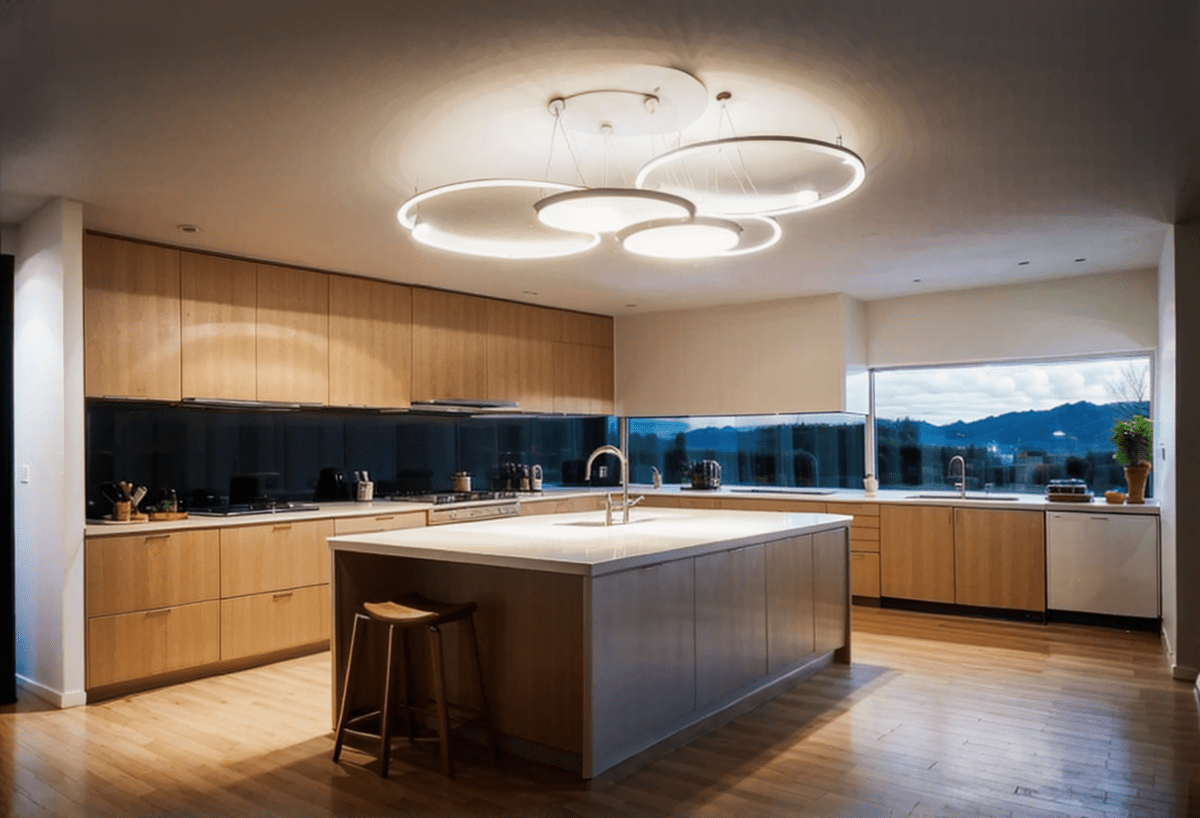
One of the most common mistakes people make when placing kitchen islands is ignoring proportional relationships. Your island shouldn’t be the biggest thing in the room – it should be the perfect size to serve its purpose. Standard clearance requirements are essential: at least 36 inches of clear space around the island for comfortable movement. But what about the island itself? It should ideally be no wider than 48 inches for single-person tasks, though larger islands work well when they serve multiple users. The length depends on your space and intended use. A 6-foot island might work perfectly in a large open kitchen, while a 4-foot island could dominate a smaller space. Think about the actual dimensions of your kitchen. If you have a 12-foot kitchen, you might consider a 6-foot island that allows for proper circulation. But if your space is only 8 feet wide, a 4-foot island gives you room to breathe. Remember, the island should enhance rather than obstruct the flow of your kitchen. Too big, and it becomes a barrier. Too small, and it fails to provide adequate workspace.
Choosing the Right Location: Open vs. Closed Kitchen Dynamics
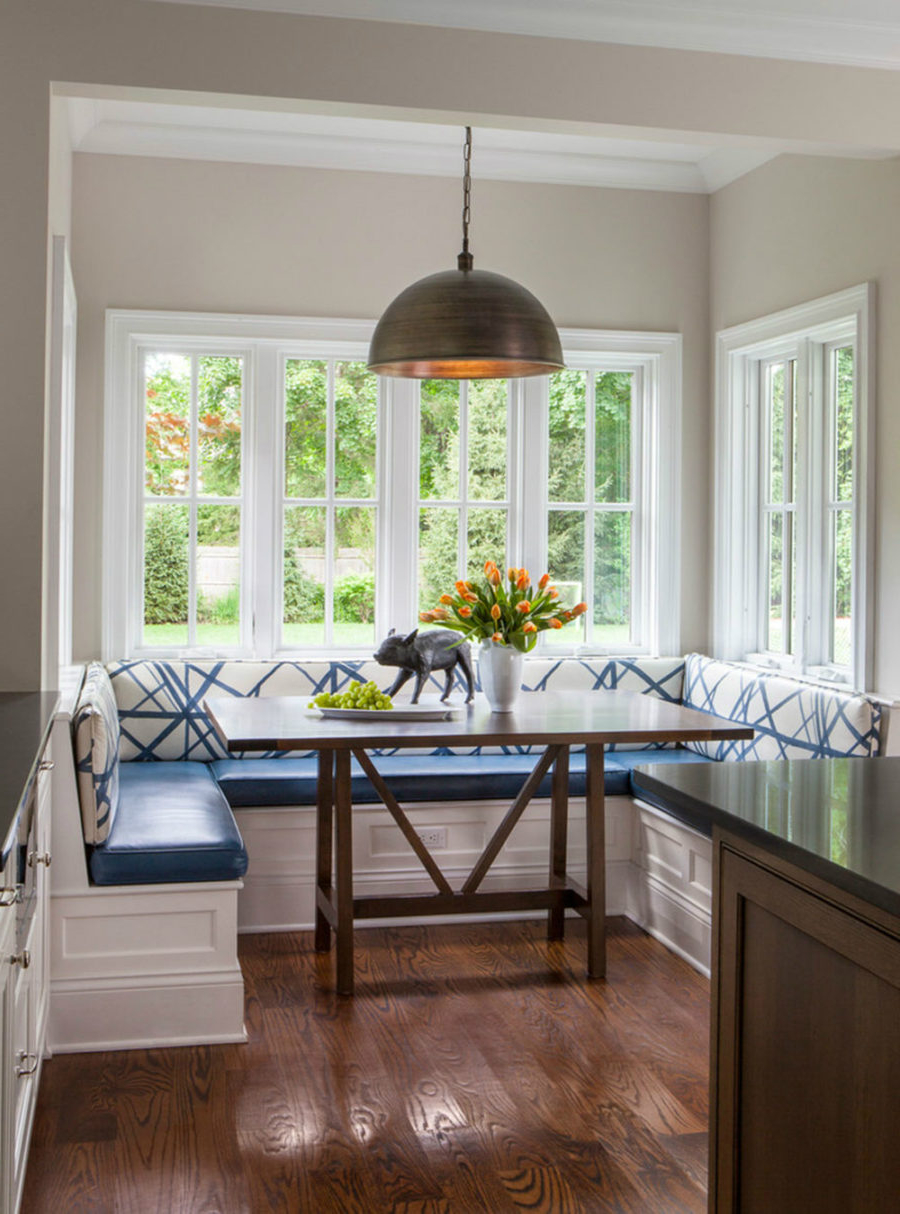
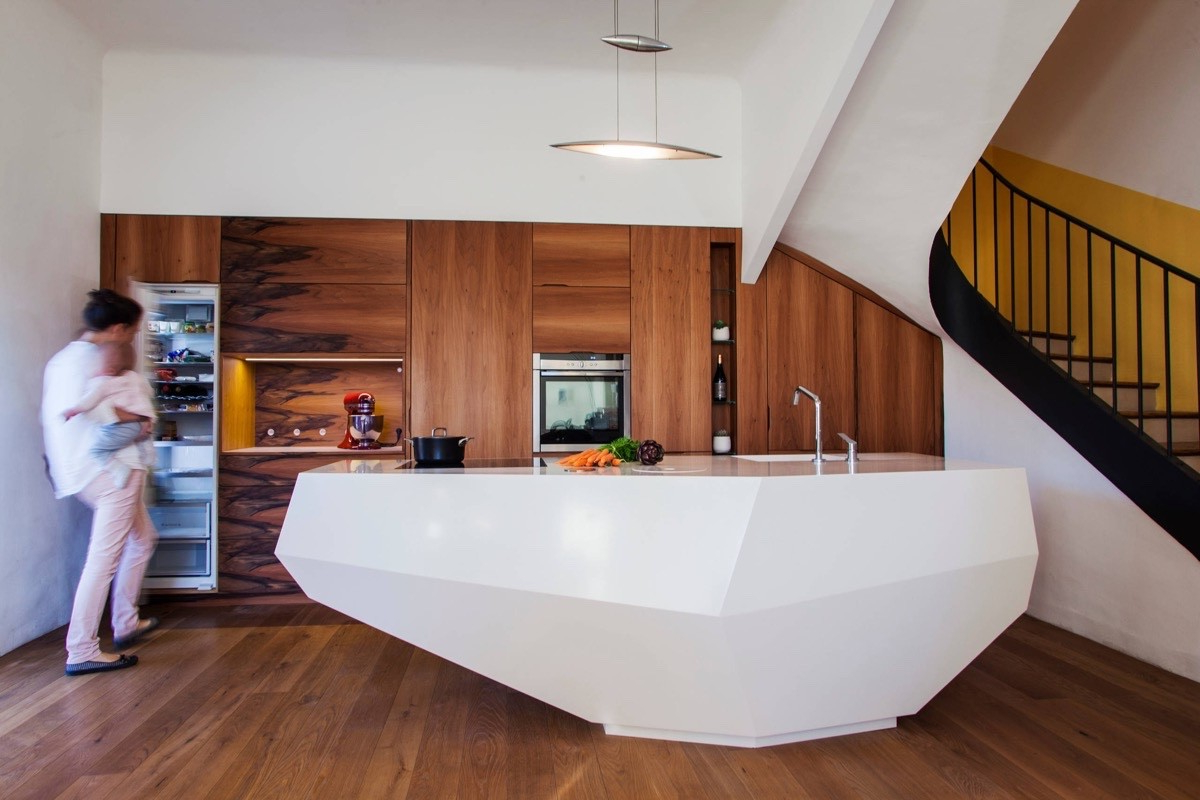
The decision between an open and closed kitchen layout significantly impacts island placement strategy. In open kitchens, islands often act as a visual separator between dining and cooking areas, creating distinct zones within one large space. Here, placement becomes more flexible because you’re not bound by walls. The island can sit anywhere that maximizes workflow while maintaining sightlines to other family members. In closed kitchens, traditional placement near the main cooking area makes sense, but you might find creative solutions like placing the island in a corner or along a wall that opens to the dining area. Many homeowners find success with islands positioned perpendicular to the main work area, creating a natural flow pattern. Consider the relationship between your kitchen and adjacent rooms. If you have a breakfast nook nearby, positioning the island to connect these spaces creates a wonderful transition. The key is ensuring the island doesn’t block access to other important areas. Sometimes, a slightly angled approach can solve both visibility and functionality issues.
Functional Zones: What Your Island Should Accomplish
A successful kitchen island isn’t just a decorative element – it’s a multi-functional workspace. Consider what activities you want to accommodate. Do you entertain frequently? Then you’ll want a taller island that doubles as a bar area. Are you a serious home cook? You’ll need plenty of counter space and storage options. The island should support multiple functions simultaneously. Think about storage solutions – pull-out drawers, shelves, and cabinets integrated into the island design. These elements keep everything within reach while maintaining clean lines. If you’re using the island primarily for food prep, ensure it’s tall enough for comfortable working. For casual dining, consider adding seating. Some homeowners prefer a combination approach – a lower prep area with a higher dining surface. This flexibility means the island can serve different purposes throughout the day. A recent survey showed that kitchens with multi-purpose islands saw a 30% increase in overall usability compared to those with single-function spaces. The key is identifying your primary needs and designing around them.
Practical Considerations: Electrical, Plumbing, and Accessibility
While aesthetics matter, practical considerations often determine whether your island placement will work long-term. Electrical outlets and plumbing connections are crucial factors. You’ll want to plan your island placement around existing infrastructure. If your kitchen already has outlets near the sink, positioning the island nearby makes sense. But don’t let existing wiring dictate everything – sometimes it’s worth investing in new installations for better functionality. Consider accessibility for all family members. If you have young children or elderly relatives, ensure the island height accommodates everyone comfortably. Standard counter heights range from 36 to 42 inches, but some families prefer 30 inches for easier access. Storage is another consideration. You’ll want easy access to the island’s interior storage, so avoid placing it behind heavy furniture or in hard-to-reach locations. Lighting also plays a role – ensure the island area gets adequate illumination, especially if it’s used for evening meal preparation. The best island placement considers both current needs and future changes in your household dynamics.
Real-World Examples: Successful Island Placement Stories
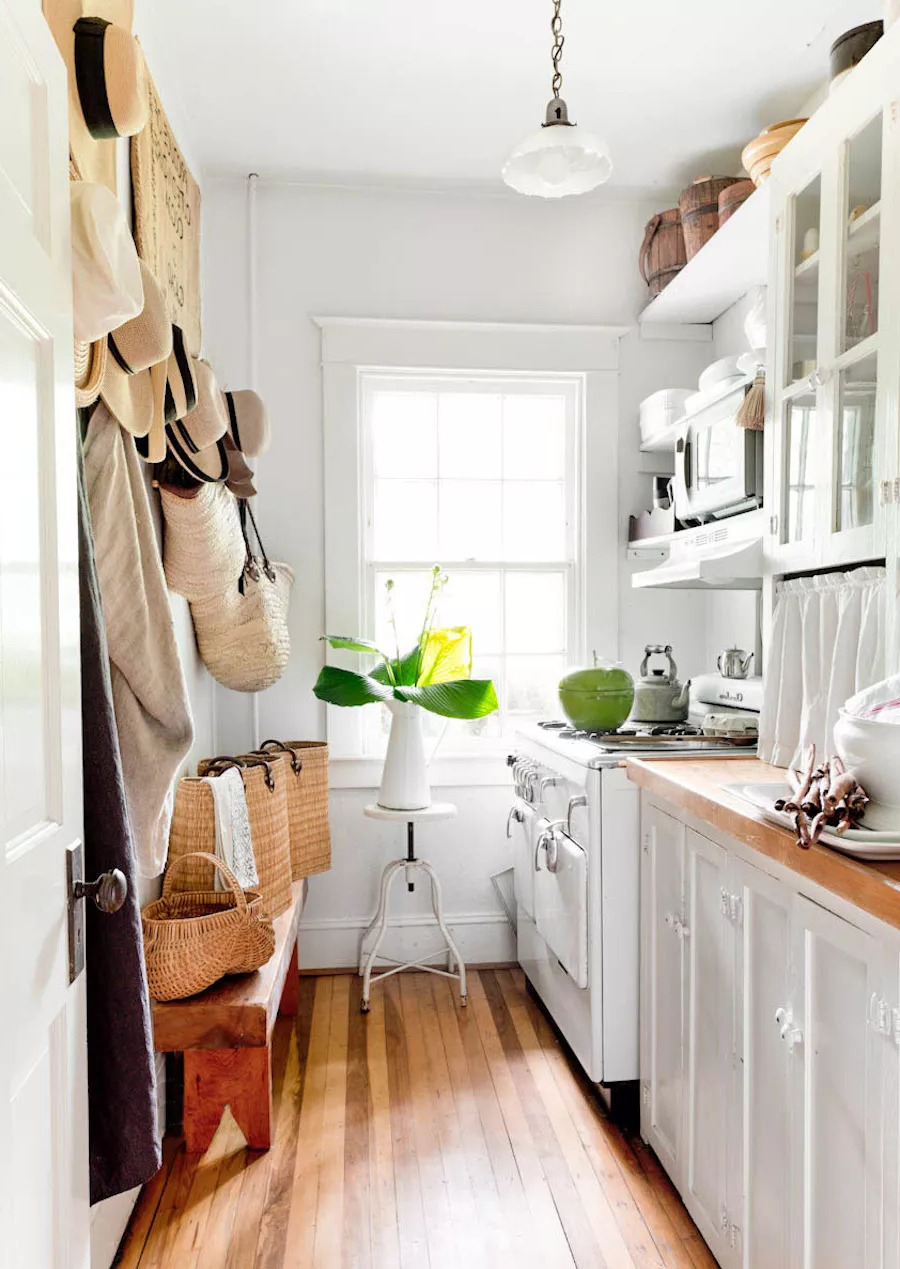
Let’s look at some real situations where thoughtful island placement transformed kitchens. One family had a narrow galley kitchen with a 10-foot work area. They moved their island from the center to one side, creating a more efficient workflow. Now they can prep ingredients while someone else handles cleanup. Another homeowner had a large open kitchen and placed their island perpendicular to the main work zone, creating a natural gathering point. The result? More family interaction during cooking times. A couple with two young children found that a shorter island, placed at the entrance of their kitchen, became a useful spot for homework and snacks. The island acted as a buffer between the kitchen and living areas. These stories show how placement decisions can adapt to different lifestyles and needs. Sometimes the best solution isn’t the most obvious one – it’s the one that fits your unique situation. The key is thinking beyond just where the island goes, considering how it affects your entire daily routine.
Kitchen island placement is both an art and a science. It requires balancing aesthetic appeal with practical functionality while considering your unique lifestyle and household needs. The most successful islands aren’t necessarily the most expensive or elaborate – they’re the ones that truly serve their owners’ daily routines. Remember that good island placement enhances your existing kitchen workflow rather than disrupting it. Take time to observe how you currently move through your space. Identify bottlenecks and inefficiencies that an island could address. Consider how your kitchen might change over time – perhaps you’ll add family members, host more guests, or develop new cooking habits. The island you place today should grow with you. With careful planning and thoughtful consideration of workflow, proportions, and practical needs, your kitchen island can become the true heart of your home. It’s not just about where it goes – it’s about making it work for you in every possible way.
[sps_html tag=”img” src=”https://roofdrivein.com/wp-content/uploads/2026/01/50-stunning-modern-kitchen-island-designsinterior-design-ideas-throughout-maximizing-functionality-in-modern-kitchens-with-thoughtful-island-placement.jpg” alt=”50 Stunning Modern Kitchen Island Designsinterior Design Ideas. throughout Maximizing functionality in modern kitchens with thoughtful island placement” style=”width: 100%; height: auto;”]
[sps_html tag=”img” src=”https://roofdrivein.com/wp-content/uploads/2026/01/50-stunning-modern-kitchen-island-designs-in-modern-kitchen-with-island.jpg” alt=”50 Stunning Modern Kitchen Island Designs in Modern Kitchen With Island” style=”width: 100%; height: auto;”]
[sps_html tag=”img” src=”https://roofdrivein.com/wp-content/uploads/2026/01/contemporary-kitchen-island-6-unique-kitchen-island-designs-for-the-inside-modern-kitchen-with-island.jpg” alt=”Contemporary Kitchen Island 6 Unique Kitchen Island Designs For The inside Modern Kitchen With Island” style=”width: 100%; height: auto;”]
[sps_html tag=”img” src=”https://roofdrivein.com/wp-content/uploads/2026/01/modern-kitchen-island-design-ideas-things-in-the-kitchen-regarding-maximizing-functionality-in-modern-kitchens-with-thoughtful-island-placement.jpg” alt=”Modern Kitchen Island Design Ideas – Things In The Kitchen regarding Maximizing functionality in modern kitchens with thoughtful island placement” style=”width: 100%; height: auto;”]
[sps_html tag=”img” src=”https://roofdrivein.com/wp-content/uploads/2026/01/this-homes-kitchen-boasts-a-contemporary-island-creating-a-stylish-for-modern-kitchen-with-island.jpg” alt=”This Home’s Kitchen Boasts A Contemporary Island, Creating A Stylish … for Modern Kitchen With Island” style=”width: 100%; height: auto;”]