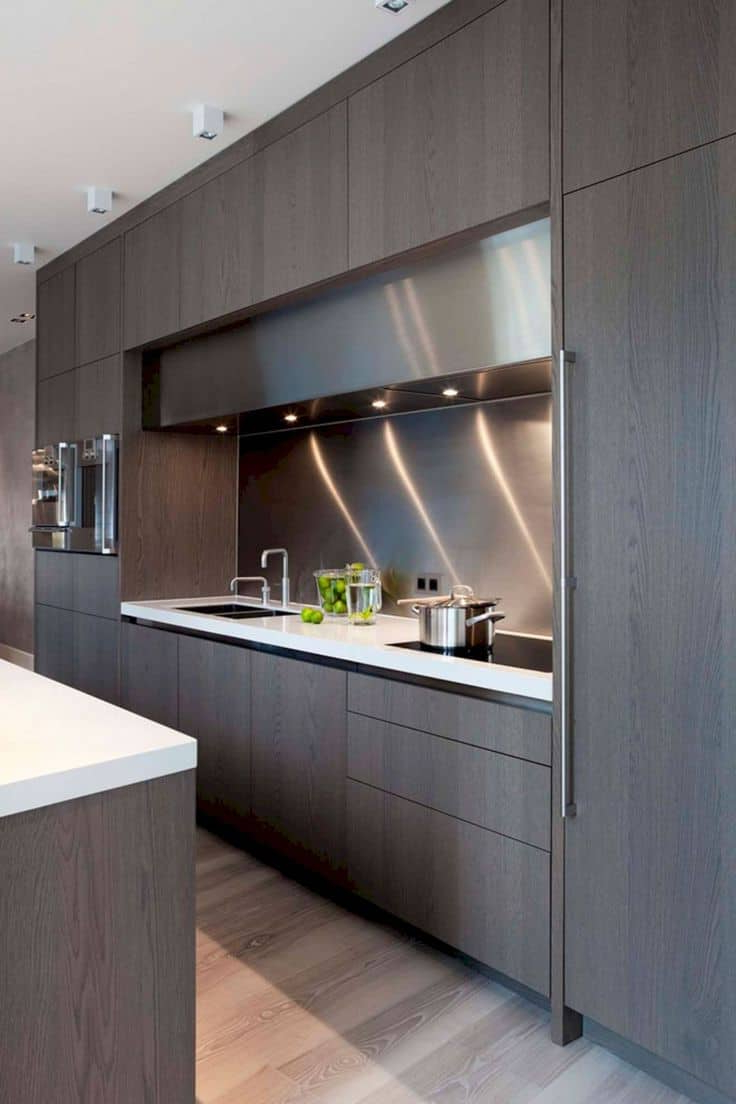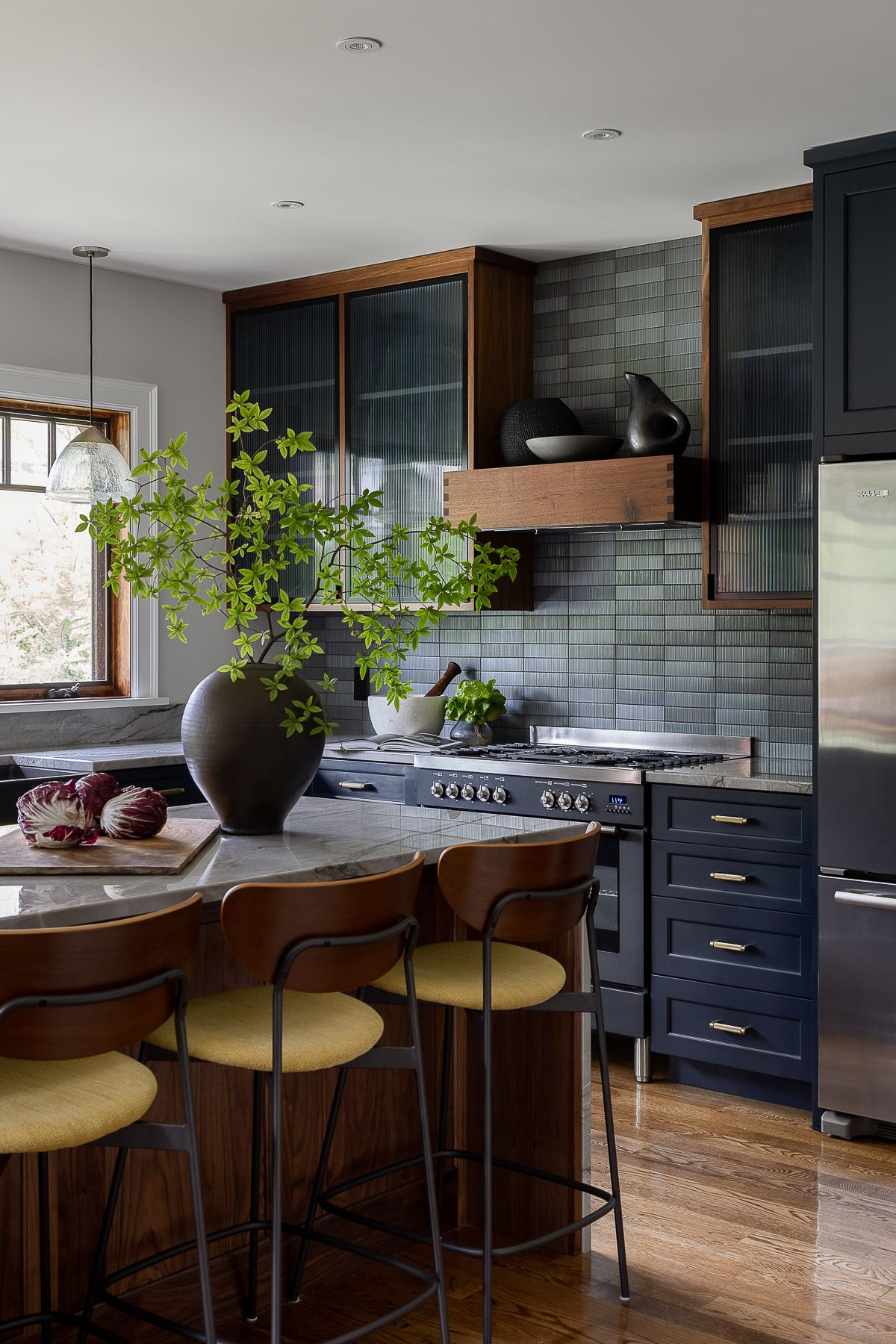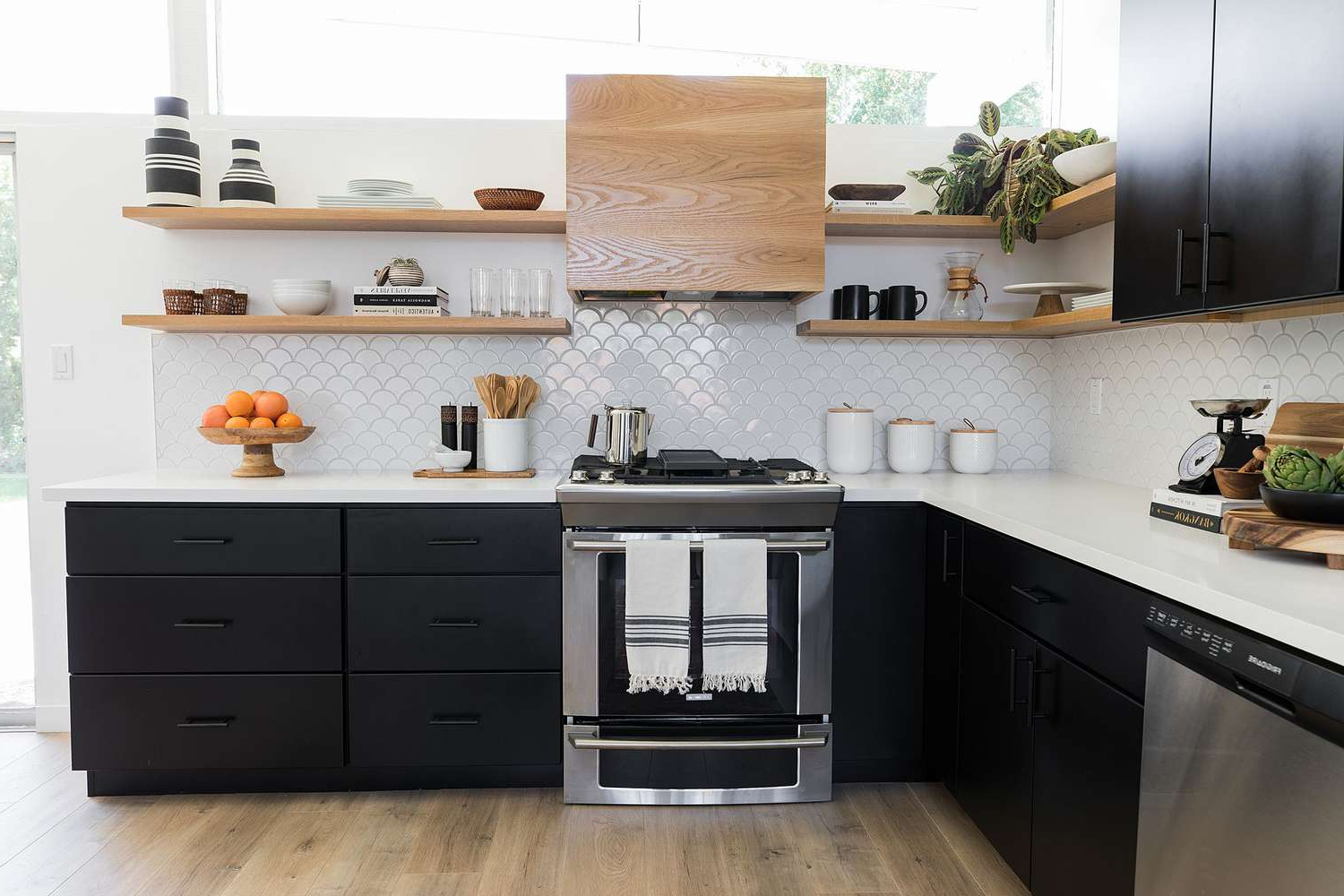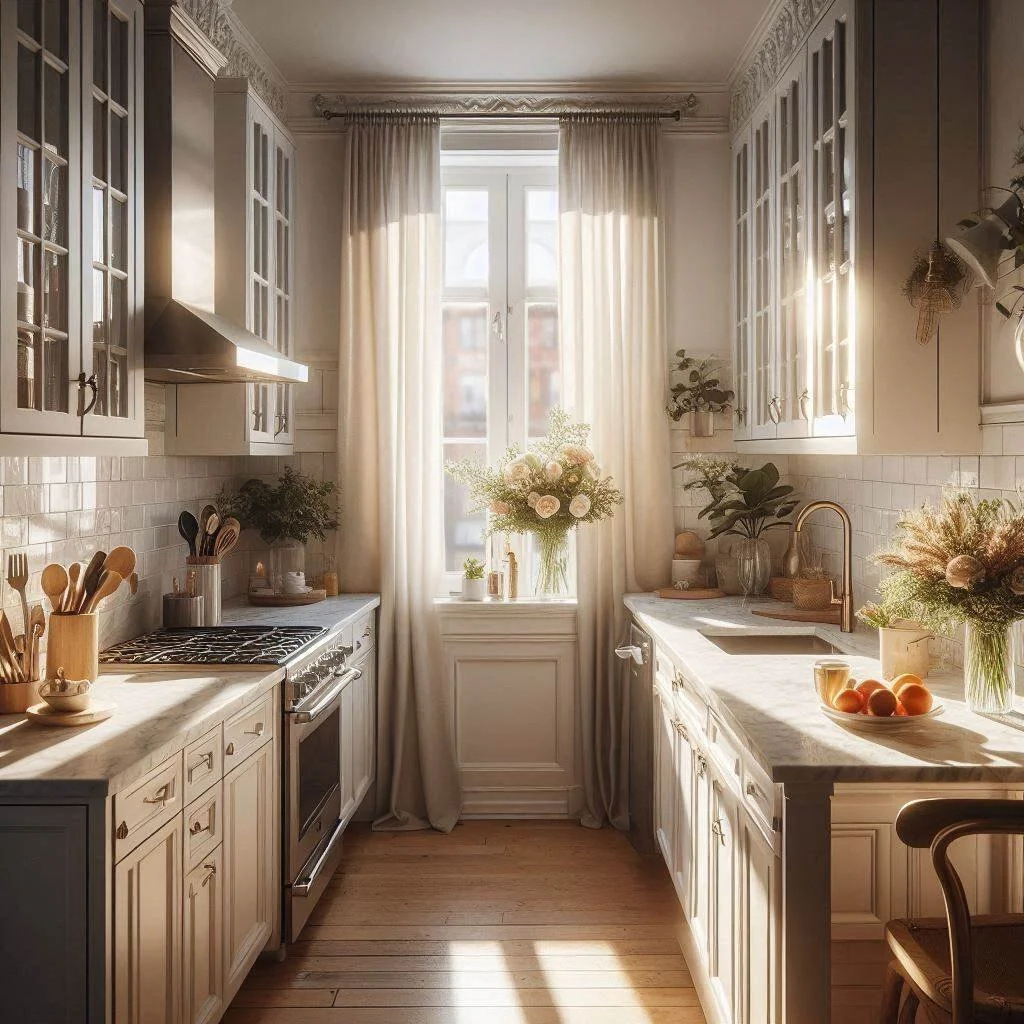
Think about the last time you walked into a kitchen that made you feel like you were in a magazine photo. What was it about that space that caught your attention? Probably not just the appliances or cabinets, but the subtle details that make everything feel cohesive and intentional. One such detail is often overlooked yet incredibly powerful – the tiles that cover the walls and floors. These aren’t just functional elements; they’re statements of style, durability, and personality.
When it comes to kitchen design, few elements have the power to completely transform a space quite like tiles. Whether you’re planning a full renovation or just updating your backsplash, understanding the different materials and finishes available can save you from costly mistakes and help you achieve exactly the look you envision. But with so many options on the market, it’s easy to feel overwhelmed. What makes one tile better than another? How do you know which finish will work best in your kitchen? Let’s break it down together.
The Foundation: Common Tile Materials Explained
Tile materials form the backbone of your kitchen’s aesthetic and functionality. Each material brings its own set of characteristics that affect everything from daily maintenance to long-term durability.
Porcelain tiles are perhaps the most versatile choice for kitchens. They’re made from fine clay and fired at high temperatures, creating a dense, water-resistant surface. This makes them excellent for both walls and floors, especially in areas prone to moisture. Their smooth finish allows for easy cleaning and they come in countless colors and patterns.
Ceramic tiles offer a more budget-friendly alternative. Made from clay and other natural materials, they’re glazed for protection and beauty. While not as water-resistant as porcelain, they’re still suitable for most kitchen applications. The glazing process creates a wide range of visual effects, from matte to glossy finishes.
Natural stone tiles bring an organic, luxurious feel to any kitchen. Marble, granite, slate, and limestone each possess unique veining and textures that no manufactured product can perfectly replicate. However, these materials require more care and regular sealing to prevent staining and damage.
The Visual Language of Tile Finishes
The finish of a tile refers to how its surface appears and feels to the touch. It’s what gives a simple material its character and personality. Understanding these finishes helps you predict how a tile will perform and look in your specific environment.
Matte finishes create a sophisticated, understated appearance. They hide fingerprints, water spots, and minor scratches well, making them ideal for busy households. However, they can be trickier to clean since dirt tends to cling to their texture.
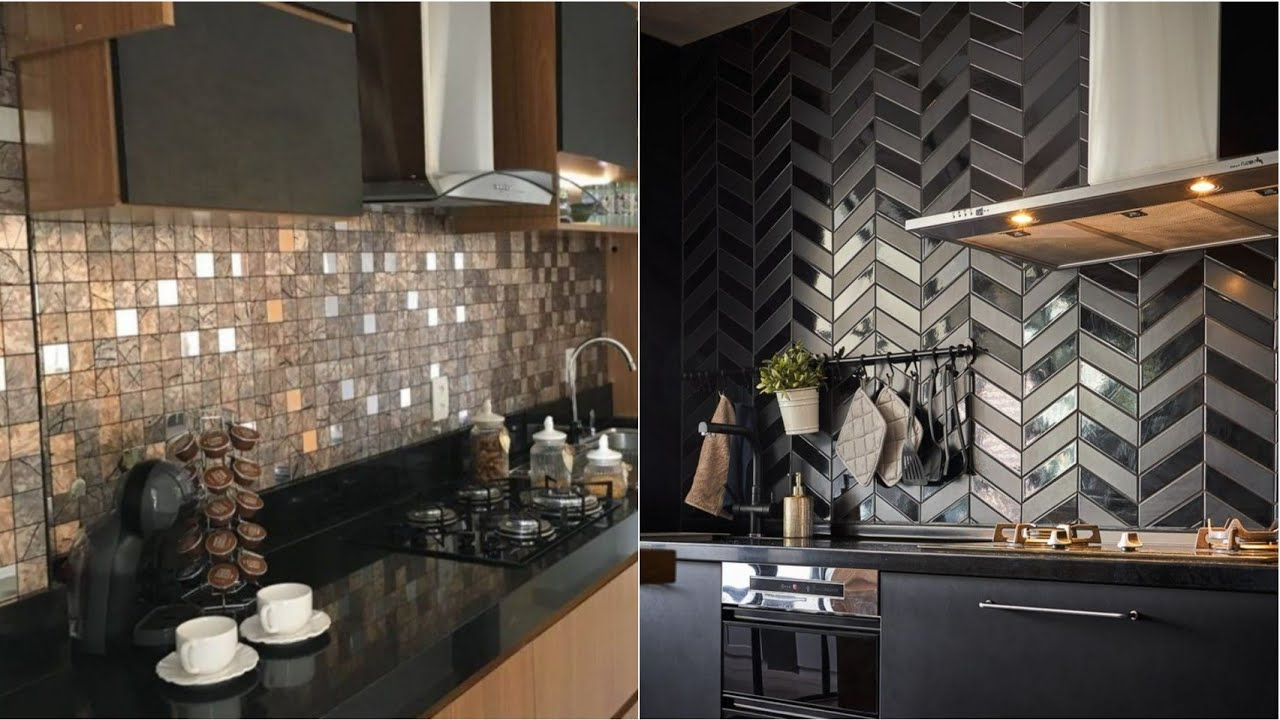
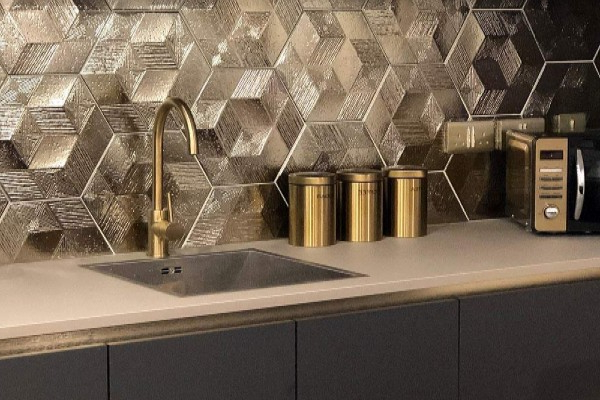
Glossy finishes add shine and reflect light, making small kitchens appear larger and brighter. They’re easier to clean than matte surfaces but show every smudge and fingerprint clearly. For those who want that polished look, glossy tiles can be a great choice.
Semi-gloss finishes strike a middle ground between the two. They provide some shine while maintaining better resistance to stains than fully matte options. These are particularly popular for backsplashes where you want a bit of elegance without the high maintenance of full gloss.
Durability Considerations for Kitchen Environments
Kitchens are demanding spaces that experience constant wear and tear. Choosing tiles that can handle daily use means considering several factors:
Water resistance is crucial, especially for floor tiles and those near sinks or dishwashers. Porcelain and ceramic tiles generally excel in this area, while natural stones may need additional treatment.
Slip resistance matters greatly for floor tiles. Look for textured or matte finishes that reduce slipping hazards, particularly important in wet conditions.
Scratch resistance varies significantly by material. Porcelain tends to be the most scratch-resistant, followed by ceramic and then natural stone. This becomes especially important if you have pets or young children.
Heat resistance is another factor, particularly for tiles near stovetops or in areas where hot pots might be placed directly on the surface.
Practical Applications and Room-Specific Choices
Different areas of your kitchen demand different tile considerations. Here’s how to think about it:
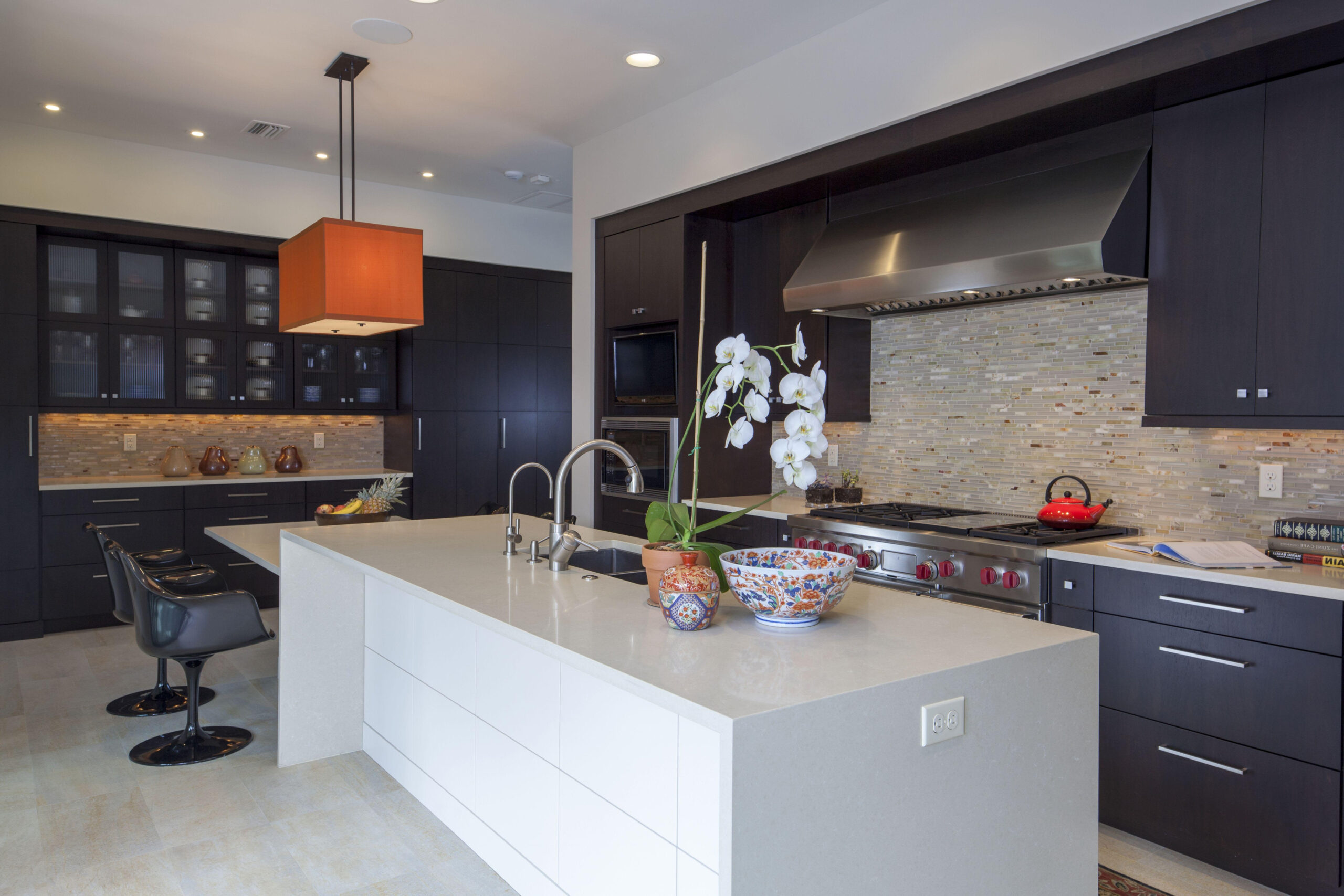
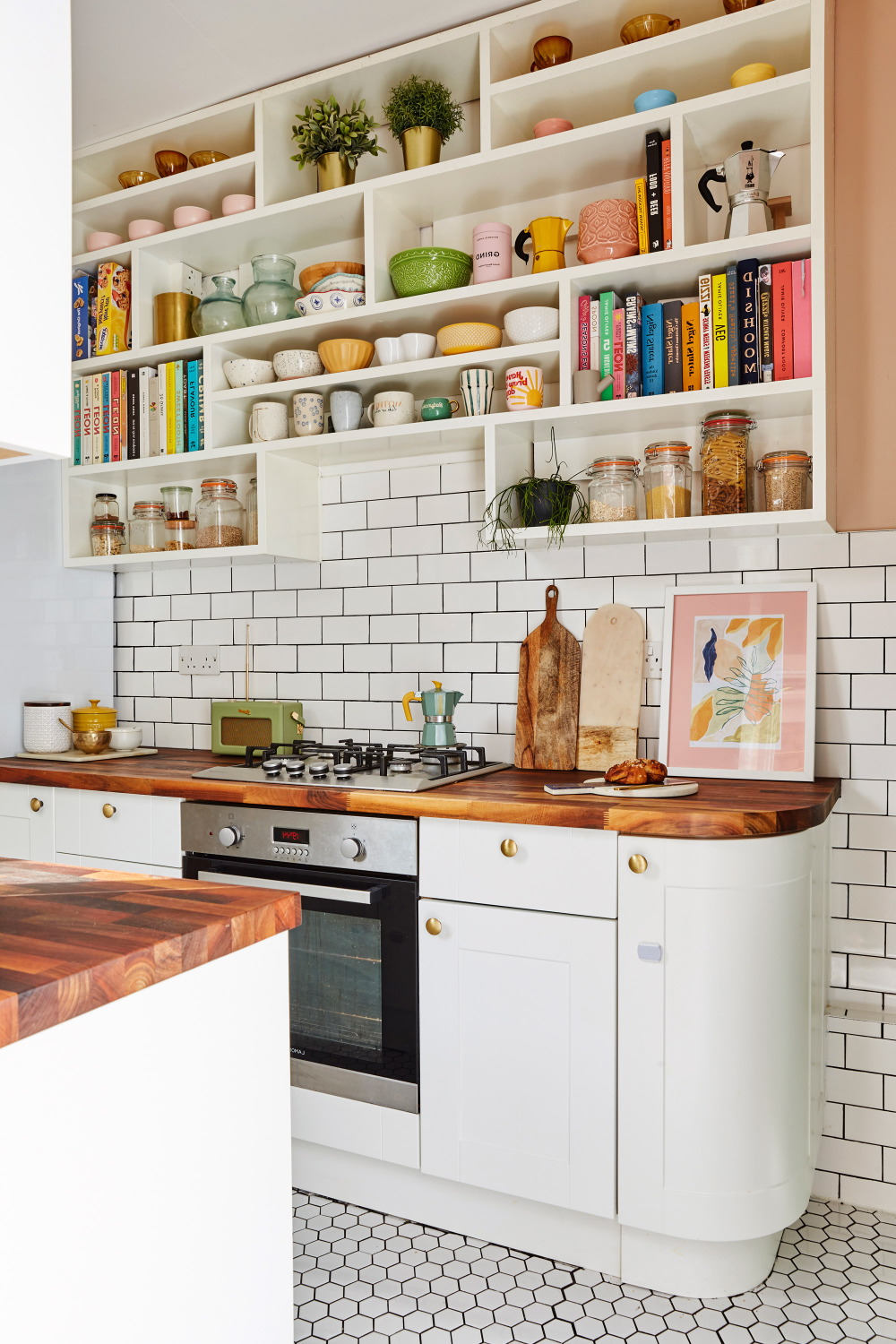
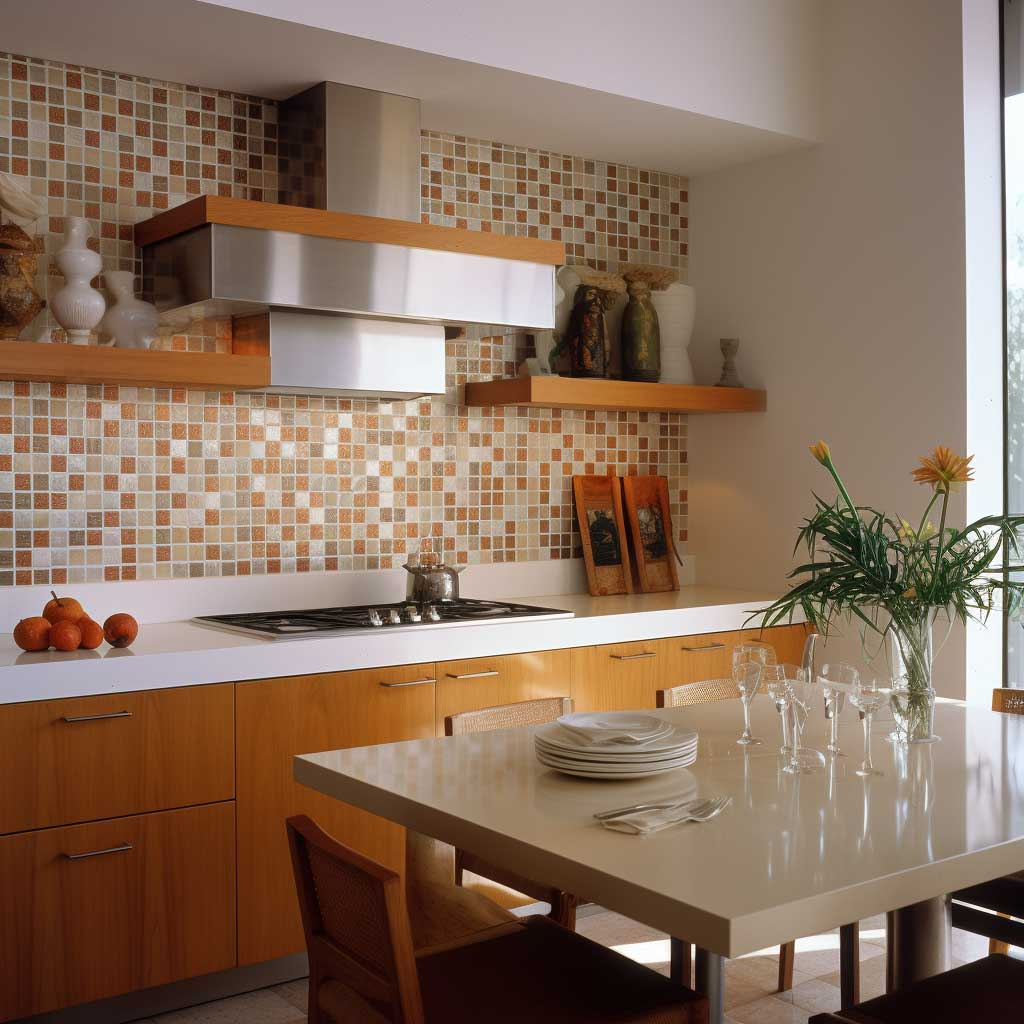
Backsplashes benefit from tiles that are easy to clean and maintain. Glossy or semi-gloss finishes work well here because they resist food stains and are simple to wipe down. Popular choices include ceramic subway tiles, glass mosaic tiles, and porcelain with decorative patterns.
Flooring requires more robust materials that can handle foot traffic and potential spills. Porcelain tiles are often preferred for floors due to their strength and water resistance. Textured finishes help with slip prevention, while lighter colors can make smaller spaces feel more open.
Walls are less stressed but still need consideration. Matte finishes are often chosen for walls because they don’t reflect too much light and help hide minor imperfections. They’re also easier to clean than glossy options in these areas.
Cost Factors and Value Considerations
Budget plays a major role in tile selection, and it’s important to understand what you’re paying for:
Material costs vary significantly. Natural stone tiles are typically the most expensive due to mining, processing, and installation requirements. Porcelain and ceramic offer excellent value for money, providing durability and variety at reasonable prices.
Installation costs depend on complexity and the tile type. Larger tiles may cost less per square foot but require more precise installation, potentially increasing labor costs. Smaller tiles like mosaics can be more time-consuming to install but offer creative possibilities.
Maintenance expenses should also factor into your decision. Some materials require periodic sealing or special cleaning products, adding ongoing costs. Others are virtually maintenance-free after installation.
Color Trends and Design Psychology
Colors and patterns in kitchen tiles influence how a space feels and functions. Understanding these psychological aspects can help guide your choices:
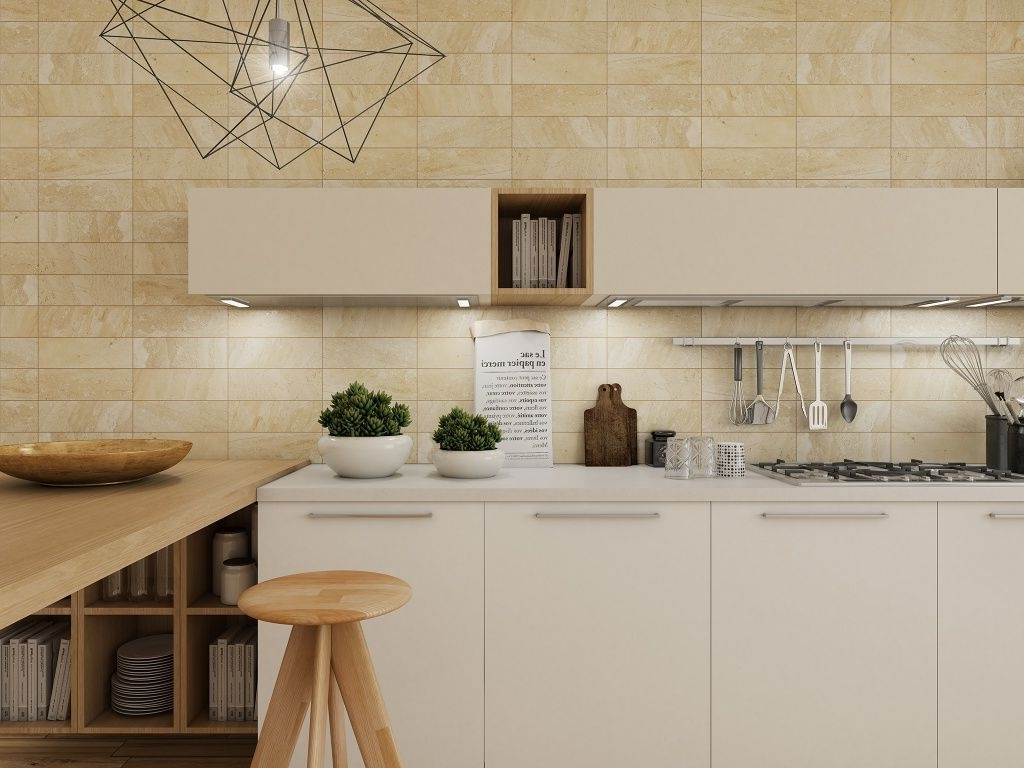
Light colors like white, cream, and soft grays create the illusion of more space and brightness. They’re particularly effective in small kitchens or rooms with limited natural light.
Dark colors bring sophistication and can anchor a room’s design. They’re excellent for creating focal points and adding depth to larger spaces. However, they can make smaller areas feel cramped.
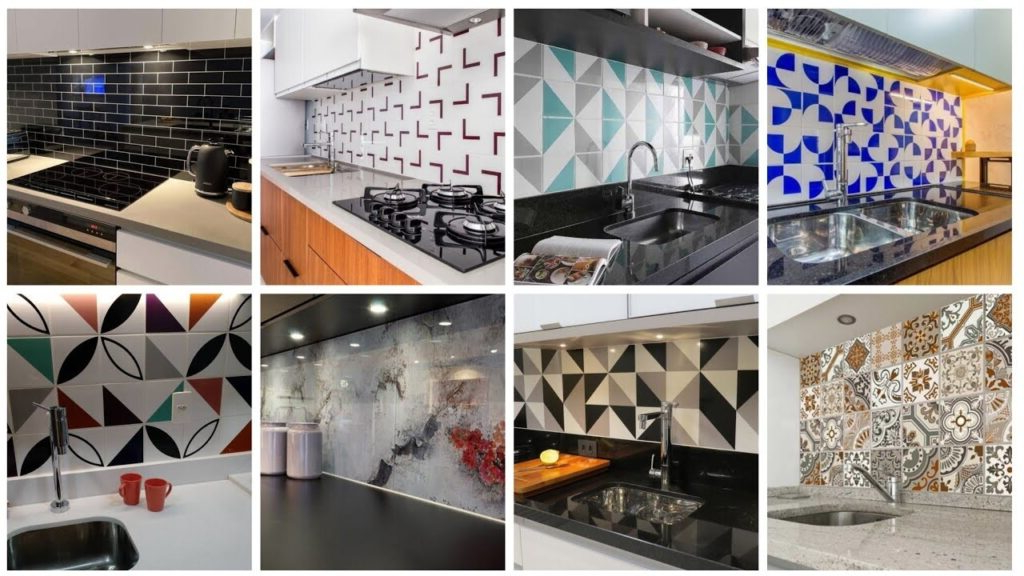
Patterned tiles can add visual interest and personality to a kitchen. Geometric designs, nature-inspired motifs, or traditional patterns all serve different aesthetic purposes. Large pattern repeats work well in bigger kitchens, while smaller patterns are better suited for tighter spaces.
The key is choosing colors and patterns that align with your overall kitchen design goals and lifestyle needs.
Choosing the right kitchen tiles involves balancing multiple factors – from material quality and finish preferences to practical considerations and budget constraints. The good news is that with thoughtful research and clear understanding of what each option offers, you can make decisions that enhance both the beauty and functionality of your kitchen. Remember, the best tile choice isn’t necessarily the most expensive one, but rather the one that best suits your specific needs and lifestyle. Take time to consider how each material and finish will perform in your actual kitchen environment. Visit showrooms, ask questions, and don’t hesitate to seek advice from professionals who can help translate technical specifications into real-world benefits. Your kitchen deserves tiles that not only look great but also stand the test of time.
[sps_html tag=”img” src=”https://roofdrivein.com/wp-content/uploads/2026/01/20-modern-kitchen-wall-tile-design-ideas-for-every-home-decor-with-regard-to-understanding-materials-and-finishes-in-today039s-kitchen-tiles.jpg” alt=”20 Modern Kitchen Wall Tile Design Ideas For Every Home Décor … with regard to Understanding materials and finishes in today's kitchen tiles” style=”width: 100%; height: auto;”]
[sps_html tag=”img” src=”https://roofdrivein.com/wp-content/uploads/2026/01/best-100-kitchen-tiles-design-modern-kitchen-wall-tiles-ideas-inside-modern-kitchen-wall-tiles.jpg” alt=”Best 100 Kitchen Tiles Design | Modern Kitchen Wall Tiles Ideas … inside Modern Kitchen Wall Tiles” style=”width: 100%; height: auto;”]
[sps_html tag=”img” src=”https://roofdrivein.com/wp-content/uploads/2026/01/20-modern-kitchen-wall-tile-design-ideas-for-every-home-decor-with-modern-kitchen-wall-tiles.jpg” alt=”20 Modern Kitchen Wall Tile Design Ideas For Every Home Décor … with Modern Kitchen Wall Tiles” style=”width: 100%; height: auto;”]
[sps_html tag=”img” src=”https://roofdrivein.com/wp-content/uploads/2026/01/very-stunning-modern-kitchen-wall-tiles-madison-art-center-design-for-modern-kitchen-wall-tiles.jpg” alt=”Very Stunning Modern Kitchen Wall Tiles — Madison Art Center Design for Modern Kitchen Wall Tiles” style=”width: 100%; height: auto;”]
[sps_html tag=”img” src=”https://roofdrivein.com/wp-content/uploads/2026/01/8-top-trends-for-simple-modern-kitchen-wall-tiles-design-333k-with-modern-kitchen-wall-tiles.jpg” alt=”8+ Top Trends For Simple Modern Kitchen Wall Tiles Design • 333K … with Modern Kitchen Wall Tiles” style=”width: 100%; height: auto;”]