Think about the last time you cooked a meal that filled your kitchen with smoke and odors. You probably reached for the exhaust fan, right? But what if we told you there’s a whole new world of ventilation technology that could make your kitchen feel like a fresh, clean space every single day? Today’s range hoods aren’t just about removing smoke anymore. They’re sophisticated air management systems that can transform your entire home’s atmosphere.
Every day, millions of people cook meals that release a complex mixture of particles, vapors, and odors into their kitchens. From grease particles that cling to surfaces to volatile compounds that linger in the air, cooking creates an invisible cloud of contaminants that can affect both your health and your home’s comfort. Traditional ventilation solutions have served us well, but contemporary vent hood designs bring revolutionary improvements to how we manage kitchen air quality. These modern systems go far beyond simple extraction, offering smart features, energy efficiency, and aesthetic integration that make them essential components of today’s homes.
Understanding the Modern Vent Hood Revolution
Contemporary vent hood solutions represent a dramatic shift from the basic box fans of decades past. Today’s models incorporate advanced engineering and smart technology to address the full spectrum of kitchen air quality challenges. The evolution isn’t just about bigger fans or louder motors. It’s about precision engineering that understands exactly what happens when you cook. When you think about it, the kitchen is actually one of the most polluted rooms in your house. The heat, moisture, and chemical reactions during cooking create a unique environment that requires specialized attention.
Modern vent hoods now feature:
• High-efficiency filtration systems that capture microscopic particles
• Smart sensors that adjust performance automatically
• Advanced airflow management for optimal coverage
• Quiet operation that doesn’t interfere with conversation
• Energy-efficient motors that reduce electricity consumption
These innovations mean that a properly installed contemporary vent hood can reduce airborne contaminants by up to 90% compared to older models. That’s not just better ventilation – it’s a complete transformation of your indoor air environment.
The Science Behind Effective Kitchen Air Filtration
What makes a good kitchen ventilation system goes far beyond simply moving air around. It’s about understanding the physics of cooking and the chemistry of airborne particles. When you fry, grill, or sauté, you’re creating a complex mixture of particulates, vapors, and gases that behave differently in air. Some settle quickly, others drift for hours, and some even condense on surfaces before becoming airborne again.
Modern filtration systems work on multiple levels. Pre-filters catch large grease particles before they reach the main filter. Carbon filters absorb odors and volatile organic compounds (VOCs) that cause those lingering smells. Some high-end models even incorporate HEPA filters for ultra-fine particle removal. The key is matching the right filter type to your cooking habits. A family that grills regularly needs different filtration than a household that primarily steams and boils.
The effectiveness of these systems depends heavily on airflow rate and proper installation. A hood that moves too little air won’t capture enough contaminants. One that moves too much air can create drafts that interfere with cooking and waste energy. The sweet spot often lies between 100 and 200 cubic feet per minute (CFM) for typical residential kitchens. This range provides enough power to handle most cooking scenarios while remaining quiet and efficient.
Smart Features That Make a Real Difference
One of the most exciting developments in modern vent hood technology is the integration of smart features that make these systems truly intelligent. Gone are the days when you had to manually turn on and off your kitchen ventilation. Today’s smart hoods can sense cooking activity and respond automatically. They monitor air quality in real-time and adjust their performance accordingly.
Key smart features include:
• Motion sensors that detect when someone enters the kitchen
• Automatic activation based on cooking activity
• Smartphone app control for remote monitoring
• Air quality indicators that show contamination levels
• Learning algorithms that adapt to your cooking patterns
• Integration with home automation systems
Imagine having a system that knows when you’re about to start cooking and adjusts its settings accordingly. Or one that alerts you when maintenance is needed. These features aren’t just fancy additions – they significantly improve user experience and system effectiveness. The ability to control ventilation remotely means you can ensure proper air quality even when you’re away from home. Some systems can even send notifications about filter replacement or system issues before problems become noticeable.
Design Integration and Aesthetic Appeal
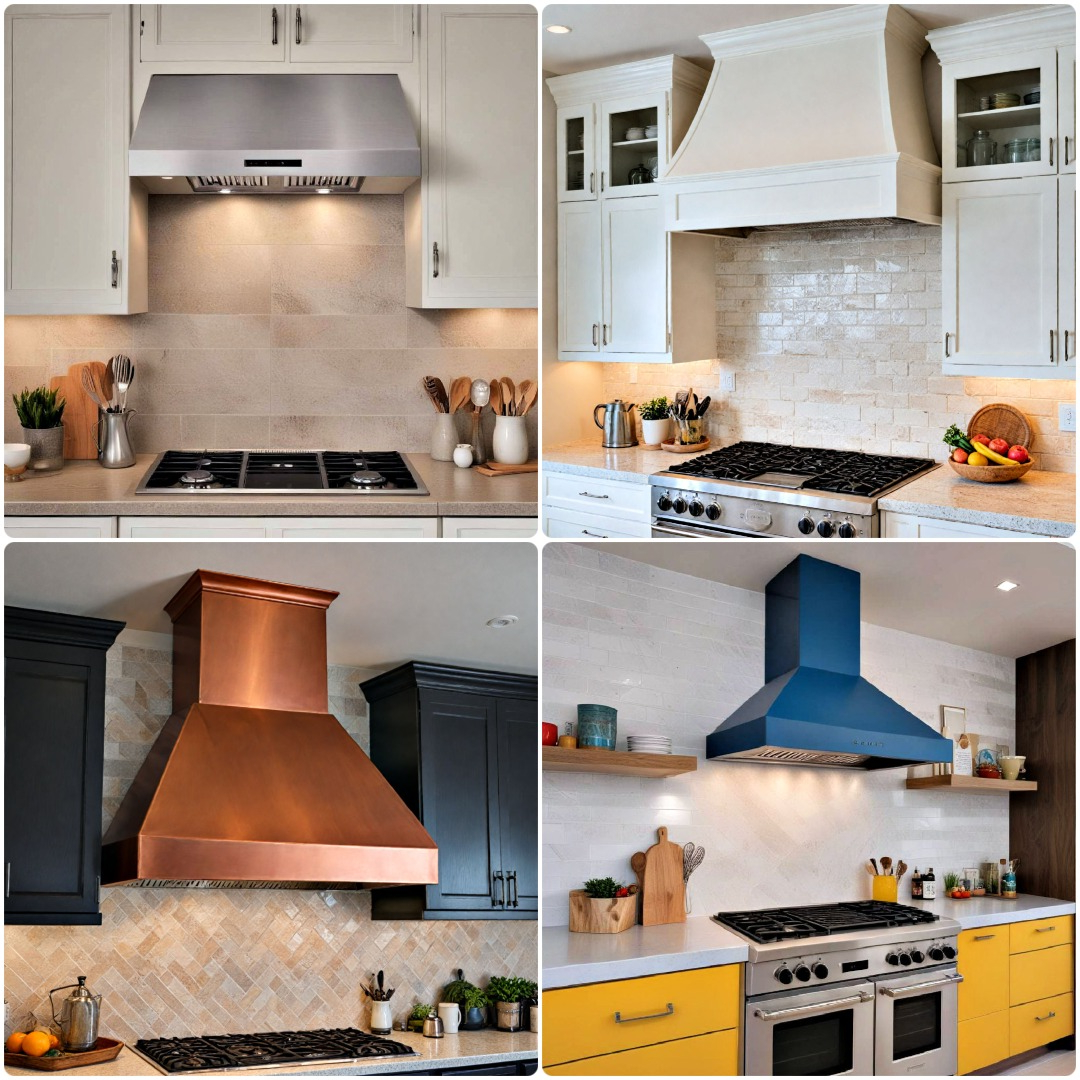
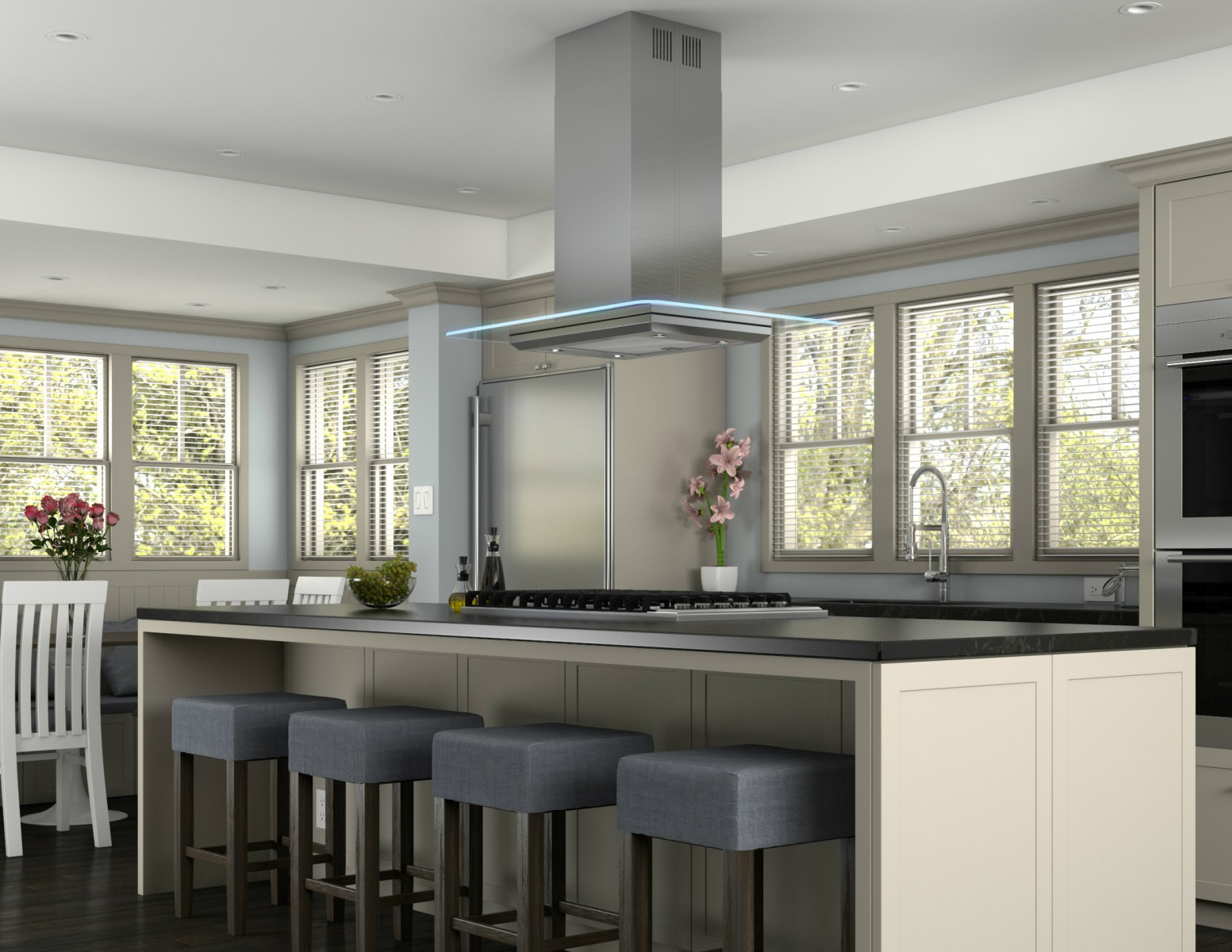
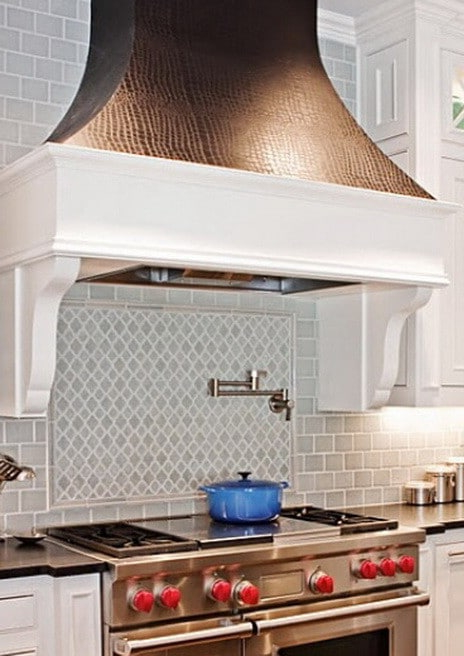
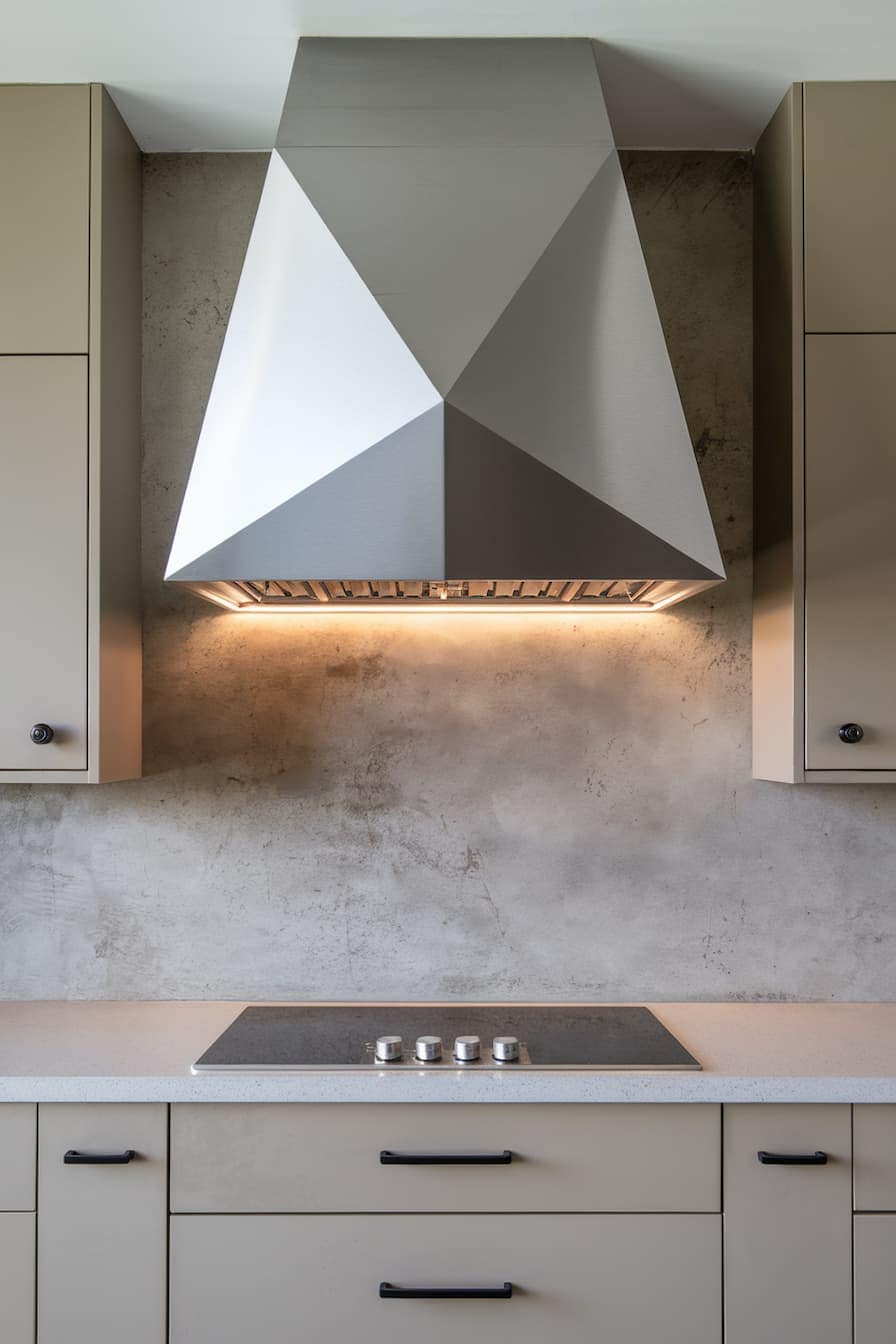
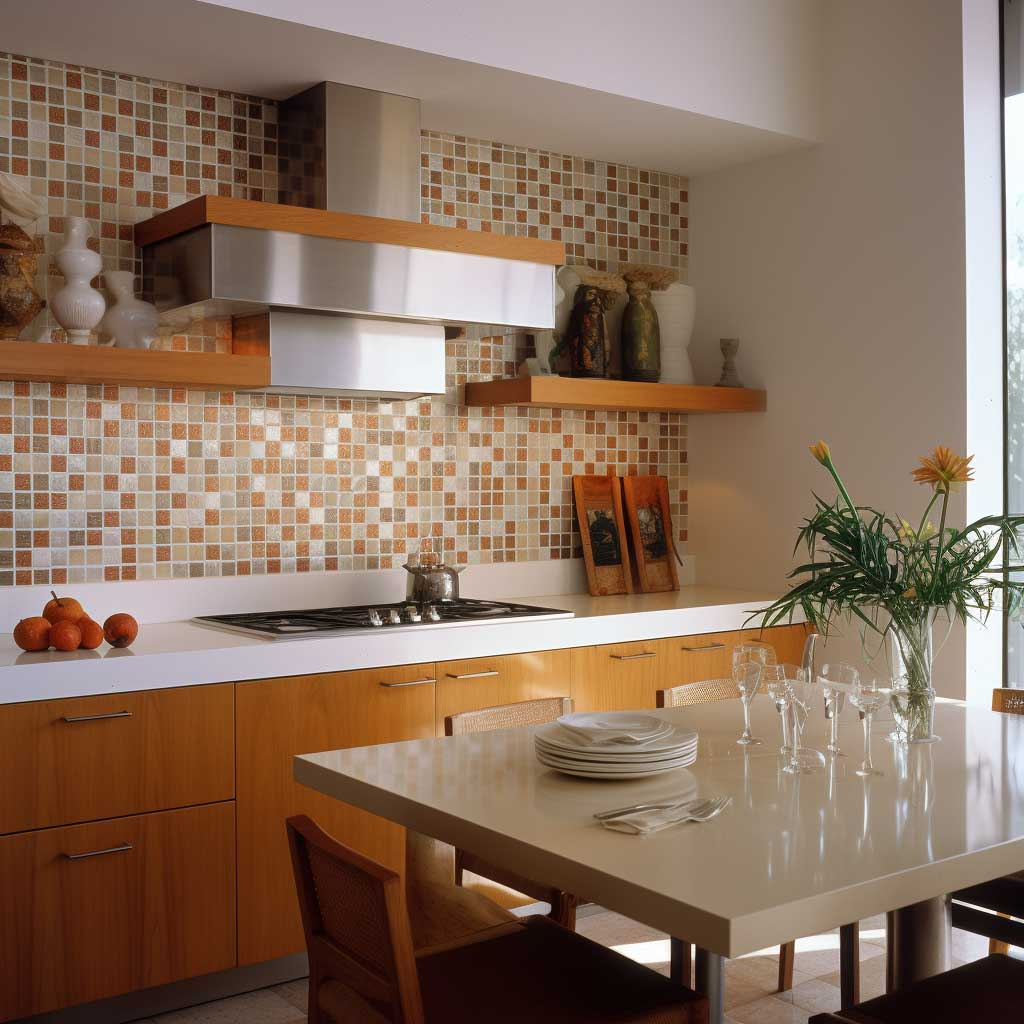
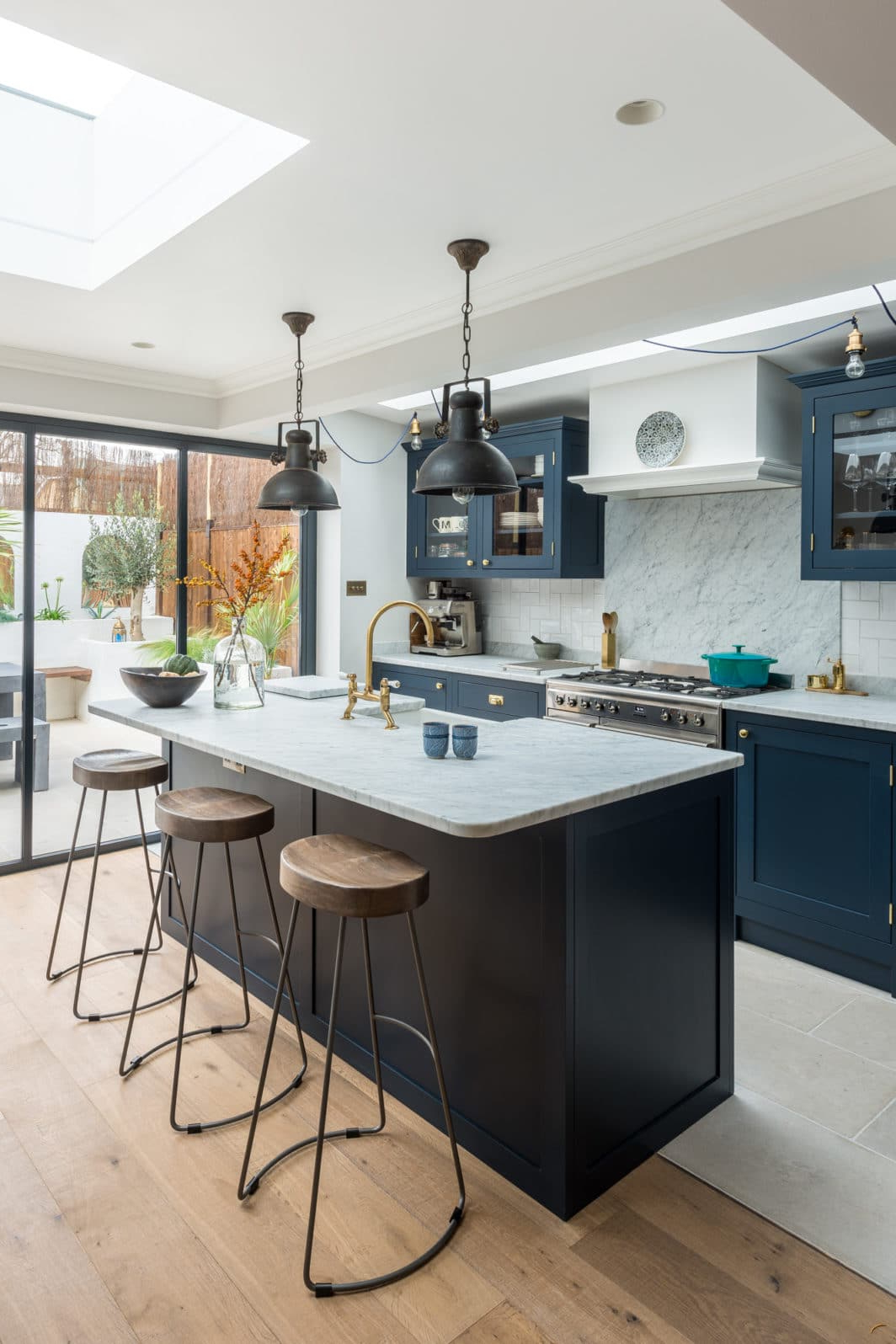
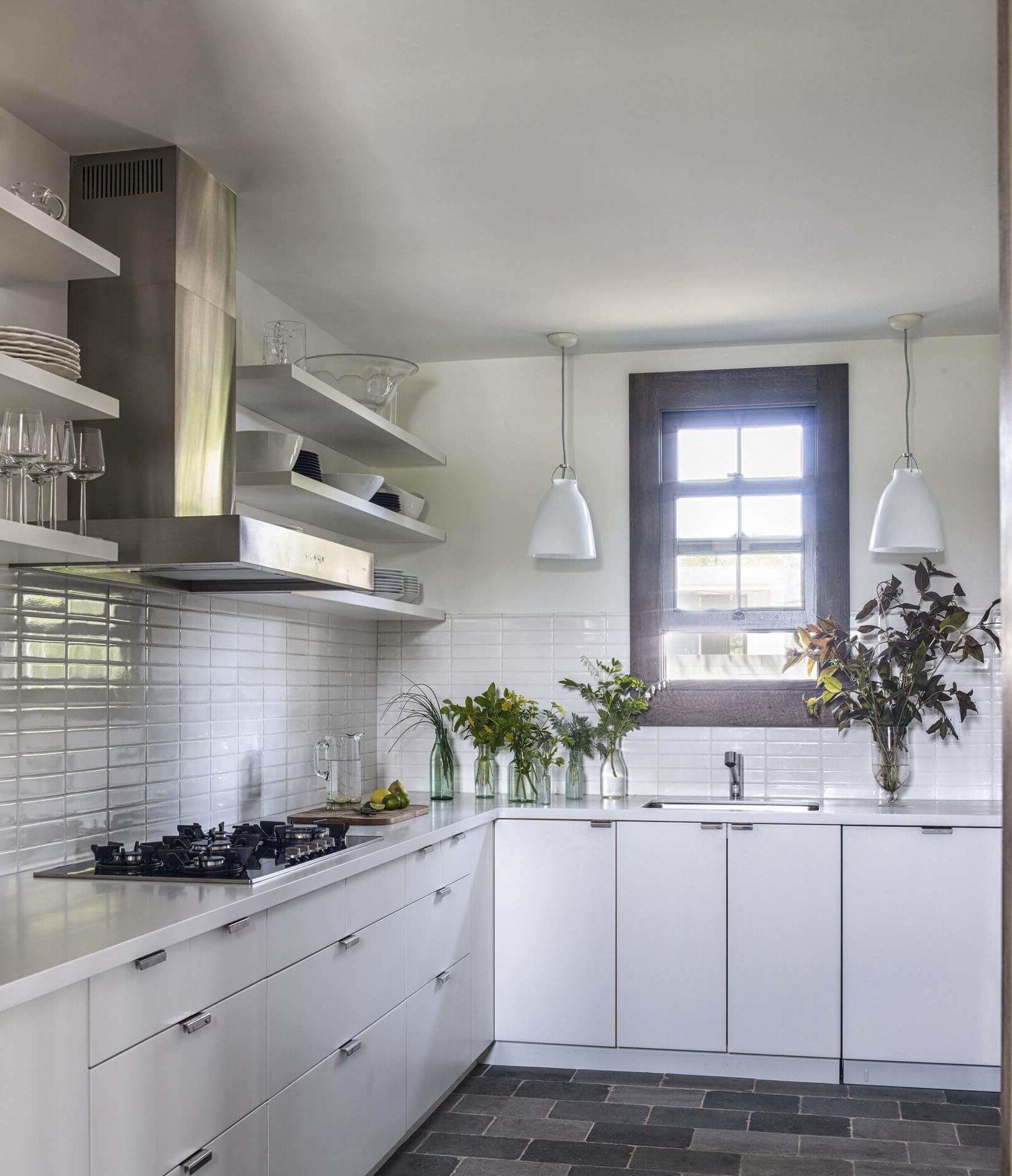
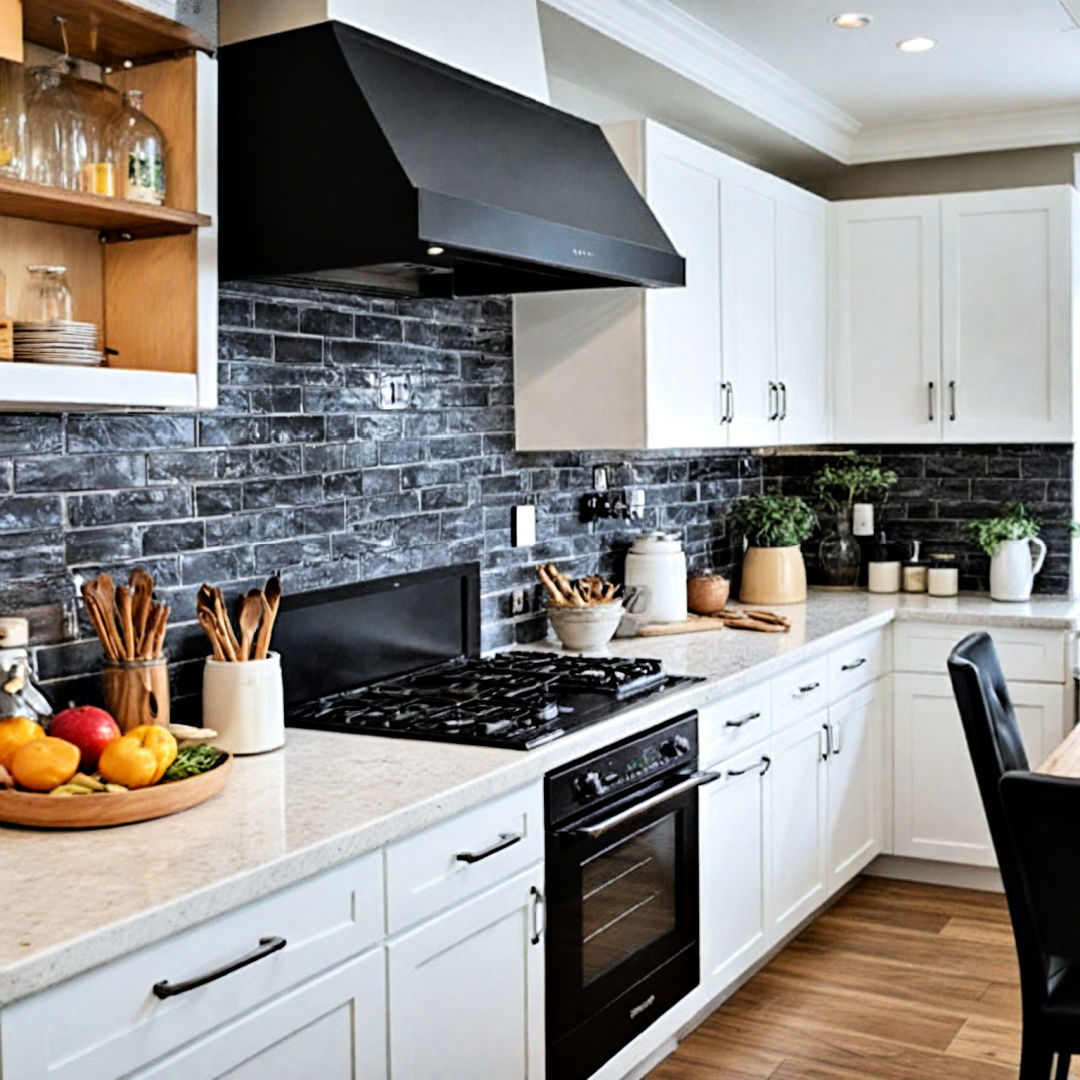
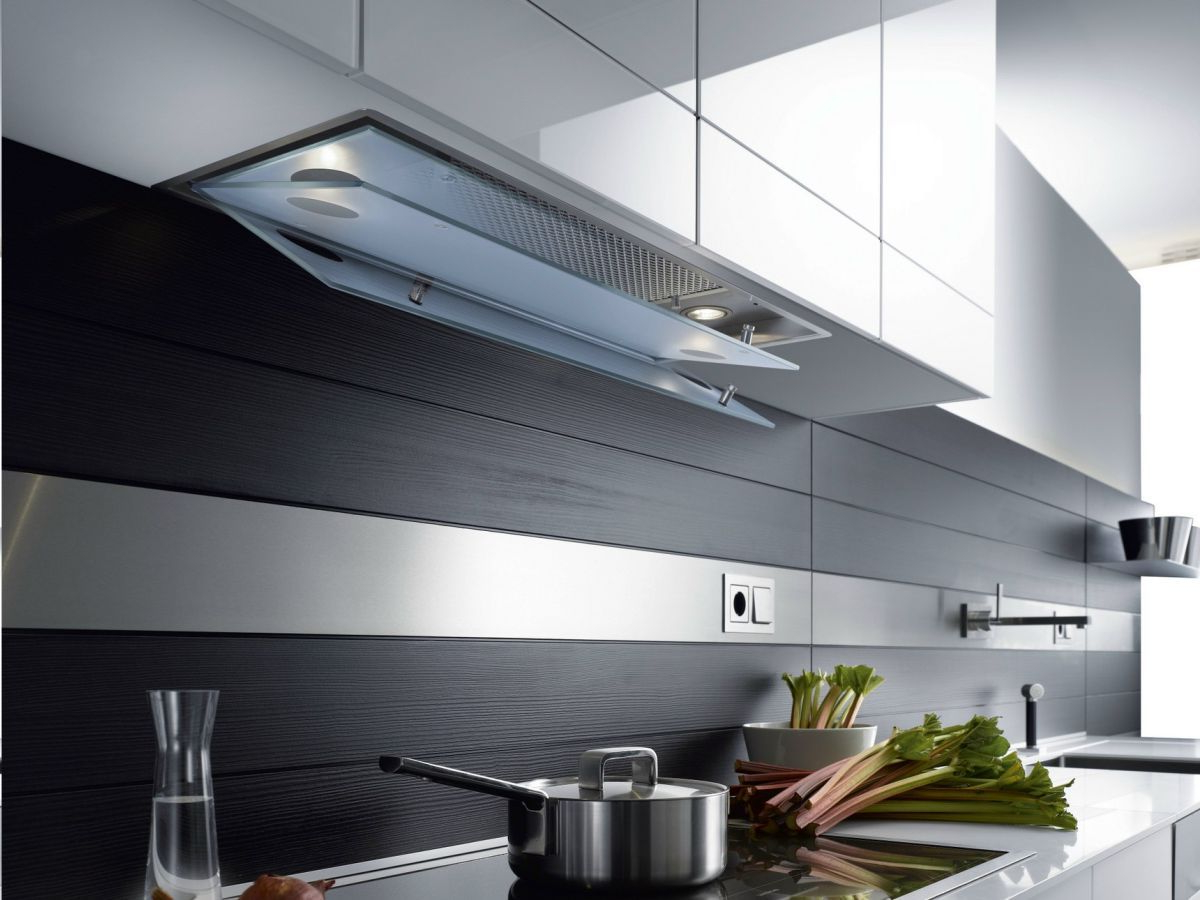
Contemporary vent hood solutions have evolved dramatically in terms of design. No longer do you have to sacrifice aesthetics for functionality. Modern systems come in a variety of styles, finishes, and sizes that complement virtually any kitchen design. Whether you prefer sleek minimalist lines or ornate traditional elements, there’s a vent hood that will enhance rather than detract from your space.
The design considerations go beyond appearance. Many modern hoods feature:
• Built-in lighting that illuminates your workspace
• Adjustable height settings for different cooking tasks
• Quiet operation that maintains peaceful kitchen environments
• Energy-efficient LED bulbs that reduce overall power consumption
• Modular designs that allow for customization
• Integrated sound dampening materials
The aesthetic impact is significant. A well-designed vent hood becomes a focal point rather than an eyesore. It can tie together the overall kitchen design while providing essential functionality. Some homeowners even choose their vent hood as the centerpiece of their kitchen renovation project. The investment pays off not just in improved air quality, but in increased home value and personal satisfaction.
Energy Efficiency and Environmental Impact
Modern vent hood technology emphasizes energy efficiency without compromising performance. The old adage ‘more power, better results’ no longer applies. Today’s engineers have found ways to maximize effectiveness while minimizing energy consumption. This matters for several reasons. First, it reduces your utility bills. Second, it decreases environmental impact. Third, it makes these systems more practical for continuous use.
Key energy-saving features include:
• Variable speed motors that adjust to actual needs
• High-efficiency LED lighting that uses less power
• Smart controls that prevent unnecessary operation
• Improved airflow design that reduces motor strain
• Better insulation and sealing to maintain performance
Consider this: a typical older hood might consume 300-500 watts during operation. Modern units often operate at 100-200 watts maximum. That’s a significant reduction in energy use. Some systems even feature automatic shut-off timers that turn off after a predetermined period, preventing unnecessary operation. The environmental benefits extend beyond electricity use. Better air quality means fewer pollutants in your home environment, reducing the need for additional air purification systems and improving overall indoor health.
Installation and Maintenance Best Practices
The effectiveness of any vent hood depends heavily on proper installation and regular maintenance. Even the most sophisticated system will underperform if it’s not correctly positioned or maintained. Professional installation ensures optimal performance and safety compliance. The height, positioning, and ductwork all play crucial roles in system effectiveness.
Proper installation involves:
• Correct mounting height above the cooking surface
• Proper ducting that minimizes resistance
• Adequate electrical connections and safety measures
• Sealing to prevent air leaks
• Compliance with local building codes
Maintenance requirements vary by model and usage but typically include:
• Regular cleaning of grease filters
• Periodic replacement of carbon filters
• Checking for dust accumulation
• Ensuring proper airflow without obstructions
• Monitoring for unusual noises or performance changes
Many homeowners underestimate how much maintenance these systems require. A neglected hood can become a source of contamination itself, collecting grease and debris that eventually get released back into the air. Regular cleaning not only maintains performance but also extends the system’s lifespan. Most manufacturers recommend cleaning pre-filters monthly and replacing carbon filters every 6-12 months depending on usage.
Real-World Benefits and User Experiences
The transformation that occurs with modern vent hood systems becomes evident through real-world user experiences. Homeowners consistently report improvements in several key areas. Indoor air quality noticeably improves, especially for those with allergies or respiratory sensitivities. The elimination of cooking odors means food smells don’t linger in clothing, furniture, or walls. This is particularly important for households with children or pets who may be more sensitive to airborne irritants.
Additional benefits reported by users include:
• Reduced cleaning requirements for kitchen surfaces
• Better control over humidity levels in the kitchen
• Improved cooking experience due to better air circulation
• Enhanced home value through modern upgrades
• Peace of mind knowing indoor air quality is actively managed
• Reduced need for separate air purifiers or dehumidifiers
Many users note that their kitchens feel cleaner and more pleasant immediately after installing modern ventilation systems. The psychological benefit shouldn’t be underestimated – a clean-smelling kitchen contributes to overall well-being and enjoyment of cooking. Some families report that they cook more frequently because they know the air quality will remain good, leading to healthier eating habits and more family meals together.
The journey from basic kitchen ventilation to sophisticated contemporary systems represents more than just technological advancement – it’s a fundamental improvement in our approach to indoor air quality. These modern vent hood solutions address not just the obvious challenges of cooking smoke and odors, but the broader issue of maintaining healthy indoor environments. The combination of advanced filtration, smart technology, aesthetic integration, and energy efficiency creates systems that serve multiple purposes beyond simple air movement. As we continue to spend more time indoors and become more aware of indoor air quality impacts, these systems represent a logical evolution in home technology. Whether you’re planning a kitchen renovation or simply looking to upgrade your current ventilation, investing in a modern vent hood solution offers benefits that extend far beyond the kitchen itself. The transformation in air quality, energy efficiency, and overall home comfort makes these systems a worthwhile investment for any household serious about maintaining a healthy indoor environment.
[sps_html tag=”img” src=”https://roofdrivein.com/wp-content/uploads/2026/01/5-stylish-hoods-for-modern-kitchens-with-transforming-kitchen-air-quality-with-contemporary-vent-hood-solutions.jpg” alt=”5 Stylish Hoods For Modern Kitchens with Transforming Kitchen Air Quality with Contemporary Vent Hood Solutions” style=”width: 100%; height: auto;”]
[sps_html tag=”img” src=”https://roofdrivein.com/wp-content/uploads/2026/01/40-kitchen-hood-vent-ideas-to-inspire-your-kitchen-remodel-for-transforming-kitchen-air-quality-with-contemporary-vent-hood-solutions.jpg” alt=”40 Kitchen Hood Vent Ideas To Inspire Your Kitchen Remodel for Transforming Kitchen Air Quality with Contemporary Vent Hood Solutions” style=”width: 100%; height: auto;”]
[sps_html tag=”img” src=”https://roofdrivein.com/wp-content/uploads/2026/01/4-types-of-kitchen-range-hoods-to-transform-your-kitchen-with-transforming-kitchen-air-quality-with-contemporary-vent-hood-solutions.jpg” alt=”4 Types Of Kitchen Range Hoods To Transform Your Kitchen with Transforming Kitchen Air Quality with Contemporary Vent Hood Solutions” style=”width: 100%; height: auto;”]
[sps_html tag=”img” src=”https://roofdrivein.com/wp-content/uploads/2026/01/40-creative-kitchen-vent-range-hood-ideas-intended-for-modern-kitchen-vent-hood-ideas.jpg” alt=”40 Creative Kitchen Vent Range Hood Ideas intended for Modern Kitchen Vent Hood Ideas” style=”width: 100%; height: auto;”]
[sps_html tag=”img” src=”https://roofdrivein.com/wp-content/uploads/2026/01/25-range-hood-ideas-for-a-modern-kitchen-makeover-intended-for-modern-kitchen-vent-hood-ideas.jpg” alt=”25 Range Hood Ideas For A Modern Kitchen Makeover intended for Modern Kitchen Vent Hood Ideas” style=”width: 100%; height: auto;”]