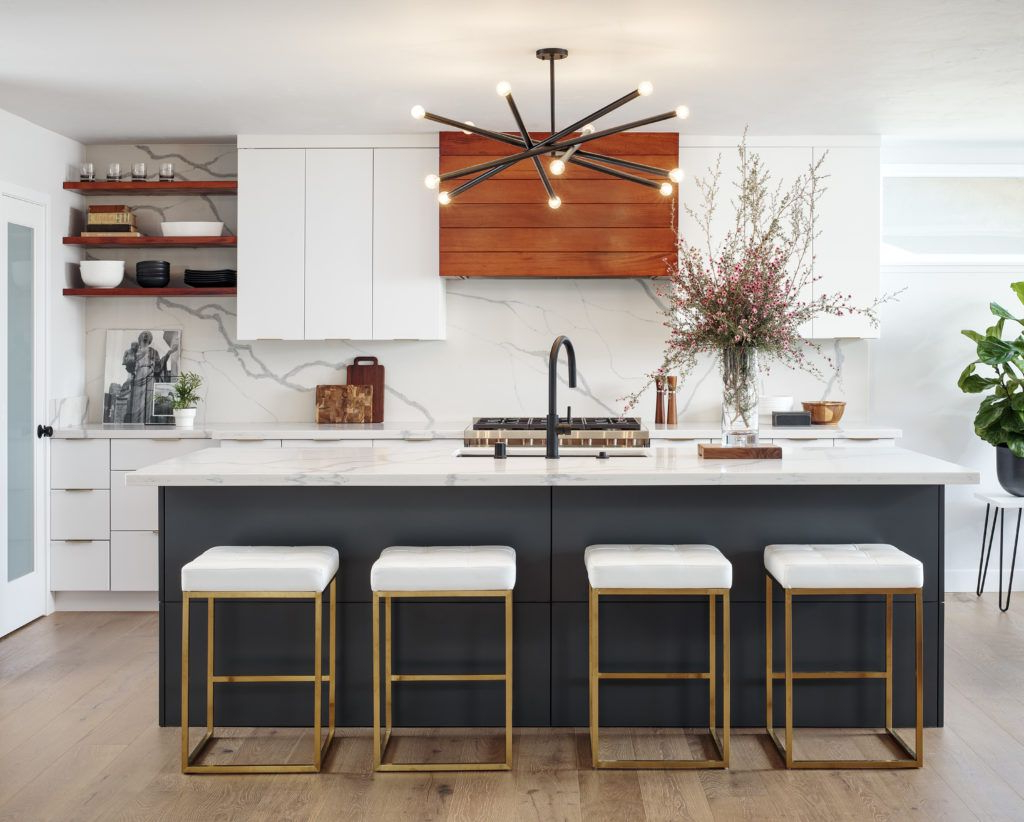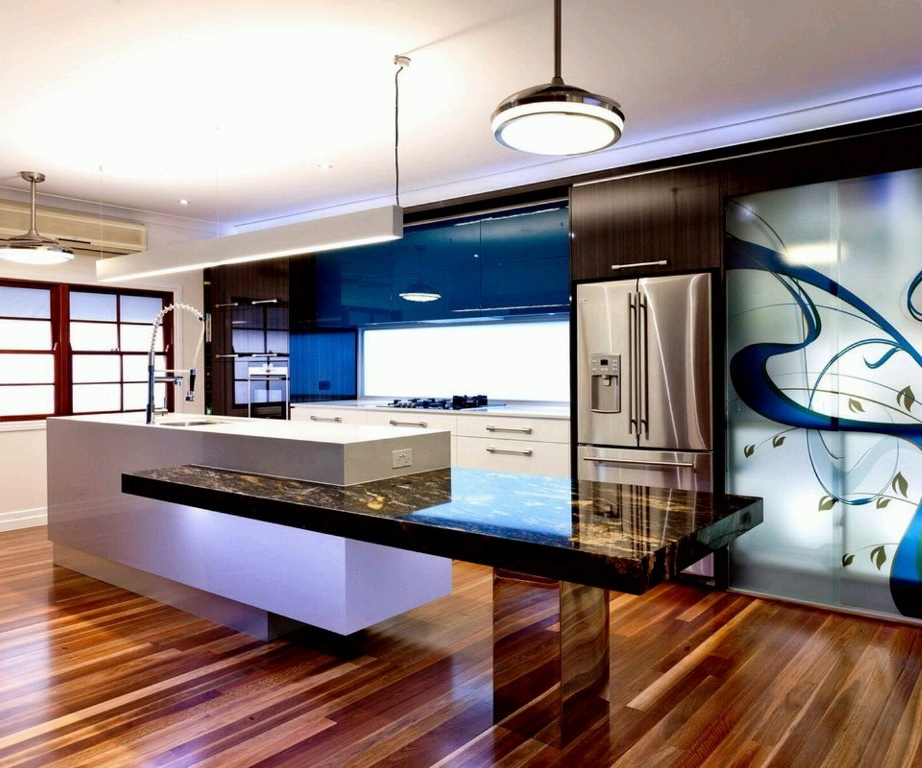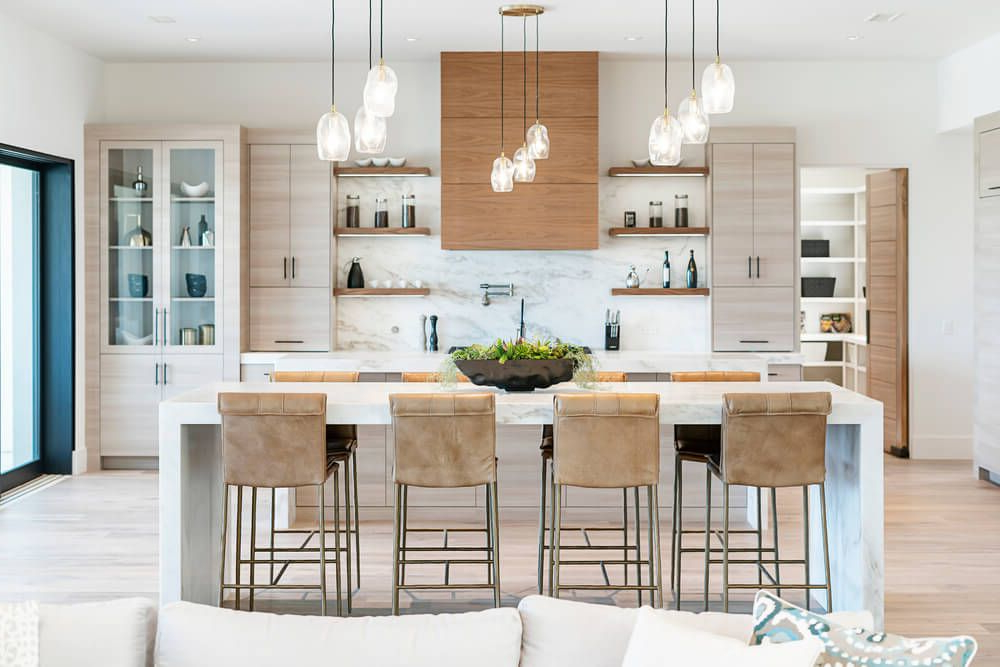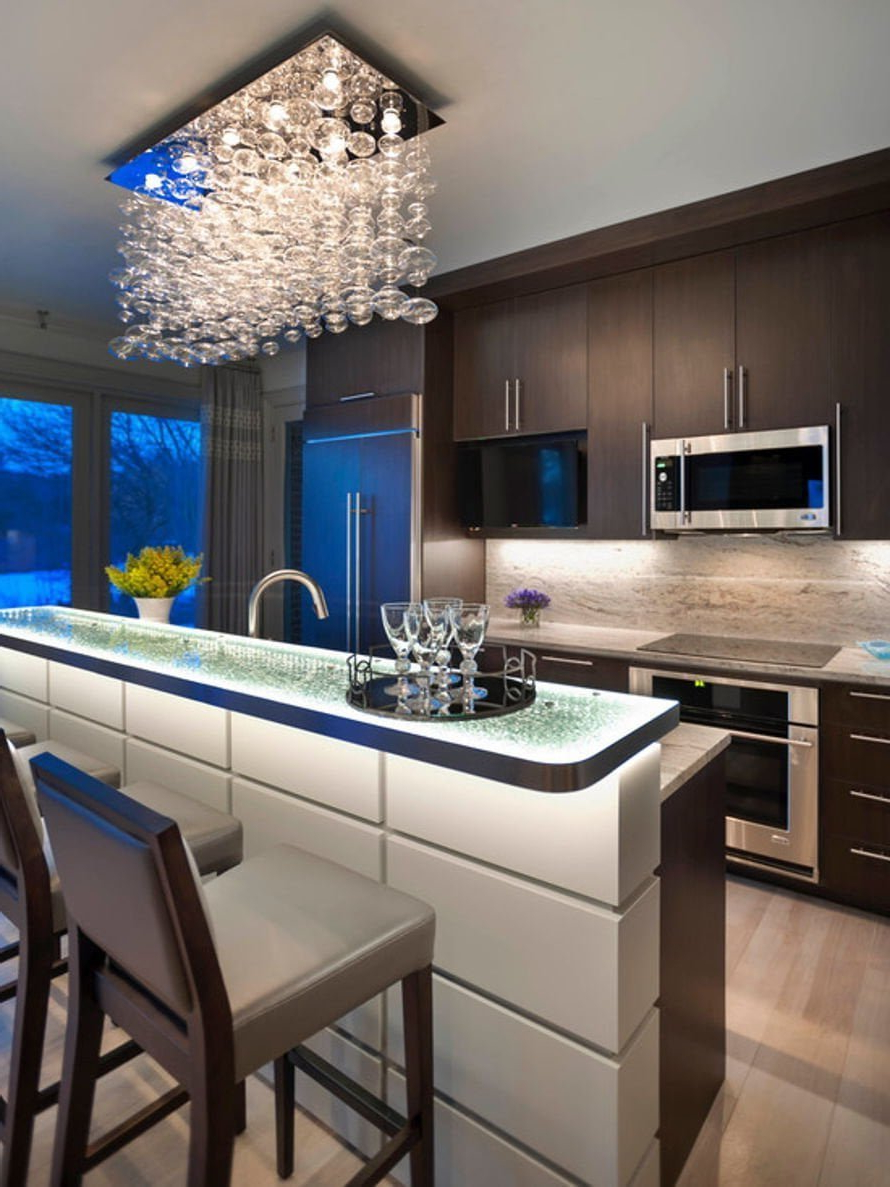
Imagine stepping into a kitchen where every choice reflects environmental responsibility and thoughtful design. This isn’t just a dream anymore – it’s becoming the reality for homeowners worldwide. As we face mounting environmental challenges, kitchen planning has evolved beyond aesthetics and functionality to embrace sustainability as a core principle. From choosing materials that last decades to designing layouts that minimize waste, today’s kitchens are being reimagined with the planet in mind. What started as a niche concern has blossomed into a fundamental shift in how we approach one of our most important living spaces.
The modern kitchen isn’t just where we prepare meals anymore – it’s where we make conscious choices about our impact on the environment. This transformation represents more than just a trend; it’s a fundamental rethinking of how we design and interact with our most-used rooms. Sustainable kitchen planning involves considering everything from material selection to energy efficiency, from water conservation to waste reduction. It’s about creating spaces that honor both our needs and our planet’s future. Whether you’re renovating an existing space or building from scratch, understanding these sustainable principles can transform your kitchen into a model of responsible design.
Material Selection for Longevity and Responsibility
Choosing the right materials forms the foundation of sustainable kitchen planning. Rather than focusing solely on cost or appearance, consider durability and environmental impact. Solid wood countertops, for instance, offer decades of use when properly maintained, while engineered materials might require replacement every few years. Look for certified sustainable options like bamboo flooring or reclaimed timber. These materials not only reduce demand for new resources but often provide superior performance characteristics. When selecting cabinets, opt for those made from recycled materials or sourced from responsibly managed forests. The investment in quality materials pays dividends over time, both financially and environmentally. Remember, the most sustainable kitchen is one that lasts, not one that constantly needs updating.
Energy Efficiency in Modern Kitchen Design
Modern kitchens consume significant amounts of electricity, particularly through appliances and lighting. Smart planning can dramatically reduce this footprint. Start with Energy Star certified appliances – they use 10-50% less energy than standard models. LED lighting throughout the space provides bright illumination while using minimal power. Consider installing smart thermostats and timers for appliances that run frequently. Position your refrigerator away from heat sources like ovens or direct sunlight to reduce energy consumption. Plan your layout to minimize walking distances, reducing the need for multiple trips and unnecessary energy use. Even simple changes like installing a solar water heater can make a substantial difference. The key is designing with efficiency as a priority, not an afterthought.
Water Conservation Strategies for Everyday Living
Water scarcity affects millions globally, making conservation a critical element of sustainable kitchen design. Install low-flow faucets and aerators to reduce water usage without sacrificing performance. Choose appliances designed for water efficiency, such as front-loading dishwashers or dual-flush toilets. Consider greywater systems that reuse water from sinks and washing machines for irrigation. Rainwater harvesting systems can provide supplemental water for garden maintenance. Think about your sink placement – positioning it near the dishwasher can save water by allowing you to rinse dishes directly into the machine. These small adjustments compound over time, creating significant savings and environmental benefits. Every drop counts in sustainable kitchen planning.
Waste Reduction Through Smart Kitchen Layouts
A well-thought-out kitchen layout can significantly reduce waste generation. Design storage solutions that encourage organization and prevent food spoilage. Implement proper ventilation to manage odors and moisture, preventing mold growth and food contamination. Plan for composting areas within easy reach of the kitchen. Consider installing a small compost bin or connecting to community composting programs. Designate specific zones for different activities to avoid cross-contamination and food waste. Good workflow design means less time spent preparing food, which reduces the likelihood of over-preparation. Additionally, choose reusable containers and packaging alternatives to minimize single-use plastics. The kitchen becomes a hub of sustainable practices rather than a source of waste.
Indoor Air Quality and Natural Ventilation
Indoor air pollution can be up to five times higher than outdoor levels, making air quality crucial in kitchen planning. Natural ventilation through strategically placed windows allows fresh air circulation while reducing reliance on mechanical systems. Choose low-VOC (volatile organic compounds) paints and finishes to avoid harmful emissions. Select cabinetry and countertops made from materials with minimal chemical treatments. Install range hoods that effectively remove cooking fumes and excess moisture. Consider incorporating houseplants that naturally filter air pollutants. Properly designed exhaust systems prevent grease buildup and maintain cleaner indoor environments. The result is a healthier space for cooking and gathering, where families can thrive without worrying about air quality issues. A clean kitchen equals a healthy home.
Technology Integration for Sustainable Living
Smart technology offers powerful tools for sustainable kitchen management. Smart refrigerators can track inventory and suggest recipes based on available ingredients, reducing food waste. Automated lighting systems adjust brightness based on natural light levels and occupancy. Voice-activated assistants can remind you to turn off appliances when not in use. Mobile apps help track energy and water usage, providing insights for improvement. Some systems even integrate with local weather forecasts to optimize appliance usage timing. These technologies work together to create efficient, responsive kitchen environments. They represent the intersection of convenience and environmental responsibility, showing how modern solutions can support sustainable practices.
Sustainable kitchen planning isn’t just about making eco-friendly choices – it’s about creating spaces that reflect our values and care for future generations. These practices transform kitchens from simple functional areas into centers of environmental responsibility. The choices we make today in kitchen design will influence how we live tomorrow. From selecting durable materials to integrating smart technology, every decision contributes to a more sustainable future. The best part? Sustainable kitchens often provide better performance, lower long-term costs, and enhanced quality of life. As we continue to evolve our relationship with the environment, kitchen planning will remain at the forefront of this important conversation. Making thoughtful choices now creates lasting positive impacts for both our homes and our planet.
[sps_html tag=”img” src=”https://roofdrivein.com/wp-content/uploads/2026/01/25-unique-modern-kitchen-design-and-ideas-instaloverz-regarding-sustainable-practices-that-define-the-future-of-kitchen-planning.jpg” alt=”25 Unique Modern Kitchen Design And Ideas - Instaloverz regarding Sustainable Practices That Define the Future of Kitchen Planning” style=”width: 100%; height: auto;”]
[sps_html tag=”img” src=”https://roofdrivein.com/wp-content/uploads/2026/01/pin-by-elio-severiano-on-kitchens-modern-kitchen-design-luxury-regarding-sustainable-practices-that-define-the-future-of-kitchen-planning-scaled.jpg” alt=”Pin By Elio Severiano On Kitchens | Modern Kitchen Design, Luxury … regarding Sustainable Practices That Define the Future of Kitchen Planning” style=”width: 100%; height: auto;”]
[sps_html tag=”img” src=”https://roofdrivein.com/wp-content/uploads/2026/01/50-best-modern-kitchen-design-ideas-for-2021-throughout-sustainable-practices-that-define-the-future-of-kitchen-planning.jpg” alt=”50 Best Modern Kitchen Design Ideas For 2021 throughout Sustainable Practices That Define the Future of Kitchen Planning” style=”width: 100%; height: auto;”]
[sps_html tag=”img” src=”https://roofdrivein.com/wp-content/uploads/2026/01/39-contemporary-kitchen-ideas-for-every-home-in-sustainable-practices-that-define-the-future-of-kitchen-planning.jpg” alt=”39 Contemporary Kitchen Ideas For Every Home in Sustainable Practices That Define the Future of Kitchen Planning” style=”width: 100%; height: auto;”]
[sps_html tag=”img” src=”https://roofdrivein.com/wp-content/uploads/2026/01/35-luxury-modern-kitchen-design-ideas-that-will-inspire-you-pertaining-to-sustainable-practices-that-define-the-future-of-kitchen-planning.jpg” alt=”35 Luxury Modern Kitchen Design Ideas That Will Inspire You pertaining to Sustainable Practices That Define the Future of Kitchen Planning” style=”width: 100%; height: auto;”]