The kitchen table isn’t just a place to eat—it’s the beating heart of family life. Whether you’re hosting Sunday dinners or rushing breakfasts, the right layout can make all the difference. But with so many options out there, how do you choose what works for your unique situation? Let’s explore the most effective modern kitchen table arrangements that accommodate everything from small apartments to large households.
Picture this: your family gathers around a table that feels welcoming, functional, and perfectly suited to your daily rhythms. It might seem like a simple wish, but finding that ideal setup requires understanding how space, lifestyle, and family dynamics come together. Every family has different needs—some want casual meals, others prefer formal dining experiences. Some have kids running around, while others might entertain guests regularly. The good news is that thoughtful design can address all these concerns. This guide will walk you through various modern layouts that adapt to your family’s specific way of living, helping you create a space where everyone feels comfortable and included.
Understanding Your Family’s Needs
Before diving into layout options, take a moment to assess what your family really needs. Do you host regular dinner parties or prefer quiet evening meals? Are you juggling morning rush hour with homework and soccer practice? Consider how often you use the space and what activities happen there. For instance, a family with young children might prioritize easy cleanup and spill resistance, while a couple with working schedules might focus on quick meal prep and efficient traffic flow. Ask yourself: What are the typical daily routines in your kitchen? How many people usually gather for meals? Understanding these patterns helps determine whether you need a large communal table or something more intimate and flexible. Think about storage too—do you need room for extra dishes, or does everything fit neatly in cabinets?
The Island Central Approach
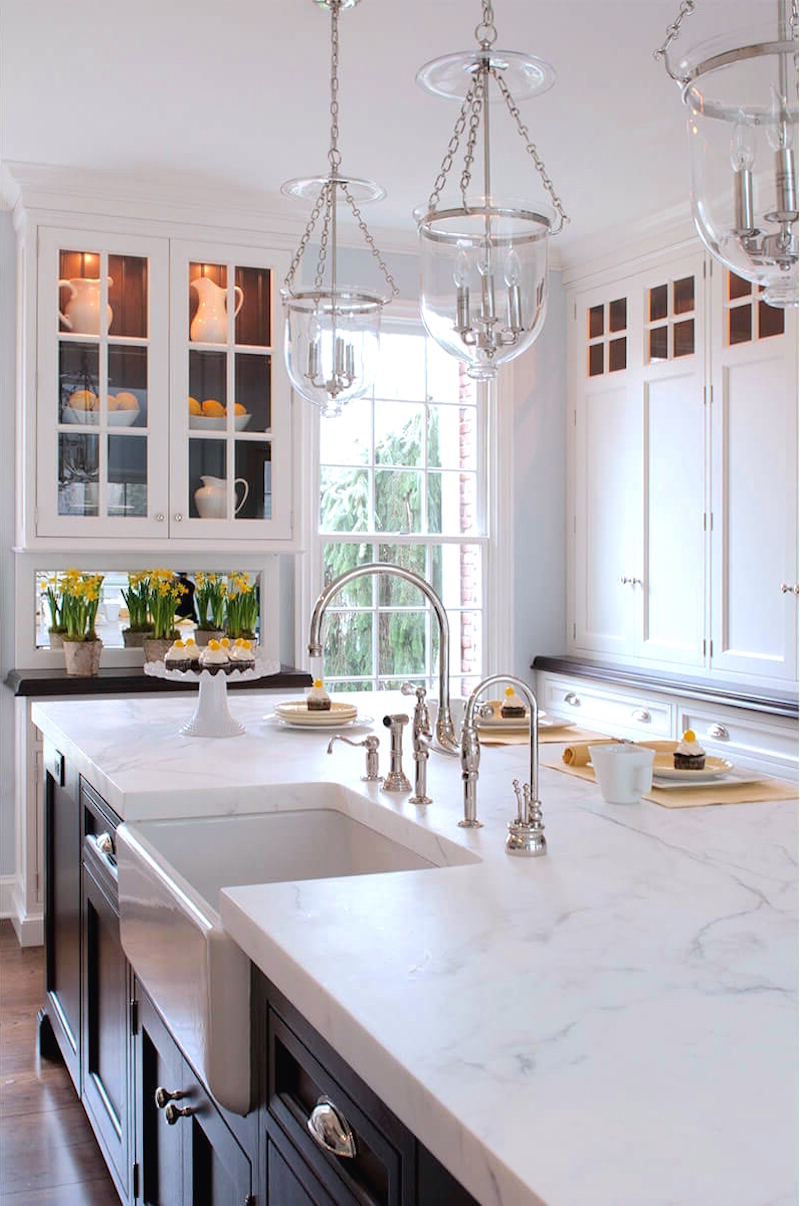
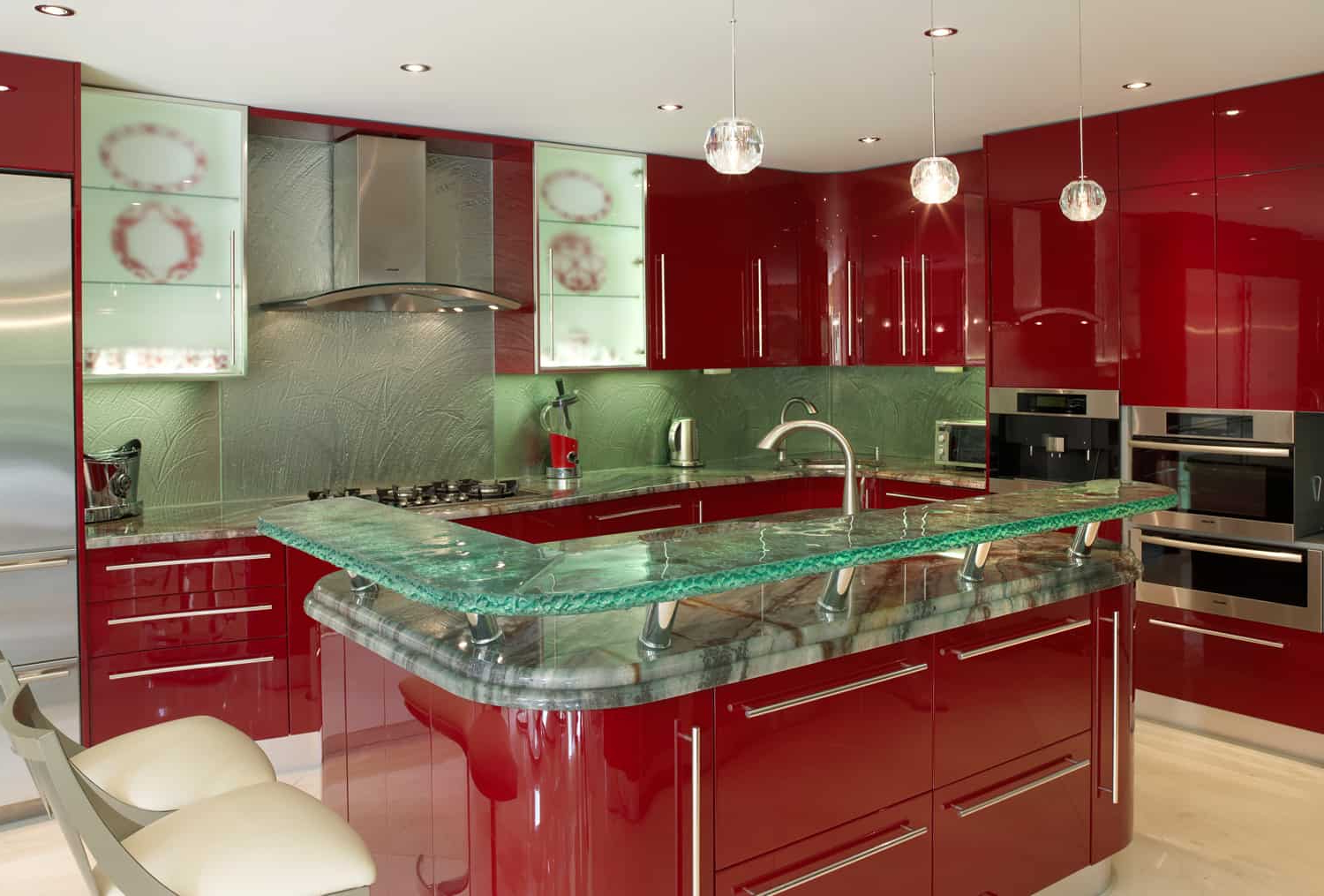
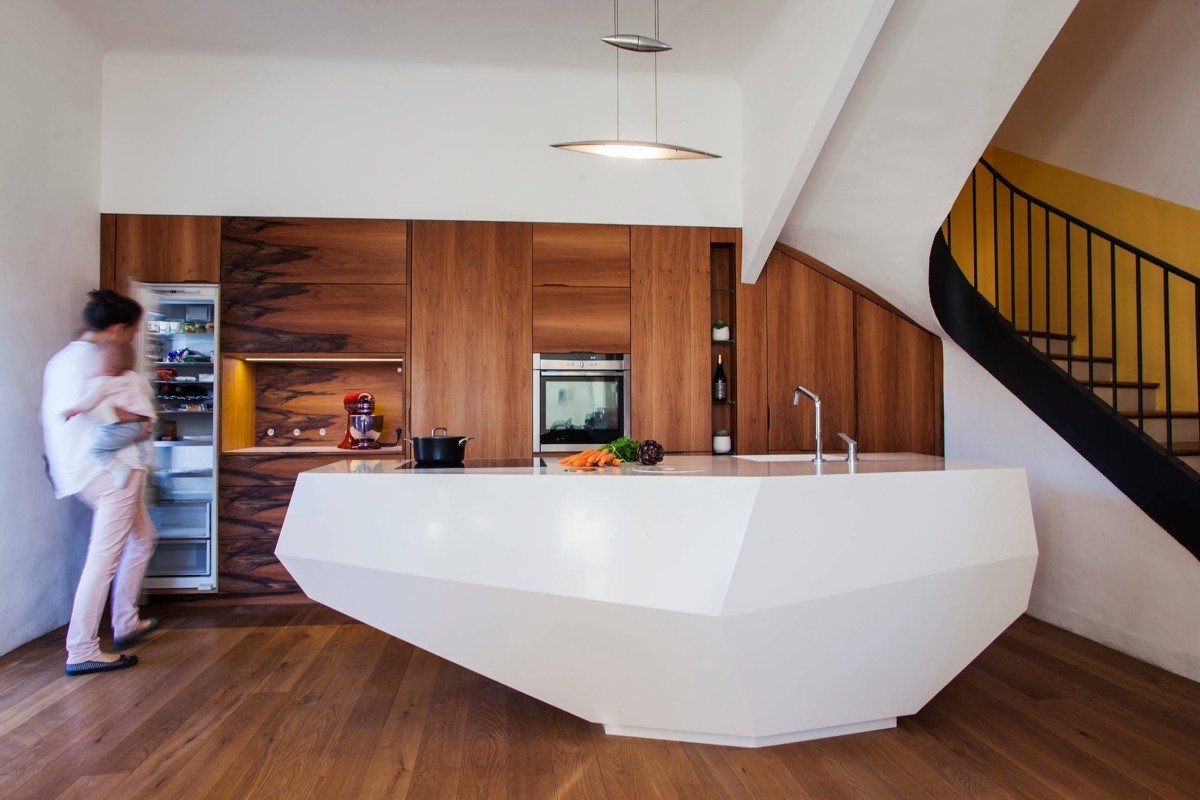
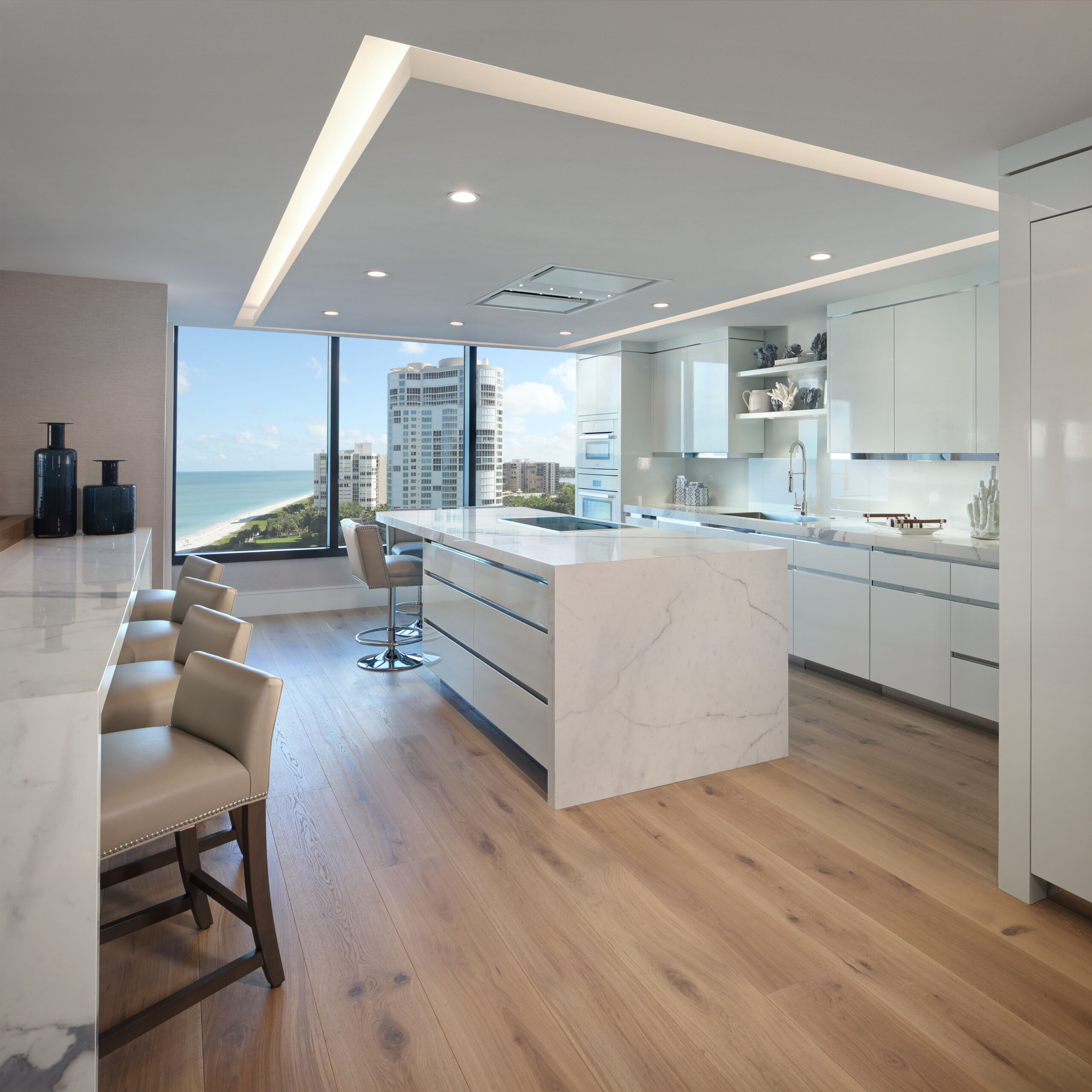
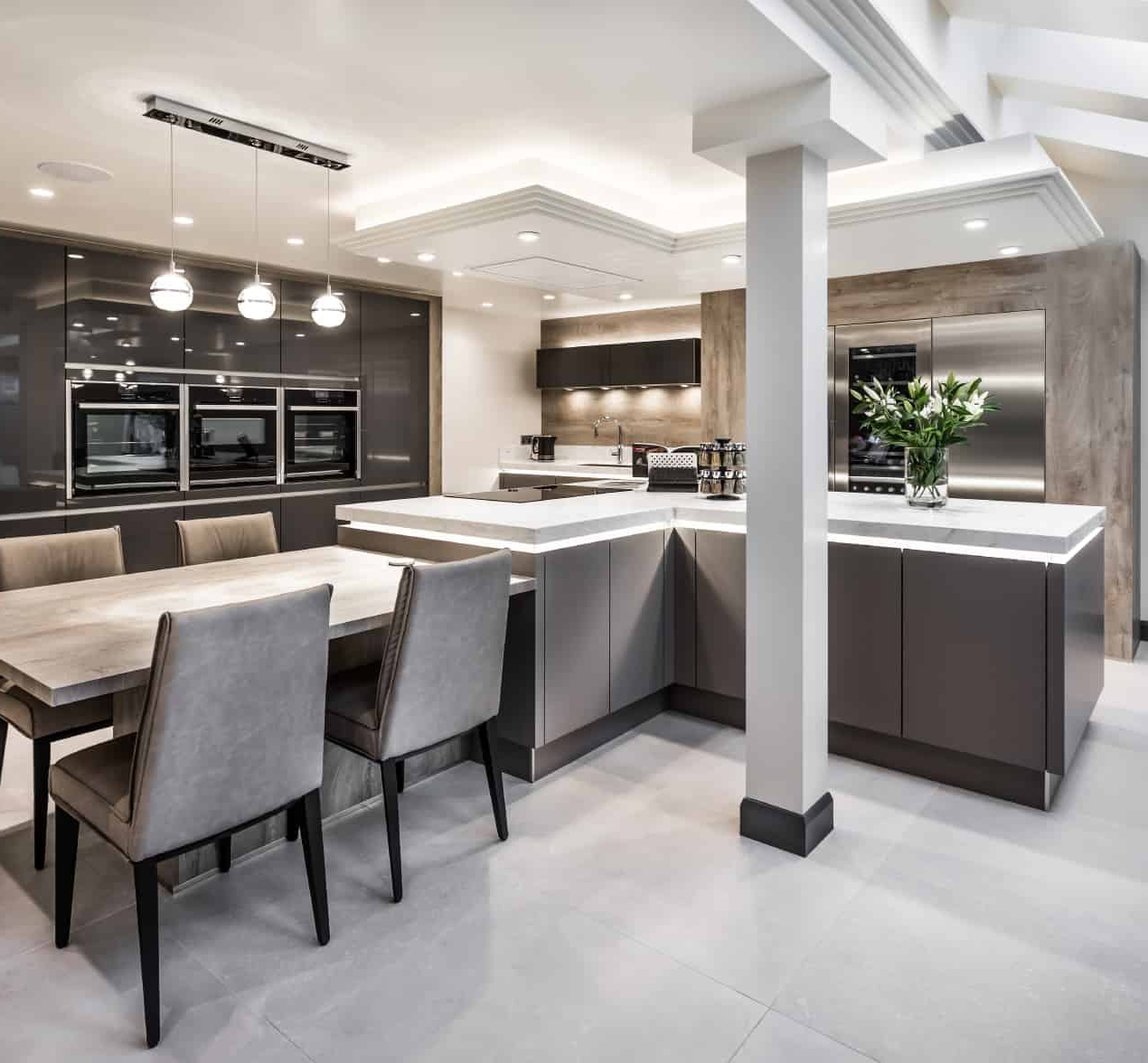
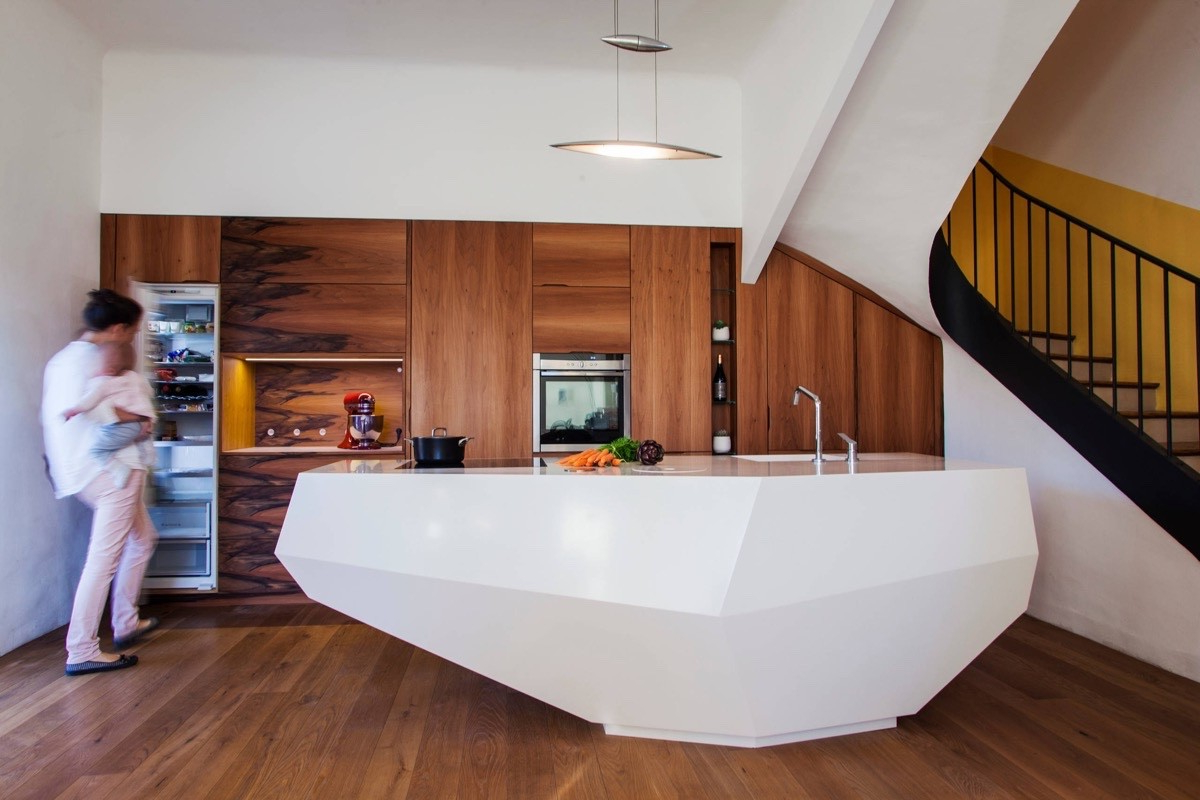
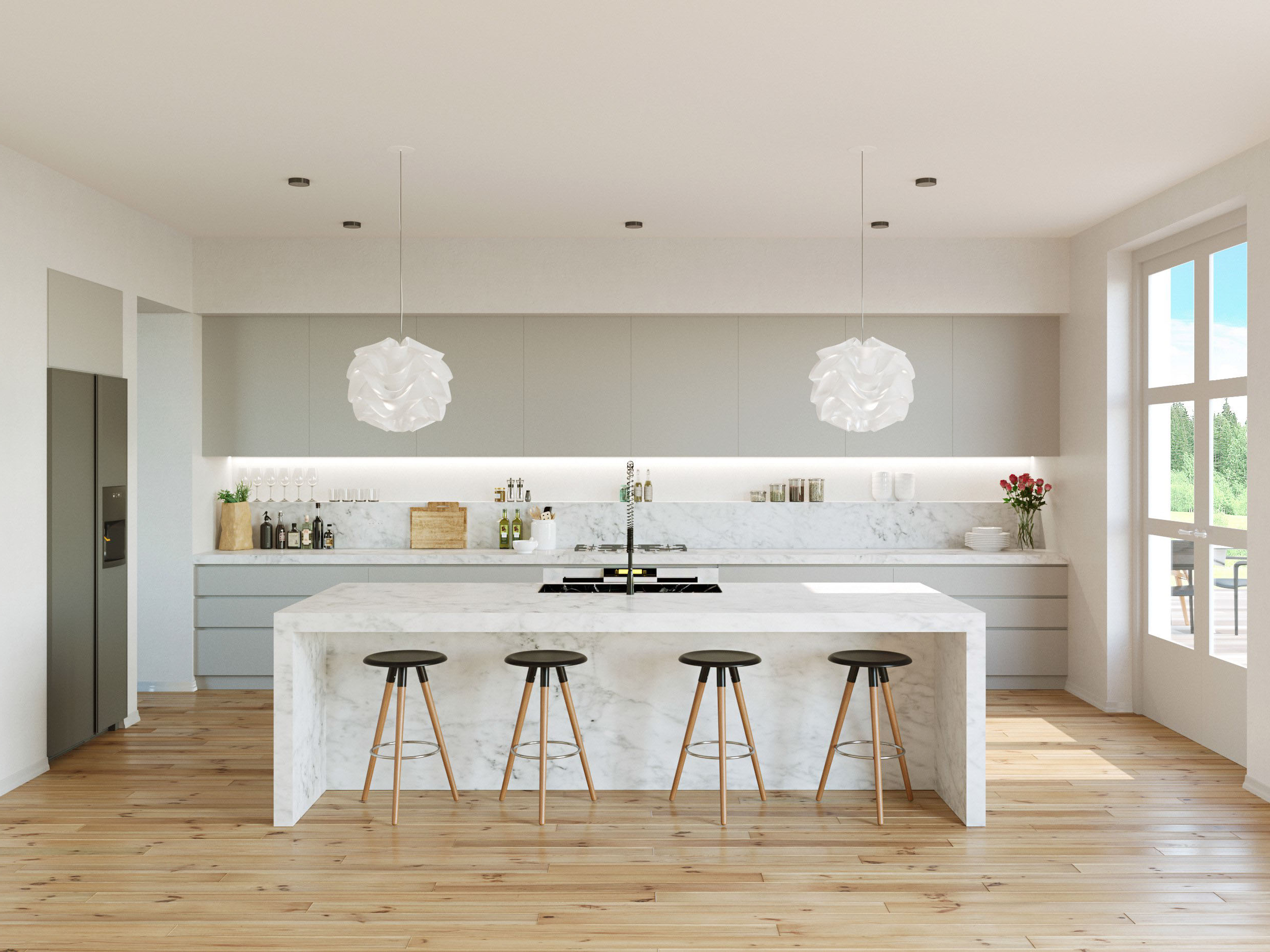
One of the most popular modern layouts features a central island that doubles as dining and prep space. Imagine a sturdy island with seating on three sides, creating a natural gathering spot. This setup works wonderfully for larger kitchens where space allows for a dedicated dining area. The island becomes a conversation hub, especially when equipped with bar stools or casual chairs. You can easily move food between cooking and serving areas, making it ideal for busy families. Many homeowners find this configuration particularly appealing because it encourages interaction during meal preparation and eating. Plus, islands often include extra storage or even a built-in sink, which adds practicality to daily tasks. For families who love to cook together, this arrangement makes shared meals feel more collaborative.
L-shaped Layouts for Flow and Function
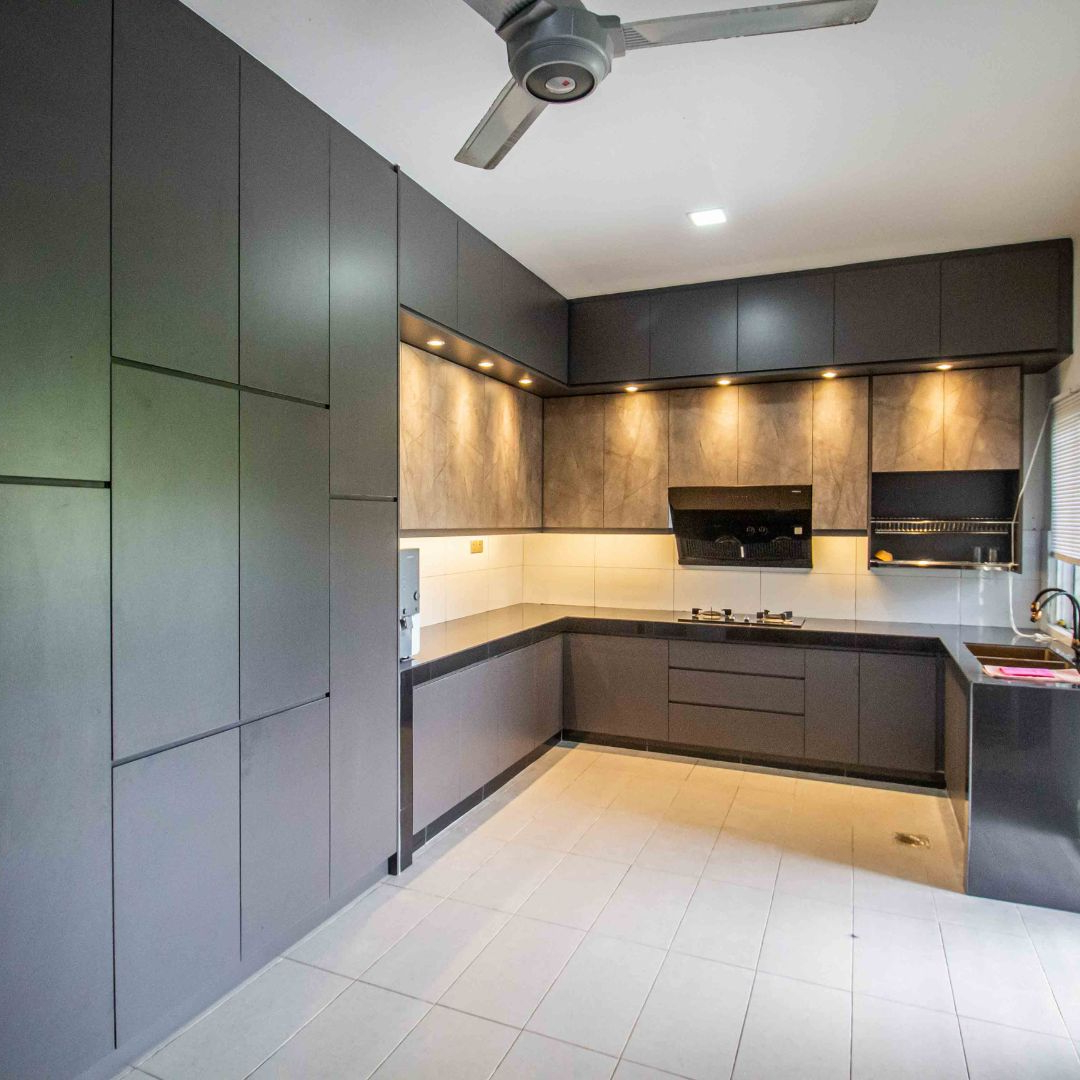
L-shaped kitchen designs are fantastic for maximizing both space and workflow. When you incorporate a table along one wall of this L-shape, you create a natural pathway for movement. The layout allows for easy access to appliances while keeping the dining area separate enough to avoid traffic congestion. Picture a corner where the table sits flush against the wall, providing ample room for people to sit comfortably without bumping into each other. These setups are especially great for homes with limited square footage. They offer flexibility in terms of furniture placement and can accommodate different table sizes depending on your needs. An L-shaped table also tends to feel more intimate than a long rectangular one, encouraging conversation and connection among diners.
U-Shaped Kitchens with Built-In Seating
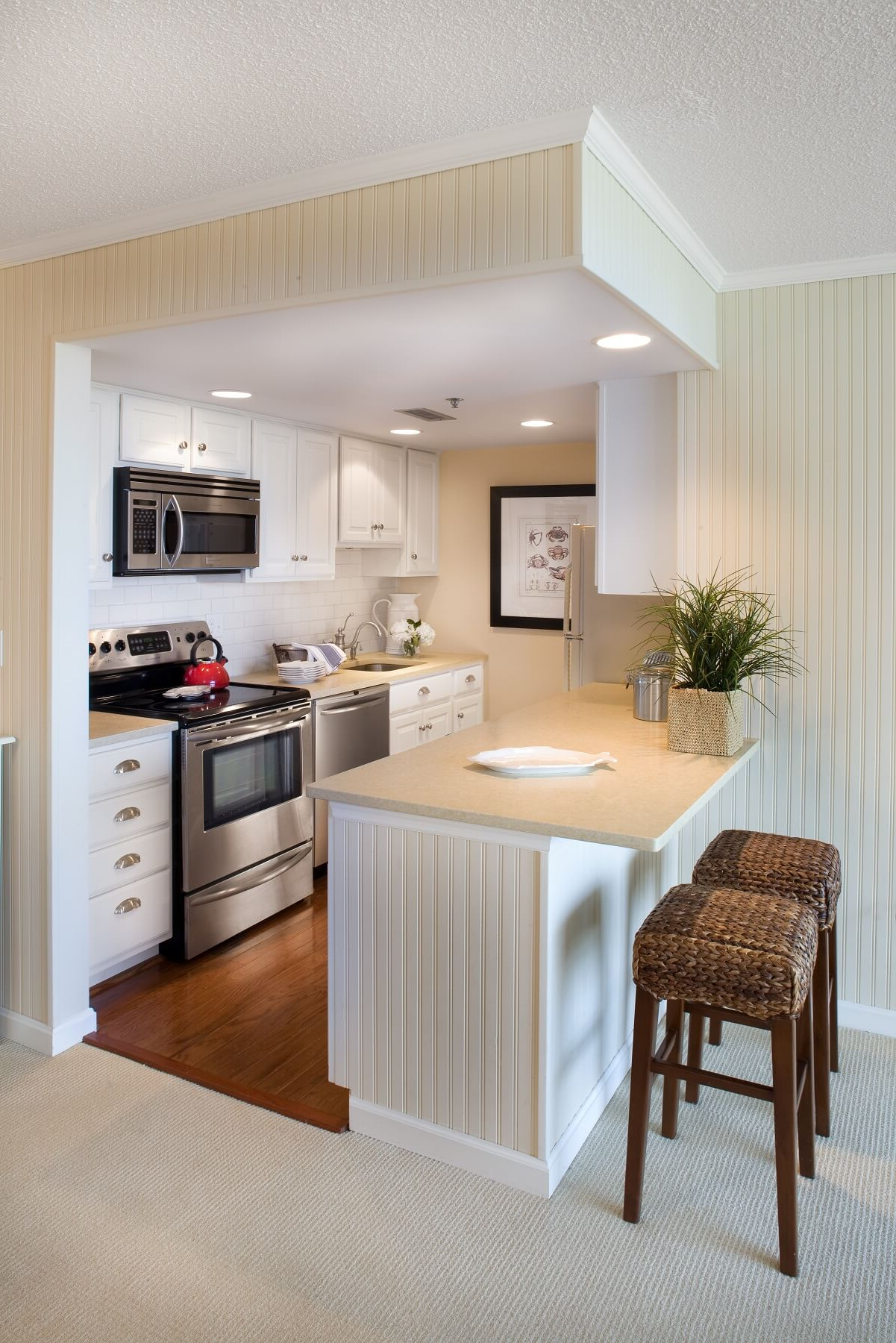
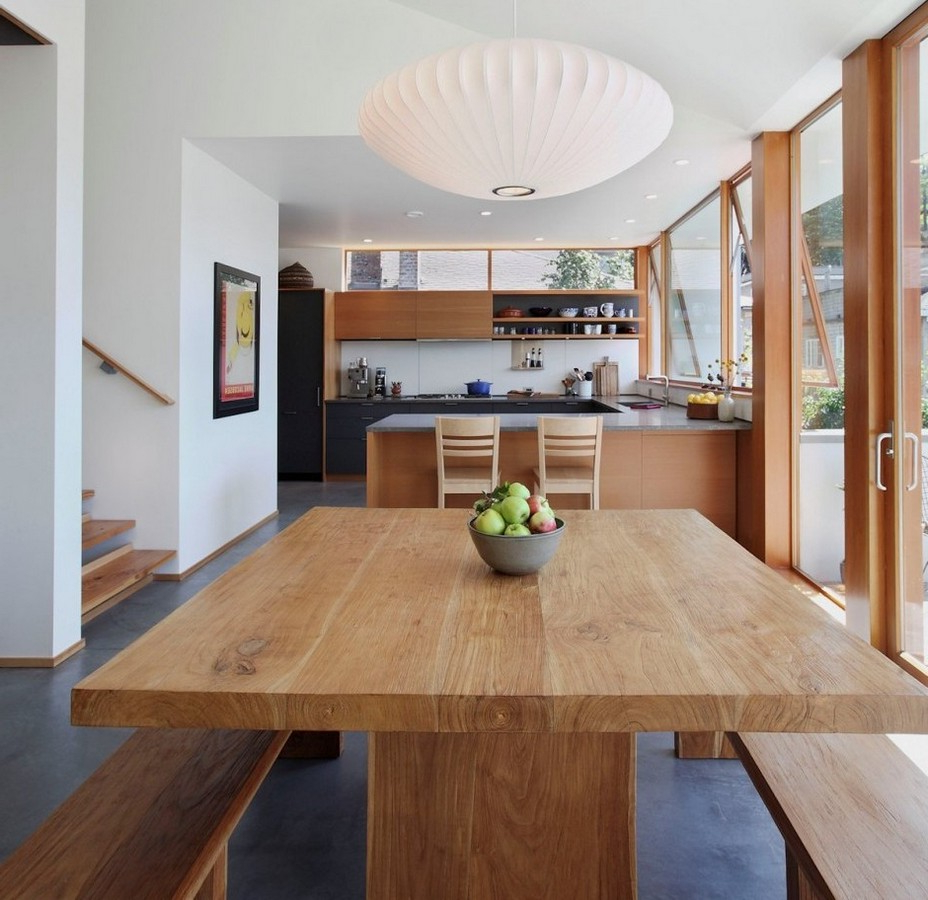
This classic layout uses three walls to create a U-shape, often incorporating a built-in bench or seating area. The beauty of this approach lies in its ability to provide multiple seating options while maintaining open communication between cooks and diners. You might see a long counter with integrated seating, or perhaps a raised area that gives the impression of a formal dining space within a casual kitchen. This style works exceptionally well for families who enjoy entertaining or have multiple generations living under one roof. The built-in nature means less clutter and more seamless integration of dining and kitchen functions. Many people appreciate how this setup allows for a sense of continuity between the kitchen and dining spaces, making it feel like one cohesive area rather than two separate rooms.
Flexible Modular Solutions
For families with changing needs, modular systems offer incredible versatility. These layouts allow you to adjust the size and shape of your dining area based on current requirements. Think of extendable tables or removable sections that can be rearranged as needed. A modular approach suits busy households where space efficiency matters greatly. For example, a small family might use a compact table during weekdays, then expand it for weekend gatherings. These systems often feature lightweight components that can be moved easily, giving you control over your space’s functionality. The key benefit is adaptability—what works today may not work tomorrow, and modular solutions help bridge that gap without requiring major renovations.
Practical Tips for Every Layout
No matter which layout you choose, certain principles apply universally:
• Measure twice, build once: Always verify that your chosen table fits comfortably within your space.
• Consider traffic flow: Make sure people can move around the table without feeling cramped.
• Prioritize comfort: Ensure adequate legroom and appropriate chair heights for everyone.
• Think about accessibility: If elderly family members live with you, consider low-profile seating options.
• Plan for storage: Incorporate nearby cabinets or shelves to keep dining essentials organized.
Additionally, lighting plays a crucial role in setting the mood. Overhead lights positioned directly above the table create focused illumination for meals, while ambient options add warmth to the overall atmosphere. Don’t overlook the importance of texture either—natural wood, soft fabrics, or interesting materials can transform a basic layout into a memorable dining experience.
Choosing the right kitchen table layout is more than just picking something that looks good—it’s about creating a space that supports your family’s unique rhythm and relationships. Whether you go for a bold island design, embrace the intimacy of an L-shaped setup, or opt for the flexibility of modular pieces, the most important factor is how well it serves your daily life. Take time to reflect on your family’s habits, needs, and preferences before making decisions. Remember that your kitchen table is where memories are made, so invest thoughtfully in a solution that brings joy and functionality to every mealtime. With careful planning and consideration, you’ll find that the perfect layout doesn’t just exist—it grows naturally from your family’s way of living.
[sps_html tag=”img” src=”https://roofdrivein.com/wp-content/uploads/2026/01/kitchen-table-modern-design-kitchen-info-in-modern-kitchen-table-layouts-that-work-for-every-family.jpg” alt=”Kitchen Table Modern Design – Kitchen Info in Modern Kitchen Table Layouts That Work for Every Family” style=”width: 100%; height: auto;”]
[sps_html tag=”img” src=”https://roofdrivein.com/wp-content/uploads/2026/01/contemporary-modern-dining-table-at-mark-villa-blog-throughout-modern-kitchen-table.jpg” alt=”Contemporary Modern Dining Table At Mark Villa Blog throughout Modern Kitchen Table” style=”width: 100%; height: auto;”]
[sps_html tag=”img” src=”https://roofdrivein.com/wp-content/uploads/2026/01/contemporary-kitchen-table-pertaining-to-modern-kitchen-table.jpeg” alt=”Contemporary Kitchen Table pertaining to Modern Kitchen Table” style=”width: 100%; height: auto;”]
[sps_html tag=”img” src=”https://roofdrivein.com/wp-content/uploads/2026/01/contemporary-white-kitchen-table-things-in-the-kitchen-within-modern-kitchen-table-layouts-that-work-for-every-family.jpg” alt=”Contemporary White Kitchen Table – Things In The Kitchen within Modern Kitchen Table Layouts That Work for Every Family” style=”width: 100%; height: auto;”]
[sps_html tag=”img” src=”https://roofdrivein.com/wp-content/uploads/2026/01/modern-kitchen-tables-singlejord-inside-modern-kitchen-table.jpeg” alt=”Modern Kitchen Tables - Singlejord inside Modern Kitchen Table” style=”width: 100%; height: auto;”]