Kitchen cabinets have come a long way since their humble beginnings. What started as simple wooden boxes to store dishes and utensils has evolved into intricate architectural elements that shape entire rooms. Today’s cabinets aren’t just functional—they’re artistic expressions that reflect personal style and lifestyle needs.
Think about your last kitchen visit. Did you notice how the cabinets seem to breathe life into the space? That’s no accident. Kitchen cabinets have undergone a remarkable transformation over the past century. They’ve shifted from purely utilitarian objects to complex design features that influence everything from room flow to emotional well-being. The story of kitchen cabinets isn’t just about wood and hardware—it’s about how we live, eat, and interact with our most important domestic spaces.
Early Foundations: The Birth of Kitchen Cabinets
In the early 1900s, kitchens were often separate rooms with little consideration for aesthetics. Cabinets were built-in affairs made from solid wood like oak or maple. These weren’t fancy—they were practical. Families often had one large cabinet that held everything from flour to pots and pans. The focus was purely on function rather than form. Many of these early cabinets featured simple doors with basic hinges and minimal decoration.
The industrial revolution played a huge role in cabinet development. Mass production techniques meant that cabinets could be built faster and more affordably. This democratization of kitchen storage allowed more families to enjoy proper storage solutions. But there was still little thought given to how cabinets fit into the overall design of the home.
The Golden Age of Cabinet Design
The mid-1900s marked a turning point for kitchen cabinets. This era saw the rise of standardized cabinet sizes and better manufacturing processes. Cabinets became more modular, allowing homeowners to customize layouts based on their needs. The 1950s introduced new materials like particle board and laminates that were cheaper and easier to work with than solid wood.
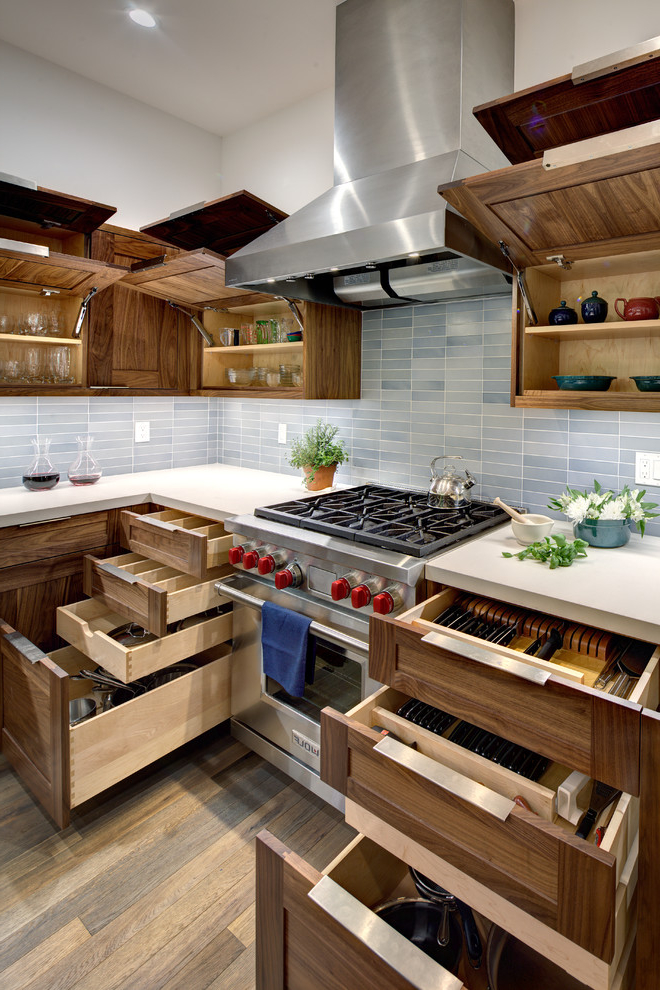
During this time, the concept of kitchen efficiency began to take hold. Designers started thinking about workflow and ergonomics. Cabinets were positioned to minimize movement while cooking. Pull-out shelves became popular, and drawer configurations began to reflect how people actually used their kitchen space. This period also saw the emergence of distinct cabinet styles like Shaker and Colonial designs that remain popular today.
Modern Materials and Manufacturing Revolution
The late 20th century brought dramatic changes to cabinet construction. New materials like plywood, MDF, and engineered woods revolutionized what was possible. These materials offered better stability, less warping, and more consistent quality than traditional solid wood. Manufacturers began using computer-aided design and manufacturing processes, leading to more precise cuts and better finishes.
This period also introduced the concept of customization on a mass scale. Homeowners could choose from hundreds of color options, hardware finishes, and style combinations. The rise of DIY culture meant that people were more willing to tackle cabinet installation themselves. This accessibility changed how people viewed kitchen upgrades and made cabinet renovation more affordable.
Functional Innovation: Smart Features and Storage Solutions
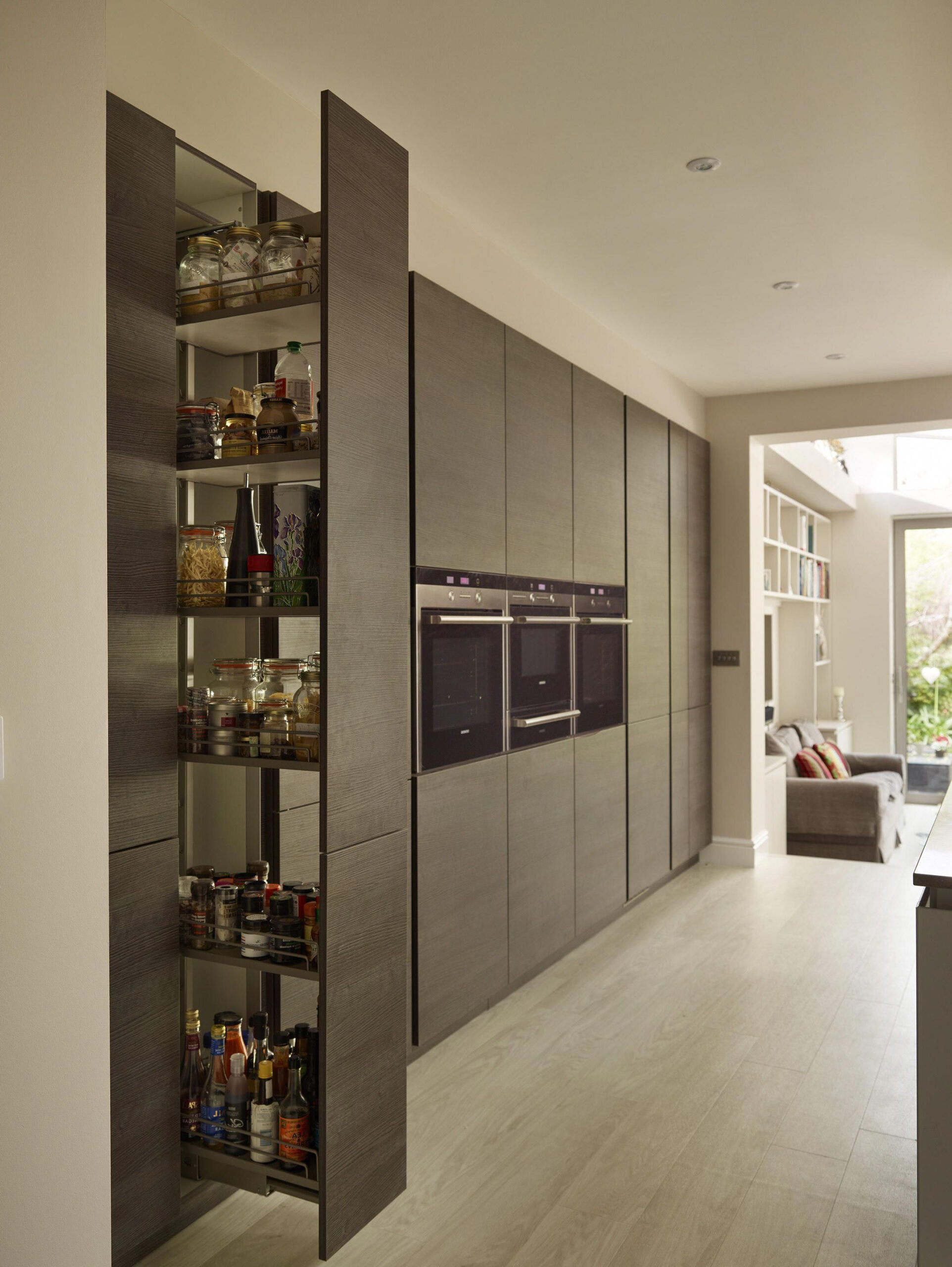
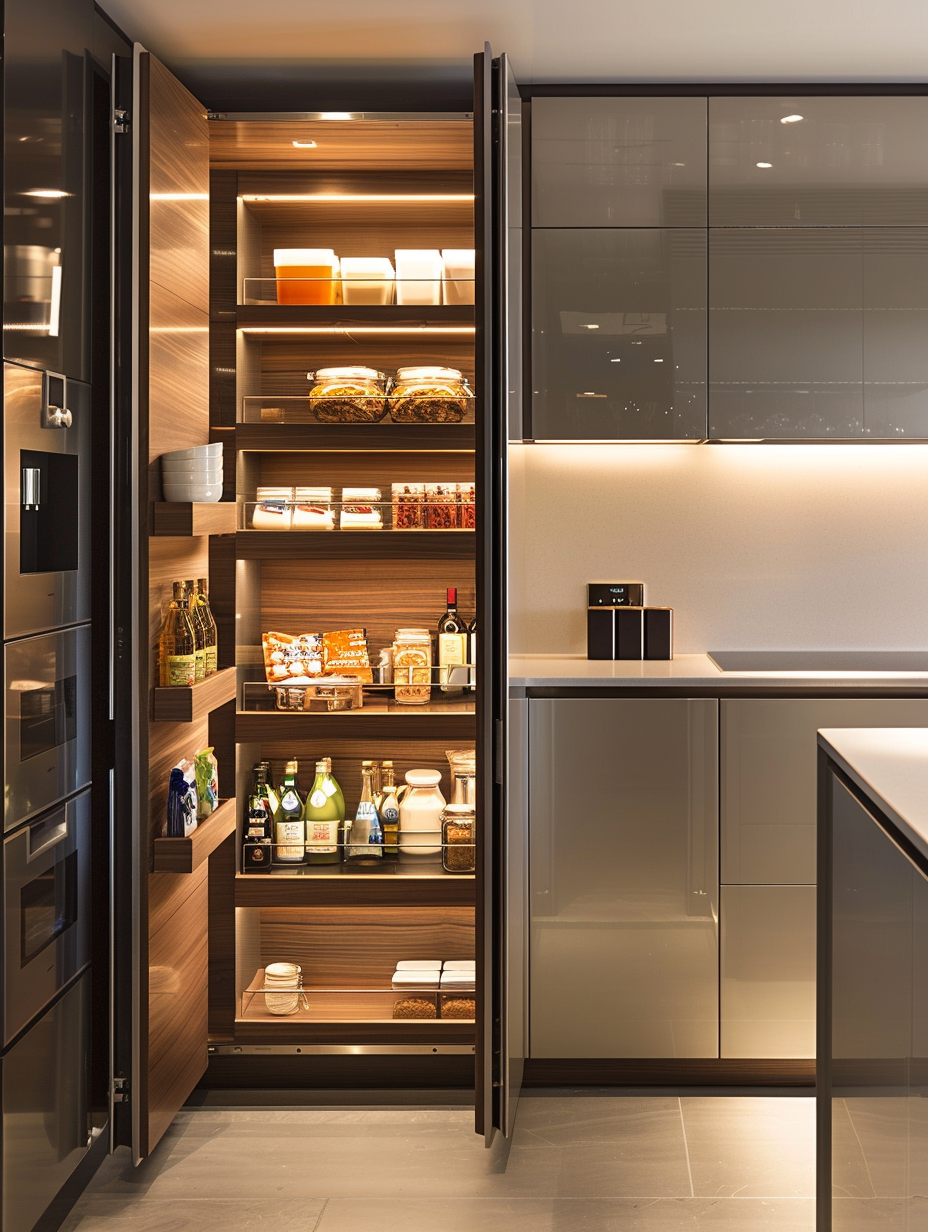
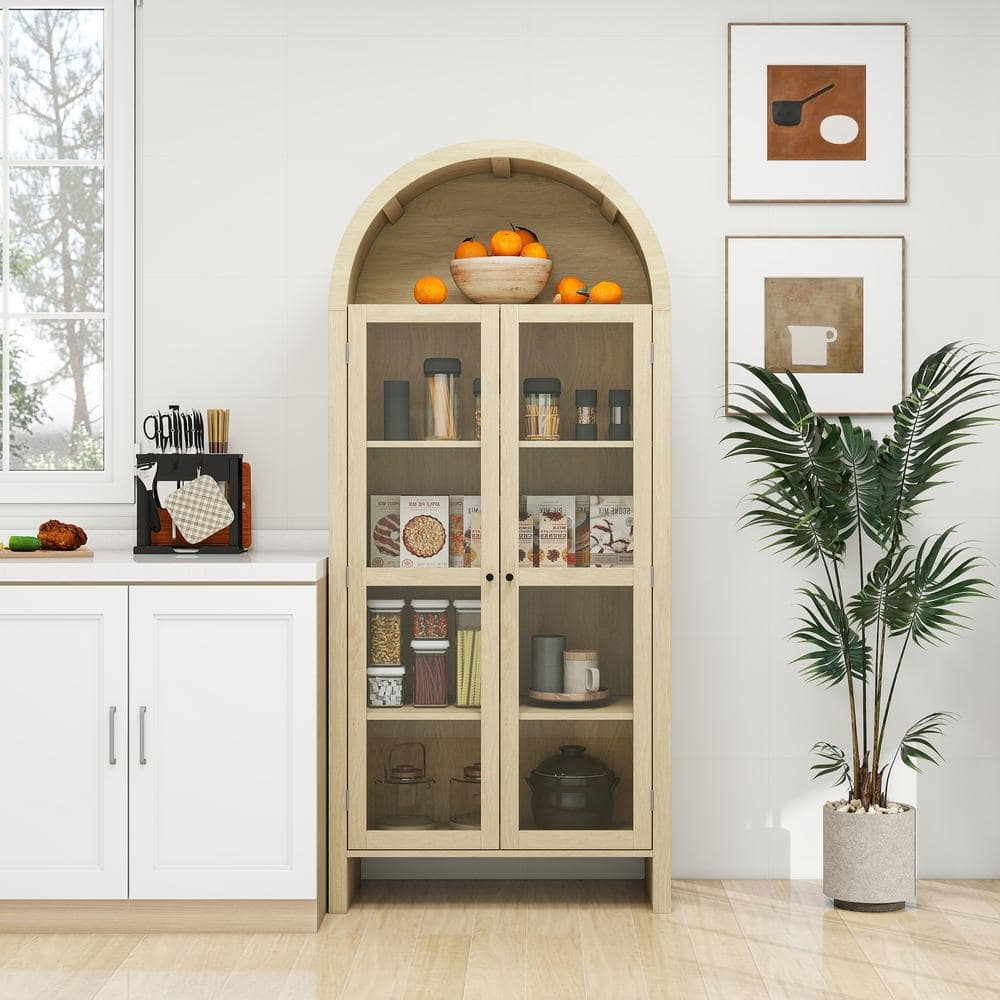
Today’s cabinets incorporate technology and smart design principles that previous generations couldn’t imagine. Pull-out trays, lazy Susans, and soft-close mechanisms have become standard features. Some cabinets now include LED lighting inside, adjustable shelving, and even built-in organizers for spices and small appliances.
The focus on maximizing storage space has led to innovative solutions like corner cabinets with rotating systems, under-sink storage units, and wall-mounted racks. These features address real-life challenges like limited counter space and the need for easy access to frequently used items. The modern kitchen cabinet is designed to accommodate everything from a busy family’s daily routine to a professional chef’s specialized needs.
Design Trends and Aesthetic Evolution
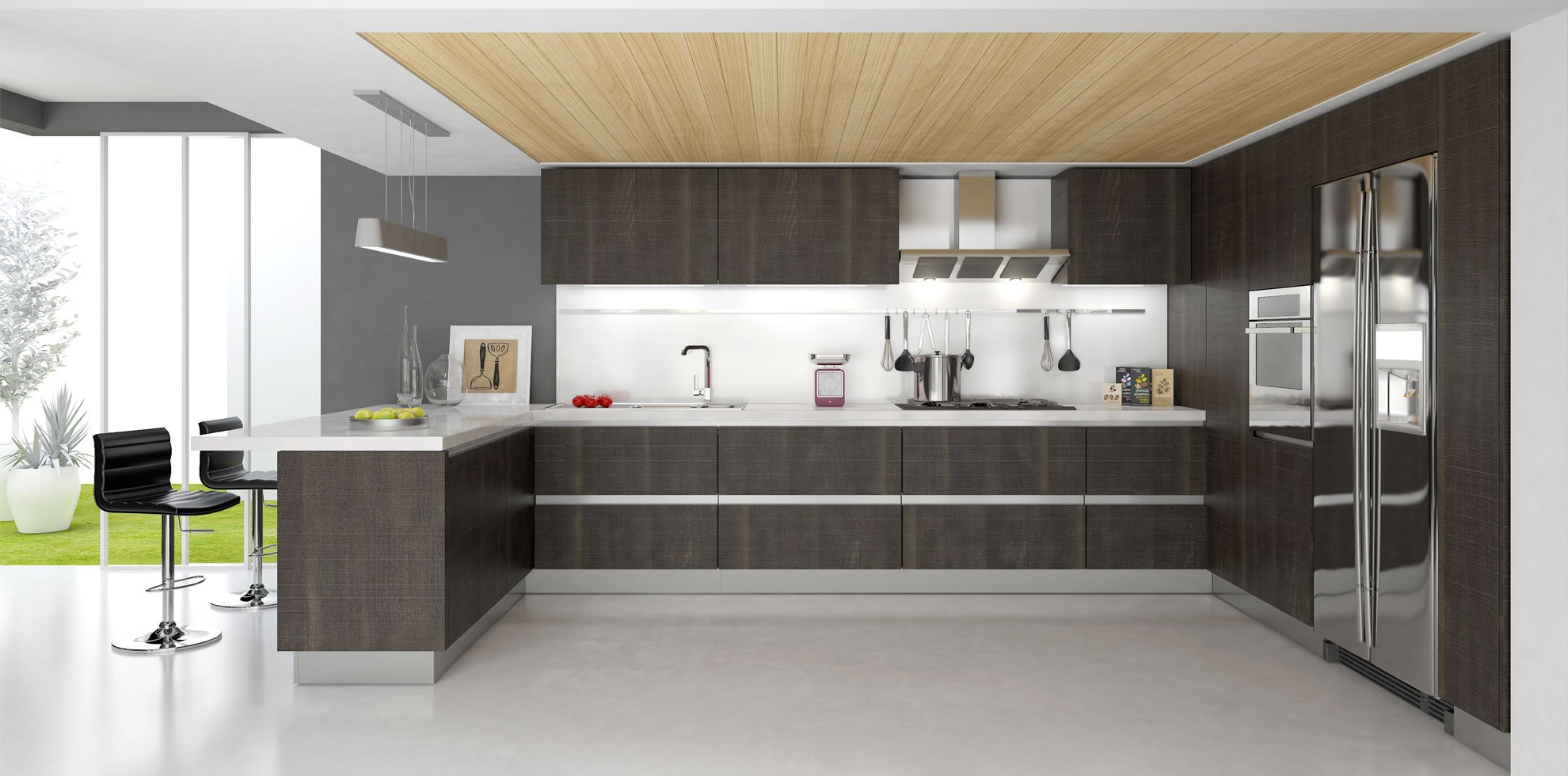
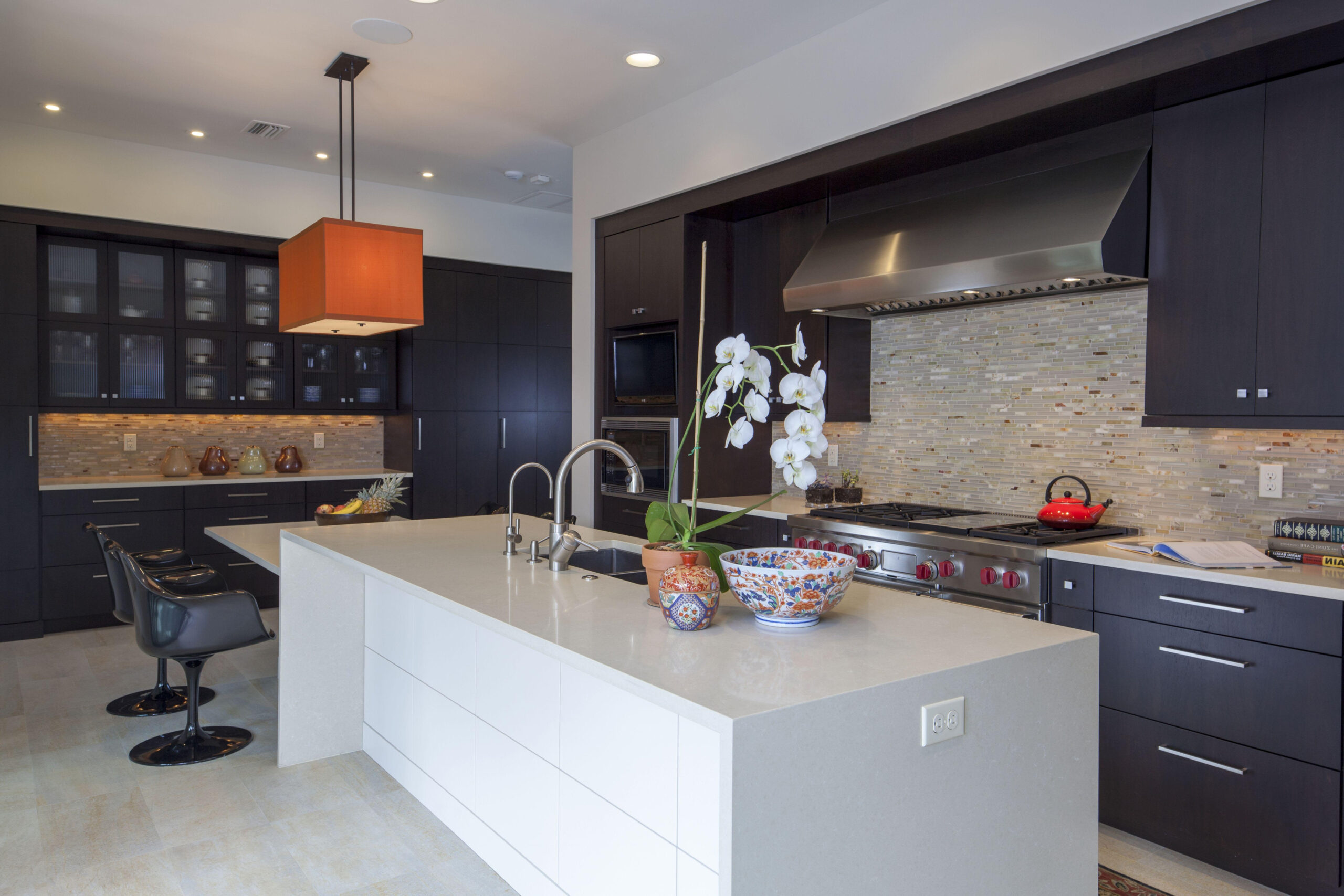
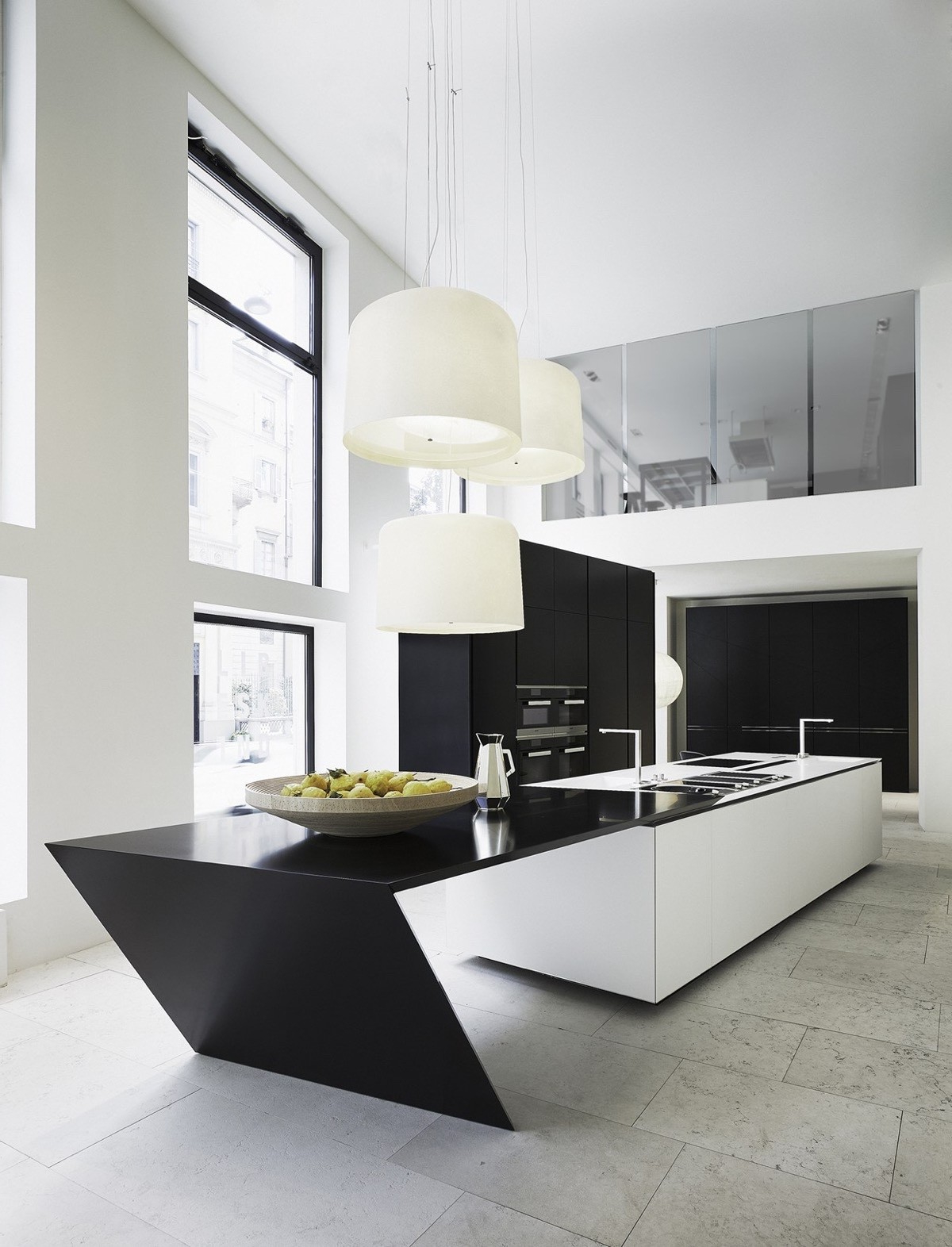
Contemporary cabinet design reflects current lifestyle preferences and aesthetic sensibilities. Minimalist approaches favor clean lines, neutral colors, and simple hardware. Farmhouse styles bring warmth with rustic details and warm wood tones. Modern European designs emphasize sleek surfaces and hidden hardware.
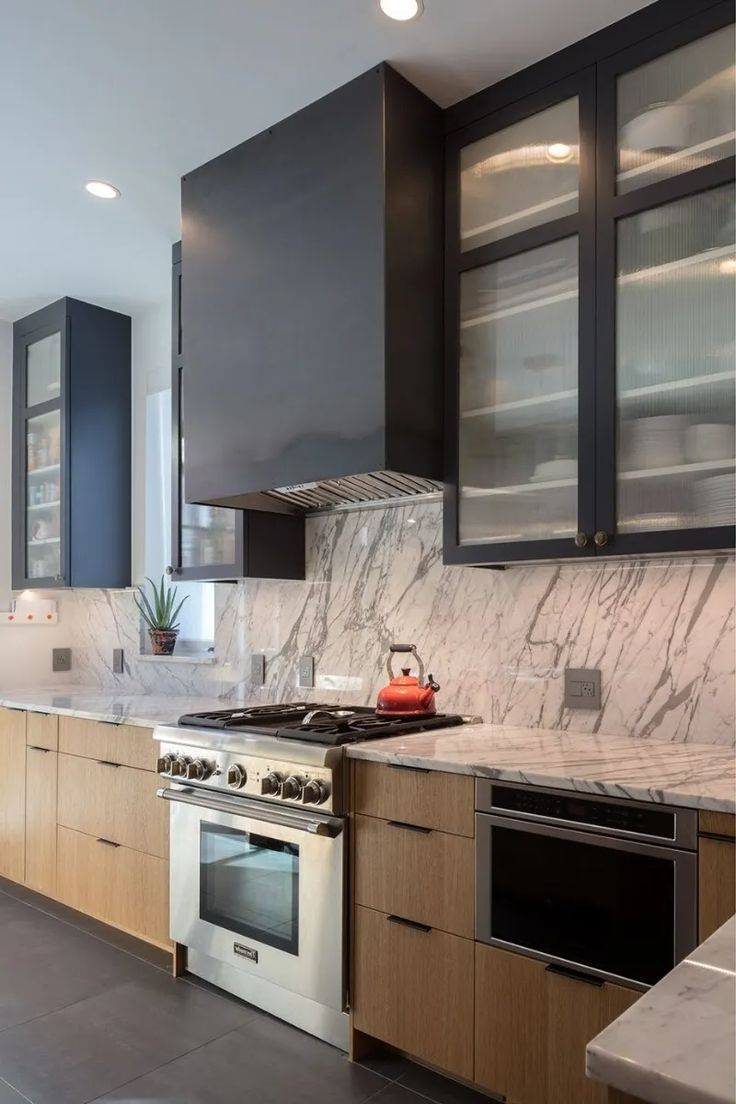
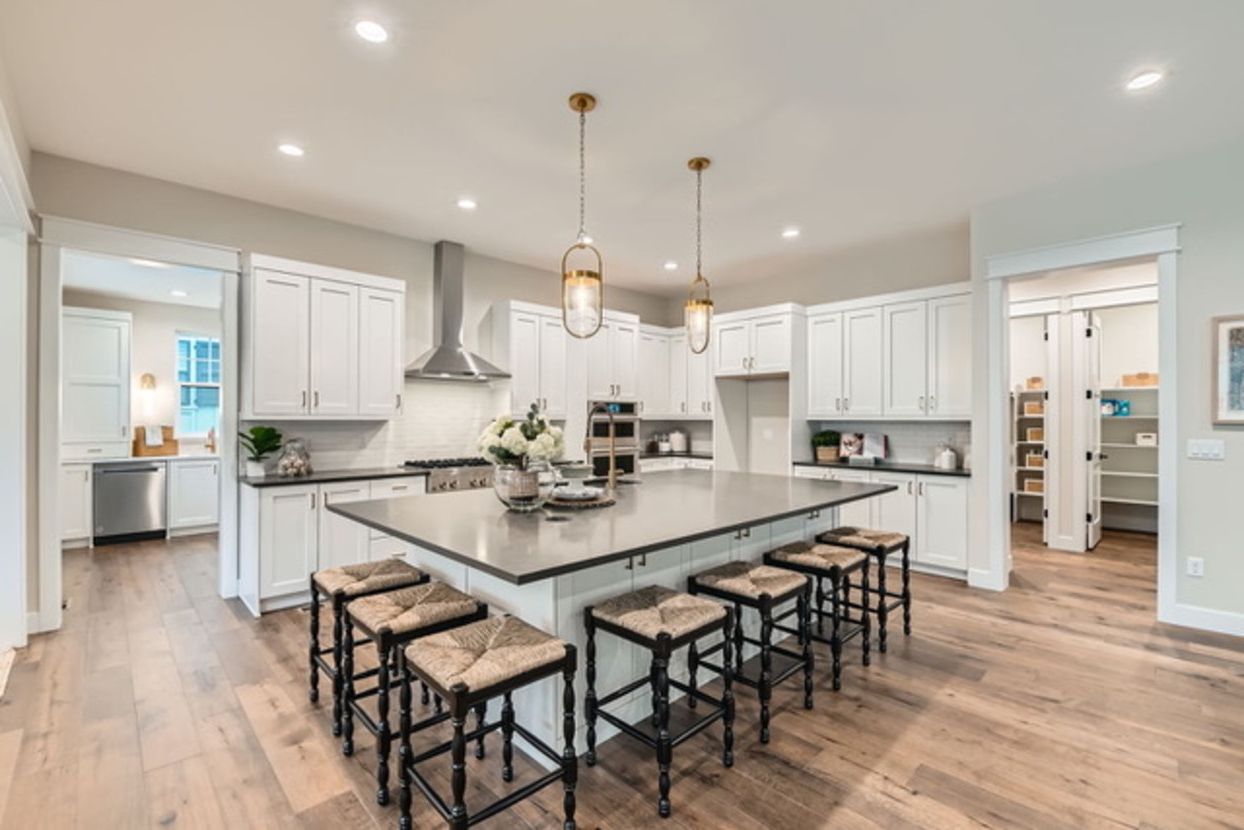
The popularity of open-concept living has influenced cabinet design significantly. Cabinetry now often extends from floor to ceiling, creating visual continuity between kitchen and dining areas. Two-tone cabinet combinations have gained traction, offering both sophistication and practicality. Natural materials like stone and wood continue to dominate, though they’re often mixed with contemporary metals and glass elements.
Sustainability and Future Directions
Environmental consciousness is reshaping cabinet manufacturing practices. More companies are using sustainable wood sources and eco-friendly adhesives. Recycled materials and reclaimed wood are becoming increasingly popular among environmentally aware consumers. Energy-efficient production methods and reduced waste in manufacturing processes are also becoming industry standards.
Looking forward, cabinets may incorporate even more smart technology. Integration with home automation systems could allow cabinets to track inventory and suggest recipes based on available ingredients. Sustainability will likely drive further innovation in materials and manufacturing processes. The future of kitchen cabinets promises to blend functionality with environmental responsibility.
The journey of kitchen cabinets reveals much about how we’ve evolved as a society. From simple storage units to complex design statements, cabinets have mirrored our changing lifestyles and values. They’ve adapted to new technologies, materials, and ways of living. As we look toward the future, cabinets will continue to evolve, but they’ll always remain central to our most important domestic spaces. Whether you’re planning a kitchen renovation or simply appreciate good design, understanding this evolution helps us appreciate the thoughtful craftsmanship behind every cabinet door that opens.
[sps_html tag=”img” src=”https://roofdrivein.com/wp-content/uploads/2026/01/taking-into-account-it-comes-for-order-in-the-kitchen-usually-all-of-us-within-modern-kitchen-storage-cabinet-scaled.jpg” alt=”Taking Into Account It Comes For Order In The Kitchen Usually All Of Us … within Modern Kitchen Storage Cabinet” style=”width: 100%; height: auto;”]
[sps_html tag=”img” src=”https://roofdrivein.com/wp-content/uploads/2026/01/cabinet-storage-modern-kitchen-sacramento-by-mak-design-build-regarding-understanding-the-evolution-of-modern-kitchen-cabinet-styles-and-functionality.jpg” alt=”Cabinet Storage - Modern - Kitchen - Sacramento - By Mak Design + Build … regarding Understanding the evolution of modern kitchen cabinet styles and functionality” style=”width: 100%; height: auto;”]
[sps_html tag=”img” src=”https://roofdrivein.com/wp-content/uploads/2026/01/noble-house-crelios-natural-70-28-in-h-modern-kitchen-storage-pantry-inside-understanding-the-evolution-of-modern-kitchen-cabinet-styles-and-functionality.jpg” alt=”Noble House Crelios Natural 70.28 In. H Modern Kitchen Storage Pantry … inside Understanding the evolution of modern kitchen cabinet styles and functionality” style=”width: 100%; height: auto;”]
[sps_html tag=”img” src=”https://roofdrivein.com/wp-content/uploads/2026/01/47-kitchen-pantry-cabinet-modern-pantry-storage-cabinet-with-intended-for-modern-kitchen-storage-cabinet.jpeg” alt=”47" Kitchen Pantry Cabinet, Modern Pantry Storage Cabinet With … intended for Modern Kitchen Storage Cabinet” style=”width: 100%; height: auto;”]
[sps_html tag=”img” src=”https://roofdrivein.com/wp-content/uploads/2026/01/akaber-us-71-tall-arched-kitchen-pantry-cabinet-modern-kitchen-with-modern-kitchen-storage-cabinet.jpeg” alt=”Akaber Us 71" Tall Arched Kitchen Pantry Cabinet, Modern Kitchen … with Modern Kitchen Storage Cabinet” style=”width: 100%; height: auto;”]