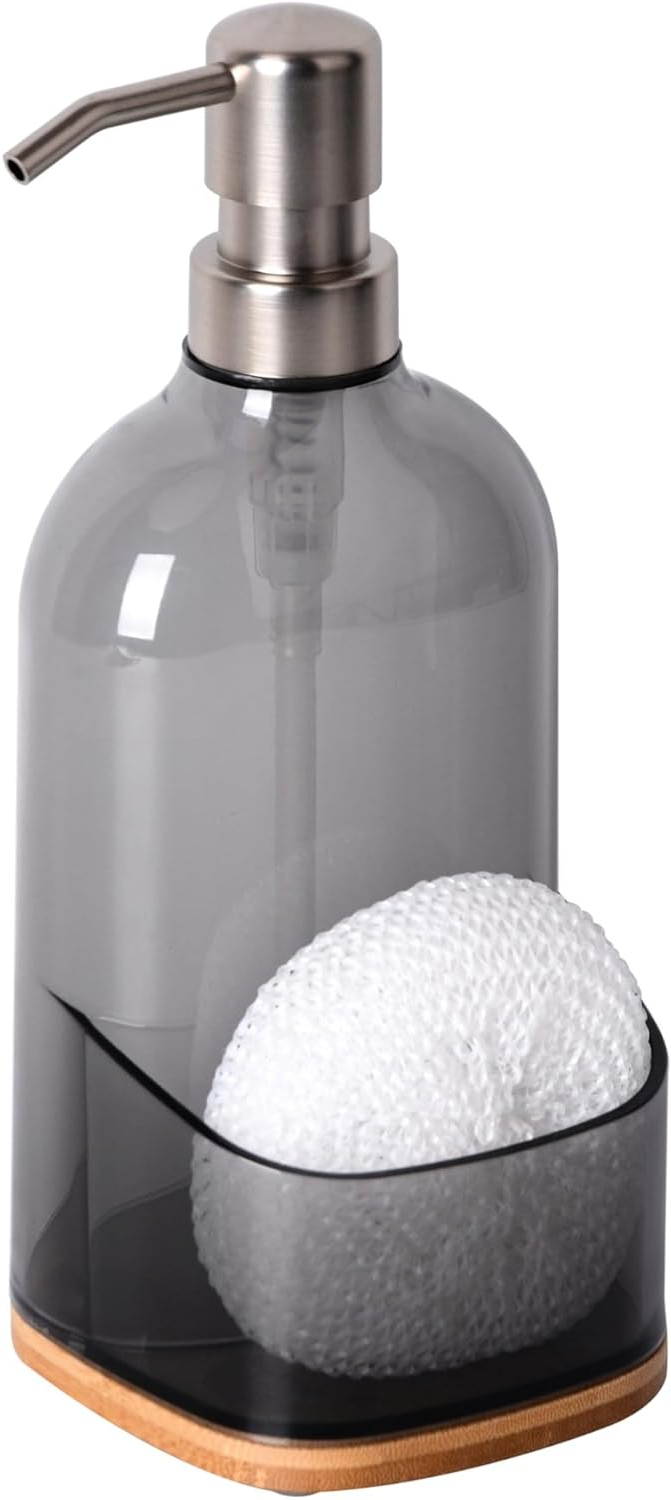
You might think a soap dispenser is just another kitchen gadget, but in today’s home design landscape, it’s become much more than that. It’s a statement piece, a functional necessity, and often the first thing guests notice when they step into your kitchen. Whether you’re renovating your entire space or simply updating a few elements, picking the right soap dispenser can make all the difference.
Picture this: You’re standing in your kitchen, ready to wash your hands after preparing dinner. Your hand reaches for the sink, but instead of a plastic bottle with a questionable pump, you see something elegant and modern. That’s the moment when a great soap dispenser transforms your daily routine from mundane to delightful. The market is flooded with options now – from sleek minimalist designs to bold statement pieces that command attention. But how do you navigate this sea of choices? What factors actually matter when selecting one that will truly work for your space and needs?
Understanding Your Kitchen’s Design Language
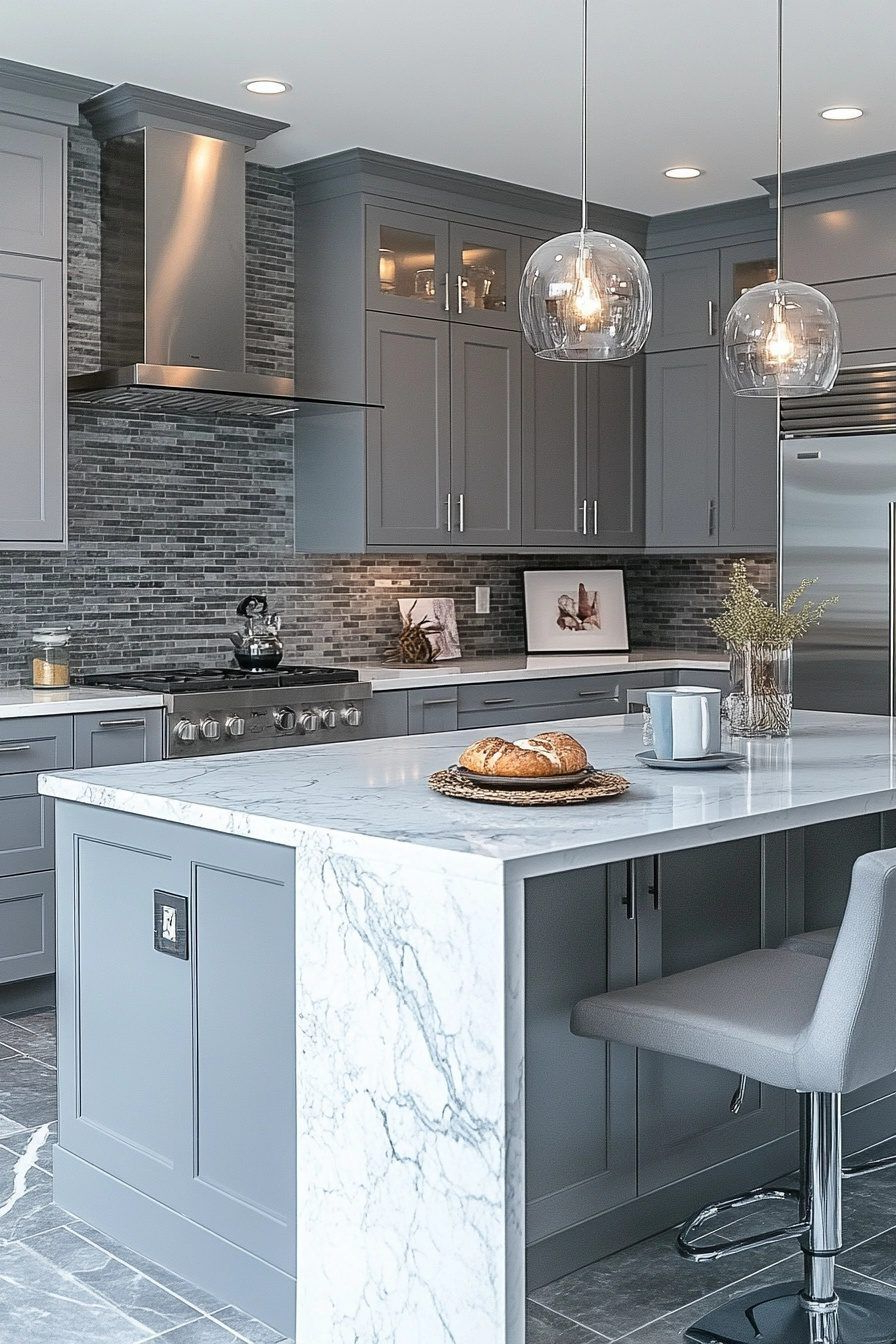
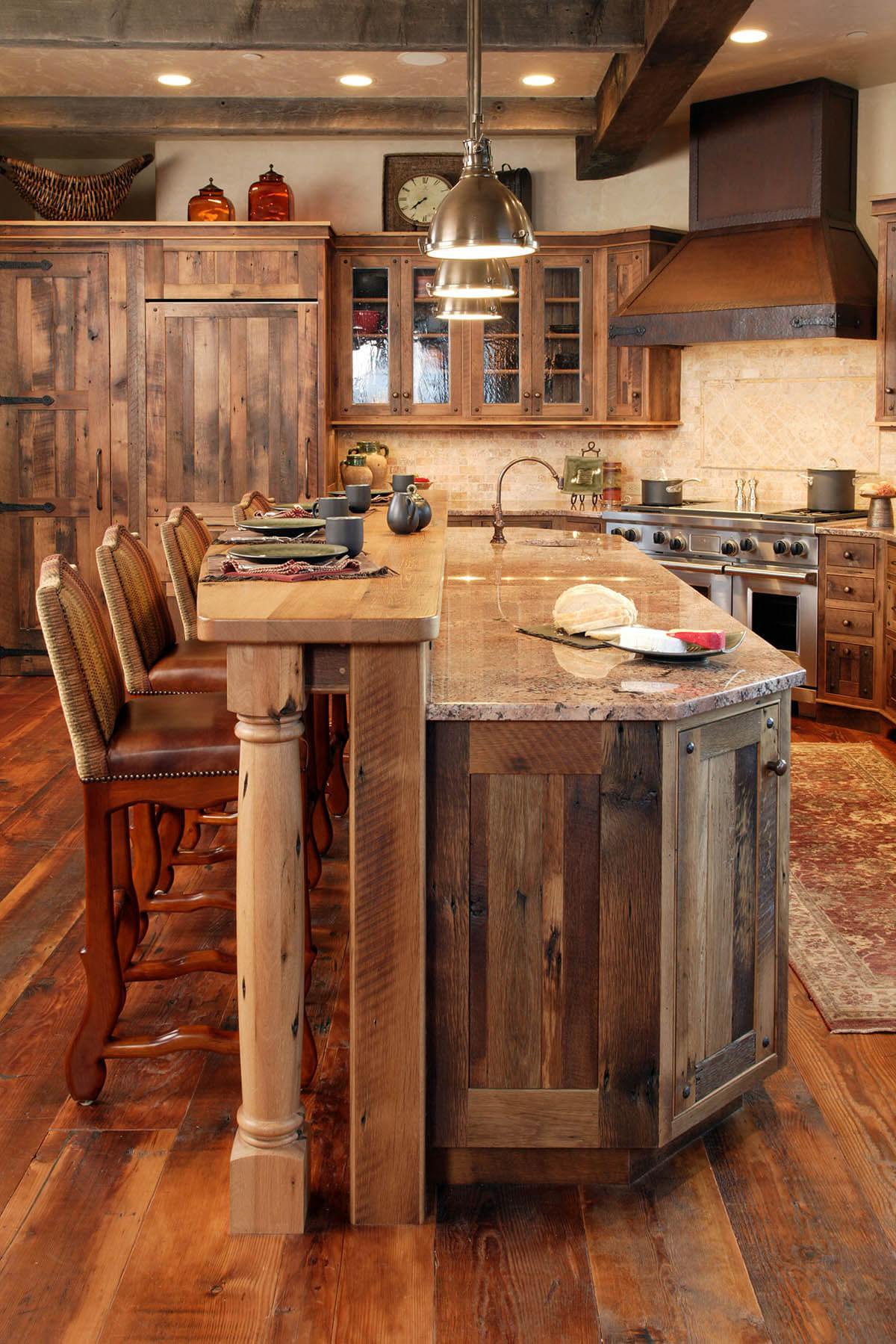
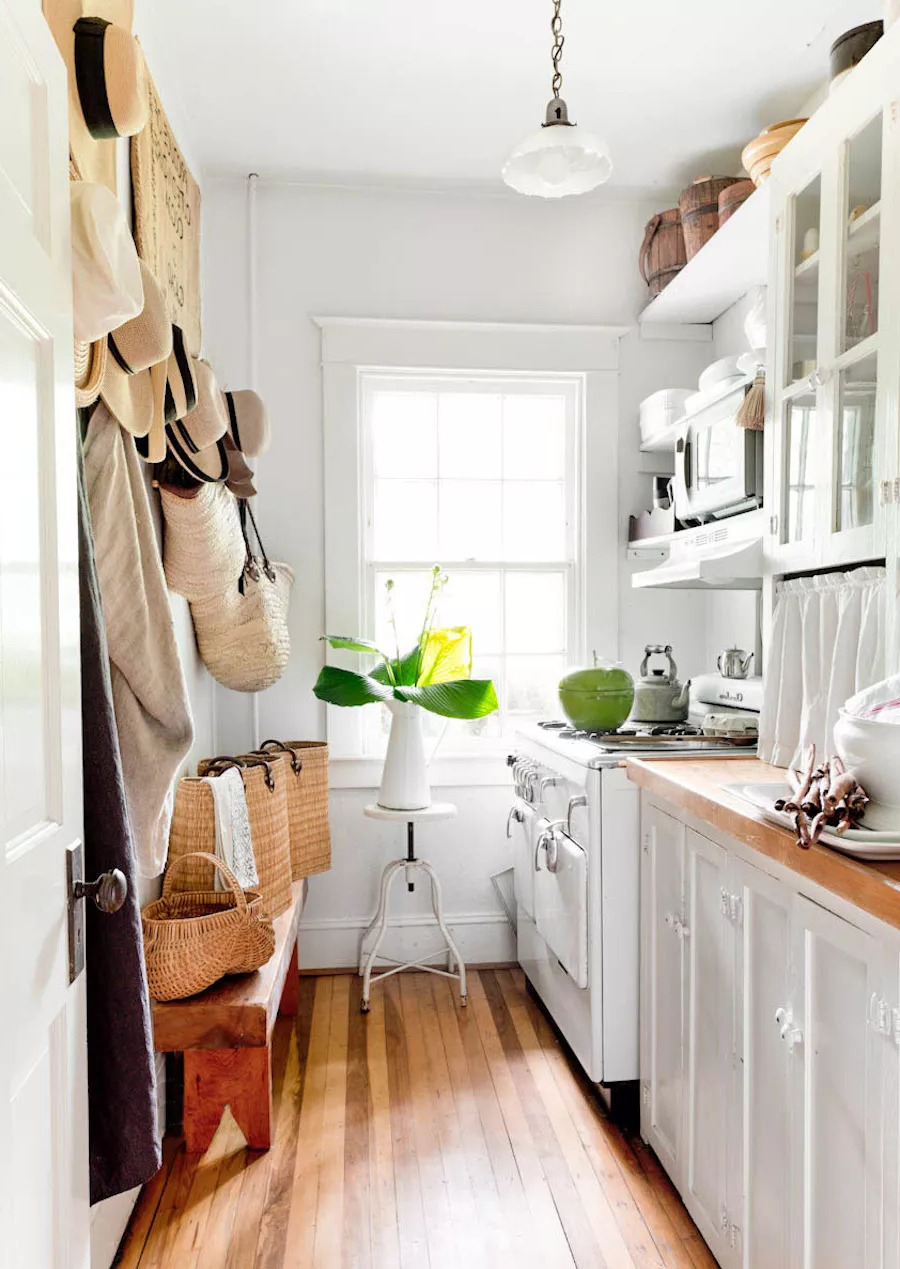
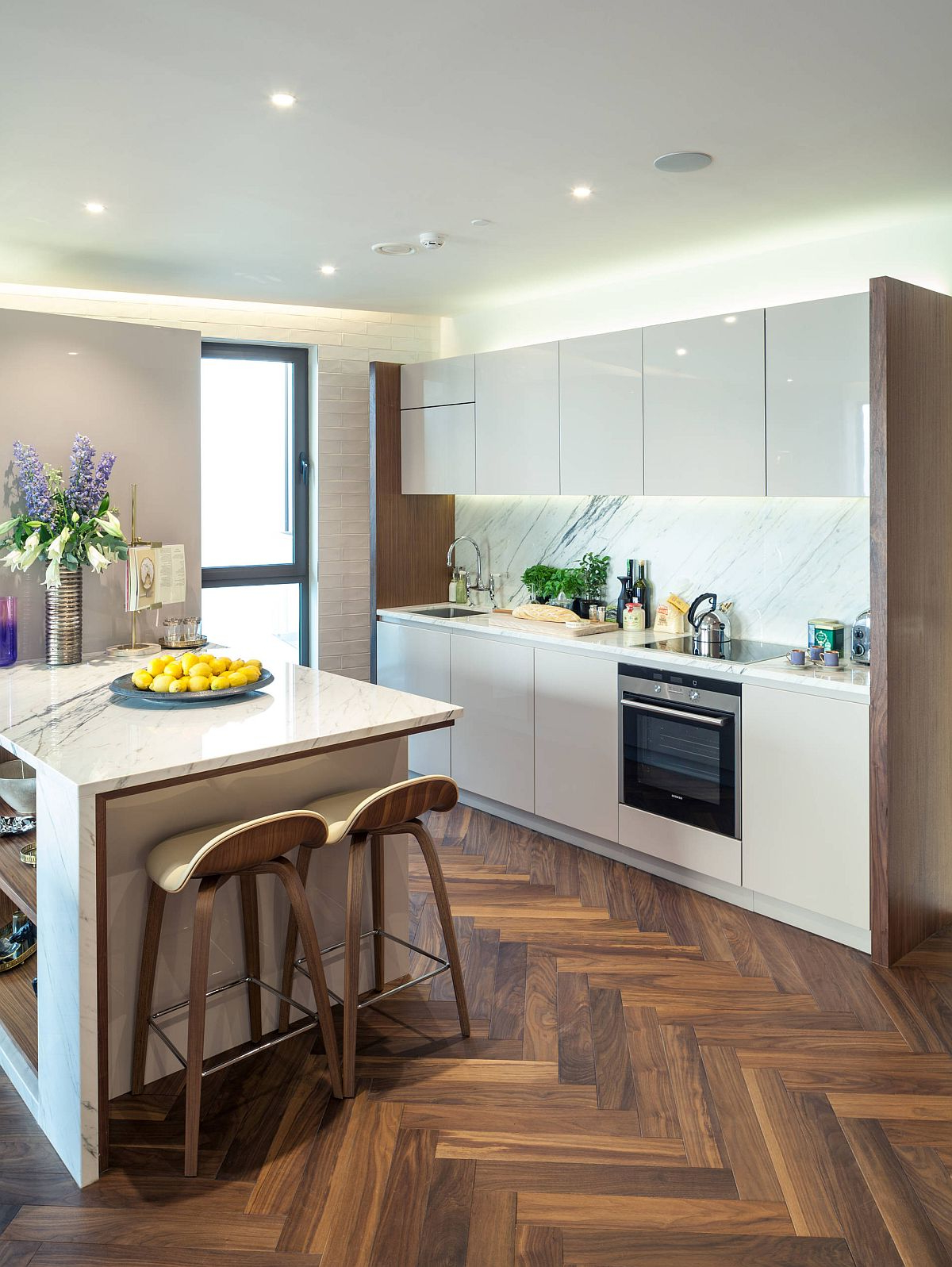
Before diving into the technical details, you need to understand how your soap dispenser will fit into your overall kitchen aesthetic. Is your space clean and minimalist with lots of white and neutral tones? Then you’ll want something that complements rather than competes with your design. Maybe you have a rustic kitchen with exposed brick and wooden accents. In that case, a dispenser with natural materials or vintage styling might be more appropriate.
Think about the colors in your kitchen. Do you have dark cabinets that need a light touch of contrast? Or bright whites that could use a pop of color? The right dispenser can either blend seamlessly or provide a nice accent. Consider the style of your fixtures too – if you have brushed brass hardware, look for dispensers that echo those warm tones.
What matters most is that the dispenser feels like it belongs there. A modern stainless steel unit might look out of place in a cottage-style kitchen, while a vintage ceramic design could overwhelm a contemporary space. This isn’t just about looking good – it’s about creating harmony within your environment.
Capacity and Refill Convenience
Let’s talk numbers and practicality. How much soap do you really use? This might seem like a simple question, but it affects everything from your wallet to your daily routine. Most standard dispensers hold between 16 and 32 ounces of liquid soap. If you’re a family of four or more, you’ll want to consider larger capacities.
The refill process itself matters too. Some dispensers require you to remove the entire unit to refill, which can be messy and inconvenient. Others have easy access refill systems that let you pour directly into them. Think about how often you’ll need to refill and whether that’s something you can handle easily.
Consider also the type of soap you prefer. Liquid soap is generally easier to dispense and cleaner to use than bar soap. But some people swear by the antibacterial properties of bar soap. If you’re going with liquid, check what kind of bottles are compatible with your dispenser. Some work with standard liquid soap bottles, others require specific containers.
A good rule of thumb: if you find yourself refilling every few days, you might want a larger capacity. If you’re doing it weekly, you’re probably fine with a smaller one. And remember, the last thing you want is to run out of soap during a busy dinner party.
Installation and Mounting Options
Where will your soap dispenser go? This question opens up a whole world of possibilities and limitations. Wall-mounted dispensers are popular because they save counter space and look sleek. They also keep your soap away from potential splatters on your countertops. But installing one requires some planning and potentially drilling holes in your wall.
Countertop models offer easy installation and no permanent changes to your kitchen. They’re great for renters or those who like to move things around. However, they take up precious surface area and might clash with your countertop design.
Under-sink options are becoming trendy, especially in modern kitchens where everything is designed to be hidden. These can be very stylish but may require some plumbing adjustments. They’re also harder to access when you need them.
Think about your kitchen layout and how you move around it. Will you reach for soap frequently? Where does your sink sit in relation to your cooking area? Sometimes the best location isn’t the most obvious one. You might want to consider placing it near the stove if you’re constantly washing your hands while cooking.
Also factor in your height and reach. If you have children or elderly family members who will be using it regularly, you might want to position it at a comfortable height. The right placement can make a big difference in usability.
Material and Durability Considerations
Not all soap dispensers are created equal when it comes to staying power. Stainless steel is often considered the gold standard for durability. It’s resistant to rust, stains, and wear. Plus, it looks premium and timeless. But stainless steel can be prone to fingerprints and scratches over time.
Glass dispensers offer a beautiful, clean appearance that works well in modern kitchens. They’re also easy to clean and won’t absorb odors. However, they’re fragile and can break if dropped or mishandled. They also show water spots and soap residue more easily.
Plastic dispensers are typically the most affordable option and come in a variety of styles and colors. They’re lightweight and resistant to breaking, but they can fade in sunlight and may not have the premium feel that some people desire. Look for BPA-free plastics if you’re concerned about safety.
Ceramic and porcelain options bring texture and warmth to a kitchen. They’re often handmade and unique, but they require more careful maintenance. They can chip or crack if not handled properly. Also consider how well they resist moisture and cleaning products.
The material you choose should match your lifestyle. If you’re someone who likes to cook with oils and spices, you might want something that resists staining. If you’re prone to accidents, you might lean toward something more durable. Consider your budget too – some materials cost more upfront but save money over time due to their longevity.
Dispensing Mechanism and Functionality
This is where the rubber meets the road – literally. How does your soap actually come out? There are several different mechanisms, each with its own advantages and drawbacks. Pump dispensers are the most common and usually reliable. They’re easy to use and generally consistent in their output. However, they can get clogged with soap residue over time.
Squeeze dispensers are more intuitive for some people, especially kids and elderly users. They give you more control over the amount of soap dispensed. But they can be harder to clean thoroughly and may leak if not used correctly.
Touchless sensors are the newest trend and offer a high-tech solution. They’re hygienic and convenient, automatically dispensing soap when your hand approaches. However, they require batteries and can sometimes be finicky with different soap types. They’re also more expensive.
Some dispensers feature multiple functions – like combining soap with hand sanitizer or even offering different dispensing options for various uses. These are great for households with multiple users or specific needs.
Think about who will be using the dispenser most often. Kids might prefer squeeze mechanisms, while adults might appreciate the convenience of pumps or sensors. Consider if you want to control the amount of soap dispensed or if you prefer automatic dispensing.
Also factor in maintenance requirements. Some mechanisms are easier to clean than others, which becomes important when dealing with soap residue and bacteria buildup.
Budget and Value Assessment
Okay, we’ve talked about all the features and benefits, but let’s be honest about the bottom line. How much are you willing to spend? Soap dispensers range from under $20 for basic models to over $200 for premium designer pieces. The price often reflects quality, materials, and brand reputation.
But here’s the thing – you don’t always need to pay top dollar to get something that works well. Many mid-range options offer excellent value, combining good functionality with attractive design. Sometimes the most expensive option isn’t necessarily the best choice for your specific situation.
Consider what you’re getting for your money. Does it come with a warranty? Is it easy to replace parts if something breaks? Are there ongoing costs for refills or maintenance? Sometimes a slightly higher upfront cost saves money in the long run.
Don’t forget to factor in installation costs if you need professional help. Some dispensers are very easy to install yourself, while others might require a plumber or electrician. These additional expenses can add up quickly.
Look for sales, seasonal discounts, and reviews from actual users. Sometimes the most expensive item isn’t the most popular or practical choice. Sometimes it’s just the most flashy. The best choice is often the one that balances your needs, wants, and budget perfectly.
Choosing the right modern kitchen soap dispenser isn’t just about picking something that looks pretty. It’s about finding a solution that enhances your daily routine while fitting seamlessly into your home’s character. You’ve learned about design compatibility, practical considerations like capacity and installation, and the importance of matching materials to your lifestyle. The key is to think beyond the immediate purchase and consider how this small addition will serve you over time.
Remember, the best dispenser for your space is one that makes you want to wash your hands regularly – not because it’s mandatory, but because it’s pleasant to use. Whether you’re drawn to the simplicity of a classic pump, the sophistication of a touchless sensor, or the uniqueness of a custom design, the right choice will make your kitchen experience more enjoyable. Take your time with this decision, weigh all the factors, and trust your instincts. After all, you’ll be using it every day for years to come.
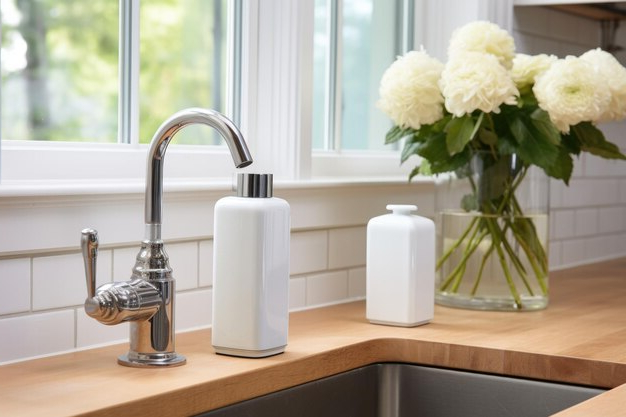
[sps_html tag=”img” src=”https://roofdrivein.com/wp-content/uploads/2026/01/modern-kitchen-soap-dispenser-throughout-modern-kitchen-soap-dispenser.jpg” alt=”Modern Kitchen Soap Dispenser throughout Modern Kitchen Soap Dispenser” style=”width: 100%; height: auto;”]
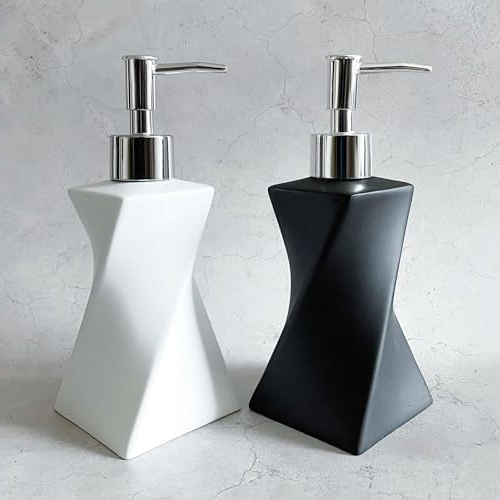
[sps_html tag=”img” src=”https://roofdrivein.com/wp-content/uploads/2026/01/amazon-com-modern-white-soap-dispenser-with-silver-pump-for-bathroom-pertaining-to-how-to-choose-the-right-modern-kitchen-soap-dispenser-for-your-space.jpg” alt=”Amazon.com: Modern White Soap Dispenser With Silver Pump For Bathroom … pertaining to How to choose the right modern kitchen soap dispenser for your space” style=”width: 100%; height: auto;”]
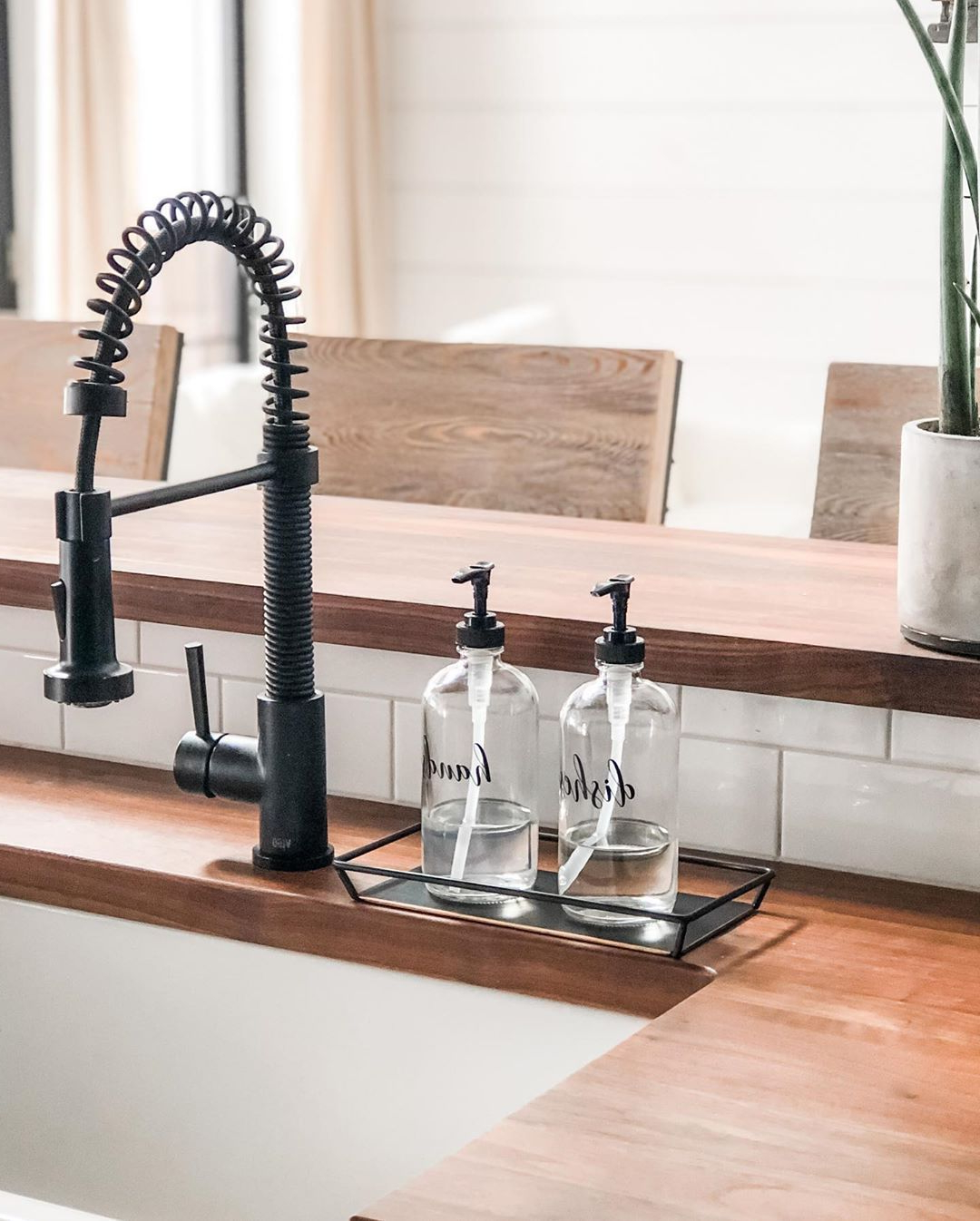
[sps_html tag=”img” src=”https://roofdrivein.com/wp-content/uploads/2026/01/premium-photo-soap-dispenser-in-modern-kitchen-interior-ai-generated-for-modern-kitchen-soap-dispenser.jpg” alt=”Premium Photo | Soap Dispenser In Modern Kitchen Interior Ai Generated for Modern Kitchen Soap Dispenser” style=”width: 100%; height: auto;”]
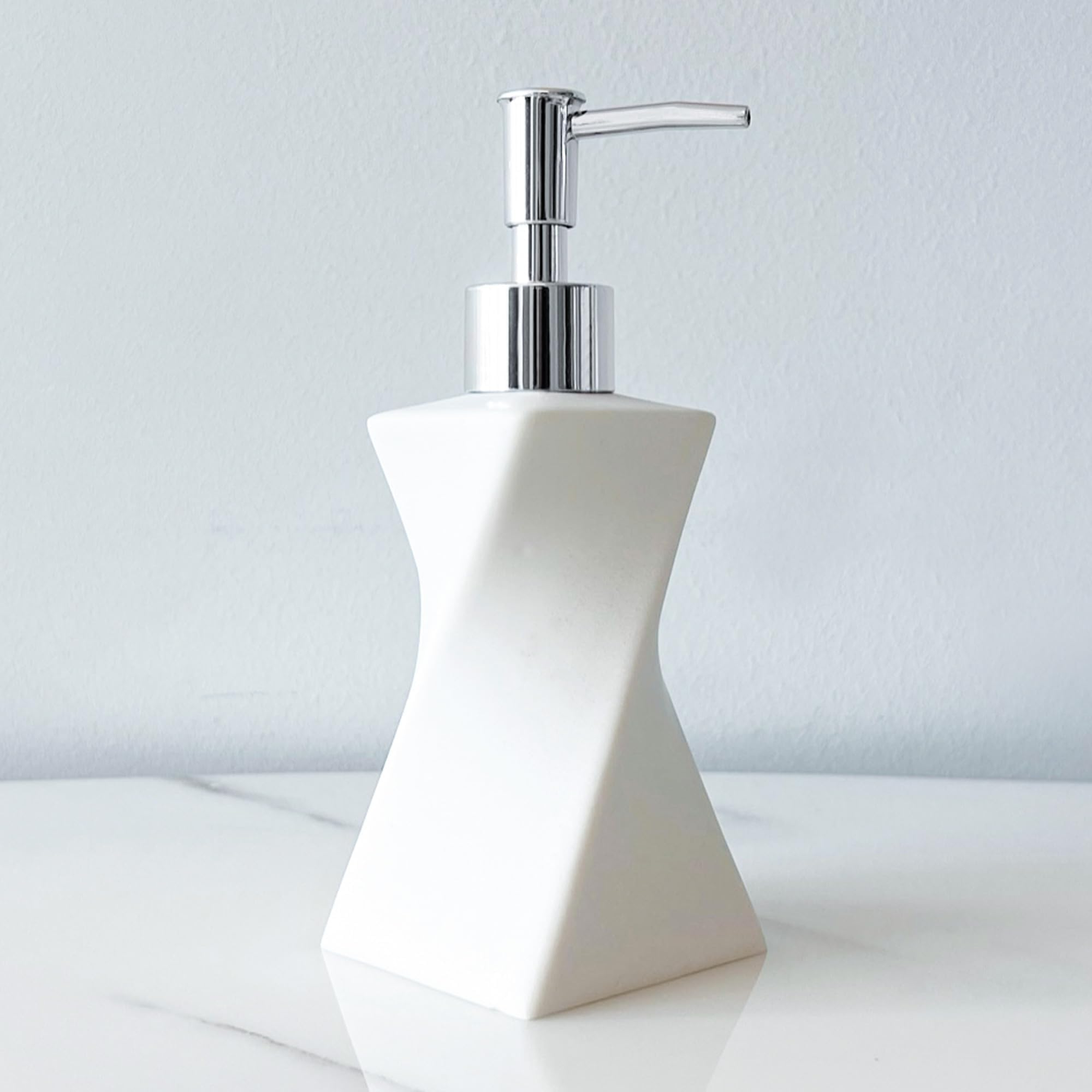
[sps_html tag=”img” src=”https://roofdrivein.com/wp-content/uploads/2026/01/amazon-com-modern-white-soap-dispenser-with-silver-pump-for-bathroom-in-how-to-choose-the-right-modern-kitchen-soap-dispenser-for-your-space.jpg” alt=”Amazon.com: Modern White Soap Dispenser With Silver Pump For Bathroom … in How to choose the right modern kitchen soap dispenser for your space” style=”width: 100%; height: auto;”]
[sps_html tag=”img” src=”https://roofdrivein.com/wp-content/uploads/2026/01/amazon-com-clasin-home-kitchen-soap-dispenser-set-with-sponge-holder-throughout-modern-kitchen-soap-dispenser.jpg” alt=”Amazon.com: Clasin Home Kitchen Soap Dispenser Set With Sponge Holder … throughout Modern Kitchen Soap Dispenser” style=”width: 100%; height: auto;”]