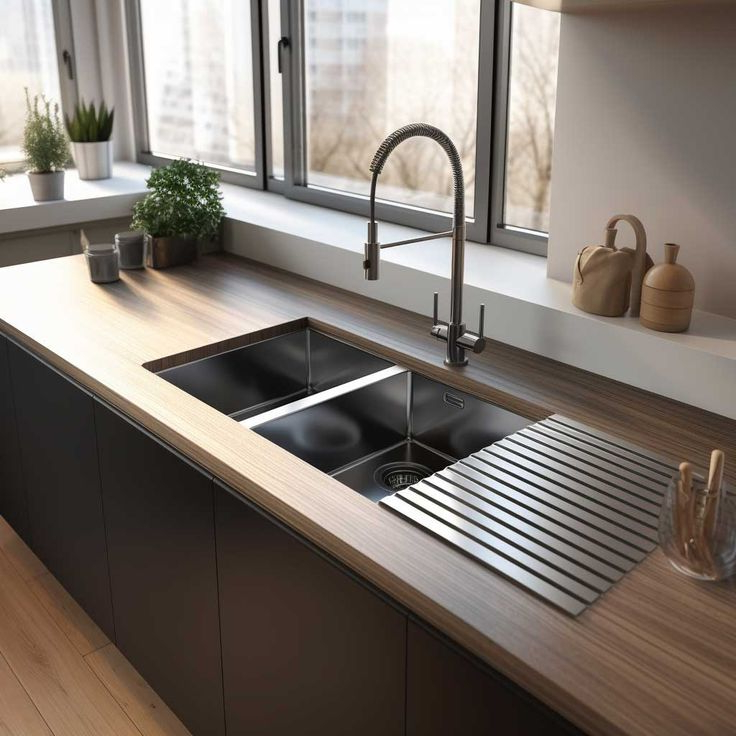
When you’re shopping for a new sink, you’re faced with a surprising number of options. Stainless steel, granite, fireclay, cast iron, and more. It’s enough to make anyone’s head spin. But here’s the thing – understanding what makes each material tick can save you money, time, and headaches down the road. Let’s break down everything you need to know.
Picture this: you’re standing in your kitchen, staring at the sink that’s been there since your parents moved in. It’s starting to show its age, and you’re thinking about replacing it. You walk into the showroom and see dozens of options – some gleaming, others looking like they’ve seen better days. How do you choose? The answer lies in understanding the materials behind each sink. This isn’t just about looks, though that matters too. It’s about performance, durability, maintenance, and cost. These factors will determine whether your new sink becomes a trusted daily companion or a source of constant frustration.
Stainless Steel: The Classic Workhorse
Stainless steel has been the go-to choice for kitchens for decades. It’s tough, reliable, and relatively affordable. The material’s resistance to rust and stains makes it incredibly practical for busy households. But let’s talk about what makes it work so well. Stainless steel is made from iron, chromium, and nickel. The chromium creates a protective layer that prevents rust, while the nickel adds strength and shine. You’ll find different grades, with 304 being the standard for most residential sinks. Higher grades like 316 offer even better corrosion resistance. One thing to keep in mind is that stainless steel can show scratches and water spots. But honestly, that’s part of its character. Many people actually love the patina it develops over time. The key is choosing a quality brand with good construction. A well-made stainless steel sink can last for decades. And if you’re worried about noise, look for models with sound-dampening features. These can make all the difference when dishes are clattering around late at night.
Granite Composite: The Modern Marvel
Granite composite sinks have taken the kitchen world by storm. They’re made from a blend of natural granite particles and resin binders. This combination gives them incredible durability and a beautiful appearance. What sets them apart is their resistance to heat, scratches, and stains. You can drop a hot pot on the surface without worrying about damage. These sinks also come in a wide range of colors and styles, from subtle tones to bold statements. They’re non-porous, which means bacteria don’t get trapped in the surface. That’s huge for health-conscious families. Maintenance is simple – just wipe with mild soap and water. But here’s something you might not expect: granite composite sinks can be prone to chipping if heavy objects fall directly on them. Also, they tend to be more expensive than traditional options. However, many homeowners find the investment worth it for the low maintenance and long-lasting performance. The material also offers excellent sound dampening properties, making them quieter during use. You’ll notice less splashback and fewer annoying sounds when filling pots or washing dishes.
Fireclay: Timeless Elegance Meets Durability
Fireclay sinks bring old-world charm to modern kitchens. Made from clay that’s fired at extremely high temperatures, these sinks are incredibly durable. The firing process creates a glass-like surface that’s both beautiful and functional. Fireclay sinks resist stains, odors, and scratches better than many alternatives. They also handle temperature changes well, so you won’t worry about cracking from hot pans. The downside? They’re heavier than other options, requiring strong cabinet support. Installation can be trickier too. But once installed properly, fireclay sinks are virtually indestructible. They’re available in classic shapes and colors, though you’ll find more limited choices compared to other materials. Some people love the vintage aesthetic they bring to a kitchen. Others appreciate the fact that they never need resealing or special treatments. The surface is smooth and easy to clean. Just remember that while they’re scratch-resistant, they’re not immune to chips if dropped on heavily. And yes, they’re definitely on the pricier side. But for those who want a sink that will last generations, fireclay is hard to beat.
Cast Iron: The Heavyweight Champion
Cast iron sinks have a reputation for being heavy-duty, and for good reason. They’re made by pouring molten iron into molds, creating a solid, thick structure. This construction makes them incredibly durable and long-lasting. They’re excellent at absorbing sound, making them one of the quietest sink options available. Cast iron also handles temperature extremes well. You can safely place hot pans directly in the sink without worrying about warping or damage. The material’s thermal mass helps regulate temperature, keeping your water cooler for longer periods. However, they do require some maintenance. The enamel coating can chip if not handled carefully. When it does happen, you’ll need to repair it promptly to prevent rust. The weight is another consideration. These sinks can weigh anywhere from 80 to 150 pounds, depending on size and style. That means stronger cabinets and potentially more challenging installation. Despite these factors, many people swear by cast iron for its longevity and classic appeal. It’s the kind of sink that could easily outlast multiple generations of homeowners. Plus, the classic look fits well in both traditional and farmhouse-style kitchens.
Copper: The Premium Choice with Unique Appeal
Copper sinks offer a luxurious alternative that’s gaining popularity among discerning homeowners. The material naturally develops a beautiful patina over time, changing color from bright copper to rich brown or green. This transformation adds character and uniqueness to your kitchen. Copper is naturally antimicrobial, meaning it fights bacteria growth. This makes it particularly appealing for food preparation areas. It’s also very durable and resistant to stains. The main drawback is the cost – copper sinks are significantly more expensive than other options. They also require regular maintenance to keep their appearance. You’ll need to clean them regularly with specific products to prevent tarnishing. The material can also be noisy when dishes are placed inside. But for those who want something truly distinctive, copper offers unparalleled character. It’s also environmentally friendly since it’s completely recyclable. Many people find that the unique appearance and benefits justify the higher price tag. The patina development is gradual, so you can enjoy the change over several years rather than seeing dramatic shifts.
Choosing the Right Sink for Your Home
So how do you decide which material works best for your situation? Start by considering your lifestyle and priorities. If you’re a frequent entertainer, you might prefer the durability of stainless steel or granite composite. For a classic kitchen, fireclay or cast iron could be perfect. If you’re after something that stands out, copper might be your choice. Think about your budget too. Stainless steel and granite composite offer great value, while copper and fireclay come with premium price tags. Consider your kitchen’s design and space. Heavier materials like cast iron and fireclay need solid support. The sink’s shape also matters – deep bowls for large pots, shallow ones for small tasks. Don’t forget about maintenance requirements. Some materials need more care than others. Look for features like sound dampening, easy cleaning, and resistance to common kitchen issues. Finally, consider warranty coverage and customer service. A good manufacturer will stand behind their product. Read reviews from actual users, not just marketing copy. And remember, the right sink is one that fits your needs and feels right in your kitchen.
Choosing a sink is more than just picking something that looks good. It’s about finding a material that matches your lifestyle, budget, and long-term vision for your kitchen. Each option brings unique advantages and considerations. Stainless steel offers reliability and affordability. Granite composite provides modern beauty with minimal maintenance. Fireclay delivers timeless elegance with exceptional durability. Cast iron brings classic strength and sound absorption. Copper adds luxury and character with its natural antimicrobial properties. Take your time to think through your priorities. Consider how you use your kitchen daily, what aesthetics you prefer, and how much you’re willing to invest. The right sink choice can transform your cooking experience and add value to your home. Remember, you’re not just buying a sink – you’re investing in your kitchen’s future. Whether you go with a tried-and-true favorite or try something new and exciting, make sure it fits your needs. After all, your sink will be with you for years to come, so it’s worth getting right. You’ll thank yourself later when you’re washing dishes without worrying about scratches, stains, or noise.
[sps_html tag=”img” src=”https://roofdrivein.com/wp-content/uploads/2026/01/10-sleek-and-stylish-simple-modern-kitchen-sink-design-ideas-333-in-everything-you-need-to-know-about-modern-sink-materials-and-their-performance.jpg” alt=”10+ Sleek And Stylish Simple Modern Kitchen Sink Design Ideas • 333 … in Everything You Need to Know About Modern Sink Materials and Their Performance” style=”width: 100%; height: auto;”]
[sps_html tag=”img” src=”https://roofdrivein.com/wp-content/uploads/2026/01/24-incredible-modern-kitchen-sink-home-decoration-and-inspiration-ideas-pertaining-to-everything-you-need-to-know-about-modern-sink-materials-and-their-performance.jpg” alt=”24 Incredible Modern Kitchen Sink - Home Decoration And Inspiration Ideas pertaining to Everything You Need to Know About Modern Sink Materials and Their Performance” style=”width: 100%; height: auto;”]
[sps_html tag=”img” src=”https://roofdrivein.com/wp-content/uploads/2026/01/50-incredible-kitchen-sink-ideas-and-designs-renoguide-australian-in-modern-kitchen-sink-ideas.webp” alt=”50 Incredible Kitchen Sink Ideas And Designs — Renoguide - Australian … in Modern Kitchen Sink Ideas” style=”width: 100%; height: auto;”]
[sps_html tag=”img” src=”https://roofdrivein.com/wp-content/uploads/2026/01/10-modern-kitchen-sink-design-ideas-to-elevate-your-space-intended-for-modern-kitchen-sink-ideas.png” alt=”10+ Modern Kitchen Sink Design Ideas To Elevate Your Space intended for Modern Kitchen Sink Ideas” style=”width: 100%; height: auto;”]
[sps_html tag=”img” src=”https://roofdrivein.com/wp-content/uploads/2026/01/modern-kitchen-sinks-a-guide-to-finding-the-perfect-focal-point-for-throughout-modern-kitchen-sink-ideas-scaled.jpg” alt=”Modern Kitchen Sinks: A Guide To Finding The Perfect Focal Point For … throughout Modern Kitchen Sink Ideas” style=”width: 100%; height: auto;”]