Imagine stepping into a kitchen where your coffee maker starts brewing automatically when you wake up, where your refrigerator tracks what you have and suggests recipes, and where every appliance works seamlessly together. This isn’t science fiction anymore – it’s the reality of modern kitchen renovations. Today’s homeowners are demanding more than just pretty surfaces and good storage. They want kitchens that work smarter, look better, and make daily life easier.
The kitchen has always been the heart of the home, but in today’s world, it’s becoming something much more. Gone are the days when kitchens were purely about cooking and cleaning. Now, they’re about lifestyle, convenience, and creating spaces that feel both high-tech and welcoming. The fusion of technology integration and functional beauty in contemporary kitchen renovations represents a complete shift in how we think about our most important room. It’s not just about having the latest gadgets – it’s about creating cohesive systems that enhance everyday living while maintaining aesthetic appeal.
What Makes a Kitchen Smart?
A truly smart kitchen goes beyond simple automation. It’s about thoughtful integration where technology serves the user rather than overwhelming them. Think about it this way – when you walk into your kitchen, you shouldn’t feel like you’re entering a computer lab. You should feel like you’re entering a space designed specifically for you.
The best smart kitchens incorporate multiple technologies that work together seamlessly. Voice control systems that manage lighting, temperature, and appliances all respond to one command. Touchscreens that control everything from oven settings to recipe displays. Sensors that monitor food freshness and alert you when items need replacing.
But here’s the thing – these systems need to be intuitive. No one wants to spend their morning trying to figure out why their smart fridge won’t let them know what’s inside. The technology should disappear into the background, making your life easier without requiring extra effort.
Design That Works With Technology
When planning a modern kitchen renovation, designers now consider how technology will fit into existing spaces before selecting any hardware. This means thoughtful placement of outlets, hidden wiring, and even built-in spaces for devices that might not exist yet.
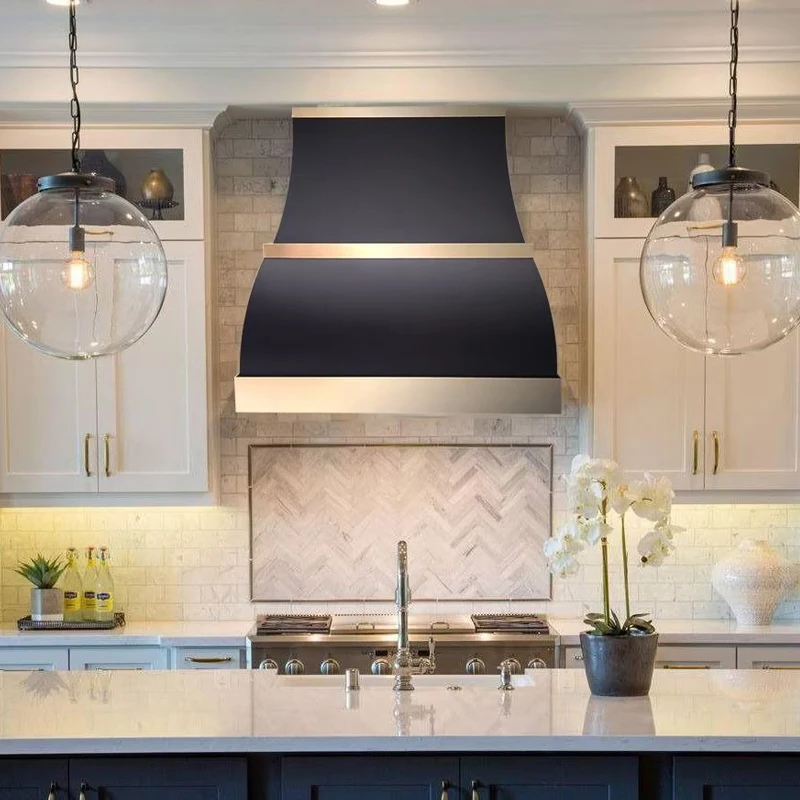
Consider the difference between installing a traditional range hood and a smart ventilation system. The latter might include sensors that adjust airflow based on cooking activity, automatic cleaning cycles, and even air quality monitoring. But for this to work properly, the kitchen needs to be designed with these features in mind from the start.
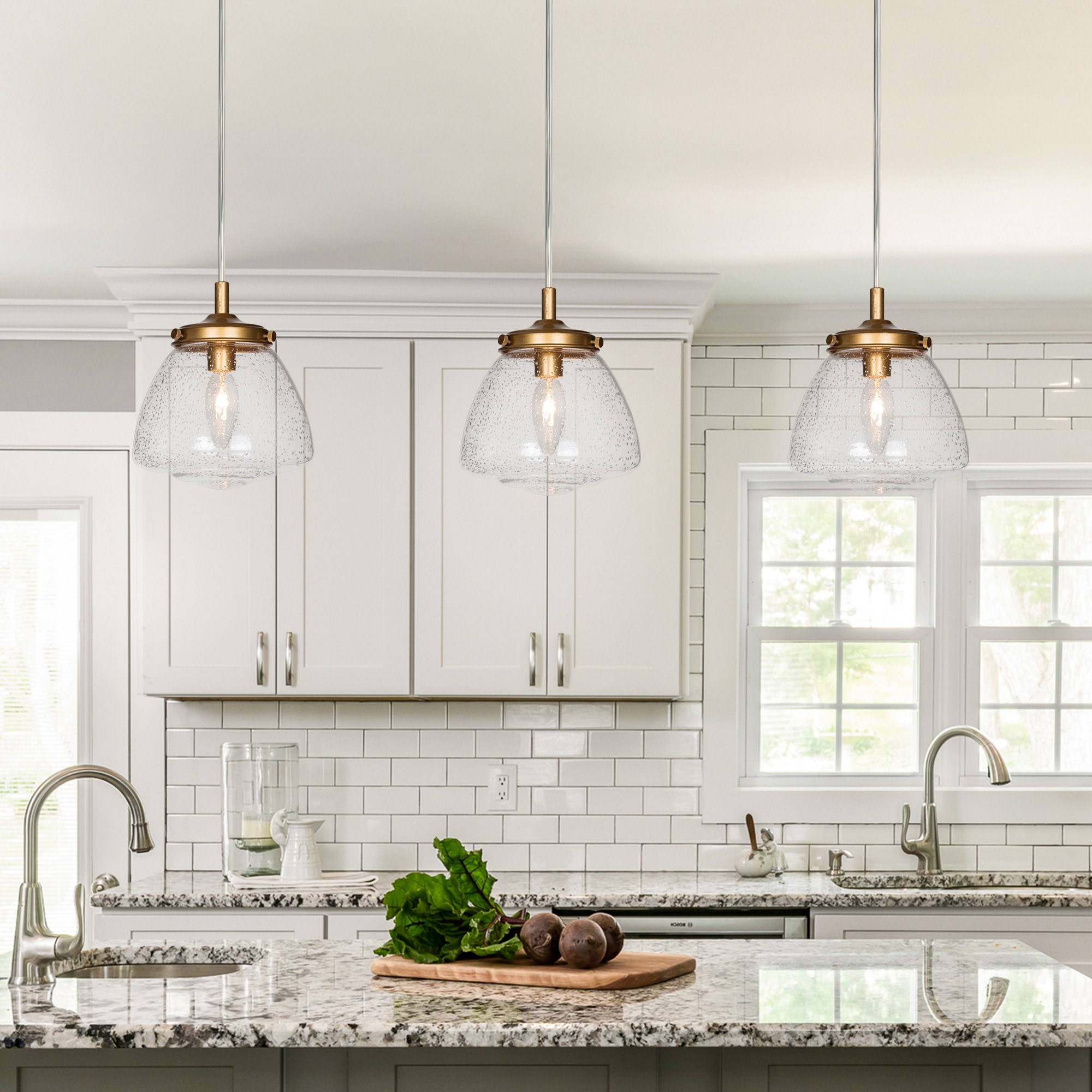
Another example is lighting. Modern kitchens often feature layered lighting systems – ambient, task, and accent – each controlled separately. Some go even further with smart bulbs that change color temperature based on time of day or mood. The key is ensuring that these lighting options are easily accessible and integrated into the overall design rather than bolted on later.
Storage Solutions That Adapt
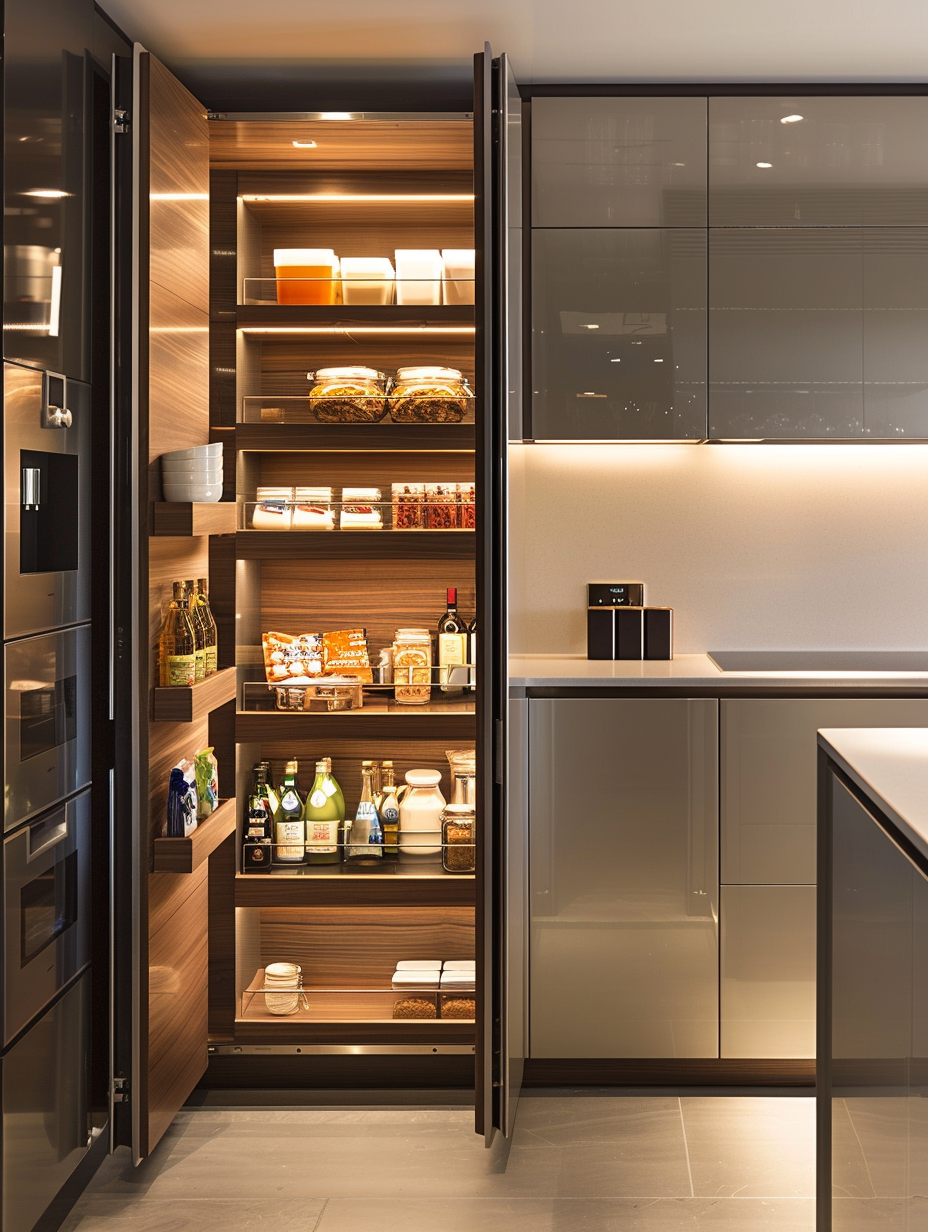
One of the biggest challenges in modern kitchen design is accommodating growing needs while maintaining clean aesthetics. Smart storage solutions address this perfectly. Consider pull-out drawers with built-in organizers that automatically light up when opened. Or cabinets with interior cameras that show contents without needing to open them.
Some innovative systems use sensors to track inventory and suggest meal planning based on what’s already available. These aren’t just fancy gimmicks – they actually save time and reduce food waste. When your pantry knows exactly what you have, you’re less likely to buy duplicates and more likely to use ingredients before they expire.
The challenge lies in making these systems look like part of the design rather than additions that disrupt the flow. This requires careful planning and choosing solutions that complement rather than compete with the overall aesthetic.
Integrated Appliances That Communicate
Today’s appliances aren’t just standalone machines anymore. They’re part of a connected ecosystem. A smart oven can communicate with your smartphone app, sending alerts when cooking is complete. Refrigerators can create shopping lists based on what’s running low. Dishwashers can optimize their cycles based on load size and soil level.
This communication happens through various protocols, from Wi-Fi to Bluetooth to Zigbee. The key is choosing appliances that work well together and can be managed through a single interface. Many homeowners find success with platforms like Samsung SmartThings or Apple HomeKit that can control multiple brands and types of devices.
But there’s also a growing trend toward appliances that don’t require constant connectivity. Some offer basic smart features while still functioning normally if internet access is lost. This ensures reliability during power outages or network issues.
The Human Element in Smart Design
Even the most advanced technology can fail to deliver on its promise if it doesn’t consider human behavior. A smart kitchen should accommodate different users and their varying levels of tech comfort. That means interfaces that are simple enough for elderly family members but sophisticated enough for tech-savvy homeowners.
Consider how people actually move through a kitchen. The workflow should remain logical even with new technology. If someone needs to access their favorite spices quickly, the smart system shouldn’t get in the way. If you’re cooking and need to check a recipe, it should be easy to do so without disrupting your cooking process.
Many successful smart kitchen designs include backup options. If the main touchscreen fails, there are still manual controls. If voice commands don’t work, there are physical buttons. The goal is to enhance rather than replace human interaction.
Budget Considerations and Realistic Expectations
Not everyone needs or wants a fully automated kitchen. There are many affordable ways to integrate smart elements without breaking the bank. Start with basics like smart thermostats, programmable lighting, or simple smart plugs that can control major appliances.
The cost of technology integration varies widely. Basic smart switches might cost $20, while a full smart kitchen system could run several thousand dollars. The key is prioritizing what matters most to your lifestyle. Do you spend a lot of time cooking? Then invest in smart appliances. Do you frequently forget what’s in your pantry? Then focus on inventory tracking systems.
Remember that technology ages faster than furniture. What’s considered cutting-edge today might seem outdated in a few years. It’s better to invest in core smart features that will remain useful rather than trying to install every possible gadget.
The marriage of technology and beauty in contemporary kitchen renovations represents more than just a trend – it’s a fundamental shift in how we approach home design. These kitchens aren’t just about impressing guests or showing off the latest gadgets. They’re about creating spaces that genuinely improve quality of life while maintaining visual appeal.
Whether you’re planning a complete renovation or simply updating a few elements, the principles remain the same. Think about how technology can support your daily routines rather than complicate them. Choose solutions that blend seamlessly with your existing style rather than clashing with it. And remember that the best smart kitchens are those that feel natural, not artificial.
The future of kitchen design continues to evolve rapidly. But the core goal remains unchanged: to create spaces that bring people together, support their needs, and reflect their personalities. As technology advances, we’ll see even more creative ways to merge functionality with form, making every kitchen a perfect balance of innovation and elegance. The question isn’t whether to embrace smart technology – it’s how to do it thoughtfully and beautifully.
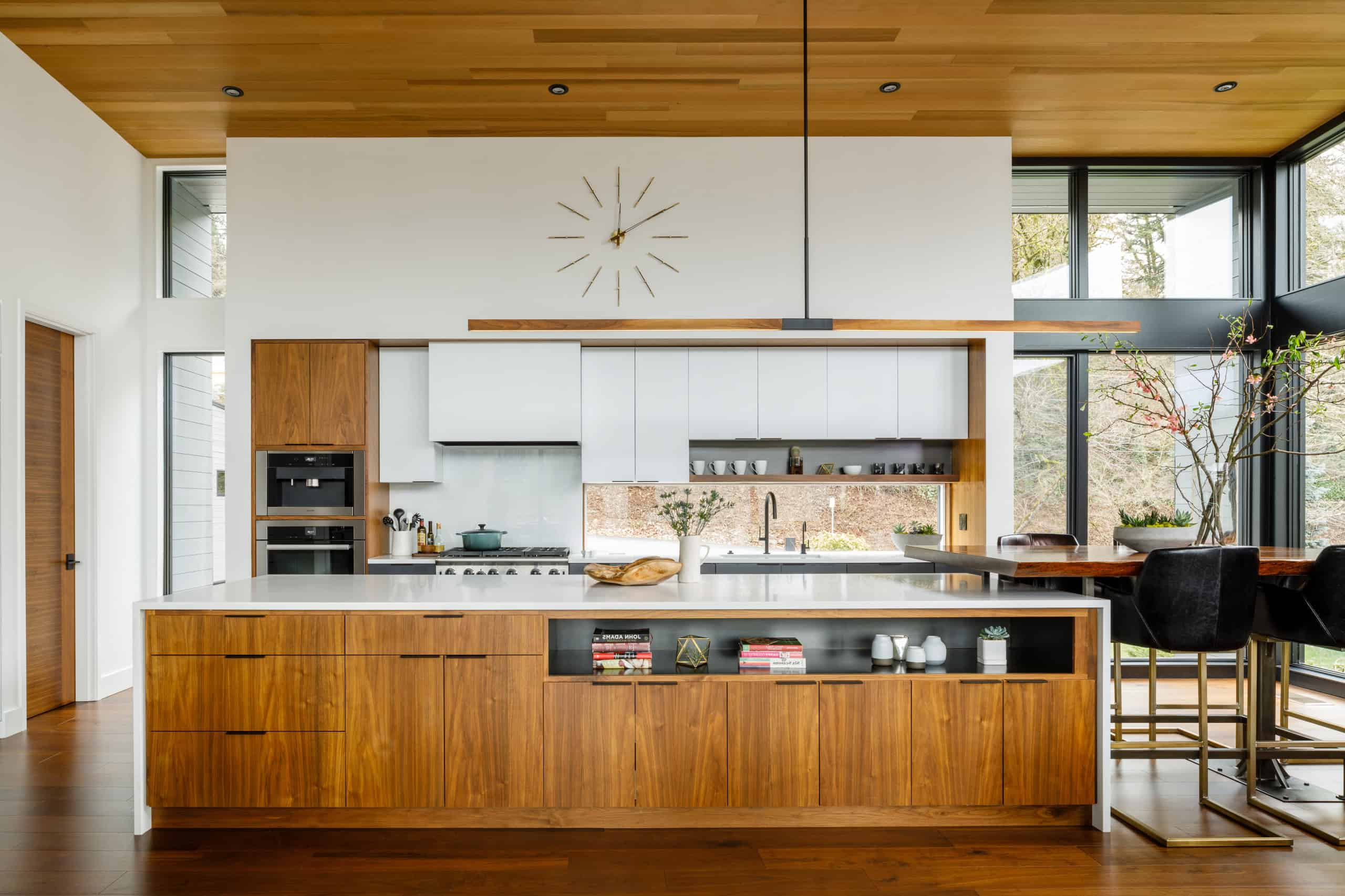
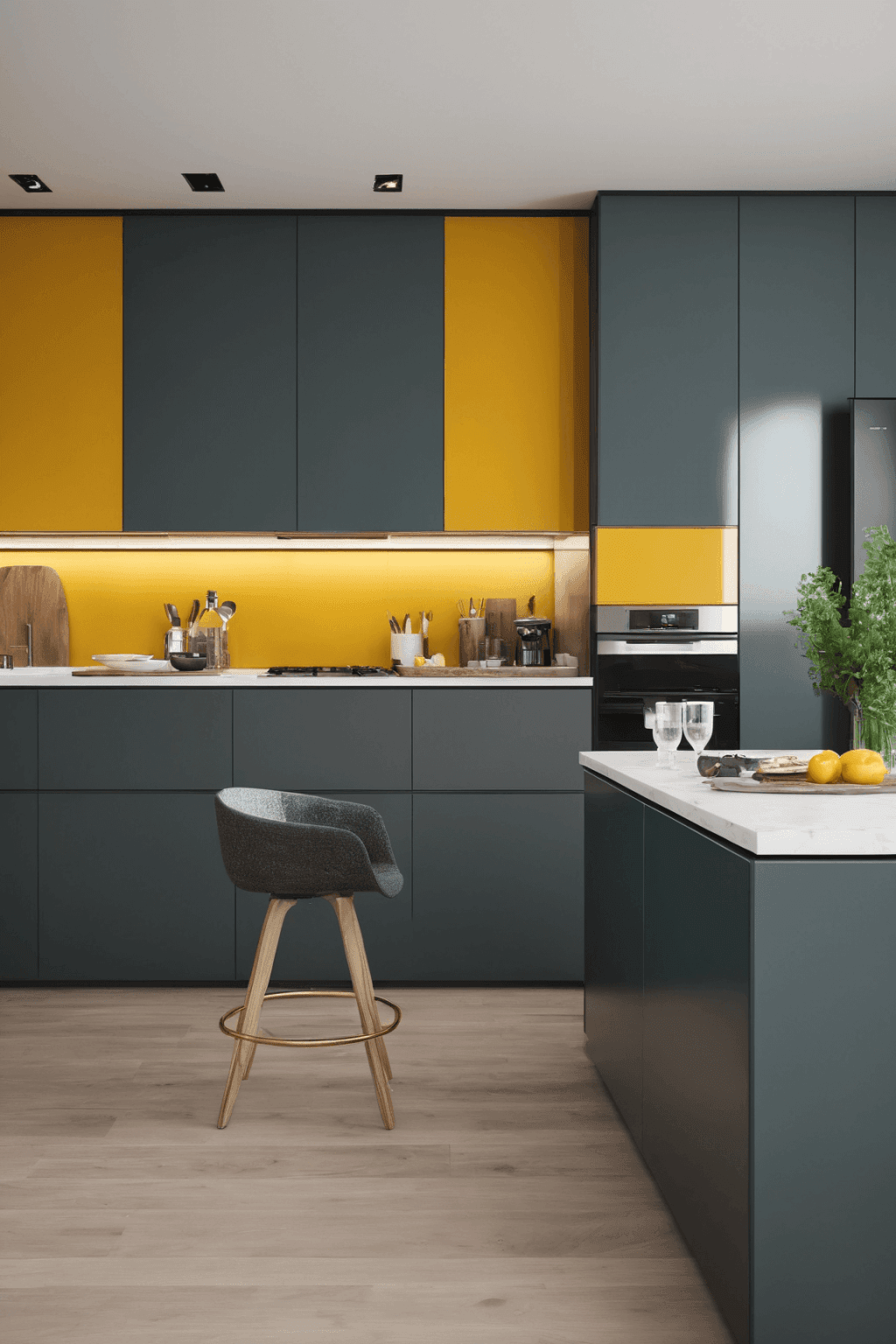
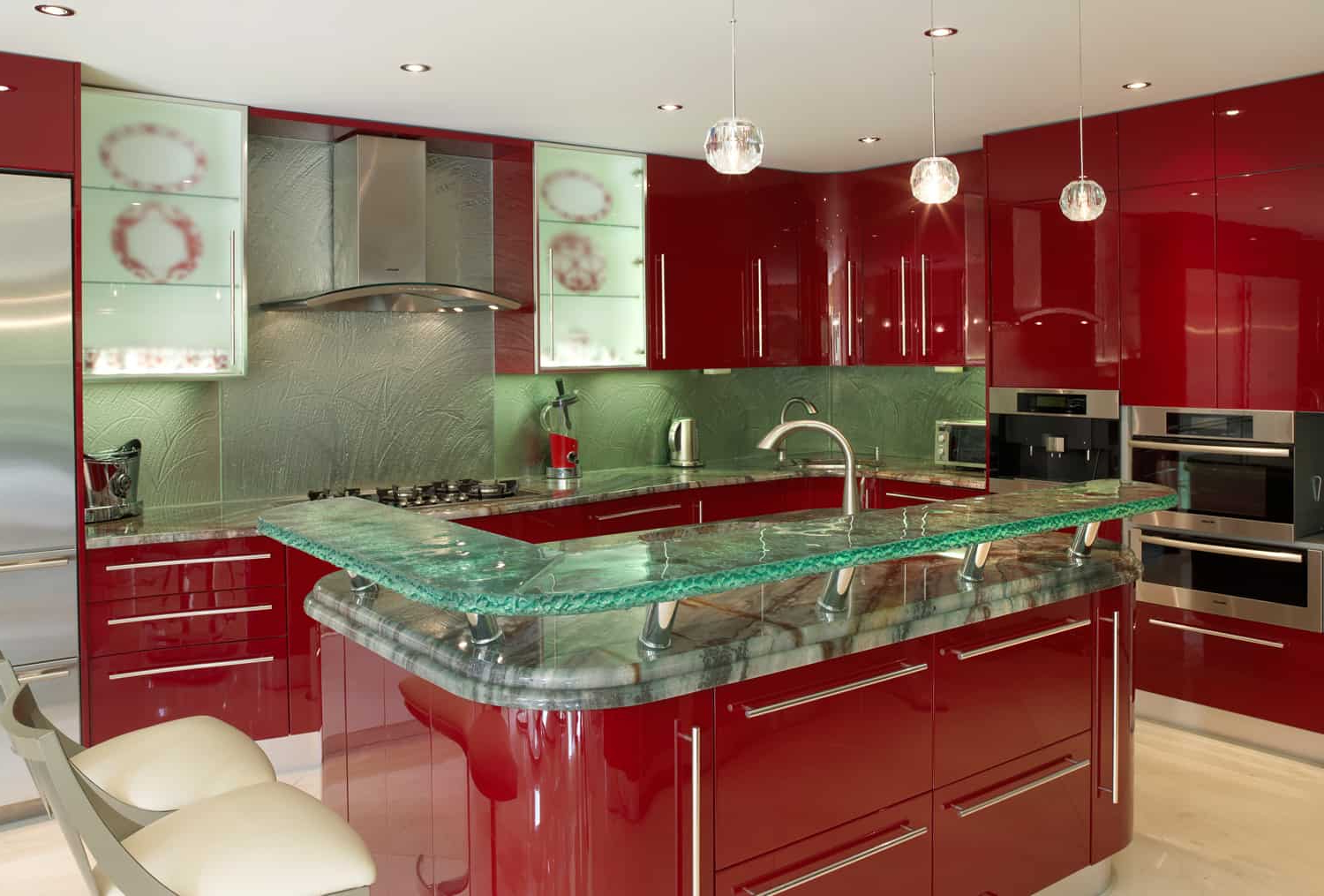
[sps_html tag=”img” src=”https://roofdrivein.com/wp-content/uploads/2026/01/30-contemporary-kitchen-ideas-and-inspiration-architectural-digest-throughout-modern-kitchen-renovation-ideas-scaled.jpg” alt=”30 Contemporary Kitchen Ideas And Inspiration | Architectural Digest throughout Modern Kitchen Renovation Ideas” style=”width: 100%; height: auto;”]
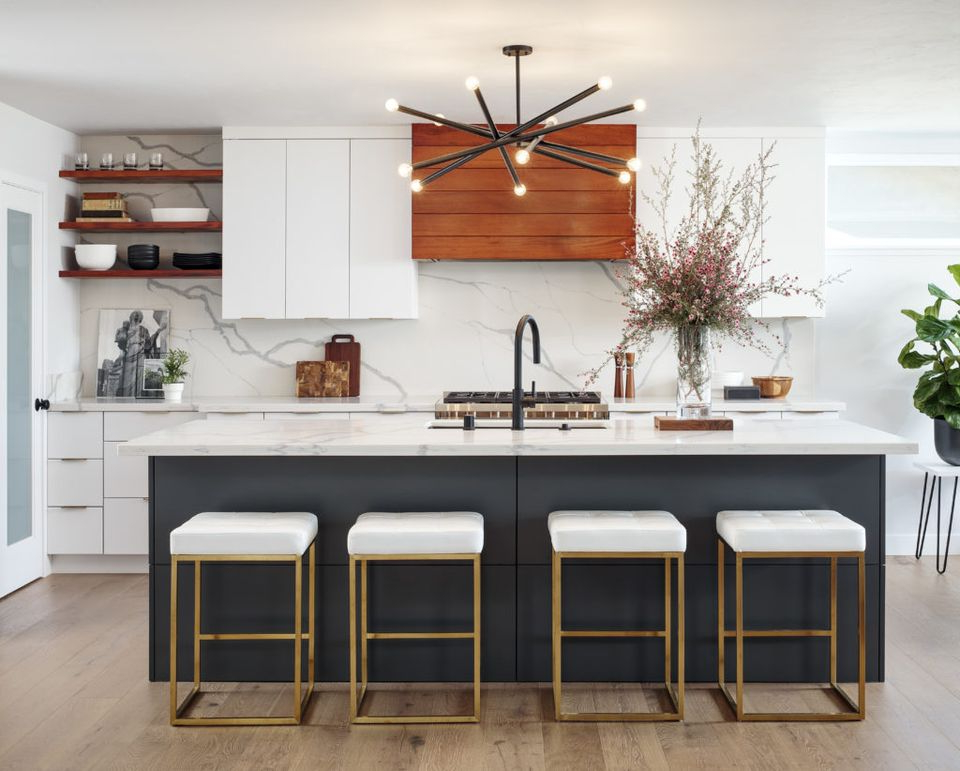
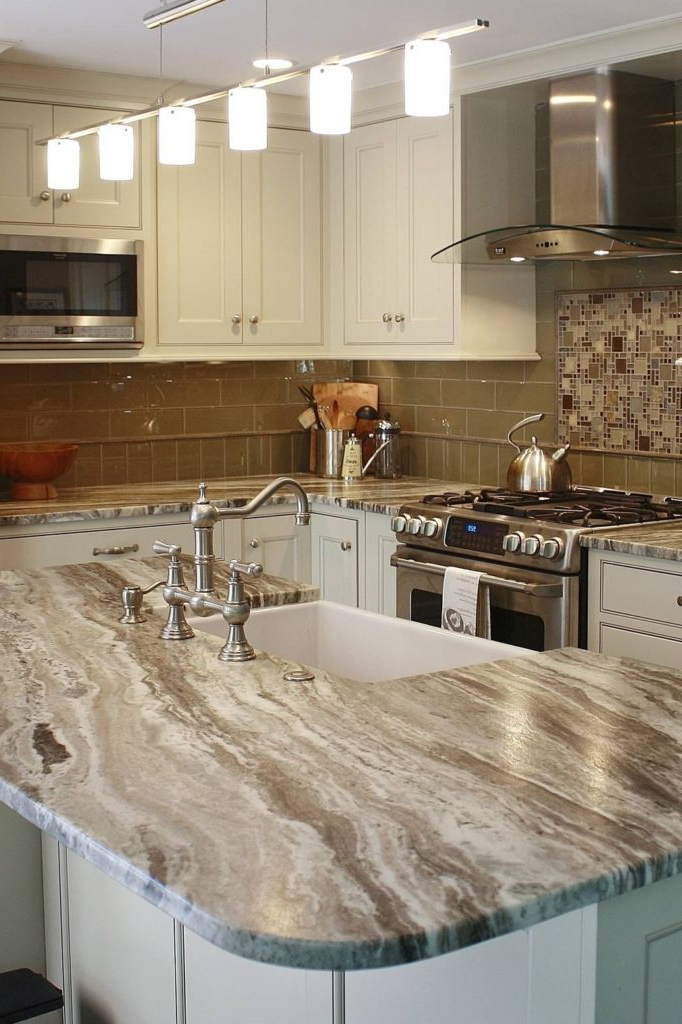
[sps_html tag=”img” src=”https://roofdrivein.com/wp-content/uploads/2026/01/25-pictures-of-modern-kitchen-designs-pertaining-to-technology-integration-and-functional-beauty-in-contemporary-kitchen-renovations.jpg” alt=”25 Pictures Of Modern Kitchen Designs pertaining to Technology Integration and Functional Beauty in Contemporary Kitchen Renovations” style=”width: 100%; height: auto;”]
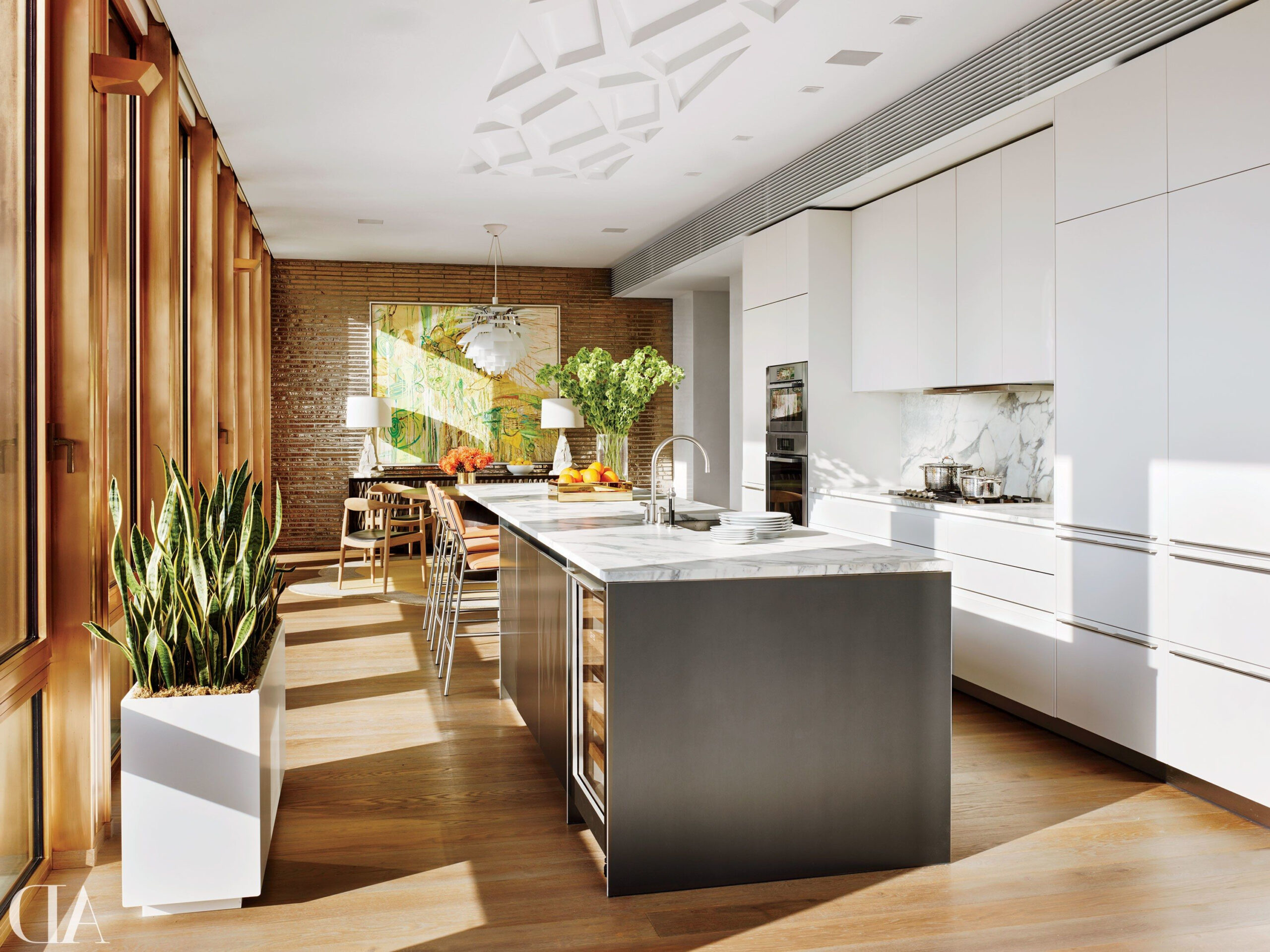
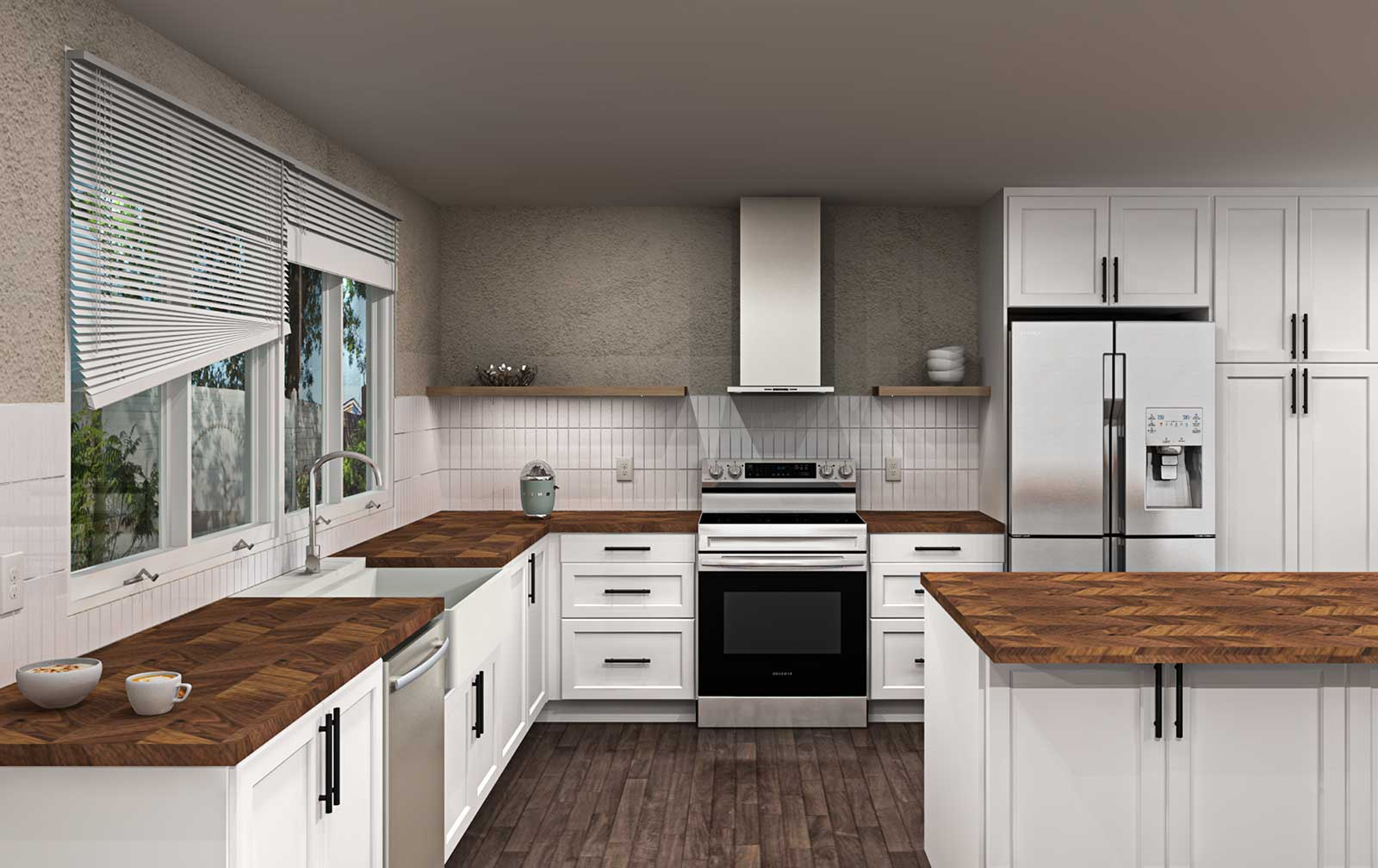
[sps_html tag=”img” src=”https://roofdrivein.com/wp-content/uploads/2026/01/modern-contemporary-kitchen-designs-ideas-ramsbottom-kitchens-pertaining-to-modern-kitchen-renovation-ideas-scaled.jpg” alt=”Modern & Contemporary Kitchen Designs & Ideas | Ramsbottom Kitchens pertaining to Modern Kitchen Renovation Ideas” style=”width: 100%; height: auto;”]
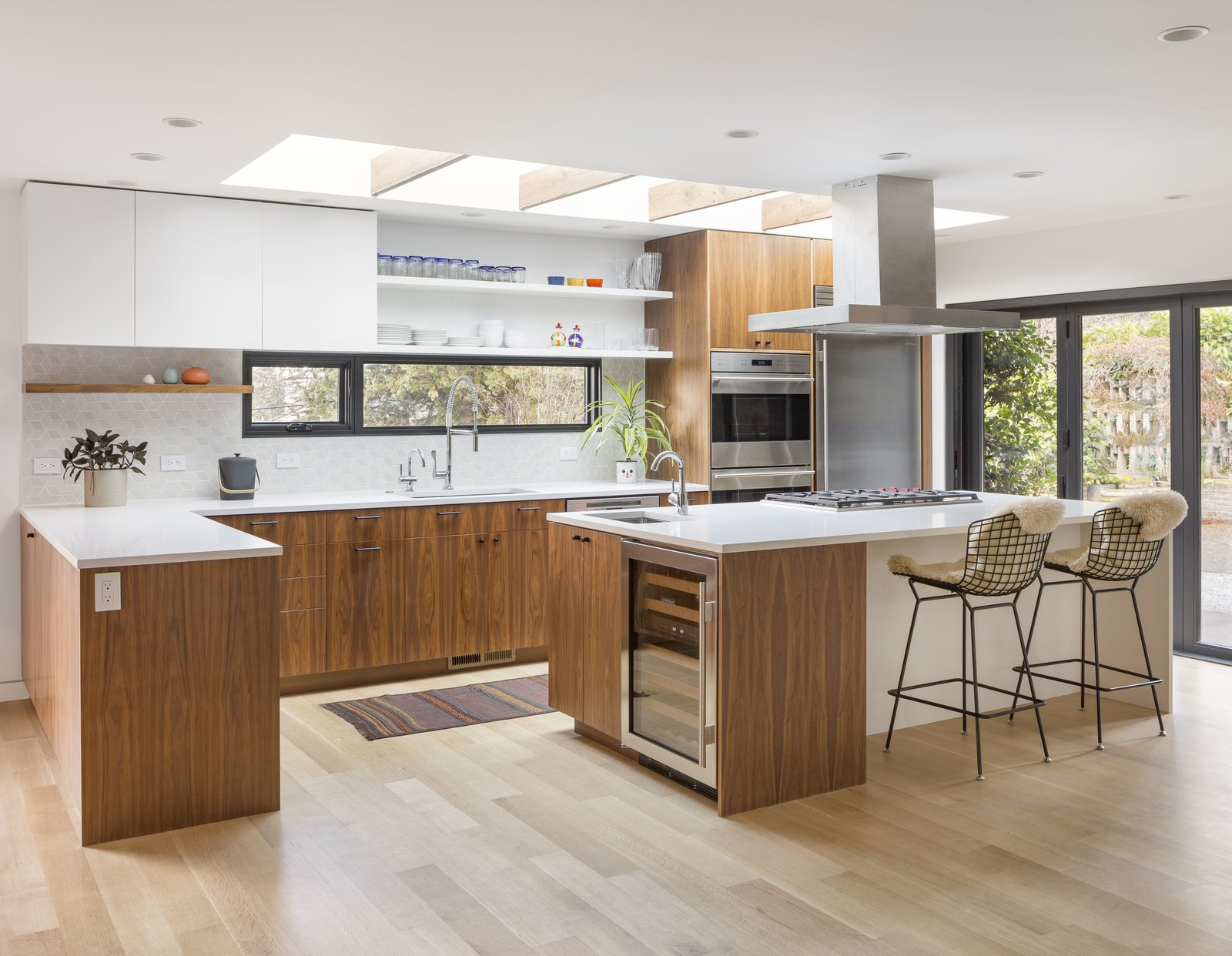
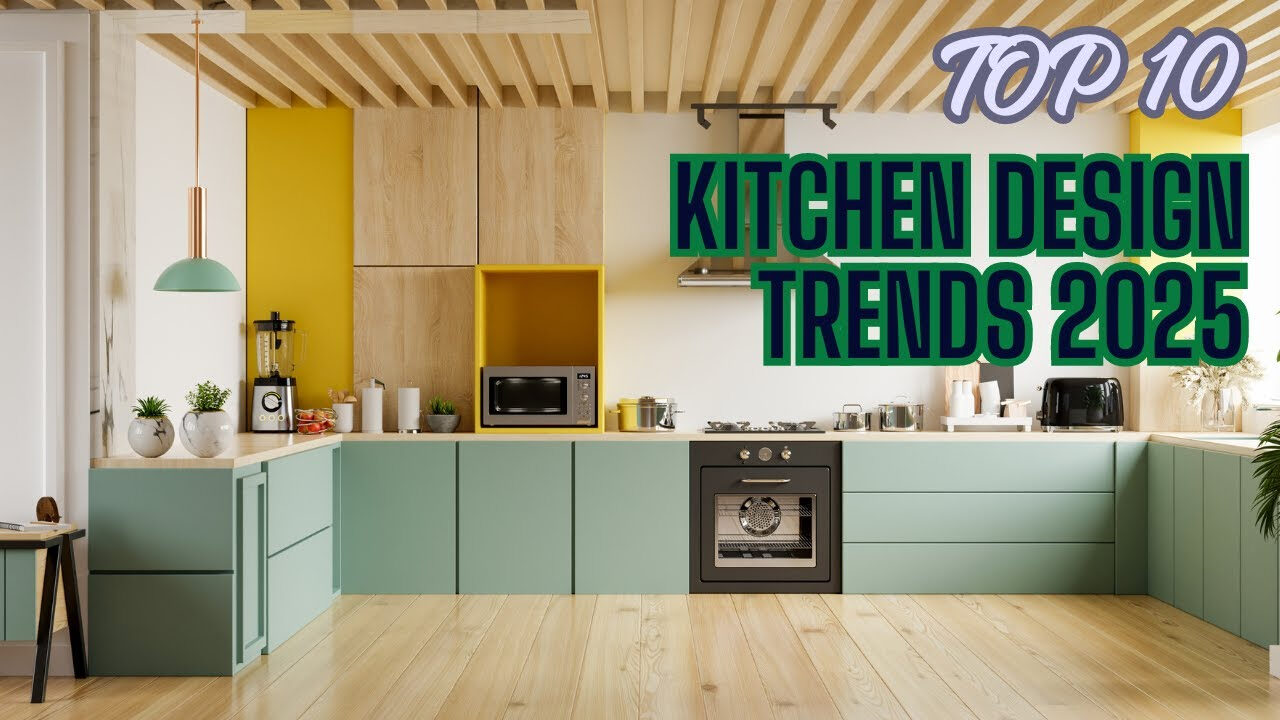
[sps_html tag=”img” src=”https://roofdrivein.com/wp-content/uploads/2026/01/modern-kitchen-designs-and-photos-at-james-madrigal-blog-inside-modern-kitchen-renovation-ideas.jpg” alt=”Modern Kitchen Designs And Photos At James Madrigal Blog inside Modern Kitchen Renovation Ideas” style=”width: 100%; height: auto;”]
[sps_html tag=”img” src=”https://roofdrivein.com/wp-content/uploads/2026/01/25-pictures-of-modern-kitchen-designs-intended-for-technology-integration-and-functional-beauty-in-contemporary-kitchen-renovations.jpg” alt=”25 Pictures Of Modern Kitchen Designs intended for Technology Integration and Functional Beauty in Contemporary Kitchen Renovations” style=”width: 100%; height: auto;”]