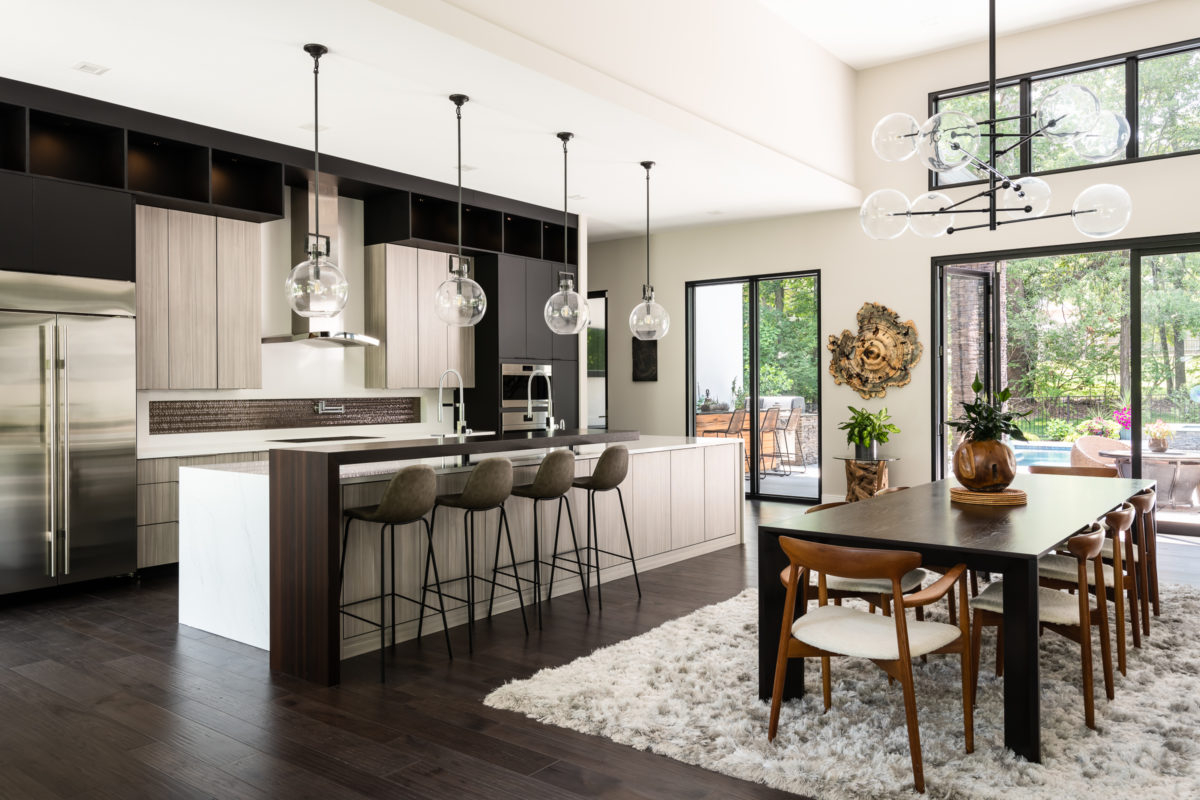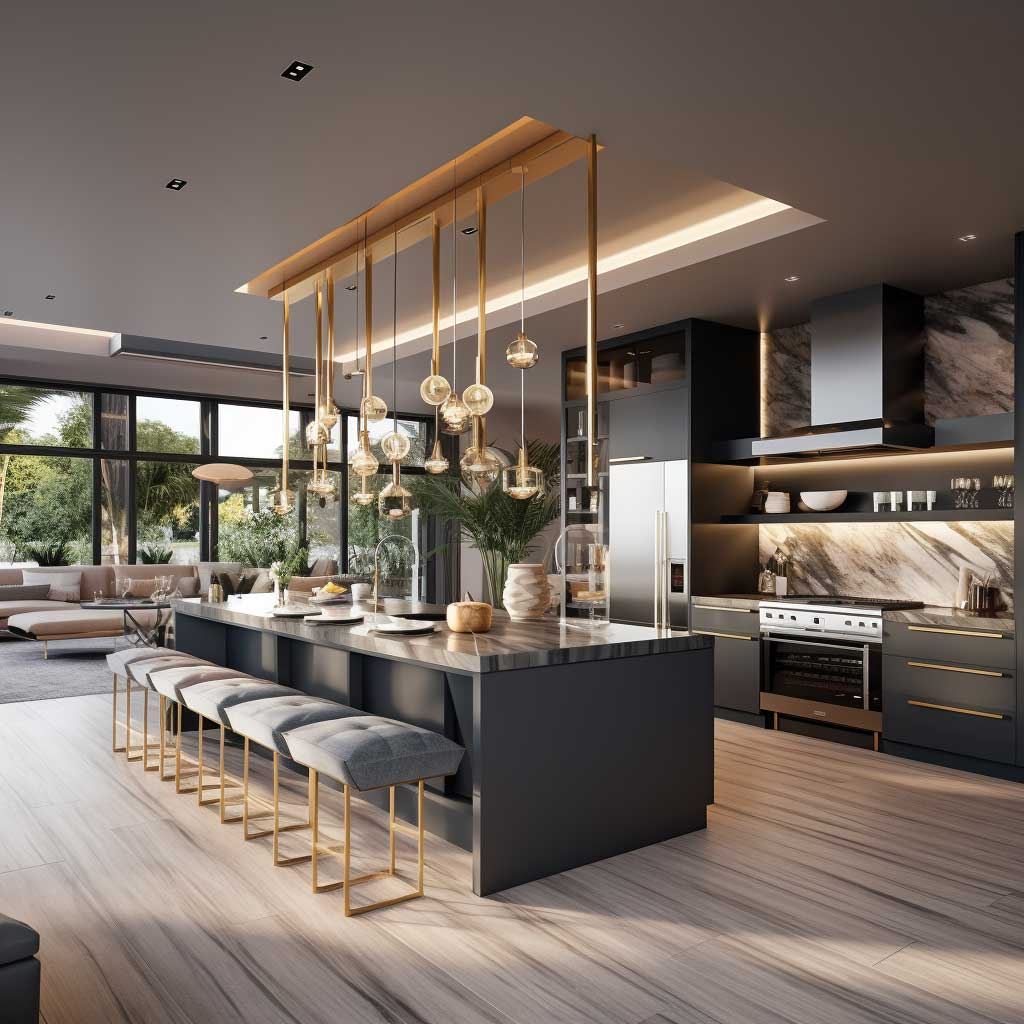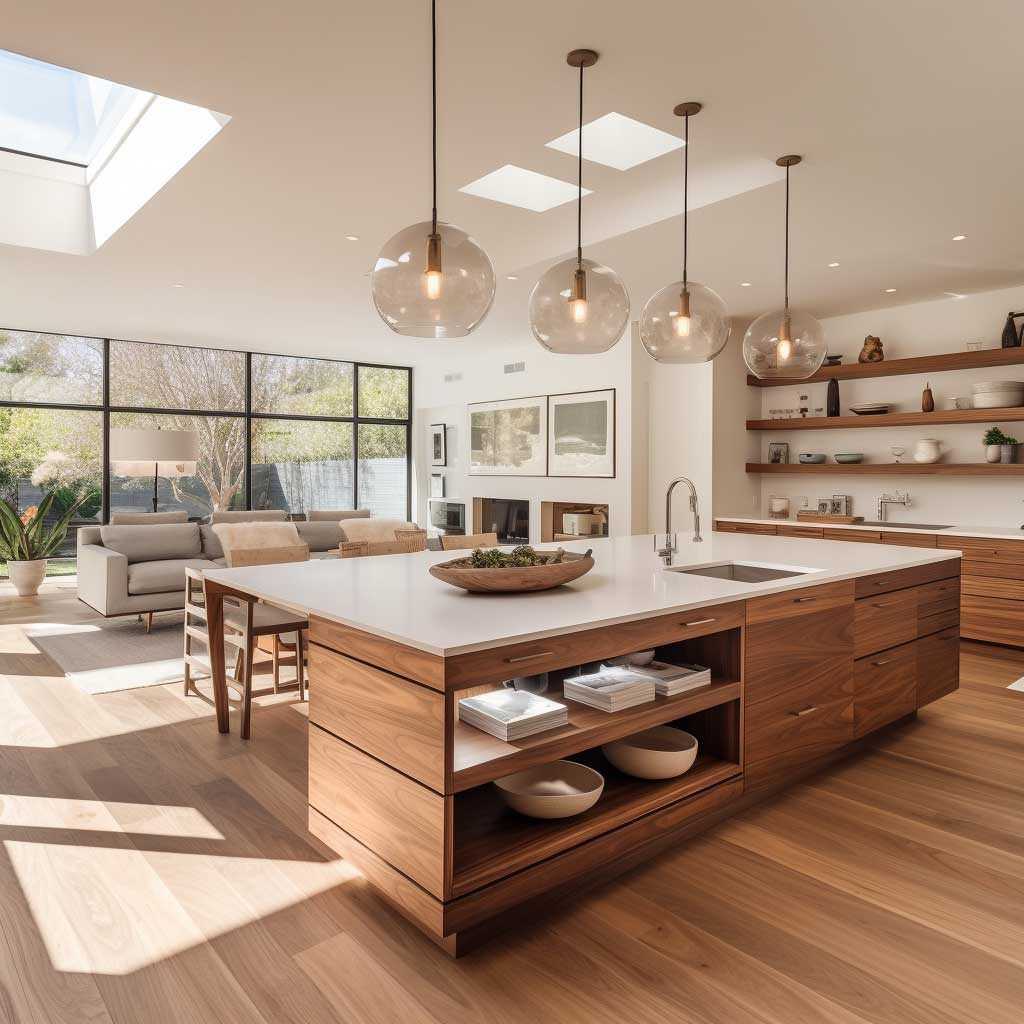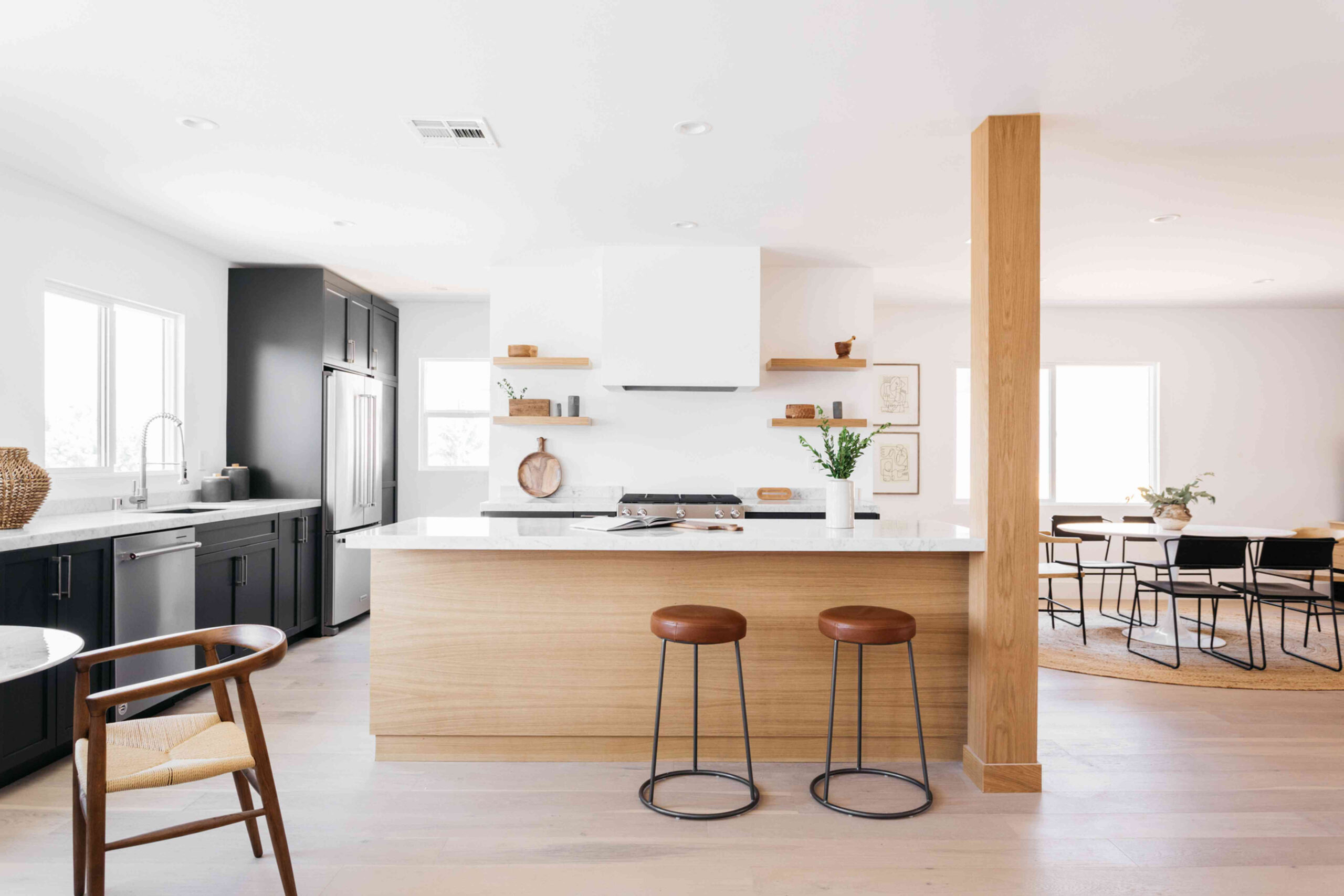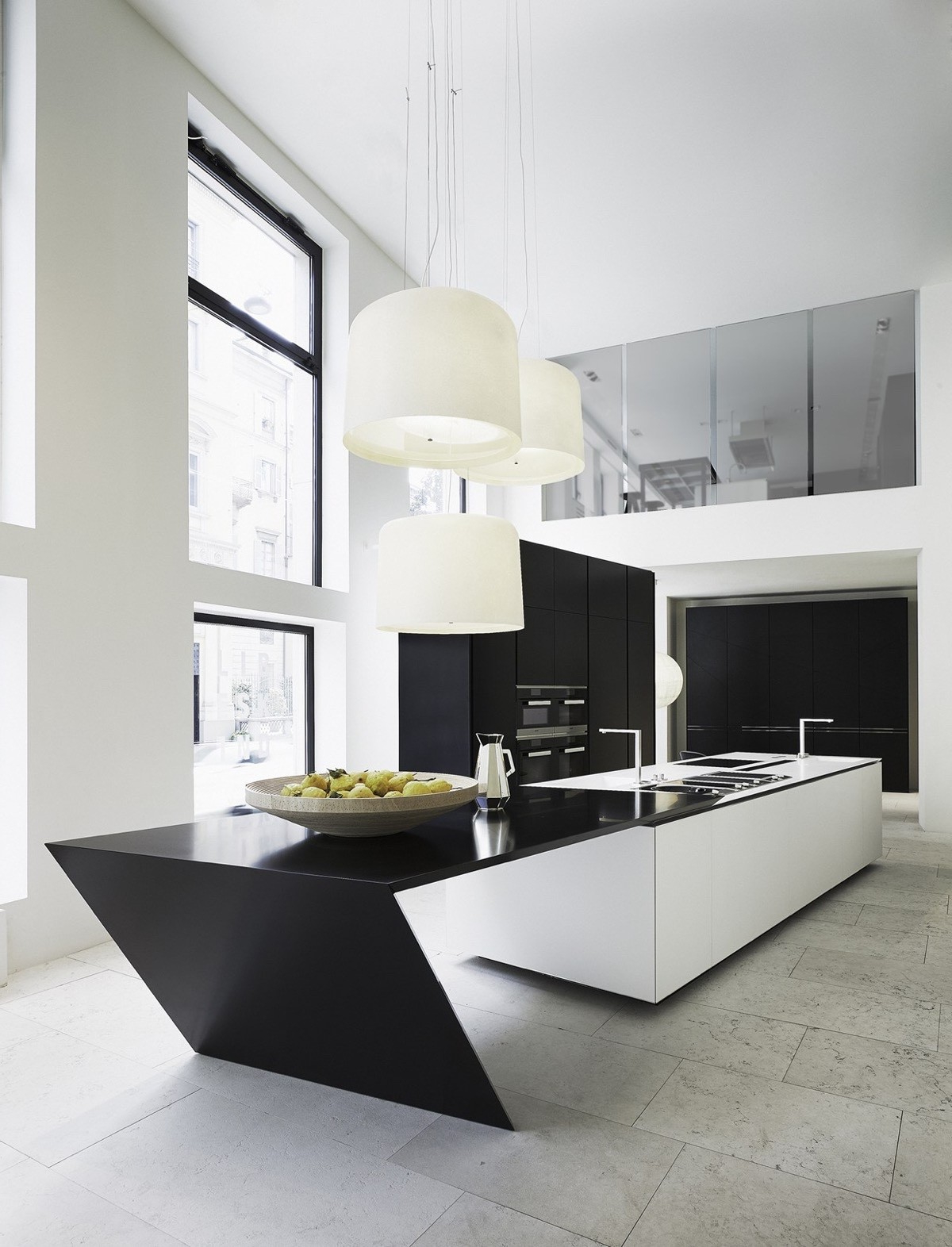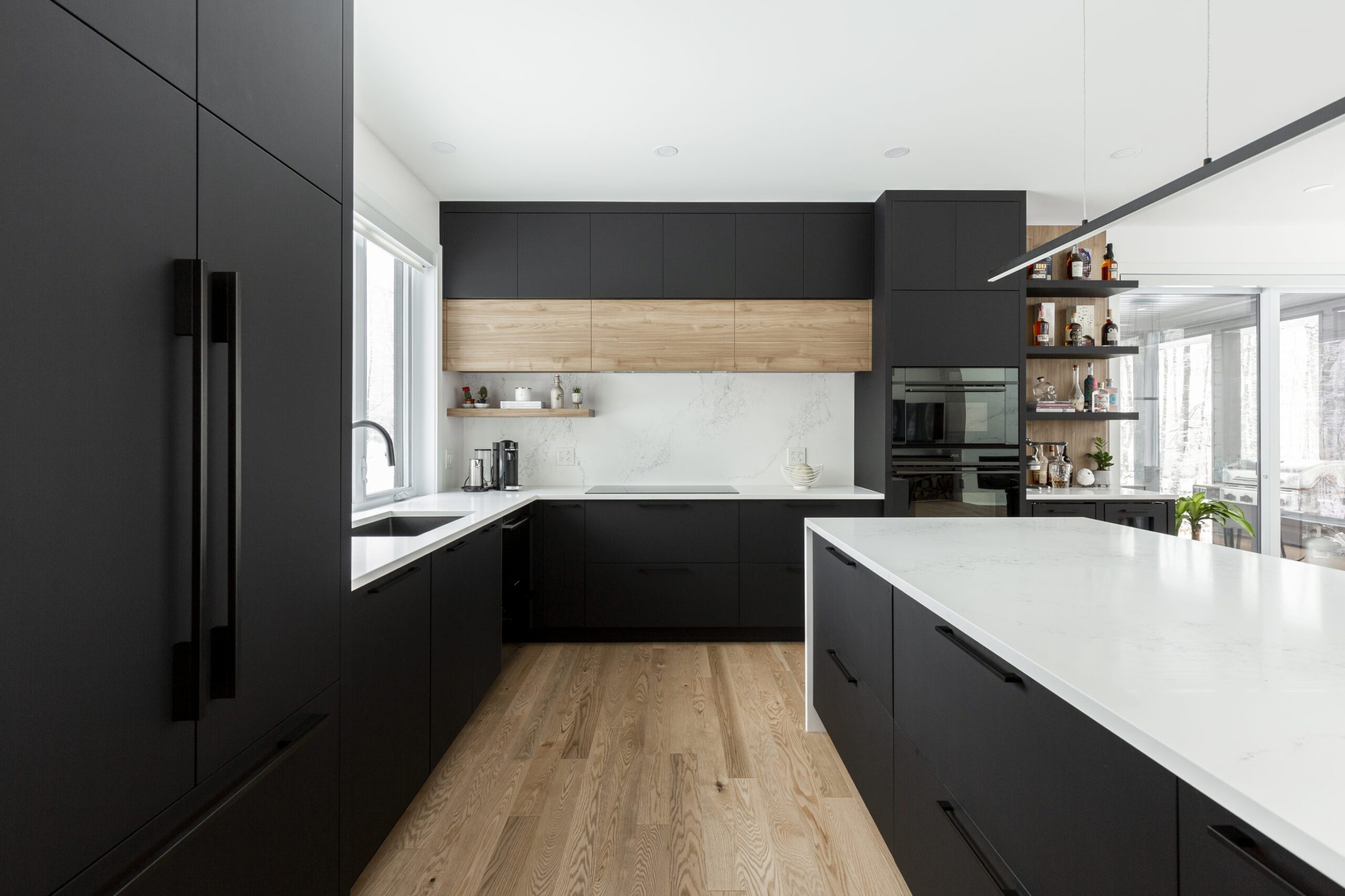
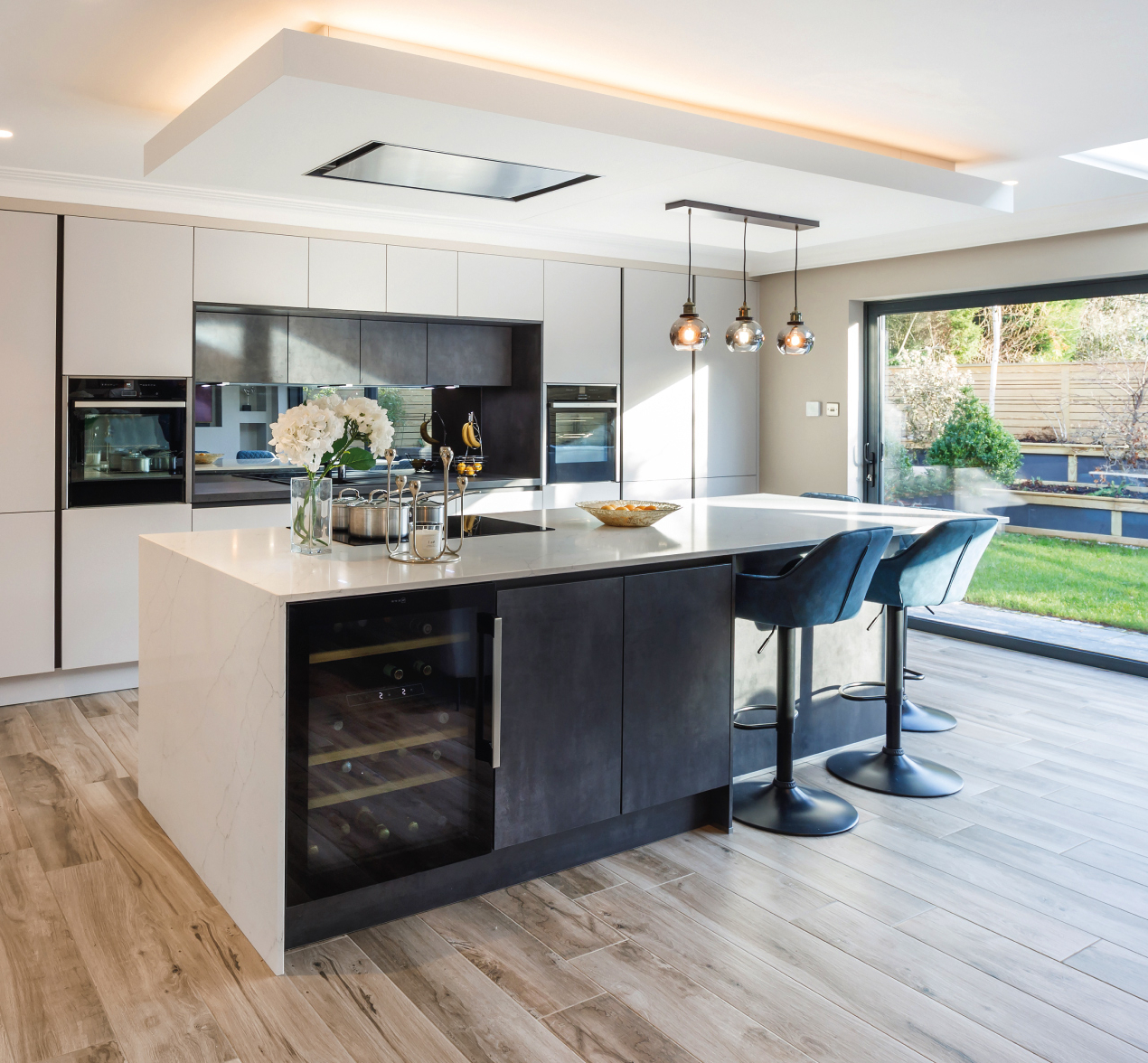
Picture this: you’re standing in your kitchen, moving through the space with ease, each step leading naturally to the next. That’s the magic of seamless flow in contemporary open designs. It’s not just about looking good—it’s about how your kitchen actually works for you every single day.
Open-concept kitchens have become the gold standard in modern home design. But here’s the thing—having walls removed isn’t enough to create true flow. The real art lies in how you organize everything so that your daily routines feel effortless. Whether you’re preparing dinner while your kids do homework or hosting guests while cooking, the kitchen needs to work with you, not against you. This isn’t just about aesthetics anymore. It’s about functionality, practicality, and creating spaces that actually enhance your life.
Understanding the Foundation of Flow
Flow in kitchen design isn’t just about pretty pictures in magazines. It’s about understanding how people actually move through spaces. Think about your typical day. When you wake up, do you immediately head to the coffee maker? Do you grab snacks from the pantry while checking emails? These small movements form the backbone of kitchen flow. The key is recognizing the zones in your kitchen and ensuring they work together rather than competing for space. Consider the classic triangle concept—where the sink, stove, and refrigerator sit in relation to each other. But modern kitchens require more nuanced thinking. You might have multiple prep areas, different storage zones, and various functional spaces all needing to communicate with one another. The goal is to make every movement feel natural, like your kitchen is speaking the same language as your lifestyle.
Defining Functional Zones
A well-designed open kitchen creates distinct zones that serve specific purposes. The prep zone might be near the sink and stove, where you do most of your food preparation. The cooking zone is where the heat meets the action. Then there’s the serving area, often near the dining table or breakfast bar. Storage zones include the pantry, cabinet areas, and even hidden spaces. Each zone needs its own character while maintaining visual connection to others. For example, you might want a breakfast bar that acts as a transition between cooking and dining areas. Or perhaps a separate pantry zone that doesn’t interrupt the main flow. The trick is to keep these zones clearly defined but still connected. You don’t want to feel like you’re constantly navigating around obstacles. Every element should serve a purpose and contribute to the overall journey through the space.
Strategic Placement of Key Elements
Where you place your appliances and fixtures matters more than you might think. The refrigerator should be easily accessible, but not in the way that blocks traffic. The stove should be near the sink for easy cleanup. The dishwasher needs to be close enough to avoid long walks. Think about the path you take when doing routine tasks. How many steps does it take to get from the fridge to the sink to the stove? Ideally, it should be no more than three or four major steps. Consider how you actually use your kitchen. If you’re someone who loves baking, maybe you want a dedicated pastry prep area. If you entertain frequently, you might need a larger serving area. The right placement means these elements support your habits rather than fight against them. Sometimes, a small change in positioning can completely transform how your kitchen feels and functions.
Visual Continuity and Design Harmony
Open kitchens rely heavily on visual cohesion to create that seamless feeling. The same materials, colors, and textures should flow from one area to another. Think of it like music—everything needs to be in harmony. If your living room has warm wood tones, your kitchen should echo those same undertones. The same goes for cabinets, flooring, and even lighting. When everything flows visually, your brain doesn’t have to work extra hard to process what it’s seeing. This is especially important in smaller spaces where you want to avoid feeling cramped. Using consistent elements like similar hardware, matching backsplashes, or unified cabinetry helps create that sense of unity. But don’t forget that contrast can also be beautiful. Sometimes a bold accent wall or unique countertop can anchor a space while still maintaining overall coherence.
Storage Solutions That Enhance Movement
Good storage isn’t just about having enough space—it’s about making everything easy to access. When you’re moving through your kitchen efficiently, you want to minimize stops and starts. That means strategically placing items where you use them most. Frequently used items should be within arm’s reach, while less-used items can be stored higher or further away. Pull-out drawers, lazy Susans, and organized shelving systems can make a huge difference in daily flow. Consider your workflow patterns. Do you always grab the same ingredients for your morning coffee? Put them in a spot that makes sense for your routine. The same applies to spices, utensils, and other daily essentials. When everything has its place and is easy to reach, you’ll notice how much smoother your kitchen experience becomes. It’s not just about keeping things tidy—it’s about making your kitchen work with your natural rhythm.
Lighting That Guides Your Journey
Lighting plays a crucial role in kitchen flow, often overlooked but incredibly powerful. Different zones need different types of light. Task lighting over countertops helps with detailed work, ambient lighting creates atmosphere, and accent lighting can highlight architectural features. The best kitchens use layered lighting that adapts to different activities and times of day. Imagine working on dinner prep in the evening when you need bright, focused light. Then later, when you’re enjoying a meal, you want softer, warmer lighting. Smart lighting solutions can automatically adjust based on time of day or activity. But beyond technology, consider how natural light moves through your space. Position your work areas to take advantage of daylight whenever possible. This simple consideration can dramatically improve how comfortable and efficient your kitchen feels throughout the day.
Creating seamless flow in contemporary kitchen open designs isn’t just about making things look pretty. It’s about crafting spaces that truly serve your lifestyle. When you understand how people move through your kitchen and design accordingly, you unlock the full potential of your open-concept space. From defining clear zones to strategic placement of elements, every decision should support your daily rhythms. The result? A kitchen that feels effortless, functional, and deeply personal. Remember, the best kitchen designs aren’t perfect—they’re perfectly suited to the people who live there. Take time to observe your own habits, listen to how your space feels, and make adjustments that honor both form and function. Your future self will thank you for investing in thoughtful design that works with your life, not against it.
[sps_html tag=”img” src=”https://roofdrivein.com/wp-content/uploads/2026/01/how-to-master-the-modern-open-kitchen-design-in-your-home-artfasad-regarding-creating-seamless-flow-in-contemporary-kitchen-open-designs.jpg” alt=”How To Master The Modern Open Kitchen Design In Your Home • Artfasad regarding Creating Seamless Flow in Contemporary Kitchen Open Designs” style=”width: 100%; height: auto;”]
[sps_html tag=”img” src=”https://roofdrivein.com/wp-content/uploads/2026/01/modern-kitchen-contemporary-open-floor-plans-within-modern-kitchen-open.jpg” alt=”Modern Kitchen Contemporary Open Floor Plans within Modern Kitchen Open” style=”width: 100%; height: auto;”]
[sps_html tag=”img” src=”https://roofdrivein.com/wp-content/uploads/2026/01/open-concept-kitchen-beck-allen-cabinetry-for-creating-seamless-flow-in-contemporary-kitchen-open-designs.jpg” alt=”Open Concept Kitchen - Beck/Allen Cabinetry for Creating Seamless Flow in Contemporary Kitchen Open Designs” style=”width: 100%; height: auto;”]
[sps_html tag=”img” src=”https://roofdrivein.com/wp-content/uploads/2026/01/contemporary-open-kitchens-artofit-regarding-modern-kitchen-open.png” alt=”Contemporary Open Kitchens – Artofit regarding Modern Kitchen Open” style=”width: 100%; height: auto;”]
[sps_html tag=”img” src=”https://roofdrivein.com/wp-content/uploads/2026/01/20-open-kitchen-ideas-that-are-spacious-and-functional-regarding-modern-kitchen-open-scaled.jpg” alt=”20 Open Kitchen Ideas That Are Spacious And Functional regarding Modern Kitchen Open” style=”width: 100%; height: auto;”]