Think about it – when you walk into a kitchen, what catches your eye first? Is it the gleaming countertops, the vibrant colors of your appliances, or perhaps the way light dances across your dining table? The answer often lies in how well the lighting has been thought out. Especially above your dining area, where every meal deserves to be illuminated just right. But what makes one lighting choice work better than another? Let’s dive into the fascinating science behind creating the perfect glow for your kitchen dining experience.
Kitchen lighting isn’t just about turning on a switch and hoping for the best. It’s a carefully orchestrated dance between science, psychology, and practicality. When it comes to dining areas, the right lighting can transform a simple meal into a memorable experience. You’ve probably noticed how different lighting setups can completely change the mood of a room. What if I told you there’s a scientific reason behind why certain lights make food look more appetizing, why some feel more relaxing, and others just seem to make everything feel more functional? This is especially true for the critical spot above your dining table – the place where memories are made, conversations flow, and meals are savored. Understanding the principles that govern effective kitchen lighting can make all the difference in your daily life, whether you’re hosting guests or enjoying quiet family dinners alone.
Understanding Light Quality and Color Temperature
Color temperature matters more than you might think. Think of it like the personality of light – warm tones (around 2700K-3000K) create a cozy, inviting atmosphere, perfect for evening meals when you want to unwind. Cool tones (4000K-5000K) offer clarity and alertness, making them great for morning coffee or when you’re preparing food. The key is finding balance. Most modern kitchens benefit from a combination approach. For dining areas specifically, consider a light fixture that can shift between warm and cool settings, or opt for something around 3500K to 4000K for that perfect middle ground. This range offers enough warmth to make food look good while maintaining enough brightness for practical tasks. Many people find that they naturally gravitate toward warmer lighting during dinner time, and cooler options during lunch hours. This isn’t just about preference – it’s about how our brains process different wavelengths of light and their impact on our circadian rhythms. Imagine sitting down for dinner under a soft amber glow versus harsh white light – the difference in atmosphere is remarkable. That’s because our brains interpret different color temperatures differently, affecting everything from our appetite to our sleep patterns.
Brightness Levels and Luminous Flux
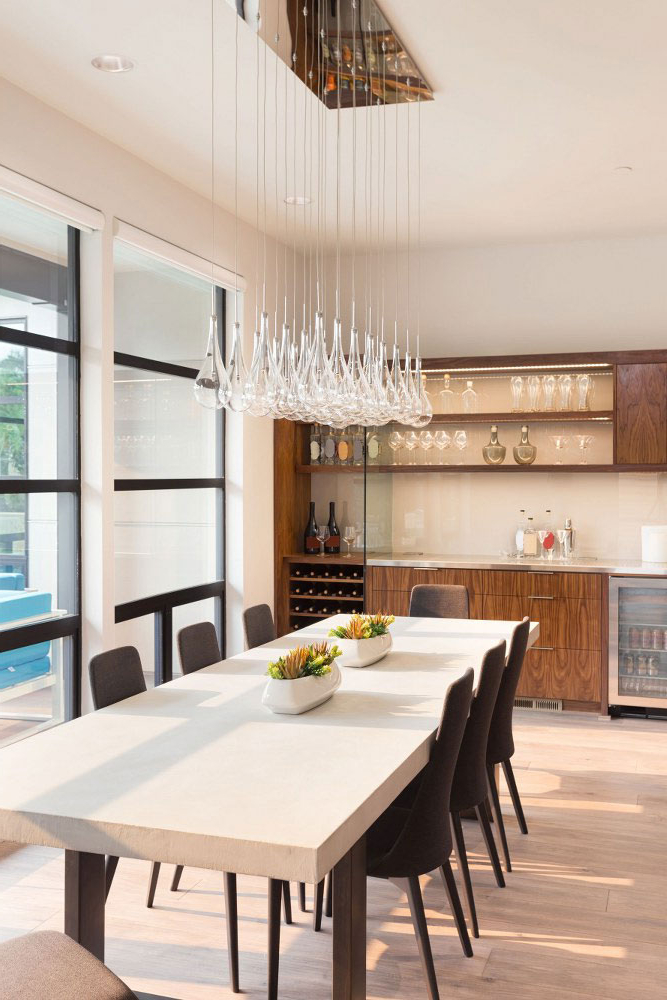
When it comes to brightness, less isn’t always more. The standard recommendation for dining areas is between 300-500 lumens per square foot, but that number varies based on your specific needs. A small breakfast nook might need less, while a large family dining room could easily require twice that amount. What’s particularly interesting is how we perceive brightness differently depending on the type of activity happening. During dinner, you want enough light to see your food clearly, but not so much that it creates harsh shadows. Think about it – when you’re trying to have a conversation over a meal, you don’t want to be squinting at your plate or struggling to see the person across from you. That’s why understanding luminous flux becomes important. Lumens measure how much visible light a bulb produces, and for dining spaces, you typically want somewhere between 600-1200 lumens total for a standard 4×4 foot area. But remember, it’s not just about the numbers. The distribution of that light matters equally. A fixture that spreads light evenly across your table will feel more comfortable than one that creates bright spots and dark patches. Consider how your dining table size affects your lighting needs. A small round table might need less intense light, while a long rectangular table benefits from broader illumination. Sometimes, multiple smaller lights distributed strategically can be more effective than one massive fixture.
Light Distribution and Shadow Management
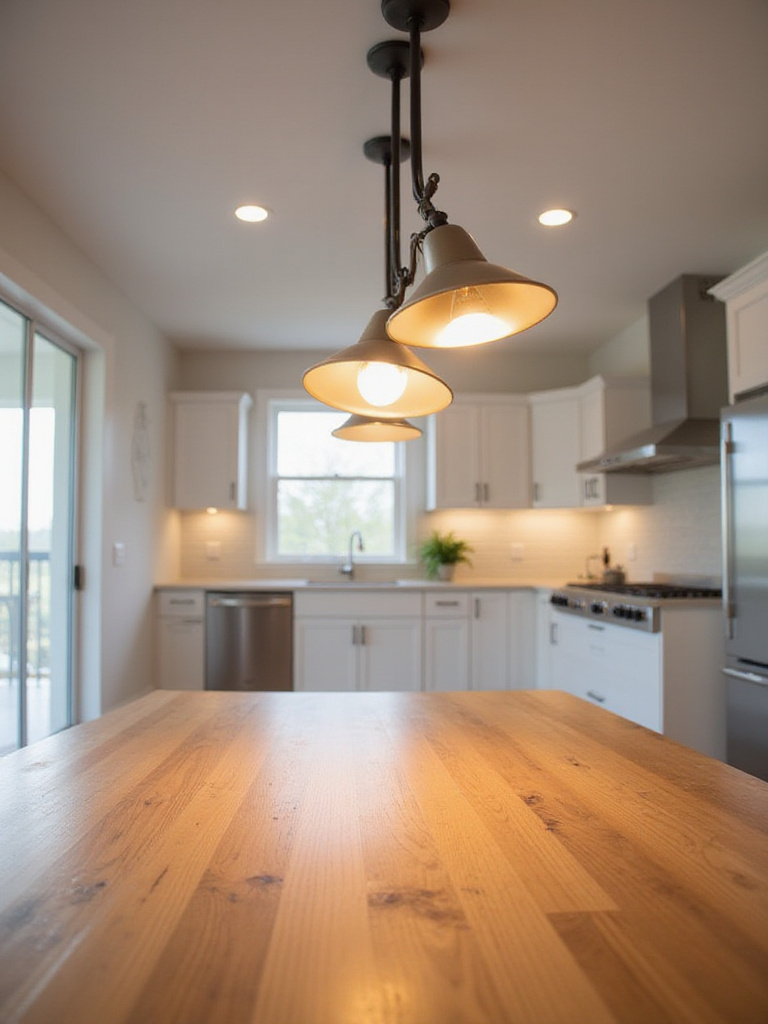
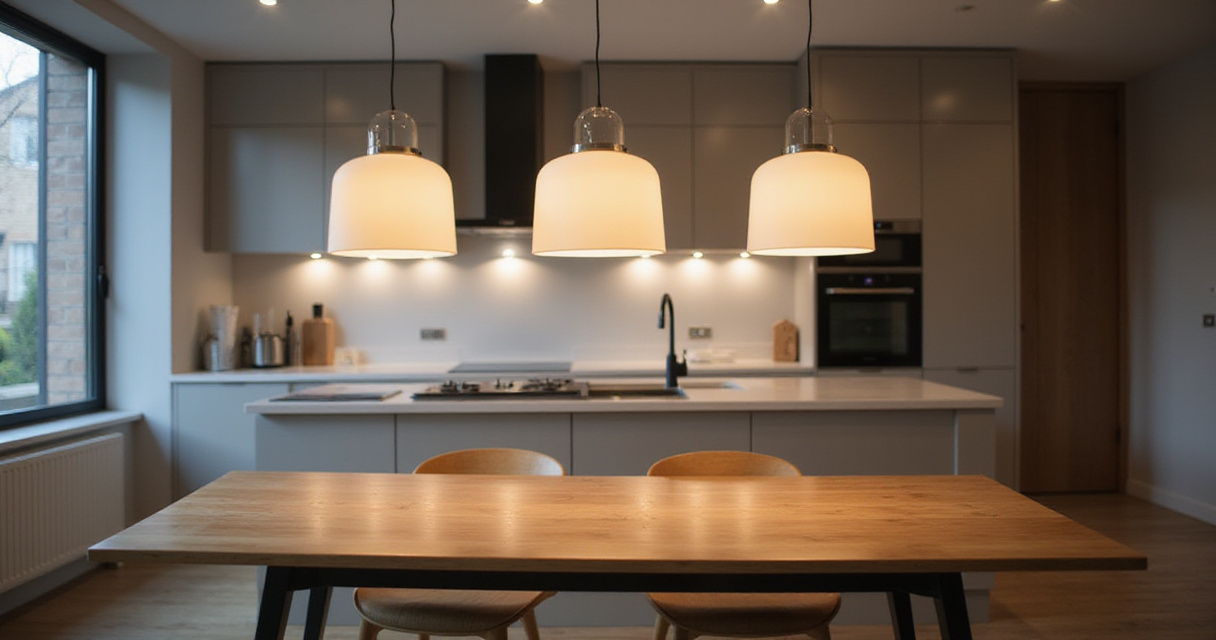
This is where the magic happens. Good lighting doesn’t just illuminate – it enhances. Proper light distribution means your dining area gets even coverage without creating unwanted shadows. Ever noticed how a poorly placed overhead light can cast ugly shadows across your table? Those aren’t just aesthetic issues – they affect your ability to see food details and can make people look unflattering. The key is understanding how light behaves. Light sources that are too high can create harsh direct light, while those positioned too low may miss illuminating the entire table surface. The sweet spot is usually between 30-36 inches above the dining surface, though this can vary with ceiling height and fixture design. One common mistake is assuming that higher placement equals better light. Actually, the opposite is often true. If you position your light source too far above the table, you’ll create more glare and less usable illumination. A smart approach involves looking at the light angles and ensuring that the fixture’s beam pattern covers your entire table. Some designers recommend using fixtures with adjustable arms or directional lighting that can be aimed precisely at the dining area. The goal is to eliminate shadows that might interfere with eating or talking, while still providing enough ambient light to make the space feel welcoming. Consider how you move around your dining area – do you need to see the entire table from various angles? That’s another factor that influences the best positioning for your lights.
The Impact of Light on Food Presentation and Appetite
Here’s something that might surprise you: lighting literally changes how you perceive food. Research shows that warm lighting can make dishes appear more appealing, enhancing the perceived flavor and aroma. Cool lighting, while functional, can sometimes make food look less appetizing. This isn’t just psychology – it’s physiology. Our taste buds are sensitive to visual cues, and lighting plays a huge role in setting the stage for how we experience our meals. Think about restaurant dining experiences – most places use warm, soft lighting to encourage people to linger and enjoy their food. This isn’t accidental. The science behind it is quite fascinating. Light affects our brain’s production of hormones like serotonin and melatonin, which influence our appetite and satisfaction levels. Brighter lighting can increase alertness but might also make people eat faster. Dimmer, softer lighting encourages slower consumption and can lead to better digestion. In your home kitchen, you’re essentially creating a personal restaurant environment. The lighting you choose directly impacts how much you enjoy your meals and how satisfied you feel afterward. That’s why many people report that their food tastes better when they’re dining under certain lighting conditions. It’s not just about seeing your food – it’s about creating an environment that makes eating a pleasure rather than just a necessity.
Energy Efficiency and Longevity Considerations
Modern lighting solutions offer incredible efficiency, but choosing wisely can save you money and reduce environmental impact. LED technology has revolutionized kitchen lighting, offering energy savings of up to 80% compared to traditional incandescent bulbs. But beyond cost savings, longevity matters too. A quality LED fixture designed for kitchen use can last 25,000+ hours, meaning decades of reliable service. When selecting lighting, look for fixtures with proper heat dissipation features, as kitchens can get quite warm. Heat is one of the biggest enemies of LED performance and lifespan. Consider dimming capabilities as well – they allow you to adjust light levels for different times of day and activities. Smart lighting systems can automatically adjust based on time of day or occupancy, further optimizing both comfort and energy use. The investment in quality lighting pays dividends not just in monthly electricity bills, but in peace of mind knowing your lights will last. Plus, many modern fixtures come with warranties that cover both performance and durability. It’s worth noting that some older lighting technologies might seem cheaper upfront but end up costing more over time due to frequent replacements and higher energy consumption. Don’t forget about the environmental aspect – reducing energy usage helps reduce your carbon footprint. This might sound like a small thing, but when multiplied across millions of households, it adds up to significant positive environmental impact.
Design Integration and Visual Appeal
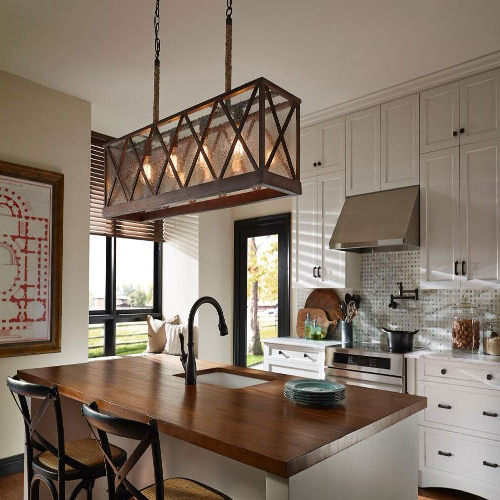
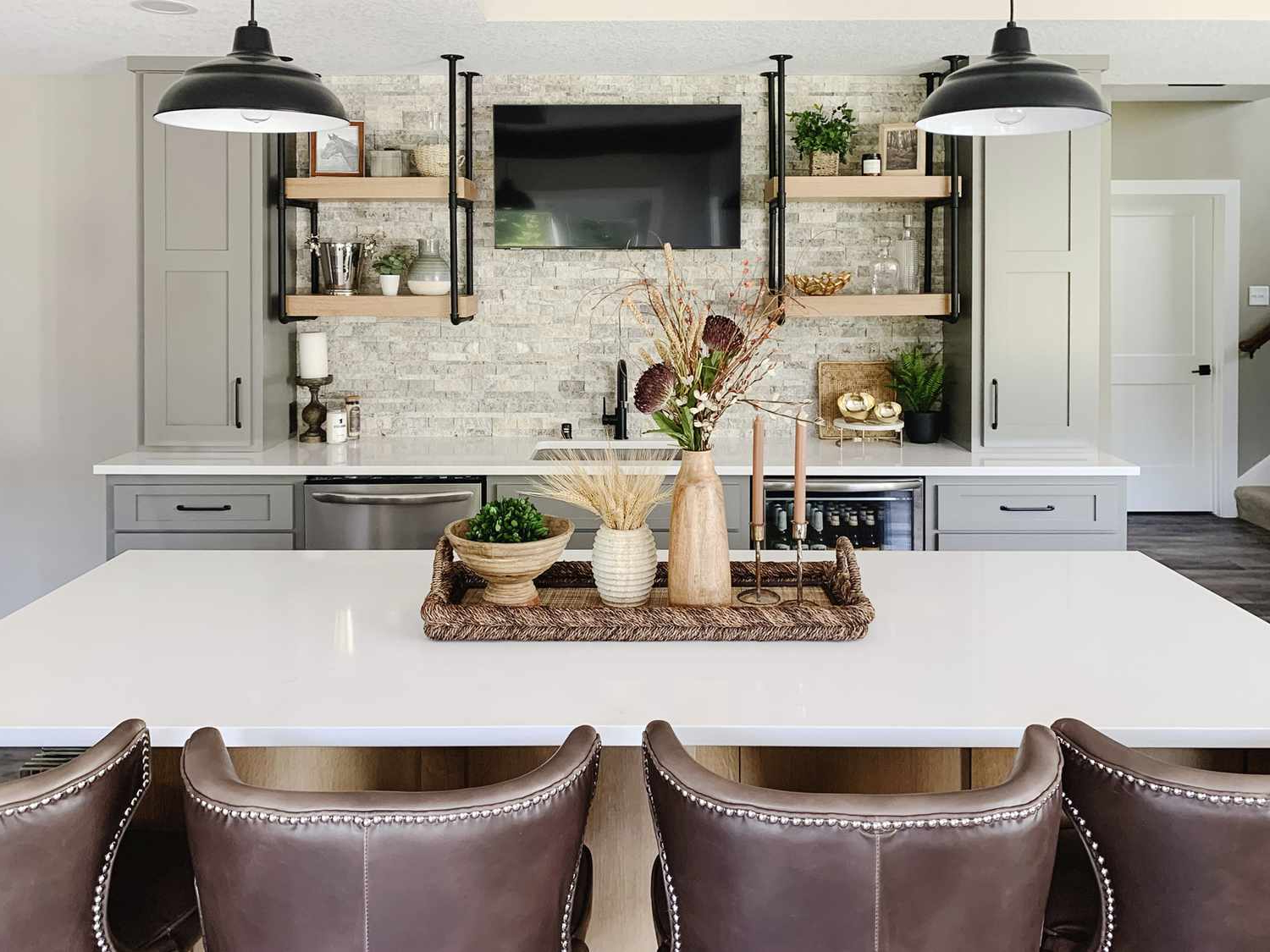
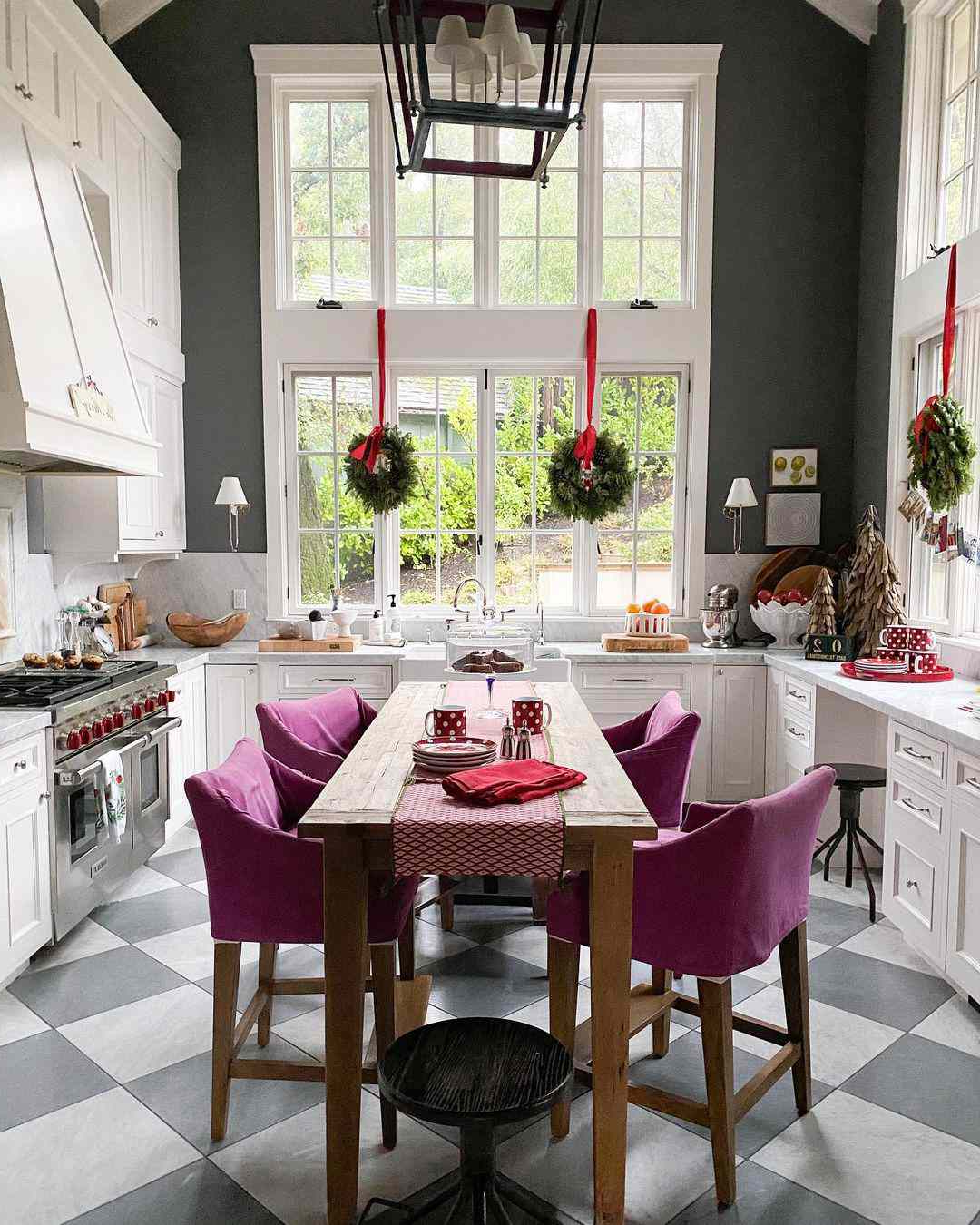
Great lighting doesn’t just function well – it should also enhance your kitchen’s overall aesthetic. The fixture you choose should complement your existing design elements rather than clash with them. Consider the materials, finishes, and style of your dining area when selecting lighting. A sleek, modern fixture might work perfectly in a contemporary kitchen, while a more ornate design could be ideal for traditional or rustic spaces. The visual weight of the fixture matters too – it shouldn’t overwhelm the space or draw attention away from your dining table. Many homeowners make the mistake of choosing fixtures that are either too big or too small for their space. The rule of thumb is that the fixture should be roughly half the width of your dining table, plus a few inches on each side. This ensures it provides adequate coverage without dominating the area. Think about how the light reflects off nearby surfaces – polished floors, glossy cabinets, or shiny appliances can create beautiful highlights when properly lit. The interplay between light and material creates depth and dimension in your kitchen. Sometimes, the most effective approach is layering different types of lighting – ambient, task, and accent – to create a rich, multi-dimensional lighting scheme. This approach allows you to adjust the mood and functionality of your space throughout the day, making your kitchen work as hard as you do.
Practical Installation and Maintenance Tips
Even the best lighting won’t perform well if it’s not installed correctly. Professional installation is recommended for anything more complex than a simple replacement, especially when dealing with electrical connections. However, basic maintenance is something everyone can handle. Regular cleaning keeps fixtures performing optimally – dust and grime can significantly reduce light output. Most kitchen lighting fixtures benefit from a quick wipe-down every few months, or more frequently if you cook often. When shopping for new fixtures, pay attention to mounting hardware and compatibility with your existing electrical setup. Some installations might require upgrading electrical capacity or adding new circuits, particularly if you’re planning to add dimming features or multiple lighting zones. Consider the practical aspects of your daily routine – will you need to adjust the light frequently? Will the fixture be easy to reach for cleaning? These seemingly small details can greatly impact your long-term satisfaction with your lighting choices. Remember that kitchen lighting is a high-use area, so reliability and ease of maintenance should factor heavily into your decision-making process. A fixture that requires constant adjustment or frequent bulb changes might end up being more of a hassle than a help.
Choosing the right kitchen lighting above dining areas is both an art and a science. It’s about understanding how light affects our perception, our mood, and our daily routines. From the subtle dance of color temperature to the practical considerations of energy efficiency, every element matters. The best lighting solution for your space combines functional needs with aesthetic appeal, creating an environment where meals feel special and daily routines become more enjoyable. Whether you’re planning a complete kitchen renovation or simply replacing an old fixture, remember that thoughtful lighting choices can transform your space from merely functional to truly livable. The investment in proper lighting pays dividends in comfort, efficiency, and daily satisfaction. So next time you sit down to eat, take a moment to appreciate how the light above your table contributes to that perfect dining experience. It’s not just about seeing your food – it’s about creating an atmosphere where every meal feels like a celebration.
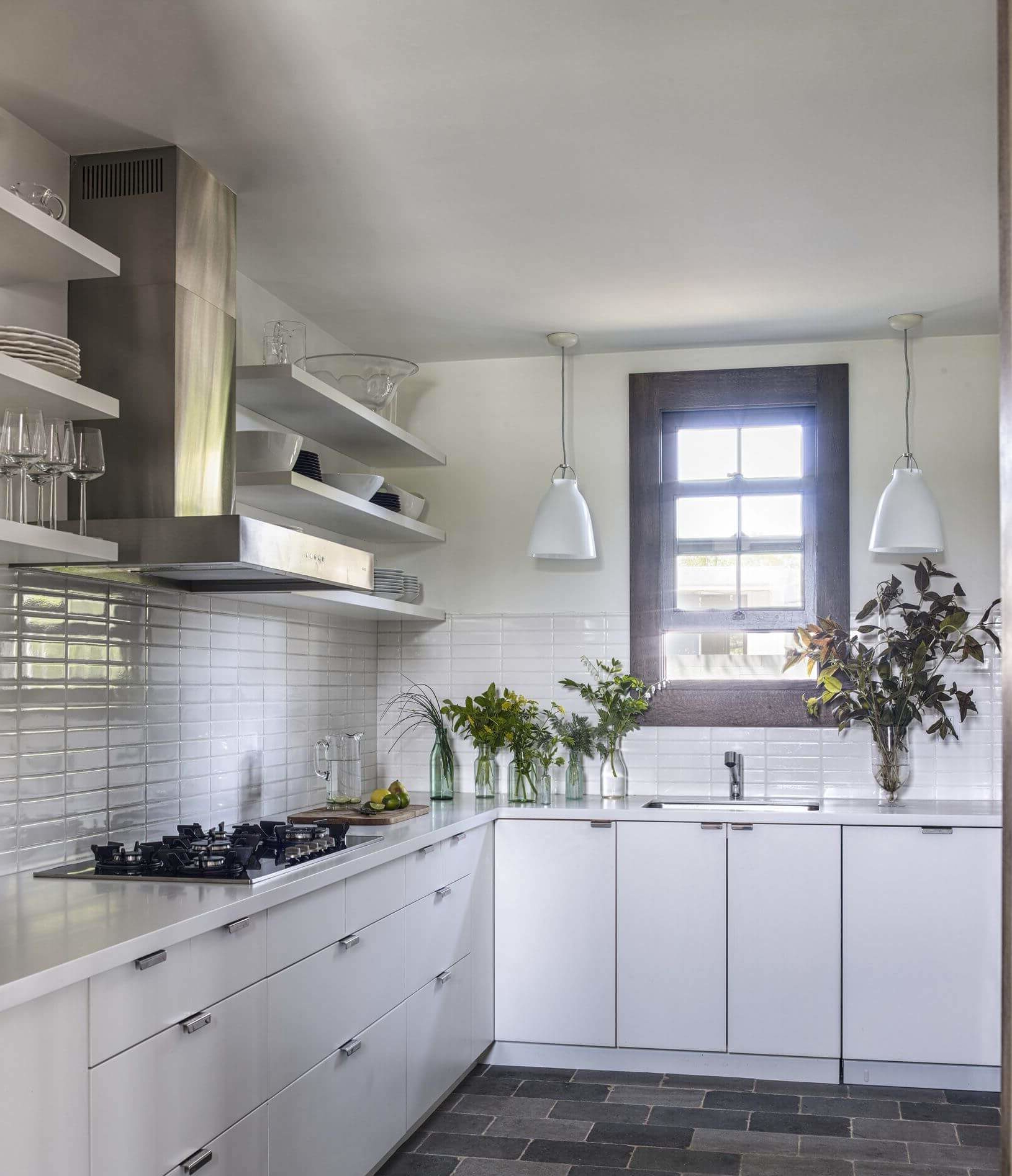
[sps_html tag=”img” src=”https://roofdrivein.com/wp-content/uploads/2026/01/discover-21-stunning-kitchen-lighting-over-table-ideas-that-engage-all-regarding-modern-kitchen-lighting-over-table.jpg” alt=”Discover 21 Stunning Kitchen Lighting Over Table Ideas That Engage All … regarding Modern Kitchen Lighting Over Table” style=”width: 100%; height: auto;”]
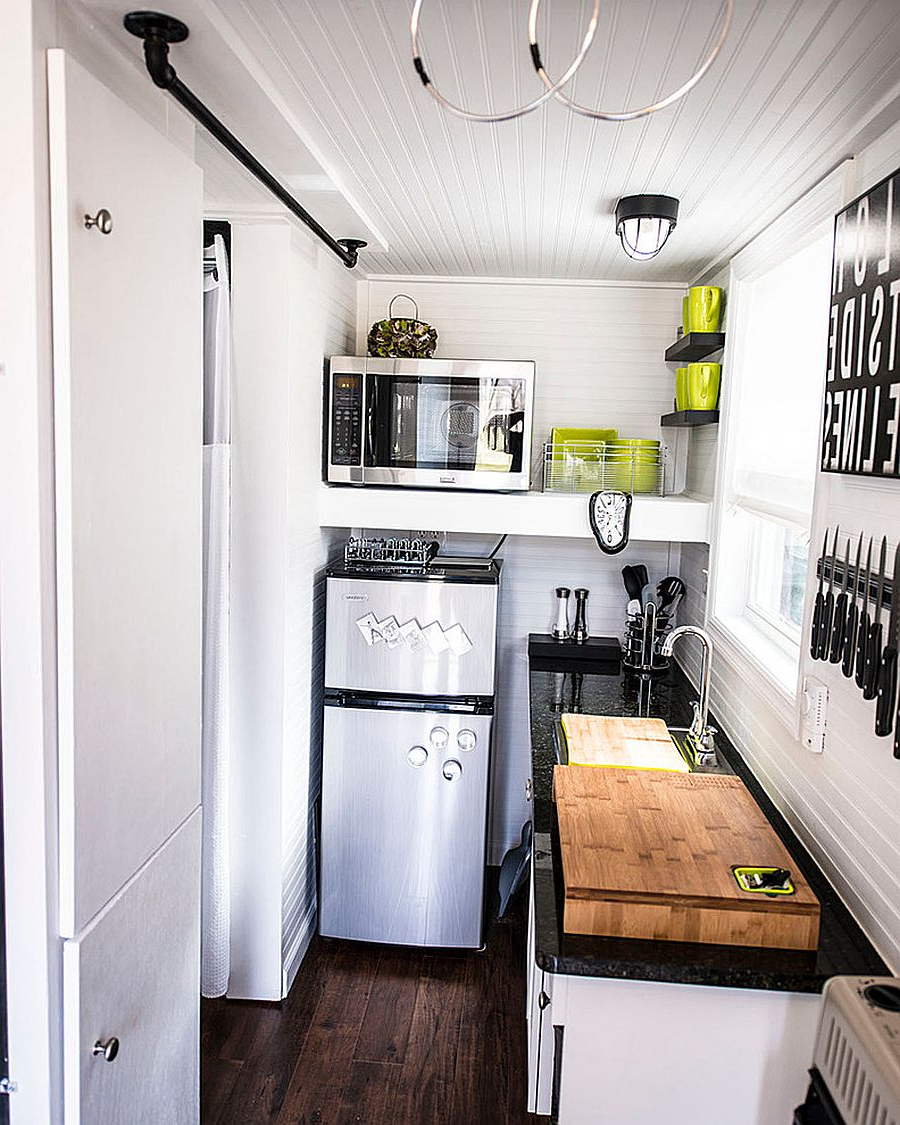
[sps_html tag=”img” src=”https://roofdrivein.com/wp-content/uploads/2026/01/modern-kitchen-table-lighting-in-the-science-behind-choosing-the-right-modern-kitchen-lighting-above-dining-areas.jpg” alt=”Modern Kitchen Table Lighting in The science behind choosing the right modern kitchen lighting above dining areas” style=”width: 100%; height: auto;”]
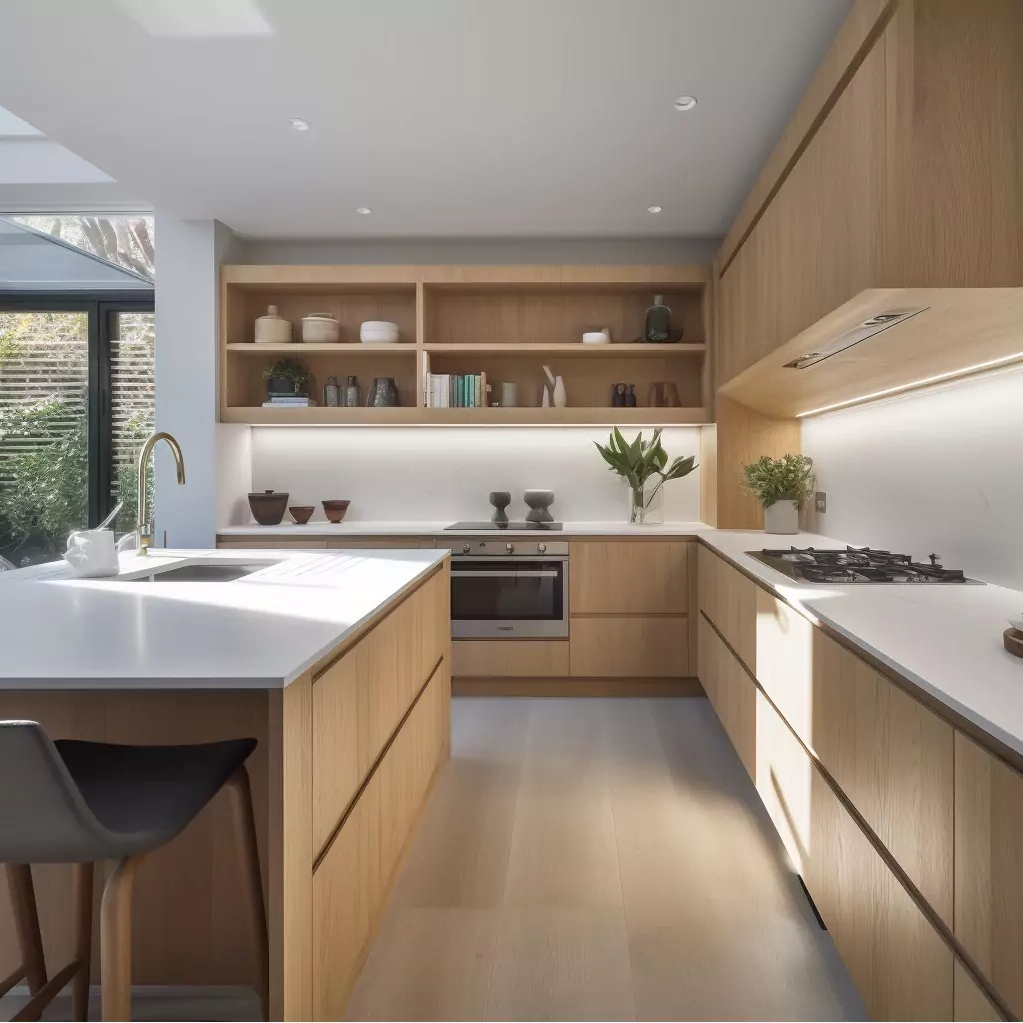
[sps_html tag=”img” src=”https://roofdrivein.com/wp-content/uploads/2026/01/over-kitchen-table-lighting-ideas-at-james-madrigal-blog-in-modern-kitchen-lighting-over-table.jpg” alt=”Over Kitchen Table Lighting Ideas At James Madrigal Blog in Modern Kitchen Lighting Over Table” style=”width: 100%; height: auto;”]
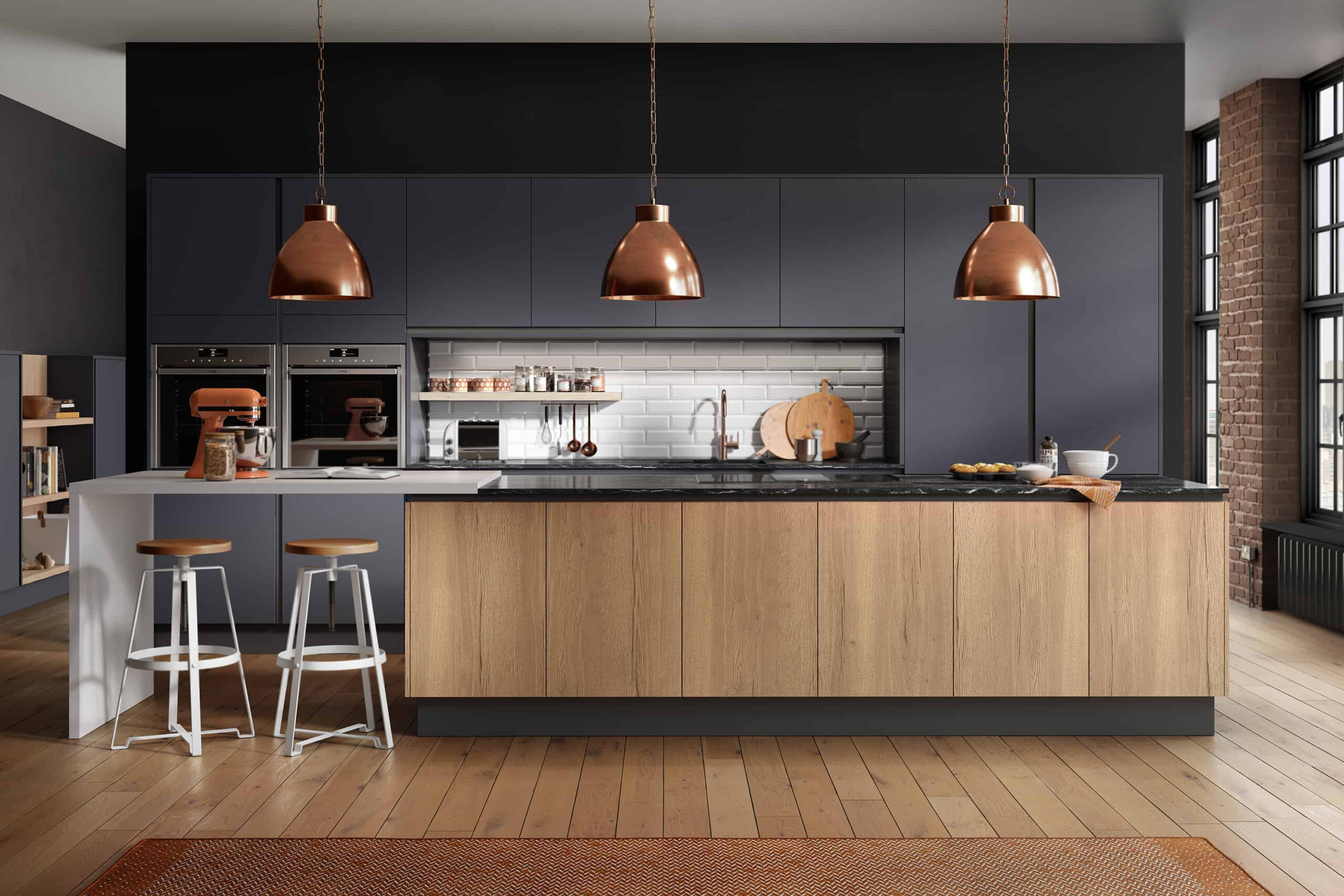
[sps_html tag=”img” src=”https://roofdrivein.com/wp-content/uploads/2026/01/19-bright-ideas-for-kitchen-lighting-over-table-decor-swag-with-regard-to-the-science-behind-choosing-the-right-modern-kitchen-lighting-above-dining-areas.png” alt=”19 Bright Ideas For Kitchen Lighting Over Table - Decor Swag with regard to The science behind choosing the right modern kitchen lighting above dining areas” style=”width: 100%; height: auto;”]
[sps_html tag=”img” src=”https://roofdrivein.com/wp-content/uploads/2026/01/21-sensory-rich-kitchen-lighting-over-table-ideas-remodel-gang-for-modern-kitchen-lighting-over-table.png” alt=”21 Sensory-Rich Kitchen Lighting Over Table Ideas - Remodel Gang for Modern Kitchen Lighting Over Table” style=”width: 100%; height: auto;”]