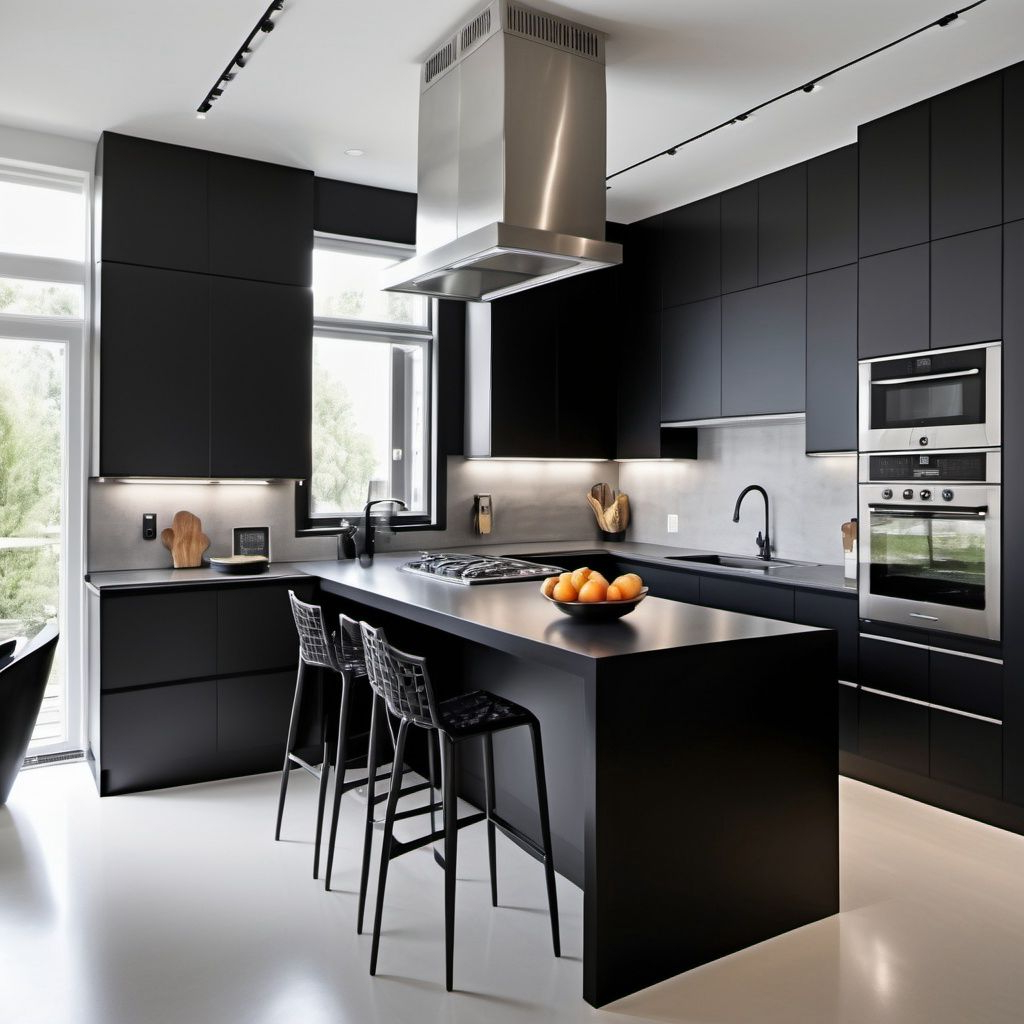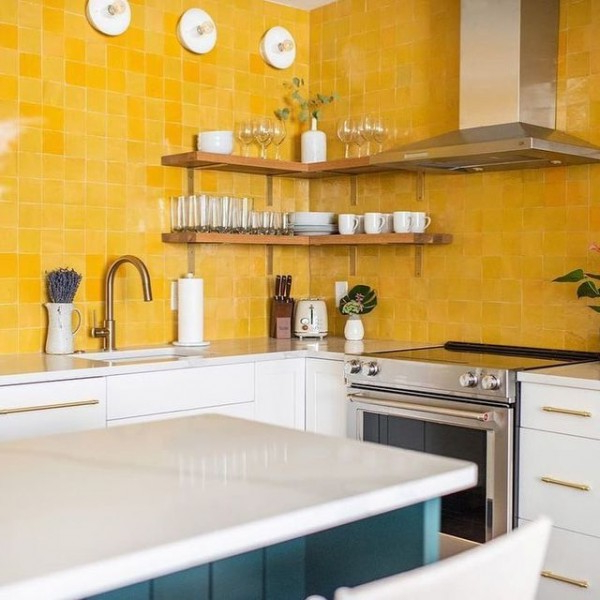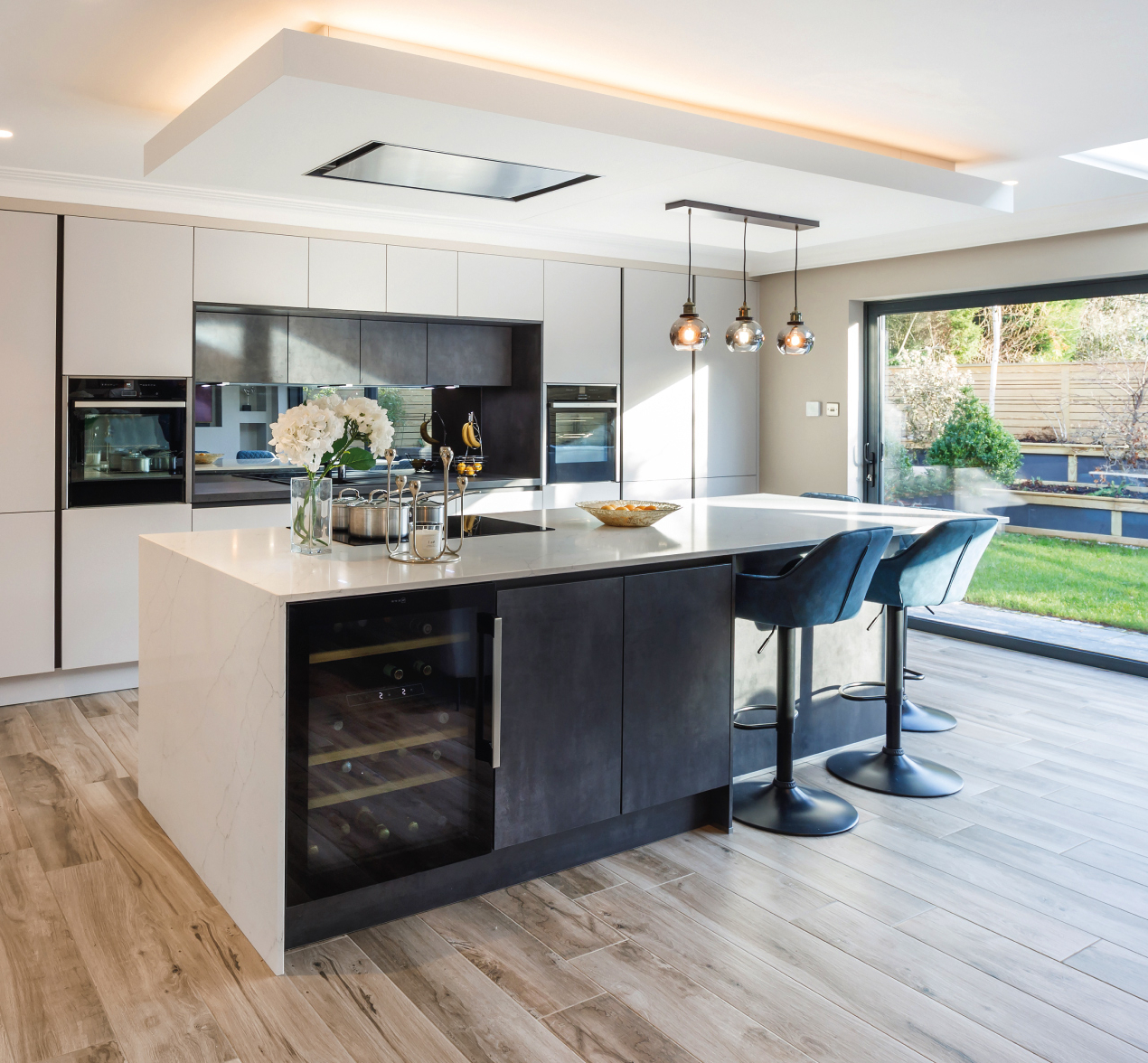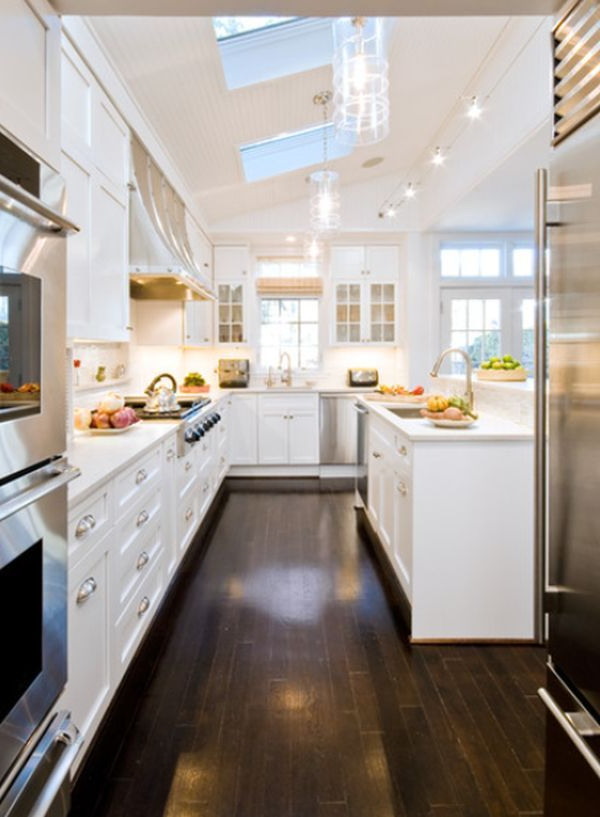
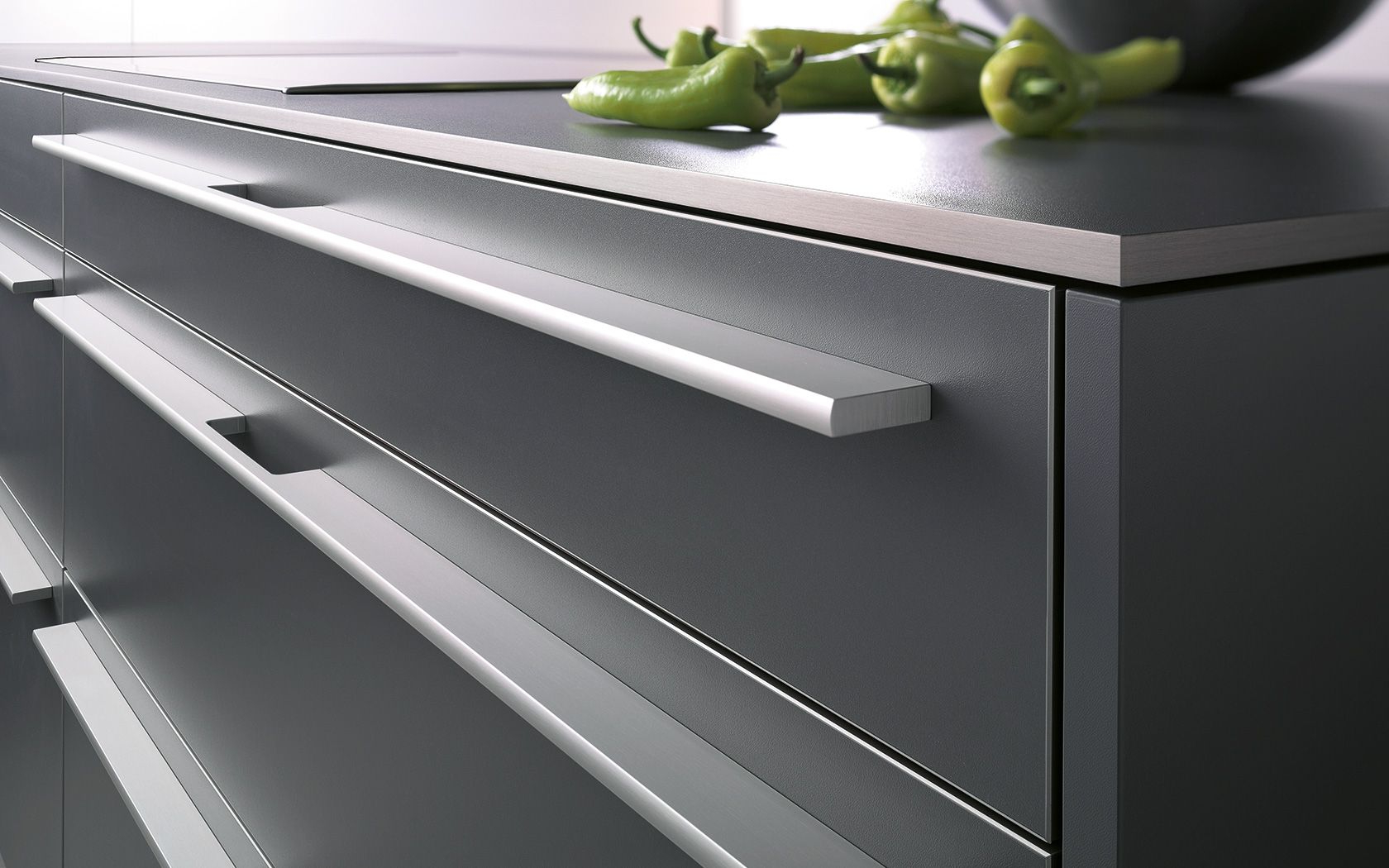
Think about it – when you walk into a kitchen, what catches your eye first? Is it the gleaming countertops or the elegant handles that seem to dance across cabinet doors? Kitchen hardware might be small, but it plays a massive role in how your space feels and functions. It’s not just about looking good; it’s about choosing pieces that work seamlessly with your daily routines.
Every kitchen tells a story. And while the appliances and layout often take center stage, it’s those little details that really make a space feel like home. Kitchen hardware – from drawer pulls to cabinet knobs – might seem like an afterthought, but they’re actually the unsung heroes of functionality and style. They’re the first things you touch, the things that make opening a drawer feel effortless, and the elements that tie together your entire kitchen aesthetic. Whether you’re renovating from scratch or updating your current setup, picking the right hardware can transform your kitchen experience.
Understanding Your Kitchen’s Needs
Before diving into hardware options, it’s important to think about how you actually use your kitchen. Consider the frequency of use, your family’s habits, and even the size of your hands. A kitchen that sees constant traffic needs hardware that’s easy to grip and durable. If you have young children or elderly family members, think about safety and accessibility too. For instance, lever-style handles might be better than round knobs if you’re dealing with smaller hands or limited dexterity. Also, consider the types of cabinets you have – some hardware works better with flat surfaces, while others complement textured or decorative cabinet faces. Take note of the existing style and materials in your kitchen, and make sure any new hardware will blend well with what’s already there. This isn’t just about aesthetics – it’s about creating a space that works for everyone who uses it.
Popular Hardware Styles and Their Benefits
There are several main styles of kitchen hardware, each with its own personality and practical advantages:
-
Traditional/Classic: These designs often feature ornate shapes, such as rosettes or ball caps, and are great for kitchens with vintage or formal aesthetics. They tend to be more decorative than functional but offer timeless appeal.
-
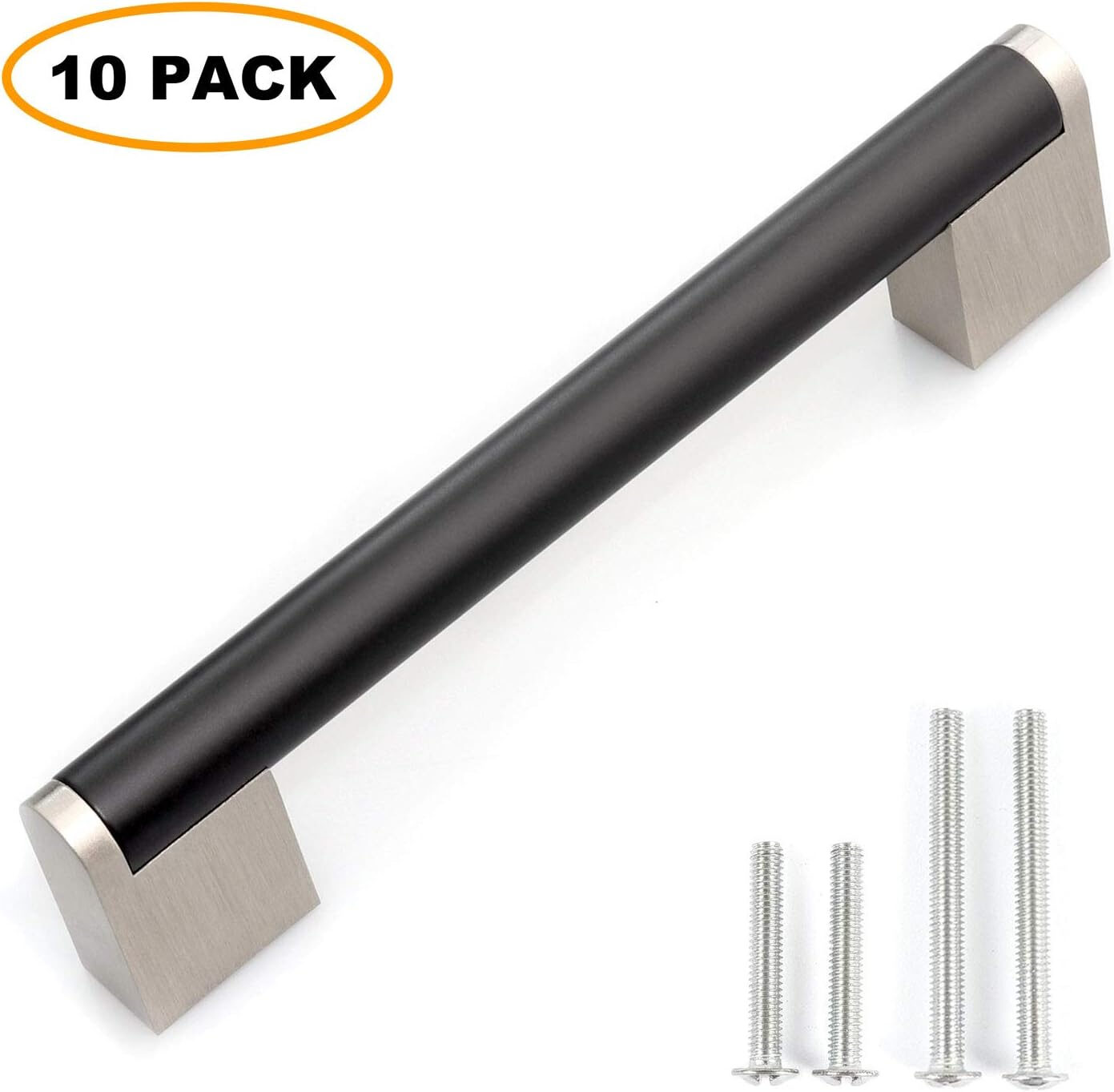
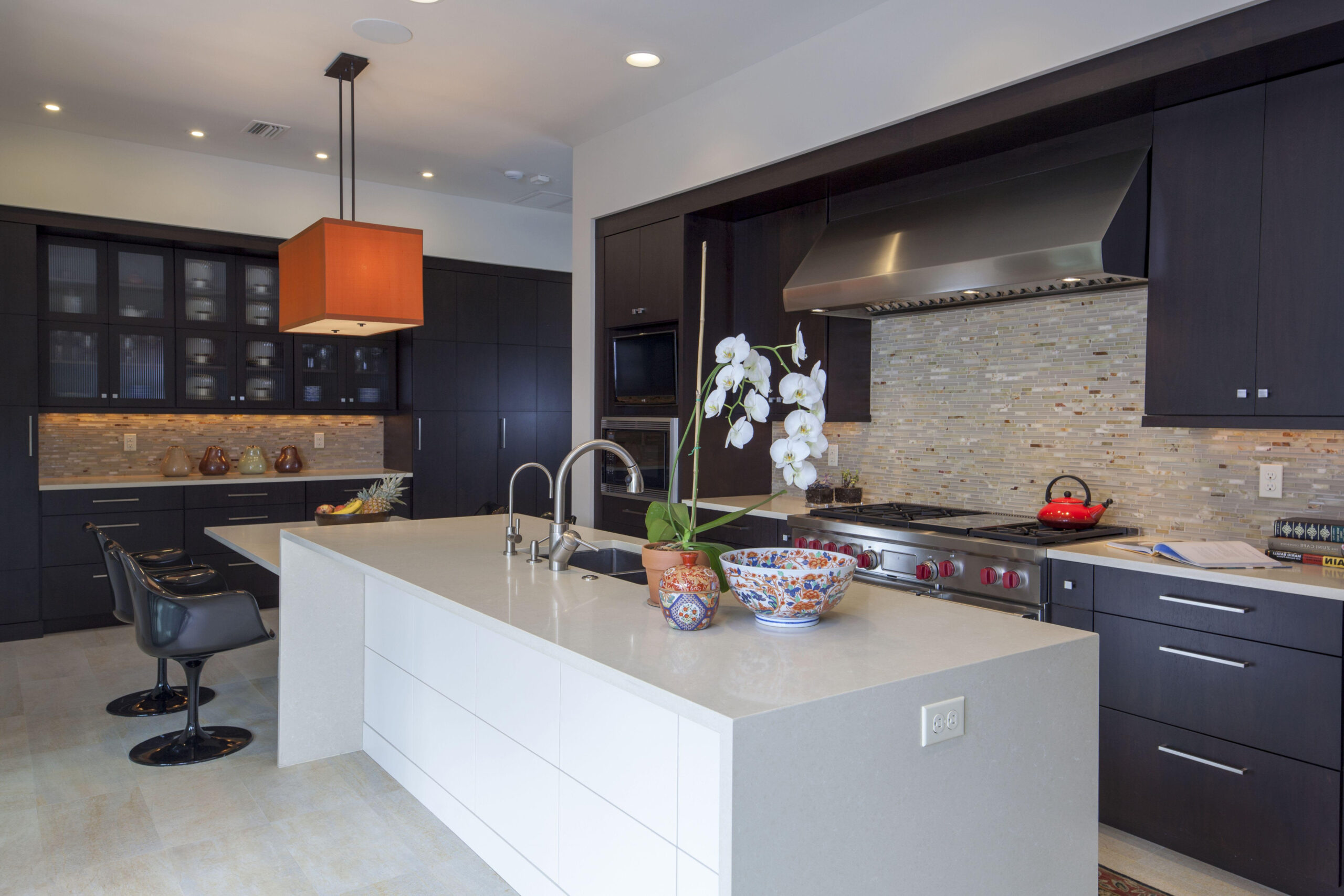
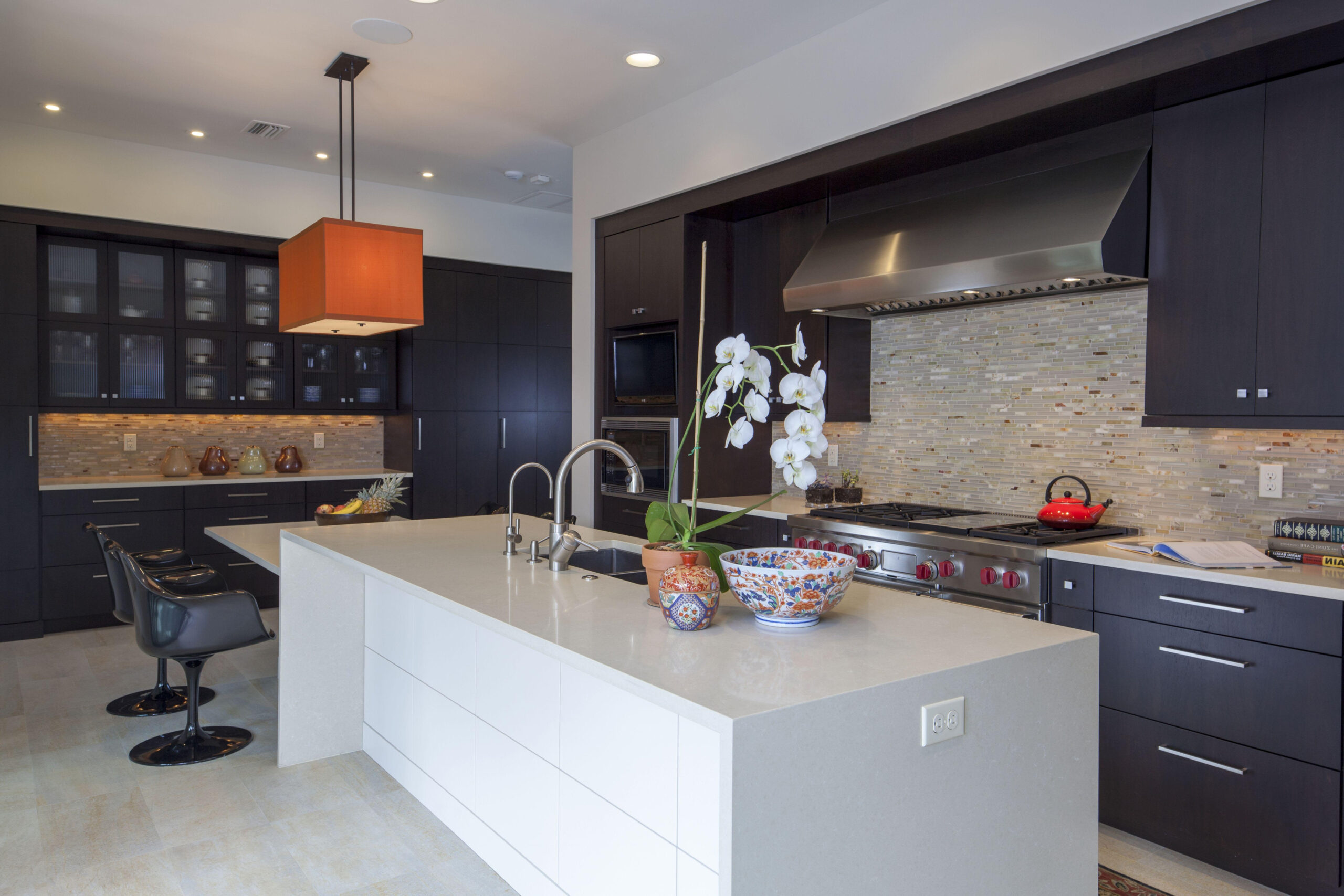
Modern Minimalist: Clean lines, simple geometric shapes, and often brushed finishes define this look. These pieces are ideal for contemporary kitchens and are typically very functional.
-
Industrial: Think raw metal, exposed screws, and bold shapes. Industrial hardware brings a rugged, urban feel to kitchens and works especially well with rustic or modern industrial themes.
-
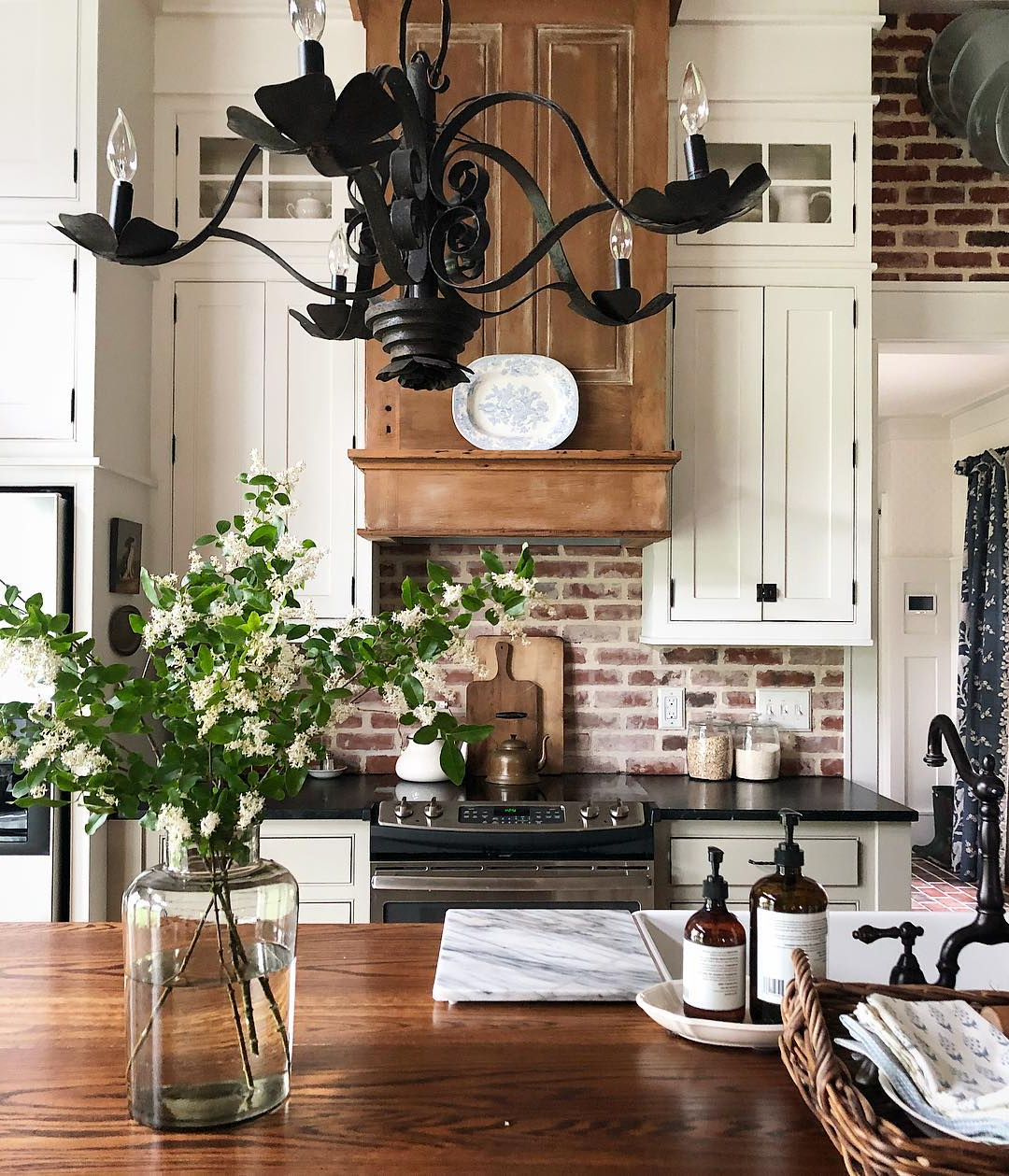
Farmhouse: These designs often incorporate wood textures or metal with a weathered finish. They’re popular in country and farmhouse-style kitchens, offering warmth and charm.
-
Contemporary: This category covers everything from sleek stainless steel to bold colored hardware. It’s versatile and adaptable to many different design schemes.
Each style comes with pros and cons. For example, traditional hardware may require more careful cleaning due to intricate details, while minimalist pieces tend to be easier to maintain. Understanding these differences helps you choose something that fits your lifestyle and design preferences.
Material Matters: What to Look For
The material of your kitchen hardware affects not only its appearance but also its durability and maintenance needs. Here are some common options:
-
Brass: This classic choice offers warmth and elegance. It’s also quite durable and develops a beautiful patina over time. However, brass requires regular polishing to keep it looking fresh.
-
Bronze: Similar to brass but often darker and more resistant to tarnishing. Bronze hardware has a rich, sophisticated look and holds up well in high-traffic areas.
-
Stainless Steel: Extremely durable and low-maintenance, stainless steel is a favorite for modern kitchens. It’s also resistant to rust and corrosion, making it ideal for humid environments.
-
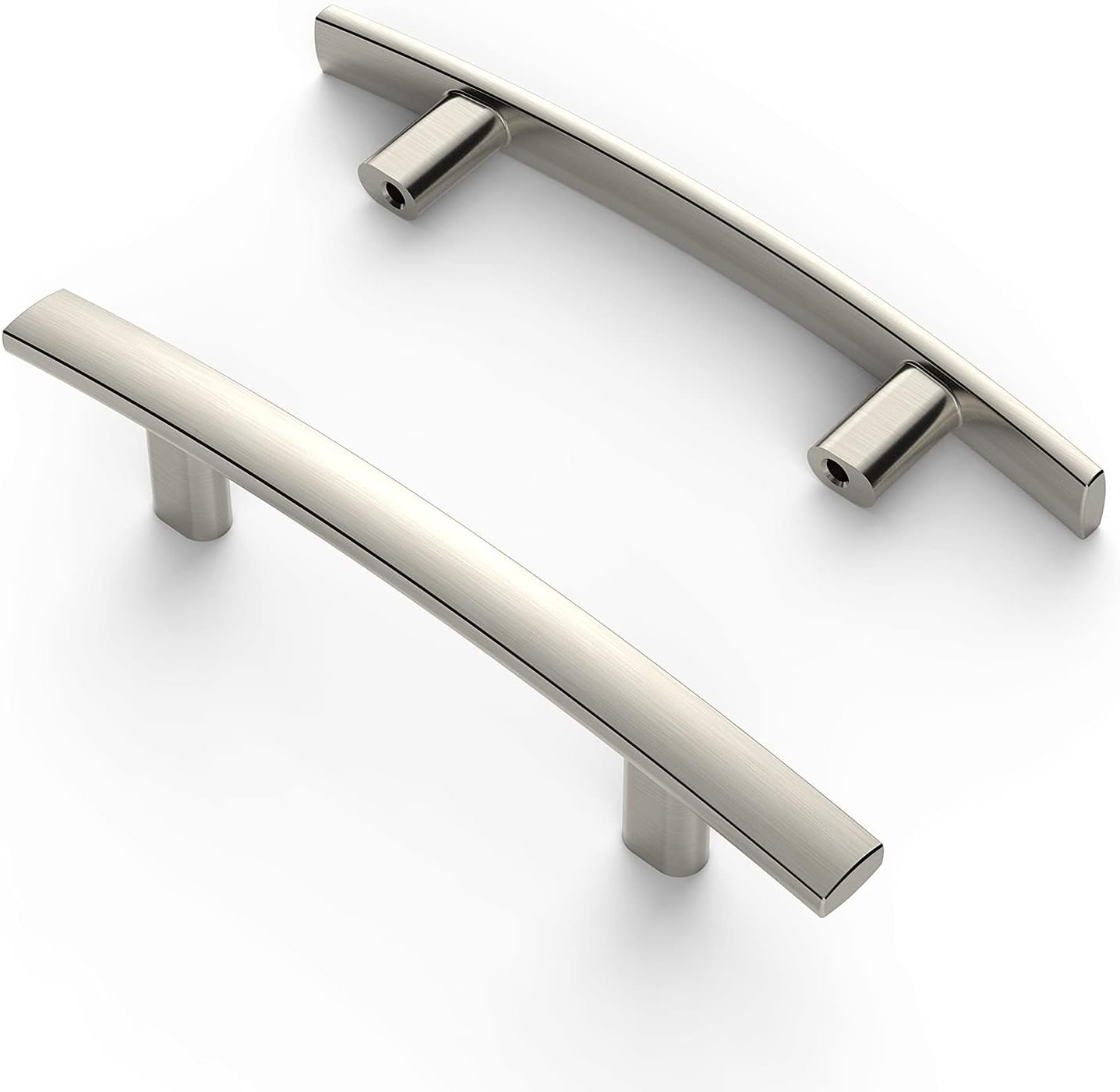
Nickel: Offers a bright, clean look and is relatively easy to care for. Nickel hardware pairs well with many finishes and tends to be budget-friendly.
-
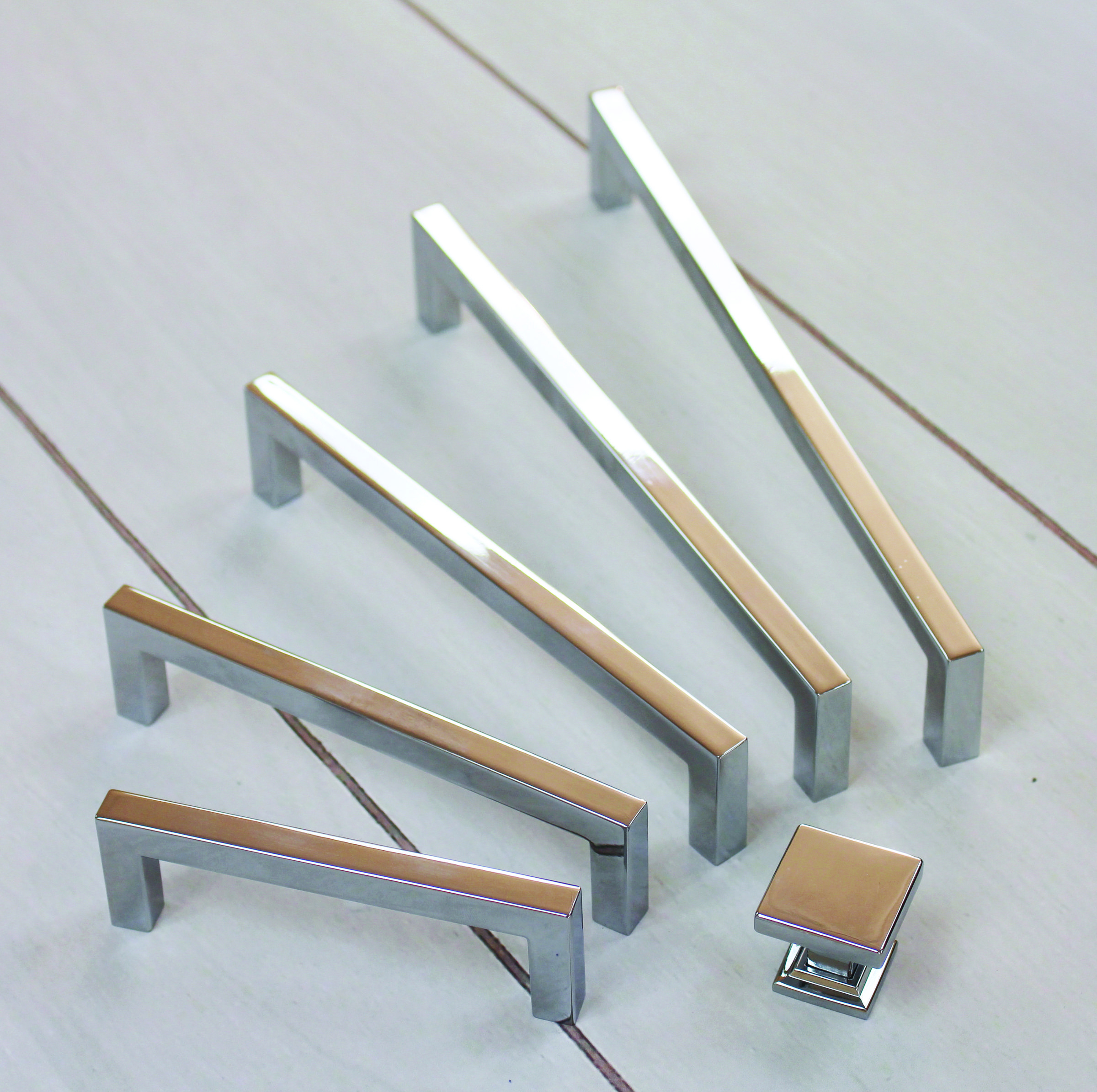
Chrome: Known for its shiny, reflective surface, chrome looks great in modern settings. While it’s easy to clean, it can show fingerprints easily and may require more frequent attention.
-
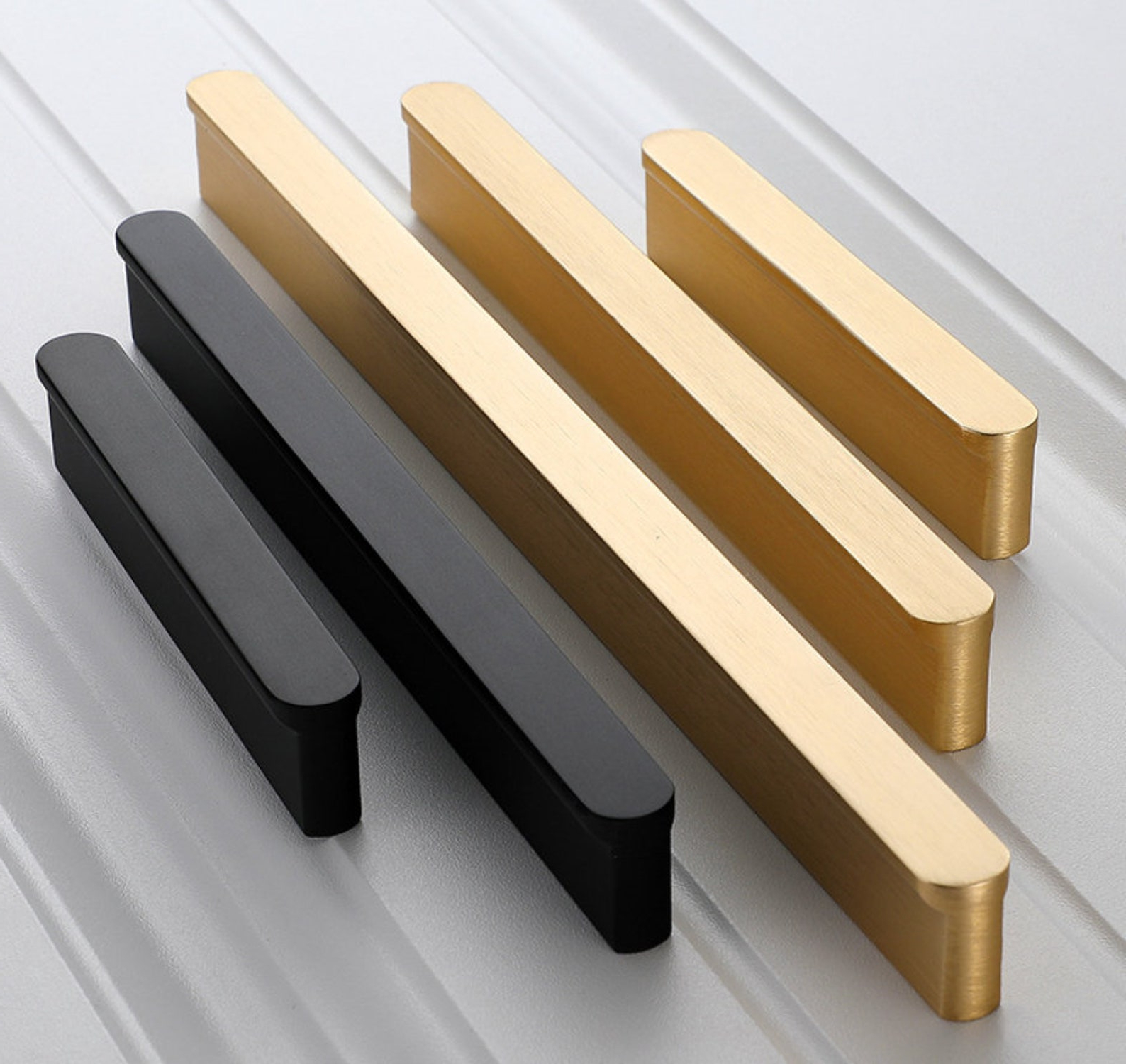
Black Matte: A trendy option that adds sophistication and contrast to kitchens. Black matte hardware can be harder to find, but it’s becoming increasingly popular for its dramatic effect.
Choosing the right material depends on your lifestyle, budget, and desired aesthetic. For busy households, materials like stainless steel or nickel might be more practical. For those who appreciate classic looks and don’t mind a bit of extra upkeep, brass or bronze could be perfect.
Size and Proportion: Getting It Right
This is one of the most overlooked aspects of kitchen hardware selection. The size of your hardware should match the scale of your cabinets and drawers. Large cabinets might need larger hardware to maintain visual balance, while smaller spaces benefit from more delicate pieces. Here are some general guidelines:
-
Drawer pulls: Typically range from 1.5 to 3 inches in length. Longer pulls work well for large drawers, while shorter ones suit smaller spaces.
-
Cabinet knobs: Usually between 1 and 2 inches in diameter. Larger knobs can make a statement, but they shouldn’t overwhelm the cabinet face.
-
Center-to-center spacing: This refers to how far apart the mounting holes are. Most standard hardware follows a 3-inch or 4-inch spacing pattern. Always double-check measurements before purchasing.
It’s also worth considering the overall symmetry of your kitchen. If you’re using a mix of pulls and knobs, try to maintain consistency in their sizes and placement. This creates a cohesive look that feels intentional rather than haphazard. Sometimes, a few well-placed larger pieces can make a bigger impact than many small ones.
Installation Tips for Long-Term Success
Installing kitchen hardware properly is just as important as choosing the right pieces. Here are some key tips for ensuring your hardware lasts:
-
Measure twice, install once: Before drilling, double-check all measurements. Even a small error can lead to misalignment or gaps.
-
Use the right tools: A drill with a small bit, a screwdriver set, and possibly a countersink bit are essential. If you’re installing multiple pieces, a template can save time and ensure uniformity.
-
Consider your cabinet material: Different cabinet materials may require different installation techniques. For example, softer woods might need pilot holes to prevent splitting.
-
Check for alignment: After installation, step back and assess whether everything lines up correctly. Small adjustments can make a big difference in the final look.
-
Don’t rush: Take your time during installation. Rushed work often leads to mistakes that are difficult to correct later. A little patience goes a long way in achieving professional-looking results.
If you’re unsure about the process, consider hiring a professional. It’s better to invest in proper installation than to deal with poorly mounted hardware later on.
Maintenance and Care: Keeping Hardware Looking New
Even the most beautiful hardware will fade and dull over time without proper care. Here are some maintenance tips to keep your kitchen hardware looking pristine:
-
Regular cleaning: Wipe down hardware regularly with a soft cloth and mild soap. For stubborn grime, a gentle cleaner designed for metal surfaces works well.
-
Avoid harsh chemicals: Harsh cleaners can damage finishes, especially on brass or bronze. Stick to mild, pH-neutral products.
-
Polish periodically: Especially for brass and bronze pieces, periodic polishing helps maintain their shine and prevents tarnishing.
-
Protect from moisture: Keep hardware dry, particularly in high-humidity areas. Moisture can cause rust or discoloration on certain metals.
-
Address scratches early: Minor scratches on stainless steel or chrome can be buffed out with fine-grit sandpaper or specialized metal polish.
-
Replace when necessary: Hardware, like anything else, wears out over time. Don’t wait until it’s completely broken to replace it – doing so can disrupt the overall look of your kitchen.
By following these simple steps, you can extend the life of your hardware and maintain the polished look of your kitchen for years to come.
Making Your Final Selection
Choosing kitchen hardware is ultimately about personal preference and lifestyle. But here are some key factors to weigh:
-
Your design vision: Does the hardware align with your overall kitchen aesthetic? It should enhance rather than clash with your existing style.
-
Practicality: Will it meet your daily needs? Consider how often you’ll use it and whether it’s comfortable for everyone in your household.
-
Budget: Hardware prices vary widely. Set a realistic budget and stick to it, but remember that investing in quality pieces often pays off in longevity.
-
Future-proofing: Will you still love this hardware in five or ten years? Choosing timeless designs can help avoid the need for frequent updates.
-
Test before buying: If possible, try the hardware in person. Feel the weight, test the operation, and see how it looks in your actual kitchen lighting.
Remember, kitchen hardware is an investment in both function and beauty. Taking the time to make thoughtful choices now will pay dividends in daily enjoyment and long-term satisfaction.
Selecting kitchen hardware isn’t just about picking pretty pieces – it’s about crafting a space that works for you. From understanding your needs to considering materials and maintenance, every decision matters. Whether you’re drawn to the classic appeal of brass, the clean lines of stainless steel, or the bold statement of black matte finishes, the right hardware can elevate your kitchen from ordinary to extraordinary. Don’t overlook the importance of fit, function, and finish. With careful consideration and a bit of thoughtfulness, you’ll find hardware that not only looks great but also enhances your daily kitchen routine. Your kitchen deserves nothing less than the best.
[sps_html tag=”img” src=”https://roofdrivein.com/wp-content/uploads/2026/01/amerdeco-10-pack-brushed-satin-nickel-3-inch76mm-hole-centers-kitchen-inside-the-ultimate-guide-to-selecting-kitchen-hardware-that-works-for-you.jpg” alt=”Amerdeco 10 Pack Brushed Satin Nickel 3 Inch(76Mm) Hole Centers Kitchen … inside The Ultimate Guide to Selecting Kitchen Hardware That Works for You” style=”width: 100%; height: auto;”]
[sps_html tag=”img” src=”https://roofdrivein.com/wp-content/uploads/2026/01/black-gold-kitchen-cabinet-pulls-modern-door-handles-round-t-etsy-regarding-modern-kitchen-knobs-and-pulls.jpg” alt=”Black Gold Kitchen Cabinet Pulls Modern Door Handles Round T | Etsy regarding Modern Kitchen Knobs And Pulls” style=”width: 100%; height: auto;”]
[sps_html tag=”img” src=”https://roofdrivein.com/wp-content/uploads/2026/01/fulgente-european-modern-black-cabinet-pulls-stainless-steel-kitchen-pertaining-to-the-ultimate-guide-to-selecting-kitchen-hardware-that-works-for-you.jpg” alt=”Fulgente European Modern Black Cabinet Pulls, Stainless Steel Kitchen … pertaining to The Ultimate Guide to Selecting Kitchen Hardware That Works for You” style=”width: 100%; height: auto;”]
[sps_html tag=”img” src=”https://roofdrivein.com/wp-content/uploads/2026/01/breathtaking-best-modern-cabinet-hardware-porcelain-knobs-and-pulls-intended-for-modern-kitchen-knobs-and-pulls.jpg” alt=”Breathtaking Best Modern Cabinet Hardware Porcelain Knobs And Pulls intended for Modern Kitchen Knobs And Pulls” style=”width: 100%; height: auto;”]
[sps_html tag=”img” src=”https://roofdrivein.com/wp-content/uploads/2026/01/modern-kitchen-cabinet-hardware-a-guide-to-adding-style-to-your-home-regarding-the-ultimate-guide-to-selecting-kitchen-hardware-that-works-for-you.jpg” alt=”Modern Kitchen Cabinet Hardware: A Guide To Adding Style To Your Home … regarding The Ultimate Guide to Selecting Kitchen Hardware That Works for You” style=”width: 100%; height: auto;”]