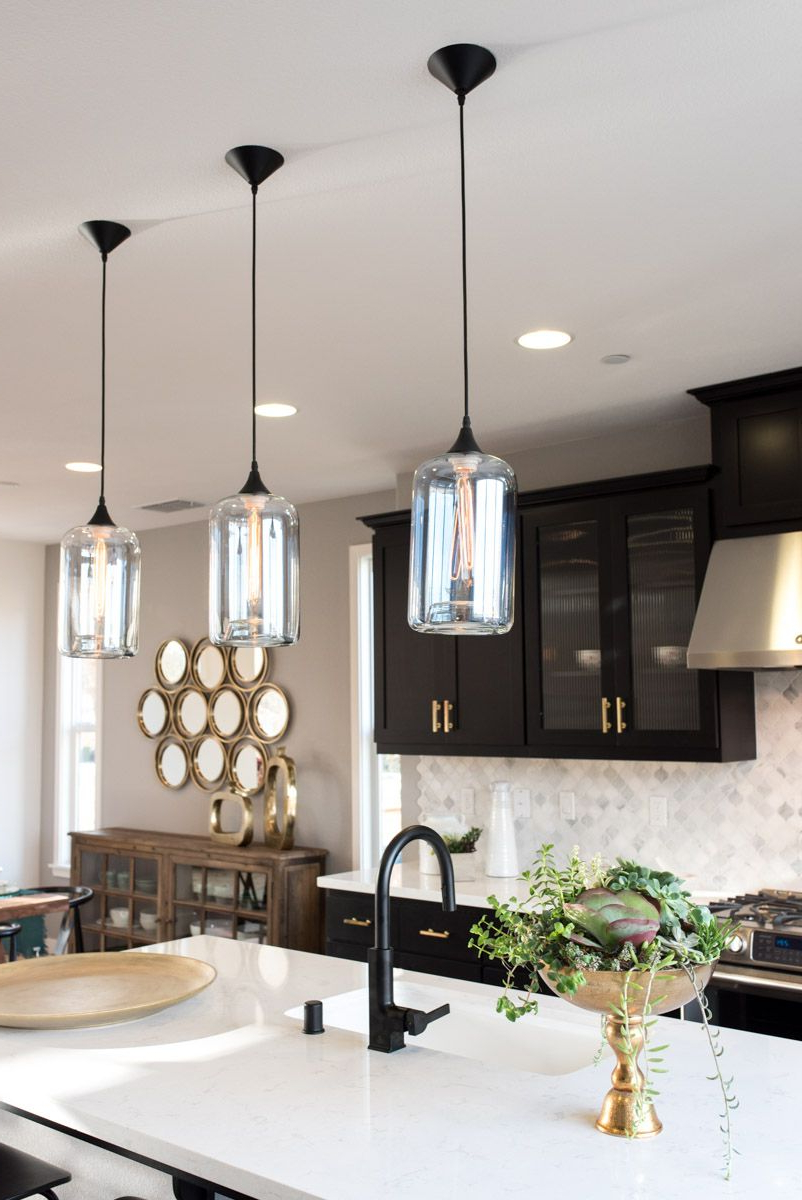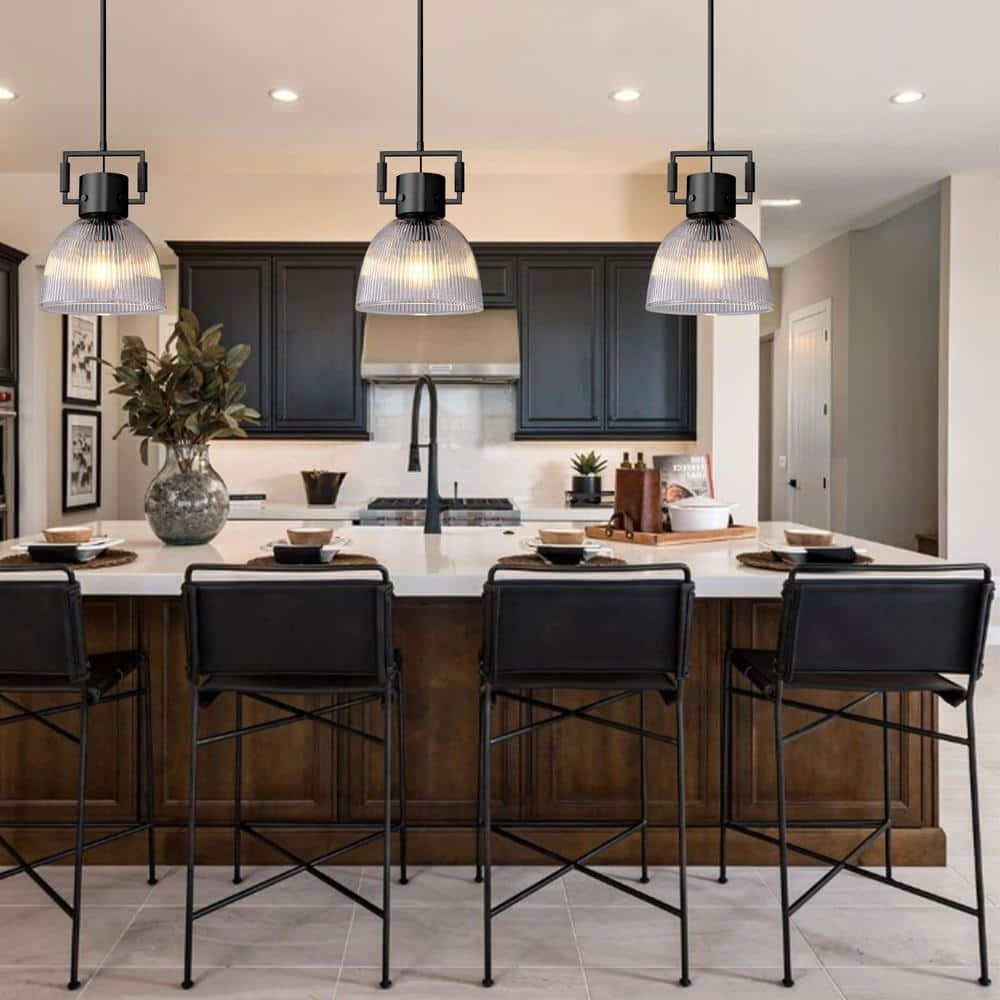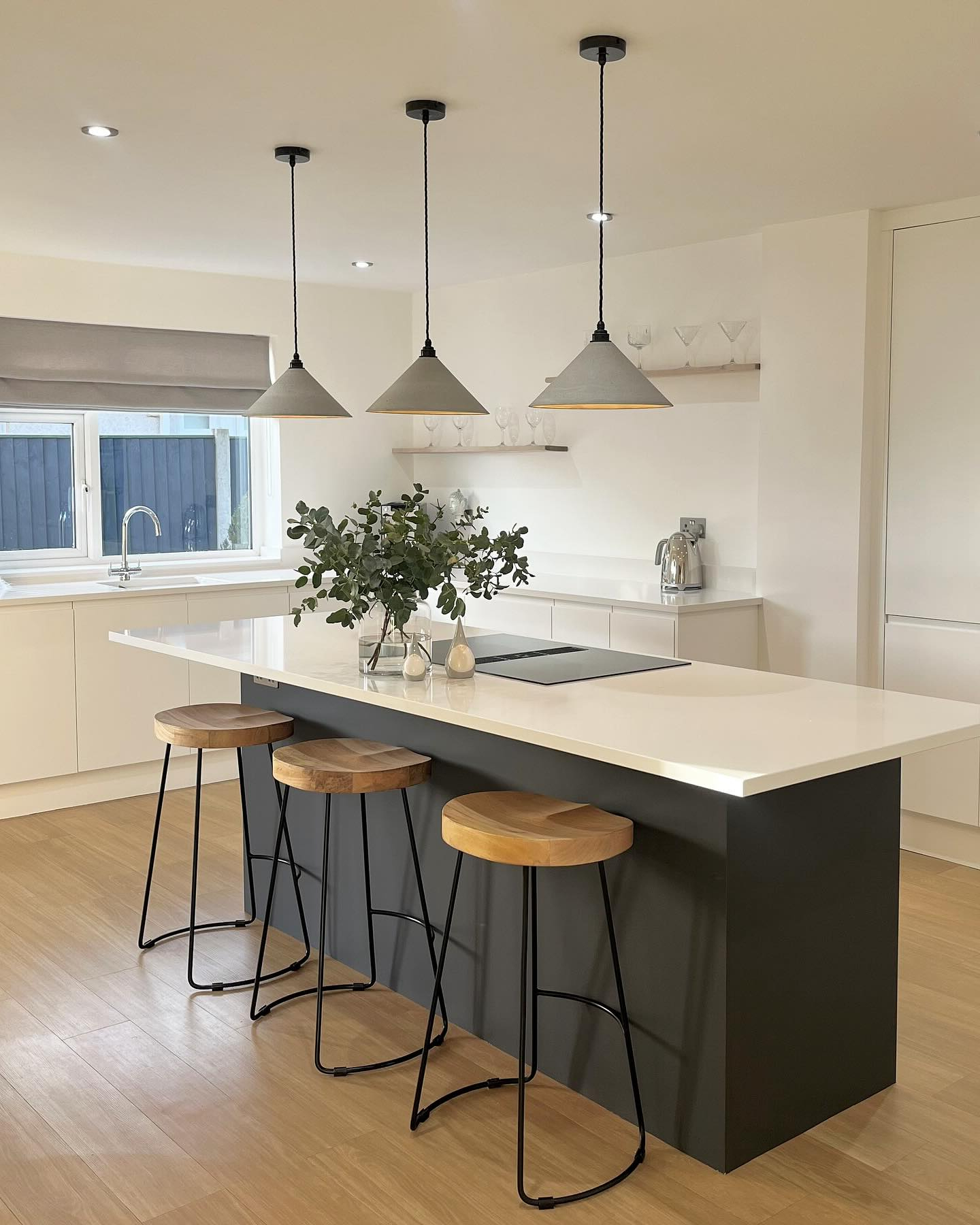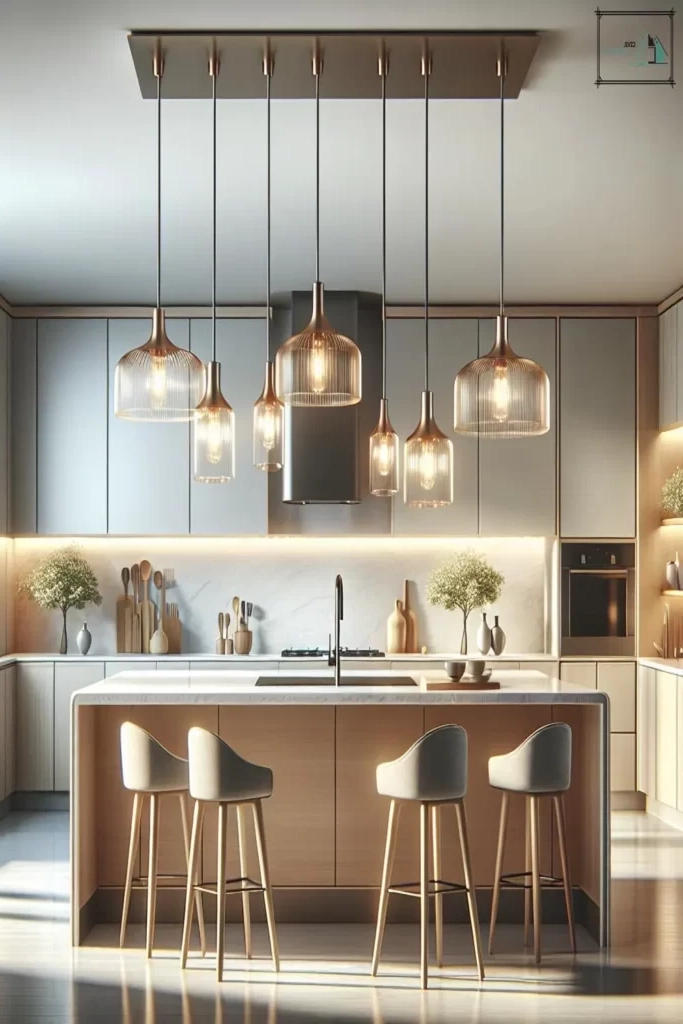
Imagine walking into a kitchen where every corner feels inviting, where cooking becomes a joyous experience, and where light flows naturally across countertops and appliances. This isn’t just wishful thinking – it’s achievable through smart pendant lighting placement. The right lights don’t just illuminate your space; they transform how you interact with your kitchen.
The kitchen is often called the heart of the home, and it’s where families gather, meals are prepared, and memories are made. But let’s face it – many kitchens feel cold and unwelcoming when they lack proper lighting. This is where pendant lights step in as true game-changers. They’re not just decorative elements; they’re functional tools that can completely redefine your kitchen’s atmosphere and usability. Whether you’re planning a full renovation or simply updating a few fixtures, understanding how to strategically place pendant lights can make all the difference between a good kitchen and a great one.
Understanding Pendant Light Basics
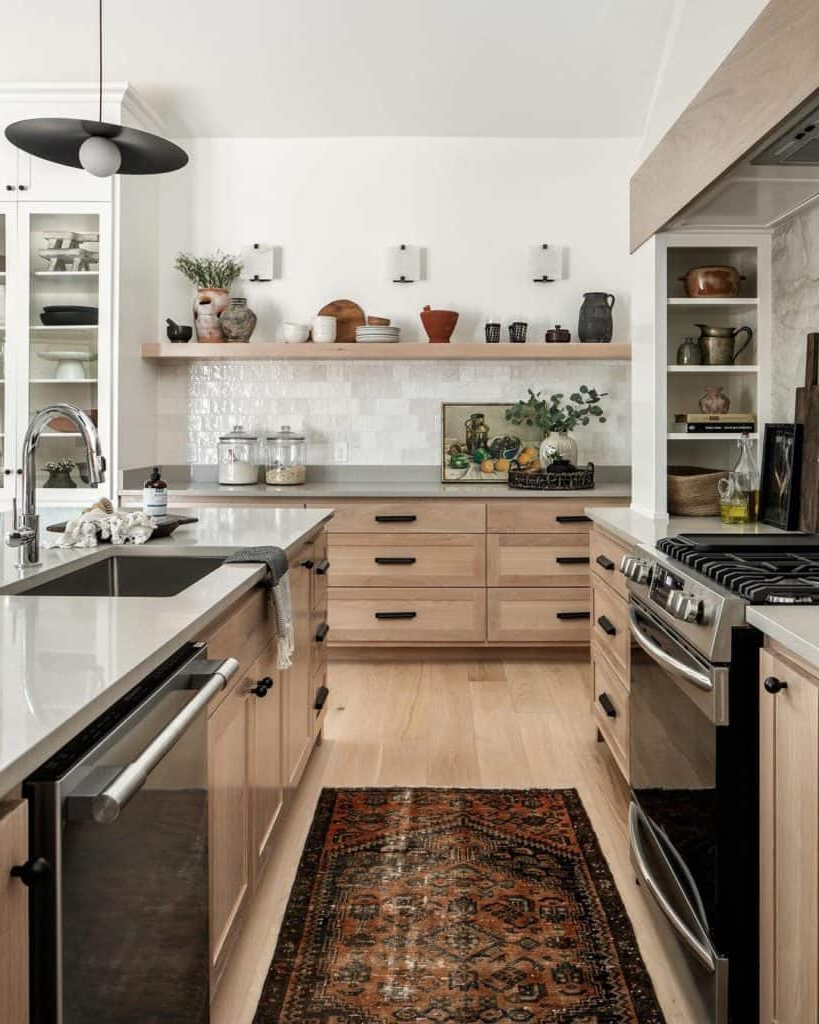
Before diving into placement strategies, it’s important to grasp what makes pendant lights special. These hanging fixtures come in various shapes, sizes, and styles – from sleek modern designs to rustic industrial looks. What matters most is their ability to provide focused task lighting while adding visual interest to your space. Unlike overhead fixtures that cast light in all directions, pendants direct light downward, creating that perfect balance between functionality and aesthetics. Think about how you move through your kitchen – where do you prep food? Where do you gather with family? These areas become your primary focus for pendant placement.
Kitchen Zones and Lighting Needs
Every kitchen has distinct zones, each requiring different lighting approaches. The work zone – typically around your sink, stove, and prep areas – needs bright, even illumination for safety and precision. The dining area requires softer, more ambient lighting that creates a welcoming atmosphere for meals. The storage and serving areas benefit from general lighting that highlights your cabinets and displays. Consider how you actually use your kitchen space. Do you cook early in the morning? Do you host dinner parties? These daily rhythms should inform your lighting decisions. A single pendant might not serve all zones effectively, which brings us to our next point.
Determining Proper Height and Spacing
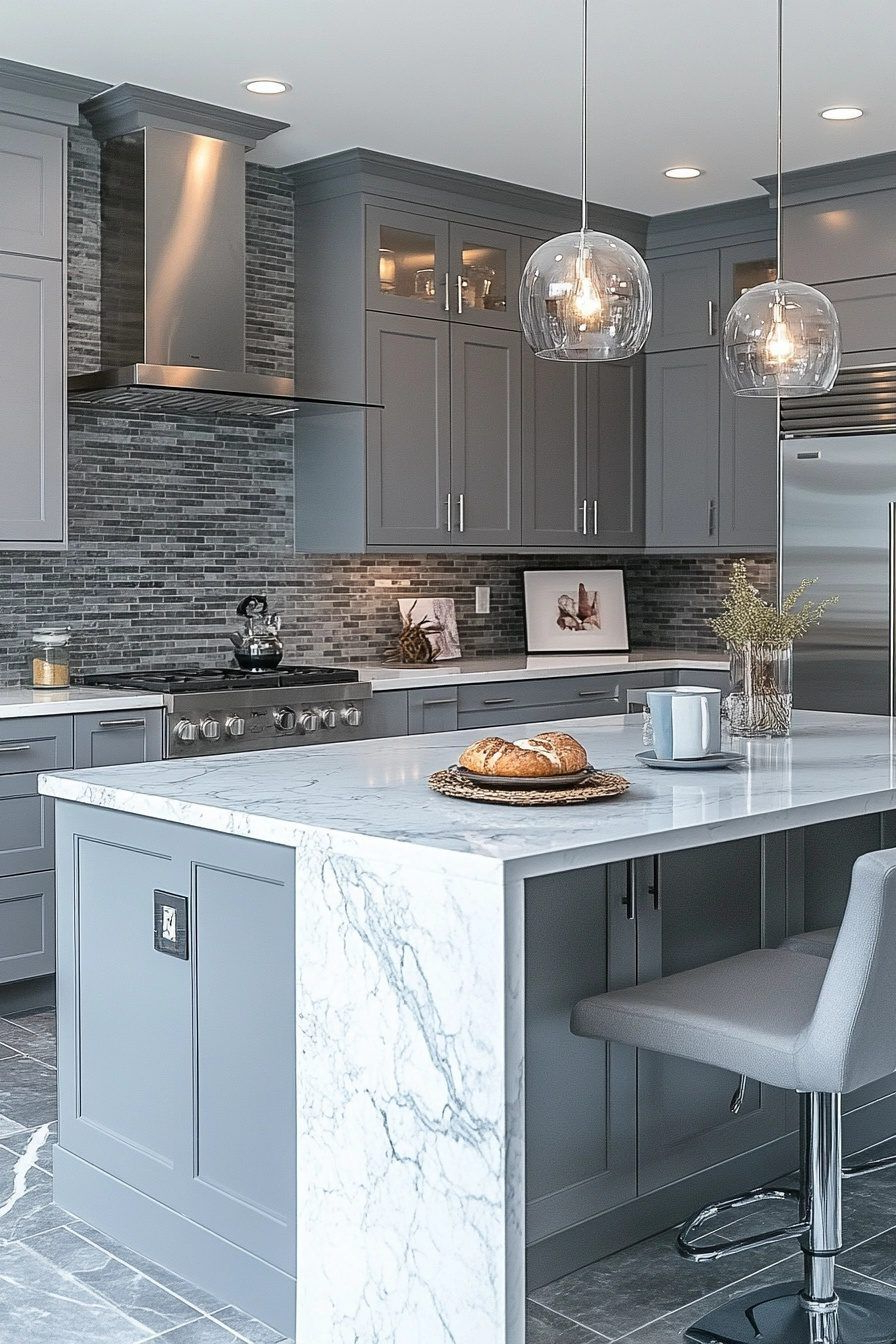
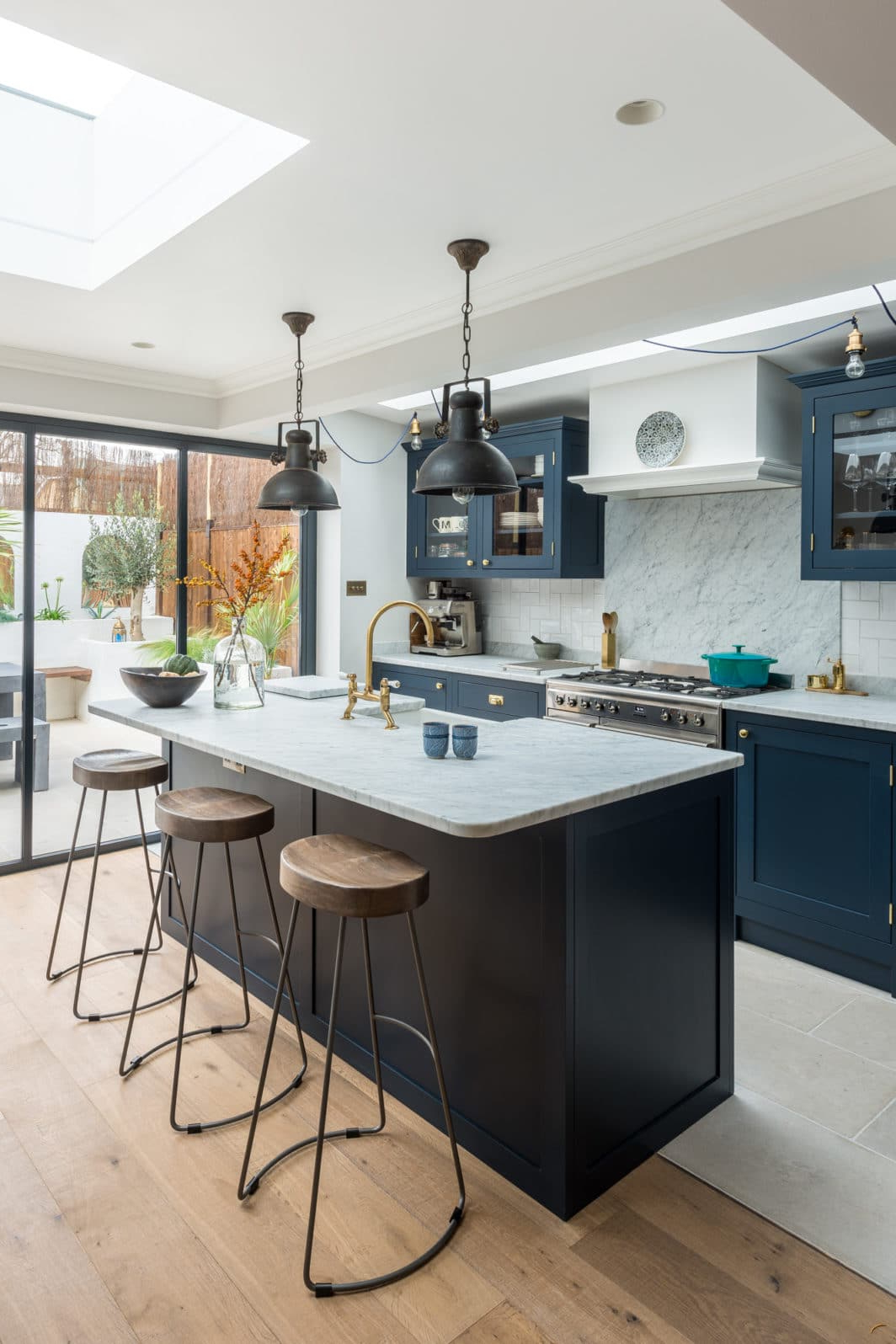
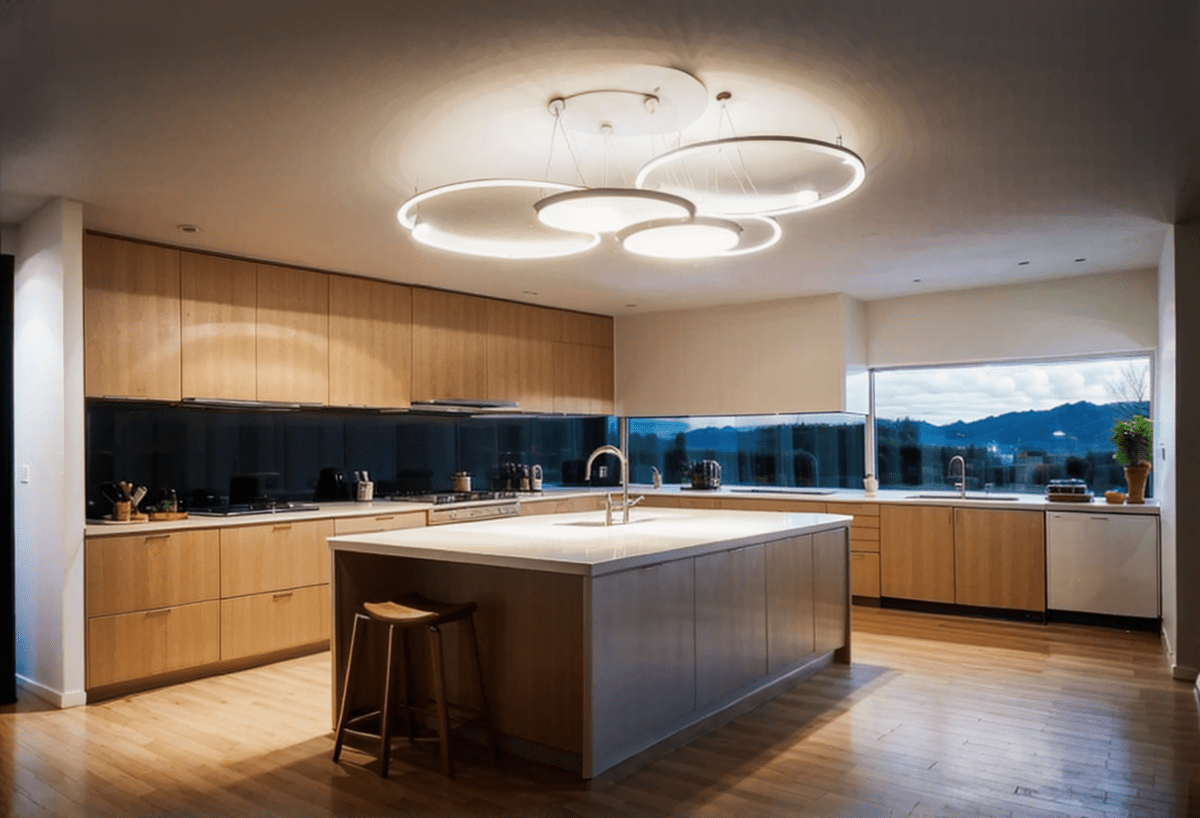
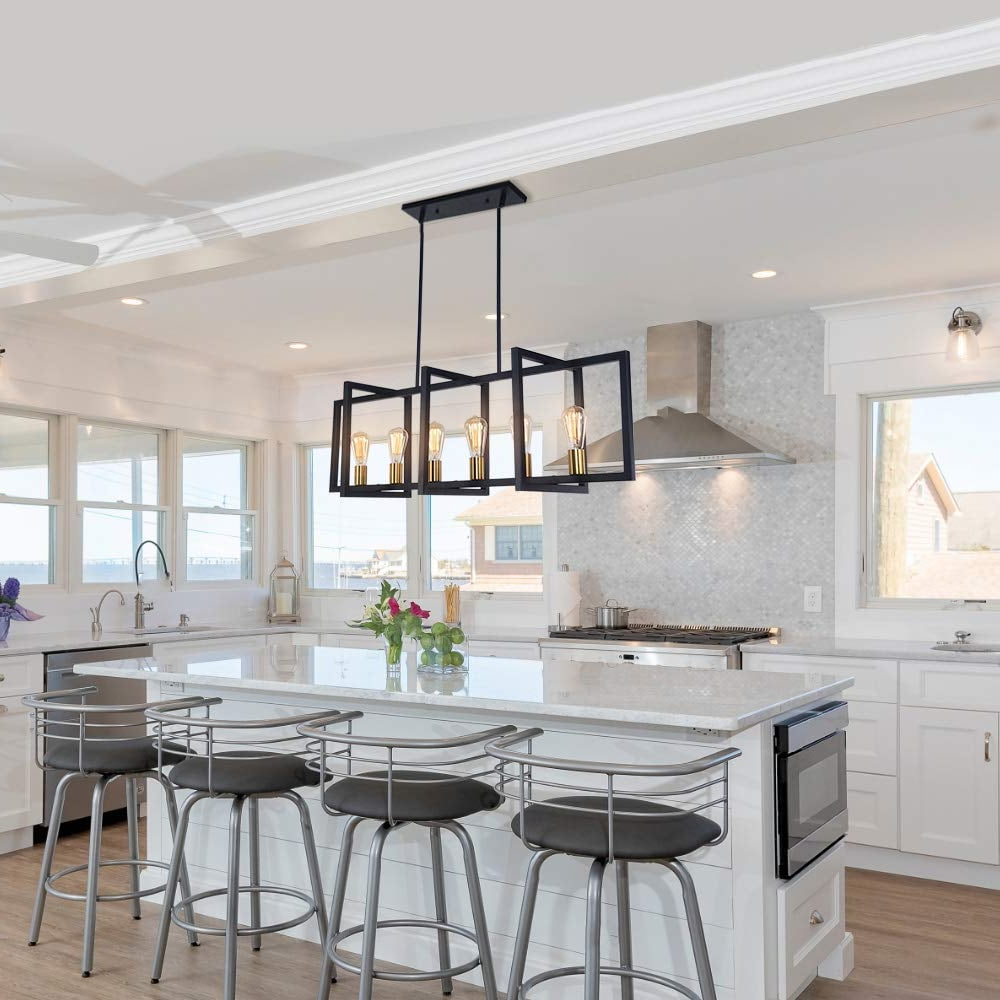
Here’s where things get technical but also very practical. The height of your pendant lights directly affects both their functionality and appearance. For kitchen islands, pendants should hang approximately 30 inches above the surface. This distance allows for comfortable working space while maintaining adequate light coverage. When placing multiple pendants over an island, consider spacing them 30-36 inches apart center-to-center. Too close together, and they look cramped; too far apart, and you lose the cohesive look. The key is finding that sweet spot where the light overlaps just enough to create uniform illumination without overwhelming the space. Try measuring your space first, then visualize how the light will fall before making any final decisions.
Choosing the Right Pendant Styles
Not all pendant lights are created equal, and choosing the right style can make or break your kitchen’s overall look. For contemporary kitchens, clean lines and minimalist designs work beautifully. Industrial-style pendants with exposed bulbs add character and warmth to rustic or modern spaces. If you have a traditional kitchen, consider ornate fixtures that complement existing architectural details. The material matters too – metal pendants offer durability and easy cleaning, while glass or fabric options can soften harsh lighting. Remember that your pendant lights should enhance rather than compete with your kitchen’s existing design elements. Think about the overall aesthetic you want to achieve and let that guide your selection process.
Creating Visual Balance and Flow
Good lighting design isn’t just about function; it’s about creating visual harmony throughout your space. When placing pendant lights, think about how they’ll interact with other elements like cabinets, countertops, and flooring. A single large pendant can anchor a small kitchen, while several smaller fixtures can define larger spaces. Consider the symmetry of your layout – balanced arrangements often feel more pleasing to the eye than random placements. Pay attention to how light travels through your kitchen. Will it create shadows on your work surfaces? Does it highlight the features you want to showcase? These are subtle considerations that make a big difference in how your kitchen feels and functions.
Practical Installation Tips and Common Mistakes
Installation might seem straightforward, but there are several pitfalls to avoid. One common error is mounting pendants too high, which creates poor illumination and makes the space feel empty. Another mistake is choosing fixtures that are too heavy for your ceiling’s load capacity. Always check electrical requirements and consult professionals when necessary. Many people overlook the importance of dimmer switches – they’re game-changers for creating different moods throughout the day. Don’t forget about accessibility either; ensure you can easily reach and maintain your fixtures. Planning ahead means marking out your positions before drilling holes, measuring twice, and installing once. These simple steps prevent costly mistakes and ensure your lighting investment pays off for years to come.
Transforming your kitchen through strategic pendant lighting placement is both an art and a science. It’s about understanding your space, knowing how you use it, and making thoughtful decisions about how light can enhance those experiences. The right pendant lights don’t just provide illumination; they create atmosphere, improve functionality, and reflect your personal style. Whether you’re upgrading a single fixture or overhauling your entire kitchen lighting scheme, remember that good lighting design starts with careful consideration of your needs and lifestyle. Take time to plan, measure carefully, and trust your instincts. Your kitchen will thank you for it, and so will anyone who spends time in that beautiful, well-lit space.
[sps_html tag=”img” src=”https://roofdrivein.com/wp-content/uploads/2026/01/yuyi-modern-farmhouse-shaded-kitchen-island-pendant-lighting1-light-within-transforming-your-kitchen-with-strategic-pendant-lighting-placement.jpg” alt=”Yuyi Modern Farmhouse Shaded Kitchen Island Pendant Lighting,1-Light … within Transforming your kitchen with strategic pendant lighting placement” style=”width: 100%; height: auto;”]
[sps_html tag=”img” src=”https://roofdrivein.com/wp-content/uploads/2026/01/dot-bo-furniture-and-decor-for-the-modern-lifestyle-modern-regarding-modern-kitchen-island-pendants.jpg” alt=”Dot & Bo – Furniture And Décor For The Modern Lifestyle | Modern … regarding Modern Kitchen Island Pendants” style=”width: 100%; height: auto;”]
[sps_html tag=”img” src=”https://roofdrivein.com/wp-content/uploads/2026/01/modern-pendant-lighting-for-kitchen-island-kitchen-info-in-transforming-your-kitchen-with-strategic-pendant-lighting-placement.jpg” alt=”Modern Pendant Lighting For Kitchen Island – Kitchen Info in Transforming your kitchen with strategic pendant lighting placement” style=”width: 100%; height: auto;”]
[sps_html tag=”img” src=”https://roofdrivein.com/wp-content/uploads/2026/01/33-creative-kitchen-pendant-lights-over-island-to-see-no-minimalist-here-pertaining-to-transforming-your-kitchen-with-strategic-pendant-lighting-placement.jpg” alt=”33 Creative Kitchen Pendant Lights Over Island To See - No Minimalist Here pertaining to Transforming your kitchen with strategic pendant lighting placement” style=”width: 100%; height: auto;”]
[sps_html tag=”img” src=”https://roofdrivein.com/wp-content/uploads/2026/01/best-24-modern-kitchen-island-pendant-lighting-ideas-within-modern-kitchen-island-pendants.webp” alt=”Best 24 Modern Kitchen Island Pendant Lighting Ideas within Modern Kitchen Island Pendants” style=”width: 100%; height: auto;”]